From Surf Wiki (app.surf) — the open knowledge base
South Africa national soccer team
Men's national football team

Men's national football team
| Field | Value |
|---|---|
| Name | South Africa |
| Badge | South Africa national soccer team logo.svg |
| Badge_size | 185px |
| FIFA Trigramme | RSA |
| Nickname | Bafana Bafana |
| Association | South African Football Association (SAFA) |
| Confederation | CAF (Africa) |
| Sub-confederation | COSAFA (Southern Africa) |
| Coach | Hugo Broos |
| Captain | Ronwen Williams |
| Most caps | Aaron Mokoena (107) |
| Top scorer | Benni McCarthy (31) |
| Home Stadium | Various |
| website | |
| FIFA Rank | |
| FIFA max | 16 |
| FIFA max date | August 1996 |
| FIFA min | 124 |
| FIFA min date | December 1992 |
| Elo Rank | |
| Elo max | 21 (9) |
| Elo max date | September 1996 (October 1955) |
| Elo min | 94 |
| Elo min date | May 2006 |
| pattern_la1 | _rsa23h |
| pattern_b1 | _rsa23h |
| pattern_ra1 | _rsa23h |
| leftarm1 | FFDD00 |
| body1 | FFEE00 |
| rightarm1 | FFDD00 |
| shorts1 | FFDD00 |
| socks1 | FFDD00 |
| pattern_la2 | _rsa23a |
| pattern_b2 | _rsa23a |
| pattern_ra2 | _rsa23a |
| leftarm2 | 03785D |
| body2 | 03785D |
| rightarm2 | 03785D |
| shorts2 | 03785D |
| socks2 | 03785D |
| pattern_la3 | _rsa24t |
| pattern_b3 | _rsa24t |
| pattern_ra3 | _rsa24t |
| leftarm3 | FFFFFF |
| body3 | FFFFFF |
| rightarm3 | FFFFFF |
| shorts3 | ffffff |
| socks3 | FFFFFF |
| First game | 0–1 |
| (Buenos Aires, Argentina; 9 July 1906) | |
| Largest win | 0–8 |
| (Adelaide, Australia; 17 September 1955) | |
| Largest loss | 1–9 |
| (Cape Town, South Africa; 17 July 1920) | |
| World cup apps | 4 |
| World cup first | 1998 |
| World cup best | Group stage (1998, 2002, 2010) |
| Regional name | Africa Cup of Nations |
| Regional cup apps | 12 |
| Regional cup first | 1996 |
| Regional cup best | Champions (1996) |
| 2ndRegional name | CONCACAF Gold Cup |
| 2ndRegional cup apps | 1 |
| 2ndRegional cup first | 2005 |
| 2ndRegional cup best | Quarter-finals (2005) |
| 3rdRegional name | African Nations Championship |
| 3rdRegional cup apps | 2 |
| 3rdRegional cup first | 2011 |
| 3rdRegional cup best | Quarter-finals (2011) |
| 4thRegional name | Confederations Cup |
| 4thRegional cup apps | 2 |
| 4thRegional cup first | 1997 |
| 4thRegional cup best | Fourth place (2009) |
the men's football team
| Sub-confederation = COSAFA (Southern Africa) (Buenos Aires, Argentina; 9 July 1906) (Adelaide, Australia; 17 September 1955) (Cape Town, South Africa; 17 July 1920)
The South Africa national football team represents South Africa in men's international football and is run by the South African Football Association, the governing body for football in South Africa. Nicknamed Bafana Bafana (The Boys in Zulu), the team plays at various stadiums around the country. The team is a member of both FIFA and the Confederation of African Football (CAF), is one of the most well-supported national sides in Africa, and are recognised by their traditional yellow-green kits.
Having played their first match in 1906, South Africa returned to the world stage in 1992, after sixteen years of being banned from FIFA, and forty years of effective suspension due to the apartheid system. South Africa have qualified for the FIFA World Cup three times: 1998, 2002 and 2026, in addition to qualifying as hosts of the 2010 tournament, becoming the first African nation to do so. Despite defeating France 2–1 in their final game of the group stage, they failed to progress from the first round of the tournament, becoming the first host nation in the history of the FIFA World Cup to exit in the group stage, followed by Qatar in 2022. As of January 2026, the team is ranked 60th in FIFA overall.
South Africa's most significant achievement came in 1996 when they hosted and won the Africa Cup of Nations (AFCON). They reached the final again in 1998 but were defeated by Egypt.
History
Main article: Soccer in South Africa#National teams
Pre-1992
Football first arrived in South Africa through colonialism in the late nineteenth century, as the game was popular among British soldiers. From the earliest days of the sport in South Africa until the end of apartheid, organised soccer was affected by the country's system of racial segregation. The all-white Football Association of South Africa (FASA) was formed in 1892, while the South African Indian Football Association (SAIFA), the South African Bantu Football Association (SABFA) and the South African Black Football Association (SACFA) were founded in 1903, 1933 and 1936 respectively.
In 1903 the SAFA re-affiliated with the English Football Association after the Second Boer War between the British Empire and the Boer state. There was a plan to play a tournament held in Argentina, with South Africa and Fulham as guest teams, but it was not carried out. Nevertheless, South Africa traveled to South America in 1906 to play a series of friendly matches there.
South Africa played a total of 12 matches in South America, winning 11 with 60 goals scored and only 7 conceded. Opponents included Belgrano A.C., the Argentina national team, a combined Liga Rosarina, Estudiantes (BA) and Quilmes. The only team that defeated South Africa was Argentina's Alumni 1–0 at Sociedad Sportiva stadium in Buenos Aires, on 24 June, although the South Africans would take revenge on 22 July, defeating them 2–0. The players were exclusively white, civil servants, government employees, bankers and civil engineers. Seven of the 15 players were born in South Africa and 8 originated from England and Scotland.
South Africa was one of four African nations to attend FIFA's 1953 congress, at which the four demanded, and won, representation on the FIFA executive committee. Thus the four nations (South Africa, Ethiopia, Egypt and Sudan) founded the Confederation of African Football in 1956, and the South African representative, Fred Fell, sat at the first meeting as a founding member. It soon became clear however that South Africa's constitution prohibited racially mixed teams from competitive sport, and so they could only send either an all-black side or an all-white side to the planned 1957 African Cup of Nations. This was unacceptable to the other members of the Confederation, and South Africa was disqualified from the competition, however, some sources say that they withdrew voluntarily.
At the second CAF conference in 1958, South Africa were formally expelled from CAF. The all-white FASA were admitted to FIFA in the same year, but in August 1960 it was given an ultimatum of one year to fall in line with the non-discriminatory regulations of FIFA. On 26 September 1961 at the annual FIFA conference, the South African association was formally suspended from FIFA. Sir Stanley Rous, president of The Football Association of England and a champion of South Africa's FIFA membership, was elected FIFA President a few days later. Rous was adamant that sport, and FIFA in particular, should not embroil itself in political matters and against fierce opposition, he continued to resist attempts to expel South Africa from FIFA. The suspension was lifted in January 1963 after a visit to South Africa by Rous in order to investigate the state of soccer in the country.
Rous declared that if the suspension were not lifted, soccer there would be discontinued, possibly to the point of no recovery. The next annual conference of FIFA in October 1964 took place in Tokyo and was attended by a larger contingent of representatives from African and Asian associations and here the suspension of South Africa's membership was re-imposed. In 1976, after the Soweto uprising, they were formally expelled from FIFA.
In 1991, when the apartheid system was beginning to be demolished, a new multi-racial South African Football Association was formed, and admitted to FIFA – and thus finally allowing South Africa to enter the qualifying stages for subsequent World Cups.
1992–2000
After spending nearly two decades in international isolation, the South African national team played its first game on 7 July 1992, beating Cameroon 1–0 at Kings Park in Durban.
The team entered the 1994 Cup of Nations qualifiers and was placed in Group 5, along with Mauritius, Zambia and Zimbabwe. They won one game, away to Mauritius, and drew with Mauritius and Zimbabwe at home. The team finished third in the group and failed to qualify.
For the 1994 FIFA World Cup qualifiers South Africa was placed in Group D, along with Congo, Libya and Nigeria. Libya withdrew from the qualifiers. South Africa finished second in the group, and failed to qualify for the next stage of qualifying.
In 1996, a mere five years after readmission, South Africa achieved their finest moment when they hosted and won the 1996 African Cup of Nations, in the process of reaching 16th in the FIFA rankings.
The shock firing of AFCON-winning coach Clive Barker did little to slow momentum as they followed their 1996 success with a second-place finish at the 1998 Africa Cup of Nations behind Egypt under Jomo Sono. The team had earned their first appearance at the FIFA World Cup, qualifying for France '98. Under head coach Philippe Troussier, South Africa suffered a 3–0 defeat to hosts France in their World Cup debut, and drew against Denmark and Asian juggernauts Saudi Arabia 1–1 and 2–2 respectively on their way to an early exit.
2000s
Under newly hired coach Trott Moloto, South Africa started the decade off strongly, finishing third in the 2000 Africa Cup of Nations; despite this, another coaching change was made. Portuguese Carlos Queiroz was hired as the man to take South Africa to the 2002 FIFA World Cup. South Africa qualified for the 2002 AFCON and were eliminated in the quarter-finals against hosts Mali. In the run-up to the World Cup, in which South Africa had easily qualified as winners of Group E, Queiroz left his post as head coach amid increasing behind-the-scenes political wrangling.
Former legend Jomo Sono was brought back in a caretaker capacity to lead South Africa in Korea/Japan. Placed in Group B along with Spain, Paraguay and debutants Slovenia, South Africa earned a 2–2 draw against Paraguay in their opening game with a last-gasp penalty from Quinton Fortune and followed that up with their first-ever victory at the finals with a 1–0 win over Slovenia. South Africa headed into their final game against Spain second in the group and three points clear of Paraguay and Slovenia. In arguably the game of the group, in which five goals were scored inside the hour, South Africa twice came from a goal down in an agonising 3–2 defeat to the Spanish. In the other game, which kicked off at the same time, Paraguay found themselves beating Slovenia 3–1, with Paraguay's goal difference enough for them to surpass South Africa.
South Africa would go through 4 head coaches between the 2002 and 2006 FIFA World Cups: Ephraim Mashaba (2002–2004), April Phumo (2004), Stuart Baxter (2004–2005), Ted Dumitru (2005–2006) and caretaker Pitso Mosimane (2006). None of them were able to match the success seen in the late 1990s and early 2000s, as South Africa failed to progress beyond the group stages in either the 2004 or 2006 Africa Cups of Nations, failing to register a single goal in the latter, with South Africa failing to qualify for the World Cup. After being placed in Group 2 for qualifying, South Africa missed the tournament in Germany by finishing behind Ghana.
Former World Cup winner and Brazil national team coach Carlos Alberto Parreira was approached for the job, and he accepted. He signed a R100 million contract covering four years. His term as manager started 1 January 2007 targeting the 2010 FIFA World Cup, which South Africa had been awarded the right to host. He resigned as coach in April 2008 due to family reasons. Joel Santana was hand-picked by Parreira to succeed him and he was signed to coach the team until 2010.
The World Cup hosts failed to qualify for the 2010 Africa Cup of Nations, and Parreira would return in time for the 2009 FIFA Confederations Cup – also hosted by South Africa. The national team would see an improvement in performance, holding its own against eventual world champions Spain and perennial powerhouse Brazil, the latter requiring an 88th-minute goal to overcome South Africa in the semi-finals. South Africa would ultimately finish 4th, following a thrilling 3–2 loss to the Spanish in the third-place match.
As World Cup hosts, South Africa was placed in Group A, along with Mexico, Uruguay and 2006 runners-up France. South Africa played the first game, which opened the World Cup 2010 tournament with a 1–1 draw against Mexico after taking the lead through a long-range Siphiwe Tshabalala strike. A heavy 3–0 defeat in the second group game against Uruguay and a Mexican win over France left South Africa with a mountain to climb in order to progress beyond the group stage. Despite defeating France, elimination in the group stage made South Africa become the first host to fail to progress beyond the first round of the World Cup.

Following the conclusion of the World Cup and the expiration of his contract, Carlos Alberto Parreira announced his retirement from coaching. As part of his contract, Parreira had also drawn up a plan of recommendations extending as far as soccer development at grassroots level that SAFA was encouraged to review in the hopes of reviving the fortunes of the national football team.
2010s
South Africa failed to qualify for the Africa Cup of Nations finals after the rules were misread. They ultimately played for and achieved a draw at home in Nelspruit against Sierra Leone in a game they needed to win, when news about Niger trailing in Egypt was received, leading to the qualification of Niger at their expense, and also at Sierra Leone's. They then celebrated at the end as if they had qualified, making it the second time they would be so embarrassed in 4 years after qualifying as a lucky 3rd and last best runners-up for the 2008 edition, with Zambia catapulting over South Africa as Group winners after a 3–1 win in Cape Town – and thereby gaining an automatic qualifying ticket on the head-to-head record with the South Africans erroneously thinking goal difference would be the primary tie-breaker.
The SABC also announced that the team had qualified and the SAFA president Kirsten Nematandani then congratulated the team on TV before realisation dawned. SAFA said they would appeal to CAF but the appeal was later withdrawn.
South Africa continued to disappoint into 2012, opening the year with a lacklustre 0–0 draw away to 2012 Africa Cup of Nations co-hosts Equatorial Guinea. This would be the start of a run that would see Bafana Bafana rack up 6 successive draws to start the year. The run of draws included 1–1, 0–0 and 1–1 draws at home to African champions Zambia, Ghana and Senegal respectively in International Friendlies. Following a 1–1 draw at home to Ethiopia in a 2014 World Cup qualifier, head coach Pitso Mosimane was fired. The draw increased South Africa's streak to 7 games without a win. Mosimane was replaced as head coach by Steve Komphela on an interim basis while SAFA interviewed potential candidates to fill the post on a permanent basis.
In his first game in charge as interim head coach, Komphela oversaw yet another uninspired performance in South Africa's second World Cup qualifier against Botswana as they drew yet again, extending their winless run to 8 games. Bafana Bafana finally tasted victory when they defeated Gabon 3–0 at home in a friendly, ending their winless streak.
Following the crisis in Libya throughout 2011, CAF made the decision to move the 2013 Africa Cup of Nations from Libya – who were the original hosts – to South Africa. Libya was then given the right to host the 2017 edition of the tournament, which was originally awarded to South Africa. The 2013 hosts were seeded and drawn in Group A along with Angola, Morocco and tournament debutants Cape Verde.
South Africa faced Group B runners-up Mali in the quarterfinals, being eliminated from the tournament 3–1 on penalties.
They received a First round bye when the qualifying process for the 2014 FIFA World Cup began on 30 July 2011. For the second round of the qualifying process, South Africa was placed in Pot 1 as a top-seeded nation for the draw from where they were drawn into Group A, along with neighbours Botswana, the Central African Republic and Ethiopia.
On 19 June 2013 it was reported in the South African press that Ethiopia had fielded an ineligible player against South Africa, who would possibly win 3–0 as a result. Despite this, Ethiopia were never punished, and South Africa failed to qualify for the tournament.
South Africa were eliminated in the group stage at the 2015 AFCON and failed to qualify for the tournament two years later. This, in addition to various controversies, disparaging remarks that Mashaba allegedly made about SAFA top officials, his supposedly arrogant nature and his ill-treatment of overseas-based stars, led to his suspension after leading South Africa to a 2–1 victory over Senegal in a 2018 FIFA World Cup qualifier.

After being unable to reach the 2018 FIFA World Cup, South Africa qualified for the 2019 Africa Cup of Nations finishing second and undefeated, with a 2–0 away win over Nigeria. They were grouped with Morocco, Ivory Coast and Namibia, and narrowly qualified to the knockout stage with only a single 1–0 win over Namibia, facing hosts Egypt. The South Africans then pulled out the biggest upset in the tournament, knocking Egypt out in the round of 16 stage with a 1–0 win in Cairo. Then, South Africa once again faced Nigeria in the quarter-finals, with the latter prevailing 2–1.
2020s
Under Molefi Ntseki, South Africa failed to qualify for the 2021 Africa Cup of Nations. Molefi Ntseki was promptly sacked and the Hugo Broos was announced as his replacement.
Qualifying for the 2022 FIFA World Cup began with South Africa in a group with Ghana, Zimbabwe, and Ethiopia. South Africa got off to a promising start, beating a weakened Ghana side 1–0 at home on Matchday 2 and going to the top of the group. South Africa remained at the top of the group until the final matchday when they lost 0–1 away to Ghana after a dubious penalty was awarded to Ghana in the first half. South Africa ultimately finished second to Ghana on goals scored, narrowly missing out on qualification for the final 10-team playoff round to qualify for the World Cup. South Africa qualified to the 2023 Africa Cup of Nations after beating Liberia 2–1.
The 2023 AFCON was held in January 2024 in Côte d'Ivoire, with Bafana Bafana reaching the semi-finals after being placed in Group E alongside Mali, Namibia and Tunisia. Despite being docked three points in qualifying after fielding an ineligible player, South Africa qualified for the 2026 FIFA World Cup in North America.
On 5 December 2025, South Africa were drawn into Group A of the 2026 World Cup, and will play against Mexico, South Korea, and the winner of UEFA Path D. South Africa will open the tournament against Mexico at the Estadio Azteca on 11 June 2026. This will be the second time that South Africa has played in the opening game of the tournament, the first being in 2010, when South Africa played against the same opponent, Mexico.
In December 2025, South Africa competed in the 2025 Africa Cup of Nations, hosted by Morocco, and finished 2nd in Group B, after 2 wins (2-1 win against Angola and 3-2 win against Zimbabwe) and a 1-0 loss against Egypt, who would ultimately finish 4th at the tournament. South Africa had a short knockout journey, as the lost their Round of 16 tie against Cameroon, 2-1, and exited the tournament. As of 19 January 2026, South Africa gained one spot in the FIFA Men's Rankings, climbing to 60th. In their AFCON win against Angola, South Africa ended a 21 year wait for an opening match victory.
Team image
Nickname
"Bafana Bafana" is a nickname given to the national side by its fans. It is Nguni and translates literally as "the boys, the boys". Its actual meaning in Nguni language is, "Go boys! Go boys!", though others take the double use of "Bafana" to mean "all of the boys"---the team and management, as well as the spectators; togetherness, as in the African concept of ubuntu.
In July 1992, at Kings Park stadium in Durban, fans shouted "Bafana Bafana" [GO BOYS GO BOYS] when South Africa was on the verge of beating Cameroon and after the game. A group of three journalists, from South Africa newspaper The Sowetan, then began to use the name in print when referring to the team. The name was initially used only informally, as SAFA felt that it was not commercially viable, and that it was degrading to refer to a team of men as boys.
Standton Woodrush Ltd applied to trademark the name in 1993. The trademark was granted but was for clothing only. In 1994, the team's technical sponsor at the time, Kappa, applied for the trademarks "Bafana" and "Bafana Bafana" in class 25. These were granted and subsequently passed on to SAFA. In 1997, SAFA filed for the trademark "Bafana Bafana" for all goods and services, in all classes.
SAFA then applied to have Standton Woodrush Ltd removed from the trademarks register, on the grounds that SAFA was the rightful owner of the name. The case was dismissed on the ground that SAFA was not an interested person within the meaning of this term as used in the Trade Marks Act No. 94 of 1993, which provides that only an interested party has legal standing to seek relief.
SAFA made another application to gain ownership of the trademark, with the second application going to the Appeal Court. The court again found that SAFA did not have the necessary grounds for ownership of the name in all classes. The court held that an intention to use a mark does not create a preference for registration, and that the proprietor of a trademark need not be its originator.
In 2011 SAFA paid R5 million to Standton Woodrush Ltd for rights to the name "Bafana Bafana", in class 25 and all other classes.
Home stadiums

The South Africa national football team does not use a single stadium as its home stadium for matches. Instead, they use a variety of stadiums throughout South Africa to host matches.
The largest venue used is the 94,700-seater Soccer City in Soweto, outside Johannesburg. Other often used venues include the Atteridgeville Super Stadium, outside Pretoria, the Royal Bafokeng Stadium, outside Rustenburg, the Free State Stadium in Bloemfontein and Moses Mabhida Stadium in Durban.
Matches have also been hosted at Ellis Park in Johannesburg, Kings Park in Durban, Cape Town Stadium in Cape Town, Nelson Mandela Bay Stadium in Gqeberha, Loftus Versfeld in Pretoria, Orlando Stadium in Soweto, and Mbombela Stadium in Mbombela.
The team has also hosted matches outside of South Africa. In preparation for the 1998 FIFA World Cup, the team hosted a friendly in Baiersbronn, Germany. As a warm-up for the 2002 FIFA World Cup, the team hosted a friendly at Mong Kok Stadium in Hong Kong. In 2006 the team hosted a Nelson Mandela Challenge match at Griffin Park, in London, England. During their preparations for the 2010 FIFA World Cup, the team hosted two matches in Germany. The matches were played at the BRITA-Arena in Wiesbaden and the Stadion am Bieberer Berg in Offenbach am Main.
Kits and crest
Throughout the years, Bafana Bafana has employed multiple logos to represent the team. Notably, they often utilise two primary logos simultaneously on their jerseys.
Protea Emblem
The prominent Protea emblem, a national symbol of South Africa, particularly in the post-apartheid era, graces the right side of the jersey. This signifies the team's connection to the broader South African sporting landscape.
South African Football Association (SAFA) Badge
Located on the left side of the jersey, the SAFA badge typically features a star above it, commemorating the team's triumph in the 1996 Africa Cup of Nations.
Tertiary Emblem
A less frequently used yet noteworthy emblem was introduced approximately a decade ago. This distinctive logo depicts two stars embodied as footballers on the pitch, offering a symbolic representation of the team's aspirations and achievements.
Sponsors
When the team returned to international soccer in 1992, their kit was supplied by an Italian clothing company, Kappa. The team wore Kappa kits up to and during the 1998 FIFA World Cup.
Following the 1998 World Cup, the kits for all South African national football teams were supplied by German sports apparel company Adidas. The sponsorship deal is believed to be worth Rs 14 million per year. Their contract with the South African Football Association ran until the end of 2010.
On 7 June 2011, SAFA announced Puma as its new technical sponsor and unveiled Bafana Bafana's new kit.
In October 2013, ABSA announced its resignation as a sponsor of SAFA and the South African national team as of the end of their contract in December 2013. This was followed a week later by the announcement from Puma, that they too would step down as technical sponsors of Bafana Bafana.
From March 2014 until June 2020, the official kit provider was the American sporting apparel company Nike from the international friendly match against Brazil.
From June 2020 to early 2026, the official kit provider was French sporting apparel company Le Coq Sportif.
The team now has one main sponsor, Castle Lager, a brand owned by South African Breweries. Smaller sponsors and suppliers include Energade and Tsogo Sun Hotels.
In 2022, Banxso became the official online trading partner for the team.
In 2026, Adidas was signed as the next kit provider for the South African National Team just in time for the 2026 FIFA World Cup, returning for the first time since the 2010 FIFA World Cup.
| Kit provider | Period | |
|---|---|---|
| ITA [[File:Kappa LOGO.png | 20px]] Kappa | 1992–1998 |
| GER [[File:Adidas 2022 logo.svg | 20px]] Adidas | 1999–2010 |
| GERPuma | 2011–2013 | |
| USA [[File:Logo NIKE.svg | 20px]] Nike | 2014–2020 |
| FRALe Coq Sportif | 2020–2025 | |
| GER [[File:Adidas 2022 logo.svg | 20px]] Adidas | 2026–present |
Media coverage
The South African Football Association owns the rights to national team matches played in South Africa. SAFA currently has a contract with the South African Broadcasting Corporation, to broadcast these matches. It is up to the SABC to procure the rights to matches played outside of the country.
The SABC usually shows most national team games, though they have often had problems with broadcasting weekday matches. They have previously used delayed live footage, and sometimes not shown matches.
Most large tournaments in which the team play, such as the FIFA World Cup and Africa Cup of Nations, have separate broadcast rights. SuperSport purchase the pay TV rights to these tournaments, thus during these tournaments, they also show South African matches. The SABC usually holds the free to air rights to these tournaments, with the notable exception being the 2002 FIFA World Cup. Those matches were shown by e.tv.{{cite web |archive-url=https://web.archive.org/web/20120310061109/http://www.sportbusiness.com/news/134508/sa-free-channel-wins-2002-world-cup-rights |archive-date=10 March 2012
Controversy in 2026 FIFA World Cup Qualifiers
On 21 March 2025, South Africa played Lesotho in a 2026 CAF FIFA World Cup qualifier match. It was in this match that the coaching staff made the mistake of fielding an uneligible player, in Teboho Mokoena. The team were docked 3 points (the equivalent of points that were received after their win against Lesotho) and SAFA was fined over R216 000, while Mokoena was issued with a warning. SAFA could've appealed the decision within 10 days, but didn't. This caused major uproar by the supporters of the team, with many calling for head coach Hugo Broos' resignation should the 3 points point deduction end their dreams of qualification, which it didn't.
Results and fixtures
Main article: South Africa national football team results (2020–present)
The following is a list of match results in the last twelve months, as well as any future matches that have been scheduled.
2025
- Mofokeng
- Adams
- Foster
- Adams
- Kwayiba
- Cupido
- Nkota
- Foster
- Appollis Appollis Makgopa
- Appollis
- Nkota
- Sithole
- Sabobo
- Foster
- Salah
- Modiba
- Foster
- Appollis
2026
- Kofane
Coaching staff
Coaching history
:Caretaker managers are listed in italics.
- ENG Alan Rogers (1963)
- ENG Jeff Butler (1992)
- RSA Stanley Tshabalala (1992)
- RSA Ephraim Mashaba (1992)
- PER Augusto Palacios (1992–93)
- RSA Clive Barker (1994–97)
- RSA Jomo Sono (1998)
- FRA Philippe Troussier (1998)
- RSA Trott Moloto (1998–00)
- POR Carlos Queiroz (2000–02)
- RSA Ephraim Mashaba (2001)
- RSA Trott Moloto (2002)
- RSA Jomo Sono (2002)
- RSA Ephraim Mashaba (2002–04, 2014–16)
- RSA Jomo Sono (2003)
- RSA April Phumo (2004)
- SCO Stuart Baxter (2004–05, 2017–19)
- ROM Ted Dumitru (2005–06)
- RSA Pitso Mosimane (2006)
- BRA Carlos Alberto Parreira (2007–08, 2009–10)
- BRA Joel Santana (2008–09)
- RSA Pitso Mosimane (2010–12)
- RSA Steve Komphela (2012)
- RSA Gordon Igesund (2012–14)
- RSA Molefi Ntseki (2019–21)
- RSA Helman Mkhalele (2021)
- BEL Hugo Broos (2021–present)
Players
Current squad
The following players were called up for the 2025 Africa Cup of Nations to be played 21 December 2025 – 18 January 2026.
Caps and goals correct as of 4 January 2026, after the match against Cameroon
Recent call-ups
The following players were called up to a squad in the last 12 months. Caps and goals relate to the time at which the matches were played. ;Notes
- INJ = Withdrew due to injury
- PRE = Preliminary squad
- RET = Retired from the national team
- SUS = Serving suspension
- WD = Player withdrew from the squad due to non-injury issue.
Past squads
Africa Cup of Nations
- 1996 African Cup of Nations
- 1998 African Cup of Nations
- 2000 African Cup of Nations
- 2002 African Cup of Nations
- 2004 African Cup of Nations
- 2006 Africa Cup of Nations
- 2008 Africa Cup of Nations
- 2013 Africa Cup of Nations
- 2015 Africa Cup of Nations
- 2019 Africa Cup of Nations
- 2023 Africa Cup of Nations FIFA Confederations Cup
- 1997 FIFA Confederations Cup
- 2009 FIFA Confederations Cup FIFA World Cup
- 1998 FIFA World Cup
- 2002 FIFA World Cup
- 2010 FIFA World Cup CONCACAF Gold Cup
- 2005 CONCACAF Gold Cup
Records
|- | 3 || align=left|Siphiwe Tshabalala || 90 || 12 || 2006–2017 |- | 4 || align=left|Siyabonga Nomvethe || 82 || 16 || 1999–2012 |- | 5 || align=left|Benni McCarthy || 81 || 31 || 1997–2012 |- | 6 || align=left|Shaun Bartlett || 74 || 29 || 1995–2005
| - |
|---|
| - |
| 9 |
| - |
| 10 |
| } |
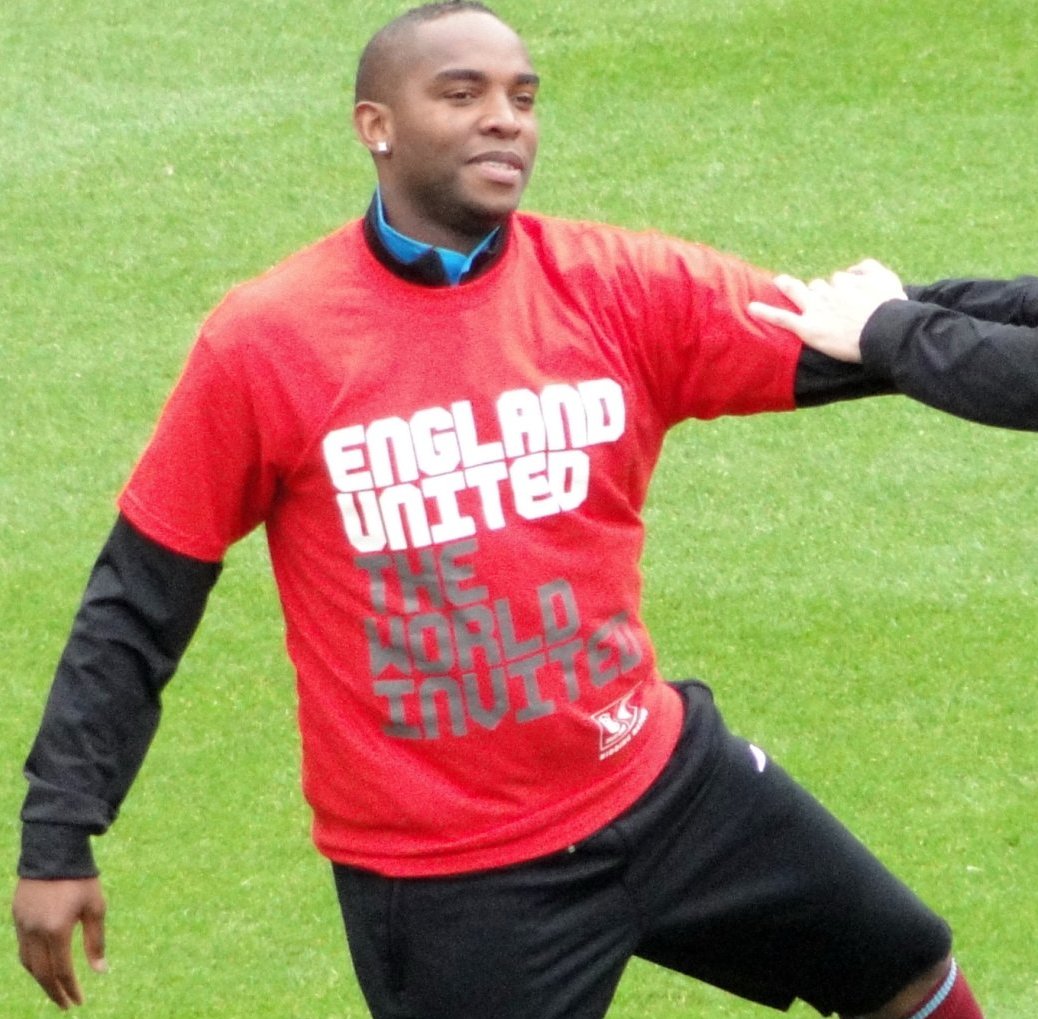
Top goalscorers
| Rank | Player | Goals | Caps | Ratio | Career |
|---|---|---|---|---|---|
| 1 | Benni McCarthy | 31 | 81 | 1997–2012 | |
| 2 | Shaun Bartlett | 29 | 74 | 1995–2005 | |
| 3 | Katlego Mphela | 23 | 53 | 2005–2013 | |
| Bernard Parker | 23 | 73 | 2007–2015 | ||
| 5 | Phil Masinga | 18 | 58 | 1992–2001 | |
| 6 | Percy Tau | 16 | 52 | 2015–present | |
| Siyabonga Nomvethe | 16 | 82 | 1999–2012 | ||
| 8 | Tokelo Rantie | 13 | 41 | 2012–2017 | |
| Sibusiso Zuma | 13 | 67 | 1998–2008 | ||
| 10 | Themba Zwane | 12 | 51 | 2014–present | |
| Siphiwe Tshabalala | 12 | 89 | 2006–2017 |
Competitive record
FIFA World Cup
Main article: South Africa at the FIFA World Cup
Although South Africa has made three appearances in the World Cup, they have not made it past the first round. The team's first attempt to qualify was for the 1994 World Cup, two years after they had been readmitted to FIFA. Their first appearance was in France 1998. Despite a 3–0 drubbing to France in their opening game, they went on to draw against Denmark and Saudi Arabia; the team finished third and thus exited the tournament. Korea/Japan 2002 saw them eliminated in the group stage again after drawing to Paraguay and beating Slovenia 1–0 for their first-ever World Cup win. The team finished third in their group, losing out to Paraguay on goal difference.
Hosting the 2010 World Cup, they beat France 2–1 and drew 1–1 to Mexico, but lost 0–3 to Uruguay. They failed to advance to the round of 16, and became the first host country to fail to advance past the group stage.
| FIFA World Cup record | Qualification record | Year | Round | Position | Pld | W | D | L | GF | GA | Pld | W | D | L | GF | GA | Total | Group stage | 4/15 | 9 | 2 | 4 | 3 | 11 | 16 | 66 | 37 | 12 | 17 | 87 | 56 |
|---|---|---|---|---|---|---|---|---|---|---|---|---|---|---|---|---|---|---|---|---|---|---|---|---|---|---|---|---|---|---|---|
| Uruguay 1930 to Chile 1962 | Not a FIFA member | Not a FIFA member | |||||||||||||||||||||||||||||
| England 1966 | Not admitted | Not admitted | |||||||||||||||||||||||||||||
| Mexico 1970 | Banned | Banned | |||||||||||||||||||||||||||||
| Germany 1974 | |||||||||||||||||||||||||||||||
| Argentina 1978 | |||||||||||||||||||||||||||||||
| Spain 1982 | |||||||||||||||||||||||||||||||
| Mexico 1986 | |||||||||||||||||||||||||||||||
| Italy 1990 | |||||||||||||||||||||||||||||||
| United States 1994 | Did not qualify | 4 | 2 | 1 | 1 | 2 | 4 | ||||||||||||||||||||||||
| France 1998 | Group stage | 24th | 3 | 0 | 2 | 1 | 3 | 6 | 8 | 6 | 1 | 1 | 11 | 3 | |||||||||||||||||
| South Korea Japan 2002 | 17th | 3 | 1 | 1 | 1 | 5 | 5 | 8 | 7 | 1 | 0 | 13 | 3 | ||||||||||||||||||
| Germany 2006 | Did not qualify | 10 | 5 | 1 | 4 | 12 | 14 | ||||||||||||||||||||||||
| South Africa 2010 | Group stage | 20th | 3 | 1 | 1 | 1 | 3 | 5 | 6 | 2 | 1 | 3 | 5 | 5 | |||||||||||||||||
| Brazil 2014 | Did not qualify | 6 | 3 | 2 | 1 | 12 | 5 | ||||||||||||||||||||||||
| Russia 2018 | 8 | 3 | 1 | 4 | 11 | 11 | |||||||||||||||||||||||||
| Qatar 2022 | 6 | 4 | 1 | 1 | 6 | 2 | |||||||||||||||||||||||||
| Canada Mexico United States 2026 | Qualified | 10 | 5 | 3 | 2 | 14 | 9 | ||||||||||||||||||||||||
| Morocco Portugal Spain 2030 | To be determined | To be determined | |||||||||||||||||||||||||||||
| Saudi Arabia 2034 |
| South Africa's World Cup record | First Match | Biggest Win | Biggest Defeat | Best Result | Worst Result |
|---|---|---|---|---|---|
| 3–0 | |||||
| (12 June 1998; Marseille, France) | |||||
| 1–0 | |||||
| (8 June 2002; Daegu, South Korea) | |||||
| 2–1 | |||||
| (22 June 2010; Bloemfontein, South Africa) | |||||
| 3–0 | |||||
| (12 June 1998; Marseille, France) | |||||
| 3–0 | |||||
| (16 June 2010; Pretoria, South Africa) | |||||
| 17th place at the 2002 World Cup | |||||
| 24th place at the 1998 World Cup |
FIFA Confederations Cup
Main article: South Africa at the FIFA Confederations Cup
| FIFA Confederations Cup record | Year | Round | Position | Pld | W | D* | L | GF | GA | Squad | Total | Fourth place | 2/10 | 8 | 1 | 2 | 5 | 9 | 13 | — |
|---|---|---|---|---|---|---|---|---|---|---|---|---|---|---|---|---|---|---|---|---|
| Saudi Arabia 1992 | Banned | |||||||||||||||||||
| Saudi Arabia 1995 | Did not qualify | |||||||||||||||||||
| Saudi Arabia 1997 | Group stage | 8th | 3 | 0 | 1 | 2 | 5 | 7 | Squad | |||||||||||
| Mexico 1999 | Did not qualify | |||||||||||||||||||
| South Korea Japan 2001 | ||||||||||||||||||||
| France 2003 | ||||||||||||||||||||
| Germany 2005 | ||||||||||||||||||||
| South Africa 2009 | Fourth place | 4th | 5 | 1 | 1 | 3 | 4 | 6 | Squad | |||||||||||
| Brazil 2013 | Did not qualify | |||||||||||||||||||
| Russia 2017 |
| South Africa's Confederations Cup record | First Match | Biggest Win | Biggest Defeat | Best Result | Worst Result |
|---|---|---|---|---|---|
| 2–2 | |||||
| (13 December 1997; Riyadh, Saudi Arabia) | |||||
| 2–0 | |||||
| (17 June 2009; Rustenburg, South Africa) | |||||
| 2–0 | |||||
| (20 June 2009; Bloemfontein, South Africa) | |||||
| Fourth place at the 2009 FIFA Confederations Cup | |||||
| 8th place at the 1997 FIFA Confederations Cup |
Africa Cup of Nations
Main article: South Africa at the Africa Cup of Nations
| Africa Cup of Nations record | Qualification record | Year | Round | Position | Pld | W | D | L | GF | GA | Pld | W | D | L | GF | GA | Total | 1 Title | 12/35 | 54 | 20 | 17 | 17 | 61 | 54 | 84 | 39 | 29 | 16 | 120 | 71 |
|---|---|---|---|---|---|---|---|---|---|---|---|---|---|---|---|---|---|---|---|---|---|---|---|---|---|---|---|---|---|---|---|
| Sudan 1957 | Qualified, later disqualified due to apartheid | Qualified, later disqualified | |||||||||||||||||||||||||||||
| United Arab Republic 1959 | Banned due to apartheid | Banned due to apartheid | |||||||||||||||||||||||||||||
| Ethiopia 1962 | |||||||||||||||||||||||||||||||
| Ghana 1963 | |||||||||||||||||||||||||||||||
| Tunisia 1965 | |||||||||||||||||||||||||||||||
| Ethiopia 1968 | |||||||||||||||||||||||||||||||
| Sudan 1970 | |||||||||||||||||||||||||||||||
| Cameroon 1972 | |||||||||||||||||||||||||||||||
| Egypt 1974 | |||||||||||||||||||||||||||||||
| Ethiopia 1976 | |||||||||||||||||||||||||||||||
| Ghana 1978 | |||||||||||||||||||||||||||||||
| Nigeria 1980 | |||||||||||||||||||||||||||||||
| Libya 1982 | |||||||||||||||||||||||||||||||
| Ivory Coast 1984 | |||||||||||||||||||||||||||||||
| Egypt 1986 | |||||||||||||||||||||||||||||||
| Morocco 1988 | |||||||||||||||||||||||||||||||
| Algeria 1990 | |||||||||||||||||||||||||||||||
| Senegal 1992 | |||||||||||||||||||||||||||||||
| Tunisia 1994 | Did not qualify | 6 | 1 | 2 | 3 | 5 | 10 | ||||||||||||||||||||||||
| South Africa 1996 | Champions | 1st | 6 | 5 | 0 | 1 | 11 | 2 | Qualified as hosts | ||||||||||||||||||||||
| Burkina Faso 1998 | Runners-up | 2nd | 6 | 3 | 2 | 1 | 9 | 6 | Qualified as defending champions | ||||||||||||||||||||||
| Ghana Nigeria 2000 | Third place | 3rd | 6 | 3 | 2 | 1 | 8 | 6 | 6 | 3 | 2 | 1 | 10 | 5 | |||||||||||||||||
| Mali 2002 | Quarter-finals | 6th | 4 | 1 | 2 | 1 | 3 | 3 | 6 | 3 | 3 | 0 | 9 | 4 | |||||||||||||||||
| Tunisia 2004 | Group stage | 11th | 3 | 1 | 1 | 1 | 3 | 5 | 4 | 3 | 1 | 0 | 6 | 1 | |||||||||||||||||
| Egypt 2006 | 16th | 3 | 0 | 0 | 3 | 0 | 5 | 10 | 5 | 1 | 4 | 12 | 14 | ||||||||||||||||||
| Ghana 2008 | 13th | 3 | 0 | 2 | 1 | 3 | 5 | 6 | 3 | 2 | 1 | 10 | 4 | ||||||||||||||||||
| Angola 2010 | Did not qualify | 6 | 2 | 1 | 3 | 5 | 5 | ||||||||||||||||||||||||
| Equatorial Guinea Gabon 2012 | 6 | 2 | 3 | 1 | 4 | 2 | |||||||||||||||||||||||||
| South Africa 2013 | Quarter-finals | 6th | 4 | 1 | 3 | 0 | 5 | 3 | Qualified as hosts | ||||||||||||||||||||||
| Equatorial Guinea 2015 | Group stage | 15th | 3 | 0 | 1 | 2 | 3 | 6 | 6 | 3 | 3 | 0 | 9 | 3 | |||||||||||||||||
| Gabon 2017 | Did not qualify | 6 | 1 | 4 | 1 | 8 | 6 | ||||||||||||||||||||||||
| Egypt 2019 | Quarter-finals | 7th | 5 | 2 | 0 | 3 | 3 | 4 | 6 | 3 | 3 | 0 | 11 | 2 | |||||||||||||||||
| Cameroon 2021 | Did not qualify | 6 | 3 | 1 | 2 | 8 | 7 | ||||||||||||||||||||||||
| Ivory Coast 2023 | Third place | 3rd | 7 | 2 | 4 | 1 | 7 | 3 | 4 | 3 | 1 | 0 | 7 | 3 | |||||||||||||||||
| Morocco 2025 | Round of 16 | 10th | 4 | 2 | 0 | 2 | 6 | 6 | 6 | 4 | 2 | 0 | 16 | 5 | |||||||||||||||||
| Kenya Tanzania Uganda 2027 | To be determined | To be determined | |||||||||||||||||||||||||||||
| 2029 |
:*Red border colour indicates tournament was held on home soil.
Head-to-head record
As of 29 December 2025 after match against Zimbabwe
| Opponent | GP | W | D | L | GF | GA | GD | win % | Total | 454 | 208 | 133 | 113 | 630 | 430 | +200 | 45.81% | ||||||||
|---|---|---|---|---|---|---|---|---|---|---|---|---|---|---|---|---|---|---|---|---|---|---|---|---|---|
| 5 | 1 | 3 | 1 | 4 | 5 | −1 | 25.00% | ||||||||||||||||||
| 1 | 0 | 1 | 0 | 1 | 1 | −0 | 0.00% | ||||||||||||||||||
| 16 | 9 | 6 | 1 | 20 | 11 | +9 | 56.25% | ||||||||||||||||||
| 2 | 0 | 1 | 1 | 1 | 3 | −2 | 0.00% | ||||||||||||||||||
| 21 | 11 | 4 | 6 | 47 | 27 | +20 | 52.38% | ||||||||||||||||||
| 3 | 3 | 0 | 0 | 6 | 1 | +5 | 100.00% | ||||||||||||||||||
| 1 | 0 | 0 | 1 | 0 | 1 | −1 | 0.00% | ||||||||||||||||||
| 17 | 12 | 6 | 0 | 28 | 9 | +19 | 70.58% | ||||||||||||||||||
| 5 | 0 | 0 | 5 | 3 | 12 | −9 | 0.00% | ||||||||||||||||||
| 1 | 0 | 1 | 0 | 1 | 1 | 0 | 0.00% | ||||||||||||||||||
| 9 | 5 | 3 | 1 | 14 | 6 | +8 | 55.56% | ||||||||||||||||||
| 2 | 2 | 0 | 0 | 4 | 0 | +4 | 100.00% | ||||||||||||||||||
| 9 | 3 | 5 | 1 | 14 | 10 | +4 | 33.33% | ||||||||||||||||||
| 1 | 1 | 0 | 0 | 2 | 0 | +2 | 100.00% | ||||||||||||||||||
| 6 | 2 | 2 | 2 | 6 | 6 | 0 | 33.33% | ||||||||||||||||||
| 2 | 2 | 0 | 0 | 5 | 0 | +5 | 100.00% | ||||||||||||||||||
| 2 | 2 | 0 | 0 | 7 | 0 | +7 | 100.00% | ||||||||||||||||||
| 1 | 0 | 0 | 1 | 0 | 2 | −2 | 0.00% | ||||||||||||||||||
| 1 | 1 | 0 | 0 | 2 | 1 | +1 | 100.00% | ||||||||||||||||||
| 12 | 6 | 5 | 1 | 14 | 5 | +9 | 50.00% | ||||||||||||||||||
| 3 | 2 | 1 | 0 | 4 | 1 | +3 | 66.67% | ||||||||||||||||||
| 2 | 2 | 0 | 0 | 3 | 1 | +2 | 100.00% | ||||||||||||||||||
| 1 | 0 | 1 | 0 | 2 | 2 | 0 | 0.00% | ||||||||||||||||||
| 3 | 1 | 2 | 0 | 3 | 2 | +1 | 33.33% | ||||||||||||||||||
| 8 | 5 | 2 | 1 | 9 | 5 | +4 | 71.43% | ||||||||||||||||||
| 1 | 0 | 1 | 0 | 0 | 0 | 0 | 0.00% | ||||||||||||||||||
| 13 | 7 | 1 | 5 | 11 | 9 | +2 | 53.84% | ||||||||||||||||||
| 2 | 0 | 0 | 2 | 2 | 4 | −2 | 0.00% | ||||||||||||||||||
| 3 | 2 | 1 | 0 | 5 | 1 | +4 | 66.67% | ||||||||||||||||||
| 12 | 10 | 2 | 0 | 29 | 7 | +22 | 83.33% | ||||||||||||||||||
| 4 | 2 | 1 | 1 | 5 | 4 | −1 | 50.00% | ||||||||||||||||||
| 4 | 1 | 1 | 3 | 3 | 11 | −8 | 25.00% | ||||||||||||||||||
| 4 | 3 | 0 | 1 | 10 | 3 | +7 | 75.00% | ||||||||||||||||||
| 2 | 1 | 1 | 0 | 4 | 0 | 0 | 50.00% | ||||||||||||||||||
| 1 | 0 | 0 | 1 | 1 | 4 | −3 | 0.00% | ||||||||||||||||||
| 4 | 0 | 1 | 3 | 2 | 9 | −7 | 0.00% | ||||||||||||||||||
| 15 | 5 | 5 | 5 | 13 | 13 | 0 | 35.71 | ||||||||||||||||||
| Ghana B | 1 | 1 | 0 | 0 | 1 | 0 | +1 | 100.00% | |||||||||||||||||
| 2 | 1 | 1 | 0 | 6 | 1 | +5 | 35.71 | ||||||||||||||||||
| 3 | 0 | 1 | 2 | 0 | 3 | −3 | 0.00% | ||||||||||||||||||
| 1 | 1 | 0 | 0 | 3 | 1 | +2 | 100.00% | ||||||||||||||||||
| 1 | 0 | 1 | 0 | 1 | 1 | 0 | 0.00% | ||||||||||||||||||
| 3 | 0 | 1 | 2 | 2 | 6 | −4 | 0.00% | ||||||||||||||||||
| 1 | 0 | 1 | 0 | 2 | 2 | 0 | 0.00% | ||||||||||||||||||
| 1 | 0 | 1 | 0 | 0 | 0 | 0 | 0.00% | ||||||||||||||||||
| 1 | 1 | 0 | 0 | 2 | 1 | +1 | 100.00% | ||||||||||||||||||
| 2 | 0 | 0 | 2 | 0 | 3 | −3 | 0.00% | ||||||||||||||||||
| 8 | 2 | 5 | 1 | 7 | 5 | +2 | 25.00 | ||||||||||||||||||
| 5 | 1 | 4 | 0 | 6 | 4 | +2 | 20.00% | ||||||||||||||||||
| 1 | 0 | 1 | 0 | 0 | 0 | 0 | 0.00% | ||||||||||||||||||
| 4 | 3 | 1 | 0 | 6 | 2 | +4 | 75.00% | ||||||||||||||||||
| 15 | 9 | 4 | 2 | 27 | 10 | +17 | 60.00 | ||||||||||||||||||
| 4 | 2 | 2 | 0 | 7 | 5 | +2 | 50.00% | ||||||||||||||||||
| 2 | 1 | 1 | 0 | 2 | 1 | +1 | 50.00% | ||||||||||||||||||
| 6 | 4 | 2 | 0 | 5 | 0 | +5 | 66.67% | ||||||||||||||||||
| 14 | 9 | 4 | 1 | 20 | 5 | +15 | 64.28% | ||||||||||||||||||
| 6 | 2 | 2 | 2 | 7 | 7 | 0 | 40.00% | ||||||||||||||||||
| 1 | 1 | 0 | 0 | 1 | 0 | +1 | 100.00% | ||||||||||||||||||
| 2 | 0 | 1 | 1 | 2 | 4 | −2 | 0.00% | ||||||||||||||||||
| 14 | 10 | 3 | 1 | 24 | 5 | +19 | 71.42% | ||||||||||||||||||
| 4 | 1 | 1 | 2 | 5 | 10 | −5 | 25.00% | ||||||||||||||||||
| 9 | 4 | 3 | 2 | 14 | 10 | +4 | 37.50% | ||||||||||||||||||
| 9 | 7 | 2 | 0 | 19 | 6 | +13 | 77.78% | ||||||||||||||||||
| 12 | 7 | 4 | 1 | 22 | 9 | +9 | 54.54% | ||||||||||||||||||
| 2 | 0 | 0 | 2 | 1 | 4 | −3 | 0.00% | ||||||||||||||||||
| 6 | 5 | 1 | 0 | 26 | 9 | +17 | 83.00% | ||||||||||||||||||
| 2 | 1 | 0 | 1 | 3 | 2 | +1 | 50.00% | ||||||||||||||||||
| 18 | 2 | 8 | 8 | 13 | 28 | −15 | 11.11% | ||||||||||||||||||
| 1 | 0 | 1 | 0 | 0 | 0 | 0 | 0.00% | ||||||||||||||||||
| 1 | 0 | 0 | 1 | 1 | 2 | −1 | 0.00% | ||||||||||||||||||
| 3 | 1 | 0 | 2 | 2 | 3 | −1 | 33.33% | ||||||||||||||||||
| 1 | 0 | 1 | 0 | 1 | 1 | 0 | 0.00% | ||||||||||||||||||
| 4 | 1 | 3 | 0 | 7 | 4 | +3 | 25.00% | ||||||||||||||||||
| 2 | 1 | 0 | 1 | 1 | 1 | 0 | 50.00% | ||||||||||||||||||
| 2 | 0 | 0 | 2 | 1 | 5 | −4 | 0.00% | ||||||||||||||||||
| 2 | 0 | 0 | 2 | 1 | 3 | −2 | 0.00% | ||||||||||||||||||
| 2 | 1 | 0 | 1 | 3 | 2 | +1 | 50.00% | ||||||||||||||||||
| 4 | 1 | 2 | 1 | 3 | 3 | 0 | 25.00% | ||||||||||||||||||
| 2 | 1 | 0 | 1 | 2 | 1 | +1 | 50.00% | ||||||||||||||||||
| 10 | 2 | 4 | 4 | 10 | 13 | −3 | 20.00% | ||||||||||||||||||
| 1 | 0 | 0 | 1 | 1 | 3 | −2 | 0.00% | ||||||||||||||||||
| 3 | 2 | 1 | 0 | 9 | 0 | +9 | 66.67% | ||||||||||||||||||
| 4 | 1 | 3 | 1 | 4 | 1 | −1 | 0.00% | ||||||||||||||||||
| 1 | 1 | 0 | 0 | 1 | 0 | +1 | 100.00% | ||||||||||||||||||
| 2 | 2 | 0 | 0 | 6 | 2 | +4 | 100.00% | ||||||||||||||||||
| 2 | 2 | 0 | 0 | 6 | 2 | +4 | 100.00% | ||||||||||||||||||
| 4 | 1 | 0 | 3 | 5 | 8 | −3 | 25.00% | ||||||||||||||||||
| 4 | 3 | 0 | 1 | 6 | 1 | +5 | 100.00% | ||||||||||||||||||
| 2 | 1 | 0 | 1 | 1 | 3 | −2 | 50.00% | ||||||||||||||||||
| 4 | 1 | 2 | 1 | 2 | 2 | 0 | 25.00% | ||||||||||||||||||
| 1 | 1 | 0 | 0 | 4 | 0 | +4 | 100.00% | ||||||||||||||||||
| 1 | 0 | 1 | 0 | 1 | 1 | 0 | 0% | ||||||||||||||||||
| 2 | 1 | 0 | 1 | 2 | 3 | −1 | 50.00% | ||||||||||||||||||
| 7 | 2 | 2 | 3 | 7 | 9 | −2 | 28.57% | ||||||||||||||||||
| 1 | 1 | 0 | 0 | 2 | 0 | +2 | 100.00% | ||||||||||||||||||
| 7 | 5 | 2 | 0 | 13 | 8 | +5 | 71.42% | ||||||||||||||||||
| 1 | 0 | 0 | 1 | 0 | 1 | −1 | 0.00% | ||||||||||||||||||
| 3 | 0 | 1 | 2 | 3 | 7 | −4 | 0.00% | ||||||||||||||||||
| 3 | 0 | 0 | 3 | 0 | 6 | −6 | 0.00% | ||||||||||||||||||
| 24 | 7 | 9 | 8 | 25 | 26 | −1 | 29.17% | ||||||||||||||||||
| 18 | 9 | 3 | 6 | 30 | 18 | +12 | 50.00% |
By Federation
| Name | Pld | Win | Draw | Loss | GF | GA | GD | Win% | Total | 470 | 215 | 140 | 115 | 648 | 437 | +211 | 45.74% | ||||||||
|---|---|---|---|---|---|---|---|---|---|---|---|---|---|---|---|---|---|---|---|---|---|---|---|---|---|
| AFC | 31 | 12 | 10 | 9 | 54 | 31 | +23 | 40.00% | |||||||||||||||||
| CAF | 348 | 176 | 101 | 63 | 484 | 269 | +215 | 51.76% | |||||||||||||||||
| CONCACAF | 20 | 6 | 8 | 6 | 26 | 27 | −1 | 30.00% | |||||||||||||||||
| CONMEBOL | 19 | 3 | 6 | 10 | 18 | 30 | −12 | 15.78% | |||||||||||||||||
| OFC | 6 | 5 | 1 | 0 | 26 | 9 | +17 | 83.00% | |||||||||||||||||
| UEFA | 46 | 10 | 7 | 29 | 37 | 71 | −34 | 21.73% |
Honours
Intercontinental
- Afro-Asian Cup of Nations
- Champions (1): 1997
Continental
- CAF African Cup of Nations
Regional
Friendly
- Four Nations Tournament (1): 2018
Awards
- FIFA Best Mover of the Year (1): 1996
- African National Team of the Year (1): 1996
- FIFA Confederations Cup Fair Play Award (1): 1997
- Africa Cup of Nations Fair Play Award (1): 2023
Summary
| Competition | Total | Total | 2 | 1 | 2 | 5 |
|---|---|---|---|---|---|---|
| CAF African Cup of Nations | 1 | 1 | 2 | 4 | ||
| Afro-Asian Cup of Nations | 1 | 0 | 0 | 1 |
Notes
References
References
- The [http://www.eloratings.net/world.html Elo ratings website] {{webarchive. link. (23 July 2011 lists 21 as the highest reached position, though after 23 (too few?) matches between 1947 and 1955, almost all with Australia and New Zealand, it had reached [http://www.eloratings.net/South_Africa.htm 9th place] .)
- "South Africa". Elo Ratings.
- "Argentina v South Africa, 09 July 1906". International Football History and Statistics.
- "All Bafana Bafana Matches". South Africa FA.
- (June 2013). "Supporters' perceived brand equity of the Bafana Bafana National Football Team of South Africa {{!}} African Journal for Physical Health Education, Recreation and Dance". African Journal for Physical Health Education, Recreation and Dance.
- (27 October 2004). "From apartheid to the World Cup – four decades in the sporting life of South Africa". FIFA.
- (13 July 2010). "England slip to worst Cup ranking". BBC News.
- Goldblatt, David. (2007). "The Ball is Round: A Global History of Football". Penguin.
- [http://before1292.rssing.com/chan-31949556/all_p4.html Before The 'D'...Association Football around the world, 1863–1937] {{Webarchive. link. (1 January 2018 , page 4)
- [http://www.futbolnostalgia.com/girasdf.htm Gira Sudamericana de Sudáfrica 1906] {{Webarchive. link. (21 November 2021 on Fútbol Nostalgia website)
- ''Historia del Fútbol Amateur en la Argentina'' by Jorge Iwanczuk. Publisher: Autores Editores (1992) – {{ISBN. 9504343848
- Goldblatt, ''The Ball is Round: A Global History of Football'', p493
- (17 January 2015). "Invasions, drop-outs and a bye to the final: admin mayhem in the first Africa Cup of Nations". FourFourTwo.
- Darby, Paul. (2008-04-01). "Stanley Rous's 'own goal': football politics, South Africa and the Contest for the FIFA presidency in 1974". Soccer & Society.
- "Welcome back: Today in history: FIFA lifts ban on South Africa".
- (20 June 2010). "Bring Back the Sports Boycott". Newsweek.
- (7 July 2022). "South Africa marks 30 years since return from footballing wilderness". BBC Sport.
- (24 June 2019). "'Mandela brought extra pressure': The story of South Africa's Afcon triumph". The Guardian.
- [http://sportsillustrated.cnn.com/2008/soccer/wires/04/22/2080.ap.la.spt.soc.south.africa.santana.0414/index.html CNN]{{dead link. (June 2010)
- [http://www.iol.co.za/capeargus/sa-football-stands-embarrassed-1.1153838 "SA football stands embarrassed"] {{Webarchive. link. (13 October 2011 ''Independent Online''. South Africa 10 October 2011.)
- [http://www.iol.co.za/sport/bemused-bafana-in-the-dark-over-procedure-1.577948 "Bemused Bafana 'in the dark' over procedure"] {{Webarchive. link. (12 March 2012 ''Independent Online''. South Africa 11 September 2007.)
- [https://www.theguardian.com/football/2011/oct/09/south-africa-africa-cup-of-nations "South Africa miss out on Africa Cup of Nations after misreading rules"] {{Webarchive. link. (5 March 2017 . Reuters/''The Guardian''. 9 October 2011.)
- link. (5 March 2017 . Reuters/''The Guardian''. 10 October 2011.)
- [http://www.football365.co.za/story/0,22162,14287_7251423,00.html "SAFA withdraw AFCON appeal"] {{Webarchive. link. (4 April 2012 . football365.co.za. 19 October 2011.)
- Tiyani Mabasa. (5 June 2012). "Pitso gets the boot". kickoff.com.
- (28 September 2011). "South Africa replace Libya as 2013 Nations Cup hosts". BBC Sport.
- (24 October 2012). "2013 Africa Cup of Nations draw: Nigeria to meet champions Zambia, Ghana face Mali". goal.com.
- "Bafana on the brink as Ethiopia may lose more points". sportslive.co.za.
- (10 June 2017). "As it happened: Nigeria 0–2 Bafana Bafana".
- (3 July 2019). "Bafana scrape into AFCON knockouts, face Egypt in last 16".
- (6 July 2019). "Africa Cup of Nations: South Africa's late winner stuns hosts Egypt in Cairo". BBC Sport.
- (10 July 2019). "Nigeria 6–1 Bafana – last-gasp goal as South Africa crash out of AFCON 2019".
- Malesele, Thabiso. (19 August 2021). "Hugo Broos names the Bafana Bafana team for the 2022 FIFA World Cup qualifiers". [[SABC News]].
- (14 October 2025). "South Africa clinch World Cup spot; Nigeria into playoff". [[ESPN]].
- (2 June 2003). "Bafana Bafana – Who Owns This Nickname for the South African Soccer Team?". Spoor.com.
- (25 June 2011). "SAFA settle on R5m fee for Bafana name". MTN Football.
- "Bafana to be decked out in Puma". The Sowetan.
- "Companies want more bang for their sponsorship buck". The Sunday Times.
- "New Sponsor and kit". Eyewitness News.
- (7 June 2011). "South Africa PUMA 2011/12 Home and Away Kits / Jerseys – FOOTBALL FASHION.ORG".
- "Another sponsor pulls Safa support".
- "No More Nike: South Africa Announce Le Coq Sportif Kit Deal".
- "SAFA Sponsors".
- (24 May 2022). "Bafana Bafana announces new partnership with Banxso.com".
- (23 April 2010). "Safa blamed for Bafana's delayed live broadcast last night". SABC News.
- (10 October 2010). "Another own goal for SABC". News24.
- (29 September 2025). "FIFA Disciplinary Committee sanctions South African Football Association". [[FIFA]].
- (1 December 2025). "Bafana Bafana coach Hugo Broos has named his final squad for this month's Africa Cup of Nations in {{sic".
- "South Africa – International Appearances".
- "South Africa".
- (20 November 2022). "Performance of host countries in previous World Cups".
- "History of the FIFA World Cup Preliminary Competition (by year)". FIFA.
- "World Football Elo Ratings: South Africa". Elo Ratings.
This article was imported from Wikipedia and is available under the Creative Commons Attribution-ShareAlike 4.0 License. Content has been adapted to SurfDoc format. Original contributors can be found on the article history page.
Ask Mako anything about South Africa national soccer team — get instant answers, deeper analysis, and related topics.
Research with MakoFree with your Surf account
Create a free account to save articles, ask Mako questions, and organize your research.
Sign up freeThis content may have been generated or modified by AI. CloudSurf Software LLC is not responsible for the accuracy, completeness, or reliability of AI-generated content. Always verify important information from primary sources.
Report