From Surf Wiki (app.surf) — the open knowledge base
Substituted amphetamine
Class of compounds based upon the amphetamine structure
Class of compounds based upon the amphetamine structure
| Field | Value |
|---|---|
| Image | Racemic amphetamine.svg |
| ImageClass | skin-invert-image |
| Alt | Racemic amphetamine skeleton |
| Caption | Racemic amphetamine skeleton |
| Chemical_class | Substituted derivatives of amphetamine |
| Synonyms | Amphetamines; α-Methylphenethylamines; α-Methylphenylethylamines; Phenylisopropylamines |
Substituted amphetamines, or simply amphetamines, are a class of compounds based upon the amphetamine structure; it includes all derivative compounds which are formed by replacing, or substituting, one or more hydrogen atoms in the amphetamine core structure with substituents. The compounds in this class span a variety of pharmacological subclasses, including stimulants, empathogens, and hallucinogens, among others. Examples of substituted amphetamines are amphetamine (itself), methamphetamine, ephedrine, cathinone, phentermine, mephentermine, tranylcypromine, bupropion, methoxyphenamine, selegiline, amfepramone (diethylpropion), pyrovalerone, MDMA (ecstasy), and DOM (STP).
Some of amphetamine's substituted derivatives occur in nature, for example in the leaves of Ephedra and khat plants. Amphetamine was first produced at the end of the 19th century. By the 1930s, amphetamine and some of its derivative compounds found use as decongestants in the symptomatic treatment of colds and also occasionally as psychoactive agents. Their effects on the central nervous system are diverse, but can be summarized by three overlapping types of activity: stimulant, psychedelic, and entactogenic. Various substituted amphetamines may cause these actions either separately or in combination.
Partial list of substituted amphetamines
| Generic or Trivial Name | Chemical Name | # of Subs |
|---|---|---|
| Amphetamine | α-Methyl-phenethylamine | 0 |
| Tranylcypromine | trans-2-Phenylcyclopropylamine | 0 |
| Methamphetamine | N-Methylamphetamine | 1 |
| Ethylamphetamine | N-Ethylamphetamine | 1 |
| Propylamphetamine | N-Propylamphetamine | 1 |
| Isopropylamphetamine | N-iso-Propylamphetamine | 1 |
| Butylamphetamine | N-n-Butylamphetamine | 1 |
| Pheniprazine | N-Aminoamphetamine | 1 |
| Phenatine | N-Nicotinoylamphetamine | 1 |
| Lisdexamfetamine | L-Lysine–amphetamine conjugate, (S)- | 1 |
| Phentermine | α-Methylamphetamine | 1 |
| Phenylpropanolamine (PPA) | β-Hydroxyamphetamine, (1R,2S)- | 1 |
| Cathine | β-Hydroxyamphetamine, (1S,2S)- | 1 |
| Cathinone | β-Ketoamphetamine | 1 |
| Ortetamine | 2-Methylamphetamine | 1 |
| 2-Fluoroamphetamine (2-FA) | 2-Fluoroamphetamine | 1 |
| 3-Methylamphetamine (3-MA) | 3-Methylamphetamine | 1 |
| 2-Phenyl-3-aminobutane | 2-Phenyl-3-aminobutane | 1 |
| 3-Fluoroamphetamine (3-FA) | 3-Fluoroamphetamine | 1 |
| Gepefrine | 3-Hydroxyamphetamine | 1 |
| Norfenfluramine | 3-Trifluoromethylamphetamine | 1 |
| 4-Methylamphetamine (4-MA) | 4-Methylamphetamine | 1 |
| para-Methoxyamphetamine (PMA) | 4-Methoxyamphetamine | 1 |
| para-Ethoxyamphetamine | 4-Ethoxyamphetamine | 1 |
| 4-Methylthioamphetamine (4-MTA) | 4-Methylthioamphetamine | 1 |
| Norpholedrine (α-Me-TRA) | 4-Hydroxyamphetamine | 1 |
| para-Bromoamphetamine (PBA, 4-BA) | 4-Bromoamphetamine | 1 |
| para-Chloroamphetamine (PCA, 4-CA) | 4-Chloroamphetamine | 1 |
| para-Fluoroamphetamine (PFA, 4-FA, 4-FMP) | 4-Fluoroamphetamine | 1 |
| para-Iodoamphetamine (PIA, 4-IA) | 4-Iodoamphetamine | 1 |
| Mefenorex | N-(3-Chloropropyl)amphetamine | 1 |
| Clobenzorex | N-(2-Chlorobenzyl)amphetamine | 1 |
| Amfetaminil | N-Cyanobenzylamphetamine | 1 |
| Amfecloral | N-(2,2,2-Trichloroethylidene)amphetamine | 1 |
| Racefemine | N-(1-Methyl-2-phenoxyethyl)amphetamine | 1 |
| Dextrofemine | N-(1-Methyl-2-phenoxyethyl)amphetamine, (+)- | 1 |
| Fenproporex | N-2-Cyanoethylamphetamine | 1 |
| Prenylamine | N-(3,3-Diphenylpropyl)amphetamine | 1 |
| Fenethylline | Theophylline–amphetamine conjugate | 1 |
| Dimethylamphetamine | N,N-Dimethylamphetamine | 2 |
| Benzphetamine | N-Benzyl-N-methylamphetamine | 2 |
| Deprenyl | N-Methyl-N-propargylamphetamine | 2 |
| D-Deprenyl | N-Methyl-N-propargylamphetamine, (S)- | 2 |
| Selegiline | N-Methyl-N-propargylamphetamine, (R)- | 2 |
| Metfendrazine | N-Amino-N-methylamphetamine | 2 |
| Mephentermine | N-Methyl-α-methylamphetamine | 2 |
| Phenpentermine | α,β-Dimethylamphetamine | 2 |
| Ephedrine | β-Hydroxy-N-methylamphetamine, (1R,2S)- | 2 |
| Pseudoephedrine (PSE) | β-Hydroxy-N-methylamphetamine, (1S,2S)- | 2 |
| Metaraminol | 3,β-Dihydroxyamphetamine, (1R,2S)- | 2 |
| Methcathinone | β-Keto-N-methylamphetamine | 2 |
| Ethcathinone | β-Keto-N-ethylamphetamine | 2 |
| Clortermine | 2-Chloro-α-methylamphetamine | 2 |
| Methoxymethylamphetamine (MMA) | 3-Methoxy-4-methylamphetamine | 2 |
| Fenfluramine | 3-Trifluoromethyl-N-ethylamphetamine | 2 |
| Dexfenfluramine | 3-Trifluoromethyl-N-ethylamphetamine, (S)- | 2 |
| 4-Methylmethamphetamine (4-MMA) | 4-Methyl-N-methylamphetamine | 2 |
| para-Methoxymethamphetamine (PMMA) | 4-Methoxy-N-methylamphetamine | 2 |
| para-Methoxyethylamphetamine (PMEA) | 4-Methoxy-N-ethylamphetamine | 2 |
| Pholedrine | 4-Hydroxy-N-methylamphetamine | 2 |
| Chlorphentermine | 4-Chloro-α-methylamphetamine | 2 |
| para-Fluoromethamphetamine (PFMA, 4-FMA) | 4-Fluoro-N-methylamphetamine | 2 |
| Xylopropamine | 3,4-Dimethylamphetamine | 2 |
| α-Methyldopamine (α-Me-DA) | 3,4-Dihydroxyamphetamine | 2 |
| 3,4-Methylenedioxyamphetamine (MDA) | 3,4-Methylenedioxyamphetamine | 2 |
| Dimethoxyamphetamine (DMA) | X,X-Dimethoxyamphetamine | 2 |
| 6-APB | 6-(2-Aminopropyl)benzofuran | 2 |
| Phenylpropylaminopentane (PPAP) | α-Desmethyl-α,N-dipropylamphetamine | 2 |
| Furfenorex | N-(2-Furylmethyl)-N-methylamphetamine | 2 |
| Fencamine | 8-Aminocaffeine–methamphetamine conjugate | 2 |
| Nordefrin (α-Me-NE) | β,3,4-Trihydroxyamphetamine, (R)- | 3 |
| Methylephedrine | β-Hydroxy-N-methylamphetamine, (1R,2S)- | 3 |
| Etafedrine | β-Hydroxy-N-ethylamphetamine, (1R,2S)- | 3 |
| Oxilofrine | β,4-Dihydroxy-N-methylamphetamine | 3 |
| Cinnamedrine | β-Hydroxy-N-methyl-N-cinnamylamphetamine | 3 |
| Methoxamine | 2,6-Dimethoxy-β-hydroxyamphetamine | 3 |
| Aleph | 2,5-Dimethoxy-4-methylthioamphetamine | 3 |
| Dimethoxybromoamphetamine (DOB) | 2,5-Dimethoxy-4-bromoamphetamine | 3 |
| Dimethoxychloroamphetamine (DOC) | 2,5-Dimethoxy-4-chloroamphetamine | 3 |
| Dimethoxyfluoroethylamphetamine (DOEF) | 2,5-Dimethoxy-4-fluoroethylamphetamine | 3 |
| Dimethoxyethylamphetamine (DOET) | 2,5-Dimethoxy-4-ethylamphetamine | 3 |
| Dimethoxyfluoroamphetamine (DOF) | 2,5-Dimethoxy-4-fluoroamphetamine | 3 |
| Dimethoxyiodoamphetamine (DOI) | 2,5-Dimethoxy-4-iodoamphetamine | 3 |
| Dimethoxymethylamphetamine (DOM) | 2,5-Dimethoxy-4-methylamphetamine | 3 |
| Dimethoxynitroamphetamine (DON) | 2,5-Dimethoxy-4-nitroamphetamine | 3 |
| Dimethoxypropylamphetamine (DOPR) | 2,5-Dimethoxy-4-propylamphetamine | 3 |
| Dimethoxytrifluoromethylamphetamine (DOTFM) | 2,5-Dimethoxy-4-trifluoromethylamphetamine | 3 |
| Methylenedioxymethamphetamine (MDMA) | 3,4-Methylenedioxy-N-methylamphetamine | 3 |
| Methylenedioxyethylamphetamine (MDEA) | 3,4-Methylenedioxy-N-ethylamphetamine | 3 |
| Methylenedioxyhydroxyamphetamine (MDOH) | 3,4-Methylenedioxy-N-hydroxyamphetamine | 3 |
| 2-Methyl-MDA | 3,4-Methylenedioxy-2-methylamphetamine | 3 |
| 5-Methyl-MDA | 4,5-Methylenedioxy-3-methylamphetamine | 3 |
| Methoxymethylenedioxyamphetamine (MMDA) | 3-Methoxy-4,5-methylenedioxyamphetamine | 3 |
| Trimethoxyamphetamine (TMA) | X,X,X-Trimethoxyamphetamine | 3 |
| Dimethylcathinone | β-Keto-N,N-dimethylamphetamine | 3 |
| Diethylcathinone | β-Keto-N,N-diethylamphetamine | 3 |
| Bupropion | β-Keto-3-chloro-N-tert-butylamphetamine | 3 |
| Mephedrone (4-MMC) | β-Keto-4-methyl-N-methylamphetamine | 3 |
| Methedrone (PMMC) | β-Keto-4-methoxy-N-methylamphetamine | 3 |
| Brephedrone (4-BMC) | β-Keto-4-bromo-N-methylamphetamine | 3 |
| Flephedrone (4-FMC) | β-Keto-4-fluoro-N-methylamphetamine | 3 |
| Ritodrine | 4,β-Dihydroxy-N-(4-hydroxyphenylethyl)amphetamine | 3 |
| Buphenine (nylidrin) | 4,β-Dihydroxy-N-(...)-amphetamine | 3 |
| Trecadrine | β-Hydroxy-N-methyl-N-(...)-amphetamine | 3 |
| Isoxsuprine | 4,β-Dihydroxy-N-(...)-amphetamine | 3 |
| Dioxifedrine | 3,4,β-Trihydroxy-N-methylamphetamine | 4 |
| Dioxethedrin | 3,4,β-Trihydroxy-N-ethylamphetamine | 4 |
Prodrugs of amphetamine/methamphetamine
A variety of prodrugs of amphetamine and/or methamphetamine exist, and include amfecloral, amfetaminil, benzphetamine, clobenzorex, D-deprenyl, deprenyl, dimethylamphetamine, ethylamphetamine, fencamine, fenethylline, fenproporex, furfenorex, lisdexamfetamine, mefenorex, prenylamine, and selegiline.
There is almost an excessive amount of Prodrugs in the substituted amphetamine class. For example, Benzphetamine is a prodrug for both Dextroamphetamine and Dextromethamphetamine.
Russian amphetamines
A number of synthetic Russian amphetamine derivatives have been developed, including alafen (amphetamine–β-alanine), feprosidnine, gamofen (amphetamine–GABA), mesocarb, methylphenatine, pabofen (amphetamine–PABA), phenatine (amphetamine–niacin; N-nicotinoylamphetamine), phenylphenamine (phenylamphetamine), propylphenamine (propylamphetamine), pyridoxiphen (amphetamine–pyridoxine), and thiophenatine (N-thionicotinoylamphetamine).
Structure
Amphetamines are a subgroup of the substituted phenethylamine class of compounds. Substitution of hydrogen atoms results in a large class of compounds. Typical reaction is substitution by methyl and sometimes ethyl groups at the amine and phenyl sites:
| Substance | Substituents | Structure | Sources | N | α | β | phenyl group | 2 | 3 | 4 | 5 | |||
|---|---|---|---|---|---|---|---|---|---|---|---|---|---|---|
| Phenethylamine | [[File:Phenethylamine2DCSD.svg | class=skin-invert-image | 75px | Phenethylamine]] | ||||||||||
| Phenylzine | -NH2 | [[File:Phenelzine2DACS.svg | 83x83px]] | |||||||||||
| Amphetamine (α-methylphenylethylamine) | -CH3 | [[File:Racemic amphetamine 2.svg | class=skin-invert-image | 75px | Amphetamine]] | |||||||||
| Methamphetamine (N-methylamphetamine) | -CH3 | -CH3 | [[File:Methamphetamine.svg | class=skin-invert-image | 75px | Methamphetamine]] | ||||||||
| Phentermine (α-methylamphetamine) | -(CH3)2 | [[File:Fentermina.svg | class=skin-invert-image | 75px | Phentermine]] | |||||||||
| Phenylpropanolamine | -CH3 | -OH | [[File:Phenylpropanolamine.svg | 81x81px]] | ||||||||||
| Tranylcypromine | -CH2- | [[File:Tranylcypromine Structure.svg | 89x89px]] | |||||||||||
| Phenylephrine | -CH3 | -OH | -OH | [[File:Phenylephrine v2.svg | 84x84px]] | |||||||||
| Ephedrine | -CH3 | -CH3 | -OH | [[File:(+)-Ephedrin.svg | class=skin-invert-image | 65px | (+)-Ephedrine]] | |||||||
| Pseudoephedrine | -CH3 | -CH3 | -OH | [[File:(+)-Pseudoephedrin.svg | class=skin-invert-image | 65px | (+)-Pseudoephedrine]] | |||||||
| Cathinone | -CH3 | =O | [[File:S-Cathinone.svg | class=skin-invert-image | 65px | Cathinone]] | ||||||||
| Methcathinone (ephedrone) | -CH3 | -CH3 | =O | [[File:Methcathinone skeletal.svg | class=skin-invert-image | 75px | Methcathinone]] | |||||||
| Diethylpropion (amfepramone) | -CH2-CH3, -CH2-CH3 | -CH3 | =O | [[File:Amfepramone.svg | 85x85px]] | |||||||||
| Bupropion | -C(CH3)3 | -CH3 | =O | -Cl | [[File:Bupropion 1.svg | 89x89px]] | ||||||||
| Desmethylselegiline | -CH2-C≡CH | -CH3 | [[File:Desmethylselegiline.svg | 89x89px]] | ||||||||||
| Selegiline | -CH3, -CH2-C≡CH | -CH3 | [[File:Selegiline.svg | 88x88px]] | ||||||||||
| Benzphetamine | -CH3, -CH2-Ph | -CH3 | [[File:Benzphetamine.svg | 88x88px]] | ||||||||||
| MDA (3,4-methylenedioxyamphetamine) | -CH3 | -O-CH2-O- | [[File:MDA-2D-skeletal.svg | class=skin-invert-image | 75px | 3,4-methylenedioxyamphetamine]] | ||||||||
| MDMA (3,4-methylenedioxymethamphetamine) | -CH3 | -CH3 | -O-CH2-O- | [[File:MDMA (simple).svg | class=skin-invert-image | 75px | 3,4-methylenedioxymethamphetamine]] | |||||||
| MDEA (3,4-methylenedioxy-N-ethylamphetamine) | -CH2-CH3 | -CH3 | -O-CH2-O- | [[File:MDEA.svg | class=skin-invert-image | 75px | methylenedioxyethylamphetamine]] | |||||||
| EDMA (3,4-ethylenedioxy-N-methylamphetamine) | -CH3 | -CH3 | -O-CH2-CH2-O- | [[File:EDMA.svg | class=skin-invert-image | 75px | 3,4-ethylenedioxy-N-methylamphetamine]] | |||||||
| MBDB (N-methyl-1,3-benzodioxolylbutanamine) | -CH3 | -CH2-CH3 | -O-CH2-O- | [[File:MBDB.svg | class=skin-invert-image | 75px | N-methyl-1-(3,4-methylenedioxyphenyl)-2-aminobutane]] | |||||||
| PMA (para-methoxyamphetamine) | -CH3 | -O-CH3 | [[File:PMA.svg | class=skin-invert-image | 75px | para-methoxyamphetamine]] | ||||||||
| PMMA (para-methoxymethamphetamine) | -CH3 | -CH3 | -O-CH3 | [[File:4-Methoxymethamphetamine.svg | class=skin-invert-image | 75px | para-methoxymethamphetamine]] | |||||||
| 4-MTA (4-methylthioamphetamine) | -CH3 | -S-CH3 | [[File:4-methylthioamphetamine.svg | class=skin-invert-image | 75px | 4-methylthioamphetamine]] | ||||||||
| 3,4-DMA (3,4-dimethoxyamphetamine) | -CH3 | -O-CH3 | -O-CH3 | [[File:3,4-Dimethoxyamphetamine.svg | class=skin-invert-image | 75px | dimethoxyamphetamine]] | |||||||
| Mescaline | -O-CH3 | -O-CH3 | -O-CH3 | [[File:Mescaline Structural Formulae bondline.svg | 88x88px]] | |||||||||
| 3,4,5-Trimethoxyamphetamine (α-methylmescaline) | -CH3 | -O-CH3 | -O-CH3 | -O-CH3 | [[File:Trimethoxyamphetamine.svg | class=skin-invert-image | 75px | trimethoxyamphetamine]] | ||||||
| DOM (2,5-dimethoxy-4-methylamphetamine) | -CH3 | -O-CH3 | -CH3 | -O-CH3 | [[File:DOM2DACS.svg | class=skin-invert-image | 75px | 2,5-dimethoxy-4-methylamphetamine]] | ||||||
| DOB (2,5-dimethoxy-4-bromoamphetamine) | -CH3 | -O-CH3 | -Br | -O-CH3 | [[File:R-DOB.svg | class=skin-invert-image | 75px | 2,5-dimethoxy-4-bromoamphetamine]] | ||||||
| Fenfluramine | -CH2-CH3 | -CH3 | -CF3 | [[File:Fenfluramine2DCSD.svg | 89x89px]] |
History
Main article: History and culture of substituted amphetamines
Ephedra was used 5000 years ago in China as a medicinal plant; its active ingredients are alkaloids ephedrine, pseudoephedrine, norephedrine (phenylpropanolamine) and norpseudoephedrine (cathine). Natives of Yemen and Ethiopia have a long tradition of chewing khat leaves to achieve a stimulating effect. The active substances of khat are cathinone and, to a lesser extent, cathine.
Amphetamine was first synthesized in 1887 by Romanian chemist Lazăr Edeleanu, although its pharmacological effects remained unknown until the 1930s. MDMA was produced in 1912 (in 1914, according to other sources) as an intermediate product. However, this synthesis also went largely unnoticed. In the 1920s, both methamphetamine and the dextrorotatory optical isomer of amphetamine, dextroamphetamine, were synthesized. This synthesis was a by-product of a search for ephedrine, a bronchodilator used to treat asthma extracted exclusively from natural sources. Over-the-counter use of substituted amphetamines was initiated in the early 1930s by the pharmaceutical company Smith, Kline & French (now part of GlaxoSmithKline), as a medicine (Benzedrine) for colds and nasal congestion. Subsequently, amphetamine was used in the treatment of narcolepsy, obesity, hay fever, orthostatic hypotension, epilepsy, Parkinson's disease, alcoholism and migraine. The "reinforcing" effects of substituted amphetamines were quickly discovered, and the misuse of substituted amphetamines had been noted as far back as 1936.
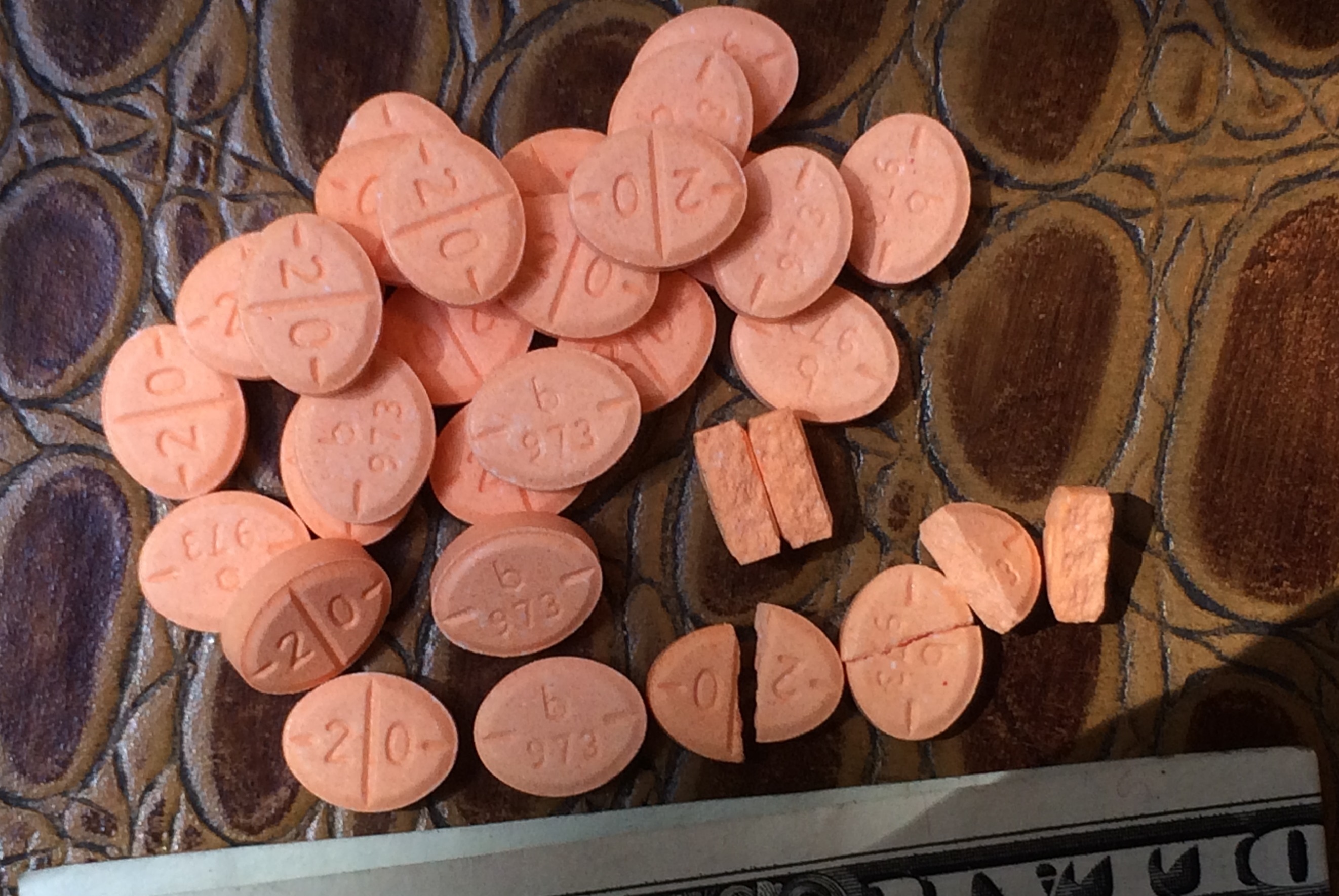
During World War II, amphetamines were used by the German military to keep their tank crews awake for long periods, and treat depression. It was noticed that extended rest was required after such artificially induced activity. The widespread use of substituted amphetamines began in postwar Japan and quickly spread to other countries. Modified "designer amphetamines", such as MDA and PMA, have gained in popularity since the 1960s. In 1970, the United States adopted "the Controlled Substances Act" that limited non-medical use of substituted amphetamines. Street use of PMA was noted in 1972. MDMA emerged as a substitute for MDA in the early 1970s. American chemist Alexander Shulgin first synthesized the drug in 1976 and through him the drug was briefly introduced into psychotherapy. Recreational use grew and in 1985 MDMA was banned by the US authorities in an emergency scheduling initiated by the Drug Enforcement Administration.
Since the mid-1990s, MDMA has become a popular entactogenic drug among the youth and quite often non-MDMA substances were sold as ecstasy. Ongoing trials are investigating its efficacy as an adjunct to psychotherapy in the management of treatment-resistant post-traumatic stress disorder (PTSD).
Legal status
| Agents | Legal status by 2009. | US | Russia | Australia |
|---|---|---|---|---|
| Amphetamine (racemic) | Schedule II | Schedule II | Schedule II | Schedule 8 |
| Dextroamphetamine (D-amphetamine) | Schedule II | Schedule II | Schedule I | Schedule 8 |
| Levoamphetamine (L-amphetamine) | Schedule II | Schedule II | Schedule III | Schedule 8 |
| Methamphetamine | Schedule II | Schedule II | Schedule I | Schedule 8 |
| Cathinone Methcathinone | Schedule I | Schedule I | Schedule I | Schedule 9 |
| MDA, MDMA, MDEA | Schedule I | Schedule I | Schedule I | Schedule 9 |
| PMA | Schedule I | Schedule I | Schedule I | Schedule 9 |
| DOB, DOM, 3,4,5-TMA | Schedule I | Schedule I | Schedule I | Schedule 9 |
References
Notes
Bibliography
References
- (2012). "Biosynthesis of amphetamine analogs in plants". Trends Plant Sci..
- Glennon RA. (2013). "Foye's principles of medicinal chemistry". Wolters Kluwer Health/Lippincott Williams & Wilkins.
- (March 1991). "Determination of ring- and N-substituted amphetamines as heptafluorobutyryl derivatives". Forensic Sci. Int..
- (2017-11-01). "Evaluation of the Abuse Potential of Novel Amphetamine Derivatives with Modifications on the Amine (NBNA) and Phenyl (EDA, PMEA, 2-APN) Sites". Biomolecules & Therapeutics.
- (2017). "Tranylcypromine in mind (Part I): Review of pharmacology". European Neuropsychopharmacology.
- (9 October 2013). "Forensic Medicine: Fundamentals and Perspectives". Springer Science & Business Media.
- "Benzphetamine - Wikipedia".
- Goldfrank, pp. 1125–1127
- Glennon, pp. 184–187
- Schatzberg, p.843
- PubChem. "Phenelzine".
- (February 2012). "Medical Toxicology of Drug Abuse: Synthesized Chemicals and Psychoactive Plants". John Wiley & Sons.
- PubChem. "Phenylpropanolamine".
- PubChem. "Tranylcypromine".
- PubChem. "Phenylephrine".
- PubChem. "Diethylpropion".
- PubChem. "Bupropion".
- PubChem. "Desmethylselegiline".
- PubChem. "Selegiline".
- PubChem. "Benzphetamine".
- PubChem. "Mescaline".
- PubChem. "Fenfluramine".
- Paul M Dewick. (2002). "Medicinal Natural Products. A Biosynthetic Approach. Second Edition". Wiley.
- Snow, p. 1
- A. Richard Green. (2003). "The Pharmacology and Clinical Pharmacology of 3,4-Methylenedioxymethamphetamine (MDMA, Ecstasy)". Pharmacological Reviews.
- Goldfrank, p. 1125
- Goldfrank, p. 1119
- Liang Han Ling. (2001). "Poisoning with the recreational drug paramethoxyamphetamine ("death" )". The Medical Journal of Australia.
- (11 December 1988). "Psychedelic Drug Called Ecstasy Gains Popularity in Manhattan Nightclubs". The New York Times.
- (9 July 2010). "Rediscovering MDMA (ecstasy): the role of the American chemist Alexander T. Shulgin". Addiction.
- Snow, p. 71
- Goldfrank, p. 1121
- Mithoefer M.. (2011). "The safety and efficacy of ±3,4-methylenedioxymethamphetamine-assisted psychotherapy in subjects with chronic, treatment-resistant posttraumatic stress disorder: the first randomized controlled pilot study". Journal of Psychopharmacology.
- (August 2003). "List of psychotropic substances under international control". International Narcotics Control Board.
- "DEA Drug Scheduling". U.S. Drug Enforcement Administration.
- "Resolution of RF Government of 30 June 1998 N 681 "On approval of list of drugs psychotropic substances and their precursors subject to control in the Russian Federation"". garant.ru.
- "The Standard for the Uniform Scheduling of Medicines and Poisons (SUSMP)". Australian Therapeutic Goods Administration (TGA).
- "Convention on Psychotropic Substances, 1971". United Nations.
This article was imported from Wikipedia and is available under the Creative Commons Attribution-ShareAlike 4.0 License. Content has been adapted to SurfDoc format. Original contributors can be found on the article history page.
Ask Mako anything about Substituted amphetamine — get instant answers, deeper analysis, and related topics.
Research with MakoFree with your Surf account
Create a free account to save articles, ask Mako questions, and organize your research.
Sign up freeThis content may have been generated or modified by AI. CloudSurf Software LLC is not responsible for the accuracy, completeness, or reliability of AI-generated content. Always verify important information from primary sources.
Report