From Surf Wiki (app.surf) — the open knowledge base
Stimulant
Drug that increases alertness
Drug that increases alertness
| Field | Value |
|---|---|
| Image | File:Amphetamine.svg |
| ImageClass | skin-invert-image |
| Caption | Chemical structure of amphetamine, one of the most well-known and widely used stimulants. |
| Width | 200px |
| Synonyms | Psychostimulant; Central nervous system stimulant; CNS stimulant; Upper |
| Use | Recreational, medical |
| Mechanism_of_action | Various |
| Biological_target | Various |
| Chemical_class | Various |
| Drugs.com | |
| legal_status | Variable |
| Drugs.com =
Stimulants (also known as central nervous system stimulants, or psychostimulants, or colloquially as uppers) are a class of psychoactive drugs that increase alertness. They are used for various purposes, such as enhancing attention, motivation, cognition, mood, and physical performance. Some stimulants occur naturally, while others are exclusively synthetic. Common stimulants include caffeine, nicotine, cocaine (including crack cocaine), amphetamine/methamphetamine, methylphenidate, and modafinil. Stimulants may be subject to varying forms of regulation, or outright prohibition, depending on jurisdiction. Most stimulants are highly addictive and damage health when addicted.
Stimulants increase activity in the sympathetic nervous system, either directly or indirectly. Prototypical stimulants increase synaptic concentrations of excitatory neurotransmitters, particularly norepinephrine and dopamine (e.g., methylphenidate). Other stimulants work by binding to the receptors of excitatory neurotransmitters (e.g., nicotine) or by blocking the activity of endogenous agents that promote sleep (e.g., caffeine). Stimulants can affect various functions, including arousal, attention, the reward system, learning, memory, and emotion. Effects range from mild stimulation to euphoria, depending on the specific drug, dose, route of administration, and inter-individual characteristics.
Stimulants have a long history of use, both for medical and non-medical purposes. Archeological evidence from Peru shows that cocaine use dates back as far as 8000 B.C.E. Stimulants have been used to treat various conditions, such as narcolepsy, attention deficit hyperactivity disorder (ADHD), obesity, depression, and fatigue. They have also been used as recreational drugs, performance-enhancing substances, and cognitive enhancers, by various groups of people, such as students, athletes, artists, and workers. They have also been used to promote aggression of combatants in wartime, both historically and in the present day.
Stimulants have potential risks and side effects, such as addiction, tolerance, withdrawal, psychosis, anxiety, insomnia, cardiovascular problems, and neurotoxicity. The misuse and abuse of stimulants can lead to serious health and social consequences, such as overdose, dependence, crime, and violence. Therefore, the use of stimulants is regulated by laws and policies in most countries, and requires medical supervision and prescription in some cases.
Definition
Stimulant is an overarching term that covers many drugs including those that increase the activity of the central nervous system and the body, drugs that are pleasurable and invigorating, or drugs that have sympathomimetic effects. Sympathomimetic effects are those effects that mimic or copy the actions of the sympathetic nervous system. The sympathetic nervous system is a part of the nervous system that prepares the body for action, such as increasing the heart rate, blood pressure, and breathing rate. Stimulants can activate the same receptors as the natural chemicals released by the sympathetic nervous system (namely epinephrine and norepinephrine) and cause similar effects.
Psychostimulant refers to a subset of substances within the stimulant drug class that act at the dopamine transporter (DAT), a protein that normally clears dopamine from the synaptic cleft. Amphetamine, methylphenidate, cocaine, and modafinil are examples of psychostimulants that promote arousal and affect task performance in a dose-dependent manner. Psychostimulants act at DAT by inhibiting dopamine reuptake or by initiating transporter-mediated dopamine efflux (i.e., reverse transport), thereby producing indirect dopamine agonist effects in the central nervous system. The DAT-mediated actions of psychostimulants contrast with other central nervous system stimulants that can overlap in behavioural effects, such as caffeine, a drug that promotes wakefulness primarily through antagonism of adenosine receptors.
Effects
Acute
Stimulants in low doses, such as those given to patients with attention deficit hyperactivity disorder (ADHD), increase ability to focus, vigor, sociability, libido and may elevate mood. However, in higher doses, stimulants may actually decrease the ability to focus, a principle of the Yerkes-Dodson law. In higher doses, stimulants may also produce euphoria, vigor, and a decreased need for sleep.
Many, but not all, stimulants have ergogenic effects; that is, they enhance physical performance. Drugs such as ephedrine, pseudoephedrine, amphetamine and methylphenidate have well documented ergogenic effects, while cocaine has the opposite effect.
Neurocognitive enhancing effects of stimulants, specifically modafinil, amphetamine and methylphenidate have been reported in healthy adolescents by some studies, and is a commonly cited reason among illicit drug users for use, particularly among college students in the context of studying. Still, results of these studies is inconclusive: assessing the potential overall neurocognitive benefits of stimulants among healthy youth is challenging due to the diversity within the population, the variability in cognitive task characteristics, and the absence of replication of studies. Research on the cognitive enhancement effects of modafinil in healthy non-sleep-deprived individuals has yielded mixed results, with some studies suggesting modest improvements in attention and executive functions while others show no significant benefits or even a decline in cognitive functions.
In some cases, psychiatric phenomena may emerge such as stimulant psychosis, paranoia, and suicidal ideation. Acute toxicity has been reportedly associated with hyperhydrosis, panic attacks, severe anxiety, mydriasis, paranoia, aggressive behavior, excessive motor activity, psychosis, rhabdomyolysis, and punding. The violent and aggressive behavior associated with acute stimulant toxicity may partially be driven by paranoia. Most drugs classified as stimulants are sympathomimetic, meaning that they stimulate the sympathetic branch of the autonomic nervous system. This leads to effects such as mydriasis (dilation of the pupils), increased heart rate, blood pressure, respiratory rate and body temperature.
Chronic
Assessment of the effects of stimulants is relevant given the large population currently taking stimulants. A 2022 meta-analysis with a sample size of just under four million people found no association between the use of prescription psychostimulants and the development of cardiovascular disease in any age group. A review of a year long period of prescription stimulant use in those with ADHD found that cardiovascular side effects were limited to transient increases in blood pressure only. However, a 2024 systematic review of the evidence found that stimulants overall improve ADHD symptoms and broadband behavioral measures in children and adolescents, though they carry risks of side effects like appetite suppression and other adverse events. Initiation of stimulant treatment in those with ADHD in early childhood appears to carry benefits into adulthood with regard to social and cognitive functioning, and appears to be relatively safe.
Abuse of prescription stimulants (not following physician instruction) or of illicit stimulants carries many negative health risks. Abuse of cocaine, depending upon route of administration, increases risk of cardiorespiratory disease, stroke, and sepsis. Some effects are dependent upon the route of administration, with intravenous use associated with the transmission of many disease such as Hepatitis C, HIV/AIDS and potential medical emergencies such as infection, thrombosis or pseudoaneurysm, while inhalation may be associated with increased lower respiratory tract infection, lung cancer, and pathological restricting of lung tissue. Cocaine may also increase risk for autoimmune disease and damage nasal cartilage. Abuse of methamphetamine produces similar effects as well as marked degeneration of dopaminergic neurons, resulting in an increased risk for Parkinson's disease.
Medical uses
Stimulants are widely used throughout the world as prescription medicines as well as without a prescription (either legally or illicitly) as performance-enhancing or recreational drugs. Among narcotics, stimulants produce a noticeable crash or comedown at the end of their effects. In the US, the most frequently prescribed stimulants as of 2013 were lisdexamfetamine (Vyvanse), methylphenidate (Ritalin), and amphetamine (Adderall). It was estimated in 2015 that the percentage of the world population that had used cocaine during a year was 0.4%. For the category "amphetamines and prescription stimulants" (with "amphetamines" including amphetamine and methamphetamine) the value was 0.7%, and for MDMA 0.4%.
Stimulants have been used in medicine for many conditions including obesity, sleep disorders, mood disorders, impulse control disorders, asthma, nasal congestion and, in case of cocaine, as local anesthetics. Drugs used to treat obesity are called anorectics and generally include drugs that follow the general definition of a stimulant, but other drugs such as cannabinoid receptor antagonists also belong to this group. Eugeroics are used in management of sleep disorders characterized by excessive daytime sleepiness, such as narcolepsy, and include stimulants such as modafinil and pitolisant. Stimulants are used in impulse control disorders such as ADHD and off-label in mood disorders such as major depressive disorder to increase energy, focus and elevate mood. Stimulants such as epinephrine, theophylline and salbutamol orally have been used to treat asthma, but inhaled adrenergic drugs are now preferred due to less systemic side effects. Pseudoephedrine is used to relieve nasal or sinus congestion caused by the common cold, sinusitis, hay fever and other respiratory allergies; it is also used to relieve ear congestion caused by ear inflammation or infection.
Depression
Stimulants were one of the first classes of drugs to be used in the treatment of depression, beginning after the introduction of the amphetamines in the 1930s. However, they were largely abandoned for treatment of depression following the introduction of conventional antidepressants in the 1950s. Subsequent to this, there has been a resurgence in interest in stimulants for depression in recent years.
Stimulants produce a fast-acting and pronounced but transient and short-lived mood lift. In relation to this, they are minimally effective in the treatment of depression when administered continuously. In addition, tolerance to the mood-lifting effects of amphetamine has led to dose escalation and dependence. Although the efficacy for depression with continuous administration is modest, it may still reach statistical significance over placebo and provide benefits similar in magnitude to those of conventional antidepressants. The reasons for the short-term mood-improving effects of stimulants are unclear, but may relate to rapid tolerance. Tolerance to the effects of stimulants has been studied and characterized both in animals and humans. Stimulant withdrawal is remarkably similar in its symptoms to those of major depressive disorder.
Chemistry

Classifying stimulants is difficult, because of the large number of classes the drugs occupy, and the fact that they may belong to multiple classes; for example, ecstasy can be classified as a substituted methylenedioxyphenethylamine, a substituted amphetamine and consequently, a substituted phenethylamine.
Major stimulant classes include phenethylamines and their daughter class substituted amphetamines.
Amphetamines (class)
Main article: Substituted amphetamines
Substituted amphetamines are a class of compounds based upon the amphetamine structure; it includes all derivative compounds which are formed by replacing, or substituting, one or more hydrogen atoms in the amphetamine core structure with substituents. Examples of substituted amphetamines are amphetamine (itself), methamphetamine, ephedrine, cathinone, phentermine, mephentermine, bupropion, methoxyphenamine, selegiline, amfepramone, pyrovalerone, MDMA (ecstasy), and DOM (STP). Many drugs in this class work primarily by activating trace amine-associated receptor 1 (TAAR1); in turn, this causes reuptake inhibition and effluxion, or release, of dopamine, norepinephrine, and serotonin. An additional mechanism of some substituted amphetamines is the release of vesicular stores of monoamine neurotransmitters through VMAT2, thereby increasing the concentration of these neurotransmitters in the cytosol, or intracellular fluid, of the presynaptic neuron.
Amphetamine-type stimulants are often used for their therapeutic effects. Physicians sometimes prescribe amphetamine to treat major depressive disorder, where subjects do not respond well to traditional selective serotonin reuptake inhibitor (SSRI) medications, but evidence supporting this use is mixed. Two large phase III studies of lisdexamfetamine (a prodrug to amphetamine) as an adjunct to an SSRI or serotonin–norepinephrine reuptake inhibitor (SNRI) in the treatment of major depressive disorder showed no further benefit relative to placebo in effectiveness. Numerous studies have demonstrated the effectiveness of drugs like Adderall (a mixture of salts of amphetamine and dextroamphetamine) in controlling symptoms associated with ADHD. Non-stimulants such as atomoxetine have also found to be effective. Due to their availability and fast-acting effects, substituted amphetamines are prime candidates for abuse.
Cocaine analogs
Main article: List of cocaine analogs
Hundreds of cocaine analogs have been created, all of them usually maintaining a benzyloxy connected to the 3 carbon of a tropane. Various modifications include substitutions on the benzene ring, as well as additions or substitutions in place of the normal carboxylate on the tropane 2 carbon. Various compound with similar structure activity relationships to cocaine that aren't technically analogs have been developed as well.
Mechanisms of action
Most stimulants exert their activating effects by enhancing catecholamine neurotransmission. Catecholamine neurotransmitters are employed in regulatory pathways implicated in attention, arousal, motivation, task salience and reward anticipation. Classical stimulants either block the reuptake or stimulate the efflux of these catecholamines, resulting in increased activity of their circuits. Some stimulants, specifically those with entactogenic and hallucinogenic effects, also affect serotonergic transmission. Some stimulants, such as some amphetamine derivatives and, notably, yohimbine, can decrease negative feedback by antagonizing regulatory autoreceptors. Adrenergic agonists, such as, in part, ephedrine, act by directly binding to and activating adrenergic receptors, producing sympathomimetic effects.
There are also more indirect mechanisms of action by which a drug can elicit activating effects. Caffeine is an adenosine receptor antagonist, and only indirectly increases catecholamine transmission in the brain. Pitolisant is an histamine 3 (H3)-receptor inverse agonist. As histamine 3 (H3) receptors mainly act as autoreceptors, pitolisant decreases negative feedback to histaminergic neurons, enhancing histaminergic transmission.
The precise mechanism of action of some stimulants, such as modafinil, for treating symptoms of narcolepsy and other sleep disorders, remains unknown.
Notable stimulants
Amphetamine
Main article: Amphetamine
Amphetamine is a potent psychostimulant of the phenethylamine class that is approved for the treatment of attention deficit hyperactivity disorder (ADHD) and narcolepsy. Amphetamine is also used off-label as a performance and cognitive enhancer, and recreationally as an aphrodisiac and euphoriant. Although it is a prescription medication in many countries, unauthorized possession and distribution of amphetamine is often tightly controlled due to the significant health risks associated with uncontrolled or heavy use. As a consequence, amphetamine is illegally manufactured in clandestine labs to be trafficked and sold to users. Based upon drug and drug precursor seizures worldwide, illicit amphetamine production and trafficking is much less prevalent than that of methamphetamine.
The first pharmaceutical amphetamine was Benzedrine, a brand of inhalers used to treat a variety of conditions. Because the dextrorotary isomer has greater stimulant properties, Benzedrine was gradually discontinued in favor of formulations containing all or mostly dextroamphetamine. Presently, it is typically prescribed as mixed amphetamine salts, dextroamphetamine, and lisdexamfetamine.
Amphetamine is a norepinephrine-dopamine releasing agent (NDRA). It enters neurons through dopamine and norepinephrine transporters and facilitates neurotransmitter efflux by activating TAAR1 and inhibiting VMAT2. At therapeutic doses, this causes emotional and cognitive effects such as euphoria, change in libido, increased arousal, and improved cognitive control. Likewise, it induces physical effects such as decreased reaction time, fatigue resistance, and increased muscle strength. In contrast, supratherapeutic doses of amphetamine are likely to impair cognitive function and induce rapid muscle breakdown. Very high doses can result in psychosis (e.g., delusions and paranoia), which very rarely occurs at therapeutic doses even during long-term use. As recreational doses are generally much larger than prescribed therapeutic doses, recreational use carries a far greater risk of serious side effects, such as dependence, which only rarely arises with therapeutic amphetamine use.
Caffeine
Main article: Caffeine

Caffeine is a stimulant compound belonging to the xanthine class of chemicals naturally found in coffee, tea, and (to a lesser degree) cocoa or chocolate. It is included in many soft drinks, as well as a larger amount in energy drinks. Caffeine is the world's most widely used psychoactive drug and by far the most common stimulant. In North America, 90% of adults consume caffeine daily.
A few jurisdictions restrict the sale and use of caffeine. In the United States, the FDA has banned the sale of pure and highly concentrated caffeine products for personal consumption, due to the risk of overdose and death. The Australian Government has announced a ban on the sale of pure and highly concentrated caffeine food products for personal consumption, following the death of a young man from acute caffeine toxicity. In Canada, Health Canada has proposed to limit the amount of caffeine in energy drinks to 180 mg per serving, and to require warning labels and other safety measures on these products.
Caffeine is also included in some medications, usually for the purpose of enhancing the effect of the primary ingredient, or reducing one of its side-effects (especially drowsiness). Tablets containing standardized doses of caffeine are also widely available.
Caffeine's mechanism of action differs from many stimulants, as it produces stimulant effects by inhibiting adenosine receptors. Adenosine receptors are thought to be a large driver of drowsiness and sleep, and their action increases with extended wakefulness. Caffeine has been found to increase striatal dopamine in animal models, as well as inhibit the inhibitory effect of adenosine receptors on dopamine receptors, however the implications for humans are unknown. Unlike most stimulants, caffeine has no addictive potential. Caffeine does not appear to be a reinforcing stimulus, and some degree of aversion may actually occur, per a study on drug abuse liability published in an NIDA research monograph that described a group preferring placebo over caffeine. In large telephone surveys only 11% reported dependence symptoms. However, when people were tested in labs, only half of those who claim dependence actually experienced it, casting doubt on caffeine's ability to produce dependence and putting societal pressures in the spotlight.
Coffee consumption is associated with a lower overall risk of cancer. This is primarily due to a decrease in the risks of hepatocellular and endometrial cancer, but it may also have a modest effect on colorectal cancer. A protective effect of caffeine against Alzheimer's disease is possible, but the evidence is inconclusive. Moderate coffee consumption may decrease the risk of cardiovascular disease, and it may somewhat reduce the risk of type 2 diabetes. Drinking 1–3 cups of coffee per day does not affect the risk of hypertension compared to drinking little or no coffee. However those who drink 2–4 cups per day may be at a slightly increased risk. Caffeine increases intraocular pressure in those with glaucoma but does not appear to affect normal individuals. It may protect people from liver cirrhosis. There is no evidence that coffee stunts a child's growth. Caffeine may increase the effectiveness of some medications including ones used to treat headaches. Caffeine may lessen the severity of acute mountain sickness if taken a few hours prior to attaining a high altitude.
Ephedrine
Main article: Ephedrine
Ephedrine is a sympathomimetic amine similar in molecular structure to the well-known drugs phenylpropanolamine and methamphetamine, as well as to the important neurotransmitter epinephrine (adrenaline). Ephedrine is commonly used as a stimulant, appetite suppressant, concentration aid, and decongestant, and to treat hypotension associated with anesthesia.
In chemical terms, it is an alkaloid with a phenethylamine skeleton found in various plants in the genus Ephedra (family Ephedraceae). It works mainly by increasing the activity of norepinephrine (noradrenaline) on adrenergic receptors. It is most usually marketed as the hydrochloride or sulfate salt.
The herb má huáng (Ephedra sinica), used in traditional Chinese medicine (TCM), contains ephedrine and pseudoephedrine as its principal active constituents. The same may be true of other herbal products containing extracts from other Ephedra species.
MDMA
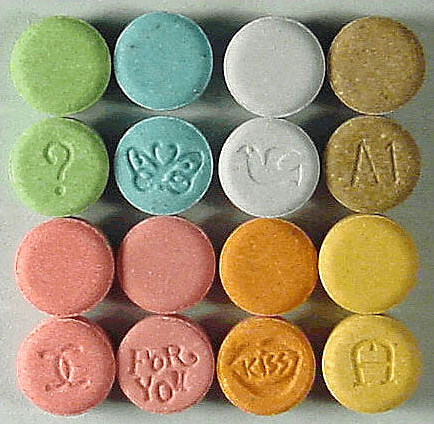
Main article: MDMA
3,4-Methylenedioxymethamphetamine (MDMA, ecstasy, or molly) is an entactogen, euphoriant, and psychostimulant of the amphetamine class. Briefly used by some psychotherapists as an adjunct to therapy, the drug became popular recreationally and the DEA listed MDMA as a Schedule I controlled substance, prohibiting most medical studies and applications. MDMA is known for its entactogenic properties. The stimulant effects of MDMA include hypertension, anorexia (appetite loss), euphoria, social disinhibition, insomnia (enhanced wakefulness/inability to sleep), improved energy, increased arousal, and increased perspiration, among others. Relative to catecholaminergic transmission, MDMA enhances serotonergic transmission significantly more, when compared to similar psychostimulants like amphetamine.
Due to the relative safety of MDMA, some researchers such as David Nutt have criticized the scheduling level, writing a satirical article finding MDMA to be 28 times less dangerous than horseriding, a condition he termed "equasy" or "Equine Addiction Syndrome".
MDPV
Main article: Methylenedioxypyrovalerone
Methylenedioxypyrovalerone (MDPV) is a psychoactive drug with stimulant properties that acts as a norepinephrine-dopamine reuptake inhibitor (NDRI). It was first developed in the 1960s by a team at Boehringer Ingelheim. MDPV remained an obscure stimulant until around 2004, when it was reported to be sold as a designer drug. Products labeled as bath salts containing MDPV were previously sold as recreational drugs in gas stations and convenience stores in the United States, similar to the marketing for Spice and K2 as incense.
Incidents of psychological and physical harm have been attributed to MDPV use.
Mephedrone
Main article: Mephedrone
Mephedrone is a synthetic stimulant drug of the amphetamine and cathinone classes. Slang names include drone and MCAT. It is reported to be manufactured in China and is chemically similar to the cathinone compounds found in the khat plant of eastern Africa. It comes in the form of tablets or a powder, which users can swallow, snort, or inject, producing similar effects to MDMA, amphetamines, and cocaine.
Mephedrone was first synthesized in 1929, but did not become widely known until it was rediscovered in 2003. By 2007, mephedrone was reported to be available for sale on the Internet; by 2008 law enforcement agencies had become aware of the compound; and, by 2010, it had been reported in most of Europe, becoming particularly prevalent in the United Kingdom. Mephedrone was first made illegal in Israel in 2008, followed by Sweden later that year. In 2010, it was made illegal in many European countries, and, in December 2010, the EU ruled it illegal. In Australia, New Zealand, and the US, it is considered an analog of other illegal drugs and can be controlled by laws similar to the Federal Analog Act. In September 2011, the USA temporarily classified mephedrone as illegal, in effect from October 2011.
Mephedrone is neurotoxic and has abuse potential, predominantly exerted on 5-hydroxytryptamine (5-HT) terminals, mimicking that of MDMA with which it shares the same subjective sensations on abusers.
Methamphetamine
Main article: Methamphetamine
Methamphetamine (contracted from N-methyl-alpha-methylphenethylamine) is a potent psychostimulant of the phenethylamine and amphetamine classes that is used to treat attention deficit hyperactivity disorder (ADHD) and obesity. Methamphetamine exists as two enantiomers, dextrorotary and levorotary. Dextromethamphetamine is a stronger CNS stimulant than levomethamphetamine; however, both are addictive and produce the same toxicity symptoms at high doses. Although rarely prescribed due to the potential risks, methamphetamine hydrochloride is approved by the United States Food and Drug Administration (USFDA) under the trade name Desoxyn. Recreationally, methamphetamine is used to increase sexual desire, lift the mood, and increase energy, allowing some users to engage in sexual activity continuously for several days straight.
Methamphetamine may be sold illicitly, either as pure dextromethamphetamine or in an equal parts mixture of the right- and left-handed molecules (i.e., 50% levomethamphetamine and 50% dextromethamphetamine). Both dextromethamphetamine and racemic methamphetamine are schedule II controlled substances in the United States. Also, the production, distribution, sale, and possession of methamphetamine is restricted or illegal in many other countries due to its placement in schedule II of the United Nations Convention on Psychotropic Substances treaty. In contrast, levomethamphetamine is an over-the-counter drug in the United States.
In low doses, methamphetamine can cause an elevated mood and increase alertness, concentration, and energy in fatigued individuals. At higher doses, it can induce psychosis, rhabdomyolysis, and cerebral hemorrhage. Methamphetamine is known to have a high potential for abuse and addiction. Recreational use of methamphetamine may result in psychosis or lead to post-withdrawal syndrome, a withdrawal syndrome that can persist for months beyond the typical withdrawal period. Unlike amphetamine and cocaine, methamphetamine is neurotoxic to humans, damaging both dopamine and serotonin neurons in the central nervous system (CNS). Unlike the long-term use of amphetamine in prescription doses, which may improve certain brain regions in individuals with ADHD, there is evidence that methamphetamine causes brain damage from long-term use in humans; this damage includes adverse changes in brain structure and function, such as reductions in gray matter volume in several brain regions and adverse changes in markers of metabolic integrity.
Methylphenidate
Main article: Methylphenidate
Methylphenidate is a psychostimulant drug that is often used in the treatment of ADHD and narcolepsy and occasionally to treat obesity in combination with diet restraints and exercise. Its effects at therapeutic doses include increased focus, increased alertness, decreased appetite, decreased need for sleep and decreased impulsivity. Methylphenidate is not usually used recreationally, but when it is used, its effects are very similar to those of amphetamines.
Methylphenidate acts as a norepinephrine-dopamine reuptake inhibitor (NDRI), by blocking the norepinephrine transporter (NET) and the dopamine transporter (DAT). Methylphenidate has a higher affinity for the dopamine transporter than for the norepinephrine transporter, and so its effects are mainly due to elevated dopamine levels caused by the inhibited reuptake of dopamine, however increased norepinephrine levels also contribute to various of the effects caused by the drug.
Methylphenidate is sold under a number of brand names including Ritalin. Other versions include the long lasting tablet Concerta and the long lasting transdermal patch Daytrana.
Cocaine
Main article: Cocaine
Cocaine is an SNDRI. Cocaine is made from the leaves of the coca shrub, which grows in the mountain regions of South American countries such as Bolivia, Colombia, and Peru, regions in which it was cultivated and used for centuries mainly by the Aymara people. In Europe, North America, and some parts of Asia, the most common form of cocaine is a white crystalline powder. Cocaine is a psychostimulant but is not normally prescribed therapeutically for its stimulant properties, although it sees clinical use as a local anesthetic, in particular in ophthalmology. Most cocaine use is recreational and its abuse potential is high (higher than amphetamine), and so its sale and possession are strictly controlled in most jurisdictions. Other tropane derivative drugs related to cocaine are also known such as troparil and lometopane but have not been widely sold or used recreationally.
Nicotine
Main article: Nicotine
Nicotine is the active chemical constituent in tobacco, which is available in many forms, including cigarettes, cigars, chewing tobacco, and smoking cessation aids such as nicotine patches, nicotine gum, and electronic cigarettes. Nicotine is used widely throughout the world for its stimulating and relaxing effects. Nicotine exerts its effects through the agonism of nicotinic acetylcholine receptors, resulting in multiple downstream effects such as increase in activity of dopaminergic neurons in the midbrain reward system, and acetaldehyde one of the tobacco constituent decreased the expression of monoamine oxidase in the brain. Nicotine is addictive and dependence forming. Tobacco, the most common source of nicotine, has an overall harm to user and self score 3 percent below cocaine, and 13 percent above amphetamines, ranking 6th most harmful of the 20 drugs assessed, as determined by a multi-criteria decision analysis.
Phenylpropanolamine
Main article: Phenylpropanolamine
Phenylpropanolamine (PPA; Accutrim; β-hydroxyamphetamine), also known as the stereoisomers norephedrine and norpseudoephedrine, is a psychoactive drug of the phenethylamine and amphetamine chemical classes that is used as a stimulant, decongestant, and anorectic agent. It is commonly used in prescription and over-the-counter cough and cold preparations. In veterinary medicine, it is used to control urinary incontinence in dogs under trade names Propalin and Proin.
In the United States, PPA is no longer sold without a prescription due to a possible increased risk of stroke in younger women. In a few countries in Europe, however, it is still available either by prescription or sometimes over-the-counter. In Canada, it was withdrawn from the market on 31 May 2001. In India, human use of PPA and its formulations were banned on 10 February 2011.
Lisdexamfetamine
Main article: Lisdexamfetamine
Lisdexamfetamine (Vyvanse, etc.) is an amphetamine-type medication, sold for use in treating ADHD. Its effects typically last around 14 hours. Lisdexamfetamine is inactive on its own and is metabolized into dextroamphetamine in the body. Consequently, it has a lower abuse potential (i.e., reduced effects from parenteral administration).
Pseudoephedrine
Main article: Pseudoephedrine
Pseudoephedrine is a sympathomimetic drug of the phenethylamine and amphetamine chemical classes. It may be used as a nasal/sinus decongestant, as a stimulant, or as a wakefulness-promoting agent.
The salts pseudoephedrine hydrochloride and pseudoephedrine sulfate are found in many over-the-counter preparations, either as a single ingredient or (more commonly) in combination with antihistamines, guaifenesin, dextromethorphan, and/or paracetamol (acetaminophen) or another NSAID (such as aspirin or ibuprofen). It is also used as a precursor chemical in the illegal production of methamphetamine.
''Catha edulis'' (Khat)
Main article: Khat

Khat is a flowering plant native to the Horn of Africa and the Arabian Peninsula.
Khat contains a monoamine alkaloid called cathinone, a "keto-amphetamine". This alkaloid causes excitement, loss of appetite, and euphoria. In 1980, the World Health Organization (WHO) classified it as a drug of abuse that can produce mild to moderate psychological dependence (less than tobacco or alcohol), although the WHO does not consider khat to be seriously addictive. It is banned in some countries, such as the United States, Canada, and Germany, while its production, sale, and consumption are legal in other countries, including Djibouti, Ethiopia, Somalia, Kenya and Yemen.
Modafinil
Main article: Modafinil
Modafinil is an eugeroic medication, which means that it promotes wakefulness and alertness. Modafinil is sold under the brand name Provigil among others. Modafinil is used to treat excessive daytime sleepiness due to narcolepsy, shift work sleep disorder, or obstructive sleep apnea. While it has seen off-label use as a purported cognitive enhancer, the research on its effectiveness for this use is not conclusive. Despite being a CNS stimulant, the addiction and dependence liabilities of modafinil are considered very low. Although modafinil shares biochemical mechanisms with stimulant drugs, it is less likely to have mood-elevating properties. The similarities in effects with caffeine are not clearly established. Unlike other stimulants, modafinil does not induce a subjective feeling of pleasure or reward, which is commonly associated with euphoria, an intense feeling of well-being. Euphoria is a potential indicator of drug abuse, which is the compulsive and excessive use of a substance despite adverse consequences. In clinical trials, modafinil has shown no evidence of abuse potential, that is why modafinil is considered to have a low risk of addiction and dependence, however, caution is advised.
Pitolisant
Main article: Pitolisant
Pitolisant is an inverse agonist (antagonist) of the histamine 3 (H3) autoreceptor. As such, pitolisant is an antihistamine medication that also belongs to the class of CNS stimulants. Pitolisant is also considered a medication of eugeroic class, which means that it promotes wakefulness and alertness. Pitolisant is the first wakefulness-promoting agent that acts by blocking the H3 autoreceptor.
Pitolisant has been shown to be effective and well-tolerated for the treatment of narcolepsy with or without cataplexy.
Pitolisant is the only non-controlled anti-narcoleptic drug in the US. It has shown minimal abuse risk in studies.
Blocking the histamine 3 (H3) autoreceptor increases the activity of histamine neurons in the brain. The H3 autoreceptors regulate histaminergic activity in the central nervous system (and to a lesser extent, the peripheral nervous system) by inhibiting histamine biosynthesis and release upon binding to endogenous histamine. By preventing the binding of endogenous histamine at the H3, as well as producing a response opposite to that of endogenous histamine at the receptor (inverse agonism), pitolisant enhances histaminergic activity in the brain.
Serotonin 5-HT2A receptor agonists
Certain serotonergic psychedelics and related non-hallucinogenic drugs, acting as serotonin 5-HT2A receptor agonists, have been reported to have mild stimulant and/or "psychic energizing" (i.e., acute antidepressant) effects, both in animals and humans. These effects are often present at low or sub-hallucinogenic doses. Psychedelics are also known to promote wakefulness or cause insomnia.
Psychedelic and related drugs that have been reported to produce stimulant effects include the phenethylamines 2,5-DMA (DOH), DOM, DOET, DOPR, DON, MTFEM, Ariadne (4C-DOM; BL-3912; Dimoxamine), 2C-B, 2C-D, 2C-G-N, and ASR-2001 (2CB-5PrO), and the tryptamines 5-MeO-DiPT and 5-MeO-MiPT, among others. The lysergamide LSD has also been reported to have mild stimulant effects. Conversely, psilocybin does not seem to produce the same stimulant effects. The non-hallucinogenic Ariadne was under development as a potential pharmaceutical drug to take advantage of such effects in the treatment of conditions like depression in the 1970s, and reached phase 3 clinical trials for such indications, but was shelved reportedly for strategic economic reasons. ASR-2001, which is likewise non-hallucinogenic, is under development for use as a stimulant-like medication for treatment of psychiatric disorders.
Serotonin 5-HT2A receptor agonists have been found to increase dopamine levels in brain areas like the frontal cortex, striatum, and nucleus accumbens in animal studies. Relatedly, serotonin 5-HT2A receptor agonists are known to produce stimulant-like effects in animals such as hyperlocomotion (increased locomotor activity) and pro-motivational effects. The serotonin 5-HT2C receptor, which most psychedelics additionally activate to varying degrees, is known to have opposing effects on dopamine release and stimulant-related behavior, which may contribute to inverted U-shaped dose–response relationships as well as divergent stimulant-like effects between different psychedelics.
Recreational use and issues of abuse
Main article: Recreational drug use#Stimulants
Stimulants enhance the activity of the central and peripheral nervous systems. Common effects may include increased alertness, awareness, wakefulness, endurance, productivity, and motivation, arousal, locomotion, heart rate, and blood pressure, and a diminished desire for food and sleep. Use of stimulants may cause the body to reduce significantly its production of natural body chemicals that fulfill similar functions. Until the body reestablishes its normal state, once the effect of the ingested stimulant has worn off the user may feel depressed, lethargic, confused, and miserable. This is referred to as a "crash", and may provoke reuse of the stimulant.
Abuse of central nervous system (CNS) stimulants is common. Addiction to some CNS stimulants can quickly lead to medical, psychiatric, and psychosocial deterioration. Drug tolerance, dependence, and sensitization as well as a withdrawal syndrome can occur. Stimulants may be screened for in animal discrimination and self-administration models which have high sensitivity albeit low specificity. Research on a progressive ratio self-administration protocol has found amphetamine, methylphenidate, modafinil, cocaine, and nicotine to all have a higher break point than placebo that scales with dose indicating reinforcing effects. A progressive ratio self-administration protocol is a way of testing how much an animal or a human wants a drug by making them do a certain action (like pressing a lever or poking a nose device) to get the drug. The number of actions needed to get the drug increases every time, so it becomes harder and harder to get the drug. The highest number of actions that the animal or human is willing to do to get the drug is called the break point. The higher the break point, the more the animal or human wants the drug. In contrast to the classical stimulants such as amphetamine, the effects of modafinil depend on what the animals or humans have to do after getting the drug. If they have to do a performance task, like solving a puzzle or remembering something, modafinil makes them work harder for it than placebo, and the subjects wanted to self-administer modafinil. But if they had to do a relaxation task, like listening to music or watching a video, the subjects did not want to self-administer modafinil. This suggests that modafinil is more rewarding when it helps the animals or humans do something better or faster, especially considering that modafinil is not commonly abused or depended on by people, unlike other stimulants.
| Dependence potentials of common stimulants | Drug | Mean | Pleasure | Psychological dependence | Physical dependence |
|---|---|---|---|---|---|
| Cocaine | 2.39 | 3.0 | 2.8 | 1.3 | |
| Tobacco | 2.21 | 2.3 | 2.6 | 1.8 | |
| Amphetamine | 1.67 | 2.0 | 1.9 | 1.1 | |
| Ecstasy | 1.13 | 1.5 | 1.2 | 0.7 |
Treatment for misuse
Psychosocial treatments, such as contingency management, have demonstrated improved effectiveness when added to treatment as usual consisting of counseling and/or case-management. This is demonstrated with a decrease in dropout rates and a lengthening of periods of abstinence.
Testing
The presence of stimulants in the body may be tested by a variety of procedures. Serum and urine are the common sources of testing material although saliva is sometimes used. Commonly used tests include chromatography, immunologic assay, and mass spectrometry.
Notes
References
References
- (2010). "Early Holocene coca chewing in northern Peru". Antiquity.
- "Russia's army is learning on the battlefield". The Economist.
- Kamieński, Łukasz. (2022-10-27). "Intoxicants in warfare". Taylor & Francis.
- Rasmussen, Nicolas. (2011-09-01). "Medical Science and the Military: The Allies' Use of Amphetamine during World War II". The Journal of Interdisciplinary History.
- "stimulant – definition of stimulant in English {{!}} Oxford Dictionaries".
- (1999). "Chapter 2—How Stimulants Affect the Brain and Behavior". Substance Abuse and Mental Health Services Administration (US).
- (November 2022). "Natural Sympathomimetic Drugs: From Pharmacology to Toxicology". Biomolecules.
- (2020). "Nestler, Hyman & Malenka's Molecular Neuropharmacology: A Foundation for Clinical Neuroscience". McGraw Hill.
- (2020). "Nestler, Hyman & Malenka's Molecular Neuropharmacology: A Foundation for Clinical Neuroscience". McGraw Hill.
- (September 2019). "In search of optimal psychoactivation: stimulants as cognitive performance enhancers". Arh Hig Rada Toksikol.
- (7 January 2017). "Central nervous system stimulants and sport practice". British Journal of Sports Medicine.
- (1 April 2014). "Efficacy of stimulants for cognitive enhancement in non-attention deficit hyperactivity disorder youth: a systematic review". Addiction.
- (2023). "Effects of Modafinil (Provigil) on Memory and Learning in Experimental and Clinical Studies: From Molecular Mechanisms to Behaviour Molecular Mechanisms and Behavioural Effects". Current Molecular Pharmacology.
- (2020). "A review on modafinil: the characteristics, function, and use in critical care". Journal of Drug Assessment.
- (2017). "Rethinking Cognitive Enhancement". Oxford University Press.
- (8 January 2017). "Methylphenidate Abuse and Psychiatric Side Effects". Primary Care Companion to the Journal of Clinical Psychiatry.
- (1999). "Treatment for Stimulant Use Disorders.Chapter 5—Medical Aspects of Stimulant Use Disorders". Center for Substance Abuse Treatment. Treatment for Stimulant Use Disorders. Rockville (MD): Substance Abuse and Mental Health Services Administration (US).
- (2022-11-01). "Risk of Cardiovascular Diseases Associated With Medications Used in Attention-Deficit/Hyperactivity Disorder: A Systematic Review and Meta-analysis". JAMA Network Open.
- (1 April 2015). "Attention-deficit/hyperactivity disorder treatment: what are the long-term cardiovascular risks?". Expert Opinion on Drug Safety.
- (2024-04-01). "Treatments for ADHD in Children and Adolescents: A Systematic Review". Pediatrics.
- (1 January 2003). "Long-term use of stimulants in children with attention deficit hyperactivity disorder: safety, efficacy, and long-term outcome". Paediatric Drugs.
- (1 September 2014). "Cocaine use and risk of stroke: a systematic review.". Drug and Alcohol Dependence.
- COUGHLIN, P. (1 October 2006). "Arterial Consequences of Recreational Drug Use". European Journal of Vascular and Endovascular Surgery.
- (1 March 2001). "Airway effects of marijuana, cocaine, and other inhaled illicit agents". Current Opinion in Pulmonary Medicine.
- (1984). "Cocaine abuse and connective tissue disease". J Am Acad Dermatol.
- Ramón Peces. (1999). "Antiglomerular Basement Membrane Antibody-Mediated Glomerulonephritis after Intranasal Cocaine Use". Nephron.
- (1998). "Neurology of the vasculitides and connective tissue diseases". J. Neurol. Neurosurg. Psychiatry.
- (August 2012). "Toxicity of amphetamines: an update". Arch. Toxicol..
- (2009). "Methamphetamine-induced neurotoxicity: the road to Parkinson's disease". Pharmacol Rep.
- (February 2000). "Intraneuronal dopamine-quinone synthesis: a review". Neurotox. Res..
- (June 2008). "Dopaminergic neuron-specific oxidative stress caused by dopamine itself". Acta Med. Okayama.
- "Top 100 Drugs for Q4 2013 by Sales – U.S. Pharmaceutical Statistics".
- "World Drug Report 2015".
- (1 October 2006). "Cocaine: what role does it have in current ENT practice? A review of the current literature". The Journal of Laryngology and Otology.
- (1 March 2005). "Pharmacological therapies for obesity". Gastroenterology Clinics of North America.
- (1 October 2016). "Obesity: new perspectives and pharmacotherapies". Cardiology in Review.
- "The Voice of the Patient A series of reports from the U.S. Food and Drug Administration's (FDA's) Patient-Focused Drug Development Initiative". Center for Drug Evaluation and Research (CDER) U.S. Food and Drug Administration (FDA).
- (7 January 2017). "Amphetamine, past and present – a pharmacological and clinical perspective". Journal of Psychopharmacology.
- (26 June 2019). "Drug Safety and Availability - FDA Drug Safety Communication: Safety Review Update of Medications used to treat Attention-Deficit/Hyperactivity Disorder (ADHD) in adults".
- (1 December 1999). "Psychostimulants in the therapy of treatment-resistant depression Review of the literature and findings from a retrospective study in 65 depressed patients". Dialogues in Clinical Neuroscience.
- Doig RL. (February 1905). "Epinephrin; especially in asthma". California State Journal of Medicine.
- (1 June 2005). "Asthma". American Journal of Respiratory and Critical Care Medicine.
- Bicopoulos D, editor. AusDI: Drug information for the healthcare professional, 2nd edition. Castle Hill: Pharmaceutical Care Information Services; 2002.
- "Pseudoephedrine (By mouth) – National Library of Medicine".
- (June 2008). "The creation of the concept of an antidepressant: an historical analysis". Soc Sci Med.
- J. Moncrieff. (13 April 2016). "The Myth of the Chemical Cure: A Critique of Psychiatric Drug Treatment". Springer.
- (August 2021). "Brief history of the medical and non-medical use of amphetamine-like psychostimulants". Exp Neurol.
- (March 2016). "Stimulants for depression: On the up and up?". Aust N Z J Psychiatry.
- (2007). "Psychostimulants in the treatment of depression: a review of the evidence". CNS Drugs.
- (August 2022). "Dopamine and Beyond: Implications of Psychophysical Studies of Intracranial Self-Stimulation for the Treatment of Depression". Brain Sci.
- (2022). "The Convergence Model of Brain Reward Circuitry: Implications for Relief of Treatment-Resistant Depression by Deep-Brain Stimulation of the Medial Forebrain Bundle". Front Behav Neurosci.
- (January 2018). "Efficacy and tolerability of lisdexamfetamine as an antidepressant augmentation strategy: A meta-analysis of randomized controlled trials". J Affect Disord.
- (August 2017). "The Efficacy of Psychostimulants in Major Depressive Episodes: A Systematic Review and Meta-Analysis". J Clin Psychopharmacol.
- (September 2021). "Comparative efficacy and safety of stimulant-type medications for depression: A systematic review and network meta-analysis". J Affect Disord.
- (April 2022). "Augmentation strategies for treatment resistant major depression: A systematic review and network meta-analysis". J Affect Disord.
- (April 2019). "Development of a non-human primate model to support CNS translational research: Demonstration with D-amphetamine exposure and dopamine response". J Neurosci Methods.
- (April 2019). "Development of a Semimechanistic Pharmacokinetic-Pharmacodynamic Model Describing Dextroamphetamine Exposure and Striatal Dopamine Response in Rats and Nonhuman Primates following a Single Dose of Dextroamphetamine". J Pharmacol Exp Ther.
- (7 February 2019). "Development of a Semimechanistic Pharmacokinetic-Pharmacodynamic Model Describing Dextroamphetamine Exposure and Striatal Dopamine Response in Rats and Nonhuman Primates following a Single Dose of Dextroamphetamine". American Society for Pharmacology & Experimental Therapeutics (ASPET).
- (May 2016). "Lisdexamfetamine Dimesylate: Prodrug Delivery, Amphetamine Exposure and Duration of Efficacy". Clin Drug Investig.
- (2017). "Pharmacokinetics and Pharmacodynamics of Lisdexamfetamine Compared with D-Amphetamine in Healthy Subjects". Front Pharmacol.
- (February 1996). "Acute tolerance to subjective but not cardiovascular effects of d-amphetamine in normal, healthy men". J Clin Psychopharmacol.
- (June 2001). "Effects of repeated oral methamphetamine administration in humans". Psychopharmacology (Berl).
- (October 2002). "A 'crash' course on psychostimulant withdrawal as a model of depression". Trends Pharmacol Sci.
- (2005). "Psychostimulant withdrawal as an inducing condition in animal models of depression". Neurosci Biobehav Rev.
- (2010). "Behavioral Neuroscience of Drug Addiction".
- (2005). "Common substrates of dysphoria in stimulant drug abuse and primary depression: therapeutic targets". Int Rev Neurobiol.
- (April 2005). "Sulfur-substituted alpha-alkyl phenethylamines as selective and reversible MAO-A inhibitors: biological activities, CoMFA analysis, and active site modeling". J Med Chem.
- (March 2024). "Structure-activity relationships for locomotor stimulant effects and monoamine transporter interactions of substituted amphetamines and cathinones". Neuropharmacology.
- (2012). "Biosynthesis of amphetamine analogs in plants". Trends Plant Sci..
- Glennon RA. (2013). "Foye's principles of medicinal chemistry". Wolters Kluwer Health/Lippincott Williams & Wilkins.
- (March 1991). "Determination of ring- and N-substituted amphetamines as heptafluorobutyryl derivatives". Forensic Sci. Int..
- (January 2011). "VMAT2: a dynamic regulator of brain monoaminergic neuronal function interacting with drugs of abuse". Ann. N. Y. Acad. Sci..
- (2015). "Emerging mechanisms and treatments for depression beyond SSRIs and SNRIs". Biochemical Pharmacology.
- (2024-03-25). "ADHD Diagnosis and Treatment in Children and Adolescents". Agency for Healthcare Research and Quality (AHRQ).
- [http://www.drugabuse.gov/Testimony/7-26-06Testimony.html Efforts of the National Institute on Drug Abuse to Prevent and Treat Prescription Drug Abuse] {{webarchive. link. (29 September 2007 , Testimony Before the Subcommittee on Criminal Justice, Drug Policy, and Human Resources Committee on Government Reform, United States House of Representatives, 26 July 2006)
- (7 January 2017). "Pharmacology of stimulants prohibited by the World Anti-Doping Agency (WADA)". British Journal of Pharmacology.
- (2001). "Caffeine for the Sustainment of Mental Task Performance: Formulations for Military Operations.". National Academies Press (US).
- "Modafinil Monograph for Professionals". American Society of Health-System Pharmacists.
- (April 2020). "Update on the pharmacologic management of narcolepsy: mechanisms of action and clinical implications". Sleep Medicine.
- (March 2017). "Prescriber's Guide: Stahl's Essential Psychopharmacology". Cambridge University Press.
- (June 2007). "Mechanisms of modafinil: A review of current research". Neuropsychiatric Disease and Treatment.
- (2019). "Adenosine and Sleep". Handbook of Experimental Pharmacology.
- (June 2013). "Adderall XR Prescribing Information". United States Food and Drug Administration.
- (2009). "Molecular Neuropharmacology: A Foundation for Clinical Neuroscience". McGraw-Hill Medical.
- Montgomery KA. (June 2008). "Sexual desire disorders". Psychiatry.
- (January 2008). "Misuse and diversion of stimulants prescribed for ADHD: a systematic review of the literature". J. Am. Acad. Child Adolesc. Psychiatry.
- "Convention on psychotropic substances". United Nations.
- "Methamphetamine facts". DrugPolicy.org.
- (2006). "World Drug Report 2006". United Nations Office on Drugs and Crime.
- (June 2013). "Amphetamine, past and present – a pharmacological and clinical perspective". J. Psychopharmacol..
- Rasmussen N. (July 2006). "Making the first anti-depressant: amphetamine in American medicine, 1929–1950". J. Hist. Med. Allied Sci..
- (March 2007). "Adderall IR Prescribing Information". United States Food and Drug Administration.
- Miller GM. (January 2011). "The emerging role of trace amine-associated receptor 1 in the functional regulation of monoamine transporters and dopaminergic activity". J. Neurochem..
- (June 2013). "Adderall XR Prescribing Information". United States Food and Drug Administration.
- (June 2013). "Nutritional supplements and ergogenic AIDS". Prim. Care.
- (2010). "Goodman & Gilman's Pharmacological Basis of Therapeutics". McGraw-Hill.
- (2009). "Treatment for amphetamine psychosis (Review)". Cochrane Database of Systematic Reviews.
- Greydanus D. "Stimulant Misuse: Strategies to Manage a Growing Problem". ACHA Professional Development Program.
- Lovett R. (24 September 2005). "Coffee: The demon drink?". New Scientist.
- Commissioner, Office of the. (24 March 2020). "FDA warns companies to stop selling dangerous and illegal pure and highly concentrated caffeine products".
- "3.1 Interim decision in relation to caffeine | Therapeutic Goods Administration (TGA)".
- "Australia to protect consumers by banning sale of pure caffeine powder | Health Portfolio Ministers | Australian Government Department of Health and Aged Care".
- (October 2017). "Caffeine in the management of patients with headache". J Headache Pain.
- (1981). "Caffeine: Psychological Effects, Use and Abuse". Orthomolecular Psychiatry.
- (May 2018). "Caffeine-Related Deaths: Manner of Deaths and Categories at Risk". Nutrients.
- (1 August 2016). "Caffeine and the central nervous system: mechanisms of action, biochemical, metabolic and psychostimulant effects". Brain Research. Brain Research Reviews.
- (8 January 2017). "Adenosine and Sleep". Current Neuropharmacology.
- (1 August 2002). "Caffeine Induces Dopamine and Glutamate Release in the Shell of the Nucleus Accumbens". Journal of Neuroscience.
- (Jun 2003). "Oligomerization of adenosine A2A and dopamine D2 receptors in living cells". Biochemical and Biophysical Research Communications.
- "Testing for Abuse Liability of Drugs in Humans". U.S. Department of Health and Human Services Public Health Service Alcohol, Drug Abuse, and Mental Health Administration National Institute on Drug Abuse.
- (2009). "Caffeine use in children: what we know, what we have left to learn, and why we should worry". Neuroscience and Biobehavioral Reviews.
- Nkondjock A. (May 2009). "Coffee consumption and the risk of cancer: an overview". Cancer Lett..
- Arab L. (2010). "Epidemiologic evidence on coffee and cancer". Nutrition and Cancer.
- (2010). "Caffeine intake and dementia: systematic review and meta-analysis". J. Alzheimers Dis..
- (2011). "Modulating Alzheimer's disease through caffeine: a putative link to epigenetics". J. Alzheimers Dis..
- (2010). "Caffeine and coffee as therapeutics against Alzheimer's disease". J. Alzheimers Dis..
- (11 February 2014). "Long-term coffee consumption and risk of cardiovascular disease: a systematic review and a dose-response meta-analysis of prospective cohort studies.". Circulation.
- van Dam RM. (2008). "Coffee consumption and risk of type 2 diabetes, cardiovascular diseases, and cancer". Applied Physiology, Nutrition, and Metabolism.
- (June 2011). "Habitual coffee consumption and risk of hypertension: a systematic review and meta-analysis of prospective observational studies". Am. J. Clin. Nutr..
- (March 2011). "The effect of caffeine on intraocular pressure: a systematic review and meta-analysis". Graefes Arch. Clin. Exp. Ophthalmol..
- (2010). "Coffee and liver diseases". Fitoterapia.
- O'Connor A. (2007). "Never shower in a thunderstorm: surprising facts and misleading myths about our health and the world we live in". Times Books.
- (February 2011). "Treatment of acute migraine headache". Am Fam Physician.
- Hackett PH. (2010). "Caffeine at high altitude: java at base Camp". High Alt. Med. Biol..
- [http://www.merckmanuals.com/professional/lexicomp/ephedrine.html Merck Manuals EPHEDrine] {{webarchive. link. (24 March 2011 Last full review/revision January 2010)
- (2020). "Nestler, Hyman & Malenka's Molecular Neuropharmacology: A Foundation for Clinical Neuroscience". McGraw Hill.
- (21 November 2013). "3,4-methylenedioxymethamphetamine (MDMA): current perspectives". Substance Abuse and Rehabilitation.
- (7 February 2009). "Ecstasy 'no more dangerous than horse riding'".
- (2012). "Pharmacological characterization of designer cathinones in vitro". [[British Journal of Pharmacology]].
- US Patent 3478050 – 1-(3,4-methylenedioxy-phenyl)-2-pyrrolidino-alkanones
- (23 December 2010). "Abuse Of Fake 'Bath Salts' Sends Dozens To ER". KMBC.com.
- "MDPV Bath Salts Drug Over The Counter".
- Samantha Morgan. (9 November 2010). "Parents cautioned against over the counter synthetic speed". NBC 33 News.
- Kelsey Scram. (6 January 2011). "Bath Salts Used to Get High". NBC 33 News.
- Cumming, E.. (22 April 2010). "Mephedrone: Chemistry lessons". The Daily Telegraph.
- (8 March 2010). "Drugs crackdown hailed a success". BBC News.
- (January 2015). "Cathinone neurotoxicity ("The "3Ms")". Curr Neuropharmacol.
- (2017). "Neurotoxicity Induced by Mephedrone: An up-to-date Review". Curr Neuropharmacol.
- (May 2020). "Mephedrone and MDMA: A comparative review". Brain Res.
- (2009). "Molecular Neuropharmacology: A Foundation for Clinical Neuroscience". McGraw-Hill Medical.
- (December 2013). "Desoxyn Prescribing Information". United States Food and Drug Administration.
- (May 2009). "Methamphetamine toxicity and messengers of death". Brain Res. Rev..
- (February 1995). "Hippocampus norepinephrine, caudate dopamine and serotonin, and behavioral responses to the stereoisomers of amphetamine and methamphetamine". J. Neurosci..
- (October 2006). "Human pharmacology of the methamphetamine stereoisomers". Clin. Pharmacol. Ther..
- (11 August 2013). "San Francisco Meth Zombies".
- United Nations Office on Drugs and Crime. (2007). "Preventing Amphetamine-type Stimulant Use Among Young People: A Policy and Programming Guide". United Nations.
- (August 2003). "List of psychotropic substances under international control". United Nations.
- (April 2015). "CFR TITLE 21: DRUGS FOR HUMAN USE: PART 341 – COLD, COUGH, ALLERGY, BRONCHODILATOR, AND ANTIASTHMATIC DRUG PRODUCTS FOR OVER-THE-COUNTER HUMAN USE".
- "Levomethamphetamine".
- (July 2009). "A review of the clinical pharmacology of methamphetamine". Addiction.
- (February 2013). "Meta-analysis of functional magnetic resonance imaging studies of inhibition and attention in attention-deficit/hyperactivity disorder: exploring task-specific, stimulant medication, and age effects". JAMA Psychiatry.
- (September 2013). "Effect of psychostimulants on brain structure and function in ADHD: a qualitative literature review of magnetic resonance imaging-based neuroimaging studies". J. Clin. Psychiatry.
- (2020). "Efectos psicológicos del consumo de la cocaína".
- (1986). "Contemporary drugs of abuse". American Family Physician.
- (October 2007). "Role of acetaldehyde in tobacco smoke addiction". European Neuropsychopharmacology.
- (6 November 2010). "Drug harms in the UK: a multicriteria decision analysis". Lancet.
- Flavahan NA. (April 2005). "Phenylpropanolamine constricts mouse and human blood vessels by preferentially activating alpha2-adrenoceptors". Journal of Pharmacology and Experimental Therapeutics.
- (7 January 2009). "Advisories, Warnings and Recalls – 2001". [[Health Canada]].
- "Drugs Banned in India". Central Drugs Standard Control Organization.
- "Lisdexamfetamine: MedlinePlus Drug Information".
- "Lisdexamfetamine Dimesylate Monograph for Professionals". American Society of Health-System Pharmacists.
- (1 December 1996). "Pseudoephedrine is without ergogenic effects during prolonged exercise". Journal of Applied Physiology.
- Hodges, K. (Feb 2006). "Pseudoephedrine enhances performance in 1500-m runners". Medicine and Science in Sports and Exercise.
- Dickens, Charles. (1856). "Household Words: A Weekly Journal, Volume 14". Bradbury & Evans.
- Al-Mugahed, Leen. (October 2008). "Khat chewing in Yemen: turning over a new leaf – Khat chewing is on the rise in Yemen, raising concerns about the health and social consequences". World Health Organization.
- (March 2007). "Development of a rational scale to assess the harm of drugs of potential misuse". Lancet.
- Haight-Ashbury Free Medical Clinic, ''Journal of psychoactive drugs'', Volume 41, (Haight-Ashbury Publications: 2009), p.3.
- (1 September 2019). "The Efficacy of Modafinil as a Cognitive Enhancer: A Systematic Review and Meta-Analysis". Journal of Clinical Psychopharmacology.
- (October 2012). "A practical guide to the therapy of narcolepsy and hypersomnia syndromes". Neurotherapeutics.
- (January 2015). "Provigil: Prescribing information". [[United States Food and Drug Administration]].
- (October 2021). "A Review of Pharmacologic Neurostimulant Use During Rehabilitation and Recovery After Brain Injury". Ann Pharmacother.
- (2012). "Practical use and risk of modafinil, a novel waking drug". Environmental Health and Toxicology.
- (1993). "Subjective effects of modafinil, a new central adrenergic stimulant in healthy volunteers: a comparison with amphetamine, caffeine and placebo". European Psychiatry.
- (June 2006). "Does modafinil produce euphoria?". The American Journal of Psychiatry.
- (February 2022). "StatPearls". StatPearls Publishing.
- (24 January 2012). "LiverTox: Clinical and Research Information on Drug-Induced Liver Injury". National Institute of Diabetes and Digestive and Kidney Diseases.
- (22 January 2012). "LiverTox: Clinical and Research Information on Drug-Induced Liver Injury". National Institute of Diabetes and Digestive and Kidney Diseases.
- "Pitolisant Uses, Side Effects & Warnings".
- "List of CNS stimulants + Uses & Side Effects".
- (21 September 2021). "Pitolisant (Wakix) for Narcolepsy". JAMA.
- (1 May 2017). "The European Medicines Agency review of pitolisant for treatment of narcolepsy: summary of the scientific assessment by the Committee for Medicinal Products for Human Use". Sleep Medicine.
- (February 2020). "Pitolisant: A Review in Narcolepsy with or without Cataplexy". CNS Drugs.
- (February 2021). "Evaluating pitolisant as a narcolepsy treatment option". Expert Opinion on Pharmacotherapy.
- (November 1990). "Identification of two H3-histamine receptor subtypes". Molecular Pharmacology.
- (30 May 2022). "pitolisant, a novel histamine-3 receptor competitive antagonist, and inverse agonist, in the treatment of excessive daytime sleepiness in adult patients with narcolepsy". Health Psychology Research.
- (1 October 2023). "Learning about STP: A Forgotten Psychedelic from the Summer of Love". History of Pharmacy and Pharmaceuticals.
- (1991). "[[PiHKAL: A Chemical Love Story]]". Transform Press.
- (2011). "5-HT2C Receptors in the Pathophysiology of CNS Disease". Humana Press.
- (2020). "The Effects of Daytime Psilocybin Administration on Sleep: Implications for Antidepressant Action". Front Pharmacol.
- (March 2010). "Serotonin 5-HT(2A) receptor antagonists in the treatment of insomnia: present status and future prospects". Drugs Today (Barc).
- (May 2025). "Low (micro)doses of 2,5-dimethoxy-4-propylamphetamine (DOPR) increase effortful motivation in low-performing mice". Neuropharmacology.
- (2013). "Phenethylamine: von der Struktur zur Funktion". Nachtschatten-Verlag.
- (1987). "The "Social-Chemistry" of Pharmacological Discovery: Interview with Dr. Alexander T. Shulgin. January 26, 1986". Social Pharmacology.
- (2019). "Population Survey Data Informing the Therapeutic Potential of Classic and Novel Phenethylamine, Tryptamine, and Lysergamide Psychedelics". Front Psychiatry.
- (April 2020). "Designer drugs: mechanism of action and adverse effects". Arch Toxicol.
- (August 2023). "Assessment of the Acute Effects of 2C-B vs. Psilocybin on Subjective Experience, Mood, and Cognition". Clin Pharmacol Ther.
- (January 2020). "A qualitative descriptive analysis of effects of psychedelic phenethylamines and tryptamines". Human Psychopharmacology.
- (2 November 2023). "The Heirs to a Vault of Novel Psychedelics Take a Trip Into the Unknown".
- (30 March 2025). "What Happens When You Inherit 500 Psychedelic Compounds?".
- {{CiteTiHKAL
- Kuypers, Kim P. C.. (2024). "Modern CNS Drug Discovery". Springer Nature Switzerland.
- (2011). "[[The Shulgin Index, Volume One: Psychedelic Phenethylamines and Related Compounds]]". Transform Press.
- (January 2023). "Pharmacological Mechanism of the Non-hallucinogenic 5-HT2A Agonist Ariadne and Analogs". ACS Chemical Neuroscience.
- (February 2004). "Hallucinogens". Pharmacol Ther.
- (February 2024). "The Effects of Psychedelics on Neuronal Physiology". Annu Rev Physiol.
- (December 2023). "Molecular and Medical Aspects of Psychedelics". Int J Mol Sci.
- (June 2025). "Toxicodynamic insights of 2C and NBOMe drugs - Is there abuse potential?". Toxicol Rep.
- (2018). "Behavioral Neurobiology of Psychedelic Drugs".
- (January 2017). "The serotonin 5-HT2C receptor and the non-addictive nature of classic hallucinogens". J Psychopharmacol.
- (1990). "Addictiveness of central stimulants". Advances in Alcohol & Substance Abuse.
- (7 January 2017). "Predicting abuse potential of stimulants and other dopaminergic drugs: Overview and recommendations". Neuropharmacology.
- (7 January 2017). "Reinforcing Effects of Stimulants in Humans: Sensitivity of Progressive-Ratio Schedules". [[Experimental and Clinical Psychopharmacology]].
- (29 September 2016). "Psychosocial interventions for psychostimulant misuse". The Cochrane Database of Systematic Reviews.
- AJ Giannini. ''Drug Abuse''. Los Angeles, Health Information Press, 1999, pp.203–208
This article was imported from Wikipedia and is available under the Creative Commons Attribution-ShareAlike 4.0 License. Content has been adapted to SurfDoc format. Original contributors can be found on the article history page.
Ask Mako anything about Stimulant — get instant answers, deeper analysis, and related topics.
Research with MakoFree with your Surf account
Create a free account to save articles, ask Mako questions, and organize your research.
Sign up freeThis content may have been generated or modified by AI. CloudSurf Software LLC is not responsible for the accuracy, completeness, or reliability of AI-generated content. Always verify important information from primary sources.
Report