From Surf Wiki (app.surf) — the open knowledge base
2C-B
Psychedelic drug
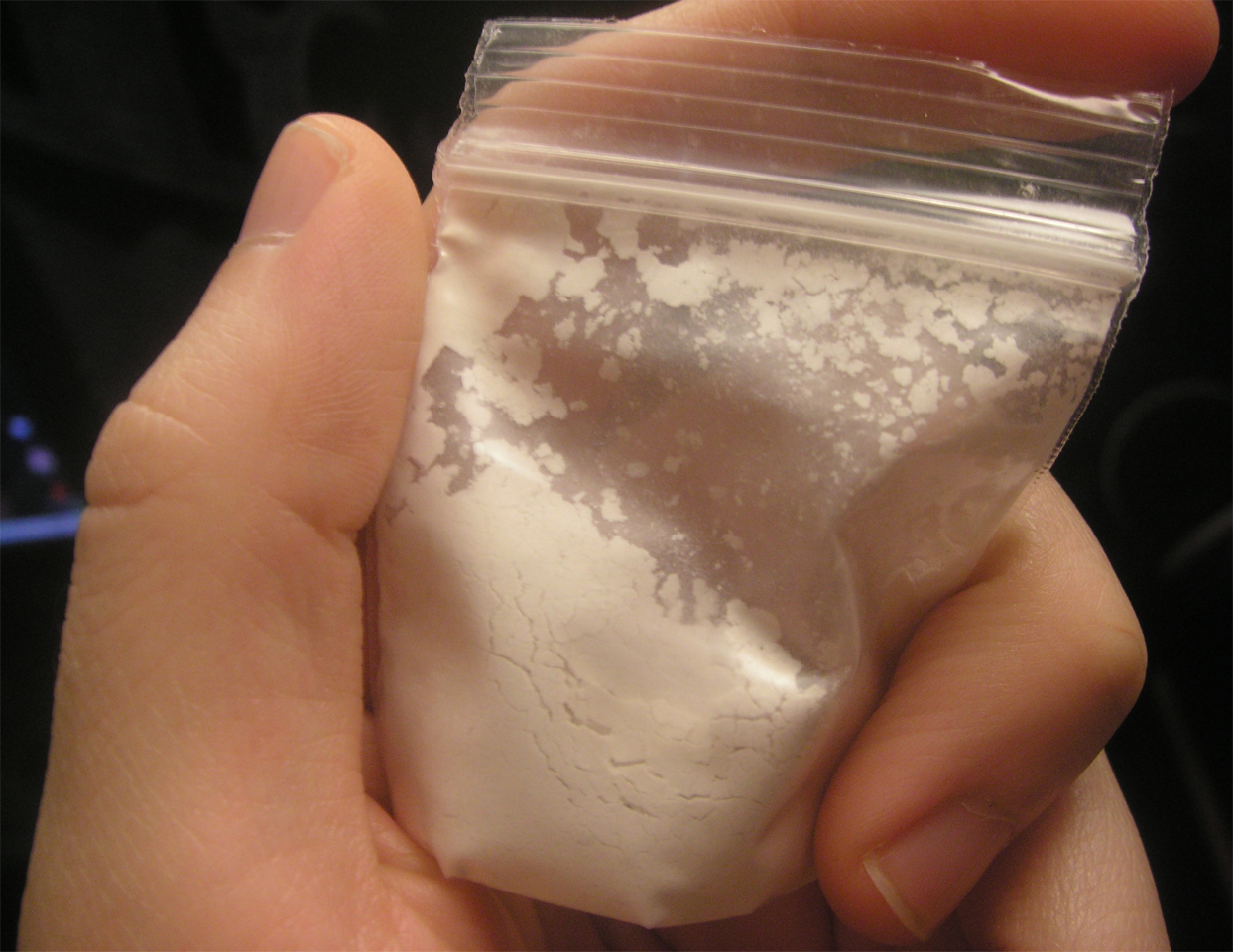
Psychedelic drug
| Field | Value | ||||
|---|---|---|---|---|---|
| image | 2C-B.svg | ||||
| image_class | skin-invert-image | ||||
| width | 200px | ||||
| image2 | 4-bromo-2,5-dimethoxyphenethylamine (2C-B).png | ||||
| image_class2 | bg-transparent | ||||
| width2 | 200px | ||||
| tradename | Erox; Nexus; Perfomax | ||||
| pregnancy_AU | |||||
| pregnancy_US | |||||
| routes_of_administration | Oral, insufflation | ||||
| class | Serotonin receptor modulator; Serotonin [5-HT2A receptor](5-ht2a-receptor) agonist; Serotonergic psychedelic; Hallucinogen; Stimulant; Entactogen | ||||
| ATC_prefix | None | ||||
| legal_AU | Schedule 9 | ||||
| legal_BR | F2 | ||||
| legal_CA | Schedule III | ||||
| legal_DE | Anlage I | ||||
| legal_NZ | |||||
| legal_UK | Class A | ||||
| legal_US | Schedule I | ||||
| legal_UN | P II | ||||
| legal_status | |||||
| bioavailability | Low | ||||
| protein_bound | Unknown | ||||
| metabolism | Liver (MAO and CYP450) | ||||
| metabolites | BDMPE, BDMPAA, BDMBA, and others | ||||
| onset | Oral: 0.5–1.2 hours (range 0.3–1.5 hours) | ||||
| elimination_half-life | 1.2–2.5 hours | ||||
| duration_of_action | Oral: 3–5 hours (range 2–8 hours) | ||||
| excretion | Urine | ||||
| CAS_number | 66142-81-2 | ||||
| PubChem | 98527 | ||||
| KEGG | C22775 | ||||
| ChEBI | 189669 | ||||
| ChEMBL | 292821 | ||||
| ChemSpiderID | 88978 | ||||
| DrugBank | DB01537 | ||||
| UNII | V77772N32H | ||||
| synonyms | 4-Bromo-2,5-dimethoxyphenethylamine; 2,5-Dimethoxy-4-bromophenethylamine; 2-CB; 2C-DOB; Venus; Bromo; Bees; Erox; Synergy; Toonies | ||||
| IUPAC_name | 2-(4-Bromo-2,5-dimethoxyphenyl)ethanamine | ||||
| C | 10 | H = 14 | Br = 1 | N = 1 | O = 2 |
| SMILES | COc1cc(CCN)c(OC)cc1Br | ||||
| StdInChI | 1S/C10H14BrNO2/c1-13-9-6-8(11)10(14-2)5-7(9)3-4-12/h5-6H,3-4,12H2,1-2H3 | ||||
| StdInChIKey | YMHOBZXQZVXHBM-UHFFFAOYSA-N |
| Drugs.com =
| elimination_half-life = 1.2–2.5 hours
2C-B, also known as 4-bromo-2,5-dimethoxyphenethylamine or by names such as Nexus or Erox, is a psychedelic drug of the phenethylamine and 2C families. It is a synthetic analogue of mescaline. The drug is used as a recreational drug and is usually taken orally. 2C-B produces hallucinogenic, mild stimulant, and mild entactogenic-like effects. Its hallucinogenic effects at typical doses are milder than those of other psychedelics like LSD or psilocybin.
The drug acts as a potent partial agonist of the serotonin 5-HT2 receptors, including of the serotonin 5-HT2A receptor. It produces psychedelic-like effects in animals. Numerous analogues and derivatives of 2C-B are known, such as DOB, 2C-B-FLY, and 25B-NBOMe among others.
2C-B was developed by Alexander Shulgin in 1974 and was described by him in the scientific literature in 1975. It was legitimately marketed under the brand name Erox as an over-the-counter sexual enhancer in some European countries in the 1980s and early 1990s. The drug also emerged as a novel recreational designer drug and MDMA (ecstasy) substitute in the mid-1980s. Subsequently, it became a controlled substance in the United States in the mid-1990s. 2C-B was one of the first 2C psychedelics to be described. It is the most popular and well-known of the 2C psychedelics and is one of the most widely used designer drugs.
Use and effects
In his book PiHKAL (Phenethylamines I Have Known and Loved) and other publications, Alexander Shulgin lists 2C-B's dose range as 12 to 24mg orally and its duration as 4 to 8hours. However, in an earlier report, he described an effective dose range of 8 to 10mg orally and a duration of 6 to 8hours. Threshold effects occur at a dose of 4mg orally. A wider recreational dose range of 2 to 55mg or more orally has been described as well, with a typical dose estimate of about 20mg. A low dose has been said to be 5 to 15mg, a moderate dose 10 to 25mg, and a high or strong dose 20 to 50mg. Most people use doses of 20mg or lower. Shulgin and others describe 2C-B as having a steep dose–response curve, such that a small increase in dose can result in an unexpectedly large increase in effects. Over the 12 to 24mg dose range, every 2mg increment can result in a profound increase or change in effects. Higher doses are said to lead to more intense but not longer-lasting effects. The drug's onset is about 0.5 to 1.2hours, with a range of 0.3 to 1.5hours, and its time to peak effects is about 2.5hours on average. Effects on average last about 3.1 to 4.9hours on average and are shorter than those of psilocybin. In addition to oral administration, 2C-B may be insufflated less commonly, with doses being approximately one-third of those of the oral route or in the range of 10 to 30mg and with this route producing more rapid and intense effects.
The effects of 2C-B were reported by Shulgin to include sensory enhancement, brightened colors, visual richness, mental imagery, psychedelic visuals including kaleidoscopic and organic forms, sound distortion, increased appreciation of art and music, passivity, relaxation, emotional changes, euphoria, increased body awareness, tactile enhancement, feeling like waves of energy are flowing through oneself, feeling like one's body is flooded with orgasms, and sexual enhancement. He has succinctly described 2C-B as having "a luxury of sensory enhancement (visual, sexual, gustatory) with a minimum of introspective demands". The drug was one of his favorite psychedelics and one of his "magical half-dozen" most important psychedelic phenethylamines. At doses of 8 to 10mg, 2C-B was described as consistently producing substantial sensory enhancement, but as not "superimposing hallucinogenesis" or as having "no hallucinogenic effects", with the state being described as quite distinct from that usually associated with psychedelics. It was also said to lack the lassitude that can be associated with psilocybin.
In published reports by other authors, 2C-B has been claimed to produce effects including visual, auditory, and tactile perceptual changes, closed-eye imagery, LSD-like visuals such as colors and geometric shapes, time dilation, MDMA-like stimulant and entactogenic effects, such as being more in touch with emotions, as well as feelings of love, enhanced sociability, and empathy, feelings of peace and well-being, euphoria, a "body high", increased sensitivity to touch, touch feeling pleasurable, and being erotic. The presence of entactogenic effects with 2C-B is said to be unique among most psychedelics, along with certain other atypical psychedelics like 5-MeO-DiPT and 5-MeO-MiPT. 2C-B's effects are often described as being milder and more easily managed than other psychedelics. For example, it is said to be less incapacitating or impairing, "non-ego-threatening", not "mentally challenging" or confusing, not leading to an "extreme headspace", and leaving the mind "very clear". In addition, it is said to produce changes in thought and time perception less frequently. Due to its potential for relatively light effects, the drug has been referred to as the "Diet Coke of psychedelics" or as a "beginner psychedelic". Nonetheless, it has been described as quite visual, with the potential for all of the visuals of LSD but without the head space that LSD and psilocybin produce. However, the visuals are dose-dependent, being mild at lower doses and being more substantial and LSD-like at higher doses. 2C-B is often compared to a mixture of LSD and MDMA or a "candyflip". However, it is described as a "clear-headed candyflip", with entactogenic-like effects, LSD-like effects such as visuals, but a very clear head space. In addition, it is said to not have the same kind of forceful positive mood push that MDMA has, and to be a little more unpredictable and capable of causing bad trips or negative head spaces. 2C-B is said to be more of a "party drug", to be more recreational, and to have less likelihood of challenging, emotional-breakthrough, or mystical-type experiences, relative to psychedelics like psilocybin and LSD.
Formal clinical studies have found that 2C-B produces a mixture of psychedelic, some possible entactogen-like, and some stimulant effects. Specific effects in these studies have included slight hallucinogenic states, perceptual changes, ego dissolution, time dilation, increased creativity, stimulation, vigor, happiness or elation, euphoria, feelings of well-being, reduced anger, enhanced sociability and friendliness, increased reactivity to negative emotional stimuli, decreased ability to recognize expressions of happiness, augmented emotionality in speech, tenseness, confusion, and mild sympathomimetic effects such as pressor effects, among others. Findings on the entactogen-like effects of 2C-B have been mixed, with some studies reporting that it produces such effects but other studies finding no such effects similarly to psilocybin. However, in other research, both psilocybin and MDMA have been found to increase emotional empathy. Compared to psilocybin in a double-blind, placebo-controlled clinical trial, 2C-B produced fewer negative mood effects, greater positive mood effects, less intense hallucinogenic effects including overall altered consciousness, oceanic boundlessness, ego dissolution, experiential depth, and time dilation, and less cognitive impairment. Conversely, their effects in terms of visual changes and enhanced body perception were equivalent. Besides having more positively valenced mood effects than psilocybin, 2C-B produced MDMA-like positive mood effects with little in the way of negative mood effects. It was concluded that in line with anecdotal reports, 2C-B is non-ego-threatening, lacks the more serious head space of other psychedelics, and has a greater emphasis on visual and tactile changes. It was also remarked that 2C-B may be a more optimal psychedelic for people afraid of the psychedelic experience or at greater risk for negative experiences such as due to high neuroticism, with this applicable for instance in the context of psychedelic-assisted psychotherapy.
In a dose-ranging clinical study of 2C-B employing a subjective visual analogue scale (VAS), maximal "any drug effects" were 27, 56, and 72 at doses of 10, 20, and 30mg orally, respectively. At these same respective doses, maximal "good drug effects" were 29, 60, and 68, while maximal "bad drug effects" were 2.0, 7.4, and 9.8. "Bad drug effects" were generally mild at low doses, but became more pronounced at higher doses, which is similar to the case of other psychedelics like LSD and psilocybin.
2C-B tablets often contain a dose of 5 or 10mg of the drug. Low doses of 2C-B like 5 to 10mg orally are said to produce stimulation, entactogen-like effects, and perceptual enhancement, while higher doses like 10 to 20mg orally are said to produce psychedelic and hallucinogenic effects. 2C-B is frequently used at low doses as a substitute for MDMA. It is often used by people who go to electronic music festivals, also known as raves. The drug is also frequently used at clubs and parties, at home, or in nature. 2C-B is often combined with other drugs, such as MDMA, alcohol, and cannabis. Besides recreational use, 2C-B has been used in psychedelic-assisted psychotherapy at doses of 15 to 30mg orally.
Contraindications
Side effects
The adverse effects of 2C-B have been studied. They have been reported to include difficulty focusing gaze, trembling, sweating, nausea, abdominal pain, tachycardia, jaw clenching, difficulty breathing, coughing, diarrhea, dizziness, muscle or joint pain, tenseness, confusion, psychomotor slowing, and spatial memory impairment, among others. Autonomic or sympathomimetic side effects include slightly increased heart rate and blood pressure and are lower than the increases with amphetamines and MDMA but similar to those with psilocybin. It produces a slight increase in cortisol levels that is also much lower than the marked increases observed with other psychedelics and MDMA. Hyperthermia has been reported at high doses. Residual side effects of 2C-B have been reported to include insomnia, flashbacks, anxiety, coughing, difficulty concentrating, and depression or sadness, among others.
Severe adverse reactions are rare, but use of 2C-B was linked to significant brain injury in one case report; the alleged "2C-B" was never actually discovered by testing so the only evidence suggesting 2C-B was the cause was the victim's own words, without taking into consideration that adulteration and impurities are very common in illicit drugs. In a later case report of unknown dose, 2C-B caused serotonin syndrome, seizures, severe brain edema, and severe and long-lasting neurological impairment. There is a case report of acquired synesthesia following a single very high dose of 2C-B. There is also a case report of persistent psychosis following a single dose of 2C-B.
2C-B is a potent serotonin 5-HT2B receptor agonist similarly to many other serotonergic psychedelics and hence may pose a risk of cardiac valvulopathy and other complications with frequent long-term use.
Overdose
At doses over 20 or 30mg orally, frightening hallucinations, as well as tachycardia, hypertension, and hyperthermia, may occur. The fatal dose of 2C-B in humans is unknown but its safety window is thought to be narrower than certain other psychedelics like LSD and psilocybin similarly to the case of mescaline. It was reported by Alexander Shulgin in his book PiHKAL (Phenethylamines I Have Known and Loved) that a psychologist had accidentally taken a 100mg dose orally without apparent harm. There are three case reports of 2C-B intoxication in the scientific literature as of 2015 and no deaths have been attributed to 2C-B alone as of 2018.
Interactions
2C-B is metabolized by the monoamine oxidase (MAO) enzymes MAO-A and MAO-B. Monoamine oxidase inhibitors (MAOIs) such as phenelzine, tranylcypromine, moclobemide, and selegiline may potentiate the effects of 2C-B. This may result in overdose and serious toxicity. There are anecdotal reports of strong potentiation of 2C-B by MAOIs. 2C-B may also have interactions with other medications and drugs.
Pharmacology
Pharmacodynamics
| Target | Affinity (Ki, nM) |
|---|---|
| [5-HT1A](5-ht1a-receptor) | 130–311 |
| [5-HT1B](5-ht1b-receptor) | 104 |
| [5-HT1D](5-ht1d-receptor) | 26 |
| [5-HT1E](5-ht1e-receptor) | 120 |
| [5-HT1F](5-ht1f-receptor) | ND |
| [5-HT2A](5-ht2a-receptor) | 0.66–32 (Ki) |
| 1.20–689 () | |
| 4–101% () | |
| [5-HT2B](5-ht2b-receptor) | 13.5–97 (Ki) |
| 12.6–130 (EC50) | |
| 52–97% (Emax) | |
| [5-HT2C](5-ht2c-receptor) | 32–90 (Ki) |
| 0.03–493 (EC50) | |
| 50–116% (Emax) | |
| [5-HT3](5-ht3-receptor) | 10,000 |
| [5-HT4](5-ht4-receptor) | ND |
| [5-HT5A](5-ht5a-receptor) | 10,000 |
| [5-HT6](5-ht6-receptor) | 320 |
| [5-HT7](5-ht7-receptor) | 210 |
| α1A | 10,000 |
| α1B | 10,000 |
| α1D | ND |
| α2A | 309–320 |
| α2B | 10,000 |
| α2C | 103 |
| β1 | 10,000 |
| β2 | 10,000 |
| β3 | ND |
| D1 | 12,000 |
| D2 | 2,200–25,200 |
| D3 | 7,116–10,000 |
| D4 | 10,000 |
| D5 | 10,000 |
| H1–H4 | 10,000 |
| M1–M2 | 10,000 |
| M3 | 822 |
| M4–M5 | 10,000 |
| I1 | 2,155 |
| σ1 | 10,000 |
| σ2 | 10,000 |
| 90–3,000 (Ki) (rodent) | |
| 3,300–7,190 (EC50) (human) | |
| 9,700–13,300 (Ki) | |
| 18,000–312,900 () | |
| 27,400–31,000 (Ki) | |
| 44,000–122,000 (IC50) | |
| 6,500–30,000 (Ki) | |
| 132,000–231,000 (IC50) | |
| 125,000 (IC50) | |
| 58,000 (IC50) | |
| **Notes:** The smaller the value, the more avidly the drug binds to the site. All proteins are human unless otherwise specified. **Refs:** | |
2C-B acts as a potent partial agonist of the serotonin 5-HT2 receptors, including of the serotonin 5-HT2A and 5-HT2C receptors and to a lesser extent of the serotonin 5-HT2B receptor. In one study, it had () values of 1.2nM (101%) at the serotonin 5-HT2A receptor, 13nM (97%) at the serotonin 5-HT2B receptor, and 0.63nM (98%) at the serotonin 5-HT2C receptor. In earlier studies, 2C-B was found to be a low-efficacy serotonin 5-HT2A and 5-HT2C receptor partial agonist or even antagonist. However, subsequent studies have consistently found higher efficacy of 2C-B at these receptors. In addition to the serotonin 5-HT2 receptors, 2C-B also shows lower affinity for other serotonin receptors, such as the serotonin 5-HT1A and 5-HT1B receptors among others. However, while 2C-B itself was not assessed, other 2C derivatives showed little activity as serotonin 5-HT1A receptor agonists (EC50 = 3,000nM).
2C-B has been reported to be an allosteric or non-competitive serotonin transporter (SERT) inhibitor or serotonin reuptake inhibitor, albeit of very low potency. Although 2C-B itself was not evaluated, other closely related members of the 2C series, including 2C-C, 2C-D, 2C-E, 2C-I, and 2C-T-2, all showed no activity as monoamine releasing agents of serotonin, norepinephrine, or dopamine (EC50 = 100,000nM or "inactive").
2C-B produces the head-twitch response, a behavioral proxy of psychedelic effects, in rodents. It also shows potent and efficacious anti-inflammatory effects in preclinical research.
Pharmacokinetics
Absorption
2C-B appears to have relatively low oral bioavailability. The time to peak levels is 2.0 to 2.4hours. Peak levels of 2C-B have been reported to be 2.5ng/mL with 10mg orally, 3.3 to 4.6ng/mL with 20mg orally, and 5.4 to 6.4ng/mL with 30mg orally. The peak levels of 2C-B metabolites have also been described.
Distribution
The volume of distribution and plasma protein binding of 2C-B are unknown.
Metabolism
2C-B appears to undergo substantial first-pass metabolism. It has been shown to be metabolized by liver hepatocytes, resulting in deamination and demethylation that produces several products. Oxidative deamination results in the 2-(4-bromo-2,5-dimethoxyphenyl)ethanol (BDMPE) and 4-bromo-2,5-dimethoxyphenylacetic acid (BDMPAA) metabolites. Additionally, 4-bromo-2,5-dimethoxybenzoic acid (BDMBA) can be produced by oxidative deamination. Further metabolism of BDMPE and BDMPAA may occur by demethylation. Alternatively, the later metabolites can be generated by demethylation of 2C-B followed by oxidative deamination. Deamination of 2C-B is mediated by the monoamine oxidase (MAO) enzymes MAO-A and MAO-B.
There is species differentiation in the metabolism of 2C-B. Mice hepatocytes produce 4-bromo-2,5-dimethoxyphenol (BDMP), a previously unknown metabolite. Meanwhile, human, monkey, and rabbit hepatocytes produce 2-(4-bromo-2-hydroxy-5-methoxyphenyl)-ethanol (B-2-HMPE), but dog, rat, and mouse hepatocytes do not.
2C-B's metabolites BDMPAA and 4-bromo-2-hydroxy-5-methoxyphenylacetic acid (B-2-HMPAA) in humans occur at peak concentrations 280-fold and 17-fold higher than those of 2C-B with oral administration of 2C-B, respectively.
Elimination
The elimination half-life of 2C-B in humans is 1.2 to 2.5hours.
Chemistry
2C-B, also known as 4-bromo-2,5-dimethoxyphenethylamine, is a substituted phenethylamine of the 2C family, also known as the 4-substituted 2,5-dimethoxyphenethylamines. It is a synthetic analogue of the naturally occurring phenethylamine psychedelic mescaline found in peyote and certain other cacti.
Synthesis
The chemical synthesis of 2C-B has been described.
Identification
Exposing compounds to the reagents gives a colour change which is indicative of the compound under test.
| Marquis | Mecke | Mandelin | Liebermann | Froehde | Robadope | Ehrlich | Hofmann | Simon's | Scott | Folin |
|---|---|---|---|---|---|---|---|---|---|---|
| Yellow to green | Yellow to olive brownish | green | Yellow to black | Yellow to green | Slow pink | |||||
| No reaction | No reaction | No reaction | No reaction | (Light) purple |
Analogues and derivatives
Analogues of 2C-B include 2C-I, 2C-C, DOB, 4C-B, 2C-B-FLY, and 25B-NBOMe, among others.
DOB and 4C-B are α-alkyl derivatives of 2C-B, specifically the amphetamine (α-methyl) and phenylisobutylamine (α-ethyl) derivatives, respectively. β-Substituted derivatives of 2C-B such as BOB (β-methoxy-2C-B), BOH-2C-B (β-hydroxy-2C-B), βk-2C-B (β-keto-2C-B), and β-methyl-2C-B (BMB) have been described. βk-2C-B shows dramatically reduced potency and efficacy as a serotonin 5-HT2A receptor agonist compared to 2C-B.
A variety of N-substituted derivatives of 2C-B have been tested, including N-methyl-2C-B, N,N-dimethyl-2C-B, N-ethyl-2C-B and N-benzyl-2C-B. Most simple alkyl derivatives were considerably less potent than 2C-B, with N-ethyl-2C-B for instance having a 40times lower affinity for the serotonin 5-HT2A receptor. The N-benzyl derivative however was found to have higher affinity than 2C-B itself, with N-(4-bromobenzyl)-2C-B binding even more tightly. This initial research did not include functional assays of activity, but later led to the development of potent substituted N-benzyl derivatives such as 25B-NBOMe, and 25B-NBOH. Another N-substituted derivative, 2C-B-AN, is an N-benzylphenethylamine-like prodrug of 2C-B.
2C-DB (6-bromo-2C-B) is a ring-substituted derivative of 2C-B. TWEETIO derivatives of 2C-B, in which one or both of the methoxy groups of 2C-B are extended to ethoxy groups, exist as well, such as 2CB-2-EtO. ASR-2001 (2CB-5PrO) is a propoxy TWEETIO and another notable analogue of 2C-B which is under development for treatment of psychiatric disorders.
FLY derivatives of 2C-B like 2C-B-FLY, 2C-B-DRAGONFLY, and 2C-B-BUTTERFLY are analogues in which the methoxy groups of 2C-B on the phenyl ring have been cyclized into furan or other rings to form benzodifuran and other tricyclic compounds.
Cyclized phenethylamine derivatives of 2C-B in which the side chain has been cyclized in some way include DOB-CR (2C-B-CR), 2CB-Ind, 2C-B-5-hemiFLY-α6 (BNAP), 2CB7 (2C-B-5-hemiFLY-β7), TCB-2 (2CBCB), 2C-B-PYR, 2C-B-3PIP, 2C-B-3PIP-NBOMe, 2C-B-3PIP-POMe, 2CBecca, 2CJP, 2CLisaB, ZC-B, 2C-B-aminorex (2C-B-AR), and 2C-B-morpholine (2C-B-MOR), among others. Other related cyclized compounds, while not technically phenethylamines or 2C-B derivatives, include 2C-B-BZP and 2C-B-PP.
| File:2C-B.svg | class1=skin-invert-image | 2C-B (4-bromo-2,5-DMPEA) | File:2C-I2DACS.svg | class2=skin-invert-image | 2C-I (4-iodo-2,5-DMPEA) | File:2C-C.svg | class3=skin-invert-image | 2C-C (4-chloro-2,5-DMPEA) | File:2C-D 2DACS.svg | class4=skin-invert-image | 2C-D (4-methyl-2,5-DMPEA) | File:2C-E.svg | class5=skin-invert-image | 2C-E (4-ethyl-2,5-DMPEA) | File:DOB-racemic-skeletal.svg | class6=skin-invert-image | DOB (α-methyl-2C-B) | File:DOM 2D SKELETAL FORMULA1.png | class7=skin-invert-image | DOM (α-methyl-2C-D) | File:4C-B Structure.svg | class8=skin-invert-image | 4C-B (α-ethyl-2C-B) | File:BMB structure.png | class9=skin-invert-image | β-Methyl-2C-B (BMB) | File:ΒOH-2C-B.svg | class10=skin-invert-image | BOH-2C-B (BOHB; β-hydroxy-2C-B) | File:4-bromo-2,5,beta-trimethoxy-phenethylamine.svg | class11=skin-invert-image | BOB (β-methoxy-2C-B) | File:Βk-2C-B-skeletal.svg | class12=skin-invert-image | βk-2C-B (β-keto-2C-B) | File:2C-DB.svg | class13=skin-invert-image | 2C-DB (6-bromo-2C-B) | File:2CB-2-EtO.svg | class14=skin-invert-image | 2CB-2-EtO | File:ASR-2001.svg | class15=skin-invert-image | ASR-2001 (2CB-5PrO) | File:N-methyl-2CB structure.png | class16=skin-invert-image | N-Methyl-2C-B (2C-B-M) | File:Nethyl2CB structure.png | class17=skin-invert-image | N-Ethyl-2C-B | File:25B-NB structure.png | class18=skin-invert-image | 25B-NB (N-benzyl-2C-B) | File:2C-B-NBOMe-skeletal.svg | class19=skin-invert-image | 25B-NBOMe | File:25B-NBOH structure.png | class20=skin-invert-image | 25B-NBOH | File:2CB-AN structure.png | class21=skin-invert-image | 2C-B-AN | File:DOB-NDEPA.svg | class22=skin-invert-image | DOB-NDEPA | File:2C-B-FLY structure.svg | class23=skin-invert-image | 2C-B-FLY | File:2CB-DRAGONFLY structure.png | class24=skin-invert-image | 2C-B-DRAGONFLY | File:2C-B-BUTTERFLY Structure.svg | class25=skin-invert-image | 2C-B-BUTTERFLY | File:DOB-CR.svg | class26=skin-invert-image | DOB-CR (2C-B-CR; DOB-THIQ) | File:TCB-2.png | class27=skin-invert-image | TCB-2 (2CBCB) | File:2CB-Ind chemical structure.svg | class28=skin-invert-image | 2CB-Ind | File:BNAP structure.png | class29=skin-invert-image | 2C-B-5-hemiFLY-α6 (BNAP) | File:2CB7 structure.png | class30=skin-invert-image | 2CB7 (2C-B-5-hemiFLY-β7) | File:WO2021-0137908-1 structure.png | class31=skin-invert-image | ZC-B (2C-B-AZET) | File:2C-B-PYR structure.png | class32=skin-invert-image | 2C-B-PYR | File:2C-B-3PIP.svg | class33=skin-invert-image | 2C-B-3PIP | File:2C-B-3PIP-NBOMe.svg | class34=skin-invert-image | 2C-B-3PIP-NBOMe | File:2C-B-3PIP-POMe.svg | class35=skin-invert-image | 2C-B-3PIP-POMe | File:2CBecca structure.png | class36=skin-invert-image | 2CBecca | File:2CJP structure.png | class37=skin-invert-image | 2CJP | File:2CLisaB structure.png | class38=skin-invert-image | 2CLisaB | File:DMBMPP.svg | class39=skin-invert-image | DMBMPP (juncosamine) | File:2CB-AR structure.png | class40=skin-invert-image | 2C-B-aminorex (2C-B-AR) | File:2CB-norphenmetrazine structure.png | class41=skin-invert-image | 2C-B-morpholine (2C-B-MOR) | File:2C-B-BZP.svg | class42=skin-invert-image | 2C-B-BZP | File:2C-B-PP Structure.svg | class43=skin-invert-image | 2C-B-PP | File:Mescaline Structural Formulae bondline.svg | class44=skin-invert-image | Mescaline (3,4,5-TMPEA)
History
2C-B was first synthesized and evaluated by American chemist Alexander Shulgin in 1974. He described the properties and effects of 2C-B in humans, along with those of 2C-D, in the scientific literature in 1975. Shulgin proposed 2C-B and 2C-D for use in psychedelic-assisted psychotherapy. However, it was reportedly abandoned for such purposes due to gastrointestinal side effects and lack of entactogenic effects.
2C-B was legitimately marketed and sold as an over-the-counter sexual enhancer under brand names like Erox in several European countries such as Germany in the 1980s and early 1990s. It was manufactured by the German pharmaceutical company Drittewelle and was sold in adult stores, smart shops, and some nightclubs. In addition, 2C-B was sold in Dutch smart shops as an ecstasy-like legal high under names like Nexus. 2C-B was first encountered as a novel recreational designer drug in the United States in 1985. It was advertised and used as an MDMA substitute after MDMA was made illegal around this time.
2C-B has been said to have been legally sold in Southern Africa from 1993 to 1996 and used as an entheogen by the Sangoma, Nyanga, and Amagqirha people in place of their traditional plants; they refer to the chemical as Ubulawu Nomathotholo, which roughly translates to "Medicine of the Singing Ancestors".
The drug became a controlled substance in the United States in 1994. It also became a controlled substance in most other countries in the mid-1990s. In addition, 2C-B was placed in Schedule II of the United Nations Convention on Psychotropic Substances and hence became an internationally controlled substance in 2001. Following 2C-B's restriction, other 2C psychedelics emerged as designer drugs. Nonetheless, 2C-B is the most popular of the 2C psychedelics. Numerous other 2C drugs besides 2C-B have also been made controlled substances. Besides other 2Cs, derivatives of 2C-B such as 2C-B-FLY and 25B-NBOMe have been developed and emerged as well-known novel designer drugs.
Society and culture
Names
Brand names and street names of 2C-B include Nexus, Venus, Bromo, Erox, Perfomax, Bees, Toonies, Spectrum, XTC, and Synergy, among others.
Illicit forms
Street purity of 2C-B, when tested, has been found to be relatively high. Researchers in Spain found that 2C-B samples in the country doubled between 2006 and 2009, switched from primarily powder form to tablets, and exhibited "low falsification rates". An analysis of street samples in the Netherlands found impurities "in small percentages"; only one of the impurities, the N-acetyl derivative of 2C-B, could be identified, and comprised 1.3% of the sample. The authors suggested that this compound was a by-product of 2C-B synthesis.
In 2011, street prices in the United States ranged between $10 and $30 per tablet when purchased in small quantities. Larger retail purchases cost between $200 and $500 per gram. Wholesale purchases of 2C-B would lower the price ($100 to $300 per gram in 2001, $30 to $100 on the darknet in 2020).
Legal status
United Nations
The UN Commission on Narcotic Drugs added 2C-B to Schedule II of the Convention on Psychotropic Substances in March 2001.
2C-B is a scheduled drug in most jurisdictions. The following is a partial list of territories where the substance has been scheduled.
Argentina
2C-B is controlled under the List 1, as well as similar substances like 2C-I or 2C-T-2.
Australia
2C-B is controlled in Australia and on the list of substances subject to import and export controls (Appendix B). It was placed on Schedule One of the Drugs Misuse and Trafficking Act when it first came to notice in 1994, when in a showcase legal battle chemist R. Simpson was charged with manufacturing the substance in Sydney. Alexander Shulgin came to Australia to testify on behalf of the defense, to no avail.
2C-B is not specifically listed in the Australia Poisons Standard (October 2015), however similar drugs such as 2C-T-2 and 2C-I are making 2C-B fall under the Australian analogue act.
Belgium
In Belgium, 2C-B is a controlled substance making production, distribution, and possession illegal.
Brazil
In Brazil, 2C-B is a controlled substance making production, distribution, and possession illegal.
Canada
In Canada, 2C-B is classified under Controlled Drugs and Substances Act as Schedule III as "4-bromo-2,5-dimethoxybenzeneethanamine and any salt, isomer or salt of isomer thereof".
2C-B has been rescheduled (Schedule III), in a new amendment, taking effect on October 31, 2016. This is to include the other 2C-x analogues.
Chile
In August 2007, 2C-B, along with many other psychologically active substances, was added to Ley 20.000, known as the Ley de drogas.
Czech Republic
Possession of more than 200mg of 2C-B is punishable with a two years jail sentence. Smaller amount is punishable by a fine. The 200mg threshold is merely a guideline which the court can reconsider depending on circumstances.
Denmark
In Denmark, 2C-B is listed as a category B drug.
Estonia
In Estonia, 2C-B is classified as Schedule I.
Finland
Scheduled in the "government decree on substances, preparations and plants considered to be narcotic drugs".
Germany
In Germany, 2C-B is controlled in the Betäubungsmittelgesetz (BtMG) Anlage I as "Bromdimethoxyphenethylamin" (BDMPEA).
Italy
2C-B is schedule I (tabella I).
Japan
In Japan, 2C-B was scheduled in 1998. It was previously marketed as "Performax".
Luxembourg
In Luxembourg, 2C-B is a prohibited substance since 2001.
Netherlands
In the Netherlands, 2C-B was scheduled on July 9, 1997.
In the Netherlands, 2C-B became a list I substance of the Opium Law despite no health incidents occurring. Following the ban, other phenethylamines were sold in place of 2C-B until the Netherlands became the first country in the world to ban 2C-I, 2C-T-2 and 2C-T-7 alongside 2C-B.
Norway
In Norway, 2C-B was classified as Schedule II on March 22, 2004, listed as 4-bromo-2,5-dimethoxyphenethylamine.
Poland
2C-B is schedule I (I-P group) in Poland.
Russia
Banned as a narcotic drug with a criminal penalty for possession of at least 10mg.
Spain
In Spain, 2C-B was added to Category 2 prohibited substances in 2002.
Sweden
2C-B is currently classified as Schedule I in Sweden.
2C-B was first classified as "health hazard" under the act Lagen om förbud mot vissa hälsofarliga varor (Act on the Prohibition of Certain Goods Dangerous to Health) as of April 1, 1999, under SFS 1999:58 that made it illegal to sell or possess. Then it became schedule I as of June 1, 2002, published in LVFS 2002:4 but mislabeled "2-CB" in the document. However, this was corrected in a new document, LVFS 2009:22 effective December 9, 2009.
Switzerland
In Switzerland, 2C-B is listed in Anhang D of the DetMV and is illegal to possess.
United Kingdom
All drugs in the 2C family are Class A under the Misuse of Drugs Act which means they are illegal to produce, supply or possess. Possession carries a maximum sentence of seven years imprisonment while supply is punishable by life imprisonment and an unlimited fine.
United States
In the United States, 2C-B is classified as a Schedule I controlled substance. This became permanent law on June 2, 1995, following a proposal by the Drug Enforcement Administration in December 1994.
Research
2C-B has been studied and suggested for more widespread use in psychedelic-assisted psychotherapy.
References
References
- (31 July 2007). "4-Bromo-2,5-dimethoxyphenethylamine: Uses, Interactions, Mechanism of Action".
- (2018). "Acute Pharmacological Effects of 2C-B in Humans: An Observational Study". Frontiers in Pharmacology.
- (2025). "LC–MS/MS-based pharmacokinetic and metabolic analysis of 4-bromo-2,5-dimethoxyphenethylamine (2C-B) and its metabolites in human plasma". Drug Metabolism and Disposition.
- (April 2020). "Novel Phenethylamines and Their Potential Interactions With Prescription Drugs: A Systematic Critical Review". Ther Drug Monit.
- (2002). "4-Bromo-2,5-dimethoxyphenethylamine (2C-B): a review of the public domain literature". Sci Justice.
- (December 2015). "Pharmacokinetics, pharmacodynamics and toxicology of new psychoactive substances (NPS): 2C-B, 4-fluoroamphetamine and benzofurans". Drug Alcohol Depend.
- (31 January 2018). "Chromatographic Techniques in the Forensic Analysis of Designer Drugs". CRC Press.
- (2019). "New psychoactive substances—Synthetic stimulants". WIREs Forensic Science.
- (April 2020). "Designer drugs: mechanism of action and adverse effects". Arch Toxicol.
- (2015-10-12). "Acute Effects of the Novel Psychoactive Drug 2C-B on Emotions". BioMed Research International.
- (May 2021). "Beyond ecstasy: Alternative entactogens to 3,4-methylenedioxymethamphetamine with potential applications in psychotherapy". J Psychopharmacol.
- (2018). "Self-Experiments with Psychoactive Substances: A Historical Perspective". Handb Exp Pharmacol.
- {{CitePiHKAL https://www.erowid.org/library/books_online/pihkal/pihkal020.shtml
- (1994). "Hallucinogens: An Update". National Institute on Drug Abuse.
- (2003). "Hallucinogens: A Forensic Drug Handbook". Elsevier Science.
- (1978). "Stimulants". Springer US.
- (October 2018). "Monoamine Transporter and Receptor Interaction Profiles in Vitro Predict Reported Human Doses of Novel Psychoactive Stimulants and Psychedelics". Int J Neuropsychopharmacol.
- (May 2020). "Correlation between the potency of hallucinogens in the mouse head-twitch response assay and their behavioral and subjective effects in other species". Neuropharmacology.
- (May 1986). "A protocol for the evaluation of new psychoactive drugs in man". Methods Find Exp Clin Pharmacol.
- (7 February 2003). "Ask Dr. Alexander "Sasha" Shulgin Online".
- (1983). "Psychedelic Reflections". Human Sciences Press.
- (January 2020). "A qualitative descriptive analysis of effects of psychedelic phenethylamines and tryptamines". Human Psychopharmacology.
- (June 2022). "The use patterns of novel psychedelics: experiential fingerprints of substituted phenethylamines, tryptamines and lysergamides". Psychopharmacology (Berl).
- (August 2023). "Assessment of the Acute Effects of 2C-B vs. Psilocybin on Subjective Experience, Mood, and Cognition". Clin Pharmacol Ther.
- (1999). "More data about the new psychoactive drug 2C-B". Journal of Analytical Toxicology.
- (2019). "Population Survey Data Informing the Therapeutic Potential of Classic and Novel Phenethylamine, Tryptamine, and Lysergamide Psychedelics". Front Psychiatry.
- (2016). "Underground MDMA-, LSD- and 2-CB-assisted individual and group psychotherapy in Zurich: Outcomes, implications and commentary". Drug Science, Policy and Law.
- (May 2010). "Cerebral vasculopathy after 4-bromo-2,5-dimethoxyphenethylamine ingestion". The Neurologist.
- (November 2019). "Unexpected Serotonin Syndrome, Epileptic Seizures, and Cerebral Edema Following 2,5-dimethoxy-4-bromophenethylamine Ingestion". J Forensic Sci.
- (July 2019). "Acquired synaesthesia following 2C-B use". Psychopharmacology (Berl).
- (January 2011). "Persistent psychosis after ingestion of a single tablet of '2C-B'". Prog Neuropsychopharmacol Biol Psychiatry.
- (2021). "5-HT2B Receptors". Springer International Publishing.
- (2023). "Serotonin 5-HT2B receptor agonism and valvular heart disease: implications for the development of psilocybin and related agents". Expert Opin Drug Saf.
- (March 2024). "Microdosing psychedelics and the risk of cardiac fibrosis and valvulopathy: Comparison to known cardiotoxins". J Psychopharmacol.
- (December 2023). "Cardiovascular safety of psychedelic medicine: current status and future directions". Pharmacol Rep.
- (September 2023). "The risk of chronic psychedelic and MDMA microdosing for valvular heart disease". J Psychopharmacol.
- (January 2005). "Metabolic pathways of 4-bromo-2,5-dimethoxyphenethylamine (2C-B): analysis of phase I metabolism with hepatocytes of six species including human". Toxicology.
- Thomas, Kelan. (2024). "Toxicology and Pharmacological Interactions of Classic Psychedelics". Springer Berlin Heidelberg.
- (June 2013). "2C or not 2C: phenethylamine designer drug review". J Med Toxicol.
- (January 2007). "Identification of monoamine oxidase and cytochrome P450 isoenzymes involved in the deamination of phenethylamine-derived designer drugs (2C-series)". Biochem Pharmacol.
- (January 2024). "Drug-drug interactions involving classic psychedelics: A systematic review". J Psychopharmacol.
- (January 2026). "Safety and Efficacy of Monoamine Oxidase Inhibitors in Patients Who Use Psychoactive Substances: Potential Drug Interactions and Substance Use Disorder Treatment Data". CNS Drugs.
- "PDSP Database".
- "BindingDB BDBM50005267 2,5-dimethoxy-4-bromophenethylamine::2-(4-Bromo-2,5-dimethoxy-phenyl)-ethylamine::2-(4-bromo-2,5-dimethoxyphenyl)ethylamine::CHEMBL292821::US20240166618, Compound 88".
- (February 2010). "Psychedelics and the human receptorome". PLOS ONE.
- (December 2015). "Receptor interaction profiles of novel N-2-methoxybenzyl (NBOMe) derivatives of 2,5-dimethoxy-substituted phenethylamines (2C drugs)". Neuropharmacology.
- (December 2023). "Identification of 5-HT2A receptor signaling pathways associated with psychedelic potential". Nat Commun.
- (May 2020). "Investigation of the 2,5-Dimethoxy Motif in Phenethylamine Serotonin 2A Receptor Agonists". ACS Chem Neurosci.
- (May 2018). "Monoamine receptor interaction profiles of 4-thio-substituted phenethylamines (2C-T drugs)". Neuropharmacology.
- (2022). "Structure-activity Relation of Halogenated 2,5-Dimethoxyamphetamines Compared to their α‑Desmethyl (2C) Analogues". The FASEB Journal.
- (June 2002). "Differences in potency and efficacy of a series of phenylisopropylamine/phenylethylamine pairs at 5-HT(2A) and 5-HT(2C) receptors". Br J Pharmacol.
- (April 2021). "Structure-Activity Relationship Analysis of Psychedelics in a Rat Model of Asthma Reveals the Anti-Inflammatory Pharmacophore". ACS Pharmacol Transl Sci.
- (February 2019). "Interactions of phenethylamine-derived psychoactive substances of the 2C-series with human monoamine oxidases". Drug Test Anal.
- (December 2017). "Measuring inhibition of monoamine reuptake transporters by new psychoactive substances (NPS) in real-time using a high-throughput, fluorescence-based assay". Toxicol in Vitro.
- (April 2016). "In Vitro Characterization of Psychoactive Substances at Rat, Mouse, and Human Trace Amine-Associated Receptor 1". J Pharmacol Exp Ther.
- (June 2007). "Functional selectivity of hallucinogenic phenethylamine and phenylisopropylamine derivatives at human 5-hydroxytryptamine (5-HT)2A and 5-HT2C receptors". The Journal of Pharmacology and Experimental Therapeutics.
- (April 2004). "4-Bromo-2,5-dimethoxyphenethylamine (2C-B) and structurally related phenylethylamines are potent 4-HT2A receptor antagonists in Xenopus laevis oocytes". British Journal of Pharmacology.
- (2019). "Aromatic Bromination Abolishes the Psychomotor Features and Pro-social Responses of MDMA ("Ecstasy") in Rats and Preserves Affinity for the Serotonin Transporter (SERT)". Front Pharmacol.
- (December 2007). "Comparative potencies of 3,4-methylenedioxymethamphetamine (MDMA) analogues as inhibitors of [3H]noradrenaline and [3H]5-HT transport in mammalian cell lines". Br J Pharmacol.
- (2022). "Novel Psychoactive Substances". Elsevier.
- (2018). "Serotonergic Psychedelics: Experimental Approaches for Assessing Mechanisms of Action". Handb Exp Pharmacol.
- (July 2012). "4-Bromo-2,5-dimethoxyphenethylamine (2C-B): presence in the recreational drug market in Spain, pattern of use and subjective effects". Journal of Psychopharmacology.
- (March 2007). "The effects of non-medically used psychoactive drugs on monoamine neurotransmission in rat brain". Eur J Pharmacol.
- (March 2014). "Behavioral and neurochemical pharmacology of six psychoactive substituted phenethylamines: mouse locomotion, rat drug discrimination and in vitro receptor and transporter binding and function". Psychopharmacology (Berl).
- (April 2021). "Structure-Activity Relationship Analysis of Psychedelics in a Rat Model of Asthma Reveals the Anti-Inflammatory Pharmacophore". ACS Pharmacol Transl Sci.
- (18 December 2025). "ACNP 64th Annual Meeting: Poster Abstracts P584-P872: P654. Pharmacokinetics and pharmacodynamics of oral 4-bromo-2,5-dimethoxyphenethylamine (2C-B) administration in healthy participants". Nature Publishing Group.
- (2011). "[[The Shulgin Index, Volume One: Psychedelic Phenethylamines and Related Compounds]]". [[Transform Press]].
- (2013). "Phenethylamine: von der Struktur zur Funktion". Nachtschatten-Verlag.
- (October 2020). "In vitro structure-activity relationship determination of 30 psychedelic new psychoactive substances by means of β-arrestin 2 recruitment to the serotonin 2A receptor". Arch Toxicol.
- (June 1994). "Influence of amine substituents on 5-HT2A versus 5-HT2C binding of phenylalkyl- and indolylalkylamines". Journal of Medicinal Chemistry.
- (March 19, 2004). "Synthese und Pharmakologie potenter 5-HT2A-Rezeptoragonisten mit N-2-Methoxybenzyl-Partialstruktur: Entwicklung eines neuen Struktur-Wirkungskonzepts". [[Free University of Berlin]].
- (May 2020). "Prodrugs of New Psychoactive Substances (NPS): A New Challenge". Journal of Forensic Sciences.
- (2024). "The use of prodrugs as drugs of abuse". WIREs Forensic Science.
- (2003). "Hallucinogens: A Forensic Drug Handbook". Elsevier Science.
- (1994). "Structure-activity relationships of the classic hallucinogens and their analogs". NIDA Res Monogr.
- (2 November 2023). "The Heirs to a Vault of Novel Psychedelics Take a Trip Into the Unknown".
- (30 March 2025). "What Happens When You Inherit 500 Psychedelic Compounds?".
- (April 2025). "Innovative Approaches in Psychedelics, AI, and Communication: A Multi-Domain Perspective". ACS Med Chem Lett.
- (January 2024). "Serotonin 2A Receptor (5-HT2AR) Agonists: Psychedelics and Non-Hallucinogenic Analogues as Emerging Antidepressants". Chem Rev.
- (2018). "Chemistry and Structure-Activity Relationships of Psychedelics".
- (1975). "Centrally active phenethylamines". Psychopharmacol Commun.
- (1 January 2006). "Information Bulletin 2C-B (Nexus) Reappears on the Club Drug Scene".
- (5 June 2018). "Magic Medicine: A Trip Through the Intoxicating History and Modern-Day Use of Psychedelic Plants and Substances". Fair Winds Press.
- (December 2020). "DARK Classics in Chemical Neuroscience: NBOMes". ACS Chem Neurosci.
- (2002). "Drittewelle 2C-B Packaging". Erowid.org.
- (9 March 2012). "Medical Toxicology of Drug Abuse: Synthesized Chemicals and Psychoactive Plants". Wiley.
- (2008-03-27). "2CB chosen over traditional entheogen's by South African healers.". Tacethno.com.
- [http://www.erowid.org/chemicals/2cb/2cb_article1.shtml The Nexus Factor - An Introduction to 2C-B] Erowid
- [http://www.erowid.org/chemicals/show_image.php?i=2cb/ubulawu_pack.jpg Ubulawu Nomathotholo Pack] Photo by Erowid. © 2002 Erowid.org
- (February 1, 2011). "2C-B Street Names".
- (May 2001). "2C-B (Nexus) Reappears on the Club Drug Scene". Department of Justice.
- (August 2003). "List of psychotropic substances under international control". International Narcotics Control Board.
- "Erowid 2C-B page".
- "Last Argentina Controlled Drugs List".
- Poisons Standard October 2015 https://www.comlaw.gov.au/Details/F2015L01534
- "CDSA Schedule II".
- (2016-05-04). "Regulations Amending the Food and Drug Regulations (Part J — 2C-phenethylamines)". Government of Canada, Public Works and Government Services Canada, Public Services and Procurement Canada, Integrated Services Branch, Canada.
- "APRUEBA REGLAMENTO DE LA LEY Nº 20.000 QUE SANCIONA EL TRÁFICO ILÍCITO DE ESTUPEFACIENTES Y SUSTANCIAS SICOTRÓPICAS Y SUSTITUYE LA LEY Nº 19.366.".
- "Erowid Psychoactive Vaults : Drug Laws : Czech Republic".
- (2008-07-01). "Bekendtgørelse om euforiserende stoffer".
- "Valtioneuvoston asetus huumausaineina pidettävistä aineista, valmisteista ja kasveista | 543/2008 | Lainsäädäntö | Finlex".
- "Italy Drug Schedule (Tabella I)".
- [http://legilux.public.lu/eli/etat/leg/rgd/2001/12/14/n10/jo Règlement grand-ducal du 14 décembre 2001 modifiant l'annexe du règlement grand-ducal modifié du 4 mars 1974 concernant certaines substances toxiques].
- "Norway Drug Schedule".
- "Постановление Правительства РФ от 01.10.2012 N 1002 "Об утверждении значительного, крупного и особо крупного размеров наркотических средств и психотропных веществ, а также значительного, крупного и особо крупного размеров для растений, содержащих наркотические средства или психотропные вещества, либо их частей, содержащих наркотические средства или психотропные вещества, для целей статей 228, 228.1, 229 и 229.1 Уголовного кодекса Российской Федерации" (с изменениями и дополнениями)".
- (1999-02-25). "Förordning (1999:58) om förbud mot vissa hälsofarliga varo".
- "Föreskrifter om ändring i Läkemedelsverkets föreskrifter (LVFS 1997:12) om förteckningar över narkotika: LVFS 2002:4".
- "Föreskrifter om ändring i Läkemedelsverkets föreskrifter (LVFS 1997:12) om förteckningar över narkotika: LVFS 2009:22".
- (2011-08-18). "Verzeichnis aller betäubungsmittelhaltigen Stoffe". Swiss Agency for Therapeutic Products.
- "2C family {{!}} FRANK".
- (1994-06-02). "Federal Register, Volume 60 Issue 106 (Friday, June 2, 1995)".
- (1994-12-20). "Federal Register, Volume 59 Issue 243 (Tuesday, December 20, 1994)".

This article was imported from Wikipedia and is available under the Creative Commons Attribution-ShareAlike 4.0 License. Content has been adapted to SurfDoc format. Original contributors can be found on the article history page.
Ask Mako anything about 2C-B — get instant answers, deeper analysis, and related topics.
Research with MakoFree with your Surf account
Create a free account to save articles, ask Mako questions, and organize your research.
Sign up freeThis content may have been generated or modified by AI. CloudSurf Software LLC is not responsible for the accuracy, completeness, or reliability of AI-generated content. Always verify important information from primary sources.
Report