From Surf Wiki (app.surf) — the open knowledge base
Global biodiversity
Total variability of Earth's life forms

Total variability of Earth's life forms
Global biodiversity is the measure of biodiversity on Earth and is defined as the total variability of life forms. More than 99 percent of all species that ever lived on Earth are estimated to be extinct. Estimates on the number of Earth's current species range from 2 million to 1 trillion, but most estimates are around 11 million species or fewer. and over 80 percent have not yet been described. The total amount of DNA base pairs on Earth, as a possible approximation of global biodiversity, is estimated at 5.0 x 1037, and weighs 50 billion tonnes. In comparison, the total mass of the biosphere has been estimated to be as much as 4 TtC (trillion tons of carbon).
In other related studies, around 1.9 million extant species are believed to have been described currently, but some scientists believe 20% are synonyms, reducing the total valid described species to 1.5 million. In 2013, a study published in Science estimated there to be 5 ± 3 million extant species on Earth although that is disputed. Another study, published in 2011 by PLoS Biology, estimated there to be 8.7 million ± 1.3 million eukaryotic species on Earth. Some 250,000 valid fossil species have been described, but this is believed to be a small proportion of all species that have ever lived.
Global biodiversity is affected by extinction and speciation. The background extinction rate varies among taxa but it is estimated that there is approximately one extinction per million species years. Mammal species, for example, typically persist for 1 million years. Biodiversity has grown and shrunk in earth's past due to (presumably) abiotic factors such as extinction events caused by geologically rapid changes in climate. Climate change 299 million years ago was one such event. A cooling and drying resulted in catastrophic rainforest collapse and subsequently a great loss of diversity, especially of amphibians.
Known species
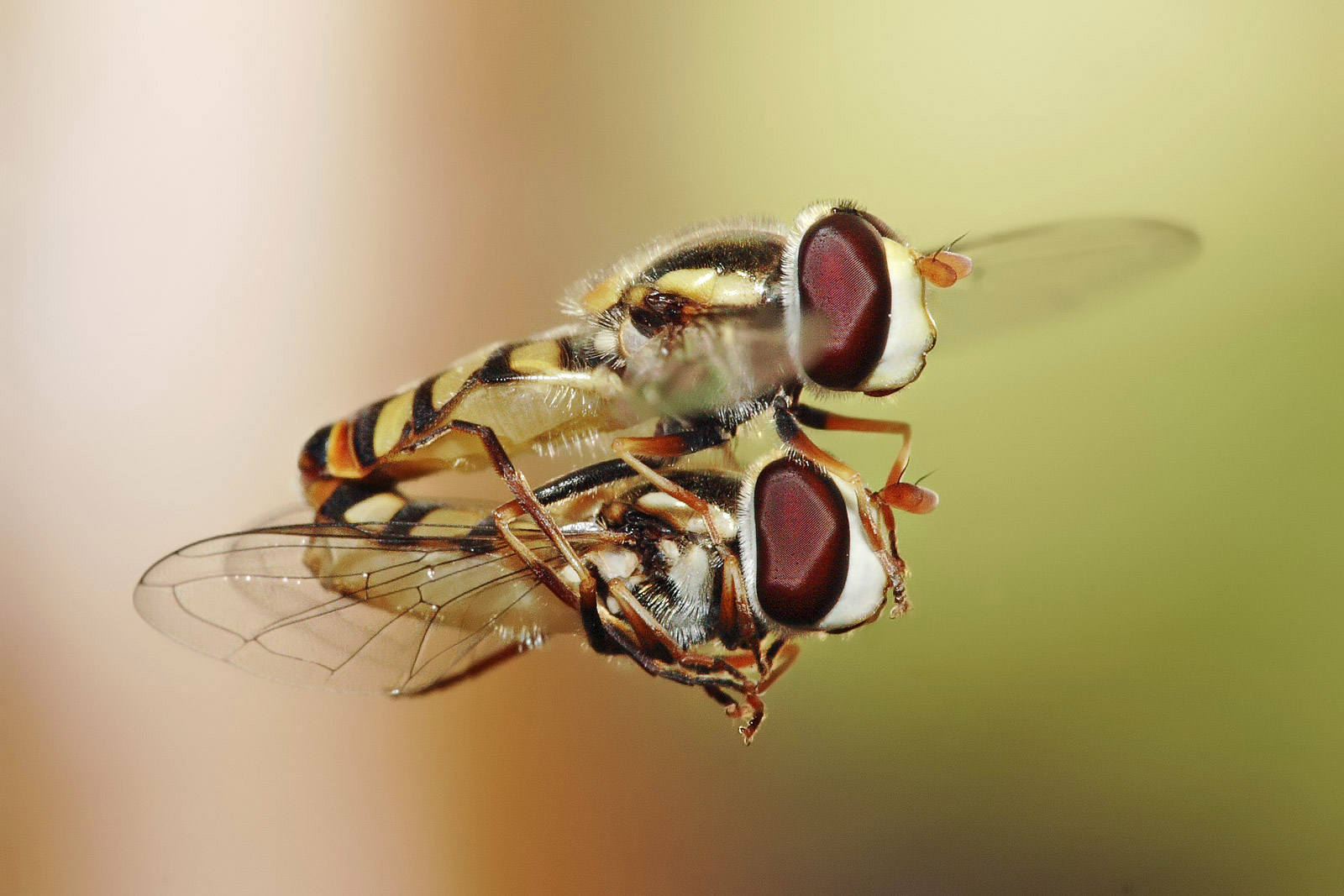
Chapman, 2005 and 2009 has attempted to compile perhaps the most comprehensive recent statistics on numbers of extant species, drawing on a range of published and unpublished sources, and has come up with a figure of approximately 1.9 million estimated described taxa, as against possibly a total of between 11 and 12 million anticipated species overall (described plus undescribed), though other reported values for the latter vary widely. In many cases, the values given for "Described" species are an estimate only (sometimes a mean of reported figures in the literature) since for many of the larger groups in particular, comprehensive lists of valid species names do not currently exist. For fossil species, exact or even approximate numbers are harder to find; Raup, 1986 includes data based on a compilation of 250,000 fossil species so the true number is undoubtedly somewhat higher than this. The number of described species is increasing by around 18,000–19,000 extant, and approaching 2,000 fossil species each year, as of 2012. The number of published species names is higher than the number of described species, sometimes considerably so, on account of the publication, through time, of multiple names (synonyms) for the same accepted taxon in many cases. Based on Chapman's (2009) report, the estimated numbers of described extant species as of 2009 can be broken down as follows:
| Major/Component group | Described | Global estimate (described + undescribed) |
|---|---|---|
| Chordates | 64,788 | ~80,500 |
| ↳ | Mammals | 5,487 |
| ↳ | Birds | 9,990 |
| ↳ | Reptiles | 8,734 |
| ↳ | Amphibia | 6,515 |
| ↳ | Fishes | 31,153 |
| ↳ | Agnatha | 116 |
| ↳ | Cephalochordata | 33 |
| ↳ | Tunicata | 2,760 |
| Invertebrates | ~1,359,365 | ~6,755,830 |
| ↳ | Hemichordata | 108 |
| ↳ | Echinodermata | 7,003 |
| ↳ | Insecta | ~1,000,000 (965,431–1,015,897) |
| ↳ | Archaeognatha | |
| ↳ | Blattodea | |
| ↳ | Coleoptera | |
| ↳ | Dermaptera | |
| ↳ | Diptera | |
| ↳ | Embioptera | |
| ↳ | Ephemeroptera | |
| ↳ | Hemiptera | |
| ↳ | Hymenoptera | |
| ↳ | Isoptera | |
| ↳ | Lepidoptera | |
| ↳ | Mantodea | |
| ↳ | Mecoptera | |
| ↳ | Megaloptera | |
| ↳ | Neuroptera | |
| ↳ | Notoptera | |
| ↳ | Odonata | |
| ↳ | Orthoptera | |
| ↳ | Phasmatodea (Phasmida) | |
| ↳ | Phthiraptera | |
| ↳ | Plecoptera | |
| ↳ | Psocoptera | |
| ↳ | Siphonaptera | |
| ↳ | Strepsiptera | |
| ↳ | Thysanoptera | |
| ↳ | Trichoptera | |
| ↳ | Zoraptera | |
| ↳ | Zygentoma (Thysanura) | |
| ↳ | Arachnida | 102,248 |
| ↳ | Pycnogonida | 1,340 |
| ↳ | Myriapoda | 16,072 |
| ↳ | Crustacea | 47,000 |
| ↳ | Onychophora | 165 |
| ↳ | non-Insect Hexapoda | 9,048 |
| ↳ | Mollusca | ~85,000 |
| ↳ | Annelida | 16,763 |
| ↳ | Nematoda | |
| ↳ | Acanthocephala | 1,150 |
| ↳ | Platyhelminthes | 20,000 |
| ↳ | Cnidaria | 9,795 |
| ↳ | Porifera | ~6,000 |
| ↳ | Other Invertebrates | 12,673 |
| ↳ | Placozoa | |
| ↳ | Monoblastozoa | |
| ↳ | Mesozoa (Rhombozoa, Orthonectida) | |
| ↳ | Ctenophora | |
| ↳ | Nemertea (Nemertina) | |
| ↳ | Rotifera | |
| ↳ | Gastrotricha | |
| ↳ | Kinorhyncha | |
| ↳ | Nematomorpha | |
| ↳ | Entoprocta (Kamptozoa) | |
| ↳ | Gnathostomulida | |
| ↳ | Priapulida | |
| ↳ | Loricifera | |
| ↳ | Cycliophora | |
| ↳ | Sipuncula | |
| ↳ | Echiura | |
| ↳ | Tardigrada | |
| ↳ | Phoronida | |
| ↳ | Ectoprocta (Bryozoa) | |
| ↳ | Brachiopoda | |
| ↳ | Pentastomida | |
| ↳ | Chaetognatha | |
| Plants sens. lat. | ~310,129 | ~390,800 |
| ↳ | Bryophyta | 16,236 |
| ↳ | Liverworts | |
| ↳ | Hornworts | |
| ↳ | Mosses | |
| ↳ | Algae (Plant) | 12,272 |
| ↳ | Charophyta | |
| ↳ | Chlorophyta | |
| ↳ | Glaucophyta | |
| ↳ | Rhodophyta | |
| ↳ | Vascular Plants | 281,621 |
| ↳ | Ferns and allies | |
| ↳ | Gymnosperms | |
| ↳ | Magnoliophyta | |
| Fungi | 98,998 (incl. Lichens 17,000) | 1,500,000 (incl. Lichens ~25,000) |
| Others | ~66,307 | ~2,600,500 |
| ↳ | Chromista incl. [brown algae, diatoms and other groups] | 25,044 |
| ↳ | Protoctista [i.e. residual protist groups] | ~28,871 |
| ↳ | Prokaryota [Bacteria and Archaea, excl. Cyanophyta] | 7,643 |
| ↳ | Cyanophyta | 2,664 |
| ↳ | Viruses | 2,085 |
| Total (2009 data) | 1,899,587 | ~11,327,630 |

Estimates of total number of species
However the total number of species for some taxa may be much higher.
- 10–30 million insects;
- 5–10 million bacteria;
- 1.5 million fungi;
- ~1 million mites
- ~1 million protists
In 1982, Terry Erwin published an estimate of global species richness of 30 million, by extrapolating from the numbers of beetles found in a species of tropical tree. In one species of tree, Erwin identified 1200 beetle species, of which he estimated 163 were found only in that type of tree. Given the 50,000 described tropical tree species, Erwin suggested that there are almost 10 million beetle species in the tropics. In 2011 a study published in PLoS Biology estimated there to be 8.7 million ± 1.3 million eukaryotic species on Earth.
By 2017, most estimates projected there to be around 11 million species or fewer on Earth. A May 2016 study based on scaling laws estimated that 1 trillion species (overwhelmingly microbes) are on Earth currently with only one-thousandth of one percent described, though this has been controversial and a 2019 study of varied environmental samples of 16S ribosomal RNA estimated that there exist 0.8-1.6 million species of prokaryotes.
Indices to describe trends
After the Convention on Biological Diversity was signed in 1992, biological conservation became a priority for the international community. There are several indicators used that describe trends in global biodiversity. However, there is no single indicator for all extant species as not all have been described and measured over time. There are different ways to measure changes in biodiversity. The Living Planet Index (LPI) is a population-based indicator that combines data from individual populations of many vertebrate species to create a single index. The Global LPI for 2012 decreased by 28%. There are also indices that separate temperate and tropical species for marine and terrestrial species.
The Red List Index is based on the IUCN Red List of Threatened Species and measures changes in conservation status over time and currently includes taxa that have been completely categorized: mammals, birds, amphibians and corals. The Global Wild Bird Index is another indicator that shows trends in population of wild bird groups on a regional scale from data collected in formal surveys. Challenges to these indices due to data availability are taxonomic gaps and the length of time of each index.
The Biodiversity Indicators Partnership was established in 2006 to assist biodiversity indicator development, advancement and to increase the availability of indicators.
Biodiversity loss
References
References
- (6 December 2012). "The Biology of Rarity: Causes and consequences of rare—common differences". Springer Science & Business Media.
- (1999). "Watching, from the Edge of Extinction". Yale University Press.
- Novacek, Michael J.. (8 November 2014). "Prehistory's Brilliant Future". The New York Times.
- (2018). "Catalogue of Life: 2018 Annual Checklist".
- (23 August 2011). "How Many Species Are There on Earth and in the Ocean?". [[PLOS]].
- Nuwer, Rachel. (18 July 2015). "Counting All the DNA on Earth". The New York Times.
- . ["The Biosphere: Diversity of Life"](http://www.agci.org/classroom/biosphere/index.php). *Aspen Global Change Institute*.
- Chapman, A. D.. (2009). "Numbers of Living Species in Australia and the World". Australian Biological Resources Study.
- Costello, Mark. (25 January 2013). "Can we name Earth's species before they go extinct?". Science.
- (2011). "Number of species on Earth tagged at 8.7 million". Macmillan Publishers Limited.
- Donald R. Prothero. (2013). "Bringing Fossils to Life: An Introduction to Paleobiology". Columbia University Press.
- (2010). "Rainforest collapse triggered Pennsylvanian tetrapod diversification in Euramerica". Geology.
- Raup. D.M.. (1986). "Biological extinction in earth history". Science.
- IISE. (2010). "SOS 2009: State of Observed Species". International Institute for Species Exploration.
- IISE. (2011). "SOS 2010: State of Observed Species". International Institute for Species Exploration.
- IISE. (March 2022). "SOS 2011: State of Observed Species". International Institute for Species Exploration.
- (2018). "Quantifying the unquantifiable: why Hymenoptera, not Coleoptera, is the most speciose animal order". BMC Ecology.
- (1996). "Numbers of Insects (Species and Individuals)".
- Proceedings of the National Academy of Sciences, Census of Marine Life (CoML) [http://news.bbc.co.uk/1/hi/sci/tech/5232928.stm BBC News]
- David L. Hawksworth, "The magnitude of fungal diversity: the 1•5 million species estimate revisited" Mycological Research (2001), 105: 1422-1432 Cambridge University Press [http://journals.cambridge.org/action/displayAbstract?fromPage=online&aid=95069 Abstract]
- "Acari at University of Michigan Museum of Zoology Web Page".
- Pawlowski, J. et al. (2012). CBOL Protist Working Group: Barcoding Eukaryotic Richness beyond the Animal, Plant, and Fungal Kingdoms. ''PLoS Biol'' 10(11): e1001419. doi:10.1371/journal.pbio.1001419, [https://hal.archives-ouvertes.fr/hal-01258240/document].
- Adl, S. M. et al. (2007). Diversity, nomenclature, and taxonomy of protists. ''Systematic Biology'' 56(4), 684-689, [https://www.researchgate.net/profile/Sina_Adl/publication/6178284_Diversity_nomenclature_and_taxonomy_of_protists/links/0fcfd50a6b61dcb2b8000000.pdf].
- (March 1982). "Tropical Forests: Their Richness in Coleoptera and Other Arthropod Species". The Coleopterists Bulletin.
- Pullin, Andrew. (2002). "Conservation Biology". Cambridge University Press.
- (2 May 2016). "Researchers find that Earth may be home to 1 trillion species". NSF.
- (2016). "Scaling laws predict global microbial diversity". Proceedings of the National Academy of Sciences of the United States of America.
- (4 February 2019). "A census-based estimate of Earth's bacterial and archaeal diversity". PLOS Biology.
- "Indicators and Assessments Unit". Zoological Society of London.
- "Trends in the status of biodiversity". IUCN.
- "Global Wild Bird Index". Biodiversity Indicators Partnership.
- (2005). "What animal species should we study next?". Bulletin of the British Ecological Society.
This article was imported from Wikipedia and is available under the Creative Commons Attribution-ShareAlike 4.0 License. Content has been adapted to SurfDoc format. Original contributors can be found on the article history page.
Ask Mako anything about Global biodiversity — get instant answers, deeper analysis, and related topics.
Research with MakoFree with your Surf account
Create a free account to save articles, ask Mako questions, and organize your research.
Sign up freeThis content may have been generated or modified by AI. CloudSurf Software LLC is not responsible for the accuracy, completeness, or reliability of AI-generated content. Always verify important information from primary sources.
Report