From Surf Wiki (app.surf) — the open knowledge base
Dimethyltryptamine
Psychedelic drug
Psychedelic drug
| Field | Value | ||
|---|---|---|---|
| verifiedrevid | 623685269 | ||
| Watchedfields | changed | ||
| drug_name | Dimethyltryptamine | ||
| image | DMT.svg | ||
| image_class | skin-invert-image | ||
| width | 200px | ||
| image2 | Dimethyltryptamine molecule ball.png | ||
| image_class2 | bg-transparenT | ||
| width2 | 200px | ||
| receptors | At least 13 receptors (e.g., serotonin, sigma, trace amine) | ||
| precursor | Tryptophan | ||
| source_tissues | Central nervous system (exact source tissues are not fully established) | ||
| target_tissues | Central nervous system | ||
| routes_of_administration | Oral (with ), inhalation (smoking or vaping), intramuscular, subcutaneous, intravenous (bolus or infusion) | ||
| class | Serotonin receptor agonist; Serotonin 5-HT2A receptor agonist; Serotonergic psychedelic; Hallucinogen | ||
| dependency_liability | None or very low | ||
| addiction_liability | None or very low | ||
| ATC_prefix | None | ||
| legal_AU | S9 | ||
| legal_CA | Schedule III | ||
| legal_UK | Class A | ||
| legal_US | Schedule I | ||
| legal_DE | Anlage I | ||
| legal_BR | F2 | ||
| legal_BR_comment | |||
| legal_UN | P I | ||
| legal_EU | Illegal | ||
| legal_status | SE: Illegal | ||
| bioavailability | Very low and inactive (except with an ) | ||
| metabolism | Oxidative deamination (), *N*-oxidation, *N*-demethylation, peroxidation | ||
| metabolites | * Indole-3-acetic acid (NMT) (63–97%) | ||
| * DMT-N-oxide (DMT-NO) (3–28%)<ref name | "CameronOlson2018" / | ||
| * N-Methyltryptamine<ref name | "CarbonaroGatch2016" / | ||
| * Tryptamine<ref name | "CameronOlson2018" / | ||
| * Others<ref name | "CameronOlson2018" / | ||
| onset | * Inhalation: 10–15 seconds | ||
| * Intravenous: ≤2–5 min<ref name | "CameronOlson2018" / | ||
| * Intramuscular: 2–5min<ref name | "CarbonaroGatch2016" / | ||
| * Oral with : ≤1hour<ref name | "CarbonaroGatch2016" / | ||
| elimination_half-life | * Alone: 5–15min | ||
| * With an : 1–4hours<ref name | "Brito-da-CostaDias-da-SilvaGomes2020" / | ||
| duration_of_action | * Inhalation: ≤15min | ||
| * Intravenous: ≤30min<ref name | "RodriguesAlmeidaVieira-Coelho2019" / | ||
| * Intramuscular: 30–60min<ref name | "CarbonaroGatch2016" / | ||
| * Oral with : 4–6hours<ref name | "CarbonaroGatch2016" / | ||
| excretion | Urine | ||
| CAS_number_Ref | |||
| CAS_number | 61-50-7 | ||
| DrugBank_Ref | |||
| DrugBank | DB01488 | ||
| UNII_Ref | |||
| UNII | WUB601BHAA | ||
| ChEBI_Ref | |||
| ChEBI | 28969 | ||
| PubChem | 6089 | ||
| IUPHAR_ligand | 141 | ||
| ChemSpiderID_Ref | |||
| ChemSpiderID | 5864 | ||
| KEGG_Ref | |||
| KEGG | C08302 | ||
| ChEMBL_Ref | |||
| ChEMBL | 12420 | ||
| PDB_ligand | A1AFV | ||
| synonyms | DMT; *N*,*N*-dimethyltryptamine; *N*,*N*-DMT; Desoxybufotenine; Desoxybufotenin; Nigerine; Dimitri; DiMiTri; "The Spirit Molecule" | ||
| IUPAC_name | 2-(1*H*-indol-3-yl)-*N*,*N*-dimethylethanamine | ||
| C | 12 | H = 16 | N = 2 |
| SMILES | CN(CCC1=CNC2=C1C=CC=C2)C | ||
| StdInChI_Ref | |||
| StdInChI | 1S/C12H16N2/c1-14(2)8-7-10-9-13-12-6-4-3-5-11(10)12/h3-6,9,13H,7-8H2,1-2H3 | ||
| StdInChIKey_Ref | |||
| StdInChIKey | DMULVCHRPCFFGV-UHFFFAOYSA-N | ||
| density | 1.099 | ||
| melting_point | 40 | ||
| boiling_point | 160 | ||
| boiling_notes | at 0.6 Torr | ||
| also reported as | |||
| 80 - at 0.03 Torr |
N,N-dimethyltryptamine
- DMT-N-oxide (DMT-NO) (3–28%)
- N-Methyltryptamine
- Tryptamine
- Others
- Intravenous: ≤2–5 min
- Intramuscular: 2–5min
- Oral with : ≤1hour | elimination_half-life = * Alone: 5–15min
- With an : 1–4hours
- Intravenous: ≤30min
- Intramuscular: 30–60min
- Oral with : 4–6hours
also reported as 80 - at 0.03 Torr
Dimethyltryptamine (DMT), also known as N,N-dimethyltryptamine (N,N-DMT), is a serotonergic hallucinogen and investigational drug of the tryptamine family that occurs naturally in many plants and animals. DMT is used as a psychedelic drug and prepared by various cultures for ritual purposes as an entheogen.
DMT has a rapid onset, intense effects, and a relatively short duration of action. For those reasons, DMT was known as the "businessman's trip" during the 1960s in the United States, as a user could access the full depth of a psychedelic experience in considerably less time than with other substances such as LSD or psilocybin mushrooms. DMT can be inhaled or injected and its effects depend on the dose, as well as the mode of administration. When inhaled or injected, the effects last about five to fifteen minutes. Effects can last three hours or more when orally ingested along with a monoamine oxidase inhibitor (MAOI), such as the ayahuasca brew of many native Amazonian tribes. DMT induces intense, often indescribable subjective experiences involving vivid visual hallucinations, altered sensory perception, ego dissolution, and encounters with seemingly autonomous entities. DMT is generally considered non-addictive with low dependence and no tolerance buildup, but it may cause acute psychological distress or cardiovascular effects, especially in predisposed individuals.
DMT was first synthesized in 1931. It is a functional and structural analogue of other psychedelic tryptamines such as 4-AcO-DMT (O-acetylpsilocin), psilocybin (4-PO-DMT), psilocin (4-HO-DMT), O-methylbufotenin (5-MeO-DMT), and bufotenin (5-HO-DMT). Parts of the structure of DMT occur within some important biomolecules like serotonin and melatonin, making them structural analogues of DMT.
DMT exhibits broad and variable binding affinities across numerous receptors, showing its strongest interactions with serotonin receptors, especially 5-HT2A, 5-HT1A, and 5-HT2C, which are believed to mediate its psychedelic effects. Endogenous DMT, a psychedelic compound, is naturally produced in mammals, with evidence showing its synthesis and presence in brain and body tissues, though its exact roles and origins remain debated. DMT is internationally illegal without authorization, with most countries banning its possession and trade, though some allow religious use of ayahuasca, a DMT-containing decoction. Short-acting psychedelics like DMT are considered scalable alternatives to longer-acting drugs like psilocybin for potential clinical use. DMT is currently undergoing clinical trials for treatment-resistant depression.
Use and effects
Forms, routes, and doses
DMT is used either in pure form or in the form of naturally sourced materials. It occurs naturally in many plants, among the more notable species including Psychotria viridis, Mimosa tenuiflora, and Diplopterys cabrerana. The drug is often present alongside its close analogues 5-MeO-DMT (mebufotenin) and bufotenin (5-HO-DMT). It has widely been used as an entheogen or for shamanistic purposes in Central and South America, for instance among Amazonian peoples. This includes as the traditional beverage ayahuasca and other forms. Ayahuasca is boiled mixture of different plants, including a DMT-containing plant like Psychotria viridis, Psychotria carthagenensis, or Diplopterys cabrerana together with another plant known as Banisteriopsis caapi. A variety of different recipes may be used to make the brew. DMT is usually the main active constituent of ayahuasca, but ayahuasca is sometimes also brewed with plants that do not contain DMT. The drug is also found as a minor alkaloid in hallucinogenic snuffs such as those made from Virola or Anadenanthera plant materials but in which the major active drugs are instead 5-MeO-DMT and/or bufotenin. In addition to its use as an entheogen, DMT is widely used recreationally.
DMT is not orally active on its own and is given by parenteral administration, such as smoking, intramuscular injection, subcutaneous injection, or intravenous injection. Other routes like intranasal, buccal, or rectal administration have also been tried but were all reported to be inactive. The lack of oral activity of DMT is due to rapid metabolism by the enzyme monoamine oxidase A (MAO-A). However, when taken in combination with an irreversible monoamine oxidase inhibitor (MAOI) or a reversible inhibitor of MAO-A (RIMA) such as a harmala alkaloid like harmine or harmaline or a pharmaceutical RIMA like moclobemide, DMT becomes orally active with an extended duration relative to parenteral use of DMT alone. Certain plants like Peganum harmala and the Banisteriopsis caapi used in ayahuasca contain harmala alkaloids which allow DMT to become orally active. When oral DMT is used with an MAOI and the materials are not naturally sourced, the combination is known as pharmahuasca. Changa is a plant-derived form of DMT that is smoked. Smoking and intravenous injection of DMT have extremely intense but very-short-lived effects, whereas intramuscular injection and particularly oral administration with an MAOI have less intense but longer-lasting effects.
In his book TiHKAL (Tryptamines I Have Known and Loved) and other publications, Alexander Shulgin lists DMT's dose as greater than 350mg orally, 60 to 100mg by intramuscularly, subcutaneously, or via smoking, and 4 to 30mg by intravenous injection. He also reported that doses of 150 to 350mg or even up to 1,000mg orally and a dose of 100mg buccally produced no effects, whereas doses of 20 to 80mg intramuscularly, 30 to 100mg smoked, and 15 to 30mg intravenously were all active in producing effects. In terms of intramuscular injection, threshold effects occur at a dose of 30mg and full effects occur at a dose of 50 to 100mg by this route. Similarly, the dose for full effects with subcutaneous injection is likewise 60 to 100mg. With regard to intravenous injection, a dose of 4mg was indistinguishable from placebo, 8mg produced physical effects but no psychoactive effects, 15mg produced threshold psychedelic effects, and 30mg produced strong psychedelic effects. Shulgin lists the duration of parenteral DMT alone as up to 1hour.
In other more recent publications, different dose ranges of inhaled DMT of 2 to 100mg or 15 to 60mg have been described and typical doses have been reported to be 40 to 50mg. Concerning intravenous injection and based on contemporary clinical studies, 15mg has been described as a low dose, 25mg as an intermediate or "good effect" dose, and 30mg as a high or "ego-dissolution" dose. For intramuscular injection, a range of 50 to 100mg with an estimated typical dose of 75mg has been noted. The onset of DMT has been given as 10 to 15seconds smoked, within 2 to 5minutes intravenously, and within 2 to 5minutes intramuscularly. In addition, its duration is given as 5 to 20minutes (average 12minutes) via inhalation, less than 30minutes intravenously, and 30 to 60minutes intramuscularly.
DMT by continuous intravenous infusion (i.e., an intravenous "drip", also sometimes known as "DMTx") has additionally been developed recently and can extend the duration of intravenous DMT to hours. The dose range for this route is 0.6 to 1.8mg per minute, with 0.6mg/minute being a low dose, 1.2mg/minute being an intermediate or "good effect" dose, and 1.8 to 2.4mg/minute being a high or "ego dissolution" dose. In addition to continuous intravenous infusion, DMT vape pens have been developed and distributed as an alternative to smoking.
Besides parenteral DMT alone, Shulgin also described the properties of oral DMT in combination with the MAOI and distinct ibogaine-like hallucinogen harmaline or in some cases Peganum harmala seeds in TiHKAL. This combination is a form of pharmahuasca and is similar to ayahuasca. Doses of 20 to 50mg harmaline with 55 to 60mg DMT both orally were associated with few to no effects. At higher harmaline doses, including 80 to 150mg, combined with 35 to 120mg DMT, both orally, clear MAOI activity occurred and more significant effects became apparent. More recent publications have defined the usually recommended doses as 50mg DMT and 100mg harmaline orally. Besides DMT with harmaline, the properties and effects of oral DMT in combination with harmine have also been studied by Jonathan Ott. He found that the threshold dose was 20 or 30mg DMT and 120mg harmine orally. Shulgin also reported in TiHKAL that 35 to 40mg DMT and 140 to 190mg harmine were unmistakeably active, whereas smaller doses of 30mg DMT and 120 to 140mg harmine orally were inactive. In notable contrast to harmaline, harmine does not have its own psychoactive effects when used at doses of up to at least 300mg orally. In pharmahuasca, the harmala alkaloid is usually taken first and then DMT is taken 15 to 20minutes later, although a shorter or longer interval may also be employed. The onset of oral DMT with an MAOI is within 1hour and its duration is 4 to 6hours.
Subjective effects
Subjective experiences of DMT indubitably includes profound time-dilatory, visual, auditory, tactile, and proprioceptive distortions and hallucinations, and other experiences that, by most firsthand accounts, defy verbal or visual description. Examples include perceiving hyperbolic geometry or seeing Escher-like impossible objects.
Several scientific experimental studies have tried to measure subjective experiences of altered states of consciousness induced by drugs under highly controlled and safe conditions.
Rick Strassman and his colleagues conducted a five-year-long DMT study at the University of New Mexico in the 1990s. The results provided insight about the quality of subjective psychedelic experiences. In this study participants received the DMT dose via intravenous injection and the findings suggested that different psychedelic experiences can occur, depending on the dose. Lower doses (0.01 and 0.05 mg/kg) produced some aesthetic and emotional responses, but not hallucinogenic experiences (e.g., 0.05 mg/kg had mild mood elevating and calming properties). In contrast, responses produced by higher doses (0.2 and 0.4 mg/kg) researchers labeled as "hallucinogenic" that elicited "intensely colored, rapidly moving display of visual images, formed, abstract or both". Comparing to other sensory modalities, the most affected was the visual. Participants reported visual hallucinations, fewer auditory hallucinations and specific physical sensations progressing to a sense of bodily dissociation, as well as experiences of euphoria, calm, fear, and anxiety. These dose-dependent effects match well with anonymously posted "trip reports" online, where users report "breakthroughs" above certain doses.
Strassman also highlighted the importance of the context where the drug has been taken. He claimed that DMT has no beneficial effects of itself, rather the context when and where people take it plays an important role.
It appears that DMT can induce a state or feeling wherein the person believes they "communicate with other intelligent lifeforms" (see "Entity encounters" below). High doses of DMT produce a state that involves a sense of "another intelligence" that people sometimes describe as "super-intelligent", but "emotionally detached".
A 1995 study by Adolf Dittrich and Daniel Lamparter found that the DMT-induced altered state of consciousness (ASC) is strongly influenced by habitual rather than situative factors. In the study, researchers used three dimensions of the APZ questionnaire to examine ASC. The first dimension, oceanic boundlessness (OB), refers to dissolution of ego boundaries and is mostly associated with positive emotions. The second dimension, anxious ego-dissolution (AED), represents a disordering of thoughts and decreases in autonomy and self-control. Last, visionary restructuralization (VR) refers to auditory/visual illusions and hallucinations. Results showed strong effects within the first and third dimensions for all conditions, especially with DMT, and suggested strong intrastability of elicited reactions independently of the condition for the OB and VR scales.
The effects of parenterally administered DMT have been described by Alexander Shulgin in his book TiHKAL (Tryptamines I Have Known and Loved). The perceptual effects included feeling strange, closed-eye imagery such as beautiful colored kaleidoscopic images, fast-moving geometric patterns, and complex and wonderful scenes alternating very rapidly, open-eye psychedelic visuals such as moving patterns, patterns becoming heads of animals, and peoples faces seeming to be masks, perceptual disturbances and distortions, yellowing of visual field, and rare auditory changes. Other effects included feeling intoxicated or stoned, everything feeling blurry, feeling a rush, time dilation, loss of spatial perception, ego dissolution, feeling as if one has died or no longer exists, feeling like one has no body, feeling that one is moving at the speed of light, feeling like one is gazing upon the entire universe, and encounters with strange entities or creatures. Emotional effects included emotional changes, euphoria, imagery being associated with deep emotional content and connotation, feeling overwhelmed, anxiety and fear, feeling like one can't breathe, a sense of dread and doom, and wanting one's mother. Physical side effects included pupil dilation, tingling, trembling, numbness, sweating, lightheadedness, athetosis, slight nausea, and increased heart rate and blood pressure.
In addition to parenteral DMT, Shulgin described the effects of oral DMT plus harmaline or in some cases Peganum harmala seeds in TiHKAL. The effects were reported to include closed-eye imagery such as colors, infinitely repeated and wavy sheets of patterns, and kaleidoscopic images, visual changes like brighter colors and patterns and distortions, music enhancement, time distortion, clarity, insights, intoxication, emotional changes, feeling alive and excited, depression, despair, and feeling psychotic. Other effects included difficulty focusing on thoughts, short-term memory disruption, feeling cold, nausea, gait impairment or difficulty walking, and an afterglow. The preceding effects are variably due to both DMT and harmaline, with harmaline also producing its own hallucinogenic effects at sufficiently doses, for instance 150mg or more.
Entity encounters
Entity encounters
Entities perceived during DMT inebriation have been represented in diverse forms of psychedelic art. The term machine elf was coined by ethnobotanist Terence McKenna for the entities he encountered in DMT "hyperspace", along with terms like fractal elves, or self-transforming machine elves. McKenna first encountered the "machine elves" after smoking DMT in Berkeley in 1965. His subsequent speculations regarding the hyperdimensional space in which they were encountered have inspired a great many artists and musicians, and the meaning of DMT entities has been a subject of considerable debate among participants in a networked cultural underground, enthused by McKenna's effusive accounts of DMT hyperspace. Cliff Pickover has also written about the "machine elf" experience, in the book Sex, Drugs, Einstein, & Elves. Strassman noted similarities between self-reports of his DMT study participants' encounters with these "entities", and mythological descriptions of figures such as Ḥayyot haq-Qodesh in ancient religions, including both angels and demons. Strassman also argues for a similarity in his study participants' descriptions of mechanized wheels, gears and machinery in these encounters, with those described in visions of encounters with the Living Creatures and Ophanim of the Hebrew Bible, noting they may stem from a common neuropsychopharmacological experience.
Strassman argues that the more positive of the "external entities" encountered in DMT experiences should be understood as analogous to certain forms of angels: Strassman's experimental participants also note that some other entities can subjectively resemble creatures more like insects and aliens. As a result, Strassman writes these experiences among his experimental participants "also left me feeling confused and concerned about where the spirit molecule was leading us. It was at this point that I began to wonder if I was getting in over my head with this research."
Hallucinations of strange creatures had been reported by Stephen Szara in a 1958 study in psychotic patients, in which he described how one of his subjects under the influence of DMT had experienced "strange creatures, dwarves or something" at the beginning of a DMT trip.
Other researchers of the entities seemingly encountered by DMT users describe them as "entities" or "beings" in humanoid as well as animal form, with descriptions of "little people" being common (non-human gnomes, elves, imps, etc.). Strassman and others have speculated that this form of hallucination may be the cause of alien abduction and extraterrestrial encounter experiences, which may occur through endogenously-occurring DMT.
Likening them to descriptions of rattling and chattering auditory phenomena described in encounters with the Hayyoth in the Book of Ezekiel, Rick Strassman notes that participants in his studies, when reporting encounters with the alleged entities, have also described loud auditory hallucinations, such as one subject reporting typically "the elves laughing or talking at high volume, chattering, twittering".
Andrew Gallimore believes that entity encounters are real and genuine interactions with other-dimensional beings.
Near-death experiences
A 2018 study found significant relationships between DMT experiences and near-death experiences (NDE). A 2019 large-scale study pointed that ketamine, Salvia divinorum, and DMT (and other classical psychedelic substances) may be linked to NDEs due to the semantic similarity of reports associated with the use of psychoactive compounds and NDE narratives, but the study concluded that with the current data it is neither possible to corroborate nor refute the hypothesis that the release of an endogenous ketamine-like neuroprotective agent underlies NDE phenomenology.
Physiological effects
According to a dose-response study in human subjects, dimethyltryptamine administered intravenously slightly elevated blood pressure, heart rate, pupil diameter, and rectal temperature, in addition to elevating blood concentrations of beta-endorphin, corticotropin, cortisol, and prolactin; growth hormone blood levels rose equally in response to all doses of DMT, and melatonin levels were unaffected."
Endogenous production and effects
In the 1950s, the endogenous production of psychoactive agents was considered to be a potential explanation for the hallucinatory symptoms of some psychiatric diseases; this is known as the transmethylation hypothesis. Several speculative and yet untested hypotheses suggest that endogenous DMT is produced in the human brain and is involved in certain psychological and neurological states. DMT is naturally occurring in small amounts in rat brains, human cerebrospinal fluid, and other tissues of humans and other mammals. Further, mRNA for the enzyme necessary for the production of DMT, INMT, are expressed in the human cerebral cortex, choroid plexus, and pineal gland, suggesting an endogenous role in the human brain. In 2011, Nicholas Cozzi of the University of Wisconsin School of Medicine and Public Health, and three other researchers, concluded that INMT, an enzyme that is associated with the biosynthesis of DMT and endogenous hallucinogens is present in the non-human primate (rhesus macaque) pineal gland, retinal ganglion neurons, and spinal cord. Neurobiologist Andrew Gallimore suggested in 2013 that while DMT might not have a modern neural function, it may have been an ancestral neuromodulator once secreted in psychedelic concentrations during REM sleep, a function now lost.
Contraindications
Adverse effects
Psychological reactions
DMT may trigger psychological reactions, known colloquially as a "bad trip", such as intense fear, paranoia, anxiety, panic-attacks, and substance-induced psychosis, particularly in predisposed individuals.
Addiction and dependence liability
DMT, like other serotonergic psychedelics, is considered to be non-addictive with low abuse potential. A study examining substance use disorder for the DSM-IV reported that almost no hallucinogens produced dependence, unlike psychoactive drugs of other classes such as stimulants and depressants. At present, there have been no studies that report drug withdrawal syndrome with termination of DMT, and dependence potential of DMT and the risk of sustained psychological disturbance may be minimal when used infrequently; however, the physiological dependence potential of DMT and ayahuasca has not yet been documented convincingly.
Tolerance
Unlike with other classical psychedelics, tolerance does not seem to develop to the subjective effects of DMT. Studies report that DMT did not exhibit tolerance upon repeated administration of twice a day sessions, separated by 5hours, for 5consecutive days; field reports suggests a refractory period of only 15 to 30minutes, while the plasma levels of DMT was nearly undetectable 30minutes after intravenous administration. Another study of four closely spaced DMT infusion sessions with 30minute intervals also suggests no tolerance buildup to the psychological effects of the compound, while heart rate responses and neuroendocrine effects were diminished with repeated administration. Similarly to DMT by itself, tolerance does not appear to develop to ayahuasca. A fully hallucinogenic dose of DMT did not demonstrate cross-tolerance to human subjects who are highly tolerant to LSD; hence, research suggests that DMT exhibits unique pharmacological properties compared to other classical psychedelics. Contrary to earlier findings however, subsequent clinical studies employing DMT by continuous intravenous infusion (also known as DMTx) have found rapid and moderate acute tolerance development with DMT.
Long-term use
There have been no serious adverse effects reported on long-term use of DMT, apart from acute cardiovascular events. Repeated and one-time administration of DMT produces marked changes in the cardiovascular system, with an increase in systolic and diastolic blood pressure; although the changes were not statistically significant, a robust trend towards significance was observed for systolic blood pressure at high doses.
Overdose
There have been cases of death with DMT. In terms of extrapolated human lethal dose based on animal studies and human case reports, the lethal dose of DMT relative to a typical recreational dose is estimated to be 50-fold in the case of oral DMT (as ayahuasca).
Interactions
DMT is inactive when ingested orally due to metabolism by monoamine oxidase (MAO), and DMT-containing drinks such as ayahuasca have been found to contain monoamine oxidase inhibitors (MAOIs), in particular, harmine and harmaline. Life-threatening lethalities such as serotonin syndrome (SS) may occur when MAOIs are combined with certain serotonergic medications such as selective serotonin reuptake inhibitor (SSRI) antidepressants. Serotonin syndrome has also been reported with tricyclic antidepressants (TCAs), certain opioids, certain analgesics, and antimigraine drugs; it is advised to exercise caution when an individual has used dextromethorphan (DXM), MDMA, ginseng, or St. John's wort recently.
Chronic use of SSRIs, TCAs, and MAOIs diminish subjective effects of psychedelics due to presumed serotonin 5-HT2A receptors downregulation and/or desensitization secondary to elevated serotonin levels. However, a clinical study of people with depression found that SSRIs did not diminish the effects of DMT and instead resulted in greater mystical experience, emotional breakthrough, and ego dissolution scores with DMT than in people with depression not on antidepressants. This was in contrast to previous research finding that SSRIs diminished the effects of serotonergic psychedelics.
The interaction between psychedelics and antipsychotics and anticonvulsants are not well documented; however, reports reveal that co-use of psychedelics with mood stabilizers such as lithium may provoke seizure and dissociative effects in individuals with bipolar disorder.
The serotonin receptor agonist methysergide (UML-491) has been reported to greatly intensify the effects of DMT.
Pharmacology
Pharmacodynamics
| Target | Affinity (Ki, nM) |
|---|---|
| [5-HT1A](5-ht1a-receptor) | 75–10,000 (Ki) |
| 75–100,000 () | |
| 68–100% () | |
| [5-HT1B](5-ht1b-receptor) | 129–10,000 |
| [5-HT1D](5-ht1d-receptor) | 39–270 |
| [5-HT1E](5-ht1e-receptor) | 456–517 |
| [5-HT1F](5-ht1f-receptor) | ND |
| [5-HT2A](5-ht2a-receptor) | 53–2,323 (Ki) |
| 22–6,325 (EC50) | |
| 23–105% (Emax) | |
| [5-HT2B](5-ht2b-receptor) | 101–184 (Ki) |
| 3,400–31,600 (EC50) | |
| 10.4% (Emax) | |
| [5-HT2C](5-ht2c-receptor) | 33–424 (Ki) |
| 31–114 (EC50) | |
| 85–99% (Emax) | |
| [5-HT3](5-ht3-receptor) | 10,000 |
| [5-HT4](5-ht4-receptor) | ND |
| [5-HT5A](5-ht5a-receptor) | 611–2,135 |
| [5-HT6](5-ht6-receptor) | 68–487 |
| [5-HT7](5-ht7-receptor) | 88–206 |
| α1A | 1,300–1,745 |
| α1B | 974 |
| α2A | 1,561–2,100 |
| α2B | 258 |
| α2C | 259 |
| β1–β2 | 10,000 |
| D1 | 271–6,000 |
| D2 | 3,000–10,000 |
| D3 | 6,300–10,000 |
| D4 | 10,000 |
| D5 | 10,000 |
| H1 | 220 |
| H2–H4 | 10,000 |
| M1–M5 | 10,000 |
| TAAR1 | 2,200–3,300 (Ki) (rodent) |
| 1,200–1,500 (EC50) (rodent) | |
| 10,000 (EC50) (human) | |
| σ1 | 5,209 |
| σ2 | 10,000 |
| I1 | 650 |
| 3,742–6,000 (Ki) | |
| 712–3,100 () | |
| 81–114 (EC50) | |
| 78% (Emax) | |
| 6,500–10,000 (Ki) | |
| 3,900 (IC50) | |
| 4,166 (EC50) | |
| ND (Emax) | |
| 10,000–22,000 (Ki) | |
| 52,000 (IC50) | |
| 10,000 (EC50) | |
| 5.4% (Emax) | |
| **Notes:** The smaller the value, the more avidly the drug binds to the site. Proteins human unless otherwise specified. **Refs:** | |
DMT binds non-selectively with affinities below 0.6 μmol/L to the following serotonin receptors: 5-HT1A, 5-HT1B, 5-HT1D, 5-HT2A, 5-HT2B, 5-HT2C, 5-HT6, and 5-HT7. An agonist action has been determined at 5-HT1A, 5-HT2A and 5-HT2C. Its efficacies at other serotonin receptors remain to be determined. Of special interest will be the determination of its efficacy at human 5-HT2B receptor as two in vitro assays evidenced DMT's high affinity for this receptor: 0.108 μmol/L and 0.184 μmol/L. This may be of importance because chronic or frequent uses of serotonergic drugs showing preferential high affinity and clear agonism at 5-HT2B receptor have been causally linked to valvular heart disease.
It has also been shown to possess affinity for the dopamine D1, α1-adrenergic, α2-adrenergic, imidazoline-1, and σ1 receptors. Converging lines of evidence established activation of the σ1 receptor at concentrations of 50–100 μmol/L. Its efficacies at the other receptor binding sites are unclear. It has also been shown in vitro to be a substrate for the cell-surface serotonin transporter (SERT) expressed in human platelets, and the rat vesicular monoamine transporter 2 (VMAT2), which was transiently expressed in fall armyworm Sf9 cells. DMT inhibited SERT-mediated serotonin uptake into platelets at an average concentration of 4.00 ± 0.70 μmol/L and VMAT2-mediated serotonin uptake at an average concentration of 93 ± 6.8 μmol/L. In addition, DMT is a potent serotonin releasing agent with an value of 81–114nM and an of 78%.
As with other so-called "classical hallucinogens", a large part of DMT psychedelic effects can be attributed to a functionally selective activation of the 5-HT2A receptor. DMT concentrations eliciting 50% of its maximal effect (half maximal effective concentration = EC50) at the human 5-HT2A receptor in vitro are in the 0.118–0.983 μmol/L range. This range of values coincides well with the range of concentrations measured in blood and plasma after administration of a fully psychedelic dose (see Pharmacokinetics).
DMT is one of the only psychedelics that isn't known to produce tolerance to its hallucinogenic effects. The lack of tolerance with DMT may be related to the fact that, unlike other psychedelics such as LSD and DOI, DMT does not desensitize serotonin 5-HT2A receptors in vitro. This may be due to the fact that DMT is a biased agonist of the serotonin 5-HT2A receptor. More specifically, DMT activates the Gq signaling pathway of the serotonin 5-HT2A receptor without significantly recruiting β-arrestin2. Activation of β-arrestin2 is linked to receptor downregulation and tachyphylaxis. Similarly to DMT, 5-MeO-DMT is a biased agonist of the serotonin 5-HT2A receptor, with minimal β-arrestin2 recruitment, and likewise has been associated with little tolerance to its hallucinogenic effects. On the other hand, the lack of apparent tolerance of DMT and similar agents may simply be related to their very short durations.
As DMT has been shown to have slightly better potency (EC50) at the human serotonin 5-HT2C receptor than at the serotonin 5-HT2A receptor, the serotonin 5-HT2C receptor is also implicated in DMT's effects. The drug shows pronounced biased agonism at the serotonin 5-HT2C receptor. Other receptors such as the serotonin 5-HT1A receptor and the sigma σ1 receptor may also play a role.
In 2009, it was hypothesized that DMT may be an endogenous ligand for the σ1 receptor. The concentration of DMT needed for σ1 activation in vitro (50–100 μmol/L) is similar to the behaviorally active concentration measured in mouse brain of approximately 106 μmol/L This is minimally 4 orders of magnitude higher than the average concentrations measured in rat brain tissue or human plasma under basal conditions (see Endogenous DMT), so σ1 receptors are likely to be activated only under conditions of high local DMT concentrations. If DMT is stored in synaptic vesicles, such concentrations might occur during vesicular release. To illustrate, while the average concentration of serotonin in brain tissue is in the 1.5-4 μmol/L range, the concentration of serotonin in synaptic vesicles was measured at 270 mM. Following vesicular release, the resulting concentration of serotonin in the synaptic cleft, to which serotonin receptors are exposed, is estimated to be about 300 μmol/L. Thus, while in vitro receptor binding affinities, efficacies, and average concentrations in tissue or plasma are useful, they are not likely to predict DMT concentrations in the vesicles or at synaptic or intracellular receptors. Under these conditions, notions of receptor selectivity are moot, and it seems probable that most of the receptors identified as targets for DMT (see above) participate in producing its psychedelic effects.
In September 2020, an in vitro and in vivo study found that DMT present in the ayahuasca infusion promotes neurogenesis, meaning it helps with generating neurons.
DMT produces the head-twitch response (HTR), a behavioral proxy of psychedelic-like effects, in rodents. However, its effects in the HTR paradigm in mice that are highly strain-dependent, including producing an HTR comparable to other psychedelics, producing an HTR that is much weaker than that of other psychedelics, or producing no HTR at all. These conflicting results may be due to rapid metabolism of DMT and/or other peculiarities of DMT in different species. Besides the HTR, DMT also substitutes for LSD and DOM in rodent drug discrimination tests.
DMT has been found to be a psychoplastogen, a compound capable of promoting rapid and sustained neuroplasticity that may have wide-ranging therapeutic benefit.
The cryo-EM structures of the serotonin 5-HT2A receptor with DMT, as well as with various other psychedelics and serotonin 5-HT2A receptor agonists, have been solved and published by Bryan L. Roth and colleagues.
Pharmacokinetics
Closely coextending with peak psychedelic effects, the mean time to reach peak concentration (Tmax) has been determined to be 10–15 minutes in whole blood after IM injection, and 2 minutes in plasma after IV administration. The half life after IV injection is 9–12 minutes. When taken orally mixed in an ayahuasca decoction or in freeze-dried ayahuasca gel caps, DMT Tmax is considerably delayed to 107.59 ± 32.5 minutes, and 90–120 minutes, respectively.
DMT peak level concentrations (Cmax) measured in the blood after intramuscular (IM) injection (0.7 mg/kg, n = 11) and in plasma following intravenous (IV) administration (0.4 mg/kg, n = 10) of fully psychedelic doses are in the range of around 14 to 154 μg/L and 32 to 204 μg/L, respectively. The corresponding molar concentrations of DMT are therefore in the range of 0.074–0.818 μmol/L in whole blood and 0.170–1.08 μmol in plasma. However, several studies have described active transport and accumulation of DMT into rat and dog brains following peripheral administration. Similar active transport and accumulation processes likely occur in human brains and may concentrate DMT in brain by several-fold or more (relatively to blood), resulting in local concentrations in the micromolar or higher range. Such concentrations would be commensurate with serotonin brain tissue concentrations, which have been consistently determined to be in the 1.5–4 μmol/L range.
DMT easily crosses the blood-brain barrier. Studies on the llipophilicity of DMT have been contradictory – most studies find DMT to be either lipophilic or slightly lipophilic, but a 2023 study found it to be lipophobic.
DMT is primarily metabolized by monoamine oxidase A (MAO-A) into indole-3-acetic acid and to a much lesser extent in the liver by CYP2D6 and CYP2C19. When taken orally it is metabolized by MAO-A in the liver and gut, and is thus not orally bioavailable unless a monoamine oxidase inhibitor is taken (as is naturally found in the ayahuasca brew). When taken intravenously, DMT is primarily metabolized MAO-A in the circulatory system and brain. When smoked, a more substantial fraction (possibly as high as 10–20%) is metabolized in the liver by CYP2D6 and CYP2C19.
Chemistry

Appearance and form
DMT is commonly handled and stored as a hemifumarate, as other DMT acid salts are extremely hygroscopic and will not readily crystallize. Its freebase form, although less stable than DMT hemifumarate, is favored by recreational users choosing to vaporize the chemical as it has a lower boiling point.
DMT is a lipophilic compound, with an experimental log P of 2.57.
Laboratory synthesis
The chemical synthesis of DMT has been described. It can be synthesized through several possible pathways from different starting materials. The two most commonly encountered synthetic routes are through the reaction of indole with oxalyl chloride followed by reaction with dimethylamine and reduction of the carbonyl functionalities with lithium aluminium hydride to form DMT. The second commonly encountered route is through the N,N-dimethylation of tryptamine using formaldehyde followed by reduction with sodium cyanoborohydride or sodium triacetoxyborohydride. Sodium borohydride can be used but requires a larger excess of reagents and lower temperatures due to it having a higher selectivity for carbonyl groups as opposed to imines. Procedures using sodium cyanoborohydride and sodium triacetoxyborohydride (presumably created in situ from cyanoborohydride though this may not be the case due to the presence of water or methanol) also result in the creation of cyanated tryptamine and beta-carboline byproducts of unknown toxicity while using sodium borohydride in absence of acid does not. Bufotenine, a plant extract, can also be synthesized into DMT.
Alternatively, an excess of methyl iodide or methyl p-toluenesulfonate and sodium carbonate can be used to over-methylate tryptamine, resulting in the creation of a quaternary ammonium salt, which is then dequaternized (demethylated) in ethanolamine to yield DMT. The same two-step procedure is used to synthesize other N,N-dimethylated compounds, such as 5-MeO-DMT.
Clandestine manufacture
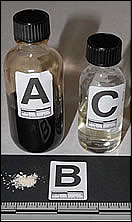
In a clandestine setting, DMT is not typically synthesized due to the lack of availability of the starting materials, namely tryptamine and oxalyl chloride. Instead, it is more often extracted from plant-sources using a nonpolar hydrocarbon solvent such as naphtha or heptane, and a base such as sodium hydroxide.
Alternatively, an acid-base extraction is sometimes used instead.
A variety of plants contain DMT at sufficient levels for being viable sources, but specific plants such as Mimosa tenuiflora, Acacia acuminata, and Acacia confusa are most often used.
The chemicals involved in the extraction are commonly available. The plant-material may be illegal to procure in some countries. The end-product (DMT) is illegal in most countries.
Detection in body fluids
DMT may be measured in blood, plasma or urine using chromatographic techniques as a diagnostic tool in clinical poisoning situations or to aid in the medicolegal investigation of suspicious deaths. In general, blood or plasma DMT levels in recreational users of the drug are in the 10–30 μg/L range during the first several hours post-ingestion. Less than 0.1% of an oral dose is eliminated unchanged in the 24-hour urine of humans.
Indolethylamine ''N''-methyltransferase (INMT)
Before techniques of molecular biology were used to localize indolethylamine N-methyltransferase (INMT), characterization and localization went on a par: samples of the biological material where INMT is hypothesized to be active are subject to enzyme assay. Those enzyme assays are performed either with a radiolabeled methyl donor like (14C-CH3)SAM to which known amounts of unlabeled substrates like tryptamine are added or with addition of a radiolabeled substrate like (14C)NMT to demonstrate in vivo formation. As qualitative determination of the radioactively tagged product of the enzymatic reaction is sufficient to characterize INMT existence and activity (or lack of), analytical methods used in INMT assays are not required to be as sensitive as those needed to directly detect and quantify the minute amounts of endogenously formed DMT. The essentially qualitative method thin layer chromatography (TLC) was thus used in a vast majority of studies. Also, robust evidence that INMT can catalyze transmethylation of tryptamine into NMT and DMT could be provided with reverse isotope dilution analysis coupled to mass spectrometry for rabbit and human lung during the early 1970s.
Selectivity rather than sensitivity proved to be a challenge for some TLC methods with the discovery in 1974-1975 that incubating rat blood cells or brain tissue with (14C-CH3)SAM and NMT as substrate mostly yields tetrahydro-β-carboline derivatives, and negligible amounts of DMT in brain tissue. It is indeed simultaneously realized that the TLC methods used thus far in almost all published studies on INMT and DMT biosynthesis are incapable to resolve DMT from those tetrahydro-β-carbolines. These findings are a blow for all previous claims of evidence of INMT activity and DMT biosynthesis in avian and mammalian brain, including in vivo, as they all relied upon use of the problematic TLC methods: their validity is doubted in replication studies that make use of improved TLC methods, and fail to evidence DMT-producing INMT activity in rat and human brain tissues. Published in 1978, the last study attempting to evidence in vivo INMT activity and DMT production in brain (rat) with TLC methods finds biotransformation of radiolabeled tryptamine into DMT to be real but "insignificant". Capability of the method used in this latter study to resolve DMT from tetrahydro-β-carbolines is questioned later.
To localize INMT, a qualitative leap is accomplished with use of modern techniques of molecular biology, and of immunohistochemistry. In humans, a gene encoding INMT is determined to be located on chromosome 7. Northern blot analyses reveal INMT messenger RNA (mRNA) to be highly expressed in rabbit lung, and in human thyroid, adrenal gland, and lung. Intermediate levels of expression are found in human heart, skeletal muscle, trachea, stomach, small intestine, pancreas, testis, prostate, placenta, lymph node, and spinal cord. Low to very low levels of expression are noted in rabbit brain, and human thymus, liver, spleen, kidney, colon, ovary, and bone marrow. INMT mRNA expression is absent in human peripheral blood leukocytes, whole brain, and in tissue from seven specific brain regions (thalamus, subthalamic nucleus, caudate nucleus, hippocampus, amygdala, substantia nigra, and corpus callosum). Immunohistochemistry showed INMT to be present in large amounts in glandular epithelial cells of small and large intestines. In 2011, immunohistochemistry revealed the presence of INMT in primate nervous tissue including retina, spinal cord motor neurons, and pineal gland. A 2020 study using in-situ hybridization, a far more accurate tool than the northern blot analysis, found mRNA coding for INMT expressed in the human cerebral cortex, choroid plexus, and pineal gland.
Analogues and derivatives
Numerous analogues and derivatives of DMT are known. Some examples include tryptamine (T), N-methyltryptamine (NMT), serotonin (5-hydroxytryptamine; 5-HT), psilocin (4-HO-DMT), psilocybin (4-PO-DMT), 4-AcO-DMT (psilacetin), 4-PrO-DMT, bufotenin (5-HO-DMT or N,N-dimethylserotonin), and 5-MeO-DMT (mebufotenin; N,N,O-trimethylserotonin). Some further examples include methylethyltryptamine (MET), diethyltryptamine (DET), methylpropyltryptamine (MPT), dipropyltryptamine (DPT), methylisopropyltryptamine (MiPT), diisopropyltryptamine (DiPT), methylallyltryptamine (MALT), diallyltryptamine (DALT), and pyr-T (N,N-tetramethylenetryptamine) and their derivatives.
Some lesser-known DMT derivatives include 1-methyl-DMT, lespedamine (1-MeO-DMT), 2-methyl-DMT, 4-methyl-DMT, 4-MeO-DMT, 4-fluoro-DMT, 5-methyl-DMT, 5-ethyl-DMT, 5-TFM-DMT, 5-EtO-DMT, 5-TFMO-DMT, 5-fluoro-DMT, 5-chloro-DMT, 5-bromo-DMT, 6-fluoro-DMT, 5,6-dibromo-DMT, 4,5-MDO-DMT, 4,5-DHP-DMT, 5,6-MDO-DMT, 5-MeS-DMT, 6-methyl-DMT, 6-HO-DMT, 6-MeO-DMT, 7-methyl-DMT, 7-MeO-DMT, NBoc-DMT (NB-DMT), α,N,N-TMT (α-Me-DMT), and α,N,N,O-TeMS (5-MeO-α-Me-DMT).
Cyclized tryptamines containing DMT in their chemical structures include ibogalogs like ibogainalog and tabernanthalog; iboga alkaloids like ibogaine and noribogaine; lysergamides like ergine (LSA) and lysergic acid diethylamide (LSD); and partial ergolines and lysergamides like N-DEAOP-NMT, 10,11-seco-LSD, RU-28306 (4,α-methylene-DMT), RU-28251 (4,α-methylene-DPT), Bay R 1531 (LY-197206; 4,α-methylene-5-MeO-DPT), and NDTDI (8,10-seco-LSD), among others. β-Carbolines and harmala alkaloids like harmine and harmaline contain DMT's close analogue NMT embedded in their structures. Triptans like sumatriptan, rizatriptan, eletriptan, almotriptan, frovatriptan, and zolmitriptan, which are antimigraine agents, all contain DMT in their structures. Similarly, the pertine antipsychotics including alpertine, milipertine, oxypertine, and solypertine are DMT derivatives.
Bioisosteres of DMT in which the indole ring system has been replaced with a different ring system include isoDMT (an isoindole or isotryptamine), 2ZEDMA (an indolizine), and C-DMT (an indene), among others. The homologues of DMT in which the alkyl side chain has been shortened or lengthened by one carbon atom are gramine and dimethylhomotryptamine (DMHT), respectively. Further-extended homologues are also known.
Many of DMT's analogues and derivatives are serotonin receptor modulators and/or serotonergic psychedelics similarly to DMT itself.
Natural occurrence
Evidence in mammals
Publishing in Science in 1961, Julius Axelrod found an N-methyltransferase enzyme capable of mediating biotransformation of tryptamine into DMT in a rabbit's lung. This finding initiated a still ongoing scientific interest in endogenous DMT production in humans and other mammals. From then on, two major complementary lines of evidence have been investigated: Localization and further characterization of the N-methyltransferase enzyme, and analytical studies looking for endogenously-produced DMT in body fluids and tissues.
In 2013, researchers reported DMT in the pineal gland microdialysate of rodents.
A study published in 2014 reported the biosynthesis of N,N-dimethyltryptamine (DMT) in the human melanoma cell line SK-Mel-147 including details on its metabolism by peroxidases.
It is assumed that more than half of the amount of DMT produced by the acidophilic cells of the pineal gland is secreted before and during death, the amount being 2.5–3.4 mg/kg. Contrarily, this claim by Strassman has been criticized by David Nichols who notes that DMT does not appear to be produced in any meaningful amount by the pineal gland. Removal or calcification of the pineal gland does not induce any of the symptoms caused by removal of DMT. The symptoms presented are consistent solely with reduction in melatonin, which is the pineal gland's known function. Nichols instead suggests that dynorphin and other endorphins are responsible for the reported euphoria experienced by patients during a near-death experience.
In 2014, researchers demonstrated the immunomodulatory potential of DMT and 5-MeO-DMT through the Sigma-1 receptor of human immune cells. This immunomodulatory activity may contribute to significant anti-inflammatory effects and tissue regeneration.
Endogenous DMT
N,N-Dimethyltryptamine (DMT), a psychedelic compound identified endogenously in mammals, is biosynthesized by aromatic -amino acid decarboxylase (AADC) and indolethylamine-N-methyltransferase (INMT). Studies have investigated brain expression of INMT transcript in rats and humans, coexpression of INMT and AADC mRNA in rat brain and periphery, and brain concentrations of DMT in rats. INMT transcripts were identified in the cerebral cortex, pineal gland, and choroid plexus of both rats and humans via in situ hybridization. Notably, INMT mRNA was colocalized with AADC transcript in rat brain tissues, in contrast to rat peripheral tissues where there existed little overlapping expression of INMT with AADC transcripts. Additionally, extracellular concentrations of DMT in the cerebral cortex of normal behaving rats, with or without the pineal gland, were similar to those of canonical monoamine neurotransmitters including serotonin. A significant increase of DMT levels in the rat visual cortex was observed following induction of experimental cardiac arrest, a finding independent of an intact pineal gland. These results show for the first time that the rat brain is capable of synthesizing and releasing DMT at concentrations comparable to known monoamine neurotransmitters and raise the possibility that this phenomenon may occur similarly in human brains.
The first claimed detection of endogenous DMT in mammals was published in June 1965: German researchers F. Franzen and H. Gross report to have evidenced and quantified DMT, along with its structural analog bufotenin (5-HO-DMT), in human blood and urine. In an article published four months later, the method used in their study was strongly criticized, and the credibility of their results challenged.
Few of the analytical methods used prior to 2001 to measure levels of endogenously formed DMT had enough sensitivity and selectivity to produce reliable results. Gas chromatography, preferably coupled to mass spectrometry (GC-MS), is considered a minimum requirement. A study published in 2005 implements the most sensitive and selective method ever used to measure endogenous DMT: liquid chromatography-tandem mass spectrometry with electrospray ionization (LC-ESI-MS/MS) allows for reaching limits of detection (LODs) 12 to 200 fold lower than those attained by the best methods employed in the 1970s. The data summarized in the table below are from studies conforming to the abovementioned requirements (abbreviations used: CSF = cerebrospinal fluid; LOD = limit of detection; n = number of samples; ng/L and ng/kg = nanograms (10−9 g) per litre, and nanograms per kilogram, respectively):
| Species | Sample | Results | Human | Rat | Rabbit |
|---|---|---|---|---|---|
| Blood serum | |||||
| Blood plasma | |||||
| Whole blood | |||||
| Urine | |||||
| Feces | |||||
| Kidney | 15 ng/kg (*n* = 1) | ||||
| Lung | 14 ng/kg (*n* = 1) | ||||
| Lumbar CSF | 100,370 ng/L (*n* = 1); 2,330-7,210 ng/L (*n* = 3); 350 & 850 ng/L (*n* = 2) | ||||
| Kidney | 12 & 16 ng/kg (*n* = 2) | ||||
| Lung | 22 & 12 ng/kg (*n* = 2) | ||||
| Liver | 6 & 10 ng/kg (*n* = 2) | ||||
| Brain | 10 & 15 ng/kg (*n* = 2) ♦ Measured in synaptic vesicular fraction | ||||
| Liver |
A 2013 study found DMT in microdialysate obtained from a rat's pineal gland, providing evidence of endogenous DMT in the mammalian brain. In 2019, experiments showed that the rat brain is capable of synthesizing and releasing DMT. These results raise the possibility that this phenomenon may occur similarly in human brains.
Quantities of dimethyltryptamine and O-methylbufotenin were found present in the cerebrospinal fluid of humans in a 1978 psychiatric study.
Biosynthesis

Dimethyltryptamine is an indole alkaloid derived from the shikimate pathway. Its biosynthesis is relatively simple and summarized in the adjacent picture. In plants, the parent amino acid -tryptophan is produced endogenously where in animals -tryptophan is an essential amino acid coming from diet. No matter the source of -tryptophan, the biosynthesis begins with its decarboxylation by an aromatic amino acid decarboxylase (AADC) enzyme (step 1). The resulting decarboxylated tryptophan analogue is tryptamine. Tryptamine then undergoes a transmethylation (step 2): the enzyme indolethylamine-N-methyltransferase (INMT) catalyzes the transfer of a methyl group from cofactor S-adenosylmethionine (SAM), via nucleophilic attack, to tryptamine. This reaction transforms SAM into S-adenosylhomocysteine (SAH), and gives the intermediate product N-methyltryptamine (NMT). NMT is in turn transmethylated by the same process (step 3) to form the end product N,N-dimethyltryptamine. Tryptamine transmethylation is regulated by two products of the reaction: SAH, and DMT were shown ex vivo to be among the most potent inhibitors of rabbit INMT activity.
This transmethylation mechanism has been repeatedly and consistently proven by radiolabeling of SAM methyl group with carbon-14 ((14C-CH3)SAM).
History
DMT derived from plant-based sources has been used as an entheogen in South America for thousands of years.
DMT was first synthesized in 1931 by Canadian chemist Richard Helmuth Fredrick Manske. In general, its discovery as a natural product is credited to Brazilian chemist and microbiologist Oswaldo Gonçalves de Lima, who isolated an alkaloid he named nigerina (nigerine) from the root bark of Mimosa tenuiflora in 1946. However, in a careful review of the case Jonathan Ott shows that the empirical formula for nigerine determined by Gonçalves de Lima, which notably contains an atom of oxygen, can match only a partial, "impure" or "contaminated" form of DMT. It was only in 1959, when Gonçalves de Lima provided American chemists a sample of Mimosa tenuiflora roots, that DMT was unequivocally identified in this plant material. Less ambiguous is the case of isolation and formal identification of DMT in 1955 in seeds and pods of Anadenanthera peregrina by a team of American chemists led by Evan Horning (1916-1993). Since 1955, DMT has been found in a number of organisms: in at least fifty plant species belonging to ten families, and in at least four animal species, including one gorgonian and three mammalian species (including humans).
In terms of a scientific understanding, the hallucinogenic effects of DMT were not uncovered until 1956 by Hungarian chemist and psychiatrist Stephen Szára. Szára, who later worked for the United States National Institutes of Health, researched DMT after his order to acquire LSD from the Swiss company Sandoz Laboratories was rejected on the grounds that the powerful psychotropic could be dangerous in the hands of a communist country. In his paper Dimethyltryptamin: Its Metabolism in Man; the Relation of its Psychotic Effect to the Serotonin Metabolism, Szara employed synthetic DMT, synthesized by the Speeter–Anthony route, which was then administered to 20volunteers by intramuscular injection. Urine samples were collected from these volunteers for the identification of DMT metabolites. This is considered to be the link between the chemical structure of DMT and its cultural consumption as a psychoactive and religious sacrament.
Another historical milestone was the discovery of DMT in plants frequently used by Amazonian natives as additive to the vine Banisteriopsis caapi to make ayahuasca decoctions. In 1957, American chemists Francis Hochstein and Anita Paradies identified DMT in an "aqueous extract" of leaves of a plant they named Prestonia amazonicum [sic] and described as "commonly mixed" with B. caapi. The lack of a proper botanical identification of Prestonia amazonica in this study led American ethnobotanist Richard Evans Schultes (1915–2001) and other scientists to raise serious doubts about the claimed plant identity. The mistake likely led the writer William Burroughs to regard the DMT he experimented with in Tangier in 1961 as "Prestonia". Better evidence was produced in 1965 by French pharmacologist Jacques Poisson, who isolated DMT as a sole alkaloid from leaves, provided and used by Aguaruna Indians, identified as having come from the vine Diplopterys cabrerana (then known as Banisteriopsis rusbyana). Published in 1970, the first identification of DMT in the plant Psychotria viridis, another common additive of ayahuasca, was made by a team of American researchers led by pharmacologist Ara der Marderosian. Not only did they detect DMT in leaves of P. viridis obtained from Kaxinawá indigenous people, but they were also the first to identify it in a sample of an ayahuasca decoction, prepared by the same indigenous people.
In the 1960s, DMT was known as a "businessman's trip" in the United States because of its very rapid onset and short duration when smoked.
Society and culture
Popular culture
In the 2022 Australian film Everything in Between, the lead character smokes what is implied to be DMT in the opening sequence, which is followed by hallucination-like visual effects and an altered state of consciousness.
Black market
Electronic cigarette cartridges or vape pens filled with DMT started to be sold on the black market by 2018.
Akasha Song previously manufactured and sold DMT on the dark web and is said to have been the largest DMT producer and seller in history.
Legal status
International law
Main article: Convention on Psychotropic Substances
Internationally, DMT is illegal to possess without authorisation, exemption or license, but ayahuasca and DMT brews and preparations are lawful. DMT is controlled by the Convention on Psychotropic Substances at the international level. The Convention makes it illegal to possess, buy, purchase, sell, to retail and to dispense without a licence.
By continent and country
In some countries, ayahuasca is a forbidden or controlled or regulated substance, while in other countries it is not a controlled substance or its production, consumption, and sale, is allowed to various degrees.
Asia
- Israel - DMT is an illegal substance; production, trade, and possession are prosecuted as crimes.
- India - DMT is illegal to produce, transport, trade in, or possess with a minimum prison or jail punishment of ten years.
Europe
- Belgium - DMT cannot be possessed, sold, purchased or imported. Usage is not specifically prohibited, but since usage implies possession one could be prosecuted that way.
- France - DMT, along with most of its plant-sources, is classified as a stupéfiant (narcotic).
- Germany - DMT is prohibited as a class I drug.
- Ireland - DMT is an illegal Schedule 1 drug under the Misuse of Drugs Acts. An attempt in 2014 by a member of the Santo Daime church to gain a religious exemption to import the drug failed.
- Latvia - DMT is prohibited as a Schedule I drug.
- Netherlands - The drug is banned as it is classified as a List 1 Drug per the Opium Law. Production, trade and possession of DMT are prohibited.
- Serbia - DMT, along with stereoisomers and salts is classified as List 4 (Psychotropic substances) substance according to Act on Control of Psychoactive Substances.
- Sweden - DMT is considered a Schedule 1 drug. The Swedish supreme court concluded in 2018 that possession of processed plant material containing a significant amount of DMT is illegal. However, possession of unprocessed such plant material was ruled legal.
- United Kingdom - DMT is classified as a Class A drug.
North America
- Canada - DMT is classified as a Schedule III drug under the Controlled Drugs and Substances Act, but is legal for religious groups to use. In 2017 the Santo Daime Church Céu do Montréal received religious exemption to use ayahuasca as a sacrament in their rituals.
- United States - DMT is classified in the United States as a Schedule I drug under the Controlled Substances Act of 1970. In 2019, it was decriminalized, along with other naturally derived psychedelics, in the city of Oakland after a campaign by Decriminalize Nature.
Other
- Russia - Classified as a Schedule I narcotic, including its derivatives (see sumatriptan and zolmitriptan).
Oceania
- New Zealand - DMT is classified as a Class A drug under the Misuse of Drugs Act 1975.
- Australia - DMT is listed as a Schedule 9 prohibited substance in Australia under the Poisons Standard (October 2015). A Schedule 9 drug is outlined in the Poisons Act 1964 as "Substances which may be abused or misused, the manufacture, possession, sale, or use of which should be prohibited by law except when required for medical or scientific research, or for analytical, teaching or training purposes with approval of the CEO". Between 2011 and 2012, the Australian federal government was considering changes to the Australian Criminal Code that would classify any plants containing any amount of DMT as "controlled plants". DMT itself was already controlled under current laws. The proposed changes included other similar blanket bans for other substances, such as a ban on any and all plants containing mescaline or ephedrine. The proposal was not pursued after political embarrassment on realisation that this would make the official floral emblem of Australia, Acacia pycnantha (golden wattle), illegal. The Therapeutic Goods Administration and federal authority had considered a motion to ban the same, but this was withdrawn in May 2012 (as DMT may still hold potential entheogenic value to native and/or religious people). Under the Misuse of Drugs Act 1981 6.0g (3/16oz) of DMT is considered enough to determine a court of trial and 2.0g (1/16oz) is considered intent to sell and supply.
In December 2004, the U.S. Supreme Court lifted a stay allowing the Brazil-based União do Vegetal church to use a decoction containing DMT in their Christmas services that year. This decoction is a tea made from boiled leaves and vines, known as hoasca within the UDV, and ayahuasca in different cultures. In Gonzales v. O Centro Espírita Beneficente União do Vegetal, the Supreme Court heard arguments on November 1, 2005, and unanimously ruled in February 2006 that the U.S. federal government must allow the UDV to import and consume the tea for religious ceremonies under the 1993 Religious Freedom Restoration Act.
Also suing under the Religious Freedom Restoration Act, three Santo Daime churches filed suit in federal court to gain legal status to import DMT-containing ayahuasca tea in 2008. The U.S. District Court in Oregon ruled in Church of the Holy Light of the Queen v. Mukasey (615 F.Supp.2d 1210) ruled that the religious group could import, distribute, and brew ayahuasca. A matter of religious freedom protected by the religious freedom law, the court issued a permanent injunction barring the government from prohibiting or penalizing the sacramental use of the religious drink.
Research
Depression
Short-acting psychedelics like DMT and 5-MeO-DMT show rapid and sustained antidepressant effects in treatment-resistant depression, potentially offering a more scalable alternative to psilocybin, though larger controlled trials are needed to confirm efficacy.
A recent Phase 1/2 clinical trial evaluated the safety, tolerability, pharmacokinetics, and antidepressant effects of SPL026, an intravenous formulation of DMT fumarate, in both healthy volunteers and patients with moderate-to-severe major depressive disorder, using randomized, placebo-controlled and open-label dosing protocols. It found that inhaled 5-MeO-DMT (GH001) was well tolerated and produced rapid antidepressant effects in treatment-resistant depression, with individualized dosing showing the highest remission rates.
A Phase 1 open-label study assessed the safety, tolerability, pharmacokinetics, and preliminary efficacy of intravenous SPL026 alone or combined with SSRIs in patients with major depressive disorder whose symptoms were not fully relieved by SSRIs.
In a phase 2a open-label trial, inhaled DMT produced rapid, well-tolerated, and sustained antidepressant effects in patients with treatment-resistant depression, showing high response and remission rates within 7 days and lasting up to 3 months.
A single-day, open-label trial found that vaporized DMT produced rapid and sustained antidepressant effects in treatment-resistant depression, with up to 50% of participants maintaining remission one month post-dose.
Endogenous role
DMT exists naturally in humans and other animals; it may play significant roles in mammalian physiology—potentially as a neurotransmitter, hormone, and immunomodulator—despite longstanding skepticism based on outdated or flawed evidence.
References
References
- Anvisa. (2023-07-24). "RDC Nº 804 - Listas de Substâncias Entorpecentes, Psicotrópicas, Precursoras e Outras sob Controle Especial". [[Diário Oficial da União]].
- (December 2025). "Psychedelic Experiences Elicited by Serotonergic Psychedelics; Molecular Mechanisms and Functional Connectivity Changes in /the Brain". Neurosci Biobehav Rev.
- (June 2022). "Administration of N,N-dimethyltryptamine (DMT) in psychedelic therapeutics and research and the study of endogenous DMT". Psychopharmacology (Berl).
- (1999). "Untersuchungen zur Trifluoracetylierung der Methylderivate von Tryptamin und Serotonin mit verschiedenen Derivatisierungsreagentien: Synthesen, Spektroskopie sowie analytische Trennungen mittels Kapillar-GC". Zeitschrift für Naturforschung B.
- (May 1969). "Constituents of the bark of Virola sebifera". Planta Medica.
- (October 2018). "Dark Classics in Chemical Neuroscience: N, N-Dimethyltryptamine (DMT)". ACS Chem Neurosci.
- (September 2016). "Neuropharmacology of ''N'',''N''-dimethyltryptamine". Brain Research Bulletin.
- (2019). "Dimethyltryptamine: Endogenous Role and Therapeutic Potential". J Psychoactive Drugs.
- "Erowid Online Books: "TIHKAL" – #6 DMT".
- (April 1984). "Monoamine oxidase inhibitors in South American hallucinogenic plants: tryptamine and beta-carboline constituents of ayahuasca". Journal of Ethnopharmacology.
- (November 2005). "Emerging drugs of abuse". The Medical Clinics of North America.
- (2005). "Sex, Drugs, Einstein, and Elves: Sushi, Psychedelics, Parallel Universes, and the Quest for Transcendence". Smart Publications.
- (2024-01-08). "''In vivo'' validation of psilacetin as a prodrug yielding modestly lower peripheral psilocin exposure than psilocybin". Frontiers in Psychiatry.
- (February 2025). "Emerging Medications for Treatment-Resistant Depression: A Review with Perspective on Mechanisms and Challenges". Brain Sci.
- (1989). "Sociopsychotherapeutic functions of ayahuasca healing in Amazonia". Journal of Psychoactive Drugs.
- (1972). "'Ayahuasca,' the South American hallucinogenic drink: An ethnobotanical and chemical investigation". Economic Botany.
- (2006). "Anadenanthera: Visionary Plant Of Ancient South America". Haworth Herbal.
- (2001). "Pharmañopo-psychonautics: human intranasal, sublingual, intrarectal, pulmonary and oral pharmacology of bufotenine". Journal of Psychoactive Drugs.
- (September 2024). "Neurobiological research on N,N-dimethyltryptamine (DMT) and its potentiation by monoamine oxidase (MAO) inhibition: from ayahuasca to synthetic combinations of DMT and MAO inhibitors". Cell Mol Life Sci.
- (May 2022). "N,N-dimethyltryptamine and Amazonian ayahuasca plant medicine". Hum Psychopharmacol.
- (1984). "Biochemistry and pharmacology of tryptamines and beta-carbolines. A minireview". J Psychoactive Drugs.
- (1976). "Profiles of Psychedelic Drugs: DMT & TMA-2". Journal of Psychedelic Drugs.
- (October 2018). "Monoamine Transporter and Receptor Interaction Profiles in Vitro Predict Reported Human Doses of Novel Psychoactive Stimulants and Psychedelics". Int J Neuropsychopharmacol.
- (March 2022). "Trips and neurotransmitters: Discovering principled patterns across 6850 hallucinogenic experiences". Science Advances.
- (2022). "Disruptive Psychopharmacology".
- (May 2024). "Serotonergic Psychedelics: A Comparative Review of Efficacy, Safety, Pharmacokinetics, and Binding Profile". Biol Psychiatry Cogn Neurosci Neuroimaging.
- (5 June 2020). "I Sell DMT Vape Pens So People Can 'Break Through' at Their Own Speed".
- "Erowid Online Books: "TIHKAL" - #13 HARMALINE".
- (1998). "Special: Psychoactivity". VWB.
- (1999). "Pharmahuasca: human pharmacology of oral DMT plus harmine". J Psychoactive Drugs.
- {{CiteTiHKAL https://erowid.org/library/books_online/tihkal/tihkal14.shtml
- (October 2024). "A Phase 1 single ascending dose study of pure oral harmine in healthy volunteers". J Psychopharmacol.
- (February 1994). "Dose-response study of ''N'',''N''-dimethyltryptamine in humans. II. Subjective effects and preliminary results of a new rating scale". Archives of General Psychiatry.
- (5 October 2019). "The Hyperbolic Geometry of DMT Experiences". Qualia Research Institute.
- (February 1994). "Dose-response study of ''N'',''N''-dimethyltryptamine in humans. I. Neuroendocrine, autonomic, and cardiovascular effects". Archives of General Psychiatry.
- (2018). "The Breakthrough Experience: DMT Hyperspace and its Liminal Aesthetics". Anthropology of Consciousness.
- (1995). "Intraindividuelle Stabilität von ABZ unter sensorischer Deprivation, ''N'',''N''-Dimethyltryptamin (DMT) und Stickoxydul". Jahrbuch des Europäischen Collegiums für Bewusstseinsstudien.
- (December 2001). "Brain mechanisms of hallucinogens and entactogens". Dialogues in Clinical Neuroscience.
- {{harvnb. Strassman. 2001
- (1975). "The Invisible Landscape: Mind, Hallucinogens and the I Ching". Seabury Press.
- {{harvnb. St. John. 2015 Chapters 4, 8, and 12
- (2014). "DMT and the Soul of Prophecy: A New Science of Spiritual Revelation in the Hebrew Bible". Simon and Schuster.
- (3 May 2011). "Interview: Dr. Rick Strassman". Boing Boing.
- (10 September 2010). "Causal Multiplicity: The Science Behind Schizophrenia".
- (15 December 2015). "DMT research from 1956 to the edge of time".
- (2013). "Evolutionary Implications of the Astonishing Psychoactive Effects of ''N'',''N''-Dimethyltryptamine (DMT)". [[Journal of Scientific Exploration]].
- (2011). "Discarnate entities and dimethyltryptamine (DMT): Psychopharmacology, phenomenology and ontology". Journal of the Society for Psychical Research.
- (2012). "Psychoactive substances and paranormal phenomena: A comprehensive review". International Journal of Transpersonal Studies.
- (9 May 2023). "Researchers Are Mapping DMT Dimensions Through DMTx Tech".
- (2018). "DMT Models the Near-Death Experience". Frontiers in Psychology.
- (March 2019). "Neurochemical models of near-death experiences: A large-scale study based on the semantic similarity of written reports". Consciousness and Cognition.
- (January 1954). "Schizophrenia; a new approach. II. Result of a year's research". The Journal of Mental Science.
- (8 November 2013). "DMT: The psychedelic drug 'produced in your brain'". SBS.
- "The God Chemical: Brain Chemistry And Mysticism". NPR.
- (June 2019). "Biosynthesis and Extracellular Concentrations of ''N'',''N''-Dimethyltryptamine (DMT) in Mammalian Brain". Scientific Reports.
- (18 August 2017). "Novel Psychoactive Substances-Recent Progress on Neuropharmacological Mechanisms of Action for Selected Drugs". Front Psychiatry.
- (2019). "Ayahuasca: Psychological and Physiologic Effects, Pharmacology and Potential Uses in Addiction and Mental Illness". Current Neuropharmacology.
- (September 1994). "The generalizability of the dependence syndrome across substances: an examination of some properties of the proposed DSM-IV dependence criteria". Society for the Study of Addiction.
- (January 2007). "Risk assessment of ritual use of oral dimethyltryptamine (DMT) and harmala alkaloids". Addiction.
- (January 2015). "Recent advances in the neuropsychopharmacology of serotonergic hallucinogens". Behav Brain Res.
- (May 1996). "Differential tolerance to biological and subjective effects of four closely spaced doses of N,N-dimethyltryptamine in humans". Biol Psychiatry.
- (November 2024). "Ayahuasca: pharmacology, safety, and therapeutic effects". CNS Spectr.
- (February 2012). "Pharmacology of ayahuasca administered in two repeated doses". Psychopharmacology (Berl).
- (7 August 1963). "The effect of N,N-dimethyltryptamine in human subjects tolerant to lysergic acid diethylamide". Psychopharmacologia.
- (May 2023). "Acute effects of intravenous DMT in a randomized placebo-controlled study in healthy participants". Transl Psychiatry.
- (January 2024). "Psychological and physiological effects of extended DMT". J Psychopharmacol.
- (May 2025). "Acute dose-dependent effects and self-guided titration of continuous N,N-dimethyltryptamine infusions in a double-blind placebo-controlled study in healthy participants". Neuropsychopharmacology.
- (February 2001). "Subjective effects and tolerability of the South American psychoactive beverage Ayahuasca in healthy volunteers". Psychopharmacology.
- Thomas, Kelan. (2024). "Toxicology and Pharmacological Interactions of Classic Psychedelics". Springer Berlin Heidelberg.
- (1998). "Ayahuasca preparations and serotonin reuptake inhibitors: a potential combination for severe adverse interactions". Journal of Psychoactive Drugs.
- (7 March 2023). "Psychedelics as Psychiatric Medications". [[Oxford University Press]].
- (2024). "ACNP 63rd Annual Meeting: Poster Abstracts P1-P304: P160. SPL026 (DMT Fumarate) in Combination With Selective Serotonin Reuptake Inhibitors (SSRIs) for Patients With Major Depressive Disorder". Neuropsychopharmacology.
- (January 2024). "Drug-drug interactions involving classic psychedelics: A systematic review". J Psychopharmacol.
- (1 October 2022). "Prevalence and associations of classic psychedelic-related seizures in a population-based sample". Drug and Alcohol Dependence.
- (March 1962). "The effect of antiserotonin on the experimental psychosis induced by dimethyltryptamine". Experientia.
- "PDSP Database".
- "BindingDB BDBM50026868 2-(1H-indol-3-yl)-N,N-dimethylethanamine::2-(3-indolyl)ethyldimethylamine::3-(2-dimethylaminoethyl)indole::3-[2-(dimethylamino)ethyl]indole::CHEMBL12420::DMT::N,N-dimethyl-1H-indole-3-ethylamine::N,N-dimethyltryptamine::US20240166618, Compound DMT::WO2023019367, Compound DMT".
- (December 2015). "Receptor interaction profiles of novel N-2-methoxybenzyl (NBOMe) derivatives of 2,5-dimethoxy-substituted phenethylamines (2C drugs)". Neuropharmacology.
- (August 2016). "Receptor interaction profiles of novel psychoactive tryptamines compared with classic hallucinogens". European Neuropsychopharmacology.
- (April 2023). "Pharmacologic Activity of Substituted Tryptamines at 5-Hydroxytryptamine (5-HT)2A Receptor (5-HT2AR), 5-HT2CR, 5-HT1AR, and Serotonin Transporter". J Pharmacol Exp Ther.
- (March 2014). "Behavioral and neurochemical pharmacology of six psychoactive substituted phenethylamines: mouse locomotion, rat drug discrimination and in vitro receptor and transporter binding and function". Psychopharmacology (Berl).
- (October 2025). "A novel psychedelic 5-HT2A receptor agonist GM-2505: The pharmacokinetic, safety, and pharmacodynamic profile from a randomized trial healthy volunteer". J Psychopharmacol.
- (July 2014). "Mefloquine and psychotomimetics share neurotransmitter receptor and transporter interactions in vitro". Psychopharmacology (Berl).
- (October 2023). "A cane toad (Rhinella marina) N-methyltransferase converts primary indolethylamines to tertiary psychedelic amines". J Biol Chem.
- (10 March 2023). "Bioproduction platform using a novel cane toad (Rhinella marina) N-methyltransferase for psychedelic-inspired drug discovery".
- "Methods of treating mood disorders".
- (July 2018). "Trace Amines and Their Receptors". Pharmacol Rev.
- (November 2009). "Predicting new molecular targets for known drugs". Nature.
- (June 1991). "Differential interactions of dimethyltryptamine (DMT) with 5-HT1A and 5-HT2 receptors". Biochemical Pharmacology.
- (1989). "Hallucinogenic drug interactions with neurotransmitter receptor binding sites in human cortex". Psychopharmacology.
- (February 2010). "Psychedelics and the human receptorome". PLOS ONE.
- (July 2018). ["Agonist properties of ''N'',''N''-dimethyltryptamine at serotonin 5-HT2A and 5-HT2C receptors"](http://crfdl.org:1111/xmlui/bitstream/handle/123456789/17/Agonist%20Properties%20of%20N,N-Dimethyltryptaminenext%20term%20at%20Ser.pdf }}{{Dead link). Pharmacology, Biochemistry, and Behavior.
- (May 2009). "Serotonergic drugs and valvular heart disease". Expert Opinion on Drug Safety.
- (January 2007). "Drugs and valvular heart disease". The New England Journal of Medicine.
- (January 2007). "Functional selectivity and classical concepts of quantitative pharmacology". The Journal of Pharmacology and Experimental Therapeutics.
- (August 2006). "The mysterious trace amines: protean neuromodulators of synaptic transmission in mammalian brain". Progress in Neurobiology.
- (February 2009). "The hallucinogen ''N'',''N''-dimethyltryptamine (DMT) is an endogenous sigma-1 receptor regulator". Science.
- (December 2009). "Dimethyltryptamine and other hallucinogenic tryptamines exhibit substrate behavior at the serotonin uptake transporter and the vesicle monoamine transporter". Journal of Neural Transmission.
- (October 2014). "Interaction of psychoactive tryptamines with biogenic amine transporters and serotonin receptor subtypes". Psychopharmacology (Berl).
- (1994). "Hallucinogens: An Update". U.S. Dept. of Health and Human Services, Public Health Service, National Institutes of Health, National Institute on Drug Abuse.
- (January 2008). "The behavioral pharmacology of hallucinogens". Biochemical Pharmacology.
- (February 2004). "Hallucinogens". Pharmacology & Therapeutics.
- (December 1998). "Psilocybin induces schizophrenia-like psychosis in humans via a serotonin-2 agonist action". NeuroReport.
- (July 2018). ["Human psychopharmacology of ''N'',''N''-dimethyltryptamine"](http://crfdl.org:1111/xmlui/bitstream/handle/123456789/373/Beh_Brain_Res_96.pdf }}{{Dead link). Behavioural Brain Research.
- (December 1984). "Evidence for 5-HT2 involvement in the mechanism of action of hallucinogenic agents". Life Sciences.
- (February 1997). "High-affinity agonist binding is not sufficient for agonist efficacy at 5-hydroxytryptamine2A receptors: evidence in favor of a modified ternary complex model". The Journal of Pharmacology and Experimental Therapeutics.
- (August 2022). "Significance of mammalian N, N-dimethyltryptamine (DMT): A 60-year-old debate". J Psychopharmacol.
- (March 2024). "The mechanistic divide in psychedelic neuroscience: An unbridgeable gap?". Neurotherapeutics.
- (December 2023). "Identification of 5-HT2A receptor signaling pathways associated with psychedelic potential". Nat Commun.
- (March 2022). "A narrative synthesis of research with 5-MeO-DMT". J Psychopharmacol.
- (1977). "Drug Addiction II: Amphetamine, Psychotogen, and Marihuana Dependence". Springer Berlin Heidelberg.
- (April 2010). "The serotonin 2C receptor potently modulates the head-twitch response in mice induced by a phenethylamine hallucinogen". Psychopharmacology.
- (October 2025). "Serotonin 5-HT2C Receptor Signaling Analysis Reveals Psychedelic Biased Agonism". ACS Chem Neurosci.
- (March 2009). "When the endogenous hallucinogenic trace amine ''N'',''N''-dimethyltryptamine meets the sigma-1 receptor". Science Signaling.
- (1981). "Effects of pargyline and SKF-525A on brain ''N'',''N''-dimethyltryptamine concentrations and hyperactivity in mice". Psychopharmacology.
- (October 2000). "Quantal release of serotonin". Neuron.
- (September 2020). "''N'',''N''-Dimethyltryptamine compound found in the hallucinogenic tea ayahuasca, regulates adult neurogenesis in vitro and in vivo". Translational Psychiatry.
- (July 2012). "Head-twitch response in rodents induced by the hallucinogen 2,5-dimethoxy-4-iodoamphetamine: a comprehensive history, a re-evaluation of mechanisms, and its utility as a model". Drug Testing and Analysis.
- (May 2020). "Correlation between the potency of hallucinogens in the mouse head-twitch response assay and their behavioral and subjective effects in other species". Neuropharmacology.
- (June 2018). "Psychedelics Promote Structural and Functional Neural Plasticity". Cell Reports.
- (March 2025). "The structural diversity of psychedelic drug actions revealed". Nature Communications.
- (September 2022). "Structures of Hallucinogenic and Non-Hallucinogenic Analogues of the 5-HT2A Receptor Reveals Molecular Insights into Signaling Bias".
- (May 2023). "Pharmacokinetics of N,N-dimethyltryptamine in Humans". European Journal of Drug Metabolism and Pharmacokinetics.
- (July 2018). ["Pharmacokinetics of Hoasca alkaloids in healthy humans"](http://wiki.dmt-nexus.com/w/images/2/26/Pharmacokinetics_of_hoasca_in_healthy_humans.pdf }}{{Dead link). Journal of Ethnopharmacology.
- (July 2003). "Human pharmacology of ayahuasca: subjective and cardiovascular effects, monoamine metabolite excretion, and pharmacokinetics". The Journal of Pharmacology and Experimental Therapeutics.
- (1974). "Blood and urine levels of ''N'',''N''-dimethyltryptamine following administration of psychoactive dosages to human subjects". Psychopharmacologia.
- (August 1982). "Comparison of the brain levels of ''N'',''N''-dimethyltryptamine and ''alpha'',''alpha'',''beta'',''beta''-tetradeutero-''N'',''N''-dimethyltryptamine following intraperitoneal injection. The in vivo kinetic isotope effect". Biochemical Pharmacology.
- (December 1979). "Accumulation of ''N'',''N''-dimethyltryptamine in rat brain cortical slices". Biological Psychiatry.
- (May 1987). "In vivo metabolism of 5-methoxy-''N'',''N''-dimethyltryptamine and ''N'',''N''-dimethyltryptamine in the rat". Biochemical Pharmacology.
- (December 1985). "11C-labeling of indolealkylamine alkaloids and the comparative study of their tissue distributions". The International Journal of Applied Radiation and Isotopes.
- (1986). "In vivo kinetics and displacement study of a carbon-11-labeled hallucinogen, ''N'',''N''-[11C]dimethyltryptamine". European Journal of Nuclear Medicine.
- (August 2010). "Serotonin synthesis, release and reuptake in terminals: a mathematical model". Theoretical Biology & Medical Modelling.
- (September 2005). "Brainstem seizure severity regulates forebrain seizure expression in the audiogenic kindling model". Epilepsia.
- (February 2025). "Clinical Pharmacokinetics of N,N-Dimethyltryptamine (DMT): A Systematic Review and Post-hoc Analysis". Clinical Pharmacokinetics.
- (December 2023). "''N, N''-dimethyltryptamine forms oxygenated metabolites via CYP2D6 - an ''in vitro'' investigation". Xenobiotica; the Fate of Foreign Compounds in Biological Systems.
- (May 2015). "Metabolism and urinary disposition of N,N-dimethyltryptamine after oral and smoked administration: a comparative study". Drug Testing and Analysis.
- (October 2020). "Synthesis and characterization of high-purity ''N'',''N''-dimethyltryptamine hemifumarate for human clinical trials". Drug Testing and Analysis.
- (October 2020). "Toxicokinetics and Toxicodynamics of Ayahuasca Alkaloids N,N-Dimethyltryptamine (DMT), Harmine, Harmaline and Tetrahydroharmine: Clinical and Forensic Impact". Pharmaceuticals (Basel).
- (4 February 2001). "Synthesis of 5-(sulfamoylmethyl)indoles". Tetrahedron.
- (July 2010). "Characterization of the synthesis of ''N'',''N''-dimethyltryptamine by reductive amination using gas chromatography ion trap mass spectrometry". Drug Testing and Analysis.
- (April 2015). "Concise synthesis of ''N'',''N''-dimethyltryptamine and 5-methoxy-''N'',''N''-dimethyltryptamine starting with bufotenine from Brazilian Anadenanthera ssp". Natural Product Communications.
- "Hyperlab.info -> Мелатонин и 5-MeO-DMT".
- (October 1996). "Quantitation of ''N'',''N''-dimethyltryptamine and harmala alkaloids in human plasma after oral dosing with ayahuasca". Journal of Analytical Toxicology.
- (2011). "Disposition of Toxic Drugs and Chemicals in Man". Biomedical Publications.
- (March 1971). "Purification and substrate specificity of indoleamine-''N''-methyl transferase". Biochemical Pharmacology.
- (June 1975). "''N''-Methylation of 1-methyltryptamines by indolethylamine ''N''-methyltransferase". Biochemical Pharmacology.
- (April 1972). "Indoleamine-''N''-methyl transferase in human lung". Biochemical Pharmacology.
- (1976). "Possible source of error in studies of enzymatic formation of dimethyltryptamine". Journal of Psychiatric Research.
- (August 1969). "Indole(ethyl)amine ''N''-methyltransferase in the brain". Science.
- (March 1971). "Indole(ethyl)amine ''N''-methyltransferase in human brain". Nature.
- (March 1973). "The distribution and properties of the nonspecific ''N''-methyltransferase in brain". Journal of Neurochemistry.
- (July 2018). "Psychotomimetic ''N''-methylated tryptamines: formation in brain in vivo and in vitro". Science.
- (July 1973). "Distribution and metabolism of tryptamine in rat brain". Canadian Journal of Biochemistry.
- (September 1976). "Tryptamine-''N''-methyltransferase activity in brain tissue: a re-examination". Brain Research.
- (September 1976). "Enzymatic N-methylation of indoleamines by mammalian brain: fact or artefact?". Journal of Neurochemistry.
- (October 1978). "Lack of enhancement of dimethyltryptamine formation in rat brain and rabbit lung in vivo by methionine or ''S''-adenosylmethionine". Journal of Neurochemistry.
- "INMT – Indolethylamine ''N''-methyltransferase – ''Homo sapiens'' (Human) – INMT gene & protein".
- (2011). "Indolethylamine N-methyltransferase expression in primate nervous tissue.". Society for Neuroscience Abstracts.
- (2013). "Medicinal chemistry of antimigraine drugs". Curr Med Chem.
- (10 November 2025). "Psychedelics potential set to extend beyond mental health".
- (1984). "Hallucinogens: Neurochemical, Behavioral, and Clinical Perspectives". Raven Press.
- (April 2005). "Potentially hallucinogenic 5-hydroxytryptamine receptor ligands bufotenine and dimethyltryptamine in blood and tissues". Scandinavian Journal of Clinical and Laboratory Investigation.
- (December 2013). "LC/MS/MS analysis of the endogenous dimethyltryptamine hallucinogens, their precursors, and major metabolites in rat pineal gland microdialysate". Biomedical Chromatography.
- (April 2014). "Biosynthesis of ''N'',''N''-dimethyltryptamine (DMT) in a melanoma cell line and its metabolization by peroxidases". Biochemical Pharmacology.
- (Nov 2017). "''N'',''N''-Dimethyltryptamine and the pineal gland: Separating fact from myth". Journal of Psychopharmacology.
- (29 August 2014). "Psychedelic ''N'',''N''-dimethyltryptamine and 5-methoxy-''N'',''N''-dimethyltryptamine modulate innate and adaptive inflammatory responses through the sigma-1 receptor of human monocyte-derived dendritic cells". PLOS ONE.
- (June 1965). "Tryptamine, ''N'',''N''-dimethyltryptamine, ''N'',''N''-dimethyl-5-hydroxytryptamine and 5-methoxytryptamine in human blood and urine". Nature.
- (October 1965). "A sensitive method for the detection of ''N'',''N''-dimethylserotonin (bufotenin) in urine; failure to demonstrate its presence in the urine of schizophrenic and normal subjects". Journal of Psychiatric Research.
- (February 2001). "Distribution of the hallucinogens ''N'',''N''-dimethyltryptamine and 5-methoxy-''N'',''N''-dimethyltryptamine in rat brain following intraperitoneal injection: application of a new solid-phase extraction LC-APcI-MS-MS-isotope dilution method". Journal of Chromatography. B, Biomedical Sciences and Applications.
- (2001). "Determination of potentially hallucinogenic N-dimethylated indoleamines in human urine by HPLC/ESI-MS-MS". Scandinavian Journal of Clinical and Laboratory Investigation.
- (April 2009). "Development of a LC-MS/MS method to analyze 5-methoxy-''N'',''N''-dimethyltryptamine and bufotenine, and application to pharmacokinetic study". Bioanalysis.
- (July 1973). "Gas chromatographic-mass spectrometric isotope dilution determination of ''N'',''N''-dimethyltryptamine concentrations in normals and psychiatric patients". Psychopharmacologia.
- (May 1976). "Dimethyltryptamine levels in blood of schizophrenic patients and control subjects". Psychopharmacology.
- (December 1977). "A gas chromatographic procedure for determining N, N-dimethyltryptamine and N-monomethyltryptamine in urine using a nitrogen detector". Biochemical Medicine.
- (June 1979). "Identification of dimethyltryptamine and O-methylbufotenin in human cerebrospinal fluid by combined gas chromatography/mass spectrometry". Biological Psychiatry.
- (October 1977). "The in vitro identification of dimethyltryptamine (DMT) in mammalian brain and its characterization as a possible endogenous neuroregulatory agent". Biochemical Medicine.
- (February 1978). "Hallucinogenic ''N''-methylated indolealkylamines in the cerebrospinal fluid of psychiatric and control populations". The British Journal of Psychiatry.
- (August 1961). "Enzymatic formation of psychotomimetic metabolites from normally occurring compounds". Science.
- (1976). "A review of recent studies of the biosynthesis and excretion of hallucinogens formed by methylation of neurotransmitters or related substances". Schizophrenia Bulletin.
- (1981). "International Review of Neurobiology Volume 22".
- (September 1973). "Inhibition of indolethylamine-''N''-methyltransferase by ''S''-adenosylhomocysteine". Biochemical and Biophysical Research Communications.
- (December 1998). "Rabbit lung indolethylamine ''N''-methyltransferase. cDNA and gene cloning and characterization". The Journal of Biological Chemistry.
- (January 1977). "The biosynthesis of dimethyltryptamine in vivo". Research Communications in Chemical Pathology and Pharmacology.
- (March 2018). "Human indolethylamine ''N''-methyltransferase: cDNA cloning and expression, gene cloning, and chromosomal localization". Genomics.
- (June 2019). "Chemical evidence for the use of multiple psychotropic plants in a 1,000-year-old ritual bundle from South America". Proceedings of the National Academy of Sciences of the United States of America.
- (6 May 2019). "Ayahuasca fixings found in 1,000-year-old Andean sacred bundle".
- (July 2018). "A synthesis of the methyltryptamines and some derivatives". Canadian Journal of Research.
- (November 1977). "DMT: the fifteen minute trip". Head.
- (1996). "Pharmacotheon: Entheogenic Drugs, Their Plant Sources and History". Natural Products.
- (September 1959). "Indole alkaloids of ''Acer saccharinum'' (the silver maple), ''Dictyoloma incanescens'', ''Piptadenia colubrina'', and ''Mimosa hostilis''". Journal of Organic Chemistry.
- (November 1955). "Piptadenia alkaloids. Indole bases of ''P. peregrina'' (L.) Benth. and related species". Journal of the American Chemical Society.
- (1994). "Ayahuasca Analogues: Pangæan Entheogens". Natural Products.
- (1978). "Chemistry of Mediterranean gorgonians: simple indole derivatives from ''Paramuricea chamaeleon''". Comparative Biochemistry and Physiology C.
- (2001). ["DMT: The Spirit Molecule. A Doctor's Revolutionary Research into the Biology of Near-Death and Mystical Experiences"](https://archive.org/details/dmtspiritmolecul00rick}} ({{cite web). Park Street.
- (November 1956). "Dimethyltryptamin: its metabolism in man; the relation to its psychotic effect to the serotonin metabolism". Experientia.
- (1998). "The scientific investigation of Ayahuasca: a review of past and current research". The Heffter Review of Psychedelic Research.
- (1957). "Alkaloids of ''Banisteria caapi'' and ''Prestonia amazonicum''". Journal of the American Chemical Society.
- (1960). "''Prestonia'': An Amazon narcotic or not?". Botanical Museum Leaflets, Harvard University.
- (April 1965). "Note on "Natem", A Toxic Peruvian Beverage, and ITS Alkaloids". Annales Pharmaceutiques Françaises.
- (1970). "The use and hallucinatory principles of a psychoactive beverage of the Cashinahua tribe (Amazon basin)". Drug Dependence.
- (17 October 2022). "Everything in Between – HEAVY Cinema review".
- "New on the Black Market: Vape Pens Full of DMT". The Stranger.
- (5 February 2020). "DMT Pens: Is It Safe to Vape DMT?".
- (22 May 2025). "The Epic Rise and Fall of a Dark-Web Psychedelics Kingpin".
- (6 August 2013). "Judge's son arrested for importing 2kg of hallucinogenic drug". [[Yediot Ahronot]].
- "THE GOD DRUG- DMT".
- "Wetgeving rond LSD en tripmiddelen".
- "Gesetz über den Verkehr mit Betäubungsmitteln (Betäubungsmittelgesetz – BtMG) Anlage I (zu § 1 Abs. 1) (nicht verkehrsfähige Betäubungsmittel)".
- (8 September 2017). "Man fined for having drug used in Amazon".
- (4 December 2017). "Sect leader spared jail for importing hallucinogenic drug for religious 'sacrament'".
- "Noteikumi par Latvijā kontrolējamajām narkotiskajām vielām, psihotropajām vielām un prekursoriem".
- "Regulations Regarding Narcotic Substances, Psychotropic Substances and Precursors to be Controlled in Latvia".
- "Läkemedelsverkets författningssamling".
- "HÖGSTA DOMSTOLENS DOM Mål nr meddelad i Stockholm den 13 December 2018".
- (8 May 2019). "Health Canada allows more religious groups to import psychedelic ayahuasca".
- (15 October 2019). "What's all the buzz about? Montreal woman seeks to demystify ayahuasca.". [[Montreal Gazette]].
- Blistein, Jon. (June 5, 2019). "Oakland Decriminalizes Magic Mushrooms, Other Natural Psychedelics".
- "Постановление Правительства РФ от 30 June 1998 N 681 "Об утверждении перечня наркотических средств, психотропных веществ и их прекурсоров, подлежащих контролю в Российской Федерации" (с изменениями и дополнениями)".
- (19 May 2011). "Rare drug bound for Blenheim". [[Fairfax New Zealand]].
- (1 May 2012). "Schedule 1: Class A controlled drugs". [[Parliamentary Counsel Office (New Zealand).
- (30 September 2015). "Poisons Standard October 2015". comlaw.gov.au.
- (1964). "Poisons Act". slp.wa.gov.au.
- (24 June 2010). "Consultation on implementation of model drug schedules for Commonwealth serious drug offenses". [[Attorney-General's Department (Australia).
- (August 2012). "AUSSIE DMT BAN". American Herb Association Quarterly Newsletter.
- "Misuse of Drugs Act 1981 (2015)". slp.wa.gov.au.
- (May 2025). "Less is more? Antidepressant effects of short-acting psychedelics". Neuropsychopharmacology.
- (January 2025). "Benefits and Challenges of Ultra-Fast, Short-Acting Psychedelics in the Treatment of Depression". The American Journal of Psychiatry.
- {{ClinicalTrialsGov. NCT04673383. A Double-blind, Randomised, Placebo-controlled Study of Intravenous Doses of SPL026 (DMT Fumarate), a Serotonergic Psychedelic, in Healthy Subjects (Part A) and Patients With Major Depressive Disorder (Part B)
- (2023). "Safety, tolerability, pharmacodynamic and wellbeing effects of SPL026 (dimethyltryptamine fumarate) in healthy participants: a randomized, placebo-controlled phase 1 trial". Frontiers in Psychiatry.
- {{ClinicalTrialsGov. NCT05553691. An Open-Label Study Investigating the Safety, Tolerability, Pharmacokinetics, Pharmacodynamics & Exploratory Efficacy of Intravenous SPL026 Drug Product (DMT Fumarate) Alone or in Combination With SSRIs in Patients With Major Depressive Disorder
- (May 2025). "Rapid and sustained antidepressant effects of vaporized N,N-dimethyltryptamine: a phase 2a clinical trial in treatment-resistant depression". Neuropsychopharmacology.
- (March 2025). "The Antidepressant Effects of Vaporized ''N'',''N''-Dimethyltryptamine: An Open-Label Pilot Trial in Treatment-Resistant Depression". Psychedelic Medicine.
This article was imported from Wikipedia and is available under the Creative Commons Attribution-ShareAlike 4.0 License. Content has been adapted to SurfDoc format. Original contributors can be found on the article history page.
Ask Mako anything about Dimethyltryptamine — get instant answers, deeper analysis, and related topics.
Research with MakoFree with your Surf account
Create a free account to save articles, ask Mako questions, and organize your research.
Sign up freeThis content may have been generated or modified by AI. CloudSurf Software LLC is not responsible for the accuracy, completeness, or reliability of AI-generated content. Always verify important information from primary sources.
Report