From Surf Wiki (app.surf) — the open knowledge base
1994 German federal election
none
none
| Field | Value |
|---|---|
| country | Germany |
| type | parliamentary |
| previous_election | 1990 German federal election |
| previous_year | 1990 |
| election_date | |
| next_election | 1998 German federal election |
| next_year | 1998 |
| outgoing_members | List of members of the 12th Bundestag |
| elected_members | List of members of the 13th Bundestag |
| seats_for_election | All 672 seats in the Bundestag |
| majority_seats | 337 |
| registered | 60,452,009 0.0% |
| turnout | 47,737,999 (79.0%) 1.2 pp |
| image1 | |
| candidate1 | Helmut Kohl |
| party1 | CDU/CSU |
| last_election1 | 43.8%, 319 seats |
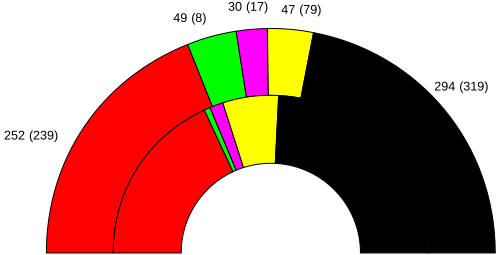
| seats1 | **294** |
| seat_change1 | 25 |
| popular_vote1 | **19,517,156** |
| percentage1 | **41.4%** |
| swing1 | 2.4 pp |
| image2 | |
| candidate2 | Rudolf Scharping |
| party2 | Social Democratic Party of Germany |
| last_election2 | 33.5%, 239 seats |
| seats2 | 252 |
| seat_change2 | 13 |
| popular_vote2 | 17,140,354 |
| percentage2 | 36.4% |
| swing2 | 2.9 pp |
| image3 | |
| candidate3 | Ludger Volmer & |
| Marianne Birthler | |
| party3 | Alliance 90/The Greens |
| last_election3 | 5.1%, 8 seats |
| seats3 | 49 |
| seat_change3 | 41 |
| popular_vote3 | 3,424,315 |
| percentage3 | 7.3% |
| swing3 | 2.2 pp |
| image4 | |
| candidate4 | Klaus Kinkel |
| party4 | Free Democratic Party (Germany) |
| last_election4 | 11.0%, 79 seats |
| seats4 | 47 |
| seat_change4 | 32 |
| popular_vote4 | 3,258,407 |
| percentage4 | 6.9% |
| swing4 | 4.1 pp |
| image5 | |
| candidate5 | Lothar Bisky |
| party5 | Party of Democratic Socialism (Germany) |
| last_election5 | 2.4%, 17 seats |
| seats5 | 30 |
| seat_change5 | 13 |
| popular_vote5 | 2,066,176 |
| percentage5 | 4.4% |
| swing5 | 2.0 pp |
| map_image | 1994 German federal election.svg |
| map_size | 400px |
| map_caption | Results of the election. The main map shows constituency winners, and results for the proportional list seats are shown in the bottom left. |
| title | Government |
| before_election | Fourth Kohl cabinet |
| before_party | CDU/CSU-FDP |
| posttitle | Government after election |
| after_election | Fifth Kohl cabinet |
| after_party | CDU/CSU-FDP |
Marianne Birthler
A federal election was held in Germany on 16 October 1994 to elect the members of the 13th Bundestag. The CDU/CSU alliance led by Helmut Kohl remained the largest faction in parliament, with Kohl remaining Chancellor in a narrowly re-elected coalition with the Free Democratic Party (FDP). This elected Bundestag was the largest in history until 2017, numbering 672 members.
Even though this election did not lead to a switch in government, it saw the election of many people to the Bundestag who would play an important role later. Future CDU leaders Friedrich Merz and Armin Laschet were first elected to the Bundestag in 1994, as were future cabinet ministers Norbert Röttgen and Peter Altmaier. This was the last election until 2009 that a centre-right government was elected.
Issues and campaign
The Social Democratic Party (SPD) let its members elect a candidate for chancellor against Helmut Kohl after SPD leader Björn Engholm and chancellor candidate-designate had to resign in 1993 amid scandal. Rudolf Scharping, Minister-President of Rhineland-Palatinate, beat Gerhard Schröder and Heidemarie Wieczorek-Zeul in the SPD's internal election. Scharping was only elected with 40 percent of the vote and relied on campaigning with other SPD leaders and rivals such as Oskar Lafontaine and Gerhard Schröder, both self-confident and outspoken, in a "troika". Tension between them greatly hurt his campaign. In addition, Scharping was seen as a weak leader due to his lack of charisma and media skills, and therefore did not induce a lot of enthusiasm.
For the first time in their existence, Alliance 90/The Greens seemed to be willing to join a government in case a centre-left SPD–Greens coalition had a workable majority in the Bundestag.
The election also saw a "red socks" campaign used by the centre-right, including the CDU/CSU and the Free Democratic Party (FDP), to scare off a possible red–red–green coalition (SPD–Party of Democratic Socialism (PDS)–Greens). Analysts have stated that such a strategy likely paid off, as it was seen as one of the decisive elements for the narrow victory of Kohl for the CDU/CSU–FDP. The campaign was criticized as an obvious attempt to discredit the whole political left; the PDS reinterpreted it for itself by printing red socks.
Results
Results by state
Second vote (Zweitstimme, or votes for party list)
| State results in % | CDU/CSU | SPD | GRÜNE | FDP | PDS | REP | all others | Baden-Württemberg | Bavaria | Berlin | Brandenburg | Bremen | Hamburg | Hesse | Mecklenburg-Vorpommern | Lower Saxony | North Rhine-Westphalia | Rhineland-Palatinate | Saarland | Saxony | Saxony-Anhalt | Schleswig-Holstein | Thuringia |
|---|---|---|---|---|---|---|---|---|---|---|---|---|---|---|---|---|---|---|---|---|---|---|---|
| **43.3** | 30.7 | 9.6 | 9.9 | 0.8 | 3.1 | 2.6 | |||||||||||||||||
| **51.2** | 29.6 | 6.3 | 6.4 | 0.5 | 2.8 | 3.2 | |||||||||||||||||
| 31.4 | **34.0** | 10.2 | 5.2 | 14.8 | 1.9 | 2.5 | |||||||||||||||||
| 28.1 | **45.1** | 2.9 | 2.6 | 19.3 | 1.1 | 0.9 | |||||||||||||||||
| 30.2 | **45.5** | 11.1 | 7.2 | 2.7 | 1.7 | 1.6 | |||||||||||||||||
| 34.9 | **39.7** | 12.6 | 7.2 | 2.2 | 1.7 | 1.7 | |||||||||||||||||
| **40.7** | 37.2 | 9.3 | 8.1 | 1.1 | 2.4 | 1.2 | |||||||||||||||||
| **38.5** | 28.8 | 3.6 | 3.4 | 23.6 | 1.2 | 0.9 | |||||||||||||||||
| **41.3** | 40.6 | 7.1 | 7.7 | 1.0 | 1.2 | 1.1 | |||||||||||||||||
| 38.0 | **43.1** | 7.4 | 7.6 | 1.0 | 1.3 | 1.6 | |||||||||||||||||
| **43.8** | 39.4 | 6.2 | 6.9 | 0.6 | 1.9 | 1.2 | |||||||||||||||||
| 37.2 | **48.8** | 5.8 | 4.3 | 0.7 | 1.6 | 1.6 | |||||||||||||||||
| **48.0** | 24.3 | 4.8 | 3.8 | 16.7 | 1.4 | 1.0 | |||||||||||||||||
| **38.8** | 33.4 | 3.6 | 4.1 | 18.0 | 1.0 | 1.1 | |||||||||||||||||
| **41.5** | 39.6 | 8.3 | 7.4 | 1.1 | 1.0 | 1.1 | |||||||||||||||||
| **41.0** | 30.2 | 4.9 | 4.1 | 17.2 | 1.4 | 1.2 |
Constituency seats
| State | Total | ||||||||||||||||||||||||||||||||||||||||||||||||||
|---|---|---|---|---|---|---|---|---|---|---|---|---|---|---|---|---|---|---|---|---|---|---|---|---|---|---|---|---|---|---|---|---|---|---|---|---|---|---|---|---|---|---|---|---|---|---|---|---|---|---|---|
| seats | Seats won | CDU | SPD | CSU | PDS | Christian Democratic Union of Germany}};" | Social Democratic Party of Germany}};" | Christian Social Union in Bavaria}};" | Party of Democratic Socialism (Germany)}};" | Baden-Württemberg | 37 | Bavaria | 45 | Berlin | 13 | Brandenburg | 12 | Bremen | 3 | Hamburg | 7 | Hesse | 22 | Lower Saxony | 31 | Mecklenburg-Vorpommern | 9 | North Rhine-Westphalia | 71 | Rhineland-Palatinate | 16 | Saarland | 5 | Saxony | 21 | Saxony-Anhalt | 13 | Schleswig-Holstein | 11 | Thuringia | 12 | Total | 328 | 177 | 103 | 44 | 4 | ||||
| 37 | |||||||||||||||||||||||||||||||||||||||||||||||||||
| 1 | 44 | ||||||||||||||||||||||||||||||||||||||||||||||||||
| 6 | 3 | 4 | |||||||||||||||||||||||||||||||||||||||||||||||||
| 12 | |||||||||||||||||||||||||||||||||||||||||||||||||||
| 3 | |||||||||||||||||||||||||||||||||||||||||||||||||||
| 1 | 6 | ||||||||||||||||||||||||||||||||||||||||||||||||||
| 14 | 8 | ||||||||||||||||||||||||||||||||||||||||||||||||||
| 17 | 14 | ||||||||||||||||||||||||||||||||||||||||||||||||||
| 7 | 2 | ||||||||||||||||||||||||||||||||||||||||||||||||||
| 31 | 40 | ||||||||||||||||||||||||||||||||||||||||||||||||||
| 12 | 4 | ||||||||||||||||||||||||||||||||||||||||||||||||||
| 5 | |||||||||||||||||||||||||||||||||||||||||||||||||||
| 21 | |||||||||||||||||||||||||||||||||||||||||||||||||||
| 10 | 3 | ||||||||||||||||||||||||||||||||||||||||||||||||||
| 9 | 2 | ||||||||||||||||||||||||||||||||||||||||||||||||||
| 12 |
List seats
| State | Total | ||||||||||||||||||||||||||||||||||||||||||||||||||||||||||
|---|---|---|---|---|---|---|---|---|---|---|---|---|---|---|---|---|---|---|---|---|---|---|---|---|---|---|---|---|---|---|---|---|---|---|---|---|---|---|---|---|---|---|---|---|---|---|---|---|---|---|---|---|---|---|---|---|---|---|---|
| seats | Seats won | SPD | CDU | Grüne | FDP | PDS | CSU | Social Democratic Party of Germany}};" | Christian Democratic Union of Germany}};" | Alliance 90}};" | Free Democratic Party (Germany)}};" | Party of Democratic Socialism (Germany)}};" | Christian Social Union in Bavaria}};" | Baden-Württemberg | 42 | Bavaria | 47 | Berlin | 14 | Brandenburg | 11 | Bremen | 3 | Hamburg | 7 | Hesse | 27 | Lower Saxony | 36 | Mecklenburg-Vorpommern | 6 | North Rhine-Westphalia | 77 | Rhineland-Palatinate | 17 | Saarland | 4 | Saxony | 18 | Saxony-Anhalt | 10 | Schleswig-Holstein | 13 | Thuringia | 12 | Total | 344 | 149 | 67 | 49 | 47 | 26 | 6 | ||||||
| 25 | 8 | 8 | 1 | ||||||||||||||||||||||||||||||||||||||||||||||||||||||||
| 28 | 6 | 6 | 1 | 6 | |||||||||||||||||||||||||||||||||||||||||||||||||||||||
| 6 | 3 | 3 | 2 | ||||||||||||||||||||||||||||||||||||||||||||||||||||||||
| 6 | 1 | 4 | |||||||||||||||||||||||||||||||||||||||||||||||||||||||||
| 2 | 1 | ||||||||||||||||||||||||||||||||||||||||||||||||||||||||||
| 4 | 2 | 1 | |||||||||||||||||||||||||||||||||||||||||||||||||||||||||
| 11 | 6 | 5 | 4 | 1 | |||||||||||||||||||||||||||||||||||||||||||||||||||||||
| 14 | 11 | 5 | 5 | 1 | |||||||||||||||||||||||||||||||||||||||||||||||||||||||
| 2 | 1 | 3 | |||||||||||||||||||||||||||||||||||||||||||||||||||||||||
| 26 | 27 | 11 | 12 | 1 | |||||||||||||||||||||||||||||||||||||||||||||||||||||||
| 10 | 3 | 2 | 2 | ||||||||||||||||||||||||||||||||||||||||||||||||||||||||
| 4 | |||||||||||||||||||||||||||||||||||||||||||||||||||||||||||
| 9 | 2 | 1 | 6 | ||||||||||||||||||||||||||||||||||||||||||||||||||||||||
| 4 | 1 | 1 | 4 | ||||||||||||||||||||||||||||||||||||||||||||||||||||||||
| 8 | 1 | 2 | 2 | ||||||||||||||||||||||||||||||||||||||||||||||||||||||||
| 6 | 1 | 1 | 4 |
Post-election
The coalition between the CDU/CSU and the FDP was able to continue in power with Helmut Kohl as chancellor.
The PDS won four constituency seats in its power base of the former East Berlin, qualifying it for proportional representation even though the party won 4.4 percent of the vote, just short of the 5% electoral threshold required for full parliamentary status. Under a longstanding electoral law intended to benefit regional parties, any party that wins at least three constituency seats is entitled to its share of proportionally-elected seats, regardless of vote share.
This was the first time in the history of the Federal Republic that the FDP was not the third-largest party in the chamber.
References
Sources
References
- (2 August 2013). "Das Versagen der SPD".
- "Vor 20 Jahren: Rudolf Scharping im Wahlkampf".
- Fürstenau, Marcel. (24 September 2021). "German election: Could there soon be a left-wing government?".
- (2007). "The Left Party in Contemporary German Politics". [[Springer Publishing.
This article was imported from Wikipedia and is available under the Creative Commons Attribution-ShareAlike 4.0 License. Content has been adapted to SurfDoc format. Original contributors can be found on the article history page.
Ask Mako anything about 1994 German federal election — get instant answers, deeper analysis, and related topics.
Research with MakoFree with your Surf account
Create a free account to save articles, ask Mako questions, and organize your research.
Sign up freeThis content may have been generated or modified by AI. CloudSurf Software LLC is not responsible for the accuracy, completeness, or reliability of AI-generated content. Always verify important information from primary sources.
Report