From Surf Wiki (app.surf) — the open knowledge base
World Vegetable Center
Agricultural research institute in Tainan, Taiwan

Agricultural research institute in Tainan, Taiwan
| Field | Value |
|---|---|
| name | World Vegetable Center |
| formation | 1971 |
| type | Nonprofit |
| purpose | Vegetable research and development |
| headquarters | 60 Yi-Min Liao, Shanhua, Tainan, Taiwan |
| region_served | Worldwide |
| leader_title | Director General |
| leader_name | Marco Wopereis |
| website |
The World Vegetable Center (WorldVeg) (), previously known as the Asian Vegetable Research and Development Center (AVRDC), is an international, nonprofit institute for vegetable research and development. It was founded in 1971 in Shanhua, southern Taiwan, by the Asian Development Bank, Taiwan, South Korea, Japan, the Philippines, Thailand, the United States and South Vietnam.
WorldVeg aims to reduce malnutrition and alleviate poverty in developing nations through improving production and consumption of vegetables.
History
The World Vegetable Center was founded as the Asian Vegetable Research and Development Center (AVRDC) in 1971 by the Asian Development Bank, Taiwan, South Korea, Japan, the Philippines, Thailand, the United States and South Vietnam. The main campus was opened in 1973. In 2008 the center was rebranded as the World Vegetable Center.
For the first 20 years of its existence the World Vegetable Center was a major global sweet potato research center with over 1,600 accessions in their first two years of operation. In 1991 the World Vegetable Center chose to end its sweet potato research due to high costs and other institutions with a tighter focus coming into existence. The WVC duplicated and transferred its research and germplasm to the International Potato Center and Taiwan Agricultural Research institute.
Research and development
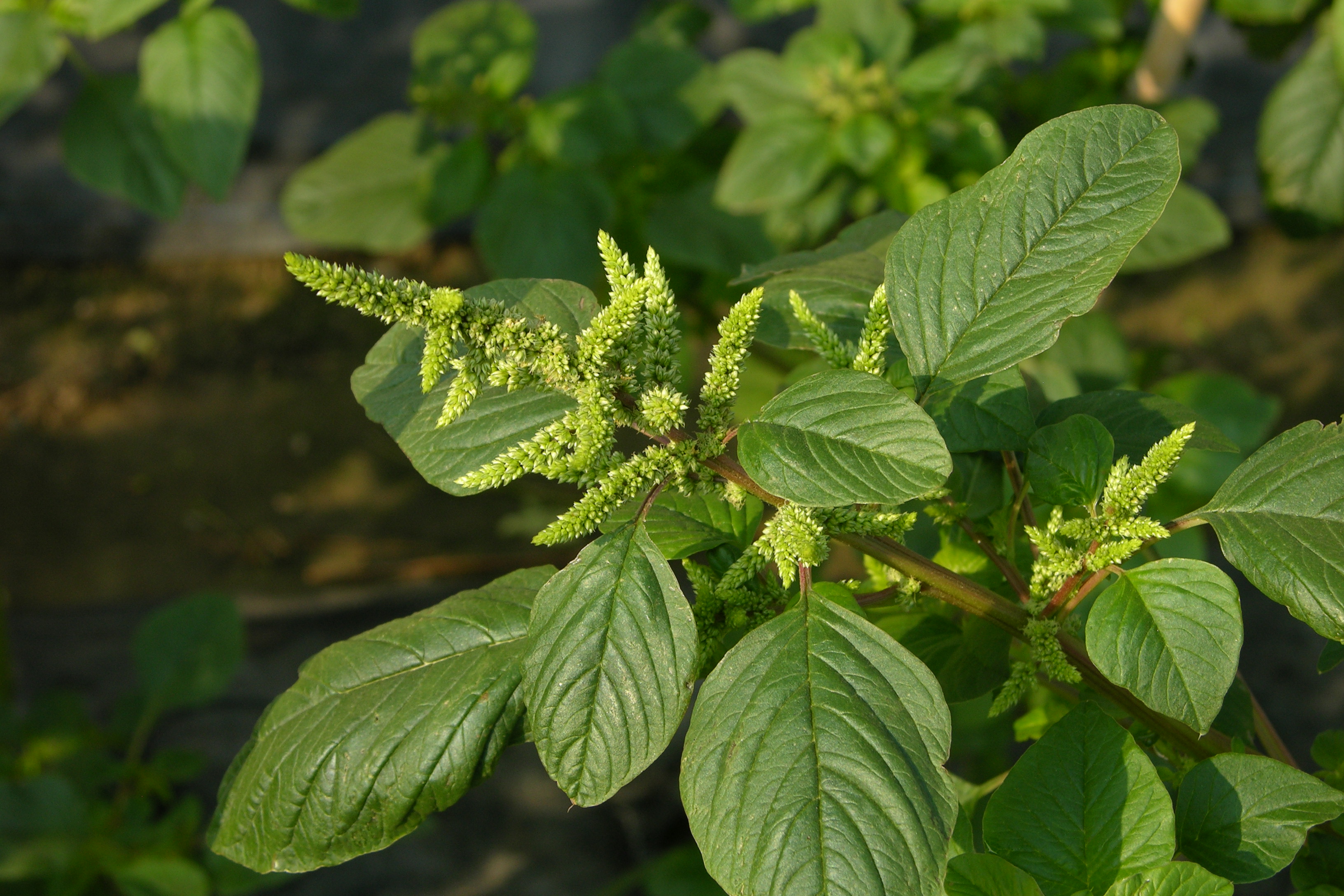
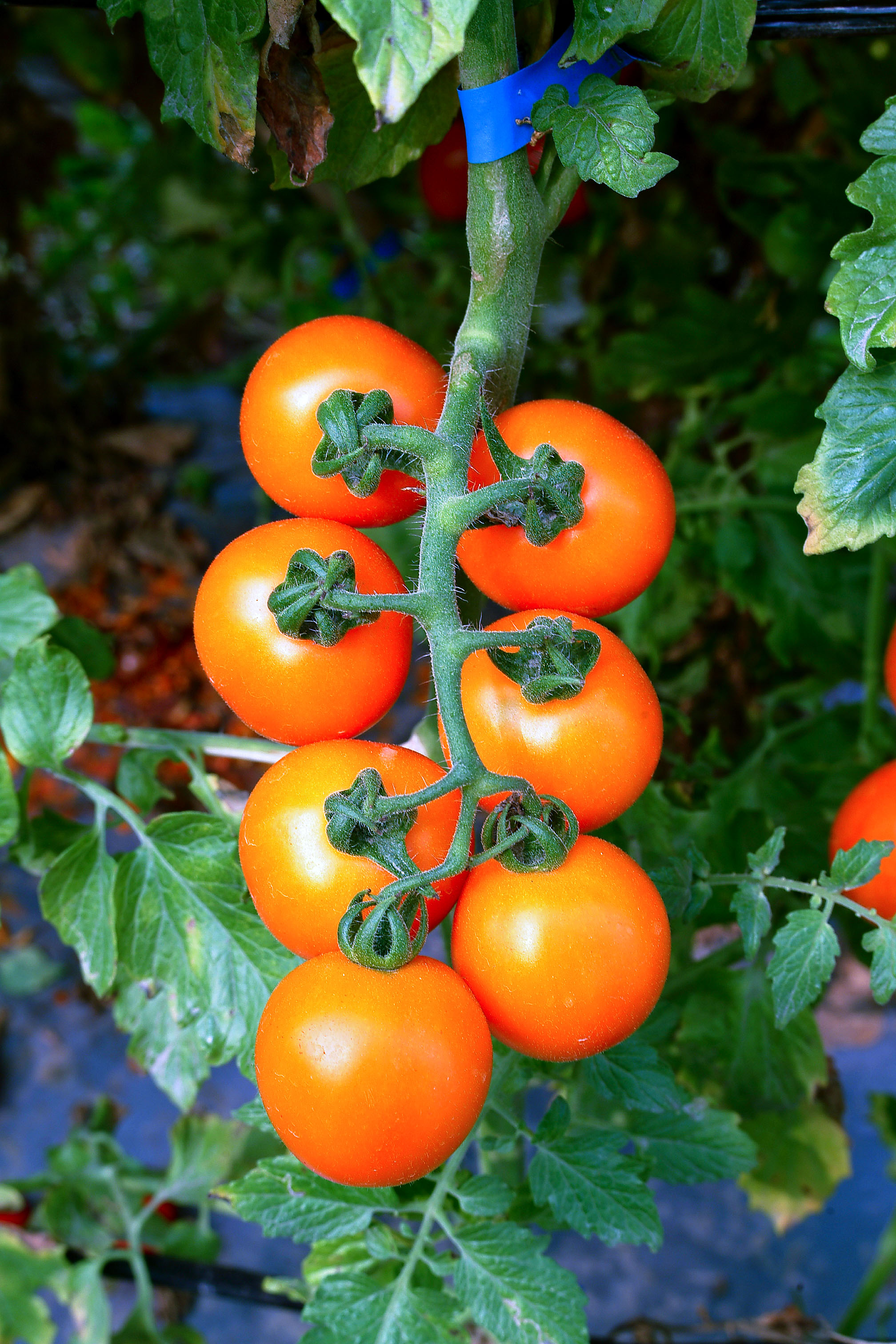

The use of vegetables as crops that are of high worth is important in the Sustainable Development Goals of the United Nations Development Program and the World Vegetable Center. The vegetables bred by the Center can be used in poorer areas, where they can serve as an important source of income and can help fight micronutrient deficiencies.
The Center's current crop portfolio focuses on several groups of globally important vegetables, according to the WorldVeg: :*solanaceous crops: (tomato, sweet pepper, chili pepper, eggplant) :*bulb alliums (onion, shallot, garlic) :*cucurbits (Cucurbitaceae): (cucumbers, pumpkins)
Indigenous or traditional vegetables, particularly those of Asia and Africa are another focus of research at the World Vegetable Center. Indigenous vegetables are domesticated or semi-wild vegetable crops that are grown in particular regions as an integral part of a local food system. Many of them are underutilized crops, particularly in regions where they are not native.
The Center has collaborated with the Global Crop Diversity Trust and Kew Gardens to study the domestication of eggplant.
The Center is believed to have the largest collection of chili peppers in the world. They have been engaged in research to find and breed climate change resistant chili pepper cultivars.
Climate change
According to the Public Broadcasting Service (PBS), "At the World Vegetable Center, experts are looking to the wild relatives of domesticated crops to save the human diet from climate change."
Germplasm collection
A collection of vegetable germplasm is kept at the World Vegetable Center, which is considered to have the largest and most diverse collection in the world. The collection itself contains more than 60,000 accessions of 442 different species collected from 156 countries.
AVGRIS, the WorldVeg Vegetable Genetic Resources Information System, provides access to all the Center's data associated with germplasm conservation and management, from registration, characterization, evaluation, and seed inventory to seed distribution.
A backup selection of the Center's germplasm collection is held at the Svalbard Global Seed Vault in Norway with the goal of a backup for the entire collection being in place by 2025.
References
References
- "Searca, WorldVeg partner for joint research to address nutrition security". BusinessMirror.
- [https://books.google.com/books?id=8NR12W1-B0IC&dq=%22World+Vegetable+Center%22&pg=PA416 ''Tomato Yellow Leaf Curl Virus Disease: Management, Molecular Biology, Breeding for Resistance''] by Henryk Czosnek, シュプリンガー・ジャパン株式会社, 2007, Pg. 417
- United Nations Development Programme [UNDP]. 2010. MDG Good Practices. Chapter 1: Poverty, Employment, and Hunger. pp. 74, 80, 95, 96, 105. http://www.undg-policynet.org/ext/MDG-Good-Practices/GP_chapter1_poverty.pdf
- "The World Vegetable Center is in Tainan". Taiwan Topics.
- "The Sweet Potato's Rise and Fall – And Rise Again". Taiwan Topics.
- "Cherry/high beta carotene tomato".
- United Nations Sustainable Development Goals Goal 2: End hunger, achieve food security and improved nutrition and promote sustainable agriculture. [https://www.un.org/sustainabledevelopment/hunger/]
- Weinberger KM, Lumpkin TA. 2005. Horticulture for Poverty Alleviation – The Unfunded Revolution. Available at SSRN: http://ssrn.com/abstract=781784
- [http://www.dfid.gov.uk/What-we-do/Research-and-evidence/case-studies/research-case-studies/2012/The-great-pyramid-Ty-tomatoes-resist-pests-and-diseases-/ The great pyramid: Ty tomatoes resist pests and diseases] [http://www.dfid.gov.uk/R4D/ R4D]
- "To Secure the Future of Food, Look to the Ancestors of Eggplant". www.pbs.org.
- (23 February 2016). "Kenyans Reacquire an Old Taste: Eating Healthier". Opinionator.
- New Agriculturalist. 2008. Making more of undervalued crops. http://www.new-ag.info/pov/views.php?a=426
- Vikram, [http://economictimes.indiatimes.com/articleshow/msid-2162920,flstry-1.cms "How green was my veggie"], [[The Economic Times]], June 30, 2007
- "To Secure the Future of Food, Look to the Ancestors of Eggplant". PBS.
- "The Quest to Save Chili Peppers". The New Yorker.
- "To Secure the Future of Food, Look to the Ancestors of Eggplant". www.pbs.org.
- "World vegetable center Strategic plan 2017-2025". Worldveg.
- Food and Agriculture Organization of the United Nations [FAO]. 2009. Draft Second Report on the State of the World’s Plant Genetic Resources for Food and Agriculture, p. 60. [[Commission on Genetic Resources for Food and Agriculture]]. ftp://ftp.fao.org/docrep/fao/meeting/017/ak528e.pdf
- International Innovation. 2014. "The need for dietary diversity." Issue 155. [http://digimag.internationalinnovation.com//launch.aspx?eid=d460c264-4719-4aad-ba28-435f8f3aaa39&pnum=48]
- [https://books.google.com/books?id=3XaXsVAZAwkC&dq=%22World+Vegetable+Center%22&pg=PA169 "Green inheritance: the WWF book of plants"] by Anthony Julian Huxley and Martin Walters, University of California Press, 2005, Pg. 169,
- [http://www.dfid.gov.uk/What-we-do/Research-and-evidence/case-studies/research-case-studies/2012/At-this-bank-for-vegetables-withdrawals-produce-interest-/%20 "At this bank for vegetables, withdrawals produce interest"] by [http://www.dfid.gov.uk/R4D/ R4D]
- [https://books.google.com/books?id=kBxGK0Dv7fgC&dq=%22World+Vegetable+Center%22&pg=PT19 "SINGER makes AVRDC's Information on Vegetable Genetic Diversity Available"], SGRP Annual Report 2004/2005 of the CGIAR System-wide Genetic Resources Programme by Bioversity International
- "Svalbard Global Seed Vault Welcomes New Additions". Seed World.
This article was imported from Wikipedia and is available under the Creative Commons Attribution-ShareAlike 4.0 License. Content has been adapted to SurfDoc format. Original contributors can be found on the article history page.
Ask Mako anything about World Vegetable Center — get instant answers, deeper analysis, and related topics.
Research with MakoFree with your Surf account
Create a free account to save articles, ask Mako questions, and organize your research.
Sign up freeThis content may have been generated or modified by AI. CloudSurf Software LLC is not responsible for the accuracy, completeness, or reliability of AI-generated content. Always verify important information from primary sources.
Report