From Surf Wiki (app.surf) — the open knowledge base
Water Kefir
Fermented drink
Fermented drink
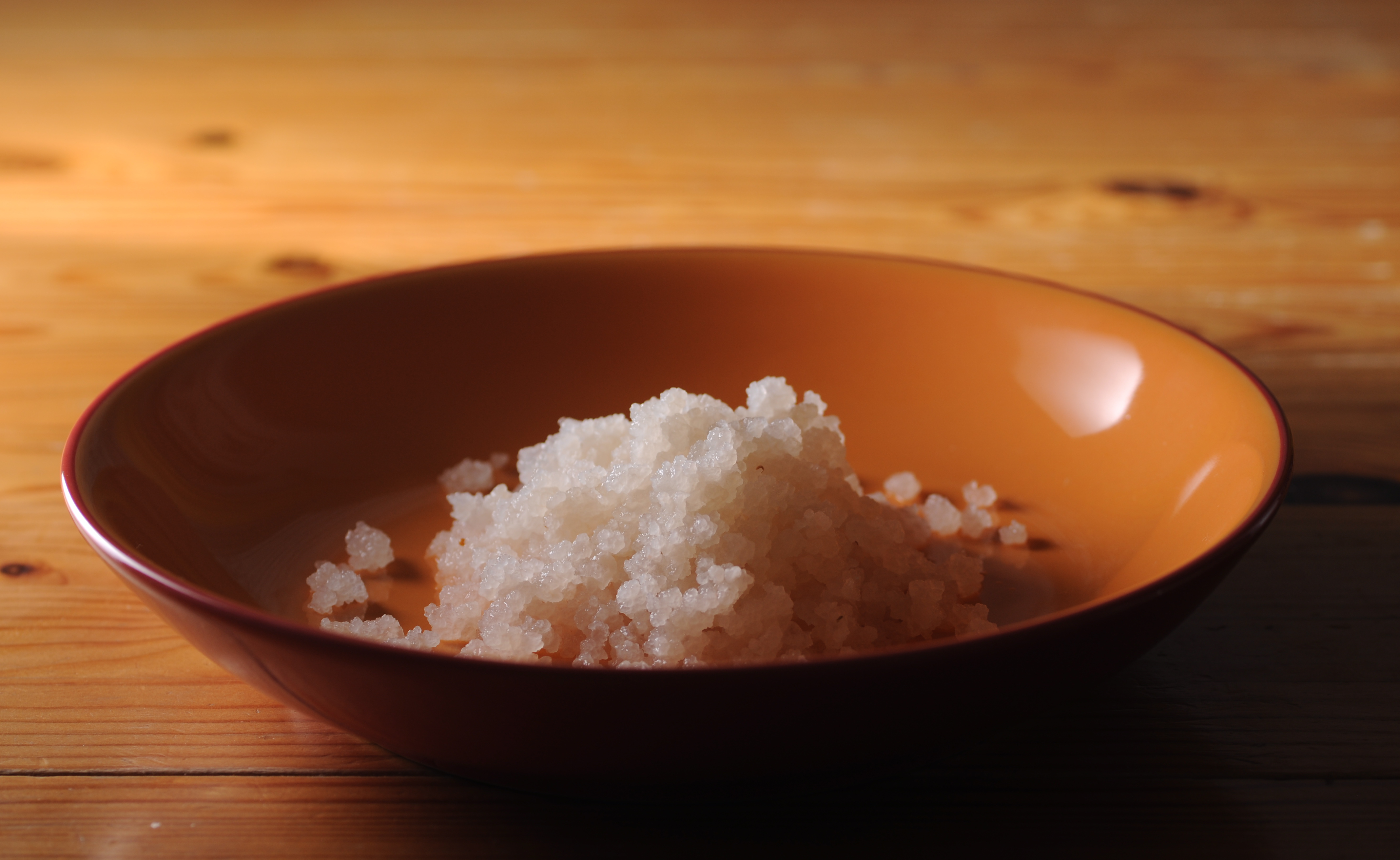
Water kefir, known as tibicos in Mexico, is a traditional fermented drink made with water and kefir grains held in a polysaccharide biofilm matrix created by the bacteria. It is sometimes consumed as an alternative to milk-based probiotic drinks or tea-cultured products such as kombucha. Water kefir is typically made as a probiotic homebrew beverage. The finished product, if bottled, will produce a carbonated beverage.
Origin
Water kefir are also known as tibicos, tibi, sugar kefir grains, sugary kefir grains, Japanese water crystals and California bees, and in older literature as bébées, African bees, Australian bees, ginger bees, vinegar bees, bees, Japanese beer seeds, beer seeds, beer plant, ale nuts, eternity grains, and Balm of Gilead. Pidoux in 1898 also identified the sugary kefir grains with the ginger beer plant. Different ingredients or hygienic conditions might also change the bacteriological composition possibly leading to the different names found in scientific literature.
The origin of kefir grains is not known exactly. In 1889, Martinus Beijerinck conjectured that the grains from the ginger beer plant were originally brought by the British soldiers while returning to their country from the Crimean War in 1855. This was later dismissed as unsubstantiated by Harry Marshall Ward in 1892 noting its real origins remain a mystery. As a different theory, Lutz (1899) reported "Tibi grains" which were plucked from the leaves of a Mexican cactus (Opuntia). These granules then could be reconstituted in a sugar-water solution for propagating the tibicos grains.
Ward was the first to publish an account of the composition of water kefir composition noting it as a "beverage containing a symbiotic mixture of yeast and bacteria, and containing sufficient amounts of nitrogenous organic matter and beet sugar or cane sugar in its aqueous solution". Another study found a similar tibicos culture made from bacteria cultured from known stocks with similar properties.
Tibicos are used to brew a variety of tepache known as tepache de tibicos. The ginger beer plant is also a form of water kefir. Kebler attests that they were used in Kentucky circa 1859 to brew a "home drink" and were referred to as "japanese beer seeds."
Cultures
Water kefir are found around the world, with no two being exactly the same; but typical water kefir have a mix of Lactobacillus, Streptococcus, Pediococcus and Leuconostoc bacteria, with yeasts from Saccharomyces, Candida, Kloeckera and possibly others. Lactobacillus brevis bacteria has been identified as the species responsible for the production of the dextran polysaccharide that forms the "grains".
As with milk kefir "grains", the microbes present in tibicos act in symbiosis to maintain a stable culture. Tibicos can do this in many different sugary liquids like coconut water, fruit juice or sugar mixed with water, feeding off the sugar to produce lactic acid, alcohol (ethanol), and carbon dioxide gas, which carbonates the drink.
Preparation
.jpg)
The basic preparation method is for tibicos to be added to a sugary liquid and fermented 24 to 48 hours. The water is kept at a room temperature range of 20-30 C. If the temperature is towards the upper end of this range, the fermentation period is shortened. A typical recipe might contain the tibicos culture, citrus/dried fruit, and water.
- 1 dried fig, halved
- 1/2 lemon
- 60 grams or 4 tablespoons of white sugar
- 1 litre (4 cups) of water
- 2 litre jar with lid
Method: dissolve the sugar in the water, add the juice of the lemon, the lemon half, and the fig. After mixing, drop in the tibicos and cover the jar. If the lid is on tightly, you get a carbonated drink; if loose, a still drink. Use caution when creating carbonated beverages in glass containers, as these can overcarbonate if left too long, resulting in bottle grenades. Carbonating at least one of your bottles in a plastic bottle will all you to safely judge when the bottles have carbonated fully and are ready to drink. Set the jar aside to ferment at room temperature for 24 to 48 hours. When finished, strain out the tibicos to add to the next batch.
Typical preparation: 1 liter of water 80 grams of sugar 10 grams of dried fruit (prunes, apples, etc) 100 grams of hydrated tibicos
--
For tibicos grains to grow, a certain water buffer capacity and/or calcium concentration are required. If necessary, buffer capacity can be improved by adding some hydrogen carbonate-rich mineral water.
Some ingredients will inhibit fermentation, such as chlorine in tap water or the sulfites used to preserve dried fruit. Additional precautions are taken to keep the cultures healthy. The use of reactive metals such as aluminium, copper, or zinc are minimised. The acidity of the solution will react with the metals forming metal ions, which could be potentially damaging to the culture. Instead, plastic, lead-free ceramic, or glass containers are commonly used. It is recommended to culture grains in a glass jar and use clean plastic or silicone utensils when handling the grains.
Researchers demonstrated antimicrobial activity during tibicos fermentation, using tibicos grains to ferment different sugar sources, namely, molasses, demerara sugar, and brown sugar. Brown sugar promoted the greatest antimicrobial activities, against the microorganisms Candida albicans, Salmonella typhi, Shigella sonnei, Staphylococcus aureus and Escherichia coli.
References
References
- (April 2014). "Microbial Species Diversity, Community Dynamics, and Metabolite Kinetics of Water Kefir Fermentation". Applied and Environmental Microbiology.
- (September 2017). "Microbiological, biochemical, and functional aspects of sugary kefir fermentation - A review". Food Microbiology.
- (1 January 1892). "The ginger-beer plant, and the organisms composing it: A contribution to the study of fermentation-yeasts and bacteria.". Philosophical Transactions of the Royal Society of London B.
- Lutz, L.. (1899). "Recherches biologiques sur la constitution du Tibi". Bull. Soc. Mycol. France.
- (8 January 2023). "An alternative source of probiotics: Water kefir". Food Frontiers.
- (November 1938). "A note on the dextran produced from sucrose by Betacoccus arabinosaceous haemolyticus". Biochem. J..
- (3 August 2017). "Traditional fermented beverages from Mexico as a potential probiotic source". Annals of Microbiology.
- Kebler, L. F.. (June 1921). "California bees.". J. Pharm. Sci..
- (December 1980). "The structural organization of the kefir grain as revealed by light, scanning and transmission microscopy". Archives of Microbiology.
- (June 1989). "The microbial flora of sugary kefir grain (the gingerbeer plant): biosynthesis of the grain from ''Lactobacillus hilgardii'' producing a polysaccharide gel". World Journal of Microbiology and Biotechnology.
- (23 June 2022). "Encouraging Water Kefir Grains to Multiply: 7 Tips for Happy & Healthy Grains".
- (11 July 2023). "The ultimate guide to water kefir".
- (13 December 2019). "The Buffer Capacity and Calcium Concentration of Water Influence the Microbial Species Diversity, Grain Growth, and Metabolite Production During Water Kefir Fermentation". Frontiers in Microbiology.
- (15 February 2016). "Efficacy and tolerability of hydrogen carbonate-rich water for heartburn". World Journal of Gastrointestinal Pathophysiology.
- (29 July 2008). "Antimicrobial Activity of Broth Fermented with Kefir Grains". Applied Biochemistry and Biotechnology.
This article was imported from Wikipedia and is available under the Creative Commons Attribution-ShareAlike 4.0 License. Content has been adapted to SurfDoc format. Original contributors can be found on the article history page.
Ask Mako anything about Water Kefir — get instant answers, deeper analysis, and related topics.
Research with MakoFree with your Surf account
Create a free account to save articles, ask Mako questions, and organize your research.
Sign up freeThis content may have been generated or modified by AI. CloudSurf Software LLC is not responsible for the accuracy, completeness, or reliability of AI-generated content. Always verify important information from primary sources.
Report