From Surf Wiki (app.surf) — the open knowledge base
Wanderlust
Strong desire to travel the world
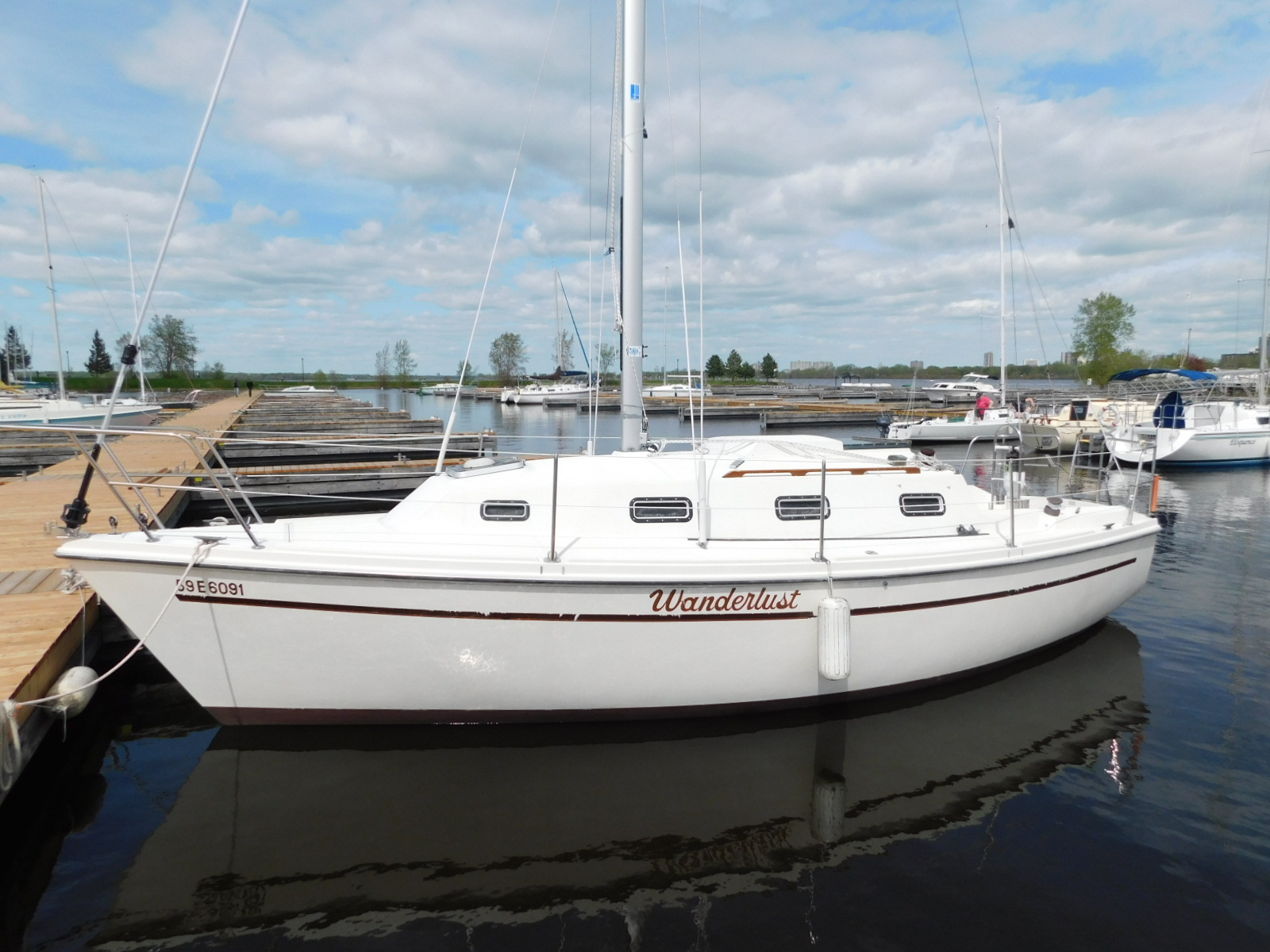
Strong desire to travel the world
Wanderlust is a strong desire to wander or travel and explore the world. The term has its roots in German Romanticism.
Etymology
The first documented use of the term in English occurred in 1902 as a reflection of what was then seen as a characteristically German predilection for wandering that may be traced back to German Romanticism and the German system of apprenticeship (the journeyman), as well as the custom of adolescent wanderings in search of unity with nature.
The term originates from the German words wandern ('to hike') and Lust ('desire'), literally translated as 'enjoyment of hiking', although it is commonly described as 'enjoyment of strolling, roaming about, or wandering'.
In recent years, the word Wanderlust is less commonly used in German, having been largely supplanted in the sense of 'desire to travel' by Fernweh ('a longing for far-away places'), coined as an antonym to Heimweh, 'homesickness', or 'travel fever' (Reisefieber).
Sociology
Robert E. Park in the early twentieth century saw wanderlust as in opposition to the values of status and organisation, while postmodernism would by contrast see it largely as playfully empowering.
In post-Enlightenment Europe, upper-class bachelors were encouraged to embark upon a Bildungsreise (roughly, 'cultural education journey'), often sightseeing trips to Italy or France.
Among tourists, sociologists distinguish sunlust from wanderlust as motivating forces – the former primarily seeking relaxation, the latter engagement with different cultural experiences.
Psychology
Wanderlust may reflect an intense urge for self-development by experiencing the unknown, confronting unforeseen challenges, getting to know unfamiliar cultures, ways of life and behaviours or may be driven by the desire to escape and leave behind depressive feelings of guilt, and has been linked to bipolar disorder in the periodicity of the attacks.
In adolescence, dissatisfaction with the restrictions of home and locality may also fuel the desire to travel.
References
References
- [http://www.etymonline.com/index.php?term=wanderlust Etymology of wanderlust] from [[Online Etymology Dictionary]]
- Erik H. Erikson, ''Childhood and Society'' (1973) p. 325
- (26 September 2023). "Definition of WANDERLUST".
- Robert E. Park; [[Ernest W. Burgess]] (1925). ''The City'', "Chapter IX – The Mind of the [[Hobo]]: Reflections upon the Relation Between Mentality and Locomotion". Heritage of Sociology Series, 1967, p. 158
- M. Trask, ''Cruising Modernism'' (2003) p. 3
- Piers Beirne. [https://books.google.com/books?id=u2K3ieKt22QC&dq=%22Robert+E.+Park+%22+wanderlust&pg=PA171 ''The Chicago School of Criminology 1914-1945: The gang''], p. 170-171.
- A. Ganser, ''Roads of Her Own'' (2009) p. 34
- P. Robinson, ''Tourism'' (2002) p. 196
- Otto Fenichel, ''The Psychoanalytic Theory of Neurosis'' (1946) p. 369
- S. Freud, ''On Metapsychology'' (PFL 11) p. 455
This article was imported from Wikipedia and is available under the Creative Commons Attribution-ShareAlike 4.0 License. Content has been adapted to SurfDoc format. Original contributors can be found on the article history page.
Ask Mako anything about Wanderlust — get instant answers, deeper analysis, and related topics.
Research with MakoFree with your Surf account
Create a free account to save articles, ask Mako questions, and organize your research.
Sign up freeThis content may have been generated or modified by AI. CloudSurf Software LLC is not responsible for the accuracy, completeness, or reliability of AI-generated content. Always verify important information from primary sources.
Report