From Surf Wiki (app.surf) — the open knowledge base
Viet people
Southeast Asian ethnic group

Southeast Asian ethnic group
| Field | Value | ||||||||
|---|---|---|---|---|---|---|---|---|---|
| group | Viet people / Kinh people | ||||||||
| *Viet* | |||||||||
| native_name | người Việt / người Kinh | ||||||||
| native_name_lang | vi | ||||||||
| image | Aodaicuacungdinh.jpg | ||||||||
| image_caption | Vietnamese women wearing áo Nhật Bình along with khăn vành dây. | ||||||||
| population | **89 million** | ||||||||
| region1 | Vietnam | ||||||||
| pop1 | 82,085,826 ([2019](2019-vietnamese-census)) | ||||||||
| ref1 | {{cite book | ||||||||
| author | General Statistics Office of Vietnam | year = 2019 | url = https://www.gso.gov.vn/wp-content/uploads/2019/12/Ket-qua-toan-bo-Tong-dieu-tra-dan-so-va-nha-o-2019.pdf | title = Kết quả Toàn bộ Tổng điều tra dân số và nhà ở năm 2019 (Completed Results of the 2019 Viet Nam Population and Housing Census) | publisher = Statistical Publishing House (Vietnam) | isbn= 978-604-75-1532-5 | archive-date = 10 January 2021 | archive-url = https://web.archive.org/web/20210110045640/https://www.gso.gov.vn/du-lieu-va-so-lieu-thong-ke/2020/11/ket-qua-toan-bo-tong-dieu-tra-dan-so-va-nha-o-nam-2019/ | url-status=live}} |
| region2 | United States | ||||||||
| pop2 | 2,347,344 (2023) | ||||||||
| ref2 | |||||||||
| region3 | Cambodia | ||||||||
| pop3 | 400,000–1,000,000 | ||||||||
| ref3 | |||||||||
| region4 | Japan | ||||||||
| pop4 | 660,483 (2025) | ||||||||
| ref4 | {{Cite web | date=10 October 2025 | title=令和7年6月末現在における在留外国人数について | trans-title=Number of foreign residents as of the end of June 2025 | |||||
| publisher | Immigration Services Agency | url=https://www.moj.go.jp/isa/publications/press/13_00057.html | access-date= 4 January 2026}} | ||||||
| region5 | France | ||||||||
| pop5 | 400,000 (2022) | ||||||||
| ref5 | |||||||||
| region6 | Australia | ||||||||
| pop6 | 334,781 ([2021](2021-australian-census)) | ||||||||
| ref6 | |||||||||
| region7 | Taiwan | ||||||||
| pop7 | 315,520 (2025) | ||||||||
| ref7 | {{efn | The number of Vietnamese nationals currently in Taiwan with a valid residence permit was 315,520 as of 30 November 2025 (187,479 males, 128,041 females). The number of Vietnamese nationals with a valid residence permit in Taiwan (including those currently not in Taiwan) was 340,583 as of 30 November 2025 (199,428 males, 141,155 females). The number of foreign spouses of Vietnamese origin in Taiwan was 125,380 as of November 2025 (4,650 males, 120,730 females). According to the Taiwanese Ministry of the Interior, between 1993 and 2021, 94,015 Vietnamese nationals became naturalized citizens in the Republic of China. It was also estimated that 70% of Vietnamese brides in Taiwan had obtained Taiwanese nationality as of 2014, with many renouncing Vietnamese citizenship in the process of naturalization, in accordance with Taiwanese law. | |||||||
| An estimated 200,000 children were born to Vietnamese mothers and Taiwanese fathers, according to a report by Voice of Vietnam in 2014.<ref>{{Cite news | date | 26 March 2014 | title=Những cô dâu dạy tiếng Việt ở xứ Đài | work=Voice of Vietnam | url=https://vov.vn/doi-song/nhung-co-dau-day-tieng-viet-o-xu-dai-317553.vov | url-status=live | access-date=29 May 2022 | archive-url=https://web.archive.org/web/20220529153903/https://vov.vn/doi-song/nhung-co-dau-day-tieng-viet-o-xu-dai-317553.vov | archive-date=29 May 2022}} According to Taiwanese Ministry of Education, in 2021, 105,237 children born to foreign spouses of Vietnamese origin were enrolled in educational institutions across Taiwan (4,601 in kindergartens, 23,719 in primary schools, 17,904 in secondary schools, 31,497 in high schools, and 27,516 in universities/colleges), a decrease of nearly 3,000 students compared to the previous year, which recorded a total of 108,037 students (5,168 in kindergartens, 25,752 in primary schools, 22,462 in secondary schools, 33,430 in high schools, and 21,225 in universities/colleges). }}–470,000 |
| region8 | South Korea | ||||||||
| pop8 | 285,165 (2024) | ||||||||
| ref8 | {{efn | According to a report released by the Ministry of the Interior and Safety, as of 2024, there were 285,165 Vietnamese nationals in South Korea (those without Korean nationality), including 61,762 foreign workers, 38,302 marriage immigrants, 88,622 international students, and 96,478 people classified as Others. Additionally, the report revealed that 58,007 Vietnamese individuals had acquired Korean nationality, and there were also 110,549 children born to parents of Vietnamese origin in South Korea.{{Cite news | date=31 October 2025 | title=2024 지방자치단체 외국인주민 현황('24.11.1. 기준) | |||||
| trans-title | 2024 Local Government Foreign Residents Statistics (as of 1 November 2024) | work=Ministry of the Interior and Safety (South Korea) | url=https://www.mois.go.kr/cmm/fms/FileDown.do?atchFileId=FILE_00139684aQyowqf&fileSn=0 | url-status=live | access-date=4 January 2026 | archive-url=https://web.archive.org/web/20260104141759/https://www.mois.go.kr/cmm/fms/FileDown.do?atchFileId=FILE_00139684aQyowqf&fileSn=0 | archive-date=4 January 2026}}}} | ||
| region9 | Canada | ||||||||
| pop9 | 275,530 ([2021](2021-canadian-census)) | ||||||||
| ref9 | |||||||||
| region10 | Germany | ||||||||
| pop10 | 226,000 (2025) | ||||||||
| ref10 | |||||||||
| region11 | Russia | ||||||||
| pop11 | 13,954 | ||||||||
| ref11 | –150,000 | ||||||||
| region12 | Thailand | ||||||||
| pop12 | 100,000 | ||||||||
| ref12 | –500,000 | ||||||||
| region13 | Laos | ||||||||
| pop13 | 100,000 | ||||||||
| ref13 | |||||||||
| region14 | United Kingdom | ||||||||
| pop14 | 90,000 | ||||||||
| ref14 | –100,000 | ||||||||
| region15 | Malaysia | ||||||||
| pop15 | 80,000 | ||||||||
| ref15 | |||||||||
| region16 | Czech Republic | ||||||||
| pop16 | 60,000–80,000 | ||||||||
| ref16 | |||||||||
| region17 | Poland | ||||||||
| pop17 | 40,000–50,000 | ||||||||
| ref17 | |||||||||
| region18 | Angola | ||||||||
| pop18 | 40,000 | ||||||||
| ref18 | |||||||||
| region19 | Mainland China | ||||||||
| pop19 | 42,000 | ||||||||
| ref19 | –303,000/33,112 ([2020](2020-chinese-census)) | ||||||||
| region20 | Norway | ||||||||
| pop20 | 28,114 (2022) | ||||||||
| ref20 | |||||||||
| region21 | Netherlands | ||||||||
| pop21 | 24,594 (2021) | ||||||||
| ref21 | |||||||||
| region22 | Sweden | ||||||||
| pop22 | 21,528 (2021) | ||||||||
| ref22 | |||||||||
| region23 | Macau | ||||||||
| pop23 | 20,000 (2018) | ||||||||
| ref23 | |||||||||
| region24 | United Arab Emirates | ||||||||
| pop24 | 20,000 | ||||||||
| ref24 | |||||||||
| region25 | Saudi Arabia | ||||||||
| pop25 | 20,000 | ||||||||
| ref25 | |||||||||
| region26 | Slovakia | ||||||||
| pop26 | 7,235–20,000 | ||||||||
| region27 | Denmark | ||||||||
| pop27 | 18,059 (2025) | ||||||||
| ref27 | |||||||||
| region28 | Singapore | ||||||||
| pop28 | 15,000 | ||||||||
| ref28 | |||||||||
| region29 | Belgium | ||||||||
| pop29 | 12,000–15,000 | ||||||||
| ref29 | |||||||||
| region30 | Finland | ||||||||
| pop30 | 13,291 (2021) | ||||||||
| ref30 | |||||||||
| region31 | Cyprus | ||||||||
| pop31 | 12,000 | ||||||||
| ref31 | |||||||||
| region32 | New Zealand | ||||||||
| pop32 | 10,086 (2018) | ||||||||
| ref32 | |||||||||
| region33 | Switzerland | ||||||||
| pop33 | 8,000 | ||||||||
| ref33 | |||||||||
| region34 | Hungary | ||||||||
| pop34 | 7,304 (2016) | ||||||||
| ref34 | |||||||||
| region35 | Ukraine | ||||||||
| pop35 | 7,000 | ||||||||
| ref35 | |||||||||
| region36 | Ireland | ||||||||
| pop36 | 5,000 | ||||||||
| ref36 | |||||||||
| region37 | Italy | ||||||||
| pop37 | 5,000 | ||||||||
| ref37 | |||||||||
| region38 | Austria | ||||||||
| pop38 | 5,000 | ||||||||
| ref38 | |||||||||
| region39 | Romania | ||||||||
| pop39 | 3,000 | ||||||||
| ref39 | |||||||||
| region40 | Bulgaria | ||||||||
| pop40 | 2,500 | ||||||||
| ref40 | |||||||||
| region41 | India | ||||||||
| pop41 | 1,000 (2020) | ||||||||
| ref41 | |||||||||
| region42 | Brazil | ||||||||
| pop42 | 958 (2024) | ||||||||
| ref42 | |||||||||
| languages | Vietnamese, Vietnamese sign languages | ||||||||
| religions | Predominantly Vietnamese folk religion syncretized with Mahayana Buddhism. Minorities of Christians (mostly Roman Catholics) and other groups. | ||||||||
| related | Other Vietic ethnic groups | ||||||||
| (Gin, Muong, Chứt, Thổ peoples) |
Viet
An estimated 200,000 children were born to Vietnamese mothers and Taiwanese fathers, according to a report by Voice of Vietnam in 2014. According to Taiwanese Ministry of Education, in 2021, 105,237 children born to foreign spouses of Vietnamese origin were enrolled in educational institutions across Taiwan (4,601 in kindergartens, 23,719 in primary schools, 17,904 in secondary schools, 31,497 in high schools, and 27,516 in universities/colleges), a decrease of nearly 3,000 students compared to the previous year, which recorded a total of 108,037 students (5,168 in kindergartens, 25,752 in primary schools, 22,462 in secondary schools, 33,430 in high schools, and 21,225 in universities/colleges). }}–470,000 |trans-title=2024 Local Government Foreign Residents Statistics (as of 1 November 2024)|work=Ministry of the Interior and Safety (South Korea) |url=https://www.mois.go.kr/cmm/fms/FileDown.do?atchFileId=FILE_00139684aQyowqf&fileSn=0 |url-status=live |access-date=4 January 2026 |archive-url=https://web.archive.org/web/20260104141759/https://www.mois.go.kr/cmm/fms/FileDown.do?atchFileId=FILE_00139684aQyowqf&fileSn=0 |archive-date=4 January 2026}}}} (Gin, Muong, Chứt, Thổ peoples)
The Kinh people (), also known as the Viet people (, ), are a Southeast Asian ethnic group native to modern-day northern Vietnam and southern China who speak Vietnamese, the most widely spoken Austroasiatic language.
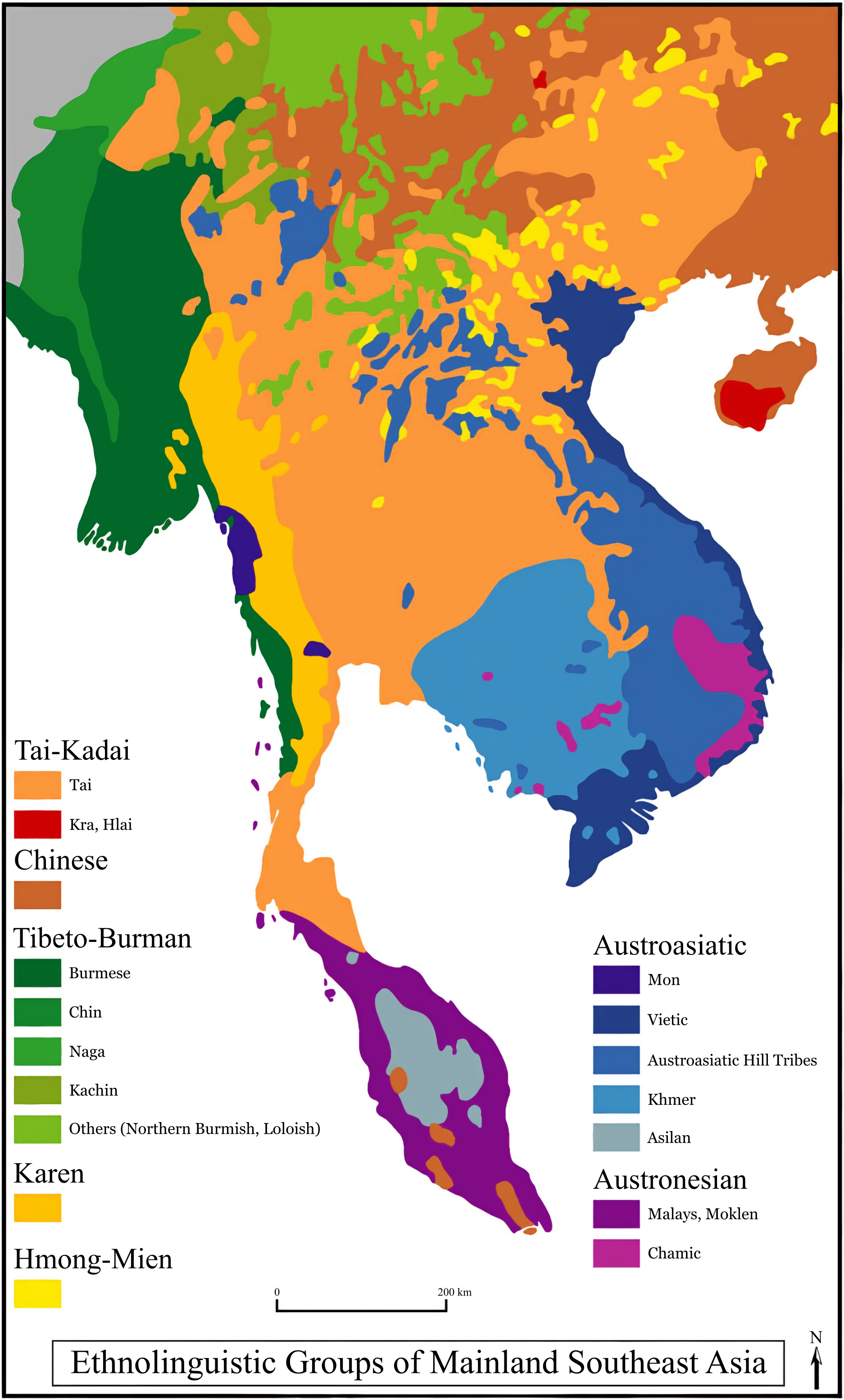
Vietnamese Kinh people account for 85.32% of the population of Vietnam in the 2019 census, and are officially designated and recognized as the Kinh people (người Kinh) to distinguish them from the other minority groups residing in the country such as the Hmong, Cham, or Mường. The Vietnamese are one of the four main groups of Vietic speakers in Vietnam, the others being the Mường, Thổ, and Chứt people. Diasporic descendants of the Vietnamese in China, known as the Gin people, are one of 56 ethnic groups officially recognized by the People's Republic of China, residing in the Guangxi Zhuang Autonomous Region.
Terminology
According to Churchman (2010), all endonyms and exonyms referring to the Vietnamese such as Việt (related to ancient Chinese geographical imagination), Kinh (related to medieval administrative designation), or Keeu and Kæw (derived from Jiāo 交, ancient Chinese toponym for Northern Vietnam, Old Chinese *kraw) by Kra–Dai speaking peoples, are related to political structures or have common origins in ancient Chinese geographical imagination. Most of the time, the Austroasiatic-speaking ancestors of the modern Kinh under one single ruler might have assumed for themselves a similar or identical social self-designation inherent in the modern Vietnamese first-person pronoun ta (us, we, I) to differentiate themselves with other groups. In the older colloquial usage, ta corresponded to "ours" as opposed to "theirs", and during colonial time they were "nước ta" (our country) and "tiếng ta" (our language) in contrast to "nước tây" (western countries) and "tiếng tây" (western languages).
Việt
The term "Việt" (Yue) () in Early Middle Chinese was first written using the logograph "戉" for an axe (a homophone), in oracle bone and bronze inscriptions of the late Shang dynasty ( BC), and later as "越".{{cite journal

Kinh
Beginning in the 10th and 11th centuries, a strand of Viet–Muong (northern Vietic language), with influence from a hypothetical Chinese dialect in northern Vietnam, dubbed as Annamese Middle Chinese, evolved into what is now the Vietnamese language. Its speakers called themselves the "Kinh" people, meaning people of the "metropolitan" centered around the Red River Delta with Hanoi as its capital. Historic and modern chữ Nôm scripture classically uses the Han character '京', pronounced "Jīng" in Mandarin, and "Kinh" with Sino-Vietnamese pronunciation. Other variants of Proto-Viet–Muong were driven from the lowlands by the Kinh and were called Trại (寨 Mandarin: Zhài), or "outpost" people", by the 13th century. These became the modern Mường people. According to Victor Lieberman, người Kinh (Chữ Nôm: 𠊛京) may be a colonial-era term for Vietnamese speakers inserted anachronistically into translations of pre-colonial documents, but literature on 18th century ethnic formation is lacking.
History
Origins and prehistoric period
According to the Vietnamese legend, The Tale of the Hồng Bàng Clan (Hồng Bàng thị truyện), written in the 15th century, the first Vietnamese were descended from the dragon lord Lạc Long Quân and the fairy Âu Cơ. They married and had one hundred eggs, from which hatched one hundred children. Their eldest son ruled as the Hùng king. The Hùng kings were claimed to be descended from the mythical figure Shennong/Thần Nông.
The earliest reference of the proto-Vietnamese in Chinese annals was the Lạc (Chinese: Luo), Lạc Việt, or the Dongsonian, an ancient tribal confederacy of perhaps polyglot Austroasiatic and Kra–Dai speakers who occupied the Red River Delta in northern Vietnam.
One hypothesis suggests that the forerunners of the ethnic Kinh descend from a subset of proto-Austroasiatic people in southern China, either around Yunnan, Lingnan, or the Yangtze River, as well as mainland Southeast Asia. These proto-Austroasiatics also diverged into Monic speakers, who settled further to the west, and the Khmeric speakers, who migrated further south. The Munda of northeastern India were another subset of proto-Austroasiatics who likely diverged earlier than the aforementioned groups, given the linguistic distance in basic vocabulary of the languages. Most archaeologists, linguists, and other specialists, such as Sinologists and crop experts, believe that they arrived no later than 2000 BC, bringing with them the practice of riverine agriculture and in particular, the cultivation of wet rice.
Some linguists, such as James Chamberlain and Joachim Schliesinger, have suggested that Vietic-speaking people migrated northwards from the North Central Region of Vietnam to the Red River Delta, which had originally been inhabited by Tai speakers. However, Michael Churchman found no records of population shifts in Jiaozhi (centered around the Red River Delta) in Chinese sources, indicating that a fairly stable population of Austroasiatic speakers, ancestral to modern Vietnamese, inhabited the delta during the Han-Tang periods.
Another theory, based upon linguistic diversity, locates the most probable homeland of the Vietic languages in modern-day Bolikhamsai Province and Khammouane Province in Laos as well as in parts of Nghệ An Province and Quảng Bình Province in Vietnam. In the 1930s, clusters of Vietic-speaking communities discovered in the hills of eastern Laos were believed to be the earliest inhabitants of that region.
But so far, many scholars link the origin of the Vietic languages to northern Vietnam, around the Red River Delta.
Michael Churchman, Tuong Vu, and Frederic Pain argue that a distinct Vietnamese identity or language did not exist in full prior to and during the Han-Tang period. Churchman states that during this period, the tribes in northern Vietnam and southern China did not have any kind of defined ethnic boundary and could not be described as "Vietnamese" (Kinh) in any satisfactory sense. Vu believes that a Han-Viet group existed that spoke both a Chinese dialect called "Annamese Middle Chinese" and Proto-Viet–Muong, but the inhabitants of the Red River Valley did not have a single identity or language. Pain also argues that Vietnamese cultural identity was the result of Chinese influence on native elements that fully emerged in the post-Chinese rule period during the Song dynasty. Thus, attempts to identify ethnic groups in ancient Vietnam are problematic and often inaccurate.
Ancient to early medieval period
The Đông Sơn culture was pioneered by the Lạc Việt peoples, who also founded the Văn Lang chiefdom, ruled by the semi-mythical Hùng kings. To the south of the Dongsonians/Lạc Việt was the Sa Huỳnh culture of the Austronesian Chamic people. Around 400–200 BC, the Lạc Việt interacted with the Âu Việt, a splinter group of Tai people from southern China, and Sinitic peoples from further north. According to a late-third- or early-fourth-century AD Chinese chronicle, Thục Phán, the leader of the Âu Việt, conquered Văn Lang and deposed the last Hùng king. Having submissions of Lạc lords, Thục Phán proclaimed himself King An Dương of Âu Lạc kingdom, uniting the Lạc Việt and Âu Việt tribes.
In 179 BC, Zhao Tuo, a Chinese general who established the Nanyue state in modern-day southern China, annexed Âu Lạc, which initiated Sino-Vietic interaction that lasted for a millennium. In 111 BC, the Han Empire conquered Nanyue, which also brought northern Vietnam under Han rule.
By the 7th century to 9th century AD, as the Tang Empire ruled over the region, historians such as Henri Maspero proposed that Vietnamese-speaking people became separated from other Vietic groups such as the Mường and Chứt due to heavier Chinese influences on the Vietnamese. In the mid-9th century, local rebels aided by Nanzhao almost ended Tang rule. The Tang reconquered the region in 866, causing half of the local rebels to flee into the mountains, marking the separation between the Mường and the Vietnamese.
According to Jennifer Holmgren, the first six centuries of Chinese rule saw more Vietnamization of local Chinese than Sinicization of local Vietnamese. Compared to the first six centuries of Chinese rule when demographics were relatively stable, Chinese migration during the Tang period was of sufficient magnitude to cause basic changes to certain portions of Vietnamese society in northern Vietnam. Most of these Chinese migrants came as soldiers or merchants, took a wife from the indigenous population, and settled down. They were individuals that settled down in a nuclear family, causing the average household size to decrease. Despite the increase of Chinese migrants to Vietnam, it was still much more constrained compared to Chinese migration to Guangdong and Guangxi due to the structure of Vietnamese society, which limited the ability of Chinese rulers to register and tax the local population. Vietnamese society retained their language and heritage. Other peoples like the Muong, Tay, and Nung people fled Chinese control into the uplands, where Chinese registers could not reach them. Non-Chinese foreign migration was also significant in the south due to pressures elsewhere such as the expanding Cham kingdom.
In 938, the Vietnamese leader Ngô Quyền who was a native of Thanh Hóa, led Vietnamese forces to defeat the Chinese armada at Bạch Đằng River. He proclaimed himself king over a polity that could be perceived as "Vietnamese".
Medieval and early modern period

Ngô Quyền died in 944 and his kingdom collapsed into chaos and disturbances between twelve warlords and chiefs. In 968, a leader named Đinh Bộ Lĩnh united them and established the Đại Việt (Great Việt) kingdom. With assistance of powerful Buddhist monks, Đinh Bộ Lĩnh chose Hoa Lư in the southern edge of the Red River Delta as the capital instead of Tang-era Đại La, adopted Chinese-style imperial titles, coinage, and ceremonies and tried to preserve the Chinese administrative framework. The independence of Đại Việt, according to Andrew Chittick, allows it "to develop its own distinctive political culture and ethnic consciousness". In 979, Emperor Đinh Tiên Hoàng was assassinated, and Queen Dương Vân Nga married Dinh's general Lê Hoàn and appointed him as Emperor. Disturbances in Đại Việt attracted attention from the neighbouring Chinese Song dynasty and Champa Kingdom, but they were defeated by Lê Hoàn. A Khmer inscription dated 987 records the arrival of Vietnamese merchants (Yuon) in Angkor. Chinese writers Song Hao, Fan Chengda and Zhou Qufei all reported that the inhabitants of Đại Việt "tattooed their foreheads, crossed feet, black teeth, bare feet and blacken clothing". The early 11th-century Cham inscription of Chiên Đàn, My Son, erected by king of Champa Harivarman IV (r. 1074–1080), mentions that he had offered Khmer (Kmīra/Kmir) and Viet (Yvan) prisoners as slaves to various local gods and temples of the citadel of Tralauṅ Svon. Many Kinh Vietnamese also lived in Champa and were well-assimilated, like other Austroasiatic groups living in the state.
Successive Vietnamese royal families from the Đinh, Early Lê, Lý, Trần and Hồ dynasties, who had Hoa/Chinese ancestry, ruled the kingdom peacefully from 968 to 1407. Emperor Lý Thái Tổ (r. 1009–1028) relocated the Vietnamese capital from Hoa Lư to Đại La, the center of the Red River Delta in 1010. They practiced elitist marriage alliances between clans and nobles in the country. Mahayana Buddhism became state religion, with Cham, Indian and Chinese cultures influencing Vietnamese music instruments, dance and religious worship. Confucianism also slowly gained attention and influence. The earliest surviving corpus and text in the Vietnamese language were dated to the early 12th century whilst surviving chữ Nôm script inscriptions were dated to the early 13th century, showcasing enormous influences of Chinese culture among the early Vietnamese elites.
The Mongol Yuan dynasty unsuccessfully invaded Đại Việt in the 1250s and 1280s, though they sacked Hanoi. The Ming dynasty of China conquered Đại Việt in 1406, brought the Vietnamese under Chinese rule for 20 years, before they were driven out by Vietnamese leader Lê Lợi. The fourth grandson of Lê Lợi, Emperor Lê Thánh Tông (r. 1460–1497), is considered one of the greatest monarchs in Vietnamese history. His reign is recognized for the extensive administrative, military, education, and fiscal reforms he instituted, and a cultural revolution that replaced the old traditional aristocracy with a generation of literati scholars. He also adopted Confucianism and transformed Đại Việt from a Southeast Asian style polity to a bureaucratic state that flourished. Thánh Tông's forces, armed with gunpowder weapons, overwhelmed the long-term rival Champa in 1471 and launched an unsuccessful invasion against the Laotian and Lan Na kingdoms in the 1480s.
16th century – Modern period

With the death of Thánh Tông in 1497, the Đại Việt kingdom swiftly declined. Extreme climate, failing crops, regionalism and factionism tore the Vietnamese apart. From 1533 to 1790s, four powerful Vietnamese families – Mạc, Lê, Trịnh and Nguyễn – each ruled their own domains. In the northern Vietnamese polity of Đàng Ngoài (outer realm), the Lê emperors barely sat on the throne while the Trịnh lords held power of the court. The Mạc controlled northeast Vietnam. The Nguyễn lords ruled the southern polity of Đàng Trong (inner realm). Thousands of ethnic Vietnamese migrated south and settled on the old Cham lands, with Cham inhabitants assimilating into the new Vietnamese state. Vietnamese also settled in the highlands of Vietnam and intermixed with the natives over centuries. European missionaries and traders from the sixteenth century brought new religion, ideas and crops to the Vietnamese (Annamese). By 1639, there were 82,500 Catholic converts throughout Vietnam. In 1651, Alexandre de Rhodes published a 300-pages catechism in Latin and romanized-Vietnamese (chữ Quốc Ngữ) or the Vietnamese alphabet.
Conflict among Vietnamese ended in 1802 as Emperor Gia Long, who was aided by French mercenaries, defeated the Tay Son kingdoms and reunited Vietnam. By 1847, the Vietnamese state under Emperor Thiệu Trị, a people that were identified as "người Việt Nam" accounted for nearly 80 percent of the country's population. This demographic model continues to persist through the French Indochina, Japanese occupation and modern day.
Between 1862 and 1867, the southern third of the country became the French colony of Cochinchina. By 1884, the entire country had come under French rule, with the central and northern parts of Vietnam separated into the two protectorates of Annam and Tonkin. The three Vietnamese entities were formally integrated into the union of French Indochina in 1887. The French administration imposed significant political and cultural changes on Vietnamese society. A Western-style system of modern education introduced new humanist values into Vietnam.
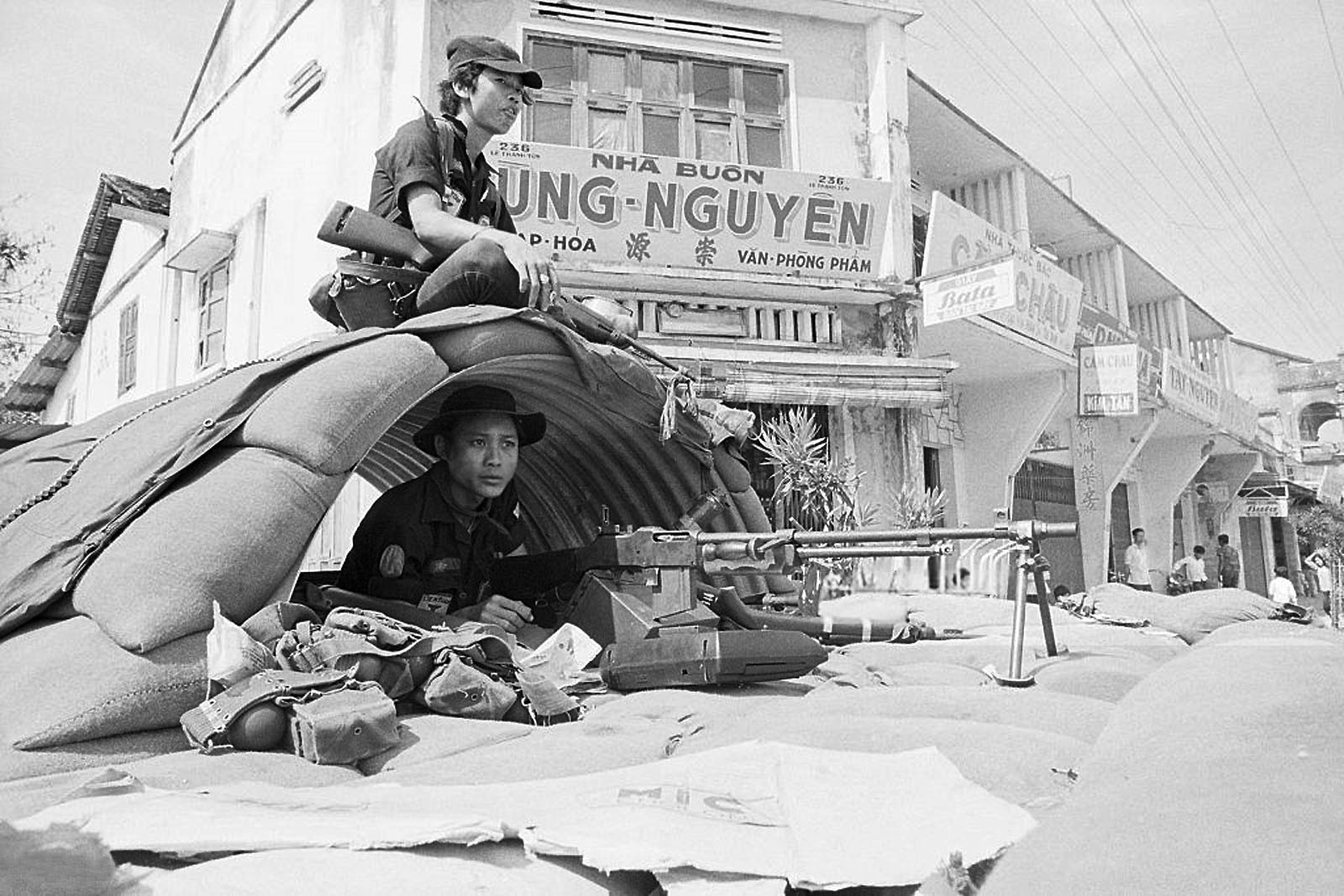
Despite having a long recorded ethnic history, the formation of the ethnic Vietnamese or Kinh identity, only begun by the late 19th and early 20th century, with the help of the colonial administration. Following the colonial government's efforts of ethnic classification, nationalism, especially ethnonationalism and eugenic social Darwinism, were encouraged among the new Vietnamese intelligentsia's discourse. Ethnic tensions sparked by Vietnamese ethnonationalism peaked during the late 1940s at the beginning phase of the First Indochina War (1946–1954), which resulted in violence between Khmer and Vietnamese in the Mekong Delta.
The mid-20th century marked a pivotal turning point with the Vietnam War, a conflict that not only left an indelible impact on the nation but also had far-reaching consequences for the Vietnamese people. The war, which lasted from 1955 to 1975, resulted in significant social, economic, and political upheavals, shaping the modern history of Vietnam and its people. Following the end of the Vietnam War in 1975, the post-war era brought economic hardships and strained social dynamics, prompting resilient efforts at reconstruction, reconciliation, and the implementation of economic reforms such as the Đổi Mới policies in the late 20th century.
Genetics
Several studies show close genetic affinities between the Kinh Vietnamese and Thais or Kra–Dai peoples, especially Dai people. Like Kra–Dai groups from mainland China, the Kinh possess "genetic characteristics of the Baiyue lineage." There's also evidence that the Kinh diverged from the Hlai, who have the most enriched Baiyue ancestry among Kra–Dai groups, much earlier than the Dai diverged from Hlai.
According to some studies, the Kinh can be modeled as having received genetic contributions from a sister lineage to the ancestors of Southern Chinese groups, as well as minor genetic contributions from a lineage related to Laotians, Malays (i.e. Proto-Malay, Negrito, and Bidayut) and Thais (i.e. Mlabri and H'tin). Gene flow between Khmers and Kinh is unidirectional with more evidence of Kinh contributing to the Khmer genome than vice versa. Likewise, there is no evidence of Chams contributing to the Kinh genome from the Nam Tiến conquests. However, intermarriages between well-assimilated Kinh and Chams in the preceding Champa kingdom led to the sharing of mtDNA haplotypes between present Kinh and Chams. Among ancient populations, Kinh Vietnamese are the closest to Núi Nấp and Vat Komnou populations although the latter most likely reflects shared East Asian ancestry. They likewise show some affinities with hunter-gatherers from the Con Co Ngua site in Thanh Hoa, Vietnam about 6.2 k cal BP, who were phenotypically closer to Late Pleistocene Southeast Asians and modern Melanesians and Aboriginal Australians. Like other Vietnamese populations, except for local Austronesian groups, the Kinh Vietnamese are also closely related to Hon Hai Co Tien and Kinabatagan populations. However, Hoabinhian affinities are not found in Kinabatagan populations compared to Hon Hai Co Tien populations.
The majority of the Kinh belong to maternal haplogroups M (39%) and N (61%). In particular, M's subhaplogroup of Haplogroup D (22%) and M7 (20%) and N's subhaplogroups of R9'F (27%) and Haplogroup B (25%) are common. In northern Vietnam, haplogroups, A, B4, F1a and G are common. Haplogroups A and C are particularly common in northwest Vietnam, with haplogroups M and M7 peaking in northeast Vietnam and settlements near the Gulf of Tonkin. Haplogroup M71 also peaks in central Vietnam. In contrast, haplogroups M and M7 are quite rare for northwest Vietnam and far south Vietnam, near the Mekong Delta. In southern Vietnam, haplogroups D (9%) and N peak (67%) and to an extent, R9'F (29%). R9'F is instead more common in the Red River Delta (32-36%), followed by central (21%) and northwest Vietnam (16%).
Meanwhile, common paternal haplogroups for Vietnamese are O1a1a2, O1b1a1a and N4-F2930.
Religions
Main article: Religion in Vietnam
According to the 2019 census, the religious demographics of Vietnam are as follows:
- 86.32% Vietnamese folk religion or unaffiliated
- 6.1% Catholicism
- 4.79% Buddhism (mainly Mahayana)
- 1.02% Hoahaoism
- 1% Protestantism
- 0.77 Others It is worth noting here that the data is highly skewed, as a large majority of Vietnamese nationals may be unaffiliated with any religion, yet practice forms of traditional folk religion or Mahayana Buddhism. Vietnamese folk religion is not an organized religious system, but a set of local worship traditions devoted to the "thần", a term which can be translated as "spirits", "Gods" or with the more exhaustive locution "generative powers". These Gods can be nature deities or national, community or kinship tutelary deities or ancestral Gods and the ancestral Gods of a specific family. Ancestral Gods are often deified heroic persons. Vietnamese mythology preserves narratives telling of the actions of many of the cosmic Gods and cultural heroes.
Estimates for the year 2010 published by the Pew–Templeton Global Religious Futures Project:
- Vietnamese folk religion, 45.3%
- Unaffiliated, 29.6%
- Buddhism, 16.4%
- Christianity, 8.2%
- Other, 0.5%
Diaspora
Main article: Overseas Vietnamese
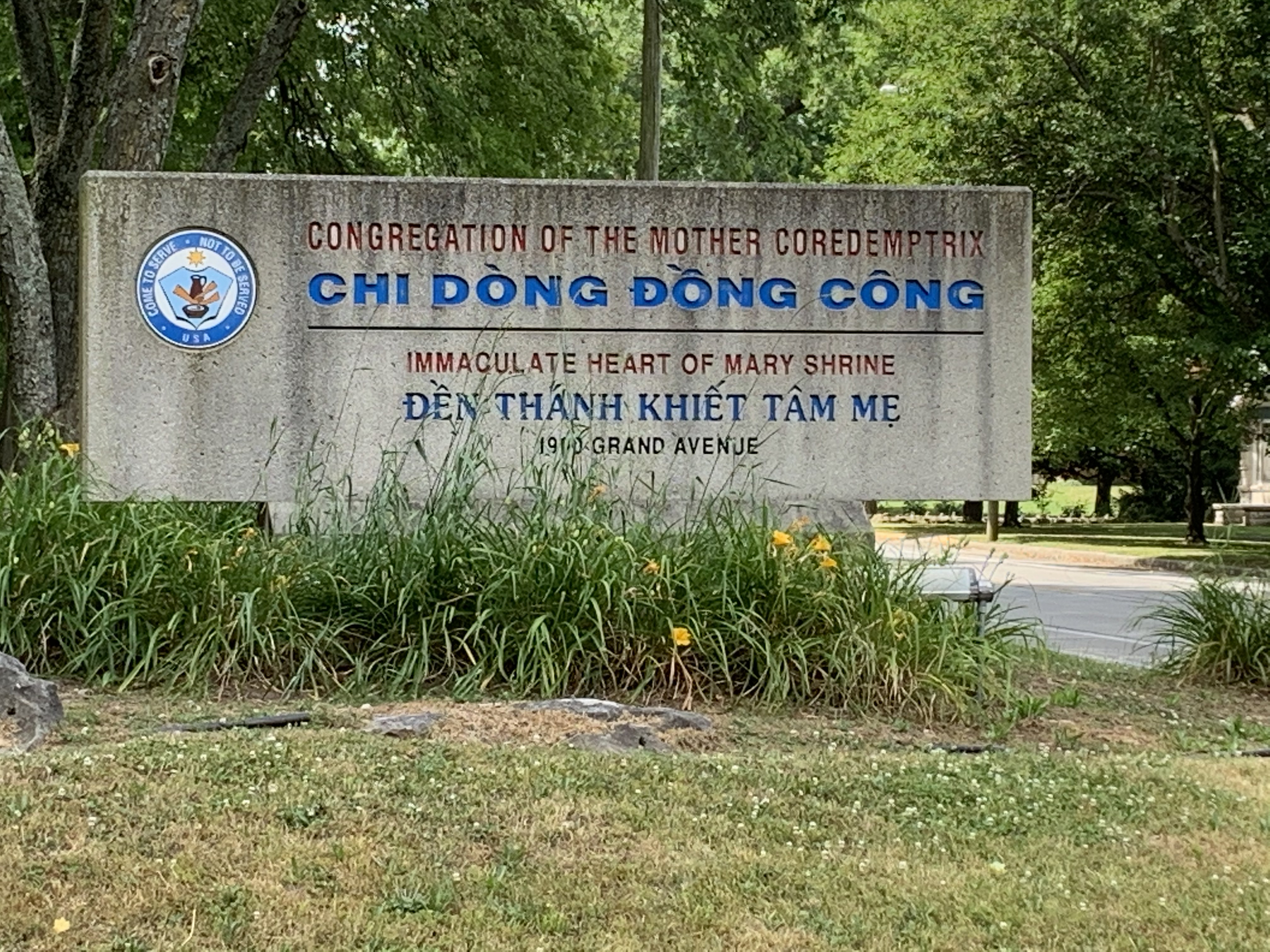
Beginning around the sixteenth century, groups of Vietnamese migrated to Cambodia and China for commerce and political purposes. Descendants of Vietnamese migrants in China form the Gin ethnic group in the country and primarily reside in and around Guangxi Province. Vietnamese form the largest ethnic minority group in Cambodia, at 5% of the population. Under the Khmer Rouge, they were heavily persecuted and survivors of the regime largely fled to Vietnam.
During French colonialism, Vietnam was regarded as the most important colony in Asia by the French colonial powers, and the Vietnamese had a higher social standing than other ethnic groups in French Indochina. As a result, educated Vietnamese were often trained to be placed in colonial government positions in the other Asian French colonies of Laos and Cambodia rather than locals of the respective colonies. There was also a significant representation of Vietnamese students in France during this period, primarily consisting of members of the elite class. A large number of Vietnamese also migrated to France as workers, especially during World War I and World War II, when France recruited soldiers and locals of its colonies to help with war efforts in metropolitan France. The wave of migrants to France during World War I formed the first major presence of the Vietnamese in France and the Western world.
When Vietnam gained its independence from France in 1954, a number of Vietnamese loyal to the colonial government also migrated to France. During the partition of Vietnam into North and South, a number of South Vietnamese students also arrived to study in France, along with individuals involved in commerce for trade with France, which was a principal economic partner with South Vietnam.
Forced repatriation in 1970 and deaths during the Khmer Rouge era reduced the Vietnamese population in Cambodia from between 250,000 and 300,000 in 1969 to a reported 56,000 in 1984.
The fall of Saigon and end of the Vietnam War prompted the start of the Vietnamese diaspora, which saw millions of Vietnamese fleeing the country from the new communist regime. Recognizing an international humanitarian crisis, many countries accepted Vietnamese refugees, primarily the United States, France, Australia and Canada. Meanwhile, under the new communist regime, tens of thousands of Vietnamese were sent to work or study in Eastern Bloc countries of Central and Eastern Europe as development aid to the Vietnamese government and for migrants to acquire skills that were to be brought home to help with development.
Notes
References
Bibliography
Books
Journal articles and theses
Web sources
References
- (2022). "Asian Alone or in Combination With One or More Other Races, and With One or More Asian Categories for Selected Groups". [[United States Department of Commerce]].
- Mauk, Ben. (28 March 2018). "A People in Limbo, Many Living Entirely on the Water". [[The New York Times]].
- [https://lecourrier.vn/pour-le-succes-du-riz-vietnamien-dans-sa-conquete-du-marche-francais/1062031.html Pour le succès du riz vietnamien dans sa conquête du marché français], ''[[Le Courrier du Vietnam]]'', 7 September 2022 (in French)
- "2021 Census Community Profiles".
- (30 November 2025). link
- (November 2025). link
- "國籍之歸化取得人數".
- (24 January 2014). "Cô dâu Việt ở Đài Loan và muôn nẻo kiếm tìm hạnh phúc". [[Voice of Vietnam]].
- McKinsey, Kitty. (14 February 2007). "Divorce leaves some Vietnamese women broken-hearted and stateless". [[United Nations High Commissioner for Refugees]].
- (26 March 2014). "Những cô dâu dạy tiếng Việt ở xứ Đài". [[Voice of Vietnam]].
- "110 學年度 各級學校新住民子女就學概況". Department of Statistics – Ministry of Education, Taiwan.
- "109 學年度 各級學校新住民子女就學概況". Department of Statistics – Ministry of Education, Taiwan.
- Nguyen, Rosie. (19 August 2022). "Vietnamese Culture Promoted in Taiwan". [[:vi:Liên hiệp các tổ chức Hữu nghị Việt Nam.
- Nguyễn, Lucy. (20 February 2017). "Lao động Việt ở Đài Loan: Nhọc nhằn đổi giọt mồ hôi". [[Thanh Niên]].
- (9 February 2022). "Census Profile, 2021 Census of Population". [[Statistics Canada]].
- (19 May 2025). "Bevölkerung in Privathaushalten nach Migrationshintergrund im weiteren Sinn nach ausgewählten Geburtsstaaten". Federal Statistical Office of Germany (Statistisches Bundesamt).
- "Национальный состав населения по субъектам Российской Федерации".
- (2019). "Money and Moralities in Contemporary Asia". Amsterdam University Press.
- Đình Nam. (22 May 2022). "Phó Thủ tướng Vũ Đức Đam gặp gỡ cộng đồng người Việt tại Thái Lan". Báo điện tử Chính phủ.
- (25 August 2019). "Chủ tịch Quốc hội gặp gỡ cộng đồng người Việt Nam tại Thái Lan". Communist Party of Vietnam Online Newspaper.
- Xuân Nguyên. (25 November 2015). "Người Việt bán hàng rong ở Thái Lan". Radio Free Asia.
- (10 August 2021). "Chủ tịch nước thăm cộng đồng người Việt tại Lào". [[Voice of Vietnam]].
- (31 December 2021). "Differentiated embedding among the Vietnamese refugees in London and the UK: fragmentation, complexity, and 'in/visibility'". Journal of Ethnic and Migration Studies.
- (1 November 2021). "PM meets Vietnamese community in UK". VietnamPlus.
- "Vietnam who after 30 years in the UK".
- (16 March 2015). "Viet Nam, Malaysia's trade unions ink agreement to strengthen protection of migrant workers". [[International Labour Organization]].
- (27 April 2019). "Vietnamese migrants are thriving in Poland and the Czech Republic". [[The Economist]].
- Lý Hà. (11 June 2019). "Lời cảnh tỉnh cho người xuất khẩu lao động". Báo Công an Nhân dân.
- (12 March 2016). "Phần lớn lao động Việt Nam tại Angola hiện nay là trái phép". [[Vietnam Television]].
- Hà Văn. (25 June 2023). "Thủ tướng thăm Đại sứ quán và gặp gỡ cộng đồng người Việt Nam tại Trung Quốc". Báo điện tử Chính phủ.
- Hẳng. (26 June 2023). "Thủ tướng: 42.000 người Việt Nam ở Trung Quốc là cầu nối hữu nghị giữa hai nước". Vietnamnet.
- (7 February 2022). "Kiều hối về Việt Nam nhiều cỡ nào?". [[VnExpress]].
- "2–22. Population by ethnic groups and gender". [[National Bureau of Statistics of China]].
- (7 March 2022). "Immigrants and Norwegian-born to immigrant parents".
- "Population; sex, age, migration background and generation, 1 January". Statistics Netherlands.
- "Population by country of birth and year".
- (6 January 2018). "Việt Nam opens consulate office in China's Macau". VietNamNews.
- "Embassy of the UAE in Hanoi » Vietnam – UAE Relations-Bilateral relations between UAE – Vietnam".
- "Cộng Đồng Người Việt Nam ở Ả-Rập Xê-Út Mừng Xuân Ất Mùi – 2015".
- (3 January 2020). "Người trong cuộc kể lại cuộc sống "như nô lệ" của lao động Việt ở Ả Rập Saudi".
- (25 September 2018). "Tình cảnh 'Ô-sin' Việt ở Saudi: bị bóc lột, bỏ đói".
- Dlhopolec, Peter. (3 March 2022). "The Vietnamese campaign for their rights: "We belong here"". The Slovak Spectator.
- Rédli, Erik. (28 July 2015). "Slovakia's 'invisible minority' counters migration fears". The Slovak Spectator.
- (11 August 2025). "National statistics of Denmark". statistikbanken.dk.
- (21 July 2021). "Vice activities by some Vietnamese in Singapore not representative of residents here: Embassy official". [[CNA (TV network)]].
- Hoàng Hải. (22 May 2019). "Người Việt ở Bỉ và Đảng cộng sản kiểu mới, trẻ và hiện đại". BBC.
- "StatFin".
- (4 March 2015). "Vietnamese in Cyprus, Laos celebrate traditional New Year". VietnamPlus.
- (18 September 2015). "Deputy FM meets Vietnamese nationals in Cyprus". [[Nhân Dân]].
- "2018 Census ethnic groups dataset {{pipe}} Stats NZ".
- (4 May 2020). "Vietnamese community in Switzerland support fight against coronavirus". VietNamNews.
- Vukovich, Gabriella. (2018). "Mikrocenzus 2016 – 12. Nemzetiségi adatok". Hungarian Central Statistical Office.
- (2022). "Hành trình trở về của người Việt tại Ukraine". [[Nhân Dân]].
- H. Chi. (3 March 2022). "Nỗ lực tối đa bảo hộ công dân Việt Nam ở Ukraine". Báo Công an Nhân dân.
- Khánh Lan. (25 May 2022). "Thúc đẩy quan hệ hợp tác trên nhiều mặt giữa Việt Nam và Ailen". Báo điện tử Đảng Cộng sản.
- (27 March 2020). "Người Việt tại tâm dịch của Italia". [[Voice of Vietnam]].
- (23 February 2020). "Truyền "ngọn lửa" văn hóa cho thế hệ trẻ người Việt tại Áo".
- (13 August 2018). "Cộng đồng người Việt tại Áo luôn hướng về Tổ quốc". Báo Quân đội Nhân dân.
- (21 March 2019). "Condiții inumane pentru muncitorii vietnamezi din România". Digi24.
- (13 March 2019). "Lấy quốc tịch Châu Âu thông qua con đường Bulgaria". [[Tuổi Trẻ]].
- (10 February 2014). "Immigrant and Emigrant Populations by Country of Origin and Destination".
- [https://www.nepo.unicamp.br/observatorio/bancointerativo/numeros-imigracao-internacional/sincre-sismigra/ Immigrants in Brazil (2024, in Portuguese)]
- [[Pew Research Center]]: ''[http://www.pewforum.org/global-religious-landscape.aspx The Global Religious Landscape 2010] {{Webarchive. link. (19 July 2013 ''.)
- (1 April 2013). "Viet people – the majority ethnic group of Vietnam". [[Voice of Vietnam]].
- Meacham, William. (1996). "Defining the Hundred Yue". Bulletin of the Indo-Pacific Prehistory Association.
- Theobald, Ulrich. (2018). "Shang Dynasty – Political History".
- (2000). "The Annals of Lü Buwei". Stanford University Press.
- ''Lüshi Chunqiu'' "Examination on Relying on Rulers" [https://ctext.org/lv-shi-chun-qiu/shi-jun "Relying on Rulers"] text: "揚、漢之南,'''百越'''之際,敝凱諸、夫風、餘靡之地,縛婁、陽禺、驩兜之國,多無君" translation: South of the [[Yangtze. Yang]] and [[Han River (Hubei). Han]] rivers, among the '''Hundred Yuè''', the lands of Bikaizhu, Fufeng, Yumi, the nations of Fulou, Yang'ou, Huandou, most had no rulers"
- Phan, John. (2010). "Re-Imagining "Annam": A New Analysis of Sino–Viet–Muong Linguistic Contact". Chinese Southern Diaspora Studies.
- (10 February 2017). "Viet Nam: A History from Earliest Times to the Present". Oxford University Press.
- (2021). "Vietnam at the Vanguard: New Perspectives Across Time, Space, and Community". Springer Singapore.
- Blench, Roger. 2018. [https://evols.library.manoa.hawaii.edu/bitstream/10524/52438/3/JSEALS_Special_Publication_3.pdf Waterworld: lexical evidence for aquatic subsistence strategies in Austroasiatic]. In ''Papers from the Seventh International Conference on Austroasiatic Linguistics'', 174–193. Journal of the Southeast Asian Linguistics Society Special Publication No. 3. University of Hawai{{okinai Press.
- Blench, Roger. 2017. ''[http://www.rogerblench.info/Language/Austroasiatic/Waterworld.pdf Waterworld: lexical evidence for aquatic subsistence strategies in Austroasiatic]''. Presented at ICAAL 7, Kiel, Germany.
- Sidwell, Paul. 2015b. ''Phylogeny, innovations, and correlations in the prehistory of Austroasiatic''. Paper presented at the workshop ''Integrating inferences about our past: new findings and current issues in the peopling of the Pacific and South East Asia'', 22–23 June 2015, Max Planck Institute for the Science of Human History, Jena, Germany.
- Peiros, Ilia. (2011). "Some thoughts on the problem of the Austro-Asiatic homeland". Journal of Language Relationship.
- (2008). "Past Human Migrations in East Asia".
- (2009). "A Layer of Dongsonian Vocabulary in Vietnamese". Journal of the Southeast Asian Linguistics Society.
- Alves, Mark. (10 May 2019). ["Data from Multiple Disciplines Connecting Vietic with the Dong Son Culture"](https://www.researchgate.net/publication/333720204}}{{self-published inline).
- Pain, Frederic. (2020). ""Giao Chỉ" ("Jiāozhǐ") as a diffusion center of Chinese diachronic changes: syllabic weight contrast and phonologisation of its phonetic correlates". Tsing Hua Journal of Chinese Studies.
- (1 January 1995). "A History of Vietnam: From Hong Bang to Tu Duc". Bloomsbury Academic.
- Andrew Chittick. (2020). "The Jiankang Empire in Chinese and World History". Oxford University Press.
- Golzio, Karl-Heinz. (2004). "Inscriptions of Campā based on the editions and translations of Abel Bergaigne, Étienne Aymonier, Louis Finot, Édouard Huber and other French scholars and of the work of R. C. Majumdar. Newly presented, with minor corrections of texts and translations, together with calculations of given dates". Shaker Verlag.
- (2024). "Investigating demic versus cultural diffusion and sex bias in the spread of Austronesian languages in Vietnam". PLOS ONE.
- (March 2022). "The origins of cultural divergence: evidence from Vietnam". Journal of Economic Growth.
- (October 1997). "HLA-DR and -DQB1 DNA polymorphisms in a Vietnamese Kinh population from Hanoi". European Journal of Immunogenetics.
- (2019). "A Vietnamese human genetic variation database". Human Mutation.
- (2021). "Reconstructing the Human Genetic History of Mainland Southeast Asia: Insights from Genome-Wide Data from Thailand and Laos". Molecular Biology and Evolution.
- (2023). "South Asian maternal and paternal lineages in southern Thailand and the role of sex-biased admixture". PLOS ONE.
- (17 November 2022). "The mitochondrial DNA HVI and HVII sequences and haplogroup distribution in a population sample from Vietnam". Annals of Human Biology.
- (2020). "Extensive Ethnolinguistic Diversity in Vietnam Reflects Multiple Sources of Genetic Diversity". Molecular Biology and Evolution.
- (2020). "Genomic Insights into the Demographic History of Southern Chinese".
- (2022). "Genetic evidence of tri-genealogy hypothesis on the origin of ethnic minorities in Yunnan". BMC Biology.
- (2022). "Genomic Insights Into the Demographic History of the Southern Chinese". Frontiers in Ecology and Evolution.
- (2018). "Genetic structure, divergence and admixture of Han Chinese, Japanese and Korean populations". Hereditas.
- (2020). "Genetic polymorphisms of pharmacogenomic VIP variants in the Dai population from Yunnan province". Molecular Genetics & Genomic Medicine.
- (2021). "Genetic ancestry plays a central role in population pharmacogenomics". Communications Biology.
- (2025). "VN1K: a genome graph-based and function-driven multi-omics and phenomics resource for the Vietnamese population".
- (2022). "Tracing Bai-Yue Ancestry in Aboriginal Li People on Hainan Island". Molecular Biology and Evolution.
- (2017). "Phylogeographic and genome-wide investigations of Vietnam ethnic groups reveal signatures of complex historical demographic movements". Scientific Reports.
- (2023). "Genetic diversity and ancestry of the Khmuic-speaking ethnic groups in Thailand: a genome-wide perspective". Scientific Reports.
- (2021). "Autosomal Microsatellite Investigation Reveals Multiple Genetic Components of the Highlanders from Thailand". Genes.
- (2019). "Ancient genomes document multiple waves of migration in Southeast Asian prehistory". Science.
- (2022). "Ancient DNA from Protohistoric Period Cambodia indicates that South Asians admixed with local populations as early as 1st–3rd centuries CE". Scientific Reports.
- (2023). "The first maternal genetic study of hunter-gatherers from Vietnam". Molecular Genetics and Genomics.
- (2020). "Extensive Ethnolinguistic Diversity in Vietnam Reflects Multiple Sources of Genetic Diversity". Molecular Biology and Evolution.
- (2022). "Rice and millet cultivated in Ha Long Bay of Northern Vietnam 4000 years ago". Frontiers in Plant Science.
- (3 August 2018). "Complete human mtDNA genome sequences from Vietnam and the phylogeography of Mainland Southeast Asia". Scientific Reports.
- (3 July 2024). "Multiple Human Population Movements and Cultural Dispersal Events Shaped the Landscape of Chinese Paternal Heritage". Molecular Biology and Evolution.
- (July 2016). "Human Y Chromosome Haplogroup N: A Non-trivial Time-Resolved Phylogeography that Cuts across Language Families". The American Journal of Human Genetics.
- (2020). "From Religious Heritage to Cultural Heritage: Study the Heritage of Buddhism in Vietnam".
- (20 June 2019). "Vietnamese Folk Religion Beliefs".
- "Vietnam".
- [https://www.cia.gov/the-world-factbook/countries/cambodia/ CIA – The World Factbook, Cambodia], retrieved 11 December 2012
- Carine Hahn, ''Le Laos'', Karthala, 1999, page 77
- [http://eglasie.mepasie.org/divers-horizons/1995-10-16-la-diaspora-vietnamienne-en-france-un-cas La Diaspora Vietnamienne en France un cas particulier] {{Webarchive. link. (3 December 2013 (in French))
- "[http://countrystudies.us/cambodia/40.htm Cambodia – Population]". [[Library of Congress Country Studies]].
- "Online Exhibitions – Exhibitions – Canadian Museum of History".
- {{harvnb. Hillmann. 2005
This article was imported from Wikipedia and is available under the Creative Commons Attribution-ShareAlike 4.0 License. Content has been adapted to SurfDoc format. Original contributors can be found on the article history page.
Ask Mako anything about Viet people — get instant answers, deeper analysis, and related topics.
Research with MakoFree with your Surf account
Create a free account to save articles, ask Mako questions, and organize your research.
Sign up freeThis content may have been generated or modified by AI. CloudSurf Software LLC is not responsible for the accuracy, completeness, or reliability of AI-generated content. Always verify important information from primary sources.
Report