From Surf Wiki (app.surf) — the open knowledge base
Vaccination policy
Health policy in relation to vaccination
Health policy in relation to vaccination
A vaccination policy is a health policy adopted in order to prevent the spread of infectious disease. These policies are generally put into place by state or local governments, but may also be set by private facilities, such as workplaces or schools. Many policies have been developed and implemented since vaccines were first made widely available.
The main purpose of implementing a vaccination policy is complete eradication of a disease, as was done with smallpox. This, however, can be a difficult feat to accomplish or even confirm. Many governmental public health agencies (such as the CDC or ECDC) rely on vaccination policies to create a herd immunity within their populations. Immunization advisory committees are usually responsible for providing those in leadership positions with information used to make evidence-based decisions regarding vaccines and other health policies.
Vaccination policies vary from country to country, with some mandating them and others strongly recommending them. Some places only require them for people utilizing government services, like welfare or public schools. A government or facility may pay for all or part of the costs of vaccinations, such as in a national vaccination schedule, or job requirement. Cost-benefit analyses of vaccinations have shown that there is an economic incentive to implement policies, as vaccinations save the State time and money by reducing the burden preventable diseases and epidemics have on healthcare facilities and funds.
Goals
Individual and herd immunity
Vaccination policies aim to produce immunity to preventable diseases. Besides individual protection from getting ill, some vaccination policies also aim to provide the community as a whole with herd immunity. Herd immunity refers to the idea that the pathogen will have trouble spreading when a significant part of the population has immunity against it, reducing the effect an infectious disease has on society. This protects those unable to get the vaccine due to medical conditions, such as immune disorders. However, for herd immunity to be effective in a population, a majority of those who are vaccine-eligible must be vaccinated.
Vaccine-preventable diseases remain a common cause of childhood mortality with an estimated three million deaths each year. Every year, vaccination prevents between two and three million deaths worldwide, across all age groups, from diphtheria, tetanus, pertussis and measles.
Eradication of diseases
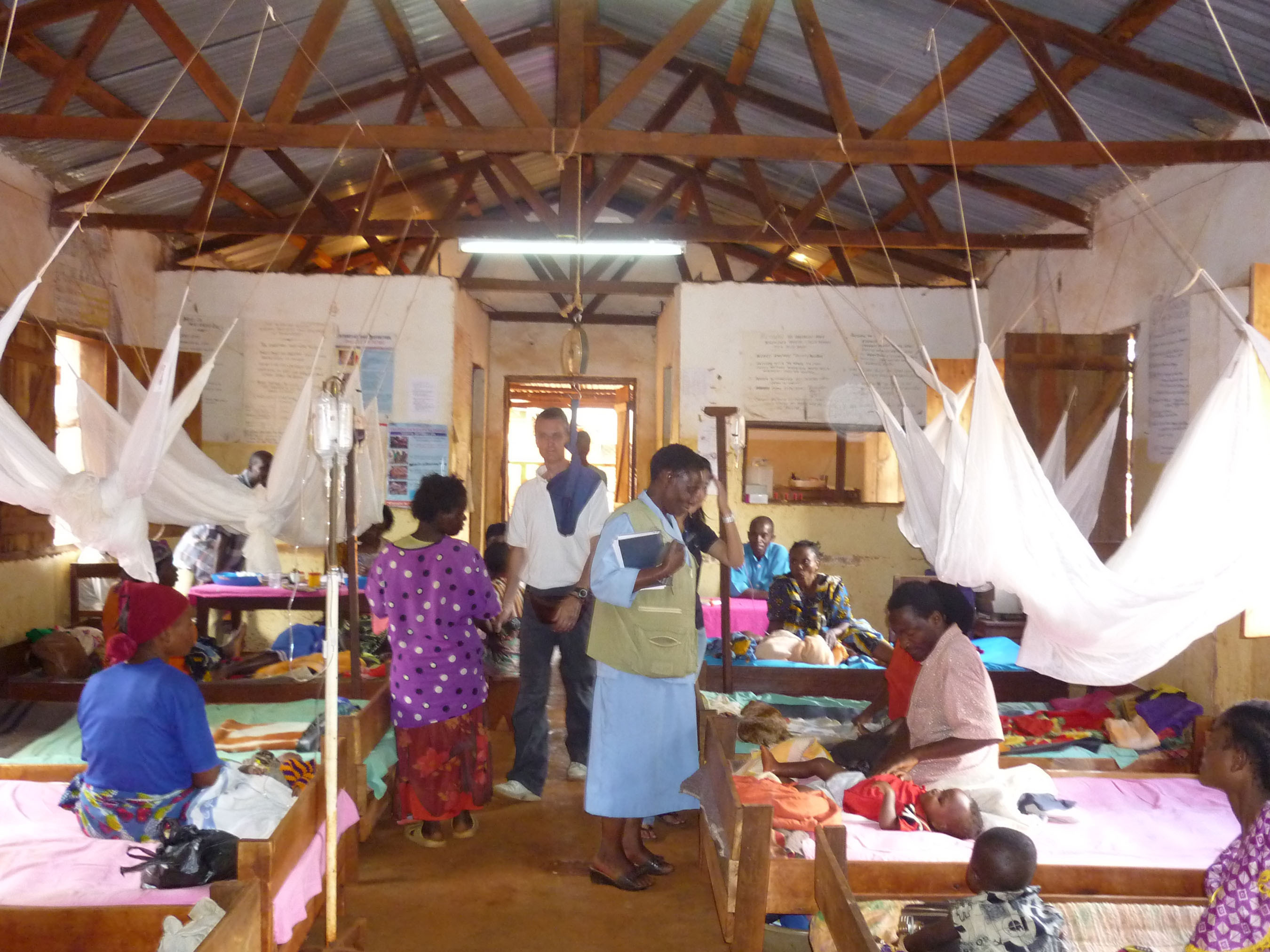
With some vaccines, a goal of vaccination policies is to eradicate the diseasedisappear it from Earth altogether. The World Health Organization (WHO) coordinated the effort to eradicate smallpox globally through vaccination, the last naturally occurring case of smallpox was in Somalia in 1977. Endemic measles, mumps and rubella have been eliminated through vaccination in Finland. On 14 October 2010, the UN Food and Agriculture Organization declared that rinderpest had been eradicated. The WHO is currently working to eradicate polio, which was eliminated in Africa in August 2020 and remained only in Pakistan and Afghanistan at the time.
Individual versus group goals
The likely behavior of individuals when offered vaccines can be modeled economically using ideas from game theory. According to such models, individuals will attempt to minimize the risk of illness, and may seek vaccination for themselves or their children if they perceive a high threat of disease and a low risk to vaccination. However, if a vaccination program successfully reduces the disease threat, it may reduce the perceived risk of disease enough so that an individual's optimal strategy is to encourage everyone but their family to be vaccinated, or (more generally) to refuse vaccination once vaccination rates reach a certain level, even if this level is below that optimal for the community. For example, a 2003 study predicted that a bioterrorist attack using smallpox would result in conditions where voluntary vaccination would be unlikely to reach the optimum level for the U.S. as a whole, and a 2007 study predicted that severe influenza epidemics cannot be prevented by voluntary vaccination without offering certain incentives.
Governments often allow exemptions to mandatory vaccinations for religious or philosophical reasons, but decreased rates of vaccination may cause loss of herd immunity, substantially increasing risks even to vaccinated individuals. However, mandatory vaccination policies raise ethical issues regarding parental rights and informed consent.
Fractional dose vaccination is a strategy that trades societal benefit for individual vaccine efficacy, has proven to be effective in randomized trials in poverty diseases, and in epidemiologic models was thought to hold a significant potential for shortening the COVID-19 pandemic when vaccine supply is limited.
Compulsory vaccination
At various times, governments and other institutions have established policies requiring vaccination with the aim of reducing the risk of disease. An 1853 law required universal vaccination against smallpox in England and Wales, with fines levied against people who did not comply. In the United States, the Supreme Court ruled in Jacobson v. Massachusetts (1905) that states have the authority to require vaccination against smallpox during a smallpox epidemic. All fifty U.S. states require that children be vaccinated to attend public school, although 47 states provide exemptions based on religious or philosophical beliefs. In the European Union, the 2021 case of Vavřička and Others v. the Czech Republic, decided by the European Court of Human Rights (ECtHR), held that the nation of the Czech Republic did not violate the European Convention on Human Rights by imposing a vaccination mandate on children in that country.
Forced vaccination (as opposed to fines or refusal of services) is uncommon, and typically happens only as an emergency measure during an outbreak. This has been reported in parts of China. Compulsory vaccinations greatly reduce infection rates for the diseases they protect against.
Common objections included the argument that governments should not infringe on individuals' freedom to make medical decisions for themselves or their children, or claims that proposed vaccinations were dangerous. Many modern vaccination policies allow exemptions for people with compromised immune systems, allergies to vaccination components, or strongly held objections.
In 1904, in the city of Rio de Janeiro, Brazil, following an urban renewal program that displaced many poor, a government program of mandatory smallpox vaccination triggered the Vaccine Revolt, several days of rioting with considerable property damage and a number of deaths.
Compulsory vaccination is a difficult policy issue, requiring authorities to balance public health with individual liberty:
An ethical dilemma may emerge when health care providers attempt to persuade vaccine-hesitant families towards receiving vaccinations as this persuasion may lead to violating their autonomy. There is also evidence that mandatory vaccination policies for healthcare workers, for instance for influenza shots, increase uptake. One argument among public health professionals is that compulsory vaccination is necessary in severe circumstances, but that it should be approached carefully in order to avoid polarizing the population and decreasing trust in the long term.
Many countries (Canada, Germany, Japan, and the United States) have specific requirements for reporting vaccine-related adverse effects; others (Australia, France, and the United Kingdom) include vaccines under their general requirements for reporting injuries associated with medical treatments. A number of countries have both compulsory vaccination and national programs for the compensation of injuries alleged to have been caused by a vaccination.
In November 2021, during a COVID-19 outbreak, Austria banned unvaccinated individuals from leaving their home apart from going to work, buying essential supplies, or exercise, in an effort to reduce the spread of disease. During the fourth wave of the COVID-19 pandemic, with a low vaccination rate compared to the rest of Western Europe (79%), the Austrian government made vaccination mandatory.
Parents' versus children's rights
Medical ethicist Arthur Caplan argues that children have a right to the best available medical care, including vaccines, regardless of parental opinions toward vaccines, saying, "Arguments about medical freedom and choice are at odds with the human and constitutional rights of children. When parents won't protect them, governments must." However, government entities, such as Child Protective Services, can intervene only when the parents directly harm their child via abuse or neglect, considering a child does not have the ability to give or take away consent. Although withholding medical care meets the criteria of abuse or neglect, refusing vaccinations does not, as the child is not being harmed directly.
To prevent the spread of disease by unvaccinated individuals, some schools and doctors' surgeries have prohibited unvaccinated children from being enrolled, even where not required by law. Doctors who refuse to treat unvaccinated children harm both the child and public health, and may be considered unethical when parents are unable to find another provider. Opinion on this is divided, with the largest professional association, the American Academy of Pediatrics, saying that exclusion of unvaccinated children may be an option under narrowly defined circumstances.
One historical example is the 1990–91 Philadelphia measles outbreak, which led to the deaths of nine children in an anti-vaccination faith healing community. Court orders were obtained to have infected children given life-saving medical treatment, against the wishes of their parents, and also for healthy children to be vaccinated without parental consent.
In schools and daycare
Vaccination requirements for access to daycare and schools increase vaccine uptake in the United States and there is evidence that these requirements may decrease disease. However, the majority of studies of mandatory vaccination took place in the US and the cultural climate in United States is quite different from other industrialized nations. Canada has a similar vaccination to the US despite 11 of its provinces and territories having no vaccine mandates, which may in part be due to vaccination programs taking place in school in Canada.
Non-medical exemptions and 'Nudge Theory'
Research has increasingly explored behavioral economics strategies to increase voluntary vaccination uptake referred to as ''''nudge theory''''. These approaches aim to influence decision-making without coercion by altering the context in which choices are made. Examples include reminder systems, social norm messaging, and educational prompts. In Australia, Helen Marshall and colleagues have led research applying nudge theory to improve vaccine uptake among medically at-risk populations. The EPIC study, published in BMJ Open in 2024, tested interventions such as SMS reminders, pledges, and short educational videos to increase COVID-19 and influenza vaccination rates among children with chronic conditions. Globally, systematic reviews indicate that nudge-based interventions can modestly improve COVID-19 vaccination uptake.
These behavioral strategies are often discussed alongside debates about compulsory vaccination and exemptions. Scholars such as Mark Navin argue that while mandates remain common, policies should balance public health goals with respect for parental autonomy. Navin suggests that nonmedical exemptions should remain available but be made more burdensome to discourage casual refusal, rather than eliminated entirely.
Immunity acquired through deliberate infection
In the United Kingdom, children are not vaccinated against chickenpox despite the availability of a vaccine since the 1990s. Modelling predicted that vaccinating children would increase the number of cases amongst adults due to the absence of natural boosting from exposure to chickenpox in day-to-day life. The Joint Committee on Vaccination and Immunisation were concerned that more pregnant women would become infected because immunity in the general population would decrease .
Planning vaccination policy
Vaccination committees
Vaccination policy is typically proposed by national or supranational advisory committees on immunization, and in many cases, is regulated by the government.
Vaccination strategy models
Predictive vaccination strategy models play an important role in predicting effectiveness of vaccination strategies at population level. The may, e.g., compare the sequence of age groups to be vaccinated and study the outcome in terms of caseload, deaths, length of a pandemic, healthcare system load, and economic impact.
Evaluating vaccination policy
Vaccines as a positive externality
The promotion of high levels of vaccination produces the protective effect of herd immunity as well as positive externalities in society. Large scale vaccination is a public good, in that the benefits obtained by an individual from large scale vaccination are both non-rivalrous and non-excludable, and given these traits, individuals may avoid the costs of vaccination by "free-riding" The costs and benefits to individuals and society have been studied and critiqued in stable and changing population designs. Other surveys have indicated that free-riding incentives exist in individual decisions, and in a separate study that looked at parental vaccination choice, the study found that parents were less likely to vaccinate their children if their children's friends had already been vaccinated.
Trust in vaccination
Trust in vaccines and in the health system is an important element of public health programs that aim to deliver life-saving vaccines. Trust in vaccination and health care is an important indicator of government work and the effectiveness of the social policy. The success in overcoming diseases and in vaccination depends on the level of trust in vaccines and health care. The lack of trust in vaccines and immunization programs can lead to vaccine refusal, risking disease outbreaks, and challenging immunization goals in high- and low-income settings. Today, the medical and scientific communities obviously face a big challenge where vaccines are concerned, namely enhancing the trust with which the general public regards the entire endeavor. Indeed, earning the public's trust in public health is a big challenge. Accurately, studying the trust in vaccines, and understanding the factors that affect the reduction of trust, allows authorities to build an effective vaccine campaign and communication strategies to fight the disease. Trust is a key parameter to work with before and while undertaking any vaccine campaigns. The state is responsible for providing smart communication, and to inform a population about diseases, vaccines, and the risks of both. The WHO recommends that states work long-term, to build population resilience against vaccine myths and scares, to develop a strong campaign that is well prepared to respond to any event that may erode trust, and respond immediately to any event which may erode trust in health authorities.{{cite web |access-date=7 April 2014 |archive-date=15 July 2017 |archive-url=https://web.archive.org/web/20170715182224/http://www.euro.who.int/en/health-topics/disease-prevention/vaccines-and-immunization/publications/2017/vaccination-and-trust-2017 |url-status=live
Cost-benefit: United States
The first economic analysis of routine childhood immunizations in the United States took place in 2001, and reported cost savings over the lifetime of children born that year. Other analyses of the economic costs and potential benefits to individuals and society have since been evaluated. In 2014, the American Academy of Pediatrics published a decision analysis that evaluated direct costs, such as program costs, vaccine cost, administrative burden, negative vaccine-linked reactions, and transportation time lost to parents. there is an economic incentive and "global value" to invest in preventive vaccination programs, especially in children as a means to prevent early infant and childhood deaths. Socioeconomic disparities have been found to hinder reasonable access to vaccinations in the U.S., and it has also been found that even if such status is not a factor, "racial ethnic minority adults are less likely than whites to receive preventive care including vaccination".
Cost-benefit for older adults
There is an economic incentive to establish vaccination programs for older adults as the general population is aging due to increasing life expectancy and decreasing birth rates. Vaccinations can reduce the issues linked with both polypharmacy and antibiotic-resistant bacteria in the older demographic with comorbidities by preventing infectious diseases and decreasing the necessity of polypharmacy and antibiotics. One 2016 study done in Western Europe found that the estimated cost of vaccinating one person over a lifetime against 10–17 potentially debilitating pathogens would be €443–3,395 (equivalent to €– in ). Another study found that if 75% of adults over 65 were vaccinated against seasonal influenza, 3.2–3.8 million cases and 35,000–52,000 influenza-related deaths could be avoided, and €438–558million saved annually, solely on the European continent.
International Organizations
In 2006, the World Health Organization and UNICEF created the Global Immunization Vision and Strategy (GIVS). This organization created a ten-year strategy with four main goals:
- to immunize more people against more diseases
- to introduce a range of newly available vaccines and technologies
- to integrate other critical health interventions with immunization
- to manage vaccination programmes within the context of global interdependence
The Global Vaccination Action Plan was created by the World Health Organization and endorsed by the World Health Assembly in 2012. The plan, which is set from 2011 to 2020, is intended to "strengthen routine immunization to meet vaccination coverage targets; accelerate control of vaccine-preventable diseases with polio eradication as the first milestone; introduce new and improved vaccines and spur research and development for the next generation of vaccines and technologies."
By country
Table
| } |
|---|
|
| Countries | Required for school | Required for welfare | Sources | |||||||||
|---|---|---|---|---|---|---|---|---|---|---|---|---|
| date=2017-02-20 | title=Calendario Nacional de Vacunación | url=https://www.argentina.gob.ar/salud/vacunas | access-date=2022-07-21 | website=Argentina.gob.ar | language=es | archive-date=21 July 2022 | archive-url=https://web.archive.org/web/20220721070049/https://www.argentina.gob.ar/salud/vacunas | url-status=live}} | ||||
| No | No | |||||||||||
| No | No | |||||||||||
| url=http://www.bcgatlas.org/ | title=BCG World Atlas | website=Bcgatlas.org | access-date=22 July 2022 | archive-date=12 June 2009 | archive-url=https://web.archive.org/web/20090612044328/http://www.bcgatlas.org/ | url-status=live}} | ||||||
| No | ||||||||||||
| No | No | |||||||||||
| No | ||||||||||||
| No | No | |||||||||||
| No | No | |||||||||||
| No | ||||||||||||
| No | No | |||||||||||
| No | No | |||||||||||
| url=https://www.reuters.com/business/healthcare-pharmaceuticals/countries-making-covid-19-vaccines-mandatory-2021-08-16/ | title=Factbox: Countries making COVID-19 vaccines mandatory | website=Reuters | language=en | date=November 15, 2021 | access-date=18 November 2021 | archive-date=18 November 2021 | archive-url=https://web.archive.org/web/20211118195441/https://www.reuters.com/business/healthcare-pharmaceuticals/countries-making-covid-19-vaccines-mandatory-2021-08-16/ | url-status=live}} | ||||
| No | No | |||||||||||
| No | url=https://www.efe.com/efe/english/technology/france-makes-11-child-vaccines-compulsory-no-school/50000267-3480979 | title=France makes 11 child vaccines compulsory: no vaccines, no school | website=Efe.com | access-date=23 January 2019 | archive-date=23 January 2019 | archive-url=https://web.archive.org/web/20190123223233/https://www.efe.com/efe/english/technology/france-makes-11-child-vaccines-compulsory-no-school/50000267-3480979 | url-status=live}} | |||||
| No | No | title=Germany: Law mandating vaccines in schools takes effect DW 1 March 2020 | url=https://www.dw.com/en/germany-law-mandating-vaccines-in-schools-takes-effect/a-52596233 | last=Welle | first=Deutsche | website=Deutsche Welle | language=en-GB | access-date=27 May 2020 | archive-date=27 May 2020 | archive-url=https://web.archive.org/web/20200527222951/https://www.dw.com/en/germany-law-mandating-vaccines-in-schools-takes-effect/a-52596233 | url-status=live}} | |
| url=https://www.reuters.com/world/africa/ghana-make-covid-19-vaccine-mandatory-targeted-groups-january-2021-11-28/ | title=Ghana to make COVID-19 vaccine mandatory from January | newspaper=Reuters | language=en | date=November 28, 2021 | access-date=28 November 2021 | archive-date=28 November 2021 | archive-url=https://web.archive.org/web/20211128185637/https://www.reuters.com/world/africa/ghana-make-covid-19-vaccine-mandatory-targeted-groups-january-2021-11-28/ | url-status=live}} | ||||
| No | No | |||||||||||
| No | No | |||||||||||
| No | No | |||||||||||
| No | url-status=live | |||||||||||
| No | No | |||||||||||
| No | No | url=https://www.thelocal.it/20180706/mandatory-vaccinations-italian-parents-will-no-longer-need-to-provide-doctors-note | title=Mandatory vaccinations: Italian parents will no longer need to provide doctor's note | date=6 July 2018 | newspaper=The Local Italy | access-date=23 January 2019 | archive-date=23 January 2019 | archive-url=https://web.archive.org/web/20190123223253/https://www.thelocal.it/20180706/mandatory-vaccinations-italian-parents-will-no-longer-need-to-provide-doctors-note | url-status=live}} | |||
| No | No | title=COVID-19 Vaccines | url=https://www.mhlw.go.jp/stf/covid-19/vaccine.html | website=Mhlw.go.jp | publisher=Ministry of Health, Labour and Welfare of Japan | access-date=19 November 2021 | quote=Although we encourage all citizens to receive the COVID-19 vaccination, it is not compulsory or mandatory. | archive-date=18 November 2021 | archive-url=https://web.archive.org/web/20211118180622/https://www.mhlw.go.jp/stf/covid-19/vaccine.html | url-status=live}} | ||
| No | No | |||||||||||
| No | No | |||||||||||
| No | No | |||||||||||
| No | No | |||||||||||
| title=Malawi makes COVID-19 vaccines mandatory for frontline workers | url=https://www.reuters.com/business/healthcare-pharmaceuticals/malawi-makes-covid-19-vaccines-mandatory-frontline-workers-2021-12-16/ | website=Reuters | access-date=24 August 2024 | date=16 December 2021}} | ||||||||
| No | No | |||||||||||
| No | No | |||||||||||
| No | No | |||||||||||
| No | No | |||||||||||
| No | No | |||||||||||
| No | No | |||||||||||
| No | No | |||||||||||
| No | No | |||||||||||
| No | No | |||||||||||
| No | No | |||||||||||
| No | No | title=COVID-19 / Novel Coronavirus | url=https://www.gov.za/Coronavirus | website=South African Government | access-date=19 November 2021 | archive-date=19 November 2021 | archive-url=https://web.archive.org/web/20211119231546/https://www.gov.za/Coronavirus | url-status=live}} | ||||
| No | No | |||||||||||
| No | No | |||||||||||
| No | No | |||||||||||
| url=https://www.statista.com/chart/25326/obligatory-vaccination-against-covid-19/ | title=The Countries Where Vaccination Is Mandatory | website=Statista.co | language=en | date=Jul 16, 2021 | access-date=18 November 2021 | archive-date=18 November 2021 | archive-url=https://web.archive.org/web/20211118193841/https://www.statista.com/chart/25326/obligatory-vaccination-against-covid-19/ | url-status=live}} | ||||
| No | No |
|}
Argentina
In December 2018, Argentina enacted a new vaccine policy requiring all persons who are medically able, both adults and children, to be vaccinated against specified diseases. Proof of vaccination is required to attend any level of school, file for a marriage license, and request any kind of government ID, including a passport or driver's license. The law requires the government to pay for all aspects of vaccinations and deems vaccination to be a national emergency; vaccines are exempt from internal and customs taxes.
Australia
In an effort to boost vaccination rates in Australia, the Australian Government decided, starting on 1January 2016, certain benefits (such as the universal "Family Allowance" welfare payments for parents of children) would no longer be available for conscientious objectors of vaccination. Those with medical grounds for not vaccinating continue to receive such benefits. The policy is supported by a majority of Australian parents as well as the Australian Medical Association (AMA) and Early Childhood Australia. In 2014, about 97 percent of children under seven were vaccinated, although the number of conscientious objectors to vaccination had increased by 24,000 to 39,000 in the previous decade.
The government began the Immunise Australia Program to increase national immunization rates. They fund a number of different vaccinations for certain groups of people. The intent is to encourage the most at-risk populations to get vaccinated. The government maintains an immunization schedule.
In most states and territories, children can consent to vaccinations if they are judged Gillick competent; normally, this applies to children aged 15 or older. In South Australia, the Consent to Medical Treatment and Palliative Care Act 1995 allows children 16 and older to consent to medical treatment. Additionally, children under this age can be immunized if judged capable of informed consent. In New South Wales, children can consent to medical treatment at the age of 14.
When several COVID-19 vaccines were nearing completion in November 2020, Australian Prime Minister Scott Morrison announced that all international travelers who fly to Australia without proof of a COVID-19 vaccination would be required to quarantine at their own expense.
It is also lawful for workplaces in Australia to mandate vaccines. The legality of this was upheld in the Fair Work Commission case Kimber v Sapphire Coast Community Aged Care Ltd in 2021.
Austria
Austrian vaccine recommendations are developed by the National Vaccination Board (), which is part of the Federal Ministry of Social Affairs, Health, Care and Consumer Protection.
Children aged 14 and older can be vaccinated without parental consent.
Brazil
Vaccinating children has been mandatory in Brazil since 1975, when the federal government instituted the National Immunization Program. The compulsory character was written into law in 1990, in the Statute of Children and Adolescents (Art. 14, Para. 1). Parents in Brazil who don't take their children to be vaccinated run the risk of being fined or charged with negligence.
Canada
Vaccination in Canada is voluntary.
Under the mature minor doctrine, minors capable of granting informed consent can be vaccinated without parental approval.
Alberta
British Columbia
New Brunswick
Ontario
Quebec
China
China has passed the World Health Organization's (WHO) regulatory vaccine assessments, demonstrating that they adhere to international standards. The Chinese government's Expanded Program on Immunization (EPI) was created in 1978 and provides certain obligatory vaccines, named Category1 vaccines, for free to all children up to 14 years of age. Initially, the vaccines consisted of Bacillus Calmette-Guérin (BCG) vaccine, oral polio vaccine (OPV), measles vaccine (MV) and diphtheria, tetanus and pertussis (DPT vaccine). By 2007, the vaccine list was expanded to include hepatitis A, hepatitis B, Japanese encephalitis, A + C meningococcal polysaccharide, mumps, Rubella, hemorrhagic fever, anthrax, and leptospirosis. Category2 vaccines, such as the rabies vaccine, are private-sector, non-obligatory vaccines that are not included in neither EPI nor the government health insurance. Due to the privatized nature of Category2 vaccines, these vaccinations are associated with low coverage rates.
Both the Changsheng Bio-Technology Co Ltd and the Wuhan Institute of Biological Products have been fined for selling ineffective vaccines. In December 2018, China enacted new laws imposing strict controls over the production and inspection of aspects of vaccine production from research, development, and testing through production and distribution.
Costa Rica
In November 2021, Costa Rica added COVID-19 to the list of infectious diseases required to be vaccinated against. The vaccine is mandatory for children between the ages of 5 and 18.
Finland
France
In France, the High Council of Public Health is in charge of proposing vaccine recommendations to the Minister of Health. Each year, immunization recommendations for both the general population and specific groups are published by the Institute of Epidemiology and Surveillance. Since some hospitals are granted additional freedoms, there are two key people responsible for vaccine policy within hospitals: the Operational physician (OP), and the Head of the hospital infection and prevention committee (HIPC). Mandatory immunization policies on BCG, diphtheria, tetanus, and poliomyelitis began in the 1950s and policies on Hepatitis B began in 1991. Recommended but not mandatory suggestions on influenza, pertussis, varicella, and measles began in 2000, 2004, 2004, and 2005, respectively. According to the 2013 INPES Peretti-Watel health barometer, between 2005 and 2010, the percentage of French people between 18 and 75 years old in favor of vaccination dropped from 90% to 60%.
Since 2009, France has recommended meningococcus C vaccination for infants 1–2 years old, with a catch up dosage up to 25 years later. French insurance companies have reimbursed this vaccine since January 2010, at which point coverage levels were 32.3% for children 1–2 years and 21.3% for teenagers 14–16 years old. In 2012, the French government and the Institut de veille sanitaire launched a 5-year national program to improve vaccination policy. The program simplified guidelines, facilitated access to vaccination, and invested in vaccine research. In 2014, fueled by rare health-related scandals, mistrust of vaccines became a common topic in the French public debate on health. According to a French radio station, as of 2014, three to five percent of kids in France were not given the mandatory vaccines. Therefore, criminal trials based on vaccine refusals may be referred to the Cour de Cassation, which will then certify whether the case meets certain criteria.
In May 2015, France updated its vaccination policies on diphtheria, tetanus, acellular pertussis, polio, Haemophilus influenzae b infections, and hepatitis B for premature infants. As of 2015, while failure to vaccinate is not necessarily illegal, a parent's right to refuse to vaccinate his or her child is technically a constitutional matter. Additionally, children in France cannot enter schools without proof of vaccination against diphtheria, tetanus, and polio. French Health Minister, Marisol Touraine, finds vaccinations "absolutely fundamental to avoid disease," and has pushed to have trained pharmacists and doctors administer vaccinations. Vaccinations within the immunization schedule are given for free at immunization services within the public sector. When given in private medical practices they are reimbursed at 65%.
Germany
In Germany, the Standing Committee on Vaccination (STIKO) is the federal commission responsible for recommending an immunization schedule. The Robert Koch Institute in Berlin (RKI) compiles data of immunization status upon the entry of children at school, and measures vaccine coverage of Germany at a national level. Founded in 1972, the STIKO is composed of 12–18 volunteers, appointed members by the Federal Ministry for Health for 3-year terms. Members include experts from many scientific disciplines and public health fields and professionals with extensive experience on vaccination. The independent advisory group meets biannually to address issues pertaining to preventable infectious diseases. Although the STIKO makes recommendations, immunization in Germany is voluntary and there are no official government recommendations. German Federal States typically follow the Standing Vaccination Committee's recommendations minimally, although each state can make recommendations for their geographic jurisdiction that extends beyond the recommended list. In addition to the proposed immunization schedule for children and adults, the STIKO recommends vaccinations for occupational groups, police, travelers, and other at risk groups.
Vaccinations recommendations that are issued must be in accordance with the Protection Against Infection Act (), which regulates the prevention of infectious diseases in humans. If a vaccination is recommended because of occupational risks, it must adhere to the Occupational Safety and Health Act involving Biological Agents. Criteria for the recommendation include disease burden, efficacy and effectiveness, safety, feasibility of program implementation, cost-effectiveness evaluation, clinical trial results, and equity in access to the vaccine. In the event of vaccination-related injuries, federal states are responsible for monetary compensation. Germany's central government does not finance childhood immunizations, so 90% of vaccines are administered in a private physician's office and paid for through insurance. The other 10% of vaccines are provided by the states in public health clinics, schools, or day care centers by local immunization programs. Physician responsibilities concerning immunization include beginning infancy vaccination, administering booster vaccinations, maintaining medical and vaccination history, and giving information and recommendations concerning vaccines.
Children aged 15 and over can legally consent to being vaccinated, even if their parents expressly object, provided the child gives the impression of being mature, informed, and capable of understanding the risks and benefits of their decision.
Beginning in March 2020, Germany made the measles vaccine compulsory for all children attending school or day care, as well persons employed at schools, day cares, and medical or community facilities.
Ghana
As of January 2022, COVID-19-vaccination is mandatory for staff and students of secondary and tertiary education, employees in all arms of government, health workers, security personnel, and commercial drivers.
India
Ireland
In the Republic of Ireland, childhood vaccination (up to age 16) requires the consent of the parents. The Department of Health strongly recommend vaccinations.
Italy
Main article: Health_in_Italy#Vaccination
As aging populations in Italy bring a rising burden of age-related disease, the Italian vaccination system remains complex. The fact that services and decisions are delivered by 21 separate regional authorities creates many variations in Italian vaccine policy. Regions may add more scheduled vaccinations, but cannot exempt citizens from nationally mandated or recommended ones. For instance, a nationwide plan for eliminating measles and rubella began in 2001. Certain vaccinations in Italy are based on findings from the National Centre for Epidemiology, Surveillance and Health Promotion are also used to determine miscellaneous vaccination mandates.
Childhood vaccinations included in national schedules are guaranteed free of charge for all Italian children and foreign children who live in the country. However, vaccination levels continued to pass the Italian government's goal of 95% outreach.
Aiming to integrate immunization strategies across the country and equitize access to disease prevention, the Italian Ministry of Health issued the National Immunization Prevention Plan (Piano Nazionale Prevenzione Vaccinale) in 2012. This plan for 2012–2014 introduced an institutional "life course" approach to vaccination to complement the Italian health policy agenda. HPV vaccine coverage increased well, and pneumococcal vaccine and meningococcal C vaccines faced positive public reception. However, both infant vaccine coverage rates and influenza immunization in the elderly have been decreasing. Partially in response to the statistic that less than 86% of Italian children receive the measles shot, the National Vaccination Plan for 2016–18 (PNPV) increased vaccination requirements. For instance, nationwide varicella shots would be required for newborns. Under this plan, government spending on vaccines would double to €620million annually, and children could be barred from attending school without proving vaccination. Although these implementations would make Italy a European frontrunner in vaccination, some experts questioned the need for several of the vaccines, and some physicians worried about the potential punishment they may face if they do not comply with the proposed regulations.
There were 5,000 cases of measles in 2017, up from 870 in 2016. This rise accounted for 29% of all those in the European Union. The law compelling children to have ten vaccinations to enroll at state schools came into effect in March 2018 but in August 2018 the Five Star Movement pushed legislation through the Italian Senate abolishing it. It did not pass the Chamber of Deputies but parents did not have to provide schools with a doctor's note to show their children have been vaccinated. By November 2018, the government had changed its stance because of the "measles emergency" and decided to uphold the obligation for children up to the age of 16, teachers and health professionals to be vaccinated. A midwife working at a hospital in central Italy was terminated for refusing vaccination.
Japan
In Japan, there are three types of vaccination practices: Routine (scheduled); Temporary (ad-hoc); and Non-legal. Infections of the first two types are defined by () and its related (). As of January 2020, sixteen infections in total are on the legal listsfourteen are CategoryA diseases (vaccination is not mandatory but recommended to prevent pandemic), and two are CategoryB (not even recommended and only for a personal care purpose).
Compared to the global standard, Japanese vaccination policy is sometimes described by medical experts as the "Vaccine Gap." For instance, Japan is the only developed country that does not list mumps on the vaccine schedule. It's also noted that the government approval for new combination vaccines usually takes longer than other developed countries, such as the United States.
One reason behind the vaccine gap is that the government was sued several times for negligence of duty of care and for malpractice liabilities throughout the vaccination history. The lawsuit risks, particularly the 1992 Tokyo High Court's ruling on the MMR vaccine class action, impacted on law amendment.
In addition to legal and social risk concerns, an issue of the decision-making process underlies the vaccine gap. Unlike the Advisory Committee on Immunization Practices (ACIP) in the United States, a centralized permanent advisory committee for vaccination policy was not organized in Japan until 2009, when a deadly flu outbreak struck the nation. Since the committee kick-off, however, the vaccine gap has been gradually improved.
HPV vaccine in Japan refers to the national history of human papillomavirus immunization policy, beginning with the vaccine's initial approval in 2009. It was incorporated into the routine immunization schedule in 2013. However, in June of that year, the Ministry of Health, Labour and Welfare (MHLW) suspended proactive recommendation due to reports of adverse events. Vaccination rates subsequently dropped below 1%. After years of scientific review, international pressure, and domestic advocacy, proactive recommendation was resumed in 2022.
Latvia
According to a 2011 publication in CMAJ: The notion of "mandatory" in Latvia differs from that of other nations. Latvia appears unique in that it compels health care providers to obtain the signatures of those who decline vaccination. Individuals have the right to refuse a vaccination, but if they do so, health providers have a duty to explain the health consequences.
Vaccines that are not mandatory are not publicly funded, so the cost for those must be borne by parents or employers, she adds. Funded vaccinations include tuberculosis, diphtheria, measles, hepatitis B, human papillomavirus for 12-year-old girls, and tick-borne encephalitis until age 18 in endemic areas and for orphans.
Beginning at age 14, minors can consent to vaccination in Latvia without parental permission.
Malawi
COVID-19 vaccination is mandatory for health workers, journalists, and other frontline staff starting 20 December 2021.
Malaysia
In Malaysia, mass vaccination is practised in public schools. The vaccines may be administered by a school nurse or a team of other medical staff from outside the school. All the children in a given school year are vaccinated as a cohort. For example, children may receive the oral polio vaccine in Year One of primary school (about six or seven years of age), the BCG in Year Six, and the MMR in Form Three of secondary school. Therefore, most people have received their core vaccines by the time they finish secondary school.
Mexico
Main article: Vaccination in Mexico
Mexico has a multi-year program for immunisation of children. The immunisation of children is fully covered by the government. Mexico has an adverse events committee to monitor the adverse effects of vaccination as well as a standing technical advisory group on immunization.
The recommended vaccine schedule for children in Mexico contains vaccinations against 16 vaccine-preventable diseases. Vaccine doses administered in Mexico are usually valid in the United States. The immunization schedule for children in Mexico is as follows:
| Name | Age of administration | Diseases prevented |
|---|---|---|
| BCG | at birth | Tuberculosis |
| Antihepatitis B | at birth, 2, 6 months | Hepatitis B |
| Rotarix | 2,4 months | Rotavirus |
| Pneumococcal vaccine | 2,4 months, 12 through 15 months | Pneumococcal pneumonia |
| Antihepatitis A | 12, 18 months | Hepatitis A |
| Pentavalent vaccine | 2,4,6,18 months | H. influenzae type B, Pertussis, |
| Diphtheria, Tetanus, Polio | ||
| Varicella vaccine | 12 months | Chicken pox |
| Triple viral SRP | 12 months, 6 years | Measles, Mumps, Rubella |
| Influenza vaccine | 6 through 59 months, 36 months through 9 years (high risk only) | Influenza |
| Human papillomavirus vaccine | 11 through 12 years (3 doses, girls only) | Human Papillomavirus |
| DPT | 4 through 6 years | Diphtheria, Pertussis, Tetanus |
| SR vaccine | 12 years | Measles, Rubella |
| Sabin vaccine | 2 doses per years, from 6 to 59 months of age in addition to prior 2 doses of IPV | Polio |
| Td | 12 years | Tetanus |
In addition, Vitamin A is offered to all children of one year of age enrolled in nurseries or children's rooms.
New Zealand
Minors aged 16 and older may consent to vaccination without parental approval.
Nigeria
In Nigeria, the Expanded Programme on Immunization (EPI), was introduced in 1978 to provide free immunization against polio, measles, diphtheria, whooping cough, tuberculosis, and yellow fever to Nigerian children less than two years old. This free immunization can be obtained at any primary healthcare provider in the country. The vaccines are usually administered by a government health care worker. They also conduct routine vaccination visits in schools where all the children in a given school are vaccinated.
Pakistan
Facing numerous minor polio epidemics, the Pakistani government has now ruled that polio vaccination is mandatory and indisputable. In a statement from Pakistani Police Commissioner Riaz Khan Mehsud, "There is no mercy, we have decided to deal with the refusal cases with iron hands. Anyone who refuses [the vaccine] will be sent to jail."
Panama
COVID-19 vaccination may become mandatory for government employees. Unvaccinated employees may be forced to take unpaid leave. Having completed the vaccine schedule for schoolchildren up to the child's age, is required for access to the government's main scholarship program.
Russia
As of 2019, immunization is voluntary in Russia. In May 2021, Russian President Vladimir Putin said that mandating COVID-19 vaccines would be "impractical and impossible."
Samoa
In the wake of a declared measles epidemic, Samoan authorities made vaccination against measles compulsory in November 2019.{{cite news |access-date = 5 December 2019 |archive-date = 2 December 2019 |archive-url = https://web.archive.org/web/20191202185746/https://www.abc.net.au/news/2019-11-26/samoa-measles-emergency-claims-32-lives-as-death-toll-rises/11738138 |url-status = live
Slovenia
According to a 2011 publication in CMAJ: Slovenia has one of the world's most aggressive and comprehensive vaccination programs. Its program is mandatory for nine designated diseases. Within the first three months of life, infants must be vaccinated for tuberculosis, tetanus, polio, pertussis, and Haemophilus influenza type B. Within 18 months, vaccines are required for measles, mumps, and rubella, and finally, before a child starts school, the child must be vaccinated for hepatitis B. While a medical exemption request can be submitted to a committee, such an application for reasons of religion or conscience would not be acceptable. Failure to comply results in a fine and compliance rates top 95%, Kraigher says, adding that for nonmandatory vaccines, such as the one for human papillomavirus, coverage is below 50%.
Mandatory vaccination against measles was introduced in 1968 and since 1978, all children receive two doses of vaccine with a compliance rate of more than 95%. For TBE, the vaccination rate in 2007 was estimated to be 12.4% of the general population in 2007. For comparison, in neighboring Austria, 87% of the population is vaccinated against TBE.
South Africa
In South Africa vaccination is voluntary.
The South African Vaccination and Immunisation Centre (SAVIC) began in 2003 as an alliance between the South African Department of Health, vaccine industry, academic institutions, and other stakeholders. SAVIC works with the WHO and the South African National Department of Health to educate, research, provide technical support, and advocate for country-wide vaccinations.
Spain
Spain's 19 autonomous communities, consisting of 17 Regions and two cities, follow health policies established by the Inter-Territorial Health Council that was formed by the National and Regional Ministries of Health. This Inter-Territorial Council is composed of representatives from each region and meets to discuss health related issues spanning across Spain. The Institute of Health CarlosIII (ISCIIII) is a public research institute that manages biomedical research for the advancement of health sciences and disease preventions. The ISCIII may suggest the introduction of new vaccines into Spain's Recommended Health Schedule and is under direct control of the Ministry of Health. Although the Ministry of Health is responsible for the oversight of health care services, the policy of devolution divides responsibilities among local agencies, including health planning and programing, fiscal duties, and direct management of health services. This decentralization proposes difficulties in collecting information at the national level. The Inter-Territorial Council's Commission on Public Health works to establish health care policies according to recommendations by technical working groups via letters, meetings, and conferences. The Technical Working Group on Vaccines review data on vaccine preventable diseases and proposes recommendations for policies. No additional groups outside the government propose recommendations. Recommendations must be approved by the Commission of Public Health and then by the Inter-Territorial Council, at which point they are incorporated into the National Immunization Schedule.
The Spanish Association of Pediatrics, in conjunction with the Spanish Medicines Agency, outlines specifications for vaccination schedules and policies and provides a history of vaccination policies implemented in the past, as well as legislature pertaining to the public currently. Spain's Constitution does not mandate vaccination, so it is voluntary unless authorities require compulsory vaccination in the case of epidemics. In 1921, vaccination became mandatory for smallpox, and in 1944 the Bases Health Act mandated compulsory vaccination for diphtheria and smallpox, but was suspended in 1979 after the elimination of the threat of an epidemic. The first systematic immunization schedule for the provinces of Spain was established in 1975 and has continuously been updated by each autonomous community in regard to doses at certain ages and recommendation of additional vaccine not proposed in the schedule.
The 2015 schedule proposed the newest change with the inclusion of pneumococcal vaccine for children under 12 months. For 2016, the schedule plans to propose a vaccine against varicella in children at 12–15 months and 3–4 years. Furthermore, the General Health Law of 1986 echoes Article 40.2 from the Constitution guaranteeing the right to the protection of health, and states employers must provide vaccines to workers if they are at risk of exposure. Due to vaccination coverage in each Community, there is little anti-vaccine activity or opposition to the current schedule, and no organized groups against vaccines. The autonomous regions collect data, from either electronic registries or written physician charts, to calculate immunization coverage.
Switzerland
The Swiss vaccination schedule and recommendations are developed by the Federal Vaccination Commission and the Federal Office of Public Health in collaboration with the cantons.
Minors aged 12 and older may consent to immunization with the Pfizer–BioNTech COVID-19 vaccine without parental approval.
Tanzania
According to the World Health Organization vaccination coverage in Tanzania was more than 90% in 2012. An Electronic Immunisation Register has been established, which permits online access to the medical records of mothers and infants, enabling vaccination teams in remote areas to operate more effectively, especially with nomadic people. It also helps to coordinate stock levels and order new supplies.
United Kingdom
In the United Kingdom, the purchase and distribution of vaccines is managed centrally, and recommended vaccines are provided for free by the NHS. In the UK, no laws require vaccination of schoolchildren.
Children aged 16 and 17 can consent to immunizations without parental consent. Under the Gillick test, children under 16 can consent to vaccination over parental objections if they demonstrate a mature understanding of the ramifications of the procedure.
United States
Main article: Vaccination policy in the United States
In the United States, the Advisory Committee on Immunization Practices makes scientific recommendations regarding vaccines and vaccination schedules that the federal government, state governments, and private health insurance companies generally follow. See Vaccination schedule for the schedule recommended in the United States.
As of 2025, all states in the U.S. except for Idaho mandate immunizations for children to enroll in public school, but various exemptions are available depending on the state. All states have exemptions for people who have medical contraindications to vaccines, all states except for California, Maine, Mississippi, New York, and West Virginia (as directed by its Board of Education) allow religious exemptions, and sixteen states allow parents to cite personal, conscientious, philosophical, or other objections.
An increasing number of parents are using religious and philosophical exemptions: researchers have cited this increased use of exemptions as contributing to loss of herd immunity within these communities, and hence an increasing number of disease outbreaks.
Of the 49 states with existing immunization requirements for public school, all of them require DTaP (diphtheria-tetanus-pertussis), MMR (measles-mumps-rubella), Polio, Tdap (tetanus-diphtheria-pertussis; secondary school only) and Varicella (chickenpox) vaccines for school attendance. Additionally, 46 states require the Hepatitis B vaccine, 34 states require the Meningococcal vaccine, and 18 require the Hepatitis A vaccine; Rhode Island, Virginia, and Hawaii also require the HPV vaccine (human papillomavirus; secondary school only).
The American Academy of Pediatrics (AAP) advises physicians to respect the refusal of parents to vaccinate their child after adequate discussion, unless the child is put at significant risk of harm (e.g., during an epidemic, or after a deep and contaminated puncture wound). Under such circumstances, the AAP states that parental refusal of immunization constitutes a form of medical neglect and should be reported to state child protective services agencies. Several states allow minors to legally consent to vaccination over parental objections under the mature minor doctrine.
Immunizations are compulsory for military enlistment in the U.S. However, exceptions exist, but may be determined by an uneven process. The suppression of religious exemptions to the military COVID-19 vaccination mandate was successfully proven by members of the Air Force and overturned in the Sixth Circuit federal court of appeals in September 2022, when evidence was presented that more than 99% of requests for religious exceptions were systematically denied approval, though other kinds of exemption requests were more often granted. The judge had previously awarded class action status to the case, extending the suit to cover an estimated more than 12,000 joint plaintiffs.
All vaccines recommended by the U.S. government for its citizens are required for green card applicants. This requirement stirred controversy over related costs when, in July 2008, it was applied to the HPV vaccine. In addition, the 13 other required vaccines prevent highly contagious diseases communicable through the respiratory route, while HPV is spread only through sexual contact. In November 2009, this requirement was canceled.
Though the federal guidelines do not require written consent to receive a vaccination, they do require doctors give the recipients or legal representatives a Vaccine Information Statement (VIS). Specific informed consent laws are made by the states.
Schools
The United States has a long history of school vaccination requirements. The first school vaccination requirement was enacted in the 1850s in Massachusetts to prevent the spread of smallpox. The school vaccination requirement was put in place after the compulsory school attendance law caused a rapid increase in the number of children in public schools, increasing the risk of smallpox outbreaks. The early movement towards school vaccination laws began at the local level including counties, cities, and boards of education. By 1827, Boston had become the first city to mandate that all children entering public schools show proof of vaccination. In addition, in 1855 the Massachusetts General Court had established its own statewide vaccination requirements for all students entering school, this influenced other states to implement similar statewide vaccination laws in schools as seen in New York in 1862, Connecticut in 1872, Pennsylvania in 1895, and later the Midwest, South, and the Western United States. By 1963, 20 states had school vaccination laws.
These vaccination laws resulted in political debates throughout the United States, as those opposed to vaccination sought to repeal local policies and state laws. An example of this political controversy occurred in 1893, in Chicago, where less than ten percent of the children were vaccinated, despite the twelve-year-old state law.
In 1922, the constitutionality of childhood vaccination was examined in the Supreme Court case Zucht v. King. The court decided that a school could deny admission to children who failed to provide a certification of vaccination for the protection of the public health. In 1987, there was a measles epidemic in Maricopa County, Arizona, and Maricopa County Health Department v. Harmon examined the arguments of an individual's right to education over the state's need to protect against the spread of disease. The court decided that it is prudent to take action to combat the spread of disease by denying unvaccinated children a place in school until the risk for the spread of measles had passed.
Schools in the United States require an updated immunization record for all incoming and returning students. While all states require an immunization record, this does not mean all students must get vaccinated. Exemptions are determined at a state level. In the United States, exemptions take one of three forms: medical, in which a vaccine is contraindicated because of a component ingredient allergy or existing medical condition; religious; and personal philosophical opposition.
Until 2015, only Mississippi and West Virginia did not permit religious exemptions. However, this changed after California removed personal and religious exemptions with the passage of California Senate Bill 277. This is the first time an immunization exemption was removed by a state legislature. The bill was prompted by the 2014 Disneyland measles outbreak and low levels of vaccination in pockets of California, with some schools having vaccination rates below 60%. Despite the bill receiving support by the California Medical Association, as well as by the American Academy of Pediatrics' California affiliate, opposition to the bill had been characterized as "possibly the most strident outpouring of political dissent in recent memory." After the 2019 measles outbreak, the state legislatures of New York (2019), Maine (2019, upheld by voters in a 2020 referendum), and Connecticut (2021) removed their religious exemptions.
Throughout the 2020s, some states have loosened their immunization policies for schools. In July 2023, Mississippi started recognizing religious exemptions at the order of a judge, and in January 2025, West Virginia governor Patrick Morrisey issued an executive order allowing religious exemptions in the state, though the order has not been enforced by the state's Board of Education. In April 2025, Idaho became the first and only state to remove immunization requirements for schools after the passage of Senate Bill 1210.
Research studies have found a correlation between the rise of vaccine-preventable diseases and non-medical exemptions from school vaccination requirements, however, mandatory vaccination requirements for attending public schools have received criticism. Parents say that vaccine mandates to attend public schools prevent one's right to choose, especially if the vaccinations could be harmful. Some people believe being forced to get a vaccination could cause trauma, and may lead to not seeking medical care/attention ever again. In the constitutional law, some states have the liberty to withdraw to public health regulations, which includes mandatory vaccination laws that threaten fines. Certain laws are being looked at for immunization requirements, and are trying to be changed, but cannot succeed due to legal challenges. After California removed non-medical exemptions for school entrance, lawsuits were filed arguing for the right for children to attend school regardless of their vaccination history, and to suspend the bill's implementation altogether. However, all such lawsuits ultimately failed.
As of 2022, 300 American colleges and universities mandate that their students receive a COVID-19 booster. A study in the Journal of Medical Ethics concludes that the cost of these mandates likely outweigh the benefits. For example, to prevent one COVID hospitalization over a 6-month period, 31,000 to 42,000 adults in that age group would have to get a third mRNA booster; and those boosters will result in at least 18 "serious adverse events" (SAEs) for that single prevented hospitalization.
References
References
- (2018-09-25). "State Immunization Laws for Healthcare Workers and Patients {{!}} CDC".
- (2021-10-11). "What Colleges Require the COVID-19 Vaccine? {{!}} BestColleges".
- "Coronavirus immunisation programme".
- CDC. (2022-06-19). "COVID-19 Vaccination".
- "Diseases & Vaccines {{!}} immunizecanada".
- Editorial Board. (2016-02-16). "Vaccines save lives – and money".
- "Vaccines Save Lives".
- Legislatures, National Conference of State. "Immunizations Policy Issues Overview".
- (February 2016). "Ethics and Childhood Vaccination Policy in the United States". American Journal of Public Health.
- Obasi Chinedu. (October 2018). "Immunization in Nigeria". Public Health Nigeria.
- UNICEF. (February 2014). "Global Immunization Data". World Health Organization.
- "Frequently asked questions and answers on smallpox".
- (December 2008). "Measles, mumps, and rubella in Finland: 25 years of a nationwide elimination programme". The Lancet Infectious Diseases.
- Caroline Kraaijvanger. (15 October 2010). "Runderpest is niet meer". Scientias.
- "GPEI-Strategy".
- Chris van Mersbergen. (26 August 2020). "Afrika heeft polio verslagen, dankzij de mede door Bill Gates betaalde vaccins". Het Parool.
- (2004-09-07). "Vaccination and the theory of games". Proceedings of the National Academy of Sciences.
- (13 June 2018). "Parental Decision-Making on Childhood Vaccination". Frontiers in Psychology.
- (December 1986). "Individual versus public priorities in the determination of optimal vaccination policies". American Journal of Epidemiology.
- (7 September 2012). "The influence of altruism on influenza vaccination decisions". Journal of the Royal Society Interface.
- (September 2003). "Group interest versus self-interest in smallpox vaccination policy". Proceedings of the National Academy of Sciences of the United States of America.
- (May 2007). "Can influenza epidemics be prevented by voluntary vaccination?". PLOS Computational Biology.
- Centers for Disease Control and Prevention. (August 2014). "Parent's Guide to Childhood Immunizations". Department of Health and Human Services.
- "WHO – Ethical considerations for vaccination programmes in acute humanitarian emergencies".
- Hunziker, Patrick. (2021-07-24). "Personalized-dose Covid-19 vaccination in a wave of virus Variants of Concern: Trading individual efficacy for societal benefit". Precision Nanomedicine.
- (2018-08-16). "Fractional-Dose Yellow Fever Vaccination — Advancing the Evidence Base". New England Journal of Medicine.
- (January 2012). "Intradermal fractional dose inactivated polio vaccine: A review of the literature". Vaccine.
- (February 2020). "Modelling epidemics with fractional-dose vaccination in response to limited vaccine supply". Journal of Theoretical Biology.
- (August 2002). "Anti-vaccinationists past and present". BMJ.
- (April 2005). "Jacobson v Massachusetts: it's not your great-great-grandfather's public health law". American Journal of Public Health.
- (November 2011). "Mandatory vaccinations: The international landscape". CMAJ.
- "State Vaccination Exemptions for Children Entering Public Schools – Vaccines – ProCon.org".
- Applications 47621/13, 3867/14, 73094/14, 19306/15, 19298/15, and 43883/15 (ECtHR April 8, 2021).
- (April 8, 2021). "European Court Backs Mandatory Vaccinations For Children". NPR.
- (April 8, 2021). "Op-Ed: "It's about proportionality! Strasbourg clarifies human rights standards for compulsory vaccination programmes"". EU Law Live.
- (2021-09-28). "China's use of force and coercion to drive up its COVID-19 vaccination rate is not the answer".
- (2012). "Ethical Issues Concerning Vaccination Requirements". Public Health Reviews.
- (February 2006). "Compulsory vaccination and conscientious or philosophical exemptions: past, present, and future". Lancet.
- (2009). "'Living Worse and Costing More': Resistance and Riot in Rio de Janeiro, 1890–1917". Journal of Latin American Studies.
- (January 2000). "Reviews of evidence regarding interventions to improve vaccination coverage in children, adolescents, and adults. The Task Force on Community Preventive Services". American Journal of Preventive Medicine.
- (2010). "Mandatory Influenza Vaccination of Healthcare Workers: A 5-Year Study". Infection Control and Hospital Epidemiology.
- Ro, Christine. "Why mandatory vaccination is nothing new".
- (2025). "Vaccine, Vaccination, and Immunization Law, Third Edition". Bloomberg Law.
- (2025). "Vaccine, Vaccination, and Immunization Law, Third Edition". Bloomberg Law.
- Schuetze, Christopher F.. (2021-11-14). "Austria's new lockdown confines the unvaccinated to their homes.". The New York Times.
- (19 November 2021). "Austria Announces Covid Vaccine Mandate, Crossing a Threshold for Europe". The New York Times.
- Caplan, Arthur L. "Do Children Have Vaccination Rights?". Medscape Business of Medicine.
- (18 April 2018). "Anti-vaccine misinformation denies children's rights".
- "Ethics of Vaccinations {{!}} High School Bioethics".
- "Should Pediatricians Refuse Unvaccinated Kids?".
- (24 June 2014). "NYC Schools Are Now Allowed To Ban Unvaccinated Kids, Rules Federal Judge".
- (December 2007). "When is it permissible to dismiss a family who refuses vaccines? Legal, ethical and public health perspectives". Paediatrics & Child Health.
- Rucoba, Ruben J.. (29 August 2016). "How to address vaccine hesitancy: New AAP report says dismissal a last resort". AAP News.
- McNeil, Donald G. Jr.. (9 April 2019). "New York City Is Requiring Vaccinations Against Measles. Can Officials Do That?". [[The New York Times]].
- "Why A Court Once Ordered Kids Vaccinated Against Their Parents' Will". NPR.
- (2016-06-01). "Systematic review of the effect of immunization mandates on uptake of routine childhood immunizations". Journal of Infection.
- "Pertussis (Whooping Cough) {{!}} Vaccine Knowledge".
- (2022-01-28). "FastStats".
- Wang, Bing. (2024-02-01). "Nudging towards COVID-19 and influenza vaccination uptake in medically at-risk children: EPIC study protocol of randomised controlled trials in Australian paediatric outpatient clinics". BMJ Open.
- "APA PsycNet".
- Navin, Mark Christopher. (2017-02-14). "Improving Nonmedical Vaccine Exemption Policies: Three Case Studies". Public Health Ethics.
- "Joint Committee on Vaccination and Immunisation Statement on varicella and herpes zoster vaccines".
- (2021-08-19). "Advisory Committee on Immunization Practices (ACIP) {{!}} CDC".
- "Joint Committee on Vaccination and Immunisation".
- (2009-10-14). "Global immunization: status, progress, challenges and future". BMC International Health and Human Rights.
- "Government Regulation".
- (October 2018). "Model Comparisons of the Effectiveness and Cost-Effectiveness of Vaccination: A Systematic Review of the Literature". Value in Health.
- Hunziker, Patrick. (2021-07-24). "Personalized-dose Covid-19 vaccination in a wave of virus Variants of Concern: Trading individual efficacy for societal benefit". Precision Nanomedicine.
- (2020-07-01). "Modeling the impact of mass influenza vaccination and public health interventions on COVID-19 epidemics with limited detection capability". Mathematical Biosciences.
- (2012-10-16). "Systematic review of studies evaluating the broader economic impact of vaccination in low and middle income countries". BMC Public Health.
- (2014). "Free-riding behavior in vaccination decisions: an experimental study". PLOS ONE.
- Stiglitz, Joseph. (2000). "Economics of the Public Sector". Territory Rights Worldwide.
- (May 2006). "Parental decision-making in childhood vaccination". Vaccine.
- (1997). "Dynamic epidemiology and the market for vaccinations". Journal of Public Economics.
- (October 2012). "Systematic review of studies evaluating the broader economic impact of vaccination in low and middle income countries". BMC Public Health.
- (2004). "Optimal tax/subsidy combinations for the flu season". Journal of Economic Dynamics and Control.
- (April 2014). "The influence of social norms on the dynamics of vaccinating behaviour for paediatric infectious diseases". Proceedings. Biological Sciences.
- (June 1996). "Cognitive processes and the decisions of some parents to forego pertussis vaccination for their children". Journal of Clinical Epidemiology.
- Fischer, Kathrin. (2023-07-13). "How to tackle vaccine misinformation: what works?".
- (January 2023). "A systematic review of communication interventions for countering vaccine misinformation". Vaccine.
- (December 2005). "Economic evaluation of the 7-vaccine routine childhood immunization schedule in the United States, 2001". Archives of Pediatrics & Adolescent Medicine.
- (April 2014). "Economic evaluation of the routine childhood immunization program in the United States, 2009". Pediatrics.
- (2015). "Comparison of impact and cost-effectiveness of rotavirus supplementary and routine immunization in a complex humanitarian emergency, Somali case study". Conflict and Health.
- (July 2016). "Cost-effectiveness and programmatic benefits of maternal vaccination against pertussis in England". The Journal of Infection.
- (May 2015). "Estimated impact and cost-effectiveness of rotavirus vaccination in Senegal: A country-led analysis". Vaccine.
- (January 2003). "The global value of vaccination". Vaccine.
- "Ethical Issues and Vaccines".
- (December 2005). "Comparison of racial/ethnic disparities in adult immunization and cancer screening.". American Journal of Preventive Medicine.
- (2018). "Vaccination programs for older adults in an era of demographic change". European Geriatric Medicine.
- (12 August 2015). "The intangible benefits of vaccination – what is the true economic value of vaccination?". Journal of Market Access & Health Policy.
- (June 2016). "How Can Vaccines Contribute to Solving the Antimicrobial Resistance Problem?". mBio.
- (August 2016). "The cost of vaccination throughout life: A western European overview". Human Vaccines & Immunotherapeutics.
- (August 2014). "Annual public health and economic benefits of seasonal influenza vaccination: a European estimate". BMC Public Health.
- (1 December 2013). "Global Immunization Vision and Strategy". World Health Organization.
- (5 February 2015). "Global Vaccine Action Plan 2011 – 2020". World Health Organization.
- (2017-02-20). "Calendario Nacional de Vacunación".
- "Calendario Nacional de Vacunación 2022".
- (2021-01-21). "Preguntas frecuentes sobre la vacuna contra la COVID-19".
- Health, Australian Government Department of. (16 October 2017). "National Immunisation Program Schedule".
- "No Jab No Play, No Jab No Pay {{!}} NCIRS".
- "NSW Legislation".
- "Public Health and Wellbeing Act 2008".
- "Public Health Amendment (Immunisation Requirements for Enrolment) Act 2019".
- (9 March 2022). "Austria suspends mandatory Covid vaccine law". France 24.
- "Vaccine Scheduler {{!}} ECDC".
- "BCG World Atlas".
- "Vacinação: quais são as vacinas, para quê servem, por que vacinar, mitos".
- "Estatuto da criança e do adolescente".
- "Obter Benefícios do Programa Bolsa Família – Português (Brasil)".
- (12 October 2021). "Cinco estados brasileiros já adotam o 'passaporte da vacina'". CNN Brazil.
- (18 July 2007). "Bacille Calmette-Guérin (BCG) vaccine: Canadian Immunization Guide".
- (18 July 2007). "Recommended immunization schedules: Canadian Immunization Guide".
- (23 December 2021). "Ecuador makes COVID-19 vaccination obligatory". Reuters.
- (November 15, 2021). "Factbox: Countries making COVID-19 vaccines mandatory".
- "France makes 11 child vaccines compulsory: no vaccines, no school".
- (November 28, 2021). "Ghana to make COVID-19 vaccine mandatory from January". Reuters.
- "COVID-19 Vaccines". Ministry of Health, Labour and Welfare of Japan.
- (16 December 2021). "Malawi makes COVID-19 vaccines mandatory for frontline workers".
- Grigoryan, Astghik. (9 May 2019). "Russia: Government Expanding Vaccination for Measles Amid Outbreak in Neighboring Countries {{!}} Global Legal Monitor".
- "KALENDAR OBAVEZNIH IMUNIZACIJA LICA ODREĐENOG UZRASTA".
- "Serbia – Vaccination policy".
- (20 October 2021). "Serbia introduces COVID-19 passes for indoor cafes and restaurants". Reuters.
- "COVID-19 / Novel Coronavirus".
- "Coronavirus: the situation in Switzerland".
- (Jul 16, 2021). "The Countries Where Vaccination Is Mandatory".
- Ingrassia, Víctor. (17 December 2018). "Todo lo que hay que saber de la nueva ley de vacunación en Argentina". Infobae.
- Gentil, Andrea. (21 December 2018). "Cómo es la nueva ley de vacunas". Noticias.
- (2020). "Removing conscientious objection: The impact of 'No Jab No Pay' and 'No Jab No Play' vaccine policies in Australia". Preventive Medicine.
- Peatling, Stephanie. (13 April 2015). "Support for government push to withdraw welfare payments from anti vaccination parents". [[Sydney Morning Herald]].
- (4 September 2014). "About the Program". Australian Government, Department of Health.
- (2 April 2015). "Free vaccine Victoria – Criteria for eligibility". State Government of Victoria.
- (20 March 2014). "Your child's immunisation schedule". Australian Government Department of Human Services.
- (15 December 2016). "Age of Consent for Vaccinations". [[Government of Queensland]].
- Choahan, Neelima. (20 August 2018). "Children and consent for medical treatment". [[Royal Australian College of General Practitioners]].
- Samantha Maiden. (25 November 2020). "PM Scott Morrison signals tough new COVID-19 vaccine rules for international travellers who fly to Australia". News.com.au.
- "[2021] FWCFB 6015".
- "Nationales Impfgremium".
- (1 June 2021). "Impfung: Kinder ab 14 können selbst entscheiden". [[Kurier]].
- "Programa Nacional de Imunizações - Vacinação".
- "Estatuto da Criança e do Adolescente (Lei Fed. 8069)".
- "Secom faz propaganda com frase de Bolsonaro contra obrigatoriedade da vacina [01/09/2020]".
- "Measles outbreak: The loopholes in Canada's vaccination laws".
- (1 September 2014). "China enters the global vaccine market". Bulletin of the World Health Organization.
- (April 2010). "The role of the China Experts Advisory Committee on Immunization Program". Vaccine.
- (1 July 2017). "Strengthening health system to improve immunization for migrants in China". International Journal for Equity in Health.
- (4 October 2018). "The landscape of vaccines in China: history, classification, supply, and price". BMC Infectious Diseases.
- (22 June 2018). "Rural-urban disparity in category II vaccination among children under five years of age: evidence from a survey in Shandong, China". International Journal for Equity in Health.
- (7 November 2018). "Over 650,000 faulty vaccine doses recalled in China". South China POst.
- (23 July 2018). "Changsheng Bio-tech, the vaccine maker behind China's latest public health scare". South China Morning Post.
- (23 July 2018). "Chinese President Xi Jinping orders crackdown over 'appalling' vaccine scandal". South China Morning Post.
- Zheng, William. (24 December 2018). "China's lawmakers consider 'strictest' rules on vaccine industry after scandals". South China Morning Post.
- (6 November 2021). "Costa Rica issues COVID-19 vaccine requirement for children". Reuters.
- (2012). "Survey of Vaccination Policies in French Healthcare Institutions". Médecine et Maladies Infectieuses.
- (February 2013). "Vaccination against meningococcus C. vaccinal coverage in the French target population". Médecine et Maladies Infectieuses.
- (July 2015). "Strategies for decision-making on vaccine use: the French experience". Expert Review of Vaccines.
- (10 October 2014). "Charges Against French Parents Stir Mandatory Vaccination Debate".
- (8 January 2016). "Freedom To Ignore French Vaccination Program – A Court Case.".
- (4 February 2015). "How France Is Handling Its Own Vaccine Debate". Bloomberg.
- ""The Fight against Poverty: "The Challenge Is to Preserve Our Social Model and Its Underlying Values""". General Assembly on Social Work.
- "Germany". Venice III.
- "The German Standing Committee of Vaccination". Robert Koch Institut.
- "Vaccinations". Bermeinsamer Bundesausschuss.
- (5 March 2009). "Krankenhaushygiene – Das Infektionsschutzgesetz". Anästhesiologie, Intensivmedizin, Notfallmedizin, Schmerztherapie.
- "Recommendations of the Standing Committee on Vaccinations STIKO at the Robert Koch Institute". Robert Koch Institute.
- (27 November 2017). "Einwilligung in die ärztliche Behandlung von Kindern und Jugendlichen". Rheinisches Ärzteblatt.
- Maronde, Birgit. (10 July 2013). "Juristische Fallen beim Impfen: Aufklärung und Einwilligung". [[Süddeutscher Verlag]].
- Brady, Kate. (14 November 2019). "Germany makes measles vaccination compulsory".
- (16 September 2014). "Immunisations for children and young people". Citizens Information Board, Republic of Ireland.
- (19 December 2014). "Italy Embraces 'life-course Immunisation". EFPIA.
- "Ministero Della Salute". Italian Ministry of Health.
- (2012). "Mandatory And Recommended Vaccination In The EU, Iceland And Norway: Results Of The Venice 2010 Survey On The Ways Of Implementing National Vaccination Programmes". Eurosurveillance.
- (July 2013). "Vaccine coverage in Italy and assessment of the 2012–2014 National Immunization Prevention Plan". Epidemiologia e Prevenzione.
- (7 December 2015). "New Vaccination Strategy Stirs Controversy in Italy.". American Association for the Advancement of Science.
- (6 August 2018). "Italy Senate overturns mandatory vaccination law". Financial Times.
- (15 November 2018). "Italy's populist coalition renounces anti-vaccination stance amid measles 'emergency'". Telegraph.
- (7 November 2016). "予防接種法 (法令番号:昭和二十三年法律第六十八号); Immunization Act (Law number: Act No. 68 of 1948)". [[Ministry of Justice (Japan)]].
- (30 March 2018). "予防接種法施行令(昭和二十三年政令第百九十七号)第1条: 政令で定めるA類疾病、第1条の2: 政令で定めるB類疾病、第1条の3: 市町村長が予防接種を行う疾病及びその対象者". Administrative Management Bureau, the [[Ministry of Internal Affairs and Communications]].
- (2018). "定期接種と任意接種のワクチン". 公益社団法人 日本小児科学会 (Japan Pedriatric Society).
- (6 January 2014). "過去・現在・未来で読み解く,日本の予防接種制度". Igaku-Shoin Ltd..
- (2014). "日本のワクチン政策の変遷". [[Pharmaceutical Research and Manufacturers of America]] (PhRMA).
- (1986). "判例研究: 予防接種禍事件". [[Toyo University]].
- (2016). "薬事温故知新 第76回 ジフテリア予防接種禍事件". Pharmaceutical and Medical Device Regulatory Science Society of Japan (PMRJ).
- (22 March 2001). "The Japanese Experience with Vaccinating Schoolchildren against Influenza". New England Journal of Medicine.
- (Autumn 2015). "特集:予防接種の国際比較". [[National Institute of Population and Social Security Research]] (IPSS).
- "Notice on Suspension of Recommendation".
- "HPV Vaccine Catch-Up Program".
- (November 2011). "Mandatory vaccinations: The international landscape". CMAJ.
- (1 June 2021). "Latvia to commence Covid-19 vaccination of 12 to15-year-olds 2 June". Baltic News Network.
- "School Immunization Programme in Malaysia – 24 February to 4 March 2008". World Health Organization.
- "WHO: Immunization Country Profile".
- "Binational vaccine schedule Mexico-USA".
- (21 June 2021). "Covid 19 coronavirus: Vaccine for teens to be delivered at schools, parents urged to discuss with kids". [[The New Zealand Herald]].
- (2 March 2015). "Pakistan arrests parents for refusing polio vaccine". BBC News.
- (13 August 2021). "Vacunación en Panamá: Cortizo dice que analizan enviar de licencia sin sueldo a funcionarios no vacunados".
- (14 August 2021). "Presidente Cortizo evalúa licencia sin sueldo para funcionarios no vacunados".
- (2021-03-01). "¿Qué alumnos tienen derecho al PASE-U? - IFARHU".
- (9 May 2019). "Russia: Government Expanding Vaccination for Measles Amid Outbreak in Neighboring Countries {{!}} Global Legal Monitor".
- (27 May 2021). "Putin Rules Out Mandatory Vaccinations".
- (31 March 2012). "Mandatory measles vaccination – are healthcare workers really safe?".
- Irena Grmek Kosnik. (2012). "Success of the vaccination campaign in Slovenia". International Scientific Working Group on Tick-Borne Encephalitis.
- (12 May 2005). "The great vaccination debate".
- (14 August 2017). "South African Vaccination & Immunisation Centre (SAVIC)".
- "Spain". Centro Nacional De Epidemiologia.
- "Functions". Gobierno de España, Minesterio de Economia y Competitividad.
- (January 2015). "Comparison of NITAG policies and working processes in selected developed countries". Vaccine.
- "CALENDARIOS DE VACUNACIÓN EN ESPAÑA". Asociacíon Españada de Pediatría, Comité Asesor de Vacunas.
- "Occupational Health Regulations". Ministry of Health.
- "Immunisation Schedules in Spain". Asociacíon Españada De Pediatría, Comité Asesor De Vacunas.
- "Vaccinations and prevention". admin.ch.
- (8 June 2021). "Covid-19: Switzerland to allow children over 12 to be vaccinated without parental consent". [[The Local]].
- WHO. "Global Health Observatory Data Repository-Immunization".
- (2018). "Good data saves lives". Gavi.
- (2005). "Vaccine policies across the pond: looking at the U.K. and U.S. systems". Health Affairs.
- (3 March 2016). "Children and young people: Consent to treatment". [[National Health Service]].
- Griffith, Richard. (30 November 2015). "What is Gillick competence?". [[Human Vaccines & Immunotherapeutics]].
- (19 April 2010). "The Structure, Role, and Procedures of the U.S. Advisory Committee on Immunization Practices (ACIP)". Vaccine.
- (2025). "Vaccine, Vaccination, and Immunization Law, Third Edition". Bloomberg Law.
- Pfannenstiel, Kyle. (2025-04-04). "Responding to governor's veto, Idaho Legislature passes new 'medical freedom' bill • Idaho Capital Sun".
- "Idaho's 'Medical Freedom' Law Bans School, Business Vaccine Mandates".
- Goldman, Maya. (2025-04-09). "Idaho restricts vaccine mandates".
- (2025-06-24). "A West Virginia parent sues seeking a religious exemption from required school vaccinations".
- (2025-01-14). "West Virginia governor axes DEI and enacts vaccine exemptions on first full day in office".
- (13 June 2019). "Measles Outbreak: N.Y. Eliminates Religious Exemptions for Vaccinations". [[The New York Times]].
- "States with Religious and Philosophical Exemptions from School Immunization Requirements".
- (September 2008). "Mandatory school vaccinations: the role of tort law". The Yale Journal of Biology and Medicine.
- (March 2003). "'Clustering of exemptions' as a collective action threat to herd immunity". Vaccine.
- (2014). "Proceedings of the extended abstracts of the 32nd annual ACM conference on Human factors in computing systems – CHI EA '14".
- (2024-07-11). "State Vaccine-Specific Requirements".
- (May 2005). "Responding to parental refusals of immunization of children". Pediatrics.
- (2006). "Immunization to Protect the US Armed Forces: Heritage, Current Practice, and Prospects". Epidemiologic Reviews.
- United States Department of Defense. "MilVax homepage".
- Morgan, Ryan. (2022-07-14). "US judge blocks Air Force from kicking out, punishing thousands of unvaccinated troops".
- "Doster v. Kendall, No. 22-3702 (6th Cir. 2022)".
- "Report of Medical Examination and Vaccination Record". USCIS.
- Jordan M. (1 October 2008). "Gardasil requirement for immigrants stirs backlash". The Wall Street Journal.
- (17 November 2009). "HPV vaccine no longer required for green cards".
- (3 April 2019). "Vaccine Information Statement {{!}} Facts About VISs {{!}} CDC".
- (2017). "Pigments and Vaccines: Evaluating the Constitutionality of Targeting Melanin Groups for Mandatory Vaccination". The Journal of Legal Medicine.
- (2001). "School vaccination requirements: historical, social, and legal perspectives". Kentucky Law Journal.
- (May 2019). "School Vaccination Wars". History of Education Quarterly.
- Malone, Kevin M. (2003). "The Public Health Imperative and Individual Rights". Law in Public Health Practice.
- Horowitz, Julia. (30 June 2015). "California governor signs strict school vaccine legislation". Associated Press.
- Whitman, Elizabeth. (2015-05-20). "For California Anti-Vaxxers, A Long Shot".
- (2023-07-14). "Mississippi, under judge's order, starts allowing religious exemptions for childhood vaccinations".
- (18 November 2019). "Association of Vaccine-Preventable Disease Incidence With Proposed State Vaccine Exemption Legislation". JAMA Pediatrics.
- (2014). "Nonmedical Exemptions From School Immunization Requirements: A Systematic Review". American Journal of Public Health.
- (17 January 2019). "Is it bad policy?". NCSL.
- Cantor, Julie D. (2019). "Mandatory Measles Vaccination in New York City – Reflections on a Bold Experiment". New England Journal of Medicine.
- Barraza, Leila. (2017). "The Latest in Vaccine Policies: Selected Issues in School Vaccinations, Healthcare Worker Vaccinations, and Pharmacist Vaccination Authority Laws". Journal of Law, Medicine & Ethics.
- (4 July 2018). "California's mandatory-vaccination law survives court test".
- (September 15, 2022). "These Are the Colleges Requiring Vaccine Boosters Now".
- (September 23, 2022). "COVID-19 vaccine boosters for young adults: a risk benefit assessment and ethical analysis of mandate policies at universities".
This article was imported from Wikipedia and is available under the Creative Commons Attribution-ShareAlike 4.0 License. Content has been adapted to SurfDoc format. Original contributors can be found on the article history page.
Ask Mako anything about Vaccination policy — get instant answers, deeper analysis, and related topics.
Research with MakoFree with your Surf account
Create a free account to save articles, ask Mako questions, and organize your research.
Sign up freeThis content may have been generated or modified by AI. CloudSurf Software LLC is not responsible for the accuracy, completeness, or reliability of AI-generated content. Always verify important information from primary sources.
Report