From Surf Wiki (app.surf) — the open knowledge base
Uronic acid
Class of carbohydrate
Class of carbohydrate
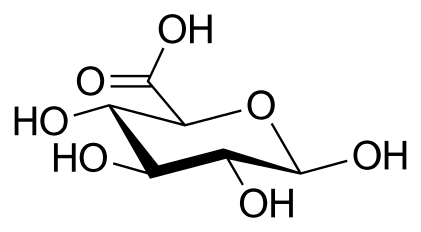
Uronic acids () or alduronic acids are a class of sugar acids with both carbonyl and carboxylic acid functional groups. They are sugars in which the hydroxyl group furthest from the carbonyl group has been oxidized to a carboxylic acid. Usually the sugar is an aldose, but fructuronic acid also occurs. Oxidation of the terminal aldehyde instead yields an aldonic acid, while oxidation of both the terminal hydroxyl group and the aldehyde yields an aldaric acid. The names of uronic acids are generally based on their parent sugars, for example, the uronic acid analog of glucose is glucuronic acid. Uronic acids derived from hexoses are known as hexuronic acids and uronic acids derived from pentoses are known as penturonic acids.
Examples
Some of these compounds have important biochemical functions; for example, many wastes in the human body are excreted in the urine as their glucuronate salts, and iduronic acid is a component of some structural complexes such as proteoglycans.
References
References
- (2014). "Uronic acid".
- (2016). "Production and Applications of Carbohydrate-Derived Sugar Acids as Generic Biobased Chemicals". Critical Reviews in Biotechnology.
This article was imported from Wikipedia and is available under the Creative Commons Attribution-ShareAlike 4.0 License. Content has been adapted to SurfDoc format. Original contributors can be found on the article history page.
Ask Mako anything about Uronic acid — get instant answers, deeper analysis, and related topics.
Research with MakoFree with your Surf account
Create a free account to save articles, ask Mako questions, and organize your research.
Sign up freeThis content may have been generated or modified by AI. CloudSurf Software LLC is not responsible for the accuracy, completeness, or reliability of AI-generated content. Always verify important information from primary sources.
Report