From Surf Wiki (app.surf) — the open knowledge base
Type 2 diabetes
Form of diabetes mellitus
Form of diabetes mellitus
| Field | Value |
|---|---|
| image | Blue circle for diabetes.svg |
| image_size | 200px |
| caption | A blue circle is the universal symbol of diabetes. |
| field | Endocrinology |
| synonyms | Adult-onset diabetes; |
| non-insulin-dependent diabetes | |
| pronounce | |
| symptoms | Increased thirst, frequent urination, unexplained weight loss, increased hunger |
| complications | Hyperosmolar hyperglycemic state, diabetic ketoacidosis, heart disease, stroke, diabetic retinopathy, kidney failure, lower-limb amputations |
| onset | Middle or older age |
| duration | Long term |
| causes | Obesity, lack of exercise, genetics |
| diagnosis | Blood test |
| prevention | Maintaining normal weight, exercising, healthy diet |
| treatment | Dietary changes, exercise, diabetes medication such as metformin and insulin, bariatric surgery |
| prognosis | 10 year shorter life expectancy |
| frequency | 392 million (2015) |
non-insulin-dependent diabetes
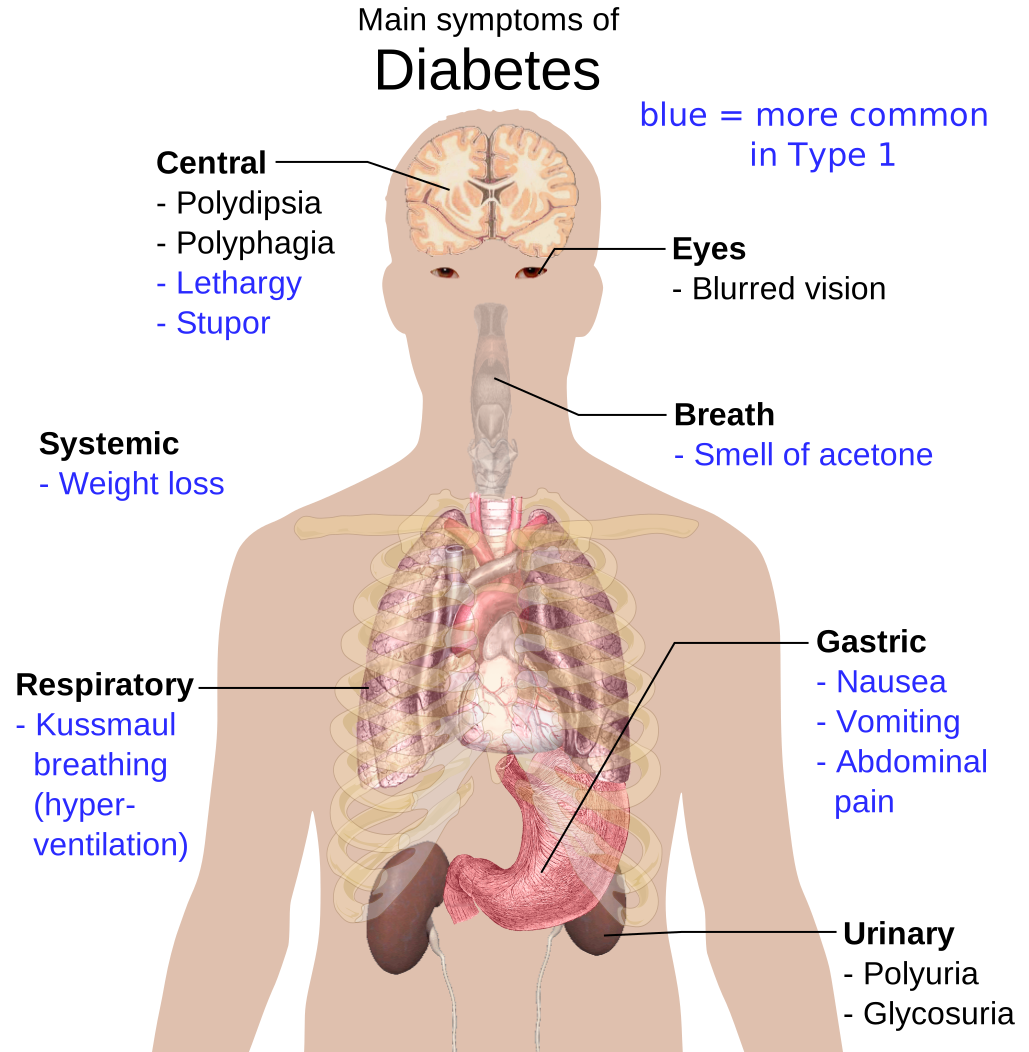
Type 2 diabetes (T2D), formerly known as adult-onset diabetes, is a form of diabetes mellitus that is characterized by high blood sugar, insulin resistance, and relative lack of insulin. Common symptoms include increased thirst, frequent urination, fatigue and unexplained weight loss. Other symptoms include increased hunger, having a sensation of pins and needles, and sores (wounds) that heal slowly. Symptoms often develop slowly. Long-term complications from high blood sugar include heart disease; stroke; diabetic retinopathy, which can result in blindness; kidney failure; and poor blood flow in the lower limbs, which may lead to amputations.
Type 2 diabetes primarily occurs as a result of obesity and lack of exercise. Some people are genetically more at risk than others. Type 2 diabetes makes up about 90% of cases of diabetes, with the other 10% due primarily to type 1 diabetes and gestational diabetes.
Diagnosis of diabetes is by blood tests such as fasting plasma glucose, oral glucose tolerance test, or glycated hemoglobin (A1c).
Type 2 diabetes is largely preventable by staying at a normal weight, exercising regularly, and eating a healthy diet (a popular example is a diet high in fruits and vegetables and low in sugar and saturated fat).
Treatment involves exercise and dietary changes. Many people may eventually also require insulin injections. In those on insulin, routinely checking blood sugar levels (such as through a continuous glucose monitor) is advised; however, this may not be needed in those who are not on insulin therapy. Bariatric surgery often improves diabetes in those who are obese.
Rates of type 2 diabetes have increased markedly since 1960 in parallel with obesity. As of 2015, there were approximately 392 million people diagnosed with the disease compared to around 30 million in 1985. Typically, it begins in middle or older age, Type 2 diabetes is associated with a ten-year-shorter life expectancy. Diabetes was one of the first diseases ever described, dating back to an Egyptian manuscript from BCE. Type 1 and type 2 diabetes were identified as separate conditions in 400–500 CE with type 1 associated with youth and type 2 with being overweight.
Signs and symptoms
The classic symptoms of diabetes are frequent urination (polyuria), increased thirst (polydipsia), increased hunger (polyphagia), and weight loss. Other symptoms that are commonly present at diagnosis include a history of blurred vision, itchiness, peripheral neuropathy, recurrent vaginal infections, and fatigue. Other symptoms may include loss of taste. Many people, however, have no symptoms during the first few years and are diagnosed on routine testing. A small number of people with type 2 diabetes can develop a hyperosmolar hyperglycemic state (a condition of very high blood sugar associated with a decreased level of consciousness and low blood pressure).
Complications
Main article: Complications of diabetes
Type 2 diabetes is typically a chronic disease associated with a ten-year-shorter life expectancy. This is partly due to a number of complications with which it is associated, including: two to four times the risk of cardiovascular disease, including ischemic heart disease and stroke; a 20-fold increase in lower limb amputations, and increased rates of hospitalizations. In the developed world, and increasingly elsewhere, type 2 diabetes is the largest cause of nontraumatic blindness and kidney failure. It has also been associated with an increased risk of cognitive dysfunction and dementia through disease processes such as Alzheimer's disease and vascular dementia. Other complications include hyperpigmentation of skin (acanthosis nigricans), sexual dysfunction, diabetic ketoacidosis, and frequent infections. There is also an association between type 2 diabetes and mild hearing loss.
Causes
The development of type 2 diabetes is caused by a combination of lifestyle and genetic factors. While some of these factors are under personal control, such as diet and obesity, other factors are not, such as increasing age, female sex, and genetics. Obesity is more common in women than men in many parts of Africa. The nutritional status of a mother during fetal development may also play a role.
Lifestyle
Main article: Lifestyle causes of type 2 diabetes
Lifestyle factors are important to the development of type 2 diabetes, including obesity and being overweight (defined by a body mass index of greater than 25), lack of physical activity, poor diet, psychological stress, and urbanization. Excess body fat is associated with 30% of cases in those of Chinese and Japanese descent, 60–80% of cases in those of European and African descent, and 100% of cases in Pima Indians and Pacific Islanders. Lack of sleep has also been linked to type 2 diabetes. Laboratory studies have linked short-term sleep deprivations to changes in glucose metabolism, nervous system activity, or hormonal factors that may lead to diabetes.
Dietary factors also influence the risk of developing type 2 diabetes. Consumption of sugar-sweetened drinks in excess is associated with an increased risk. The type of fats in the diet are important, with saturated fat and trans fatty acids increasing the risk, and polyunsaturated and monounsaturated fat decreasing the risk. A lack of exercise is believed to cause 7% of cases. Sedentary lifestyle is another risk factor. Persistent organic pollutants may also play a role.
Genetics
Main article: Genetic causes of type 2 diabetes, Epigenetics of diabetes type 2
Most cases of diabetes involve many genes, with each being a small contributor to an increased probability of becoming a type 2 diabetic. More than 36 genes and 80 single nucleotide polymorphisms (SNPs) had been found that contribute to the risk of type 2 diabetes. All of these genes together still only account for 10% of the total heritable component of the disease. The TCF7L2 allele, for example, increases the risk of developing diabetes by 1.5 times and is the greatest risk of the common genetic variants. Most of the genes linked to diabetes are involved in pancreatic beta cell functions.
There are a number of rare cases of diabetes that arise due to an abnormality in a single gene (known as monogenic forms of diabetes or "other specific types of diabetes").
Epigenetic regulation may have a role in type 2 diabetes.
Medical conditions
There are a number of medications and other health problems that can predispose to diabetes. Some of the medications include: glucocorticoids, thiazides, beta blockers, atypical antipsychotics, and statins. Those who have previously had gestational diabetes are at a higher risk of developing type 2 diabetes. Testosterone deficiency is also associated with type 2 diabetes. Eating disorders may also interact with type 2 diabetes, with bulimia nervosa increasing the risk and anorexia nervosa decreasing it.
Pathophysiology

Type 2 diabetes is due to insufficient insulin production from beta cells in the setting of insulin resistance. In the liver, insulin normally suppresses glucose release. However, in the setting of insulin resistance, the liver inappropriately releases glucose into the blood. The proportion of insulin resistance versus beta cell dysfunction differs among individuals, with some having primarily insulin resistance and only a minor defect in insulin secretion and others with slight insulin resistance and primarily a lack of insulin secretion.
Other potentially important mechanisms associated with type 2 diabetes and insulin resistance include: increased breakdown of lipids within fat cells, resistance to and lack of incretin, high glucagon levels in the blood, increased retention of salt and water by the kidneys, and inappropriate regulation of metabolism by the central nervous system. However, not all people with insulin resistance develop diabetes since an impairment of insulin secretion by pancreatic beta cells is also required.
In the early stages of insulin resistance, the mass of beta cells expands, increasing the output of insulin to compensate for the insulin insensitivity, so that the disposition index remains constant. But when type 2 diabetes has become manifest, the person will have lost about half of their beta cells.
The causes of the aging-related insulin resistance seen in obesity and in type 2 diabetes are uncertain. Effects of intracellular lipid metabolism and ATP production in liver and muscle cells may contribute to insulin resistance.
Diagnosis
The World Health Organization definition of diabetes (both type 1 and type 2) is for a single raised glucose reading with symptoms, or for raised glucose readings on two separate dates, of either:
- fasting plasma glucose ≥ 7.0 mmol/L (126 mg/dL) :or
- glucose tolerance test with two hours after the oral dose a plasma glucose ≥ 11.1 mmol/L (200 mg/dL) A random blood sugar of greater than 11.1 mmol/L (200 mg/dL) in association with typical symptoms Positive tests should be repeated unless the person presents with typical symptoms and blood sugar 11.1 mmol/L (200 mg/dL).
| Diabetes mellitus | Prediabetes |
|---|---|
| HbA1c | ≥ 6.5% (≥ 48 mmol/mol) |
| Fasting glucose | ≥ 126 mg/dL |
| 2h glucose | ≥ 200 mg/dL |
| Random glucose with classic symptoms | ≥ 200 mg/dL |
Threshold for diagnosis of diabetes is based on the relationship between results of glucose tolerance tests, fasting glucose or HbA1c and complications such as retinal problems. It is estimated that 20% of people with diabetes in the United States do not realize that they have the disease.
Type 2 diabetes is characterized by high blood glucose in the context of insulin resistance and relative insulin deficiency. This is in contrast to type 1 diabetes in which there is an absolute insulin deficiency due to destruction of islet cells in the pancreas and gestational diabetes that is a new onset of high blood sugars associated with pregnancy. Type 1 and type 2 diabetes can typically be distinguished based on the presenting circumstances. with C-peptide levels normal or high in type 2 diabetes, but low in type 1 diabetes.
Screening
The United States Preventive Services Task Force (USPSTF) recommended in 2021 screening for type 2 diabetes in adults aged 35 to 70 years old who are overweight (i.e. BMI over 25) or have obesity. For people of Asian descent, screening is recommended if they have a BMI over 23. Screening at an earlier age may be considered in people with a family history of diabetes; some ethnic groups, including Hispanics, African Americans, and Native Americans; a history of gestational diabetes; polycystic ovary syndrome. Screening can be repeated every 3 years.
According to the US Preventive Services Task Force in a recommendation statement, screening for diabetes in people without risk factors or symptoms is not recommended. However, the American Diabetes Association (ADA) recommended in 2024 screening in all adults from the age of 35 years. ADA also recommends screening in adults of all ages with a BMI over 25 (or over 23 in Asian Americans) with another risk factor: first-degree relative with diabetes, ethnicity at high risk for diabetes, blood pressure ≥130/80 mmHg or on therapy for hypertension, history of cardiovascular disease, physical inactivity, polycystic ovary syndrome or severe obesity. ADA recommends repeat screening every 3 years at minimum. ADA recommends yearly tests in people with prediabetes. People with previous gestational diabetes or pancreatitis are also recommended screening.
There is no evidence that screening changes the risk of death and any benefit of screening on adverse effects, incidence of type 2 diabetes, HbA1c or socioeconomic effects are not clear.
In the UK, NICE guidelines suggest taking action to prevent diabetes for people with a body mass index (BMI) of 30 or more. For people of Black African, African-Caribbean, South Asian and Chinese descent the recommendation to start prevention starts at the BMI of 27,5. A study based on a large sample of people in England suggest even lower BMIs for certain ethnic groups for the start of prevention, for example 24 in South Asian and 21 in Bangladeshi populations.
Prevention
Main article: Prevention of type 2 diabetes
Onset of type 2 diabetes can be delayed or prevented through proper nutrition and regular exercise. Intensive lifestyle measures may reduce the risk by over half. The benefit of exercise occurs regardless of the person's initial weight or subsequent weight loss. High levels of physical activity reduce the risk of diabetes by about 28%. Evidence for the benefit of dietary changes alone, however, is limited, with some evidence for a diet high in green leafy vegetables and some for limiting the intake of sugary drinks. There is an association between higher intake of sugar-sweetened fruit juice and diabetes, but no evidence of an association with 100% fruit juice. A 2019 review found evidence of benefit from dietary fiber.
A 2017 review found that, long term, lifestyle changes decreased the risk by 28%, while medication does not reduce risk after withdrawal. While low vitamin D levels are associated with an increased risk of diabetes, correcting the levels by supplementing vitamin D3 does not improve that risk.
In those with prediabetes, diet in combination with physical activity delays or reduces the risk of type 2 diabetes, according to a 2017 Cochrane review. In those with prediabetes, metformin may delay or reduce the risk of developing type 2 diabetes compared to diet and exercise or a placebo intervention, but not compared to intensive diet and exercise, and there was not enough data on outcomes such as mortality and diabetic complications and health-related quality of life, according to a 2019 Cochrane review. In those with prediabetes, alpha-glucosidase inhibitors such as acarbose may delay or reduce the risk of type 2 diabetes when compared to placebo, however there was no conclusive evidence that acarbose improved cardiovascular mortality or cardiovascular events, according to a 2018 Cochrane review. In those with prediabetes, pioglitazone may delay or reduce the risk of developing type 2 diabetes compared to placebo or no intervention, but no difference was seen compared to metformin, and data were missing on mortality and complications and quality of life, according to a 2020 Cochrane review. In those with prediabetes, there was insufficient data to draw any conclusions on whether SGLT2 inhibitors may delay or reduce the risk of developing type 2 diabetes, according to a 2016 Cochrane review.
Management
Management of type 2 diabetes focuses on lifestyle interventions, lowering other cardiovascular risk factors, and maintaining blood glucose levels in the normal range. Self-monitoring of blood glucose for people with newly diagnosed type 2 diabetes may be used in combination with education, although the benefit of self-monitoring in those not using multi-dose insulin is questionable. Managing other cardiovascular risk factors, such as hypertension, high cholesterol, and microalbuminuria, improves a person's life expectancy. Intensive blood pressure management (less than 130/80 mmHg) as opposed to standard blood pressure management (less than 140–160 mmHg systolic to 85–100 mmHg diastolic) results in a slight decrease in stroke risk but no effect on overall risk of death.
Intensive blood sugar lowering (HbA1c 1c of 7–7.9%) does not appear to change mortality. The goal of treatment is typically an HbA1c of 7 to 8% or a fasting glucose of less than 7.2 mmol/L (130 mg/dL); however these goals may be changed after professional clinical consultation, taking into account particular risks of hypoglycemia and life expectancy. Hypoglycemia is associated with adverse outcomes in older people with type 2 diabetes. Despite guidelines recommending that intensive blood sugar control be based on balancing immediate harms with long-term benefits, many people – for example people with a life expectancy of less than nine years who will not benefit, are over-treated.
It is recommended that all people with type 2 diabetes get regular eye examinations.
Lifestyle
Exercise
A proper diet and regular exercise are foundations of diabetic care, Regular exercise may improve blood sugar control, decrease body fat content, and decrease blood lipid levels.
Diet
Calorie restriction to promote weight loss is generally recommended. Around 80 percent of obese people with type 2 diabetes achieve complete remission with no need for medication if they sustain a weight loss of at least 15 kg, but most patients are not able to achieve or sustain significant weight loss. Even modest weight loss can produce significant improvements in glycemic control and reduce the need for medication.
Several diets may be effective such as the DASH diet, Mediterranean diet, low-fat diet, or monitored carbohydrate diets such as a low carbohydrate diet. Other recommendations include emphasizing intake of fruits, vegetables, reduced saturated fat and low-fat dairy products, and with a macronutrient intake tailored to the individual, to distribute calories and carbohydrates throughout the day. A 2021 review showed that consumption of tree nuts (walnuts, almonds, and hazelnuts) reduced fasting blood glucose in diabetic people. , there is insufficient data to recommend nonnutritive sweeteners, which may help reduce caloric intake. An elevated intake of microbiota-accessible carbohydrates can help reducing the effects of T2D. Viscous fiber supplements may be useful in those with diabetes.
Culturally appropriate education may help people with type 2 diabetes control their blood sugar levels for up to 24 months. There is not enough evidence to determine if lifestyle interventions affect mortality in those who already have type 2 diabetes.
Stress management
Although psychological stress is recognized as a risk factor for type 2 diabetes, A Cochrane review is under way to assess the effects of mindfulness‐based interventions for adults with type 2 diabetes.
Medications
Blood sugar control
There are several classes of diabetes medications available. Metformin is generally recommended as a first line treatment as there is some evidence that it decreases mortality; however, this conclusion is questioned. Metformin should not be used in those with severe kidney or liver problems. The American Diabetes Association and European Association for the Study of Diabetes recommend using a GLP-1 receptor agonist or SGLT2 inhibitor as the first-line treatment in patients who have or are at high risk for atherosclerotic cardiovascular disease, heart failure, or chronic kidney disease. The higher cost of these drugs compared to metformin has limited their use.
Other classes of medications include: sulfonylureas, thiazolidinediones, dipeptidyl peptidase-4 inhibitors, SGLT2 inhibitors, and GLP-1 receptor agonists. Rosiglitazone, a thiazolidinedione, has not been found to improve long-term outcomes even though it improves blood sugar levels. Additionally it is associated with increased rates of heart disease and death.
Injections of insulin may either be added to oral medication or used alone. and do not appear much better than NPH insulin, but as they are significantly more expensive, they are not cost effective as of 2010. In those who are pregnant, insulin is generally the treatment of choice.
Blood pressure lowering
Many international guidelines recommend blood pressure treatment targets that are lower than 140/90 mmHg for people with diabetes. However, there is only limited evidence regarding what the lower targets should be. A 2016 systematic review found potential harm to treating to targets lower than 140 mmHg, and a subsequent review in 2019 found no evidence of additional benefit from blood pressure lowering to between 130 and 140 mmHg, although there was an increased risk of adverse events. 2023 European Society of Cardiology guidelines recommend systolic blood pressure lowering to 130 mmHg in most people with diabetes.
In people with diabetes and hypertension and either albuminuria or chronic kidney disease, an inhibitor of the renin-angiotensin system (such as an ACE inhibitor or angiotensin receptor blocker) to reduce the risks of progression of kidney disease and present cardiovascular events. There is some evidence that angiotensin converting enzyme inhibitors (ACEIs) are superior to other inhibitors of the renin-angiotensin system such as angiotensin receptor blockers (ARBs), or aliskiren in preventing cardiovascular disease. Although a 2016 review found similar effects of ACEIs and ARBs on major cardiovascular and renal outcomes. There is no evidence that combining ACEIs and ARBs provides additional benefits.
Other
The use of statins in diabetes to prevent cardiovascular disease should be considered after evaluating the person's total risk for cardiovascular disease.
The use of aspirin (acetylsalicylic acid) to prevent cardiovascular disease in diabetes is controversial. Aspirin is recommended in people with previous cardiovascular disease, however routine use of aspirin has not been found to improve outcomes in uncomplicated diabetes. Aspirin as primary prevention may have greater risk than benefit, but could be considered in people aged 50 to 70 with another significant cardiovascular risk factor and low risk of bleeding after information about possible risks and benefits as part of shared-decision making.
Vitamin D supplementation to people with type 2 diabetes may improve markers of insulin resistance and HbA1c.
Sharing their electronic health records with people who have type 2 diabetes helps them to reduce their blood sugar levels. It is a way of helping people understand their own health condition and involving them actively in its management.
Surgery
Weight loss surgery in those who are obese is an effective measure to treat diabetes. Many are able to maintain normal blood sugar levels with little or no medication following surgery and long-term mortality is decreased. The body mass index cutoffs for when surgery is appropriate are not yet clear. It is recommended that this option be considered in those who are unable to get both their weight and blood sugar under control.
Epidemiology
The International Diabetes Federation estimates nearly 537 million people lived with diabetes worldwide in 2021, 90–95% of whom have type 2 diabetes. Diabetes is common both in the developed and the developing world.
Some ethnic groups such as South Asians, Pacific Islanders, Latinos, and Native Americans are at particularly high risk of developing type 2 diabetes.
Rates of diabetes in 1985 were estimated at 30 million, increasing to 135 million in 1995 and 217 million in 2005. It is recognized as a global epidemic by the World Health Organization.
History
Diabetes is one of the first diseases described The first described cases are believed to be of type 1 diabetes. Indian physicians around the same time identified the disease and classified it as madhumeha or honey urine noting that the urine would attract ants. The term "diabetes" or "to pass through" was first used in 230 BCE by the Greek Apollonius Memphites. The disease was rare during the time of the Roman Empire with Galen commenting that he had only seen two cases during his career.
Type 1 and type 2 diabetes were identified as separate conditions for the first time by the Indian physicians Sushruta and Charaka in 400–500 CE with type 1 associated with youth and type 2 with being overweight. Effective treatment was not developed until the early part of the 20th century when the Canadians Frederick Banting and Charles Best discovered insulin in 1921 and 1922. This was followed by the development of the longer acting NPH insulin in the 1940s.
In 1916, Elliot Joslin proposed that in people with diabetes, periods of fasting are helpful. Subsequent research has supported this, and weight loss is a first line treatment in type 2 diabetes.
Research
In 2020, Diabetes Severity Score (DISSCO) was developed which is a tool that could be better than HbA1c identify if a person's condition is declining. It uses a computer algorithm to analyze data from anonymized electronic patient records and produces a score based on 34 indicators.
Stem cells
In April 2024 scientists reported the first case of reversion of type 2 diabetes by use of stem cells in a 59-year-old man treated in 2021 who has since remained insulin-free. Replication in more patients and evidence over longer periods would be needed before considering this treatment as a possible cure.
References
References
- (17 March 2006). "Diabetes Blue Circle Symbol". International Diabetes Federation.
- (June 2014). "Causes of Diabetes". National Institute of Diabetes and Digestive and Kidney Diseases.
- (November 2014). "Hyperosmolar hyperglycemic state: a historic review of the clinical presentation, diagnosis, and treatment". [[Diabetes Care]].
- (June 2008). "Diabetic ketoacidosis: diagnosis and management". African Journal of Medicine and Medical Sciences.
- (June 2014). "Diagnosis of Diabetes and Prediabetes". National Institute of Diabetes and Digestive and Kidney Diseases.
- (June 2020). "Metformin monotherapy for adults with type 2 diabetes mellitus". The Cochrane Database of Systematic Reviews.
- (February 2005). "Oral antidiabetic agents: current role in type 2 diabetes mellitus". [[Drugs (journal).
- (January 2012). "Self-monitoring of blood glucose in patients with type 2 diabetes mellitus who are not using insulin". The Cochrane Database of Systematic Reviews.
- (June 2015). "Effect of bariatric surgery on humoral control of metabolic derangements in obese patients with type 2 diabetes mellitus: How it works". [[World Journal of Clinical Cases]].
- (April 2015). "Metabolic bariatric surgery and type 2 diabetes mellitus: an endocrinologist's perspective". [[Journal of Biomedical Research]].
- (2013). "Public health nursing: practicing population-based care". Jones & Bartlett Learning.
- (October 2016). "Global, regional, and national incidence, prevalence, and years lived with disability for 310 diseases and injuries, 1990–2015: a systematic analysis for the Global Burden of Disease Study 2015". [[Lancet (journal).
- (January 2006). "Diabetes and obesity: the twin epidemics". [[Nature Medicine]].
- (March 2009). "Pathophysiology of type 2 diabetes mellitus in youth: the evolving chameleon". Arquivos Brasileiros de Endocrinologia e Metabologia.
- (December 2012). "Projections of type 1 and type 2 diabetes burden in the U.S. population aged <20 years through 2050: dynamic modeling of incidence, mortality, and population growth". Diabetes Care.
- (2011). "Williams textbook of endocrinology". Elsevier/Saunders.
- (2011). "Exercise and disease management". CRC Press.
- (February 2016). "Pathophysiology of type 1 and type 2 diabetes mellitus: a 90-year perspective". [[Postgraduate Medical Journal]].
- (March 2010). "In the clinic. Type 2 diabetes". Annals of Internal Medicine.
- (2011). "Greenspan's basic & clinical endocrinology". McGraw-Hill Medical.
- (2019). "StatPearls". StatPearls Publishing.
- "Developing tools to help predict future risk for diabetes and heart attack".
- (October 2010). "Diabetes and cognitive impairment: how to evaluate the cognitive status?". Diabetes & Metabolism.
- "Diabetic ketoacidosis: Know the warning signs-Diabetic ketoacidosis - Symptoms & causes".
- (December 29, 2021). "WHAT IS TYPE 2 DIABETES?". Diabetes Daily.
- (March 2014). "Is type 2 diabetes mellitus associated with alterations in hearing? A systematic review and meta-analysis". The Laryngoscope.
- (January 2009). "Dietary fats and prevention of type 2 diabetes". Progress in Lipid Research.
- (September 2013). "Differences by sex in the prevalence of diabetes mellitus, impaired fasting glycaemia and impaired glucose tolerance in sub-Saharan Africa: a systematic review and meta-analysis". Bulletin of the World Health Organization.
- (March 2010). "Maternal micronutrient deficiency, fetal development, and the risk of chronic disease". The Journal of Nutrition.
- (December 2015). "Relation of active, passive, and quitting smoking with incident type 2 diabetes: a systematic review and meta-analysis". The Lancet. Diabetes & Endocrinology.
- (August 2011). "Does lack of sleep cause diabetes?". Cleveland Clinic Journal of Medicine.
- (March 2010). "Sugar-sweetened beverages, obesity, type 2 diabetes mellitus, and cardiovascular disease risk". Circulation.
- (November 2010). "Sugar-sweetened beverages and risk of metabolic syndrome and type 2 diabetes: a meta-analysis". Diabetes Care.
- (March 2012). "White rice consumption and risk of type 2 diabetes: meta-analysis and systematic review". BMJ.
- (July 2012). "Effect of physical inactivity on major non-communicable diseases worldwide: an analysis of burden of disease and life expectancy". Lancet.
- (September 2018). "Sedentary behaviour and risk of all-cause, cardiovascular and cancer mortality, and incident type 2 diabetes: a systematic review and dose response meta-analysis". European Journal of Epidemiology.
- (June 2012). "Can persistent organic pollutants and plastic-associated chemicals cause cardiovascular disease?". Journal of Internal Medicine.
- (June 2011). "Genetics of type 2 diabetes: pathophysiologic and clinical relevance". European Journal of Clinical Investigation.
- (August 2016). "The genetic architecture of type 2 diabetes". Nature.
- Rosen, Evan D.. (2018). "Epigenetics and Epigenomics: Implications for Diabetes and Obesity". Diabetes.
- (2008). "Type 2 diabetes mellitus: an evidence-based approach to practical management". Humana Press.
- (November 2005). "Drug-induced diabetes mellitus". Expert Opinion on Drug Safety.
- (July 2011). "Are statins diabetogenic?". Current Opinion in Cardiology.
- (March 2009). "The role of testosterone in the metabolic syndrome: a review". The Journal of Steroid Biochemistry and Molecular Biology.
- (2008). "Low testosterone and the association with type 2 diabetes". The Diabetes Educator.
- (November 2017). "Are Eating Disorders Risk Factors for Type 2 Diabetes? A Systematic Review and Meta-analysis". Current Diabetes Reports.
- (July 2007). "Assessment of beta-cell function in humans, simultaneously with insulin sensitivity and hepatic extraction, from intravenous and oral glucose tests". American Journal of Physiology. Endocrinology and Metabolism.
- (January 2018). "Review of methods for measuring β-cell function: Design considerations from the Restoring Insulin Secretion (RISE) Consortium". Diabetes, Obesity & Metabolism.
- (September 2024). "A novel simple disposition index (SPINA-DI) from fasting insulin and glucose concentration as a robust measure of carbohydrate homeostasis". Journal of Diabetes.
- (2019). "Death versus dedifferentiation: The molecular bases of beta cell mass reduction in type 2 diabetes". [[Seminars in Cell and Developmental Biology]].
- (August 2021). "A Review of Current Trends with Type 2 Diabetes Epidemiology, Aetiology, Pathogenesis, Treatments and Future Perspectives". Diabetes, Metabolic Syndrome and Obesity: Targets and Therapy.
- World Health Organization. "Definition, diagnosis and classification of diabetes mellitus and its complications: Report of a WHO Consultation. Part 1. Diagnosis and classification of diabetes mellitus".
- (July 2009). "International Expert Committee report on the role of the A1C assay in the diagnosis of diabetes". Diabetes Care.
- (2005). "Robbins and Cotran Pathologic Basis of Disease". Saunders.
- (2007). "Diabetes mellitus a guide to patient care.". Lippincott Williams & Wilkins.
- (2013). "Basic Skills in Interpreting Laboratory Data". American Society of Health-System Pharmacists.
- (August 2021). "Screening for Prediabetes and Type 2 Diabetes: US Preventive Services Task Force Recommendation Statement". JAMA.
- (January 2024). "2. Diagnosis and Classification of Diabetes: Standards of Care in Diabetes-2024". Diabetes Care.
- (June 2015). "Screening for type 2 diabetes mellitus: a systematic review for the U.S. Preventive Services Task Force". Annals of Internal Medicine.
- (May 2020). "Screening for type 2 diabetes mellitus". The Cochrane Database of Systematic Reviews.
- (2022-07-26). "Diabetes: putting people at the heart of services". National Institute for Health and Care Research.
- (2022-03-10). "Are you at risk of diabetes? Research finds prevention should start at a different BMI for each ethnic group". National Institute for Health and Care Research.
- (July 2021). "Ethnicity-specific BMI cutoffs for obesity based on type 2 diabetes risk in England: a population-based cohort study". The Lancet. Diabetes & Endocrinology.
- (December 2008). "Lifestyle interventions reduced the long-term risk of diabetes in adults with impaired glucose tolerance". Evidence-Based Medicine.
- (December 2017). "Diet, physical activity or both for prevention or delay of type 2 diabetes mellitus and its associated complications in people at increased risk of developing type 2 diabetes mellitus". The Cochrane Database of Systematic Reviews.
- (September 2011). "Exercise and the treatment of diabetes and obesity". The Medical Clinics of North America.
- (August 2016). "Physical activity and risk of breast cancer, colon cancer, diabetes, ischemic heart disease, and ischemic stroke events: systematic review and dose-response meta-analysis for the Global Burden of Disease Study 2013". BMJ.
- (August 2010). "Fruit and vegetable intake and incidence of type 2 diabetes mellitus: systematic review and meta-analysis". BMJ.
- (May 2017). "Food groups and risk of type 2 diabetes mellitus: a systematic review and meta-analysis of prospective studies". European Journal of Epidemiology.
- (2014). "Intake of fruit juice and incidence of type 2 diabetes: a systematic review and meta-analysis". PLOS ONE.
- (February 2019). "Carbohydrate quality and human health: a series of systematic reviews and meta-analyses". Lancet.
- (December 2017). "Long-term Sustainability of Diabetes Prevention Approaches: A Systematic Review and Meta-analysis of Randomized Clinical Trials". JAMA Internal Medicine.
- (October 2014). "Clinical review: Effect of vitamin D3 supplementation on improving glucose homeostasis and preventing diabetes: a systematic review and meta-analysis". The Journal of Clinical Endocrinology and Metabolism.
- (December 2019). "Metformin for prevention or delay of type 2 diabetes mellitus and its associated complications in persons at increased risk for the development of type 2 diabetes mellitus". The Cochrane Database of Systematic Reviews.
- (December 2018). "Alpha-glucosidase inhibitors for prevention or delay of type 2 diabetes mellitus and its associated complications in people at increased risk of developing type 2 diabetes mellitus". The Cochrane Database of Systematic Reviews.
- (November 2020). "Pioglitazone for prevention or delay of type 2 diabetes mellitus and its associated complications in people at risk for the development of type 2 diabetes mellitus". The Cochrane Database of Systematic Reviews.
- (April 2016). "Sodium-glucose cotransporter (SGLT) 2 inhibitors for prevention or delay of type 2 diabetes mellitus and its associated complications in people at risk for the development of type 2 diabetes mellitus". The Cochrane Database of Systematic Reviews.
- (January 2009). "Management of blood glucose in type 2 diabetes mellitus". American Family Physician.
- (February 2022). "Self-management in patients with type 2 diabetes: Group-based versus individual education. A systematic review with meta-analysis of randomized trails". Nutrition, Metabolism, and Cardiovascular Diseases.
- (September 2012). "Intensive and Standard Blood Pressure Targets in Patients With Type 2 Diabetes Mellitus: Systematic Review and Meta-analysis". Archives of Internal Medicine.
- (July 2011). "Effect of intensive glucose lowering treatment on all cause mortality, cardiovascular death, and microvascular events in type 2 diabetes: meta-analysis of randomised controlled trials". BMJ.
- (July 2011). "Clinical practice and implications of recent diabetes trials". Current Opinion in Cardiology.
- (January 2024). "6. Glycemic Goals and Hypoglycemia: Standards of Care in Diabetes-2024". Diabetes Care.
- (April 2018). "Hemoglobin A1c Targets for Glycemic Control With Pharmacologic Therapy for Nonpregnant Adults With Type 2 Diabetes Mellitus: A Guidance Statement Update From the American College of Physicians". Annals of Internal Medicine.
- (May 2013). "Hypoglycemia and diabetes: a report of a workgroup of the American Diabetes Association and the Endocrine Society". Diabetes Care.
- (January 2017). "An Evidence-Based Medicine Approach to Antihyperglycemic Therapy in Diabetes Mellitus to Overcome Overtreatment". Circulation.
- (July 2006). "Exercise for type 2 diabetes mellitus". The Cochrane Database of Systematic Reviews.
- (June 2009). "Nutritional strategies in type 2 diabetes mellitus". The Mount Sinai Journal of Medicine, New York.
- (October 2020). "Diet and exercise in the prevention and treatment of type 2 diabetes mellitus". Nature Reviews. Endocrinology.
- (30 September 2020). "Achieving Type 2 Diabetes Remission through Weight Loss".
- (1 January 2021). "8. Obesity Management for the Treatment of Type 2 Diabetes: Standards of Medical Care in Diabetes—2021". Diabetes Care.
- (January 2024). "5. Facilitating Positive Health Behaviors and Well-being to Improve Health Outcomes: Standards of Care in Diabetes—2024". Diabetes Care.
- (January 2009). "Low glycaemic index, or low glycaemic load, diets for diabetes mellitus". The Cochrane Database of Systematic Reviews.
- (January 2015). "Dietary carbohydrate restriction as the first approach in diabetes management: critical review and evidence base". Nutrition.
- (January 2014). "Nutrition therapy recommendations for the management of adults with diabetes". Diabetes Care.
- (May 2021). "Effect of tree nuts on glycemic outcomes in adults with type 2 diabetes mellitus: a systematic review". JBI Evidence Synthesis.
- (August 2012). "Nonnutritive sweeteners: current use and health perspectives: a scientific statement from the American Heart Association and the American Diabetes Association". Diabetes Care.
- (June 2021). "Higher intake of microbiota-accessible carbohydrates and improved cardiometabolic risk factors: a meta-analysis and umbrella review of dietary management in patients with type 2 diabetes". The American Journal of Clinical Nutrition.
- (May 2019). "Should Viscous Fiber Supplements Be Considered in Diabetes Control? Results From a Systematic Review and Meta-analysis of Randomized Controlled Trials". Diabetes Care.
- (September 2014). "Culturally appropriate health education for people in ethnic minority groups with type 2 diabetes mellitus". The Cochrane Database of Systematic Reviews.
- (January 2021). "Mindfulness‐based interventions for adults with type 2 diabetes mellitus". Cochrane Database of Systematic Reviews.
- (July 2016). "Comparison of Clinical Outcomes and Adverse Events Associated With Glucose-Lowering Drugs in Patients With Type 2 Diabetes: A Meta-analysis". JAMA.
- (2012). "Reappraisal of metformin efficacy in the treatment of type 2 diabetes: a meta-analysis of randomised controlled trials". PLOS Medicine.
- (2022-09-28). "Management of Hyperglycemia in Type 2 Diabetes, 2022. A Consensus Report by the American Diabetes Association (ADA) and the European Association for the Study of Diabetes (EASD)". Diabetes Care.
- (January 2024). "9. Pharmacologic Approaches to Glycemic Treatment: Standards of Care in Diabetes—2024". Diabetes Care.
- (September 2023). "Initial management of hyperglycemia in adults with type 2 diabetes mellitus".
- (October 2022). "First-Line Therapy for Type 2 Diabetes With Sodium-Glucose Cotransporter-2 Inhibitors and Glucagon-Like Peptide-1 Receptor Agonists: A Cost-Effectiveness Study". Annals of Internal Medicine.
- (13 January 2021). "Should metformin remain the first-line therapy for treatment of type 2 diabetes?". Therapeutic Advances in Endocrinology and Metabolism.
- (April 2018). "Association Between Use of Sodium-Glucose Cotransporter 2 Inhibitors, Glucagon-like Peptide 1 Agonists, and Dipeptidyl Peptidase 4 Inhibitors With All-Cause Mortality in Patients With Type 2 Diabetes: A Systematic Review and Meta-analysis". JAMA.
- (July 2007). "Rosiglitazone for type 2 diabetes mellitus". The Cochrane Database of Systematic Reviews.
- (December 2012). "Risk of cardiovascular disease and all-cause mortality among diabetic patients prescribed rosiglitazone or pioglitazone: a meta-analysis of retrospective cohort studies". Chinese Medical Journal.
- (July 2010). "Newer agents for blood glucose control in type 2 diabetes: systematic review and economic evaluation". Health Technology Assessment.
- (September 2019). "A Roadmap on the Prevention of Cardiovascular Disease Among People Living With Diabetes". Global Heart.
- (February 2016). "Effect of antihypertensive treatment at different blood pressure levels in patients with diabetes mellitus: systematic review and meta-analyses". BMJ.
- (September 2019). "Benefits and harms of lower blood pressure treatment targets: systematic review and meta-analysis of randomised placebo-controlled trials". BMJ Open.
- (2023-10-14). "2023 ESC Guidelines for the management of cardiovascular disease in patients with diabetes: Developed by the task force on the management of cardiovascular disease in patients with diabetes of the European Society of Cardiology (ESC)". European Heart Journal.
- (January 2024). "11. Chronic Kidney Disease and Risk Management: Standards of Care in Diabetes—2024". Diabetes Care.
- (May 2014). "Effect of angiotensin-converting enzyme inhibitors and angiotensin II receptor blockers on all-cause mortality, cardiovascular deaths, and cardiovascular events in patients with diabetes mellitus: a meta-analysis". JAMA Internal Medicine.
- (September 2017). "Effects of aliskiren on mortality, cardiovascular outcomes and adverse events in patients with diabetes and cardiovascular disease or risk: A systematic review and meta-analysis of 13,395 patients". Diabetes & Vascular Disease Research.
- (March 2016). "Cardiovascular and Renal Outcomes of Renin-Angiotensin System Blockade in Adult Patients with Diabetes Mellitus: A Systematic Review with Network Meta-Analyses". PLOS Medicine.
- (January 2024). "10. Cardiovascular Disease and Risk Management: Standards of Care in Diabetes—2024". Diabetes Care.
- (June 2010). "Aspirin for primary prevention of cardiovascular events in people with diabetes: a position statement of the American Diabetes Association, a scientific statement of the American Heart Association, and an expert consensus document of the American College of Cardiology Foundation". Diabetes Care.
- (September 2017). "The Effect of Improved Serum 25-Hydroxyvitamin D Status on Glycemic Control in Diabetic Patients: A Meta-Analysis". The Journal of Clinical Endocrinology and Metabolism.
- (December 2020). "Impact of providing patients access to electronic health records on quality and safety of care: a systematic review and meta-analysis". BMJ Quality & Safety.
- (2020-10-21). "Sharing electronic records with patients led to improved control of type two diabetes". NIHR Evidence.
- (September 2009). "The clinical effectiveness and cost-effectiveness of bariatric (weight loss) surgery for obesity: a systematic review and economic evaluation". Health Technology Assessment.
- (April 2009). "Bariatric surgery for diabetes management". Current Opinion in Endocrinology, Diabetes and Obesity.
- (January 2011). "Bariatric surgery in patients with type 2 diabetes: a viable option". Postgraduate Medicine.
- (September–October 2009). ""Metabolic" surgery for treatment of type 2 diabetes mellitus". Endocrine Practice.
- (June 2012). "Bariatric surgery for type 2 diabetes". Lancet.
- (June 2016). "Metabolic Surgery in the Treatment Algorithm for Type 2 Diabetes: A Joint Statement by International Diabetes Organizations". Diabetes Care.
- International Diabetes Federation. (2021). "IDF Diabetes Atlas". International Diabetes Federation.
- (2020). "Williams Textbook of Endocrinology". Elsevier.
- (December 2022). "Current Knowledge on the Pathophysiology of Lean/Normal-Weight Type 2 Diabetes". International Journal of Molecular Sciences.
- (March 2022). "Maternal low protein diet and fetal programming of lean type 2 diabetes". World Journal of Diabetes.
- (May 2004). "Global prevalence of diabetes: estimates for the year 2000 and projections for 2030". Diabetes Care.
- (14 November 2024). "Diabetes".
- (2021-01-26). "A Hand Book On Diabetes". OrangeBooks Publication.
- (2009). "Principles of diabetes mellitus". Springer.
- (March 2020). "Strategies of Unloading the Failing Heart from Metabolic Stress". The American Journal of Medicine.
- (May 2020). "Development and validation of the DIabetes Severity SCOre (DISSCO) in 139 626 individuals with type 2 diabetes: a retrospective cohort study". BMJ Open Diabetes Research & Care.
- (2020-08-07). "New tool for assessing the severity of type 2 diabetes could help personalise treatment and improve outcomes". National Institute for Health and Care Research.
- (April 2024). "Treating a type 2 diabetic patient with impaired pancreatic islet function by personalized endoderm stem cell-derived islet tissue". Cell Discovery.
- "World's first diabetes cure with cell therapy achieved in China".
This article was imported from Wikipedia and is available under the Creative Commons Attribution-ShareAlike 4.0 License. Content has been adapted to SurfDoc format. Original contributors can be found on the article history page.
Ask Mako anything about Type 2 diabetes — get instant answers, deeper analysis, and related topics.
Research with MakoFree with your Surf account
Create a free account to save articles, ask Mako questions, and organize your research.
Sign up freeThis content may have been generated or modified by AI. CloudSurf Software LLC is not responsible for the accuracy, completeness, or reliability of AI-generated content. Always verify important information from primary sources.
Report