From Surf Wiki (app.surf) — the open knowledge base
Tubbataha Reef
Protected area in the middle of the Sulu Sea
Protected area in the middle of the Sulu Sea
| Field | Value |
|---|---|
| WHS | Tubbataha Reefs Natural Park |
| image | Tubbataha Shark.jpg |
| image_upright | 1.2 |
| caption | Whitetip reef shark at Tubbataha |
| location | Cagayancillo, Palawan, Philippines |
| criteria | (vii), (ix), (x) |
| ID | 653bis |
| coordinates | |
| year | 1993 |
| extension | 2009 |
| area | 96828 ha |
| embedded | {{Designation list |
| embed | yes |
| designation1 | Ramsar |
| designation1_offname | Tubbataha Reefs Natural Park |
| designation1_date | November 12, 1999 |
| designation1_number | 1010 |
| locmapin | Palawan#Philippines |
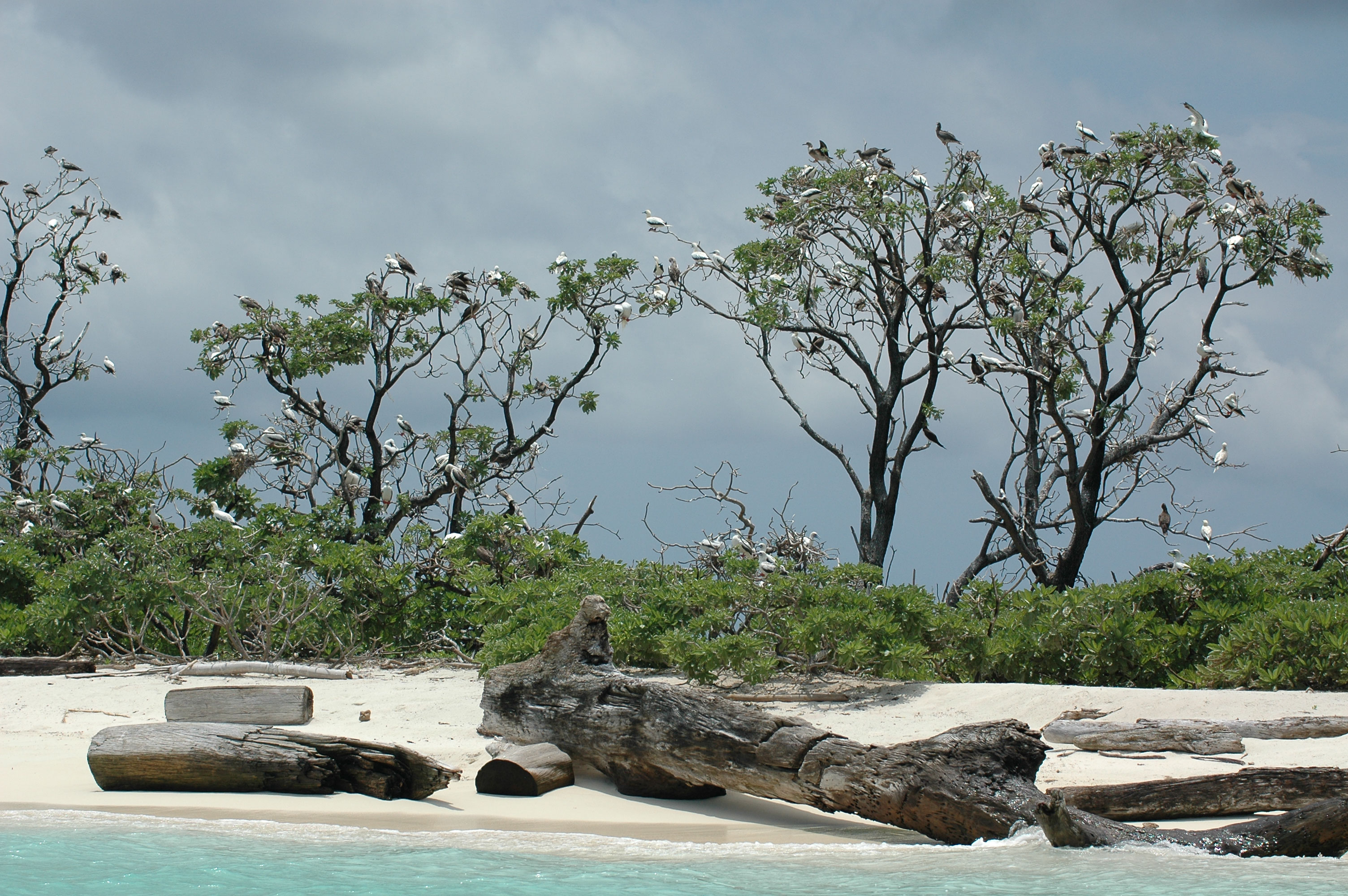
The Tubbataha Natural Park, also known as the Tubbataha Reefs Natural Park (), is a protected area of the Philippines located in the middle of the Sulu Sea. The marine and bird sanctuary consists of two huge atolls (named the North Atoll and South Atoll) and the smaller Jessie Beazley Reef covering a total area of 97030 ha. It is located 150 km southeast of Puerto Princesa, the capital of Palawan. The uninhabited islands and reefs are part of the island municipality of Cagayancillo, located roughly 130 km to the northeast of the reef.
In December 1993, the UNESCO declared the Tubbataha Reefs National Park as a World Heritage Site as a unique example of an atoll reef with a very high density of marine species; the North Islet serving as a nesting site for birds and marine turtles. The site is an excellent example of a pristine coral reef with a spectacular 100-m perpendicular wall, extensive lagoons and two coral islands. In 1999, Ramsar listed Tubbataha as one of the wetlands of international importance. In 2008, the reef was nominated at New7Wonders of Nature.
The national park and the rest of the Philippine archipelago is part of the Coral Triangle, recognized as a center of marine biodiversity containing 75% of the described coral species and 40% of the world's reef fish. The area is under a grave threat due to overfishing and destructive fishing practices. Research of scientists visiting the reefs since the 1980s revealed that the Tubbataha Reefs Natural Park contains no less than 600 fish species, 360 coral species, 11 shark species, 13 dolphin and whale species, and 100 bird species. The reefs also serve as a nesting ground for Hawksbill and Green sea turtles.
Geography
The natural park is located near the middle of Sulu Sea, 150 km southeast of Puerto Princesa, covering a total of 97030 ha. The smaller Jessie Beazley Reef is located about 20 km north of the two atolls.
Geology
Tubbataha Reef is situated on Cagayan Ridge, an extinct underwater volcano and an island arc during the Miocene. Being a true atoll structure, it is believed that the atolls of Tubbataha were formed as fringing reefs and volcanic islands. This follows the classical Charles Darwin's theory that atolls are formed around an existing volcanic island. When the volcanoes became extinct and the islands subsided over a long time, only the corals remained which then continuously grew towards the surface. The staircase-like slopes of the modern reef are now a product of the fluctuating sea levels as the crust under Cagayan Ridge cools and subsides.
History
Etymology
The word tubbataha is a combination of two Sama–Bajau words: tubba and taha, which together means "a long reef exposed at low tide". Historically, Sama-Bajau peoples, who have a nomadic lifestyle, visit the reef from time to time. Although people from the islands of Cagayancillo are frequent visitors of the reef. They used the native vessel banka to sail and fish on "Gusong", their local name for the Tubbataha.
Protection
Tubbataha's isolation, located in the middle of the Sulu Sea far from inhabitants of the nearest populated islands, had preserved its marine resources from over-exploitation over the years. The two islets in Tubbataha have no source of freshwater thus preventing habitation.
In the 1980s, fishermen reaching Tubbataha increased in numbers with the advent in motorized bangkas, instead of the traditional sailboats. Fish had declined in other fishing grounds because of overfishing and soon Tubbataha became a fishing destination because of its abundant marine life. Many fishermen used destructive fishing techniques like cyanide and dynamite fishing to maximize their catch.
Scuba divers and environmentalists campaigned to make the reefs a national marine park. With the endorsement of the Provincial Government of Palawan, on August 11, 1988, President Corazon Aquino signed Proclamation no. 306 establishing the two Tubbataha Reefs as a national marine park with an area of 332 km2. This was the first time that the Philippines had declared a marine area as a national park.
In the early years of law enforcement by the Presidential Task Force, the rangers were housed in a simple canvas tent. In 1996 a wooden structure was built but shifting sand soon rendered its foundations unstable. At present, the marine park rangers are housed in a styrofoam-reinforced concrete structure on the Southeast Islet on Tubbatha's North Atoll.
The National Marine Park was enlarged in 2006 to include the Jessie Beazley Reef. President Gloria Macapagal Arroyo signed Proclamation no. 1126 on August 23, which increased the boundaries of the park by 200% to 970.30 km2. The national park was also reclassified as a natural park. It is guarded by armed rangers 24 hours/7 days a week.
In 2013, during the 25th anniversary of the Tubbataha Reef's national park declaration, the World Wildlife Fund announced plans to construct a modernized ranger station on a different site to effectively monitor and deal with illegal poaching activities. The said project would cost PHP50 million.
Recognition
It was declared a World Heritage Site by the United Nations Educational, Scientific, and Cultural Organization (UNESCO) in December 1993 and falls under the protective management of the Department of National Defense (DND) of the Philippines. It is currently under technical supervision by the Palawan Council for Sustainable Development (PCSD) and the Department of Environment and Natural Resources (DENR).
In 1999, Ramsar listed Tubbataha as one of the Wetlands of International Importance because of the variety of its marine life species and valuable role as a habitat for various animals.
The Tubbataha Reef Natural Park was nominated by New7Wonders Foundation in the New 7 Wonders of Nature in 2007 but lost.
In November 2015, Tubbataha was declared by the ASEAN's Centre for Biodiversity as the 35th ASEAN Heritage Park.
On July 25, 2017, the Tubbataha Reef was designated as a Particularly Sensitive Sea Area (PSSA)—and an "area to be avoided"—by the International Maritime Organization.
Management
Although the reefs are geographically part of the island municipality of Cagayancillo, Palawan, located roughly 130 km to the northeast of the reef,
Ecology
Over 1000 species of marine life inhabit the reef with many considered endangered. Animal species found include manta rays, lionfish, sea turtles, clownfish, and sharks. Tubbataha has become a popular site for seasoned sport divers because of its coral "walls" where the shallow coral reef abruptly ends giving way to great depths. These "walls" are also habitats for many colonies of fish. Giant trevally (jacks), hammerhead sharks, barracudas, manta rays, palm-sized Moorish idols, napoleon wrasse, parrotfish, and moray eels live in the sanctuary. There also have been reported sightings of whale sharks and tiger sharks. Tubbataha is even home to cetaceans and hawksbill sea turtles (Eretmochelys imbricata) which are critically endangered species. Being a UNESCO World Heritage site, all living organisms are protected.
Vivid corals cover more than two-thirds of the area and the waters around the reef are places of refuge for numerous marine lives. The seemingly diverse ecosystem of this sanctuary rivals the Great Barrier Reef – having 350 coral species and 500 fish species. In June 2009 an outbreak of the crown-of-thorns starfish was observed, possibly affecting the ecological functioning of this relatively pristine coral reef.
File:Tubbataha Reefs Natural Park-112049.jpg File:Tubbataha Reefs Natural Park-112043.jpg File:Tubbataha Reefs Natural Park-112053.jpg File:Tubbataha Reefs Natural Park-112047.jpg File:Battery of Barracuda taken in Tubbataha.png|Battery of barracuda taken in Tubbataha
Tourism
Tubbataha is considered one of the best dive sites in the world according to CNN Travel. Trips to Tubbataha National Marine Park from Puerto Princesa operate during the diving season from mid-March to mid-June, the period where the waves are calmest, skies clear and water visibility of about 30 to. The park is about ten hours by boat from the city. All trips are vessel-based or "liveaboard" as there are no accommodation facilities. Visitors stay on the yacht/boat throughout their stay in the park. During the diving season, ships dedicated for diving are usually booked years in advance especially during Easter and the Asian holidays called "Golden Week".
As of March 2011, the park entrance fee for individuals is pegged at US$75.00 or PHP3,000.00. In September 2010, Palawan governor Abraham Kahlil Mitra announced that local residents of Palawan province can enter the Tubbataha Reef without paying the conservation fee. Divers are advised to book their trips towards the middle or end of April as calm seas from April to June have a short window.
Although the sand bars around Tubbataha are considered off limits to human beings, tourists are allowed to set foot at the Ranger Station where they can purchase souvenirs and tour the facility.
₱1000 bill- The park is featured on the reverse side of the 2010 series of the Philippine one thousand peso bill.
Ship grounding incidents
''YMS 340''
In October 1945, the auxiliary motor minesweeper YMS 340 ran hard aground on Tubbataha Reef causing minor damage to the reef. Te USS Leland E. Thomas (DE 420) was unable to pull YMS 340 from the reef and radioed for assistance. The USS Gillette DE 681 arrived and YMS 340 was towed off the reef and escorted to Manila by the USS Gillette and the US Navy Tug Vireo.


''Rainbow Warrior''
On October 31, 2005, the Greenpeace ship Rainbow Warrior ran aground on Tubbataha Reef accidentally damaging approximately 100 m2 of reef for which they paid a fine of about $7,000. Greenpeace blamed the accident on inaccurate charts provided by the Philippine government. The BBC quoted Greenpeace official Red Constantino as saying "The chart indicated we were a mile and a half" from the coral reef when the ship ran aground. Greenpeace paid a fine.
USS ''Guardian''
On January 17, 2013, the US Navy minesweeper USS Guardian ran aground at Tubbataha Reef. The U.S. Government initially blamed the grounding on faulty maps. The U.S. Navy concluded that towing the ship off the reef would cause more damage and decided to dismantle the ship in place. On March 30, the last section of the ship was removed from the reef.
On April 8, 2013 the U.S. Navy turned over digital navigation charts and other relevant documents and data of the Guardian to the Philippine Maritime Casualty Investigating Team (MCIT) and responded to various technical and substantive queries. The MCIT conducted its own independent investigation and made recommendations on how to avoid such incidents in the future.
The U.S. Government apologized for the incident and relieved five officers from duty. The initial investigation clearly indicated that these officers did not adhere to standard US Navy navigation procedures.
The World Wide Fund for Nature–Philippines and the Tubbataha Management Office, measured the damage area at 2345.67 m2. The U.S. Federal Government was assessed a fine of 24,000 Philippine pesos (about US$600) per square meter. On January 20, 2015, the United States Government paid to the Philippine government a total of 87 million Philippine pesos, or US$1.97 million – 59 million Philippine pesos for the damage and another 29 million pesos to reimburse for services provided by the Philippine Coast Guard.
File:USS Guardian aground in January 2013.jpg|The USS Guardian aground in January 2013 File:USS Guardian aground viewed from above.jpg|The USS Guardian aground as seen from above File:Guardian is salvaged from the Tubbataha Reef -a.jpg|The ship on March 12, 2013, as it was being salvaged by Jascon25
F/V ''Min Long Yu''
On April 8, 2013, the F/V Min Long Yu, a Chinese fishing vessel, ran aground some 1.1 nmi nautical miles east of the Tubbataha Reef ranger station. The fishing vessel had 12 crew members and was suspected of illegal fishing. On board, what was found instead were 400 boxes of frozen pangolins of unknown origin.
References
References
- "Tubbataha Reefs Natural Park".
- "Location of Tubbataha Reef". Tubbataha Reefs Natural Park.
- "World Heritage List – Tubbataha Reefs Natural Park". [[UNESCO]].
- "Global and Ecological Significance of Tubbataha". Official Website of the Tubbataha Reefs National Park.
- Aie Balagtas See. (August 14, 2008). "4 RP bets in New 7 Wonders of Nature drop in rankings". [[GMA News]].
- "The Coral Triangle". The Nature Convservancy.
- Mnepornuc (August 5, 2009). [https://web.archive.org/web/20110706035223/http://intelligenttravel.nationalgeographic.com/2009/08/05/saving_the_coral_triangle/ "Saving the Coral Triangle"]. National Geographic Intelligent Travel. Retrieved on 2013-11-24.
- (2024). "Submerged reef features in Apo and Tubbataha Reefs, Philippines, revealed paleo sea-level history during the last deglaciation". Geo-Marine Letters.
- "Formation of Tubbataha". Official Website of the Tubbataha Reefs National Park.
- "History of Tubbataha". Official Website of the Tubbataha Reefs National Park.
- link. (December 2, 2013 . Protected Areas and Wildlife Bureau. Retrieved on November 24, 2013.)
- [http://tubbatahareef.org/wp/law_enforcement "Law Enforcement"] {{Webarchive. link. (September 17, 2019 . Tubbataha Reefs Natural Park. Retrieved on November 24, 2013.)
- Tan, Lara. (November 5, 2015). "Tubbataha Reef officially launched as 35th ASEAN Heritage Park". [[CNN Philippines]].
- "Tubbataha Reefs protected from international shipping impacts". [[World Heritage Committee]].
- link. (October 3, 2019 . Tubbataha Reefs Natural Park Official Website. Retrieved on November 24, 2013.)
- Bos, Arthur. (2009). "Crown-of-thorns Outbreak at the Tubbataha Reefs UNESCO World Heritage Site". Zoological Studies.
- (April 6, 2012). "Into the deep: World's 50 best dive sites". [[CNN]] Travel.
- "Tourism – Dive Tubbataha". Official website of the Tubbataha Reefs Natural Park.
- Ma. Ceres P. Doyo. (January 23, 2013). "Human Face: Finding Nemo in Tubbataha". [[Philippine Daily Inquirer]].
- "Permits & Fees". Official Website of the Tubbataha Reefs National Park.
- (September 25, 2010). "Tubbataha National Marine Park offers free entrance fee for Palaweños". Balita.ph.
- (2006). "Tubbataha Reefs – A marine protected area that works – A Case Study on the Philippines". [[World Wide Fund for Nature.
- USS Gillette DE-681 'The Fighting Blade' Archive, Rescue at Sea, January 5, 2010, Scottsz. [https://ussgillette.wordpress.com/2010/01/05/rescue-at-sea/#respond "Rescue at Sea"] Retrieved April 16, 2025.
- Grounding on Tubbataha Reef as described by Michael HC Seeger, Petty Officer Second Class, Soundman aboard YMS 340 in October 1945, at the time of the grounding on Tubbataha Reef.
- The Guardian (AP). (November 1, 2005). "Greenpeace admits damaging coral reef".
- BBC News. (November 1, 2005). "Greenpeace fined for reef damage".
- (January 17, 2013). "US minesweeper stuck on reef off Philippines". ABC News.
- Ian Johnston. (January 17, 2013). "US Navy ship stuck on reef nearly a day after running aground off Philippines". NBC News.
- Esplanada, Jerry E.. (March 22, 2013). "US invites PH to Tubbataha probe". [[Philippine Daily Inquirer]].
- (March 30, 2013). "US Navy ship removed from Tubbataha Reef". [[Philippine Daily Inquirer]].
- SDR/Sunnex. (April 8, 2013). "US Navy turns over USS Guardian's data to Manila's probing team". Sun-Star.
- Yap, DJ. (April 7, 2013). "'Not a penny over $1.4M for Tubbataha damage'". [[Philippine Daily Inquirer]].
- (February 19, 2015). "US pays P87 M for Tubbataha damage".
- "AFTER USS GUARDIAN {{!}} Chinese vessel runs aground in Tubbataha". InterAksyon.
- link. (December 3, 2013 . Philippine Coast Guard Website. Retrieved on November 24, 2013.)
This article was imported from Wikipedia and is available under the Creative Commons Attribution-ShareAlike 4.0 License. Content has been adapted to SurfDoc format. Original contributors can be found on the article history page.
Ask Mako anything about Tubbataha Reef — get instant answers, deeper analysis, and related topics.
Research with MakoFree with your Surf account
Create a free account to save articles, ask Mako questions, and organize your research.
Sign up freeThis content may have been generated or modified by AI. CloudSurf Software LLC is not responsible for the accuracy, completeness, or reliability of AI-generated content. Always verify important information from primary sources.
Report