From Surf Wiki (app.surf) — the open knowledge base
Tourism in Costa Rica
none
none
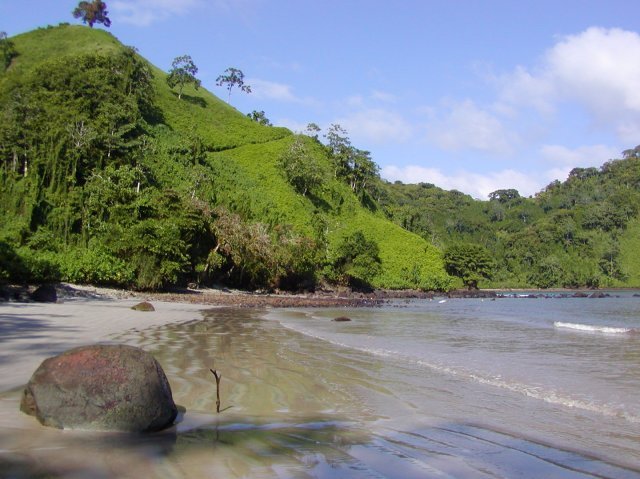
Tourism in Costa Rica has been one of the fastest growing economic sectors of the country and by 1995 became the largest foreign exchange earner. Since 1999, tourism has earned more foreign exchange than bananas, pineapples and coffee exports combined. In 2009, tourism attracted 17% of foreign direct investment inflows, and 13% in average between 2000 and 2009. In 2010, the tourism industry was responsible for 21.2% of foreign exchange generated by all exports. According to a 2007 report by ECLAC, tourism contributed to a reduction in poverty of 3% in the country.
Since the late 1980s, Costa Rica became a popular nature travel destination, and its main competitive advantage is its well-established system of national parks and protected areas, covering around 23.4% of the country's land area, the largest in the world as a percentage of the country's territory, and home to a rich variety of flora and fauna, in a country that has only 0.03% of the world's landmass, but that is estimated to contain 5% of the world's biodiversity. The country also has plenty of beaches, both in the Pacific Ocean and the Caribbean Sea, within short travel distances, and also several volcanoes that can be visited with safety. By the early 1990s, Costa Rica became known as the poster child of ecotourism, with tourist arrivals reaching an average annual growth rate of 14% between 1986 and 1994.
According to the Costa Rican Tourism Board, 47% of international tourists visiting the country in 2009 engaged in activities related to ecotourism, which includes trekking, flora, fauna, and bird watching, and visits to rural communities. However, most visitors look for adventure activities.
Description and key statistics
Costa Rica stands as the most visited nation in the Central American region, with 3.14 million foreign visitors in 2019. During the same year, El Salvador was ranked second in the region with 1.77 million, followed by Panama and Guatemala with 1.75 million visitors each.
The number of tourists visiting Costa Rica surpassed the 2 million milestone in 2008, and tourist-related income reached billion that year.
| Year | Arrivals | ||||||||
|---|---|---|---|---|---|---|---|---|---|
| (×1000) | Year | Arrivals | |||||||
| (×1000) | Year | Arrivals | |||||||
| (×1000) | Receipts | ||||||||
| USD million | Year | Arrivals | |||||||
| (×1000) | Receipts | ||||||||
| USD million | |||||||||
| **1988** | 329 | **1996** | 781 | **2004** | 1,453 | 1,358 | **2012** | 2,343 | 2,313 |
| **1989** | 376 | **1997** | 811 | **2005** | 1,679 | 1,570 | **2013** | 2,428 | 2,665 |
| **1990** | 435 | **1998** | 943 | **2006** | 1,725 | 1,732 | **2014** | 2,527 | 2,864 |
| **1991** | 504 | **1999** | 1,032 | **2007** | 1,973 | 1,974 | **2015** | 2,660 | 2,882 |
| **1992** | 611 | **2000** | 1,088 | **2008** | 2,089 | 2,144 | **2016** | 2,925 | 3,716 |
| **1993** | 684 | **2001** | 1,131 | **2009** | 1,923 | 2,075 | **2017** | 2,960 | 3,876 |
| **1994** | 762 | **2002** | 1,113 | **2010** | 2,100 | 1,999 | **2018** | 3,017 | 3,773 |
| **1995** | 785 | **2003** | 1,239 | **2011** | 2,192 | 2,152 | **2019** | 3,139 | 4,010 |
The combined effect of the global economic crisis and the 2009 flu pandemic resulted in a reduction of tourists arrivals in 2009 to 1.9 million visitors, an 8% reduction as compared to 2008. In 2010, the number of visitors rose to 2.1 million, barely exceeding the 2008 peak, and a record was reached in 2012 with 2.34 million visitors, a 6.9% increase over 2011.
A historical record of 2.5 million international visitors arrived in the country in 2014, up 4.1% year-on-year, and the corresponding receipts rose to in 2014, up 8.3% from the previous year. In addition, the average expenditure per tourist increased from in 2010 to in 2014, and the average stay increased from 11 days in 2010 to 13.4 in 2014. Costa Rica achieved new records in 2016 with 2.93 million visitors and total earnings of . The country finally reached the 3 million tourists' milestone in 2018.
In terms of the 2017 Travel and Tourism Competitiveness Index (TTCI), Costa Rica reached the 38th place in the world ranking, classified as the fourth most competitive among Latin American countries after Mexico (22), Brazil (27) and Panama (35), and ranking sixth in the Americas. Just considering the subindex measuring natural resources, Costa Rica ranks in the 3rd place at a worldwide level, 21st in the world when considering international openness criteria, and 24th worldwide when considering the subindex measuring prioritization of travel and tourism. The 2017 TTCI report also notes Costa Rica's main weaknesses are price competitiveness (108th) and ground and port infrastructure (99th), with quality of the roads ranking 123th and ground transport efficiency 108th between 138 countries analyzed.
In 2012, most visitors came from the United States (39.3%), Nicaragua (20.2%), Canada (6.5%), Panama (3.9%), and Mexico (2.9%). Tourists from North America and European countries made up 60.8% of all international visitors, and visitors from Central America represented 30.8%.
| Top 30 visitor arrivals by country of origin in 2018 | Ranking | Country | ||||||
|---|---|---|---|---|---|---|---|---|
| of origin | Visitor | |||||||
| arrivals | ||||||||
| 2018 | % Yearly | |||||||
| growth | Ranking | Country | ||||||
| of origin | Visitor | |||||||
| arrivals | ||||||||
| 2018 | % Yearly | |||||||
| growth | ||||||||
| 1 | 1,265,067 | 5.5 | 16 | 32,561 | 7.4 | |||
| 2 | 416,915 | -3.0 | 17 | 29,171 | 0.4 | |||
| 3 | 217,006 | 7.5 | 18 | 28,884 | 13.7 | |||
| 4 | 98,918 | -7.4 | 19 | 22,329 | 3.9 | |||
| 5 | 92,802 | -11.4 | 20 | 18,297 | 35.5 | |||
| 6 | 76,937 | -5.1 | 21 | 15,249 | 12.0 | |||
| 7 | 74,574 | 5.1 | 22 | 14,865 | 12.1 | |||
| 8 | 74,338 | -2.4 | 23 | 14,359 | -1.3 | |||
| 9 | 74,032 | 6.1 | 24 | 12,381 | 0.9 | |||
| 10 | 68,634 | -1.2 | 25 | 11,159 | -9.4 | |||
| 11 | 65,633 | -15.9 | 26 | 11,117 | 11.3 | |||
| 12 | 46,723 | -2.6 | 27 | 8,236 | 11.1 | |||
| 13 | 40,832 | 31.8 | 28 | 8,089 | 5.2 | |||
| 14 | 38,135 | -5.4 | 29 | 6,574 | 7.4 | |||
| 15 | 33,197 | -17.6 | 30 | 6,460 | 8.5 | |||
| **Visitor arrivals by region of origin in 2018 (Top 4)** | ||||||||
| 1 | North America | 1,580,991 | 4.8 | 3 | Europe | 480,102 | 3.9 | |
| 2 | Central America | 691,386 | -6.0 | 4 | South America | 190,413 | 5.0 |
| Rank | Country | 2024 | 2023 | 2022 | 2021 | 2020 | — | Others | **227,961** | **223,111** | **194,616** | **141,544** | **92,935** | — | Total | **2,919,483** | **2,751,134** | **2,349,537** | **1,347,055** | **1,011,912** | ||||||||||||
|---|---|---|---|---|---|---|---|---|---|---|---|---|---|---|---|---|---|---|---|---|---|---|---|---|---|---|---|---|---|---|---|---|
| 1 | United States | 1,621,340 | 1,473,620 | 1,290,038 | 868,986 | 434,775 | ||||||||||||||||||||||||||
| 2 | Canada | 272,256 | 260,744 | 183,678 | 53,185 | 115,632 | ||||||||||||||||||||||||||
| 3 | Mexico | 96,129 | 85,674 | 59,786 | 36,621 | 20,603 | ||||||||||||||||||||||||||
| 4 | Nicaragua | 95,799 | 94,083 | 78,473 | 27,634 | 123,956 | ||||||||||||||||||||||||||
| 5 | Germany | 86,571 | 91,511 | 79,701 | 34,700 | 28,821 | ||||||||||||||||||||||||||
| 6 | France | 76,685 | 74,484 | 65,411 | 32,199 | 35,267 | ||||||||||||||||||||||||||
| 7 | United Kingdom | 74,647 | 77,376 | 77,810 | 18,048 | 24,623 | ||||||||||||||||||||||||||
| 8 | Spain | 59,201 | 59,242 | 58,376 | 41,857 | 14,801 | ||||||||||||||||||||||||||
| 9 | Guatemala | 45,567 | 43,075 | 30,991 | 15,638 | 18,549 | ||||||||||||||||||||||||||
| 10 | Netherlands | 36,638 | 37,464 | 34,518 | 10,784 | 10,421 | ||||||||||||||||||||||||||
| 11 | Colombia | 31,361 | 29,267 | 25,547 | 14,919 | 11,254 | ||||||||||||||||||||||||||
| 12 | Argentina | 28,736 | 28,564 | 20,476 | 8,868 | 10,571 | ||||||||||||||||||||||||||
| 13 | El Salvador | 28,258 | 31,849 | 28,173 | 12,300 | 10,571 | ||||||||||||||||||||||||||
| 14 | Switzerland | 26,541 | 29,429 | 29,766 | 21,643 | 20,898 | ||||||||||||||||||||||||||
| 15 | Italy | 21,832 | 21,391 | 18,089 | 9,061 | 8,936 | ||||||||||||||||||||||||||
| 16 | Brazil | 21,484 | 21,249 | 15,878 | 11,864 | 6,466 | ||||||||||||||||||||||||||
| 17 | Chile | 19,340 | 20,164 | 15,317 | 5,200 | 6,487 | ||||||||||||||||||||||||||
| 18 | Honduras | 18,710 | 20,505 | 18,733 | 7,436 | 10,171 | ||||||||||||||||||||||||||
| 19 | Peru | 15,852 | 17,179 | 17,163 | 5,996 | 4,029 | ||||||||||||||||||||||||||
| 20 | India | 14,575 | 11,153 | 6,997 | 2,925 | 2,146 |
Comparative performance in the Latin American market
The following table presents a comparison of Costa Rica's tourism industry performance with selected countries from the Caribbean Basin and South America, including Bahamas, Cuba, and several of the top ten Latin American countries according to their 2013 Travel and Tourism Competitiveness Index (TTCI), which are competitors in the nature travel market segment.
| Selected | ||||||||||
|---|---|---|---|---|---|---|---|---|---|---|
| Caribbean and | ||||||||||
| Latin American | ||||||||||
| countries | Internl. | |||||||||
| tourist | ||||||||||
| arrivals | ||||||||||
| 2012 | ||||||||||
| (×1000) | Internl. | |||||||||
| tourism | ||||||||||
| receipts | ||||||||||
| 2012 | ||||||||||
| (million | ||||||||||
| USD) | Receipts | |||||||||
| per | ||||||||||
| arrival | ||||||||||
| 2012 | ||||||||||
| (col 2)/(col 1) | ||||||||||
| (USD) | title=UNData. Country profiles (1999-2005) | url=http://data.un.org/CountryProfile.aspx?crName=Argentina | year=2006 | url=http://unwto.org/facts/eng/pdf/indicators/new/ITR05_americas_US$.pdf | title=Tourism Market Trends, Annex 12, 2006 Edition | author=World Tourism Organization | access-date=2008-03-30 | archive-url=https://web.archive.org/web/20190220205505/http://www2.unwto.org/facts/eng/pdf/indicators/new/ITR05_americas_US$.pdf | archive-date=2019-02-20 | url-status=dead}} Data corresponds to 2005. |
| USD | Revenues | |||||||||
| as % | ||||||||||
| of exports | ||||||||||
| goods and | ||||||||||
| services | ||||||||||
| 2003 | Tourism | |||||||||
| revenues | ||||||||||
| as % | ||||||||||
| GDP | ||||||||||
| 2012 | % Direct & | |||||||||
| indirect | ||||||||||
| employment | ||||||||||
| in tourism | ||||||||||
| 2012 | TTCI]] | |||||||||
| 2013 | Index | |||||||||
| value | ||||||||||
| TTCI | ||||||||||
| 2013 | ||||||||||
| author=United Nations }} *Population estimated for 2007 (search values for each country profile)* | ||||||||||
| (1) | 1,419 | 2,367 | 1,668 | **4,616** | **6,288** | **74.6** | **34.1** | **68.7** | n/d | |
| 536 | 916 | **1,709** | 1,956 | 2,749 | 58.5 | 42.7 | 41.9 | **27** | **4.88** | |
| 5,677 | 6,645 | 1,170 | 26 | 18 | 3.2 | 8.9 | 8.1 | 51 | 4.37 | |
| 3,554 | 2,201 | 619 | 151 | 73 | 5.3 | 8.4 | 8.0 | 56 | 4.29 | |
| 2,175 | 2,351 | 1,081 | 26 | 25 | 6.6 | 5.1 | 5.5 | 84 | 3.90 | |
| 2,343 | 2,425 | 1,035 | 442 | 343 | 17.5 | 12.5 | 11.7 | 47 | **4.44** | |
| (1) | 2,688 | 2,283 | 849 | 188 | 169 | n/d | n/d | n/d | n/d | n/d |
| 4,563 | 4,549 | 997 | 408 | 353 | 36.2 | 14.7 | 13.6 | 86 | 3.88 | |
| 1,986 | 2,043 | 1,029 | 628 | 530 | 49.2 | 25.7 | 23.8 | 67 | 4.08 | |
| **23,403** | **12,739** | 544 | 201 | 103 | 5.7 | 12.4 | 13.7 | 44 | 4.46 | |
| 1,606 | 2,259 | 1,406 | 330 | 211 | 10.6 | 10.1 | 9.6 | 37 | 4.54 | |
| 2,846 | 2,657 | 933 | 65 | 41 | 9.0 | 9.1 | 7.8 | 73 | 4.00 | |
| 2,695 | 2,076 | 770 | 525 | 145 | 14.2 | 10.2 | 9.7 | 59 | 4.23 |
- Notes: Green shadow denotes the country with the top indicator. Yellow shadow corresponds to Costa Rica's. (1) Visitors and receipts for Cuba correspond to 2011. For Bahamas tourism revenues as % GDP are for 2003, and direct and indirect employment for 2005.
essential COSTA RICA

essential COSTA RICA is the nation branding of the Republic of Costa Rica, implemented to project the country's image in international markets. Its purpose is to promote exports, attract foreign direct investment, encourage tourism, and highlight Costa Rican culture. Additionally, it aims to foster competitiveness among national companies, improve quality standards, and generate a community of licensed companies that promote business both in Costa Rica and abroad.
The nation branding is led by an institutional council composed of the Costa Rican Foreign Trade Promoter (PROCOMER), the Costa Rican Tourism Institute (ICT), the Ministry of Foreign Trade (COMEX), the Ministry of Foreign Affairs and Worship, and the Ministry of Culture and Youth (MCJ). It was created through Executive Decree No. 37669-RE-COMEX-TUR on March 22, 2013.
Companies seeking to obtain the nation branding seal must undergo an evaluation protocol covering the brand's five values: excellence, sustainability, social progress, innovation, and Costa Rican linkage. As of 2024, 751 companies hold the essential COSTA RICA license, including 482 from the commerce sector, 269 from tourism, and 66 from foreign direct investment.
History
The 2011–2014 National Development Plan recognized the importance of sustainable tourism for the country's economic growth, highlighting Costa Rica's existing positioning as a tourist destination. Previously, the campaign "Costa Rica, No Artificial Ingredients", promoted by the Costa Rican Tourism Institute, emphasized biodiversity and sustainability as key themes for promotional campaigns.
By 2012, Costa Rica was ranked 25th globally and first in Latin America in the Nation Branding Index by Future Brand. However, the brand's focus at the time was primarily on tourism, without integrating other sectors such as investment and exports. In response to this limitation, efforts were made to develop a more comprehensive nation branding that would reflect not only tourism but also other strategic elements. In 2013, through a presidential decree, the nation branding essential COSTA RICA was officially established to represent a coherent image of the country internationally.
An Inter-Institutional Committee for the Nation Branding was also created, tasked with overseeing and coordinating promotional efforts in areas such as tourism, investment, and international trade.
Objectives
essential COSTA RICA has five main objectives:
- Attract foreign direct investment in strategic sectors such as high-tech manufacturing and high-value-added services.
- Promote the export of value-added products with a sense of exclusivity, distinction, and international quality.
- Attract selective types of tourism, such as business, adventure, and sustainable tourism.
- Promote domestic public participation on three levels: information, opinion, and decision, to achieve brand recognition and persuasion.
- Build a Country Brand through communication anchored in the present with a consistent vision for the future.
Types of licenses
The types of licenses granted by the nation branding include:
- Corporate use: For institutional communication, websites, social media, professional materials, and physical locations. The license lasts 60 months, with an intermediate review at 30 months.
- Product use: For products, labels, and packaging. The corporate use license is required to apply.
- Tourism sector: Companies in the tourism sector must have a tourism declaration or the CST mark from the Costa Rican Tourism Institute.
- Use in events: Temporary licenses for promotional events aligning with the brand's five values. The essential COSTA RICA license can be requested by individuals or legal entities, both national and foreign, engaged in economic activities related to tourism, attracting foreign direct investment, exports, export-oriented SMEs, companies related to foreign trade, and other areas aligned with the objectives of the Country Brand.
Natural intelligence strategy
In October 2023, the government of Costa Rica announced that over the next decade, it would enhance the brand and image of essential COSTA RICA with a focus on sustainability and the concept of "natural intelligence." The initiative aims to strengthen the country's leadership on the global stage, building on Costa Rica's existing reputation for addressing the climate crisis and environmental preservation. The new strategy is based on concrete actions the country has implemented in these areas.
"Natural intelligence" highlights several milestones in Costa Rican history, such as the abolition of the military in 1949, the establishment of free and compulsory primary education in 1869, the protection of 25.5% of its land and 30.3% of its maritime territory, becoming the first tropical country to reverse deforestation, achieving 57.1% national forest cover, generating 98.6% of its electricity from renewable sources, housing 6.5% of global biodiversity on just 0.03% of the planet's surface, being ranked "the happiest country in the world" according to the Happy Planet Index 2024, and hosting one of the world's five "Blue Zones" in Nicoya, where inhabitants enjoy longer and healthier lives.
Awards and recognitions
- 2019: "Country Brand of the Year", awarded by City Nation Place Awards, London.
- 2019: Silver Award in the Environment category, awarded by El Ojo de Iberoamérica.
- 2020: "Brand Strategy", awarded by the Place Marketing Forum, France.
- 2022: "Best Use of Design", for the redesign of the Costa Rican passport, awarded by City Nation Place Awards.
Ecotourism

Ecotourism is extremely popular with the many tourists visiting the extensive national parks and protected areas around the country. Costa Rica was a pioneer in this type of tourism and the country is recognized as one of the few with real ecotourism. In 2006, 54% international tourists visited national parks or protected areas, visiting at least two such natural refuges, and it goes up to three for European visitors.
In recent years, several of Costa Rica's top travel service providers have been internationally recognized for their commitment to planet-positive tourism. Examples include Nature Air and Hotel Punta Islita as winners of the Tourism for Tomorrow Awards, sponsored by the World Travel and Tourism Council (WTTC), and Lapa Rios Ecolodge as winner of the Rainforest Alliance Sustainable Standard-Setter.
The "Bandera Azul" Program
Implemented in 1996 and inspired by a similar program developed in Europe in 1985, the "Bandera Azul Ecológica" (Ecological Blue Flag) Program is intended to promote development while curbing the negative impacts of mass tourism by helping the local community to work against pollution and protecting the environment. The program evaluates the environmental quality of coastal areas, in terms of the quality of the beaches and sea water, access and quality of drinking water, water and waste management, security, and environmental education. Depending on the degree of compliance against the optimal criteria established, a certain number of stars are awarded to the Blue Flag.
After the first evaluation, ten beaches were awarded the distinction, which usually is highly publicized to potential visitors. In 2008, based on the evaluation carried out in 2007, 59 beaches kept the distinction while eight beaches lost it. In 2009, out of 81 applicants, only 61 beaches won the distinction, and just two obtained the maximum 5 stars, Playa Blanca in Punta Leona and Playa Langosta in Santa Cruz.
Voluntary Certification Program
Developed in 1997 by the Costa Rican Tourism Board, the public agency responsible for tourism development and regulation in the country, a voluntary Certification for Sustainable Tourism Program (known as CST) was introduced in order to turn "the concept of sustainability into something real" by "improving the way in which the natural and social resources are utilized, to motivate the active participation of the local communities, and to support the competitiveness of the business sector." The program was aimed for all types of businesses in the tourism industry, but it began only with lodging providers. By 2007, a total of 108 parameters are considered for the CST evaluation.
CST hopes to encourage businesses to become sustainable in a variety of ways, including using recycled products, implementing water and energy saving devices, properly disposing and treating waste, conserving and expanding Costa Rica's forests, and developing better systems of information management. As of October 2009, out of approximately 3,000 hotels and tours operators, only 105 have a Certification for Sustainable Tourism. Some tour operators in the U.S. and Europe promote several small hotels that hold this certification through their travel packages.
Educational Opportunities
Costa Rica is a beautiful country with lots of educational opportunities. One opportunity is to learn about the history of oxcarts. In 2005, Costa Rica’s oxcarts with beautiful colors and designs were recognized by UNESCO (United Nations Educational, Scientific and Cultural Organization) and declared them to be an Intangible World Heritage. You can learn about these oxcarts and how they transformed from symbols of Spanish colonization to a treasured symbol featured in most holidays and celebrations.
Another educational opportunity is Museo Nacional de Costa Rica. This museum will enlighten you on the lifestyle of ancient cultures through artifacts and carvings recovered over time. Some of the artifacts show a glimpse of the rituals and celebrations that took place in Costa Rica hundreds of years ago. In addition to the artifacts there is information about some of Costa Rica’s political history including involvement in Civil Wars and its well-known Presidents.
Ethical Traveler Destination
Costa Rica was listed by Ethicaltraver.org in "The Developing World's 10 Best Ethical Destinations" for 2011 and 2012. These lists were compiled using metrics such as environmental protection, social welfare, and human rights.
Costa Rica was absent from the list for several years because World Vision considered the country among the world's most notorious destinations for human trafficking and sexual predators. Ethical Traveler included Costa Rica on the 2011 list due to the government's efforts to address the problem.
Camino de Costa Rica
The Camino de Costa Rica is a 280 km long hiking trail across Costa Rica. It runs from the Atlantic Ocean (Caribbean coast), the southernmost part of the Tortuguero Canals, up the mountain and through indigenous territory near the Barbilla National Park and through valleys and mountain ranges of the central region of the country, just south of the Turrialba and Irazu Volcanos and through the Los Santos coffee region down to the Pacific coast in Quepos. By 2018, the rural population had declined from 40% inhabitants (2000) to 27% inhabitants, poverty at 25% was significantly higher than among the urban population, and income was more than 40% lower. These sobering facts as well as other factors such as level of education, unemployment and underemployment in rural areas gave rise to the NGO, the Asociación Mar a Mar in year 2016. The aim of the Camino de Costa Rica is to establish a world class long-distance trail and through its success in bringing hikers from all over the world, to improve the economic situation in the rural areas of Costa Rica.
Beaches and adventure
Most of the main attractions are nature related, a combination of ecotourism with leisure and adventure activities: sun, sea and sand (55%); flora and wildlife watching (44%); visiting volcanoes (43%); trekking (41%); bird watching (30%); canopy tours (26%); bungee jumping from bridges (11%); surfing (11%); snorkeling (10%); and rafting (7%). Cultural activities such as visiting museums, art galleries and theaters corresponds to 11%, and business travel corresponds to 17%.
Seven Costa Rican resorts were included in the 2012 Condé Nast Traveler Readers' Choice Awards, ranking among the top fifteen resorts in Central and South America. The resorts are Xandari Resort and Spa (2), Four Seasons Resort Costa Rica at Peninsula Papagayo (3), Hotel Punta Islita (8), El Silencio Lodge and Spa (9), Los Sueños Marriott Ocean and Golf Resort (11), Arenas del Mar (12) and the Westin Playa Conchal, Resort and Spa at Playa Conchal (15). The award selection is based on surveys among the magazine's subscribers, who evaluate the resort's quality of rooms, service, food, location, design, and activities. Two hotels were also chosen by the magazine readers among the top five in Central America: Hotel Grano de Oro (3) in San José and Hotel Villa Caletas (4) in Puntarenas Central Pacific.
Main natural attractions
National Parks and Biological Reserves
Main article: National Parks of Costa Rica
In 2009 more than 1.2 million tourists visited national parks and protected wild reserves, up from 812 thousand visitors in 2000 and 510 thousand in 1990. Since 2003 slightly more than half the visitors are international tourists. The most visited parks are Manuel Antonio, Tortuguero, Cahuita, and the parks around the volcanoes Poás, Arenal and Irazú.
Other favorite national parks and wild reserves are:
- Cocos Island, UNESCO World Heritage Site, ranked among the final top 77 nominees in the contest to choose the world's New 7 Wonders of Nature.
- Area de Conservación Guanacaste, UNESCO World Heritage Site,
- La Amistad International Park, UNESCO World Heritage Site, Border Costa Rica-Panama
- Corcovado National Park
- Chirripó National Park
- Tapantí National Park
- Braulio Carrillo National Park
- La Selva Biological Station, Organization for Tropical Studies (private reserve)
- Monteverde Cloud Forest Reserve, Monteverde, Puntarenas (private reserve)
Volcanoes
Main article: List of volcanoes in Costa Rica
- Poás Volcano at Poas Volcano National Park, Alajuela.
- Irazú Volcano at Irazu National Park, Cartago.
- Arenal Volcano at Arenal National Park, Alajuela.
- Turrialba Volcano, at Turrialba Volcano National Park, Cartago.
- Tenorio Volcano National Park, where the popular Rio Celeste (Light Blue River) is located, Guanacaste.
- Rincón de la Vieja at Rincón de la Vieja Volcano National Park, Guanacaste.
Beaches
See List of beaches of Costa Rica
- Manuel Antonio Beach at Manuel Antonio National Park, was listed by Forbes in 2011 among the world's 12 most beautiful national parks.
- Cahuita Beach at Cahuita National Park, Limón
- Puerto Viejo de Talamanca, Limón
- Manzanillo Beach, Limón
- Gandoca Beach, Limón
- Tamarindo Beach, Guanacaste
- Playa Junquillal, Guanacaste
- Flamingo Beach, Guanacaste
- Conchal Beach, Guanacaste
- Jaco Beach, Puntarenas
- Herradura Beach, Puntarenas
- Montezuma Beach, Puntarenas
- Zancudo Beach, Puntarenas
Seven Natural Wonders of Costa Rica
Elected in 2007 by Costa Ricans through an open contest organized by a leading newspaper as the "7 natural wonders of Costa Rica", these natural sites are among the most popular destinations by both foreign and domestic tourists, with the exception of Cocos Island, which it is not easily accessed, because it is located in the Pacific Ocean, approximately 550 km from the Pacific shore of Costa Rica.
Isla del coco.jpg| 1. Cocos Island () Costa rica arenal fortuna 2001 12.jpg|2. Arenal Volcano () Cerro Chirripo Picture 1191 zoom in.jpg|3. Chirripo Mountain () Rio celeste zoom in.jpg|4. Celeste River () Tortuguero boat trip.JPG|5. Tortuguero Canals () Kids Volcán Poás Dic 2005 06.JPG|6. Poás Volcano () DirkvdM canopy walk.jpg|7. Monteverde Reserve ()
Other activities and popular destinations
- Sarchí, Alajuela, for shopping souvenirs and typical products, including the popular Costa Rican ox carts.
- INBioparque, Instituto Nacional de Biodiversidad, Santo Domingo de Heredia.
- Lankester Botanical Garden, Cartago.
- Orosí Colonial Church and Ujarrás historical site, Cartago.
- Basílica de Nuestra Señora de los Angeles, (Basilica of Our Lady of the Angels), Cartago.
- Guayabo arqueologichal site, Turrialba, Cartago.
- Teatro Nacional de Costa Rica (National Theater), San José.
- Teatro Popular Melico Salazar (Popular Theater), San José.
- Centro Nacional de Arte y Cultura (National Center of Arts and Culture), San José.
- Museo Nacional de Costa Rica (National Museum), San José.
- Museo de Oro de Costa Rica Precolombino (Pre-Columbian Gold Museum), Central Bank of Costa Rica, San José.
- Museo de Jade, (Jade Museum), Instituto Nacional de Seguros en San José.
- Museo Filatélico de Costa Rica (Philately Museum)
- Museo Juan Santamaría en Alajuela
- Museo de los Niños, (Children Museum), San José.
- Parque Zoológico Nacional Simón Bolívar, (National Zoo), San José.
- Camino de Costa Rica (hiking trail across the country, from the Atlantic to the Pacific coast)
Medical Tourism
Costa Rica, together with Cuba, Mexico, Panama, Colombia, Brazil, and Chile, is among the Latin America countries that have become popular destinations for medical tourism. In 2009 Costa Rica received 30,000 international tourists seeking for medical treatment, and spent around . Most medical travelers came from the United States and Canada. During 2010, the number of patients rose to 36,000 international tourists, with 40% of them receiving dental care services. In 2011, that number continued to rise, eventually reaching 46,474.
Costa Rica is particularly attractive to American tourists because of its proximity and short flight, the quality of medical services and its health care system, and lower medical costs. The country has 20 medical centers, including small clinics and private hospitals, with international certification, including two hospitals accredited by the Joint Commission International.
American tourists prefer Costa Rica, together with Mexico and Panama, for dental services or cosmetic surgeries. Costa Rica offers 30% to 50% savings as compared to U.S. costs for quality dental and cosmetic surgery services, and is attractive for those U.S. citizens without health insurance or seeking procedures not covered by their health insurance plans. Foreign patients also find lower-priced nonsurgical procedures and tests, as an example, a magnetic resonance imaging (MRI) in Costa Rica costs from $200 to $300, compared to more than $1,000 in the United States. In average medical costs are 70% lower than in the U.S. Due to the country's natural attractions, many health tourists combine their treatment with ecotourism and offer an opportunity to their family or companions to be entertained while the patient undergoes the medical procedure.
Environmental and social impacts

Beachfront developments
In many beach areas, but especially in the towns of Tamarindo and Jacó, a real estate boom took place when many foreigners from developed countries began buying beachfront properties and building holiday and vacation houses and condominiums. These developments completely changed the life style in these towns, and property prices are now so high that it became prohibitive for Costa Ricans to own beach front properties. Also, the lack of planning for these developments is having a negative social impact on small communities, as in some cases they are forced to move to places with less adequate infrastructure and where not enough job opportunities exist.
Hotel siting and construction
Also there have been isolated controversies regarding the site location and construction of hotels and beach resorts invading the 50 m protected maritime public zone; also a case of one hotel located within a protected area; and a few cases of resort development with severe negative impacts to existing flora and fauna, by dumping construction wastes damaging coral reefs or filling mangroves.
Another source of pollution is due to dumping untreated sewage into rivers that feed into the beach towns. In 2007 the Constitutional Court order the national and 34 local governments to stop dumping sewage into the Río Grande de Tárcoles, to restore the watershed to its unpolluted condition and to adopt an integrated solution to the wastewater problem. Towns such as Jacó where tourism and real estate development has grown ten-fold since 2004 suffered from backlash in September 2008 when the government blamed the local government of Garabito for high levels of bacteria on the beach.
More recently, controversy took place with the construction of the Sardinal-El Coco-Ocotal aqueduct by private developers, as the community of Sardinal protested violently because they fear that scarce drinking water will be diverted for the tourism developments whose owners are financing the pipeline. As of May 2008, construction works were stopped by order of the local municipality. Developers and the government authorities have explained the aqueduct is public, and that it will benefit not only the tourism developments but also the surrounding communities. Controversy still persists regarding the real capacity of the Sardinal aquifer.
Sex tourism
Main article: Sex Tourism in Costa Rica
The rapid growth of tourism also has the consequence of the country becoming a popular destination for sex tourism. Despite the government and industry efforts, child sex trade has become a problem. A study estimated that "up to 10% of tourists who come to Costa Rica engage in sex tourism", with as many as 10,000 sex workers involved, many of whom are immigrants. Also it was reported that about 80% of the sex tourists are from the US. This is largely because prostitution is not illegal but many of the activities surrounding it are indeed illegal, such as pimping.
References
References
- "THE TOP 77". New7Wonders.
- José Enrique Rojas. (2004-12-29). "Turismo, principal motor de la economía durante el 2004". [[La Nación (Costa Rica).
- Crist Inman. (1997). "Impacts on Developing Countries of Changing Production and Consumption Patterns in Developed Countries: The Case of Ecotourism in Costa Rica". INCAE, available at International Institute for Sustainable Development website.
- Mario Calderón Castillo. (2005). "El Turismo como Promotor del Crecimiento Económico Costarricense". Revista Parlamentaria Digital. Asamblea Legislativa de Costa Rica.
- Departamento de Estadísticas ICT. (2009). "Anuário Estadístico 2008". Intituto Costarricense de Turismo.
- Jennifer Blanke and Thea Chiesa. (2013). "Travel & Tourism Competitiveness Report 2013". [[World Economic Forum]], Geneva, Switzerland.
- UNEP and UNWTO. (2011). "Tourism - Investing in Energy and Resource Efficiency". [[United Nations Environment Programme]] (UNEP).
- Mónica Vásquez Muñoz. (2002). "Tourism and Conservation in Southern Costa Rica". York University.
- Earth Trends. (2003). "Biodiversity and Protected Areas - Costa Rica". World Resources Institute.
- (2007). "Costa Rica National Parks and Reserves". World Headquarters.
- Leonardo Coutinho and Otávio Cabral. (2008-05-21). "O desafio da economia verde".
- Leo Hickman. (2007-05-26). "Shades of green".
- Honey, Martha. (1999). "Ecotourism and Sustainable Development: Who Owns Paradise?". Island Press; 1 edition, Washington, D.C..
- Bruce Aylward. (1996). "Sustainable ecotourism in Costa Rica: the Monteverde Cloud Forest Preserve". Biodiversity and Conservation vol 5, no. 3, 315-343.
- Sergio Arce. (2011-05-30). "Ecoturismo y turismo médico, otros 'clusters'". [[La Nación (Costa Rica)]].
- (August 17, 2024). "Costa Rica: International tourist trips".
- "Global and regional tourism performance".
- (January 2021). "UNWTO Tourism Highlights 2020 Edition". [[World Tourism Organization]] (UNWTO).
- Hassel Fallas. (2009-01-25). "Llegada de turistas cayó en los últimos seis meses". [[La Nación (Costa Rica).
- Marvin Barquero. (2016-01-16). "País logra récords en divisas y visitantes por el turismo". [[La Nación (Costa Rica).
- (June 2008). "UNWTO World Tourism Barometer June 2008". World Tourism Barometer.
- Marvin Barquero. (2015-01-23). "Costa Rica busca atraer turistas con poder adquisitivo". [[La Nación (Costa Rica).
- Andrea González. (2013-03-08). "Visitas turisticas en el 2012 fueron las más altas de los últimos cinco años". [[La Nacion (San Jose).
- Carmen Altés. (2006). "El Turismo en América Latina y el Caribe y la experiencia del BID". [[Inter-American Development Bank]], Sustainable Development Department.
- (2011-01-17). "País cerró el 2010 con el ingreso más alto de turistas". [[La Nación (Costa Rica)]].
- (2007). "UNWTO Tourism Highlights, Edition 2007". World Tourism Organization.
- (June 2011). "UNWTO Tourism Highlights - 2011 Edition". [[World Tourism Organization]].
- (June 2012). "UNWTO Tourism Highlights 2012 Edition". [[World Tourism Organization]] (UNWTO).
- (June 2013). "UNWTO Tourism Highlights, 2013 Edition". [[World Tourism Organization]] (UNWTO).
- (August 2018). "UNWTO Tourism Highlights, 2017 Edition". [[World Tourism Organization]] (UNWTO).
- Sergio Arce. (2010-02-24). "Llegada de turistas se redujo 8% en 2009". [[La Nación (Costa Rica).
- Departamento de Estadísticas ICT. (July 2018). "Anuario Estadístico 2010". Instituto Costarricense de Turismo (ICT).
- Roberto Crotti and Tiffany Misrahi. (2017). "Travel & Tourism Competitiveness Report 2017". [[World Economic Forum]], Geneva, Switzerland.
- Departamento de Estadísticas ICT. (2013). "Anuario Estadístico de Turismo 2012". Instituto Costarricense de Turismo (ICT).
- Departamento de Estadísticas ICT. (2006). "Anuário Estadísticas de Demanda 2006". Intituto Costarricense de Turismo.
- Departamento de Estadísticas ICT. (2019). "Anuario Estadístico de Turismo 2018". Instituto Costarricense de Turismo (ICT).
- "Statistical Reports".
- World Tourism Organization. (2006). "Tourism Market Trends, Annex 12, 2006 Edition".
- "Costa Rica's Country Branding Success: Impact & Reputation".
- Chinchilla Miranda, Laura. (2013-05-14). "Regulation for the implementation and use of the Costa Rica Nation Brand No. 37669-RE-COMEX-TUR".
- "Why Join Essential".
- Madriz, Allan. (2022-08-22). "Esencial Costa Rica: La Marca País que aspira a seguir impulsando la competitividad nacional".
- Rodríguez, Raquel. (2013-09-03). "Sin ingredientes artificiales... ya no más".
- "Who we are".
- "Our Licensing Program".
- "Frequently Asked Questions".
- "Esencial Costa Rica".
- EFE. (2023-10-24). "Costa Rica impulsará su marca país enfocada en sostenibilidad e "inteligencia natural"".
- "Natural Intelligence".
- (2021-12-01). "La abolición del ejército es uno de los mayores hitos históricos de Costa Rica".
- Azofeifa, Mauricio. (2019-04-22). "150 años de educación gratuita, obligatoria y costeada por el Estado".
- (2023-05-30). "Informe anual Estadísticas SEMEC 2022 - SINAC en Números".
- Soto Morales, Tatiana. (2024-03-23). "Costa Rica se convierte en el primer país del mundo en exportar café libre de deforestación".
- Electrical System Operation and Control Division. (2024-12-20). "Información Técnica - Informes Mensuales".
- Castillo, Pamela. (2019-05-25). "VI informe de Costa Rica al Convenio de Diversidad Biológica 2014-2018 {{!}} Bio Costa Rica - CHM Costa Rica".
- "Happy Planet Index by Country 2024".
- (2011-10-28). "Blue Zones -- Costa Rica -- National Geographic".
- Bloom Consulting. (2020-01-06). "Two Countries that prove Nation Branding works - Bloom Consulting".
- maripi. (2019-11-07). "Estos son los ganadores de Mejor Idea Local de El Ojo 2019 -".
- "Awards and Recognitions".
- "City Nation Place: Essential Costa Rica Country Brand Awarded Best in the World in the 2022 Best Use of Design Category".
- (2006). "Informe de Encuestas IV Trimestre 2006. Aeropuerto Internacional Juan Santamaria". Instituto Costarricense de Turismo.
- (2009). "Tourism for Tomorrow Awards 2009". World Travel & Tourism Council.
- (2006). "Tourism for Tomorrow Awards 2006". World Travel & Tourism Council.
- (2007). "Rainforest Alliance 2007 Sustainable Standard-Setter". Rainforest Alliance.
- "Programa Bandera Azul Ecológica". Guía Costa Rica.
- Peter Freeman. (2007-03-14). "Blue Flags for green action". The Journal.
- Lawrence Pratt and Naomi Olson. (1997). "Sector Turístico en Costa Rica: Análisis de Sostenibilidad". INCAE Business School Research CEN 760.
- Ángela Ávalos. (2008-03-26). "Ocho playas pierden Bandera Azul por contaminación". [[La Nacion (Costa Rica).
- Luis Díaz. (2010-03-26). "Solo dos de 61 playas obtienen cinco estrellas en Bandera Azul". [[La Nación (Costa Rica)]].
- Mercedes Agüero. (2007-11-07). "ICT espera 2 millones de turistas a finales del 2008". [[La Nacion (Costa Rica).
- Stater, Adam. "CST in Costa Rica".
- Hassel Fallas. (2008-06-10). "ICT promoverá hoteles amigables con la naturaleza". [[La Nacion (Costa Rica).
- (2008-06-10). "ICT promoverá hoteles amigables con la naturaleza". [[La Nacion (Costa Rica).
- (2009-10-28). "Cuatro hoteles más certifican sostenibilidad ambiental". [[La Nacion (Costa Rica).
- "UNESCO - Oxherding and oxcart traditions in Costa Rica".
- "Bienvenidos al Museo Nacional de Costa Rica".
- (2012-01-05). "The Developing World's 10 Best Ethical Destinations: 2012". Ethical Traveler.
- Jane Esberg, Jeff Greenwald and Natalie Lefevre. "The Developing World's 10 Best Ethical Destinations". Ethical Traveler.
- Marvin Barquero. (2012-11-02). "Siete resorts de Costa Rica se ubican entre los mejores de Centro y Suramérica". [[La Nación (Costa Rica).
- Condé Nast Traveler. (November 2012). "Readers' Choice Awards - Top 15 Resorts in Central & South America". [[Condé Nast Traveler]].
- Condé Nast Traveler. (November 2012). "Readers' Choice Awards - Top 5 Hotels in Central America". [[Condé Nast Traveler]].
- ICT. (May 2011). "Cifras Turísticas Mayo 2011". Instituto Costarricense de Turismo.
- Andrea Solano. (2009-07-10). "Isla del Coco es finalista en concurso mundial". [[La Nación (San José).
- Jane Levere. (2011-08-29). "The World's Most Beautiful National Parks". [[Forbes]].
- Randall Corella V.. (2007-08-26). "Concurso 7 maravillas naturales de Costa Rica". [[La Nación (San José).
- Herrick, Devon M.. (2011-07-20). "Medical Tourism: Global Competition in Health Care". [[National Center for Policy Analysis]], Dallas, Texas.
- (2007). "Medical Tourism in Developing Countries". [[Palgrave Macmillan]], New York.
- Sergio Arce. (2011-05-02). "Costa Rica intenta atraer al turismo médico corporativo". [[La Nación (San José).
- Sergio Arce. (2011-09-27). "Turismo médico crece por amplia demanda de servicios dentales". [[La Nación (San José).
- "Medical Tourism Guide for Costa Rica".
- "Costa Rica Medical Tourism". Health-Tourism.com.
- "Medical Tourism Statistics and Facts". Health-Tourism.com.
- Hárold Brenes. (2008-09-20). "Desarrollo de zonas costeras se da sin planificación social". [[La Nación (San José).
- "Secretaría Técnica Nacional Ambiental". Secretaría Técnica Nacional Ambiental (SETENA).
- (2007-05-07). "Sala IV orders politicians to fix the sewer problem". A.M Costa Rica.
- (2008-11-18). "Jaco in hot water about untreated sewage run-off". Surf in Jaco.
- Otto Vargas e Ingrid Morales. (2008-05-13). "Grupo quema tubería y apedrea maquinaria en protesta por obra". [[La Nacion (Costa Rica).
- Marcela Cantero. (2008-05-28). "Municipio suspende obras de acueducto en Sardinal". [[La Nacion (Costa Rica).
- Ángela Ávalos. (2008-06-20). "Grupo defiende inversión en acueducto". [[La Nacion (Costa Rica).
- Álvaro Murillo. (2008-05-29). "Gobierno dice que falló al explicar obras en Sardinal". [[La Nacion (Costa Rica).
- (2004-12-05). "Unos 130 sitios de internet promueven turismo sexual Costa Rica". [[La Nacion (Costa Rica).
- Otto Vargas. (2004-12-04). "Agencias ofrecen en el exterior damas para vacaciones eróticas en Costa Rica". [[La Nacion (Costa Rica).
- Ángela Ávalos. (2008-06-22). "Cien personas escapan de redes de tráfico de almas en Jacó". [[La Nacion (Costa Rica).
- (2009-10-13). "Costa Rica Draws Sex Trade". [[The Miami Herald]].
- Wright, Phillip. (2004-06-18). "Sex tourism: Lessons learned in Costa Rica". BBC News.
- Kovaleski, Serge F.. (2000-01-02). "Child Sex Trade Rises In Central America". Washington Post Foreign Service.
- Otto Vargas. (2008-04-07). "Red trajo al país más de 400 dominicanas para prostitución". [[La Nacion (Costa Rica).
- Schifter-Sikora, Jacobo. (2006). "Mongers in Heaven: Sexual Tourism and HIV Risk in Costa Rica and in the United States". University Press of America.
- Schmidt, Blake. (2007-07-27). "Businesses Say No to Sex Tourism Industry". Tico Time.
- Asamblea Legislativa de la República de Costa Rica. "Código Penal, Ley No. 4573 de 1970 y reformas hasta 26 de febrero de 2002".
- (2004-12-07). "Promoción de la prostitución: Unos 130 sitios de internet promueven el turismo sexual de Costa Rica". LaFlecha.net.
- "Country Reports on Human Rights Practices: Costa Rica". U.S. State Department.
This article was imported from Wikipedia and is available under the Creative Commons Attribution-ShareAlike 4.0 License. Content has been adapted to SurfDoc format. Original contributors can be found on the article history page.
Ask Mako anything about Tourism in Costa Rica — get instant answers, deeper analysis, and related topics.
Research with MakoFree with your Surf account
Create a free account to save articles, ask Mako questions, and organize your research.
Sign up freeThis content may have been generated or modified by AI. CloudSurf Software LLC is not responsible for the accuracy, completeness, or reliability of AI-generated content. Always verify important information from primary sources.
Report