From Surf Wiki (app.surf) — the open knowledge base
Tourism in Africa
none
none

Tourism is an important economic sector for many countries in Africa. There are many countries that benefit heavily from tourism like Kenya, Uganda, Algeria, Egypt, South Africa, Morocco, Tunisia, Ghana and Tanzania. The touristic particularity of Africa lies in the wide variety of points of interest, diversity and multitudes of landscapes as well as the rich cultural heritage. Also, an ecotourist industry is present in some African countries (e.g., South Africa, Kenya, Namibia, Rwanda, Zambia, Uganda, Mozambique, etc.).
Overview
Countries in Africa started investing in their tourism markets since the late 1960s and 1970s and are at different levels of tourism development. Countries in the continent of Africa are typically categorized using Butler's 1980 Tourist Area Life Cycle (TALC) model which is a common model that describes six specific stages of tourism development for all countries worldwide: exploration, involvement, development, consolidation and stagnation.
However, a World Bank study in 2011 classified also African countries in to 4 categories based on performance. These performance groupings were based on indicators such as business environment; tourism regulation, infrastructure, resources, tourism income, number of visitors and the potential growth of the market.
- “pre-emergent”: Somalia, Sudan, Eritrea, Comoros, Togo, Guinea, Chad, Guinea Bissau, Niger, Central African Rep., Congo D.R., Liberia, Congo Rep., Equatorial Guinea
- “potential”: Madagascar, Ethiopia, Mauritania, Mali, Benin, São Tomé and Príncipe, Sierra Leone, Burundi, Côte d’Ivoire, Nigeria, Lesotho, Angola, Swaziland, Cameroon, and Gabon
- “emerging”: Seychelles, Zambia, Uganda, Rwanda, The Gambia, Senegal, Zimbabwe, Burkina Faso, Malawi, and Mozambique
- “consolidating”: Morocco, South Africa, Mauritius, Tanzania, Kenya, Cape Verde, Ghana, Namibia, Botswana.
Tourism sectors
Ecotourism
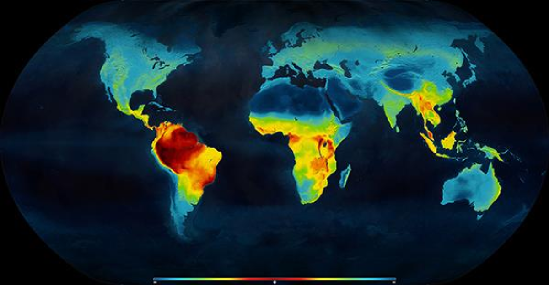
Ecotourism is the concept of responsible trips and travel to areas that might be protected and especially fragile. The intent is to create as little detrimental impact on the environment as possible. In some locations (such as Gorongosa National Park) where the wildlife has previously been decimated, rewilding has been done and much of the wildlife has been brought back (along with vegetation, thus allowing the environment to sequester more carbon than what was previously the case). This return of wildlife has created tourism opportunities (wildlife viewing, safari trips) allowing for to bringing in of financial revenue. It also requires personnel such as park rangers, to be present, thus creating local employment opportunities.
Historical sites and monuments
Africa has many historic structures that have survived from ancient civilizations as well as more recent structures of interest to tourists. Ancient historical sites include the Pyramids and temples in both Egypt and Sudan; The Obelisk of Axum from Ethiopia; the ruins of ancient Zimbabwe's trading city, Great Zimbabwe; and the Palace of Emperor Fasilides in Ethiopia. More recent structures that attract tourism includes the old slave castles in Ghana, Elmina Castle and Cape Coast Castle, which are also sited for heritage tourism. It also includes the highest monument in the world, the African Renaissance Monument in Senegal.
Medical tourism
Due to advance in technologies, techniques and practices and lower costs, Africa has experienced a surge in medical tourism and health tourism. Countries that are destinations for medical and health tourism packages include Algeria, Ghana, Ivory Coast, Kenya, Mauritius, Morocco, Nigeria, Rwanda, South Africa, Tanzania and Tunisia. The top destinations for European visitors include Egypt, Tunisia, and South Africa. South Africa is the top destination for both international tourists and regional tourists from other African countries.
Tea tourism
Africa has a rich history of tea cultivation which has given rise to several countries becoming growing tea tourism destinations. Malawi was the first country to grow tea in Africa, and it has many tea estates that are decades old. Countries like Morocco, Kenya, Malawi, and South Africa are large tea-producing countries that are frequented by tea tourists. South Africa's tea tourism market is focused on rooibos tea.
Tourism by arrivals
All of the data presented here is from the World Tourism Organization (UNWTO) and from "Reviewing Africa in the Global Tourism Economy." The following table shows the number of arrivals in each country:

| Country | Arrivals (2024) |
|---|---|
| Morocco | 17,500,000 |
| Egypt | 15,000,000 |
| Angola | 210,000 |
| Botswana | 1,559,000 |
| Burundi | 148,000 |
| Cameroon | 210,000 |
| Cape Verde | 198,000 |
| Democratic Republic of the Congo | 61,000 |
| Djibouti | 30,000 |
| Algeria | 4,244,000 |
| Eritrea | 83,000 |
| Gambia | 111,000 |
| Guinea | 45,000 |
| Lesotho | 304,000 |
| Mali | 143,000 |
| Mauritius | 934,827 (2020) |
| São Tomé and Príncipe | 11,000 |
| Senegal | 769,000 |
| Seychelles | 129,000 |
| Sierra Leone | 40,000 |
| South Africa | 7,518,000 |
| Eswatini | 839,000 |
| Togo | 81,000 |
| Tunisia | 6,378,000 |
| Uganda | 1,468,000 (2017) |
| Zimbabwe | 1,559,000 |
Tourism by receipts
The following map and data depict the income from tourism in US dollar equivalent:
| Country | Receipts (2020) in US$ |
|---|---|
| Botswana | $562,000,000 |
| Burundi | $2,000,000 |
| Cape Verde | $123,000,000 |
| Egypt | $16,851,000,000 |
| Eritrea | $66,000,000 |
| Kenya | $879,000,000 |
| Lesotho | $30,000,000 |
| Malawi | $26,000,000 |
| Morocco | $4,617,000,000 |
| Mozambique | $130,000,000 |
| Namibia | $348,000,000 |
| Reunion | $384,000,000 |
| Seychelles | $192,000,000 |
| Sierra Leone | $83,000,000 |
| South Africa | $7,327,000,000 |
| Sudan | $89,000,000 |
| Uganda | $1,400,000,000 |
| Tunisia | $2,063,000,000 |
| Tanzania | $4,468,000,000 |
| Zimbabwe | $1,559,000 |
Notes
Visa policies to visit
Main article: African Continental Free Trade Area
- Algeria
- Angola
- Benin
- Botswana
- Burkina Faso
- Burundi
- Cameroon
- Cape Verde
- Central African Republic
- Chad
- Comoros
- Democratic Republic of the Congo
- Republic of the Congo
- Djibouti
- Egypt
- Equatorial Guinea
- Eritrea
- Eswatini
- Ethiopia
- Gabon
- The Gambia
- Ghana
- Guinea
- Guinea-Bissau
- Ivory Coast
- Kenya
- Lesotho
- Liberia
- Libya
- Madagascar
- Malawi
- Mali
- Mauritania
- Mauritius
- Morocco
- Mozambique
- Namibia
- Niger
- Nigeria
- Rwanda
- São Tomé and Príncipe
- Senegal
- Seychelles
- Sierra Leone
- Somalia
- South Africa
- South Sudan
- Sudan
- Tanzania
- Togo
- Tunisia
- Uganda
- Zambia
- Zimbabwe
References
References
- WhiteOrange. "Homepage".
- [https://blogs.worldbank.org/nasikiliza/africa-can-benefit-from-nature-based-tourism-in-a-sustainable-manner Africa can Benefit from Nature-based Tourism in a Sustainable Manner]
- "Butler's Tourism Area Life Cycle Model: A simple explanation | Tourism Teacher".
- Signé, Landry. (2019-03-05). "Africa's tourism: A global destination for investment and entrepreneurship".
- World Bank, 2011, The Africa Region Tourism Strategy: Transformation through Tourism, https://openknowledge.worldbank.org/server/api/core/bitstreams/883cf00a-5c7d-5d41-b91a-ddaa24e050ea/content
- "The pyramids few tourists have seen".
- (28 December 2022). "These mighty pyramids were built by one of Africa's earliest civilizations".
- (20 April 2005). "Obelisk returned to Ethiopia after 68 years". The Guardian.
- https://whc.unesco.org/en/news/116 https://whc.unesco.org/en/list/364/
- "Zimbabwe Travel Guide - A Travel Guide to Great Zimbabwe".
- (27 August 2022). "15 famous buildings in Africa that showcase continent's iconic architecture".
- Underwood, Joseph L.. (2022-09-26). "Authorship & Authority: The Contested Origins of Dakar's African Renaissance Monument".
- (2019-08-20). "Ghana cashes in on slave heritage tourism". Reuters.
- "Medical tourism in Africa: Sun, sea, scalpel and safari".
- Mogaka JJ, Tsoka-Gwegweni JM, Mupara LM, Mashamba-Thompson T. Role, structure and effects of medical tourism in Africa: a systematic scoping review protocol. BMJ Open. 2017 Jun 23;7(6):e013021. doi: 10.1136/bmjopen-2016-013021. PMID 28645947; PMCID: PMC5541447.
- "20+ Best Destinations for Tea Tourism Around the World".
- Phori, Madiseng & Mathole, Lebo & Henama, Unathi & Mokoena, Lehlohonolo. (2022). Tea tourism in the global south: An African perspective.
- Rogerson, Christian (2017). "Reviewing Africa in the global tourism economy", Vol. 24 No. 3 United Nations World Tourism Organization. September 2017.
- "Tourist arrival 2020 (mauritius)".
This article was imported from Wikipedia and is available under the Creative Commons Attribution-ShareAlike 4.0 License. Content has been adapted to SurfDoc format. Original contributors can be found on the article history page.
Ask Mako anything about Tourism in Africa — get instant answers, deeper analysis, and related topics.
Research with MakoFree with your Surf account
Create a free account to save articles, ask Mako questions, and organize your research.
Sign up freeThis content may have been generated or modified by AI. CloudSurf Software LLC is not responsible for the accuracy, completeness, or reliability of AI-generated content. Always verify important information from primary sources.
Report