From Surf Wiki (app.surf) — the open knowledge base
Sugarcane
Several species of grass used for sugar production
Several species of grass used for sugar production
| Field | Value |
|---|---|
| year | 2022 |
| plant | sugarcane |
| country1 | |
| amount1 | 724.4 |
| country2 | |
| amount2 | 439.4 |
| country3 | |
| amount3 | 103.4 |
| country4 | |
| amount4 | 92.1 |
| country5 | |
| amount5 | 88.0 |
| country6 | |
| amount6 | 55.3 |
| country7 | |
| amount7 | 35.0 |
| country8 | |
| amount8 | 32.4 |
| country9 | |
| amount9 | 31.5 |
| country10 | |
| amount10 | 28.7 |
| world | 1,922.1 |
| source | FAOSTAT |
Sugarcane or sugar cane is a species of tall, perennial grass (in the genus Saccharum, tribe Andropogoneae) that is used for sugar production. The plants are 2–6 m (6–20 ft) tall with stout, jointed, fibrous stalks that are rich in sucrose, which accumulates in the stalk internodes. Sugarcanes belong to the grass family, Poaceae, an economically important flowering plant family that includes maize, wheat, rice, and sorghum, and many forage crops. It is native to New Guinea.
Sugarcane was an ancient crop of the Austronesian and Papuan people. The best evidence available today points to the New Guinea area as the site of the original domestication of Saccharum officinarum. It was introduced to Polynesia, Island Melanesia, and Madagascar in prehistoric times via Austronesian sailors. It was also introduced by Austronesian sailors to India and then to Southern China by 500 BC, via trade. The Persians and Greeks encountered the famous "reeds that produce honey without bees" in India between the sixth and fourth centuries BC. They adopted and then spread sugarcane agriculture. By the eighth century, sugar was considered a luxurious and expensive spice from India, and merchant trading spread its use across the Mediterranean and North Africa. In the 18th century, sugarcane plantations began in the Caribbean, South American, Indian Ocean, and Pacific island nations. The need for sugar crop laborers became a major driver of large migrations, some people voluntarily accepting indentured servitude and others forcibly imported as slaves.
Grown in tropical and subtropical regions, sugarcane is the world's largest crop by production quantity, totalling 1.9 billion tonnes in 2020, with Brazil accounting for 40% of the world total. Sugarcane accounts for 79% of sugar produced globally (most of the rest is made from sugar beets). About 70% of the sugar produced comes from Saccharum officinarum and its hybrids. All sugarcane species can interbreed, and the major commercial cultivars are complex hybrids.
White sugar is produced from sugarcane in specialized mill factories. Sugarcane reeds are used to make pens, mats, screens, and thatch. The young, unexpanded flower head of Saccharum edule (duruka) is eaten raw, steamed, or toasted, and prepared in various ways in Southeast Asia, such as certain island communities of Indonesia as well as in Oceanic countries like Fiji.
Etymology
The term sugarcane is a combination of two words: "sugar" and "cane". The former ultimately derives from Sanskrit शर्करा (śárkarā). As sugar was traded and spread West, this became سُكَّر (sukkar) in Arabic, saccharum or succarum in Latin, zucchero in Italian, and eventually sucre in both Middle French and Middle English. The second term "cane" began to be used alongside it as the crop was grown on plantations in the Caribbean.
Characteristics

Sugarcane, a perennial tropical grass, exhibits a unique growth pattern characterized by lateral shoots emerging at its base, leading to the development of multiple stems. These stems typically attain a height of 3 to 4 meters (approximately 10 to 13 feet) and possess a diameter of about 5 centimeters (approximately 2 inches). As these stems mature, they evolve into cane stalks, constituting a substantial portion of the entire plant, accounting for roughly 75% of its composition.
A fully mature cane stalk generally comprises a composition of around 11–16% fiber, 12–16% soluble sugars, 2–3% non-sugar carbohydrates, and 63–73% water content. The successful cultivation of sugarcane hinges on a delicate interplay of several factors, including climatic conditions, soil properties, the selection of specific varieties, and the timing of the harvest.
In terms of yield, the average production of cane stalk stands at 60–70 tonnes per hectare (equivalent to 24–28 long tons per acre or 27–31 short tons per acre) annually. However, this yield figure is not fixed and can vary significantly, ranging from 30 to 180 tonnes per hectare. This variance is contingent upon the level of knowledge applied and the approach to crop management embraced in the cultivation of sugarcane. Ultimately, the successful cultivation of this valuable crop demands a thoughtful integration of various factors to optimize its growth and productivity.
Sugarcane is a cash crop, but it is also used as livestock fodder. Sugarcane genome is one of the most complex plant genomes known, mostly due to interspecific hybridization and polyploidization.
File:Cut sugarcane.jpg|Cut sugarcane File:Sugarcane canopy.jpg|Sugarcane canopy
History
The two centers of domestication for sugarcane are one for Saccharum officinarum by Papuans in New Guinea and another for Saccharum sinense by Austronesians in Taiwan and southern China. Papuans and Austronesians originally primarily used sugarcane as food for domesticated pigs. The spread of both S. officinarum and S. sinense is closely linked to the migrations of the Austronesian peoples. Saccharum barberi was only cultivated in India after the introduction of S. officinarum.
S. officinarum was first domesticated in New Guinea and the islands east of the Wallace Line by Papuans, where it is the modern center of diversity. Beginning around 6,000 BP, several strains were selectively bred from the native Saccharum robustum. From New Guinea, it spread westwards to Maritime Southeast Asia after contact with Austronesians, where it hybridized with Saccharum spontaneum.
The second domestication center is southern China and Taiwan, where S. sinense was a primary cultigen of the Austronesian peoples. Words for sugarcane are reconstructed as *təbuS or *CebuS in Proto-Austronesian, which became *tebuh in Proto-Malayo-Polynesian. It was one of the original major crops of the Austronesian peoples from at least 5,500 BP. Introduction of the sweeter S. officinarum may have gradually replaced it throughout its cultivated range in maritime Southeast Asia.
From Insular Southeast Asia, S. officinarum was spread eastward into Polynesia and Micronesia by Austronesian voyagers as a canoe plant by around 3,500 BP. It was also spread westward and northward by around 3,000 BP to China and India by Austronesian traders, where it further hybridized with S. sinense and S. barberi. From there, it spread further into western Eurasia and the Mediterranean.
The earliest known production of crystalline sugar began in northern India. The earliest evidence of sugar production comes from ancient Sanskrit and Pali texts. Around the eighth century, Muslim and Arab traders introduced sugar from medieval India to the other parts of the Abbasid Caliphate in the Mediterranean, Mesopotamia, Egypt, North Africa, and Andalusia. By the 10th century, sources state that every village in Mesopotamia grew sugarcane. It was among the early crops brought to the Americas by the Spanish, mainly Andalusians, from their fields in the Canary Islands, and the Portuguese from their fields in the Madeira Islands. An article on sugarcane cultivation in Spain is included in Ibn al-'Awwam's 12th-century Book on Agriculture.
The first chemically refined sugar appeared on the scene in India about 2,500 years ago. From there, the technique spread east towards China, and west towards Persia and the early Islamic worlds, eventually reaching the Mediterranean in the 13th century. Cyprus and Sicily became important centers for sugar production.
In colonial times, sugar formed one side of the triangle trade of New World raw materials, along with European manufactured goods, and African slaves. Christopher Columbus first brought sugarcane to the Caribbean (and the New World) during his second voyage to the Americas, initially to the island of Hispaniola (modern day Haiti and the Dominican Republic). The first sugar harvest happened in Hispaniola in 1501; many sugar mills were constructed in Cuba and Jamaica by the 1520s. The Portuguese introduced sugarcane to Brazil. By 1540, there were 800 cane sugar mills in Santa Catarina Island and another 2,000 on the north coast of Brazil, Demarara, and Suriname.
Sugar, often in the form of molasses, was shipped from the Caribbean to Europe or New England, where it was used to make rum. The profits from the sale of sugar were then used to purchase manufactured goods, which were then shipped to West Africa, where they were bartered for slaves. The slaves were then brought back to the Caribbean to be sold to sugar planters. The profits from the sale of the slaves were then used to buy more sugar, which was shipped to Europe. Toil in the sugar plantations became a main basis for the Atlantic slave trade, supplying people to work under brutal coercion.
The passage of the 1833 Slavery Abolition Act led to the abolition of slavery through most of the British Empire, and many of the emancipated slaves no longer worked on sugarcane plantations when they had a choice. West Indian planters, therefore, needed new workers, and they found cheap labour in China and India. The people were subject to indenture, a long-established form of contract, which bound them to unfree labour for a fixed term. The conditions where the indentured servants worked were frequently abysmal, owing to a lack of care among the planters. The first ships carrying indentured labourers from India left in 1836. The migrations to serve sugarcane plantations led to a significant number of ethnic Indians, Southeast Asians, and Chinese people settling in various parts of the world. In some islands and countries, the South Asian migrants now constitute between 10 and 50% of the population. Sugarcane plantations and Asian ethnic groups continue to thrive in countries such as Fiji, South Africa, Myanmar, Sri Lanka, Malaysia, Indonesia, the Philippines, Guyana, Jamaica, Trinidad, Martinique, French Guiana, Guadeloupe, Grenada, St. Lucia, St. Vincent, St. Kitts, St. Croix, Suriname, Nevis, and Mauritius.

Between 1863 and 1900, merchants and plantation owners in Queensland and New South Wales (now part of the Commonwealth of Australia) brought between 55,000 and 62,500 people from the South Pacific islands to work on sugarcane plantations. An estimated one-third of these workers were coerced or kidnapped into slavery (known as blackbirding); many others were paid very low wages. Between 1904 and 1908, most of the 10,000 remaining workers were deported in an effort to keep Australia racially homogeneous and protect white workers from cheap foreign labour.
Cuban sugar derived from sugarcane was exported to the USSR, where it received price supports and was ensured a guaranteed market. The 1991 dissolution of the Soviet state forced the closure of most of Cuba's sugar industry.
Sugarcane remains an important part of the economy of Cuba, Guyana, Belize, Barbados, and Haiti, along with the Dominican Republic, Guadeloupe, Jamaica, and other islands.
About 70% of the sugar produced globally comes from S. officinarum and hybrids using this species.
Sugar occupies 26,942,686 hectares of land across the globe and is the third most valuable crop.
.jpg)
Cultivation
.jpg)


.svg)
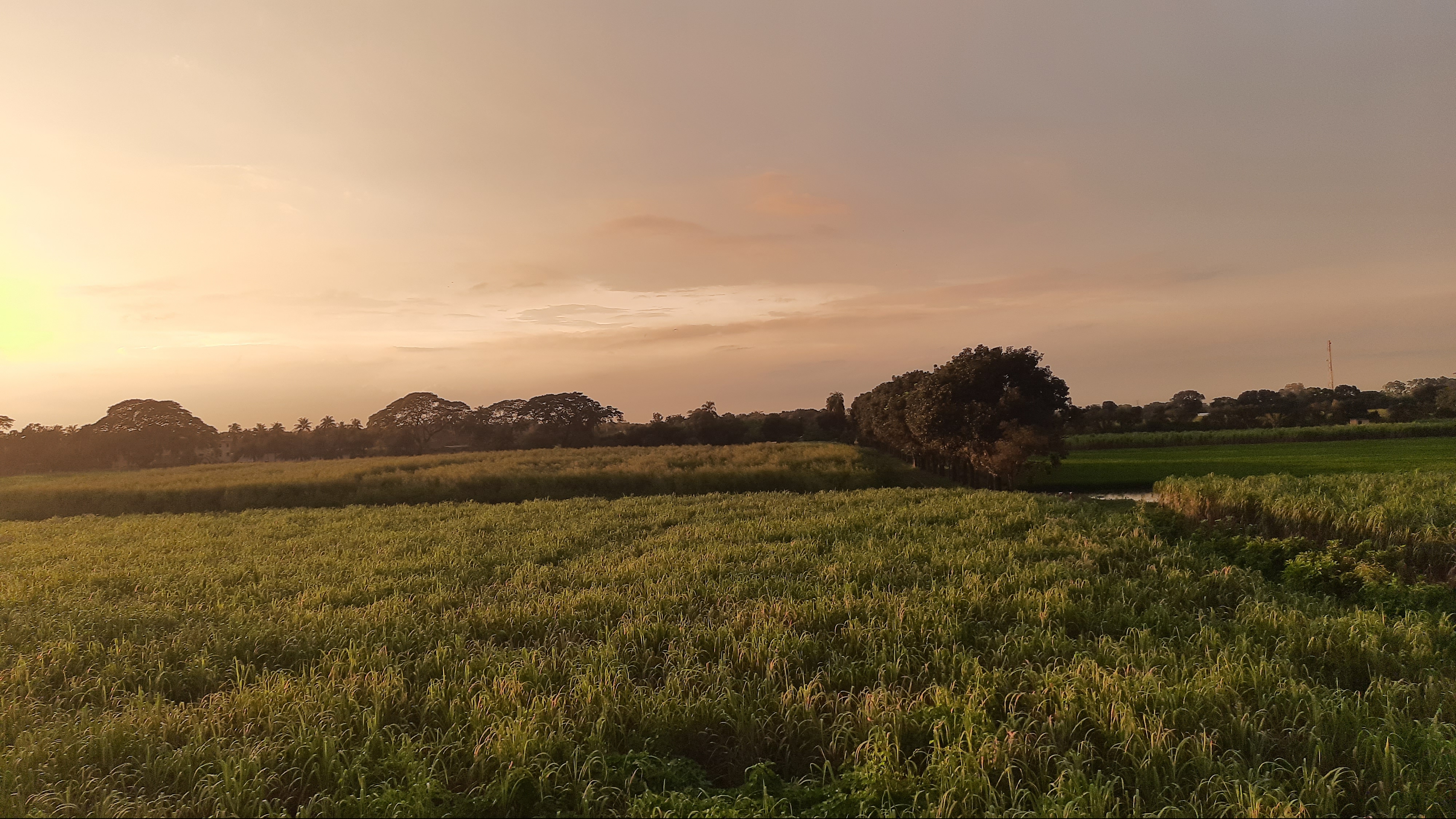
Sugarcane cultivation requires a tropical or subtropical climate, with a minimum of 60 cm of annual moisture. It is one of the most efficient photosynthesizers in the plant kingdom. It is a C4 plant, able to convert up to 1% of incident solar energy into biomass. In primary growing regions across the tropics and subtropics, sugarcane crops can produce over 15 kg/m2 of cane.
Sugar cane accounted for around 21% of the global crop production over the 2000–2021 period. The Americas was the leading region in the production of sugar cane (52% of the world total).
Once a major crop of the southeastern region of the United States, sugarcane cultivation declined there during the late 20th century, and is primarily confined to small plantations in Florida, Louisiana, and southeast Texas in the 21st century. Sugarcane cultivation ceased in Hawaii when the last operating sugar plantation in the state shut down in 2016.
Sugarcane is cultivated in the tropics and subtropics in areas with a plentiful supply of water for a continuous period of more than 6–7 months each year, either from natural rainfall or through irrigation. The crop does not tolerate severe frosts. Therefore, most of the world's sugarcane is grown between 22°N and 22°S, and some up to 33°N and 33°S. When sugarcane crops are found outside this range, such as the Natal region of South Africa, it is normally due to anomalous climatic conditions in the region, such as warm ocean currents that sweep down the coast. In terms of altitude, sugarcane crops are found up to 1600 m close to the equator in countries such as Colombia, Ecuador, and Peru.
Sugarcane can be grown on many soils ranging from highly fertile, well-drained mollisols, through heavy cracking vertisols, infertile acid oxisols and ultisols, peaty histosols, to rocky andisols. Both plentiful sunshine and water supplies increase cane production. This has made desert countries with good irrigation facilities such as Egypt some of the highest-yielding sugarcane-cultivating regions. Sugarcane consumes 9% of the world's potash fertilizer production.
Although some sugarcanes produce seeds, modern stem cutting has become the most common reproduction method. Each cutting must contain at least one bud, and the cuttings are sometimes hand-planted. In more technologically advanced countries, such as the United States and Australia, billet planting is common. Billets (stalks or stalk sections) harvested by a mechanical harvester are planted by a machine that opens and recloses the ground. Once planted, a stand can be harvested several times; after each harvest, the cane sends up new stalks, called ratoons. Successive harvests give decreasing yields, eventually justifying replanting. Two to 10 harvests are usually made depending on the type of culture. In a country with a mechanical agriculture looking for a high production of large fields, as in North America, sugarcanes are replanted after two or three harvests to avoid a lowering yields. In countries with a more traditional type of agriculture with smaller fields and hand harvesting, as in the French island of Réunion, sugarcane is often harvested up to 10 years before replanting.
Sugarcane is harvested by hand and mechanically. Hand harvesting accounts for more than half of production, and is dominant in the developing world. In hand harvesting, the field is first set on fire. The fire burns up dry leaves, and chases away or kills venomous snakes, without harming the stalks and roots. Harvesters then cut the cane just above ground-level using cane knives or machetes. A skilled harvester can cut 500 kg of sugarcane per hour.
Mechanical harvesting uses a combine, or sugarcane harvester. The Austoft 7000 series, the original modern harvester design, has now been copied by other companies, including Cameco / John Deere. The machine cuts the cane at the base of the stalk, strips the leaves, chops the cane into consistent lengths and deposits it into a transporter following alongside. The harvester then blows the trash back onto the field. Such machines can harvest 100 LT each hour, but harvested cane must be rapidly processed. Once cut, sugarcane begins to lose its sugar content, and damage to the cane during mechanical harvesting accelerates this decline. This decline is offset because a modern chopper harvester can complete the harvest faster and more efficiently than hand cutting and loading. Austoft also developed a series of hydraulic high-lift infield transporters to work alongside its harvesters to allow even more rapid transfer of cane to, for example, the nearest railway siding. This mechanical harvesting does not require the field to be set on fire; the residue left in the field by the machine consists of cane tops and dead leaves, which serve as mulch for the next planting.
Pests
The cane beetle (also known as cane grub) can substantially reduce crop yield by eating roots; it can be controlled with imidacloprid (Confidor) or chlorpyrifos (Lorsban). Other important pests are the larvae of some butterfly/moth species, including the turnip moth, the sugarcane borer (Diatraea saccharalis), the African sugarcane borer (Eldana saccharina), the Mexican rice borer (Eoreuma loftini), the African armyworm (Spodoptera exempta), leafcutter ants, termites, spittlebugs (especially Mahanarva fimbriolata and Deois flavopicta), and Migdolus fryanus (a beetle). The planthopper insect Eumetopina flavipes acts as a virus vector, which causes the sugarcane disease ramu stunt. Sesamia grisescens is a major pest in Papua New Guinea and so is a serious concern for the Australian industry were it to cross over. To head off such a problem, the Federal Government has pre-announced that they would cover 80% of response costs if it were necessary.
Pathogens
Main article: List of sugarcane diseases
Numerous pathogens infect sugarcane, such as sugarcane grassy shoot disease caused by Candidatus Phytoplasma sacchari, whiptail disease or sugarcane smut, pokkah boeng caused by Fusarium moniliforme, Xanthomonas axonopodis bacteria causes Gumming Disease, and red rot disease caused by Colletotrichum falcatum. Viral diseases affecting sugarcane include sugarcane mosaic virus, maize streak virus, and sugarcane yellow leaf virus.
Yang et al., 2017 provides a genetic map developed for USDA ARS-run breeding programs for brown rust of sugarcane.
Nitrogen fixation
Some sugarcane varieties are capable of fixing atmospheric nitrogen in association with the bacterium Gluconacetobacter diazotrophicus. Unlike legumes and other nitrogen-fixing plants that form root nodules in the soil in association with bacteria, G. diazotrophicus lives within the intercellular spaces of the sugarcane's stem. Coating seeds with the bacteria was assayed in 2006 with the intention of enabling crop species to fix nitrogen for its own use.
Conditions for sugarcane workers
At least 20,000 people are estimated to have died of chronic kidney disease in Central America in the past two decades, most of them sugarcane workers along the Pacific coast. This may be due to working long hours in the heat without adequate fluid intake. Additionally, some of the workers are being exposed to hazards such as: high temperatures, harmful pesticides, and poisonous or venomous animals. This occurs during the process of cutting the sugarcane manually, causing physical ailments due to constant repetitive movements for hours every work day.
In India, especially in Maharashtra, sugarcane production is linked to forced labour, as a result of an exploitative advance payment system for workers that puts them deeply in debt and requires them to return year after year, earning less than $5 a day. Working conditions are generally very poor, with workers migrating during the harvest season and living in makeshift tents in the fields they harvest, with no toilets, electricity, or running water. Child labour is common, and child marriage between sugar harvesters is frequent, despite both being illegal. Indian sugarcane production is also linked to an unusually high rate of hysterectomies (some 1 in 5 sugarcane harvesting women), which women are pressured to receive by sugarcane producers and the lack of sanitary facilities, family planning options, or medical leave. India is the world's second largest sugar producer, and Maharashtra produces one-third of the country's sugar, which then enters the global supply chain—making its provenance hard to track. The Coca-Cola Company and PepsiCo have bought significant amounts of sugar from Maharashtra since at least the 2010s, mostly for use in Indian soft drinks, but deny that they are complicit in labor abuses.
Processing
Traditionally, sugarcane processing requires two stages. Mills extract raw sugar from freshly harvested cane and "mill-white" sugar is sometimes produced immediately after the first stage at sugar-extraction mills, intended for local consumption. Sugar crystals appear naturally white in color during the crystallization process. Sulfur dioxide is added to inhibit the formation of color-inducing molecules and to stabilize the sugar juices during evaporation. Refineries, often located nearer to consumers in North America, Europe, and Japan, then produce refined white sugar, which is 99% sucrose. These two stages are slowly merging. Increasing affluence in the sugarcane-producing tropics increases demand for refined sugar products, driving a trend toward combined milling and refining.
Milling
Main article: Sugarcane mill


Sugarcane processing produces cane sugar (sucrose) from sugarcane. Other products of the processing include bagasse, molasses, and filter cake.
Bagasse, the residual dry fiber of the cane after cane juice has been extracted, is used for several purposes:
- fuel for the boilers and kilns
- production of paper, paperboard products, and reconstituted panelboard
- agricultural mulch
- as a raw material for production of chemicals
The primary use of bagasse and bagasse residue is as a fuel source for the boilers in the generation of process steam in sugar plants. Dried filter cake is used as an animal feed supplement, fertilizer, and source of sugarcane wax.
Molasses is produced in two forms: blackstrap, which has a characteristic strong flavor, and a purer molasses syrup. Blackstrap molasses is sold as a food and dietary supplement. It is also a common ingredient in animal feed, and is used to produce ethanol, rum, and citric acid. Purer molasses syrups are sold as molasses, and may also be blended with maple syrup, invert sugars, or corn syrup. Both forms of molasses are used in baking.
Refining
The sugar solution is clarified by the addition of phosphoric acid and calcium hydroxide, which combine to precipitate calcium phosphate. The calcium phosphate particles entrap some impurities and absorb others, and then float to the top of the tank, where they can be skimmed off. An alternative to this "phosphatation" technique is "carbonatation", which is similar, but uses carbon dioxide and calcium hydroxide to produce a calcium carbonate precipitate.
After filtering any remaining solids, the clarified syrup is decolorized by filtration through activated carbon. Bone char or coal-based activated carbon is traditionally used in this role. Some remaining color-forming impurities are adsorbed by the carbon. The purified syrup is then concentrated to supersaturation and repeatedly crystallized in a vacuum, to produce white refined sugar. As in a sugar mill, the sugar crystals are separated from the molasses by centrifuging. Additional sugar is recovered by blending the remaining syrup with the washings from affination and again crystallizing to produce brown sugar. When no more sugar can be economically recovered, the final molasses still contains 30–35% sucrose and 10–25% glucose and fructose.
To produce granulated sugar, in which individual grains do not clump, sugar must be dried, first by heating in a rotary dryer, and then by blowing cool air through it for several days.
Ribbon cane syrup
Ribbon cane is a subtropical type that was once widely grown in the Southern United States, as far north as coastal North Carolina. The juice was extracted with horse- or mule-powered crushers; the juice was boiled, like maple syrup, in a flat pan, and then used in the syrup form as a food sweetener. It is not currently a commercial crop, but a few growers find ready sales for their product.
Production
In 2022, global production of sugarcane was 1.92 billion tonnes, with Brazil producing 38% of the world total, India with 23%, and China producing 5% (table).
Worldwide, 26 million hectares were devoted to sugarcane cultivation in 2020.
From 2008 to 2016, production of standards-compliant sugarcane experienced a compound annual growth rate of about 52%, while conventional sugarcane increased at less than 1%.
Environmental impacts
Soil degradation and erosion
The cultivation of sugarcane can lead to increased soil loss through the removal of soil at harvest, as well as improper irrigation practices, which can result in erosion. Erosion is especially significant when the sugarcane is grown on slopes or hillsides, which increases the rate of water runoff. Generally, it is recommended that sugarcane is not planted in areas with a slope greater than 8%. However, in certain areas, such as parts of the Caribbean and South Africa, slopes greater than 20% have been planted. Increased erosion can lead to the removal of organic and nutrient-rich material, which can decrease future crop yields. It can also result in sediments and other pollutants being washed into aquatic habitats, which can result in a wide range of environmental issues, including eutrophication and acidification.
Sugarcane cultivation can also result in soil compaction, which is caused by the use of heavy, infield machinery. Along with impacting invertebrate and fauna within the upper layers of the soil, compaction can also lead to decreased porosity. This in turn can increase surface runoff, resulting in greater leaching and erosion.
Habitat destruction
.jpg)
Due to the large quantity of water required, sugarcane cultivation heavily relies on irrigation. Additionally, since large amounts of soil are removed with the crop during harvest, significant washing occurs during the processing phase. In many countries, such as India and Australia, this requirement has placed a strain on available resources, requiring the construction of barrages and other dams. This has altered the amount of water reaching aquatic habitats, and has contributed to the degradation of ecosystems such as the Great Barrier Reef and Indus Delta.
_2_clear_land_for_a_construction_site.jpg)
Sugarcane has also contributed to habitat destruction through the clearance of land. Seven countries around the world devote more than 50% of their land to the cultivation of sugarcane. Sugarcane fields have replaced tropical rain forests and wetlands. While the majority of this clearance occurred in the past, expansions have occurred within the past couple decades, further contributing to habitat destruction.
Mitigation efforts
A wide variety of mitigation efforts can be implemented to reduce the impacts of sugarcane cultivation. Among these efforts is switching to alternative irrigation techniques, such as drip irrigation, which are more water efficient. Water efficiency can also be improved by employing methods such as trash mulching, which has been shown to increase water intake and storage. Along with reducing the overall water use, this method can also decrease soil runoff, and therefore prevent pollutants from entering the environment. In areas with a slope greater than 11%, it is also recommended that zero tillage or cane strip planting are implemented to help prevent soil loss.
Sugarcane processing produces a wide variety of pollutants, including heavy metals and bagasse, which can be released into the environment through wastewater discharge. To prevent this, alternative treatment methods such as high rate anaerobic digestions can be implemented to better treat this wastewater. Stormwater drains can also be installed to prevent uncontrolled runoff from reaching aquatic ecosystems.
Ethanol

Ethanol is generally available as a byproduct of sugar production. It can be used as a biofuel alternative to gasoline, and is widely used in cars in Brazil. It is an alternative to gasoline, and may become the primary product of sugarcane processing, rather than sugar
In Brazil, gasoline is required to contain at least 22% bioethanol. This bioethanol is sourced from Brazil's large sugarcane crop.
The production of ethanol from sugarcane is more energy efficient than from corn or sugar beets or palm/vegetable oils, particularly if cane bagasse is used to produce heat and power for the process. Furthermore, if biofuels are used for crop production and transport, the fossil energy input needed for each ethanol energy unit can be very low. EIA estimates that with an integrated sugarcane to ethanol technology, the well-to-wheels CO2 emissions can be 90% lower than conventional gasoline. describes the energy transformation:
Presently, 75 tons of raw sugarcane are produced annually per hectare in Brazil. The cane delivered to the processing plant is called burned and cropped (b&c), and represents 77% of the mass of the raw cane. The reason for this reduction is that the stalks are separated from the leaves (which are burned and whose ashes are left in the field as fertilizer), and from the roots that remain in the ground to sprout for the next crop. Average cane production is, therefore, 58 tons of b&c per hectare per year.
Each ton of b&c yields 740 kg of juice (135 kg of sucrose and 605 kg of water) and 260 kg of moist bagasse (130 kg of dry bagasse). Since the lower heating value of sucrose is 16.5 MJ/kg, and that of the bagasse is 19.2 MJ/kg, the total heating value of a ton of b&c is 4.7 GJ of which 2.2 GJ come from the sucrose and 2.5 from the bagasse.
Per hectare per year, the biomass produced corresponds to 0.27 TJ. This is equivalent to 0.86 W per square meter. Assuming an average insolation of 225 W per square meter, the photosynthetic efficiency of sugar cane is 0.38%.
The 135 kg of sucrose found in 1 ton of b&c are transformed into 70 litres of ethanol with a combustion energy of 1.7 GJ. The practical sucrose-ethanol conversion efficiency is, therefore, 76% (compare with the theoretical 97%).
One hectare of sugar cane yields 4,000 litres of ethanol per year (without any additional energy input, because the bagasse produced exceeds the amount needed to distill the final product). This, however, does not include the energy used in tilling, transportation, and so on. Thus, the solar energy-to-ethanol conversion efficiency is 0.13%.
Bagasse applications

Sugarcane is a major crop in many countries. It is one of the plants with the highest bioconversion efficiency. Sugarcane crop is able to efficiently fix solar energy, yielding some 55 tonnes of dry matter per hectare of land annually. After harvest, the crop produces sugar juice and bagasse, the fibrous dry matter. This dry matter is biomass with potential as fuel for energy production. Bagasse can also be used as an alternative source of pulp for paper production.
Sugarcane bagasse is a potentially abundant source of energy for large producers of sugarcane, such as Brazil, India, and China. According to one report, with use of latest technologies, bagasse produced annually in Brazil has the potential of meeting 20% of Brazil's energy consumption by 2020.
Electricity production
A number of countries, in particular those lacking fossil fuels, have implemented energy conservation and efficiency measures to minimize the energy used in cane processing, and export any excess electricity to the grid. Bagasse is usually burned to produce steam, which in turn creates electricity. Current technologies, such as those in use in Mauritius, produce over 100 kWh of electricity per tonne of bagasse. With a total world harvest of over one billion tonnes of sugarcane per year, the global energy potential from bagasse is over 100,000 GWh. Using Mauritius as a reference, an annual potential of 10,000 GWh of additional electricity could be produced throughout Africa. Electrical generation from bagasse could become quite important, particularly to the rural populations of sugarcane producing nations.
Recent cogeneration technology plants are being designed to produce from 200 to over 300 kWh of electricity per tonne of bagasse. As sugarcane is a seasonal crop, shortly after harvest the supply of bagasse would peak, requiring power generation plants to strategically manage the storage of bagasse.
Biogas production
A greener alternative to burning bagasse for the production of electricity is to convert bagasse into biogas. Technologies are being developed to use enzymes to transform bagasse into advanced biofuel and biogas.
Sugarcane as food
In most regions where sugarcane is cultivated, a wide range of foods and beverages are produced directly from the plant.
The following foods and drinks are derived from sugarcane:
- Basi – a fermented alcoholic beverage made from sugarcane juice, produced in the Philippines and Guyana.
- Cachaça – a distilled alcoholic beverage made from sugarcane juice; it is the most popular spirit in Brazil.
- Falernum – a sweet, slightly alcoholic drink made from sugarcane juice.
- Gâteau de Sirop – a cake made using sugarcane syrup.
- Jaggery – a solidified molasses, known as gur, gud, or gul in modern Indo-Aryan. It is traditionally produced by evaporating sugarcane juice into a thick mass that is cooled and molded. Modern production methods may partially freeze-dry the juice to reduce caramelization and lighten the color. Jaggery is used as a sweetener in traditional dishes, sweets, and desserts.
- Molasses – a syrupy by-product used as a sweetener and as an accompaniment to foods such as cheese or cookies.
- Panela – solid blocks of sucrose and fructose produced by boiling and evaporating sugarcane juice; it is a staple food in Colombia and other parts of Central and South America.
- Rapadura – a minimally refined sugarcane product, common in Latin American countries such as Brazil, Argentina, and Venezuela (where it is known as papelón) and the Caribbean.
- Raw sugarcane – chewed directly to extract the juice.
- Rock candy – crystallized sugarcane juice.
- Sayur nganten – an Indonesian soup made from the stem of trubuk (Saccharum edule), a type of sugarcane.
- Sugarcane juice – fresh juice extracted by hand or small mills and commonly served with lemon and ice. It is known by many regional names, including air tebu, usacha rass, guarab, guarapa, guarapo, papelón, aseer asab, ganna sharbat, mosto, caldo de cana, and nước mía.
- Syrup – a traditional sweetener used in soft drinks worldwide, though in the United States it has been largely replaced by high fructose corn syrup due to lower costs associated with corn subsidies and sugar tariffs.
- Viche – a homebrewed Colombian alcoholic beverage.
In the 21st century, sugar is estimated to contribute approximately 20% of the total caloric intake in modern diets.
Sugarcane as feed
Many parts of the sugarcane are commonly used as animal feeds where the plants are cultivated. The leaves make a good forage for ruminants.
Gallery
File:Sugarcane flowering.JPG|Sugarcane flowering File:Sugarcane Flowers in Java.jpg|Flowers of sugarcane File:Cane syrup evaporator 1330.jpg|alt=Outdoor photo of series of rectangular metal trays divided by short internal metal sheets|Evaporator with baffled pan and foam dipper for making ribbon cane syrup File:A video of Sugarcane juice extraction.ogv|A video of sugarcane juice extraction
References
Sources
References
- (21 March 2009). "Sugarcane genes associated with sucrose content". BMC Genomics.
- "''Saccharum officinarum'' L.". Royal Botanic Gardens, Kew.
- John N. Warner, “Sugar Cane: An Indigenous Papuan Cultigen.” ''Ethnology'', vol. 1, no. 4, 1962, pp. 405–11.
- (2009). "Agribusiness Handbook: Sugar beet white sugar". Food and Agriculture Organization, United Nations.
- (2010). "Indian indentured labourers". The National Archives, Government of the United Kingdom.
- Mintz, Sidney. (1986). "Sweetness and Power: The Place of Sugar in Modern History". Penguin.
- "Plants & Fungi: Saccharum officinarum (sugar cane)". Royal Botanical Gardens, Kew.
- (2017). "Analysis of Three Sugarcane Homo/Homeologous Regions Suggests Independent Polyploidization Events of ''Saccharum officinarum'' and ''Saccharum spontaneum''". Genome Biology and Evolution.
- (2009). "Consumer Preference for Indigenous Vegetables". World Agroforestry Centre.
- FAO. (2025). "World Food and Agriculture – Statistical Yearbook 2025". FAO.
- "Sugar and Sweeteners {{!}} Economic Research Service".
- Perez, Rena. (1997). "Feeding pigs in the tropics". Food and Agriculture Organization of the United Nations.
- (1 June 2012). "Gene Content Analysis of Sugarcane Public ESTs Reveals Thousands of Missing Coding-Genes and an Unexpected Pool of Grasses Conserved ncRNAs". Tropical Plant Biology.
- (1 February 2017). "Analysis of Three Sugarcane Homo/Homeologous Regions Suggests Independent Polyploidization Events of ''Saccharum officinarum'' and ''Saccharum spontaneum''". Genome Biology and Evolution.
- (April 1993). "Sugarcane in Prehistory". Archaeology in Oceania.
- (2012). "Genomics of the Saccharinae". Springer Science & Business Media.
- (1984–1985). "The Austronesian Homeland: A Linguistic Perspective". Asian Perspectives.
- (2 January 2015). "Archaeology and the Austronesian expansion: where are we now?". Antiquity.
- (1996). "Science and Civilisation in China: Volume 6, Biology and Biological Technology, Part 3, Agro-Industries and Forestry". Cambridge University Press.
- (1998). "Biotechnology Annual Review". Elsevier Science B.V..
- (2013). "Ancient Religions of the Austronesian World: From Australasia to Taiwan". I.B.Tauris.
- Watt, George (1893), ''The Economic Products of India'', W. H. Allen & Co., Vol 6, Part II, pp. 29–30
- Hill, J.A. (1902), ''The Anglo-American Encyclopedia'', Vol. 7, p. 725
- Luckey, Thomas D. (1973) ''CRC Handbook of Food Additives'', 2nd edition, Furia, Thomas E. (ed.) Vol. 1, Ch. 1. p. 7. {{ISBN. 978-0849305429
- Snodgrass, Mary Ellen (2004) ''Encyclopedia of Kitchen History'', [[Routledge]], pp. 145–146. {{ISBN. 978-1579583804
- Watson, Andrew (1983). ''Agricultural innovation in the early Islamic world''. [[Cambridge University Press]]. pp. 26–27. {{ISBN. 9780521247115
- Ibn al-'Awwam, Yaḥyá. (1864). "Le livre de l'agriculture d'Ibn-al-Awam (kitab-al-felahah)". A. Franck.
- Benitez-Rojo, Antonio. (1996). "The Repeating Island". Duke University Press.
- Lai, Walton. (1993). "Indentured labor, Caribbean sugar: Chinese and Indian migrants to the British West Indies, 1838–1918". Johns Hopkins University Press.
- Vertovik, Steven. (1995). "The Cambridge survey of world migration". Cambridge University Press.
- Tinker, Hugh. (1993). "New System of Slavery". Hansib Publishing, London.
- (2010). "Forced Labour". The National Archives, Government of the United Kingdom.
- Laurence, K. (1994). "A Question of Labour: Indentured Immigration Into Trinidad & British Guiana, 1875–1917". St Martin's Press.
- (2009). "St. Lucia's Indian Arrival Day". Caribbean Repeating Islands.
- Flanagan, Tracey. "Australian South Sea Islanders: A century of race discrimination under Australian law". Australian Human Rights Commission.
- Whitmarsh, John. (1999). "Concepts in Photobiology: Photosynthesis and Photomorphogenesis". [[Narosa Publishers]]/[[New Delhi]] and [[Kluwer Academic]]/[[Dordrecht]].
- (2023). "World Food and Agriculture – Statistical Yearbook". Food and Agriculture Organization of the United Nations.
- Solomon, Molly. (17 December 2016). "The final days of Hawaiian sugar". US National Public Radio – Hawaii.
- Rolph, George. (1873). "Something about sugar: its history, growth, manufacture and distribution". San Francisco, J. J. Newbegin.
- Abhishek, Aditya. (2021). "Sugarcane Farming: Complete Guide [to the] Farming of Sugarcane".
- "What is potash?".
- Bassam, Nasir El. (2010). "Handbook of Bioenergy Crops: A Complete Reference to Species, Development and Applications". [[Earthscan]].
- (1 September 2021). "Sugarcane monoculture drives microbial community composition, activity and abundance of agricultural-related microorganisms". [[Environmental Science and Pollution Research]].
- (2015). "Sugarcane".
- (July 1930). "Sugar-Cane Harvester Cuts Forty-Tons an Hour". Hearst Magazines.
- Malein, Patrick. "How to find brand-new diseases of sugarcane!".
- Odiyo, Peter Onyango. (December 1981). "Development of the first outbreaks of the African armyworm, ''Spodoptera exempta'' (Walk.), between Kenya and Tanzania during the 'off-season' months of July to December". [[International Journal of Tropical Insect Science]].
- (2011). "New pest threats for sugarcane in the new bioeconomy and how to manage them". [[Elsevier BV]].
- (January 2021). "{{'}}''Candidatus'' Phytoplasma sacchari{{'}}, a novel taxon – associated with Sugarcane Grassy Shoot (SCGS) disease.". [[International Journal of Systematic and Evolutionary Microbiology]].
- (9 November 2011). "Virus Diseases of Sugarcane. A Constant Challenge to Sugarcane Breeding in Brazil". [[Functional Plant Science & Biotechnology]].
- (2020). "Role of NGS and SNP genotyping methods in sugarcane improvement programs". [[Taylor & Francis]] (T&F).
- (1998). "''Gluconacetobacter'' corrig.‡ (''Gluconoacetobacter'' [sic]). In Validation of Publication of New Names and New Combinations Previously Effectively Published Outside the IJSB, List no. 64". Int J Syst Bacteriol.
- Dong, Z.. (1994). "A Nitrogen-Fixing Endophyte of Sugarcane Stems (A New Role for the Apoplast)". Plant Physiology.
- (November 1991). "Biological nitrogen fixation associated with sugar cane". Plant and Soil.
- (2006). "Intracellular colonization of roots of Arabidopsis and crop plants by ''Gluconacetobacter diazotrophicus''". In Vitro Cellular & Developmental Biology – Plant.
- Lakhani, Nina. (16 February 2015). "Nicaraguans demand action over illness killing thousands of sugar cane workers". [[The Guardian]].
- Leite, Marceli Rocha. (2018). "Sugarcane cutting work, risks, and health effects: a literature review". [[University of São Paulo]] - Faculdade de Saúde Pública.
- (2024-03-24). "The Brutality of Sugar: Debt, Child Marriage and Hysterectomies". The New York Times.
- Steindl, Roderick. (2005). "Syrup Clarification for Plantation White Sugar to meet New Quality Standards".
- "Home | CODEXALIMENTARIUS FAO-WHO".
- (1 January 2021). "A systematic analysis of non-centrifugal sugar cane processing: Research and new trends". Trends in Food Science & Technology.
- (2005). "Sugarcane processing". Environmental Protection Agency, United States.
- (2024). "Extraction of sugar from sugar beets and cane sugar". Elsevier.
- Yacoubou, Jeanne. (2007). "Is Your Sugar Vegan? An Update on Sugar Processing Practices".
- (1 January 2021). "Composition, valorization and therapeutical potential of molasses: a critical review". Environmental Technology Reviews.
- Cowser, R. L.. (Jan–Mar 1978). "Cooking Ribbon Cane Syrup". The Kentucky Folklore Record.
- (2024). "Sugar cane production in 2022, Crops/Regions/World list/Production Quantity/Year (pick lists)". UN Food and Agriculture Organization, Corporate Statistical Database (FAOSTAT).
- Bogden AV. (1977). "Tropical Pasture and Fodder Plants (Tropical Agriculture)". Longman Group (Far East), Limited.
- Duke, James. (1983). "Saccharum officinarum L.". Purdue University.
- (2019). "Sugar Coverage".
- (1986). "Sugar and the Environment: Encouraging Better Management Practices in Sugar Production and Processing". World Wide Fund for Nature.
- Cheesman, Oliver. (2004). "Environmental Impacts of Sugar Production: The Cultivation and Processing of Sugarcane and Sugar Beet". CABI Publishing.
- (1 October 2016). "Mulching practices for reducing soil water erosion: A review". Earth-Science Reviews.
- (28 March 2019). "Sugarcane biorefineries wastewater: bioremediation technologies for environmental sustainability". Chemical and Biological Technologies in Agriculture.
- (2007). "IEA Energy Technology Essentials: Biofuel Production". International Energy Agency.
- A textbook on renewable energyda Rosa, A. (2005) ''Fundamentals of Renewable Energy Processes''. Elsevier. pp. 501–502. {{ISBN. 978-0-12-088510-7
- (December 2006). "An analysis of Australian sugarcane regions for bagasse paper manufacture". International Sugar Journal.
- (15 June 2004). "Wade Report on Global Bagasse Cogeneration: High Efficiency Bagasse Cogeneration Can Meet Up To 25% of National Dower Demand in Cane Producing Countries". World Alliance for Decentralized Energy.
- (2005). "Sugar Cane Bagasse Energy Cogeneration – Lessons from Mauritius". The United Nations.
- (1990). "Steam economy and cogeneration in cane sugar factories". International Sugar Journal.
- Hollanda, Erber. (2010). "Trade and Environment Review". United Nations.
- (14 December 2009). "Cetrel and Novozymes to Make Biogas and Electricity from Bagasse". Business Wire.
- (2017). "Indian Food Composition Tables". National Institute of Nutrition, Indian Council of Medical Research.
- Pollan, Michael. (12 October 2003). "The (Agri)Cultural Contradictions of Obesity". The New York Times.
- (30 October 2015). "A history of sugar – the food nobody needs, but everyone craves".
- (5 July 2018). "Sugarcane forage, whole plant".
This article was imported from Wikipedia and is available under the Creative Commons Attribution-ShareAlike 4.0 License. Content has been adapted to SurfDoc format. Original contributors can be found on the article history page.
Ask Mako anything about Sugarcane — get instant answers, deeper analysis, and related topics.
Research with MakoFree with your Surf account
Create a free account to save articles, ask Mako questions, and organize your research.
Sign up freeThis content may have been generated or modified by AI. CloudSurf Software LLC is not responsible for the accuracy, completeness, or reliability of AI-generated content. Always verify important information from primary sources.
Report