From Surf Wiki (app.surf) — the open knowledge base
Staphylococcus aureus
Species of Gram-positive bacterium

Species of Gram-positive bacterium
| Field | Value |
|---|---|
| name | *Staphylococcus aureus* |
| synonym | *Staph aureus*, *S. aureus* |
| specialty | Infectious disease |
| types | Methicillin-susceptible *Staphylococcus aureus*, |
| causes | *Staphylococcus aureus* bacteria |
| differential | other bacterial, viral and fungal infections, |
| prevention | hand washing, cleaning surfaces |
| medication | Antibiotics |
| frequency | 20% to 30% of the human population often without symptoms |
color added Methicillin-resistant Staphylococcus aureus
Staphylococcus aureus is a Gram-positive spherically shaped bacterium, a member of the Bacillota, and is a usual member of the microbiota of the body, frequently found in the upper respiratory tract and on the skin. It is often positive for catalase and nitrate reduction and is a facultative anaerobe, meaning that it can grow without oxygen. Although S. aureus usually acts as a commensal of the human microbiota, it can also become an opportunistic pathogen, being a common cause of skin infections including abscesses, respiratory infections such as sinusitis, and food poisoning. Pathogenic strains often promote infections by producing virulence factors such as potent protein toxins, and the expression of a cell-surface protein that binds and inactivates antibodies. S. aureus is one of the leading pathogens for deaths associated with antimicrobial resistance and the emergence of antibiotic-resistant strains, such as methicillin-resistant S. aureus (MRSA). The bacterium is a worldwide problem in clinical medicine. Despite much research and development, no vaccine for S. aureus has been approved.
An estimated 21% to 30% of the human population are long-term carriers of S. aureus, which can be found as part of the normal skin microbiota, in the nostrils, and as a normal inhabitant of the lower reproductive tract of females. S. aureus can cause a range of illnesses, from minor skin infections, such as pimples,{{cite encyclopedia
History
Discovery
In 1880, Alexander Ogston, a Scottish surgeon, discovered that Staphylococcus can cause wound infections after noticing groups of bacteria in pus from a surgical abscess during a procedure he was performing. He named it Staphylococcus after its clustered appearance evident under a microscope. Then, in 1884, German scientist Friedrich Julius Rosenbach identified Staphylococcus aureus, discriminating and separating it from Staphylococcus albus, a related bacterium. In the early 1930s, doctors began to use a more streamlined test to detect the presence of an S. aureus infection by the means of coagulase testing, which enables detection of an enzyme produced by the bacterium. Prior to the 1940s, S. aureus infections were fatal in the majority of patients. However, doctors discovered that the use of penicillin could cure S. aureus infections. Unfortunately, by the end of the 1940s, penicillin resistance became widespread amongst this bacterium population and outbreaks of the resistant strain began to occur.
Evolution
Staphylococcus aureus can be sorted into ten dominant human lineages. There are numerous minor lineages as well, but these are not seen in the population as often. Genomes of bacteria within the same lineage are mostly conserved, with the exception of mobile genetic elements. Mobile genetic elements that are common in S. aureus include bacteriophages, pathogenicity islands, plasmids, transposons, and staphylococcal cassette chromosomes. These elements have enabled S. aureus to continually evolve and gain new traits. There is a great deal of genetic variation within the S. aureus species*.* A study by Fitzgerald et al. (2001) revealed that approximately 22% of the S. aureus genome is non-coding and thus can differ from bacterium to bacterium. An example of this difference is seen in the species' virulence. Only a few strains of S. aureus are associated with infections in humans. This demonstrates that there is a large range of infectious ability within the species.
It has been proposed that one possible reason for the great deal of heterogeneity within the species could be due to its reliance on heterogeneous infections. This occurs when multiple different types of S. aureus cause an infection within a host. The different strains can secrete different enzymes or bring different antibiotic resistances to the group, increasing its pathogenic ability. Thus, there is a need for a large number of mutations and acquisitions of mobile genetic elements.
Another notable evolutionary process within the S. aureus species is its co-evolution with its human hosts. Over time, this parasitic relationship has led to the bacterium's ability to be carried in the nasopharynx of humans without causing symptoms or infection. This allows it to be passed throughout the human population, increasing its fitness as a species. However, only approximately 50% of the human population are carriers of S. aureus, with 20% as continuous carriers and 30% as intermittent. This leads scientists to believe that there are many factors that determine whether S. aureus is carried asymptomatically in humans, including factors that are specific to an individual person. According to a 1995 study by Hofman et al., these factors may include age, sex, diabetes, and smoking. They also determined some genetic variations in humans that lead to an increased ability for S. aureus to colonize, notably a polymorphism in the glucocorticoid receptor gene that results in larger corticosteroid production. In conclusion, there is evidence that any strain of this bacterium can become invasive, as this is highly dependent upon human factors.
Though S. aureus has quick reproductive and micro-evolutionary rates, there are multiple barriers that prevent evolution with the species. One such barrier is AGR, which is a global accessory gene regulator within the bacteria. This such regulator has been linked to the virulence level of the bacteria. Loss of function mutations within this gene have been found to increase the fitness of the bacterium containing it. Thus, S. aureus must make a trade-off to increase their success as a species, exchanging reduced virulence for increased drug resistance. Another barrier to evolution is the Sau1 Type I restriction modification (RM) system. This system exists to protect the bacterium from foreign DNA by digesting it. Exchange of DNA between the same lineage is not blocked, since they have the same enzymes and the RM system does not recognize the new DNA as foreign, but transfer between different lineages is blocked.
Microbiology

Staphylococcus aureus (, Greek σταφυλόκοκκος , Latin aureus, ) is a facultative anaerobic, Gram-positive coccal (round) bacterium also known as "golden staph" and "oro staphira". S. aureus is nonmotile and does not form spores. In medical literature, the bacterium is often referred to as S. aureus, Staph aureus or Staph a.. S. aureus appears as staphylococci (grape-like clusters) when viewed through a microscope, and has large, round, golden-yellow colonies, often with hemolysis, when grown on blood agar plates. S. aureus reproduces asexually by binary fission. Complete separation of the daughter cells is mediated by S. aureus autolysin, and in its absence or targeted inhibition, the daughter cells remain attached to one another and appear as clusters.
Staphylococcus aureus is catalase-positive (meaning it can produce the enzyme catalase). Catalase converts hydrogen peroxide () to water and oxygen. Catalase-activity tests are sometimes used to distinguish staphylococci from enterococci and streptococci. Previously, S. aureus was differentiated from other staphylococci by the coagulase test. However, not all S. aureus strains are coagulase-positive and incorrect species identification can impact effective treatment and control measures.
Natural genetic transformation is a reproductive process involving DNA transfer from one bacterium to another through the intervening medium, and the integration of the donor sequence into the recipient genome by homologous recombination. S. aureus was found to be capable of natural genetic transformation, but only at low frequency under the experimental conditions employed. Further studies suggested that the development of competence for natural genetic transformation may be substantially higher under appropriate conditions, yet to be discovered.
Role in health
In humans, S. aureus can be present in the upper respiratory tract, gut mucosa, and skin as a member of the normal microbiota. However, because S. aureus can cause disease under certain host and environmental conditions, it is characterized as a pathobiont.
In the United States, MRSA infections alone are estimated to cost the healthcare system over $3.2 billion annually. These infections account for nearly 20,000 deaths each year in the U.S., exceeding those caused by HIV/AIDS, Parkinson's disease, and homicide. Annually, over 119,000 bloodstream infections in the U.S. are attributed to S. aureus. S. aureus infections are ranked as one of the costliest healthcare-associated infections (HAIs), with each case averaging $23,000 to $46,000 in treatment and hospital resource utilization.
On average, patients with MRSA infections experience a lengthened hospital stay of approximately 6 to 11 days, which drives up inpatient care costs. The burden extends beyond direct healthcare expenses. Indirect costs, such as lost wages, reduced productivity, and long-term disability, can significantly amplify the overall economic toll. Severe S. aureus infections, including bacteremia, endocarditis, and osteomyelitis, often require prolonged recovery and rehabilitation, affecting patients' ability to return to work or perform daily activities.
Hospitals also invest heavily in infection control protocols to limit the spread of S. aureus, especially drug-resistant strains. These measures include routine screening, isolation practices, use of personal protective equipment, and antibiotic stewardship programs, which collectively contribute to rising operational costs. These necessary preventative measures can raise hospital costs by tens of thousands of dollars.
Role in disease

While S. aureus usually acts as a commensal bacterium, asymptomatically colonizing about 30% of the human population, it can sometimes cause disease. In particular, S. aureus is one of the most common causes of bacteremia and infective endocarditis. Additionally, it can cause various skin and soft-tissue infections, particularly when skin or mucosal barriers have been breached.
Staphylococcus aureus infections can spread through contact with pus from an infected wound, skin-to-skin contact with an infected person, and contact with objects used by an infected person such as towels, sheets, clothing, or athletic equipment. Joint replacements put a person at particular risk of septic arthritis, staphylococcal endocarditis (infection of the heart valves), and pneumonia.
Staphylococcus aureus is a significant cause of chronic biofilm infections on medical implants, and the repressor of toxins is part of the infection pathway.
Staphylococcus aureus can lie dormant in the body for years undetected. Once symptoms begin to show, the host is contagious for another two weeks, and the overall illness lasts a few weeks. If untreated, though, the disease can be deadly. Deeply penetrating S. aureus infections can be severe.
Skin infections
Skin infections are the most common form of S. aureus infection. This can manifest in various ways, including small benign boils, folliculitis, impetigo, cellulitis, and more severe, invasive soft-tissue infections.
Staphylococcus aureus is extremely prevalent in persons with atopic dermatitis (AD), more commonly known as eczema. It is mostly found in fertile, active places, including the armpits, hair, and scalp. Large pimples that appear in those areas may exacerbate the infection if lacerated. Colonization of S. aureus drives inflammation of AD. S. aureus is believed to exploit defects in the skin barrier of persons with atopic dermatitis, triggering cytokine expression and therefore exacerbating symptoms. This can lead to staphylococcal scalded skin syndrome, a severe form of which can be seen in newborns.
The role of S. aureus in causing itching in atopic dermatitis has been studied.
Antibiotics are commonly used to target overgrowth of S. aureus but their benefit is limited and they increase the risk of antimicrobial resistance. For these reasons, they are only recommended for people who not only present symptoms on the skin but feel systematically unwell.
Food poisoning
Staphylococcus aureus is also responsible for food poisoning and achieves this by generating toxins in the food, which is then ingested. Its incubation period lasts 30 minutes to eight hours, with the illness itself lasting from 30 minutes to 3 days. Preventive measures one can take to help prevent the spread of the disease include washing hands thoroughly with soap and water before preparing food. The Centers for Disease Control and Prevention recommends staying away from any food if ill, and wearing gloves if any open wounds occur on hands or wrists while preparing food. If storing food for longer than 2 hours, it is recommended to keep the food below 4.4 or above 60 °C (below 40 or above 140 °F).
Bone and joint infections
Staphylococcus aureus is a common cause of major bone and joint infections, including osteomyelitis, septic arthritis, and infections following joint replacement surgeries.
ENT infections
While usually asymptomatic within the nasopharynx, S. aureus can become active and cause chronic inflammation in the ear, nose, and throat area. S. aureus was found by Horiguti (1975) to be the most common pathogen in human nasopharyngeal samples which also showed signs of inflammation. It is the most common cause of recurrent tonsillitis, which usually requires removal of the adenoid. To defend its residency, it uses biofilms and intracellular persistence. Biofilms are commonly found in adenoid mucosal samples from patients with chronic ear infections, often S. aureus.
Bacteremia
Staphylococcus aureus is a leading cause of bloodstream infections throughout much of the industrialized world. Infection is generally associated with breaks in the skin or mucosal membranes due to surgery, injury, or use of intravascular devices such as cannulas, hemodialysis machines, or hypodermic needles. Once the bacteria have entered the bloodstream, they can infect various organs, causing infective endocarditis, septic arthritis, and osteomyelitis. This disease is particularly prevalent and severe in the very young and very old.
Without antibiotic treatment, S. aureus bacteremia has a case fatality rate around 80%. With antibiotic treatment, case fatality rates range from 15% to 50% depending on the age and health of the patient, as well as the antibiotic resistance of the S. aureus strain.
Medical implant infections
Staphylococcus aureus is often found in biofilms formed on medical devices implanted in the body or on human tissue. It is commonly found with another pathogen, Candida albicans, forming multispecies biofilms. The latter is suspected to help S. aureus penetrate human tissue. A higher mortality is linked with multispecies biofilms.
Staphylococcus aureus biofilm is the predominant cause of orthopedic implant-related infections, but is also found on cardiac implants, vascular grafts, various catheters, and cosmetic surgical implants. After implantation, the surface of these devices becomes coated with host proteins, which provide a rich surface for bacterial attachment and biofilm formation. Once the device becomes infected, it must be completely removed, since S. aureus biofilm cannot be destroyed by antibiotic treatments.
Current therapy for S. aureus biofilm-mediated infections involves surgical removal of the infected device followed by antibiotic treatment. Conventional antibiotic treatment alone is not effective in eradicating such infections. An alternative to postsurgical antibiotic treatment is using antibiotic-loaded, dissolvable calcium sulfate beads, which are implanted with the medical device. These beads can release high doses of antibiotics at the desired site to prevent the initial infection.
Novel treatments for S. aureus biofilm involving nano silver particles, bacteriophages, and plant-derived antibiotic agents are being studied. These agents have shown inhibitory effects against S. aureus embedded in biofilms. A class of enzymes have been found to have biofilm matrix-degrading ability, thus may be used as biofilm dispersal agents in combination with antibiotics.
Animal infections
Staphylococcus aureus can survive on dogs, cats, and horses, and can cause bumblefoot in chickens. Some believe health-care workers' dogs should be considered a significant source of antibiotic-resistant S. aureus, especially in times of outbreak. In a 2008 study by Boost, O'Donoghue, and James, it was found that just about 90% of S. aureus colonized within pet dogs presented as resistant to at least one antibiotic. The nasal region has been implicated as the most important site of transfer between dogs and humans.
Staphylococcus aureus is one of the causal agents of mastitis in dairy cows. Its large polysaccharide capsule protects the organism from recognition by the cow's immune defenses.
Virulence factors
Main article: Virulence factor
Enzymes
Staphylococcus aureus produces various enzymes such as coagulase (bound and free coagulases) which facilitates the conversion of fibrinogen to fibrin to cause clots which is important in skin infections. Hyaluronidase (also known as spreading factor) breaks down hyaluronic acid and helps in spreading it. Deoxyribonuclease, which breaks down the DNA, protects S. aureus from neutrophil extracellular trap-mediated killing. S. aureus also produces lipase to digest lipids, staphylokinase to dissolve fibrin and aid in spread, and beta-lactamase for drug resistance.
Toxins
Depending on the strain, S. aureus is capable of secreting several exotoxins, which can be categorized into three groups. Many of these toxins are associated with specific diseases.
;Superantigens :Antigens known as superantigens can induce toxic shock syndrome (TSS). This group comprises 25 staphylococcal enterotoxins (SEs) which have been identified to date and named alphabetically (SEA–SEZ), including enterotoxin type B as well as the toxic shock syndrome toxin TSST-1 which causes TSS associated with tampon use. Toxic shock syndrome is characterized by fever, erythematous rash, low blood pressure, shock, multiple organ failure, and skin peeling. Lack of antibody to TSST-1 plays a part in the pathogenesis of TSS. Other strains of S. aureus can produce an enterotoxin that is the causative agent of a type of gastroenteritis. This form of gastroenteritis is self-limiting, characterized by vomiting and diarrhea 1–6 hours after ingestion of the toxin, with recovery in 8 to 24 hours. Symptoms include nausea, vomiting, diarrhea, and major abdominal pain.
Exfoliative toxins ;Exfoliative toxins : Exfoliative toxins are exotoxins implicated in the disease staphylococcal scalded skin syndrome (SSSS), which occurs most commonly in infants and young children. It also may occur as epidemics in hospital nurseries. The protease activity of the exfoliative toxins causes peeling of the skin observed with SSSS.
;Other toxins : Staphylococcal toxins that act on cell membranes include alpha toxin, beta toxin, delta toxin, and several bicomponent toxins. Strains of S. aureus can host phages, such as the prophage Φ-PVL that produces Panton-Valentine leukocidin (PVL), to increase virulence. The bicomponent toxin PVL is associated with severe necrotizing pneumonia in children. The genes encoding the components of PVL are encoded on a bacteriophage found in community-associated MRSA strains.
Type VII secretion system
A secretion system is a highly specialised multi-protein unit that is embedded in the cell envelope with the function of translocating effector proteins from inside of the cell to the extracellular space or into a target host cytosol. The exact structure and function of T7SS is yet to be fully elucidated. Currently, four proteins are known components of S. aureus type VII secretion system; EssC is a large integral membrane ATPase – which most likely powers the secretion systems and has been hypothesised forming part of the translocation channel. The other proteins are EsaA, EssB, EssA, that are membrane proteins that function alongside EssC to mediate protein secretion. The exact mechanism of how substrates reach the cell surface is unknown, as is the interaction of the three membrane proteins with each other and EssC.
T7 dependent effector proteins
EsaD is DNA endonuclease toxin secreted by S. aureus, has been shown to inhibit growth of competitor S. aureus strain in vitro. EsaD is cosecreted with chaperone EsaE, which stabilises EsaD structure and brings EsaD to EssC for secretion. Strains that produce EsaD also co-produce EsaG, a cytoplasmic anti-toxin that protects the producer strain from EsaD's toxicity.
TspA is another toxin that mediates intraspecies competition. It is a bacteriostatic toxin that has a membrane depolarising activity facilitated by its C-terminal domain. Tsai is a transmembrane protein that confers immunity to the producer strain of TspA, as well as the attacked strains. There is genetic variability of the C-terminal domain of TspA therefore, it seems like the strains may produce different TspA variants to increase competitiveness.
Toxins that play a role in intraspecies competition confers an advantage by promoting successful colonisation in polymicrobial communities such as the nasopharynx and lung by outcompeting lesser strains.
There are also T7 effector proteins that play role a in pathogenesis, for example mutational studies of S. aureus have suggested that EsxB and EsxC contribute to persistent infection in a murine abscess model.
EsxX has been implicated in neutrophil lysis, therefore suggested as contributing to the evasion of host immune system. Deletion of essX in S. aureus resulted in significantly reduced resistance to neutrophils and reduced virulence in murine skin and blood infection models.
Altogether, T7SS and known secreted effector proteins are a strategy of pathogenesis by improving fitness against competitor S. aureus species as well as increased virulence via evading the innate immune system and optimising persistent infections.
Small RNA
The list of small RNAs involved in the control of bacterial virulence in S. aureus is growing. This can be facilitated by factors such as increased biofilm formation in the presence of increased levels of such small RNAs. For example, RNAIII, SprD, SprC, RsaE, SprA1, SSR42, ArtR, SprX, Teg49,
DNA repair
Host neutrophils cause DNA double-strand breaks in S. aureus through the production of reactive oxygen species. For infection of a host to be successful, S. aureus must survive such damages caused by the hosts' defenses. The two protein complex RexAB encoded by S. aureus is employed in the recombinational repair of DNA double-strand breaks.
Strategies for post-transcriptional regulation by 3'untranslated region
Many mRNAs in S. aureus carry three prime untranslated regions (3'UTR) longer than 100 nucleotides, which may potentially have a regulatory function.
Further investigation of icaR mRNA (mRNA coding for the repressor of the main expolysaccharidic compound of the bacteria biofilm matrix) demonstrated that the 3'UTR binding to the 5' UTR can interfere with the translation initiation complex and generate a double stranded substrate for RNase III. The interaction is between the UCCCCUG motif in the 3'UTR and the Shine-Dalagarno region at the 5'UTR. Deletion of the motif resulted in IcaR repressor accumulation and inhibition of biofilm development.
Biofilm
Biofilms are groups of microorganisms, such as bacteria, that attach to each other and grow on wet surfaces. The S. aureus biofilm is embedded in a glycocalyx slime layer and can consist of teichoic acids, host proteins, extracellular DNA (eDNA) and sometimes polysaccharide intercellular antigen (PIA). S. aureus biofilms are important in disease pathogenesis, as they can contribute to antibiotic resistance and immune system evasion. S. aureus biofilm has high resistance to antibiotic treatments and host immune response. One hypothesis for explaining this is that the biofilm matrix protects the embedded cells by acting as a barrier to prevent antibiotic penetration. However, the biofilm matrix is composed with many water channels, so this hypothesis is becoming increasingly less likely, but a biofilm matrix possibly contains antibiotic‐degrading enzymes such as β-lactamases, which can prevent antibiotic penetration. Another hypothesis is that the conditions in the biofilm matrix favor the formation of persister cells, which are highly antibiotic-resistant, dormant bacterial cells. S. aureus biofilms also have high resistance to host immune response. Though the exact mechanism of resistance is unknown, S. aureus biofilms have increased growth under the presence of cytokines produced by the host immune response. Host antibodies are less effective for S. aureus biofilm due to the heterogeneous antigen distribution, where an antigen may be present in some areas of the biofilm, but completely absent from other areas.
Studies in biofilm development have shown to be related to changes in gene expression. There are specific genes that were found to be crucial in the different biofilm growth stages. Two of these genes include rocD and gudB, which encode for the enzyme's ornithine-oxo-acid transaminase and glutamate dehydrogenase, which are important for amino acid metabolism. Studies have shown biofilm development rely on amino acids glutamine and glutamate for proper metabolic functions.
Other immunoevasive strategies
;Protein A
Protein A is anchored to staphylococcal peptidoglycan pentaglycine bridges (chains of five glycine residues) by the transpeptidase sortase A. Protein A, an IgG-binding protein, binds to the Fc region of an antibody. In fact, studies involving mutation of genes coding for protein A resulted in a lowered virulence of S. aureus as measured by survival in blood, which has led to speculation that protein A-contributed virulence requires binding of antibody Fc regions.
Protein A in various recombinant forms has been used for decades to bind and purify a wide range of antibodies by immunoaffinity chromatography. Transpeptidases, such as the sortases responsible for anchoring factors like protein A to the staphylococcal peptidoglycan, are being studied in hopes of developing new antibiotics to target MRSA infections.
;Staphylococcal pigments
Some strains of S. aureus are capable of producing staphyloxanthin – a golden-coloured carotenoid pigment. This pigment acts as a virulence factor, primarily by being a bacterial antioxidant which helps the microbe evade the reactive oxygen species which the host immune system uses to kill pathogens.
Mutant strains of S. aureus modified to lack staphyloxanthin are less likely to survive incubation with an oxidizing chemical, such as hydrogen peroxide, than pigmented strains. Mutant colonies are quickly killed when exposed to human neutrophils, while many of the pigmented colonies survive. In mice, the pigmented strains cause lingering abscesses when inoculated into wounds, whereas wounds infected with the unpigmented strains quickly heal.
These tests suggest the Staphylococcus strains use staphyloxanthin as a defence against the normal human immune system. Drugs designed to inhibit the production of staphyloxanthin may weaken the bacterium and renew its susceptibility to antibiotics. In fact, because of similarities in the pathways for biosynthesis of staphyloxanthin and human cholesterol, a drug developed in the context of cholesterol-lowering therapy was shown to block S. aureus pigmentation and disease progression in a mouse infection model.
;Resistance to Hypothiocyanous Acid (HOSCN)
Staphylococcus aureus has developed an adaptive mechanism to tolerate hypothiocyanous acid (HOSCN), a potent oxidant produced by the human immune system. Compared to other methicillin-resistant S. aureus (MRSA) strains and bacterial pathogens such as Pseudomonas aeruginosa, Escherichia coli, and Streptococcus pneumoniae, S. aureus exhibits greater resistance to HOSCN.
This resistance is linked to the merA gene, which encodes a flavoprotein disulfide reductase (FDR) enzyme. S. aureus MerA shares similarities with HOSCN reductases from other bacteria, including S. pneumoniae (50% sequence identity, 66% positives) and RclA in E. coli (50% sequence identity, 65% positives). These enzymes play a crucial role in oxidative stress defense by using NADPH as a cofactor to reduce disulfide bonds, thereby mitigating the oxidative damage caused by HOSCN. This mechanism enhances S. aureus survival within the host by counteracting the immune system's oxidative attack.
Functional characterization of MerA has revealed that the amino acid residue Cys43 (C43) is essential for its enzymatic activity against HOSCN. Additionally, the expression of merA in S. aureus is regulated by the hypR gene, a transcriptional suppressor that modulates the bacterial response to oxidative stress.
Classical diagnosis

Depending upon the type of infection present, an appropriate specimen is obtained accordingly and sent to the laboratory for definitive identification by using biochemical or enzyme-based tests. A Gram stain is first performed to guide the way, which should show typical Gram-positive bacteria, cocci, in clusters. Second, the isolate is cultured on mannitol salt agar, which is a selective medium with 7.5% NaCl that allows S. aureus to grow, producing yellow-colored colonies as a result of mannitol fermentation and subsequent drop in the medium's pH.
Furthermore, for differentiation on the species level, catalase (positive for all Staphylococcus species), coagulase (fibrin clot formation, positive for S. aureus), DNAse (zone of clearance on DNase agar), lipase (a yellow color and rancid odor smell), and phosphatase (a pink color) tests are all done. For staphylococcal food poisoning, phage typing can be performed to determine whether the staphylococci recovered from the food were the source of infection.
Rapid diagnosis and typing
Diagnostic microbiology laboratories and reference laboratories are key for identifying outbreaks and new strains of S. aureus. Recent genetic advances have enabled reliable and rapid techniques for the identification and characterization of clinical isolates of S. aureus in real time. These tools support infection control strategies to limit bacterial spread and ensure the appropriate use of antibiotics. Quantitative PCR is increasingly being used to identify outbreaks of infection.
When observing the evolvement of S. aureus and its ability to adapt to each modified antibiotic, two basic methods known as "band-based" or "sequence-based" are employed. Keeping these two methods in mind, other methods such as multilocus sequence typing (MLST), pulsed-field gel electrophoresis (PFGE), bacteriophage typing, spa locus typing, and SCCmec typing are often conducted more than others. With these methods, it can be determined where strains of MRSA originated and also where they are currently.
With MLST, this technique of typing uses fragments of several housekeeping genes known as aroE, glpF, gmk, pta, tip, and yqiL. These sequences are then assigned a number which give to a string of several numbers that serve as the allelic profile. Although this is a common method, a limitation about this method is the maintenance of the microarray which detects newly allelic profiles, making it a costly and time-consuming experiment.
With PFGE, a method which is still very much used dating back to its first success in 1980s, remains capable of helping differentiate MRSA isolates. To accomplish this, the technique uses multiple gel electrophoresis, along with a voltage gradient to display clear resolutions of molecules. The S. aureus fragments then transition down the gel, producing specific band patterns that are later compared with other isolates in hopes of identifying related strains. Limitations of the method include practical difficulties with uniform band patterns and PFGE sensitivity as a whole.
Spa locus typing is also considered a popular technique that uses a single locus zone in a polymorphic region of S. aureus to distinguish any form of mutations. Although this technique is often inexpensive and less time-consuming, the chance of losing discriminatory power making it hard to differentiate between MLST clonal complexes exemplifies a crucial limitation.
Treatment
For susceptible strains, the treatment of choice for S. aureus infection is penicillin. An antibiotic derived from some Penicillium fungal species, penicillin inhibits the formation of peptidoglycan cross-linkages that provide the rigidity and strength in a bacterial cell wall. The four-membered β-lactam ring of penicillin is bound to enzyme DD-transpeptidase, an enzyme that when functional, cross-links chains of peptidoglycan that form bacterial cell walls. The binding of β-lactam to DD-transpeptidase inhibits the enzyme's functionality and it can no longer catalyze the formation of the cross-links. As a result, cell wall formation and degradation are imbalanced, thus resulting in cell death. In most countries, however, penicillin resistance is extremely common (90%), and first-line therapy is most commonly a penicillinase-resistant β-lactam antibiotic (for example, oxacillin or flucloxacillin, both of which have the same mechanism of action as penicillin) or vancomycin, depending on local resistance patterns. Combination therapy with gentamicin may be used to treat serious infections, such as endocarditis, but its use is controversial because of the high risk of damage to the kidneys. The duration of treatment depends on the site of infection and on severity. Adjunctive rifampicin has been historically used in the management of S aureus bacteraemia, but randomised controlled trial evidence has shown this to be of no overall benefit over standard antibiotic therapy.
Antibiotic resistance in S. aureus was uncommon when penicillin was first introduced in 1943. Indeed, the original Petri dish on which Alexander Fleming of Imperial College London observed the antibacterial activity of the Penicillium fungus was growing a culture of S. aureus. By 1950, 40% of hospital S. aureus isolates were penicillin-resistant; by 1960, this had risen to 80%.
Methicillin-resistant Staphylococcus aureus (MRSA, often pronounced or ), is one of a number of greatly feared strains of S. aureus which have become resistant to most β-lactam antibiotics. For this reason, vancomycin, a glycopeptide antibiotic, is commonly used to combat MRSA. Vancomycin inhibits the synthesis of peptidoglycan, but unlike β-lactam antibiotics, glycopeptide antibiotics target and bind to amino acids in the cell wall, preventing peptidoglycan cross-linkages from forming. MRSA strains are most often found associated with institutions such as hospitals, but are becoming increasingly prevalent in community-acquired infections.
Minor skin infections can be treated with triple antibiotic ointment. One topical agent that is prescribed is mupirocin, a protein synthesis inhibitor that is produced naturally by Pseudomonas fluorescens and has seen success for treatment of S. aureus nasal carriage.
Antibiotic resistance
Main article: Antimicrobial resistance
Staphylococcus aureus was found to be the second leading pathogen for deaths associated with antimicrobial resistance in 2019.
Staphylococcal resistance to penicillin is mediated by penicillinase (a form of beta-lactamase) production: an enzyme that cleaves the β-lactam ring of the penicillin molecule, rendering the antibiotic ineffective. Penicillinase-resistant β-lactam antibiotics, such as methicillin, nafcillin, oxacillin, cloxacillin, dicloxacillin, and flucloxacillin are able to resist degradation by staphylococcal penicillinase.
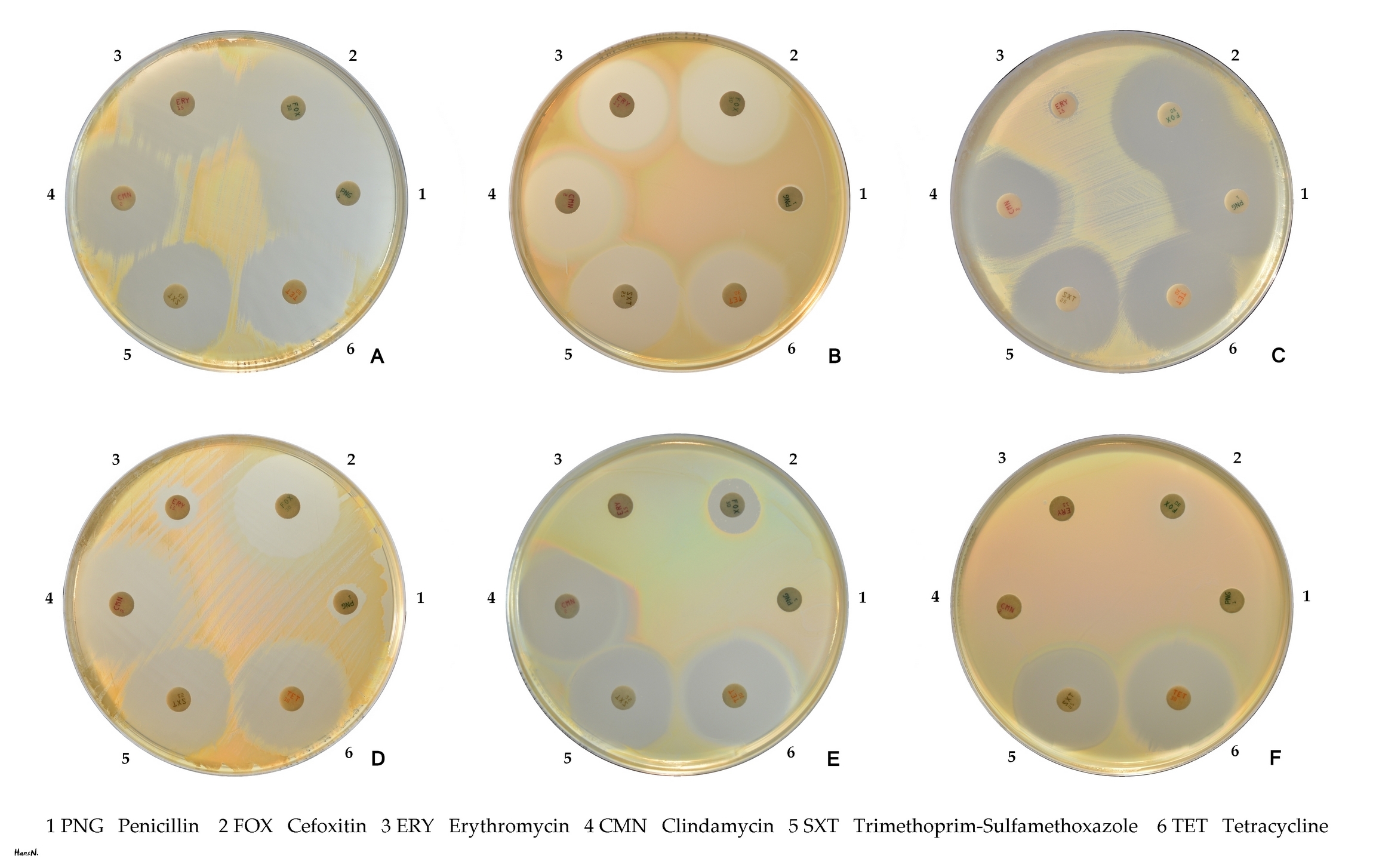
Resistance to methicillin is mediated via the mec operon, part of the staphylococcal cassette chromosome mec (SCCmec). SCCmec is a family of mobile genetic elements, which is a major driving force of S. aureus evolution. Resistance is conferred by the mecA gene, which codes for an altered penicillin-binding protein (PBP2a or PBP2') that has a lower affinity for binding β-lactams (penicillins, cephalosporins, and carbapenems). This allows for resistance to all β-lactam antibiotics, and obviates their clinical use during MRSA infections. Studies have explained that this mobile genetic element has been acquired by different lineages in separate gene transfer events, indicating that there is not a common ancestor of differing MRSA strains. One study suggests that MRSA sacrifices virulence, for example, toxin production and invasiveness, for survival and creation of biofilms
Aminoglycoside antibiotics, such as kanamycin, gentamicin, streptomycin, were once effective against staphylococcal infections until strains evolved mechanisms to inhibit the aminoglycosides' action, which occurs via protonated amine and/or hydroxyl interactions with the ribosomal RNA of the bacterial 30S ribosomal subunit. Three main mechanisms of aminoglycoside resistance mechanisms are currently and widely accepted: aminoglycoside modifying enzymes, ribosomal mutations, and active efflux of the drug out of the bacteria.
Aminoglycoside-modifying enzymes inactivate the aminoglycoside by covalently attaching either a phosphate, nucleotide, or acetyl moiety to either the amine or the alcohol key functional group (or both groups) of the antibiotic. This changes the charge or sterically hinders the antibiotic, decreasing its ribosomal binding affinity. In S. aureus, the best-characterized aminoglycoside-modifying enzyme is aminoglycoside adenylyltransferase 4' IA (ANT(4')IA). This enzyme has been solved by X-ray crystallography. The enzyme is able to attach an adenyl moiety to the 4' hydroxyl group of many aminoglycosides, including kanamycin and gentamicin.
Glycopeptide resistance is typically mediated by acquisition of the vanA gene, which originates from the Tn1546 transposon found in a plasmid in enterococci and codes for an enzyme that produces an alternative peptidoglycan to which vancomycin will not bind.
Today, S. aureus has become resistant to many commonly used antibiotics. In the UK, only 2% of all S. aureus isolates are sensitive to penicillin, with a similar picture in the rest of the world. The β-lactamase-resistant penicillins (methicillin, oxacillin, cloxacillin, and flucloxacillin) were developed to treat penicillin-resistant S. aureus, and are still used as first-line treatment. Methicillin was the first antibiotic in this class to be used (it was introduced in 1959), but only two years later, the first case of methicillin-resistant Staphylococcus aureus (MRSA) was reported in England.
Despite this, MRSA generally remained an uncommon finding, even in hospital settings, until the 1990s, when the MRSA prevalence in hospitals exploded, and it is now endemic. Now, methicillin-resistant Staphylococcus aureus (MRSA) is not only a human pathogen causing a variety of infections, such as skin and soft tissue infection (SSTI), pneumonia, and sepsis, but it also can cause disease in animals, known as livestock-associated MRSA (LA-MRSA).
MRSA infections in both the hospital and community setting are commonly treated with non-β-lactam antibiotics, such as clindamycin (a lincosamine) and co-trimoxazole (also commonly known as trimethoprim/sulfamethoxazole). Resistance to these antibiotics has also led to the use of new, broad-spectrum anti-Gram-positive antibiotics, such as linezolid, because of its availability as an oral drug. First-line treatment for serious invasive infections due to MRSA is currently glycopeptide antibiotics (vancomycin and teicoplanin). A number of problems with these antibiotics occur, such as the need for intravenous administration (no oral preparation is available), toxicity, and the need to monitor drug levels regularly by blood tests. Also, glycopeptide antibiotics do not penetrate very well into infected tissues (this is a particular concern with infections of the brain and meninges and in endocarditis). Glycopeptides must not be used to treat methicillin-sensitive S. aureus (MSSA), as outcomes are inferior.
Daptomycin is a cyclic lipopeptide antibiotic primarily used for treating Gram-positive bacterial infections, including those caused by Staphylococcus aureus. It was first approved in 2003 and is especially effective against resistant strains like methicillin-resistant Staphylococcus aureus (MRSA) and vancomycin-resistant Staphylococcus aureus (VRSA). Daptomycin has a unique mechanism of action compared to other antibiotics. It aggregates in the membrane, forming an open ion channel, causing depolarization and bacterial cell death. Daptomycin is FDA-approved for treating complicated skin and soft tissue infections, bloodstream infections, and right-sided infective endocarditis caused by S. aureus.
Serum triggers a high degree of tolerance to the lipopeptide antibiotic daptomycin and several other classes of antibiotic. Serum-induced daptomycin tolerance is due to two independent mechanisms. The first one is the activation of the GraRS two-component system. The activation is triggered by the host defense LL-37. So that, bacteria can make more peptidoglycan to make the cell wall become thicker. This can make the tolerance of bacteria. The second one is the increase of cardiolipin abundance in the membrane.The serum-adapted bacteria can change their membrane composition. This change can reduce the binding of daptomycin to the bacteria's membrane.
Because of the high level of resistance to penicillins and because of the potential for MRSA to develop resistance to vancomycin, the U.S. Centers for Disease Control and Prevention has published guidelines for the appropriate use of vancomycin. In situations where the incidence of MRSA infections is known to be high, the attending physician may choose to use a glycopeptide antibiotic until the identity of the infecting organism is known. After the infection is confirmed to be due to a methicillin-susceptible strain of S. aureus, treatment can be changed to flucloxacillin or even penicillin, as appropriate.
Vancomycin-resistant S. aureus (VRSA) is a strain of S. aureus that has become resistant to the glycopeptides. The first case of vancomycin-intermediate S. aureus (VISA) was reported in Japan in 1996; but the first case of S. aureus truly resistant to glycopeptide antibiotics was only reported in 2002. Three cases of VRSA infection had been reported in the United States as of 2005. At least in part the antimicrobial resistance in S. aureus can be explained by its ability to adapt. Multiple two component signal transduction pathways helps S. aureus to express genes that are required to survive under antimicrobial stress.
Efflux pumps
Among the various mechanisms that MRSA acquires to elude antibiotic resistance (e.g., drug inactivation, target alteration, reduction of permeability) there is also the overexpression of efflux pumps. Efflux pumps are membrane-integrated proteins that are physiologically needed in the cell for the exportation of xenobiotic compounds. They are divided into six families, each of which has a different structure, function, and transport of energy. The main efflux pumps of S. aureus are the MFS (Major Facilitator Superfamily) which includes the MdeA pump as well as the NorA pump and the MATE (Multidrug and Toxin Extrusion) to which it belongs the MepA pump. For transport, these families use an electrochemical potential and an ion concentration gradient, while the ATP-binding cassette (ABC) family acquires its energy from the hydrolysis of ATP.
These pumps are overexpressed by MDR S. aureus (Multidrug resistant S. aureus) and the result is an excessive expulsion of the antibiotic outside the cell, which makes its action ineffective. Efflux pumps also contribute significantly to the development of impenetrable biofilms.
By directly modulating efflux pumps' activity or decreasing their expression, it may be possible to modify the resistant phenotype and restore the effectiveness of existing antibiotics.
Carriage
About 33% of the U.S. population are carriers of S. aureus and about 2% carry MRSA. Even healthcare providers can be MRSA colonizers.
The carriage of S. aureus is an important source of hospital-acquired infection (also called nosocomial) and community-acquired MRSA. Although S. aureus can be present on the skin of the host, a large proportion of its carriage is through the anterior nares of the nasal passages and can further be present in the ears. The ability of the nasal passages to harbour S. aureus results from a combination of a weakened or defective host immunity and the bacterium's ability to evade host innate immunity. Nasal carriage is also implicated in the occurrence of staph infections.
Infection control
Environmental contamination is thought to play a relatively less important part compared to direct transmission. Emphasis on basic hand washing techniques are, therefore, effective in preventing its transmission. The use of disposable aprons and gloves by staff reduces skin-to-skin contact, so further reduces the risk of transmission.
Recently, myriad cases of S. aureus have been reported in hospitals across America. Transmission of the pathogen is facilitated in medical settings where healthcare worker hygiene is insufficient. S. aureus is an incredibly hardy bacterium, as was shown in a study where it survived on polyester for just under three months; polyester is the main material used in hospital privacy curtains.
An important and previously unrecognized means of community-associated MRSA colonization and transmission is during sexual contact.
Staphylococcus aureus is killed in one minute at 78 °C and in ten minutes at 64 °C but is resistant to freezing.
Certain strains of S. aureus have been described as being resistant to chlorine disinfection.
The use of mupirocin ointment can reduce the rate of infections due to nasal carriage of S. aureus. There is limited evidence that nasal decontamination of S. aureus using antibiotics or antiseptics can reduce the rates of surgical site infections.
| **Top common bacterium in each industry** |
|---|
| Catering industry |
| Medical industry |
Research
As of 2024, no approved vaccine exists against S. aureus. Early clinical trials have been conducted for several vaccines candidates such as Nabi's StaphVax and PentaStaph, Intercell's / Merck's V710, VRi's SA75, and others.
While some of these vaccines candidates have shown immune responses, others aggravated an infection by S. aureus. To date, none of these candidates provides protection against a S. aureus infection. The development of Nabi's StaphVax was stopped in 2005 after phase III trials failed. Intercell's first V710 vaccine variant was terminated during phase II/III after higher mortality and morbidity were observed among patients who developed S. aureus infection.
Nabi's enhanced S. aureus vaccines candidate PentaStaph was sold in 2011 to GlaxoSmithKline Biologicals S.A. The current status of PentaStaph is unclear. A WHO document indicates that PentaStaph failed in the phase III trial stage.
In 2010, GlaxoSmithKline started a phase 1 blind study to evaluate its GSK2392103A vaccine. As of 2016, this vaccine is no longer under active development.
Pfizer's S. aureus four-antigen vaccine SA4Ag was granted fast track designation by the U.S. Food and Drug Administration in February 2014. In 2015, Pfizer has commenced a phase 2b trial regarding the SA4Ag vaccine. Phase 1 results published in February 2017 showed a very robust and secure immunogenicity of SA4Ag. The vaccine underwent clinical trial until June 2019, with results published in September 2020, that did not demonstrate a significant reduction in Postoperative Bloodstream Infection after Surgery.
In 2015, Novartis Vaccines and Diagnostics, a former division of Novartis and now part of GlaxoSmithKline, published promising pre-clinical results of their four-component Staphylococcus aureus vaccine, 4C-staph.
In addition to vaccine development, research is being performed to develop alternative treatment options that are effective against antibiotic resistant strains including MRSA. Examples of alternative treatments are phage therapy, antimicrobial peptides and host-directed therapy.
Standard strains
A number of standard strains of S. aureus (called "type cultures") are used in research and in laboratory testing, such as:
| Name | NCTC | ATCC | Year of deposit | Comment |
|---|---|---|---|---|
| Oxford H | 6571 | 9144 | 1943 | Standard strain used for testing penicillin potency and by which the penicillin unit was originally defined. |
| Rosenbach | 12973 | 29213 | 1884 | Standard strain for EUCAST antimicrobial resistance testing. |
References
References
- (December 2001). "Analysis of transcription of the ''Staphylococcus aureus'' aerobic class Ib and anaerobic class III ribonucleotide reductase genes in response to oxygen". Journal of Bacteriology.
- (July 1997). "Nasal carriage of ''Staphylococcus aureus'': epidemiology, underlying mechanisms, and associated risks". Clinical Microbiology Reviews.
- (November 2001). "Determinants of ''Staphylococcus aureus'' nasal carriage". Clinical and Diagnostic Laboratory Immunology.
- (October 2009). "Probiotics for the treatment of bacterial vaginosis". The Cochrane Database of Systematic Reviews.
- (2012). "Williams Gynecology". McGraw-Hill Medical.
- (27 May 1999). "Experimental Staph Vaccine Broadly Protective in Animal Studies". NIH.
- (January 2015). "Systemic ''Staphylococcus aureus'' infection mediated by ''Candida albicans'' hyphal invasion of mucosal tissue". Microbiology.
- (2006). "A Brief History of Staph". Proto Magazine.
- "S. aureus clonal complex designation".
- (July 2001). "Evolutionary genomics of ''Staphylococcus aureus'': insights into the origin of methicillin-resistant strains and the toxic shock syndrome epidemic". Proceedings of the National Academy of Sciences of the United States of America.
- (February 2010). "Genomic variation and evolution of ''Staphylococcus aureus''". International Journal of Medical Microbiology.
- (January 2014). "Evolution of ''Staphylococcus aureus'' during human colonization and infection". Infection, Genetics and Evolution.
- (January 2009). "Co-evolutionary aspects of human colonisation and infection by ''Staphylococcus aureus''". Infection, Genetics and Evolution.
- "Pathogen Safety Data Sheet – Infectious Substances." Staphylococcus cells have a diameter of 0.7–1.2 um. Staphylococcus Aureus. Public Health Agency of Canada, 2011. Web
- "Canadian Centre for Occupational Health and Safety".
- (2004). "Sherris Medical Microbiology". McGraw Hill.
- (October 2014). "Passive immunization with anti-glucosaminidase monoclonal antibodies protects mice from implant-associated osteomyelitis by mediating opsonophagocytosis of ''Staphylococcus aureus'' megaclusters". Journal of Orthopaedic Research.
- PreTest, Surgery, 12th ed., p.88
- (June 1997). "Identification and Differentiation of Coagulase-Negative ''Staphylococcus aureus'' by Polymerase Chain Reaction". Journal of Food Protection.
- (2012). "Expression of a cryptic secondary sigma factor gene unveils natural competence for DNA transformation in ''Staphylococcus aureus''". PLOS Pathogens.
- (November 2014). "''Staphylococcus aureus'' competence genes: mapping of the SigH, ComK1 and ComK2 regulons by transcriptome sequencing". Molecular Microbiology.
- (November 2016). "Composition and immunological significance of the upper respiratory tract microbiota". FEBS Letters.
- (2017). "Microbiome in atopic dermatitis". Clinical, Cosmetic and Investigational Dermatology.
- (April 2010). "Staphylococcus colonization of the skin and antimicrobial peptides". Expert Review of Dermatology.
- (2009-10-15). "Hospital and Societal Costs of Antimicrobial-Resistant Infections in a Chicago Teaching Hospital: Implications for Antibiotic Stewardship". Clinical Infectious Diseases.
- (2007-10-17). "Invasive Methicillin-Resistant Staphylococcus aureus Infections in the United States". JAMA.
- (2020-12-10). "Staphylococcus aureus in Healthcare Settings".
- (2013-12-09). "Health Care–Associated Infections: A Meta-analysis of Costs and Financial Impact on the US Health Care System". JAMA Internal Medicine.
- (May 2010). "Clinical Practice Guidelines for Clostridium difficile Infection in Adults: 2010 Update by the Society for Healthcare Epidemiology of America (SHEA) and the Infectious Diseases Society of America (IDSA)". Infection Control & Hospital Epidemiology.
- Kourtis, Athena P.. (2019). "Vital Signs: Epidemiology and Recent Trends in Methicillin-Resistant and in Methicillin-Susceptible Staphylococcus aureus Bloodstream Infections — United States". MMWR. Morbidity and Mortality Weekly Report.
- (2003-01-01). "Comparison of Mortality Associated with Methicillin-Resistant and Methicillin-Susceptible Staphylococcus aureus Bacteremia: A Meta-analysis". Clinical Infectious Diseases.
- (2013-11-25). "National Burden of Invasive Methicillin-Resistant Staphylococcus aureus Infections, United States, 2011". JAMA Internal Medicine.
- (July 2015). "''Staphylococcus aureus'' infections: epidemiology, pathophysiology, clinical manifestations, and management". Clinical Microbiology Reviews.
- (June 2005). "Methicillin-resistant-''Staphylococcus aureus'' hospitalizations, United States". Emerging Infectious Diseases.
- (June 2016). "Impact of Environmental Cues on Staphylococcal Quorum Sensing and Biofilm Development". The Journal of Biological Chemistry.
- "''Staphylococcus aureus'' in Healthcare Settings {{!}} HAI".
- https://www.cdc.gov/staphylococcus-aureus/about/index.html
- (January 2023). "Staphylococcal phosphatidylglycerol antigens activate human T cells via CD1a". Nature Immunology.
- (April 2015). "Dysbiosis and ''Staphylococcus aureus'' Colonization Drives Inflammation in Atopic Dermatitis". Immunity.
- (November 2016). "''Staphylococcus aureus'' Exploits Epidermal Barrier Defects in Atopic Dermatitis to Trigger Cytokine Expression". The Journal of Investigative Dermatology.
- (August 1980). "Neonatal staphylococcal scalded skin syndrome: massive outbreak due to an unusual phage type". Pediatrics.
- (May 2024). "Staphylococcus aureus: The Bug Behind the Itch in Atopic Dermatitis". [[Journal of Investigative Dermatology]].
- (October 2019). "Interventions to reduce ''Staphylococcus aureus'' in the management of eczema". The Cochrane Database of Systematic Reviews.
- (2024-03-19). "Eczema in children: uncertainties addressed". NIHR Evidence.
- (2021-03-02). "Secondary bacterial infection of eczema and other common skin conditions: antimicrobial prescribing. NICE guideline [NG190]".
- (4 October 2016). "Staphylococcal Food Poisoning". hhs.gov.
- "Staphylococcus." Foodsafety.gov, U.S. Department of Health and Human Services, https://www.foodsafety.gov/poisoning/causes/bacteriaviruses/staphylococcus/.
- "Staphylococcal Food Poisoning." Food Safety, Centers for Disease Control and Prevention, 4 October 2016, https://www.cdc.gov/foodsafety/diseases/staphylococcal.html.
- "Centers for disease control and prevention".
- (March 2019). "MRSA: the leading pathogen of orthopedic infection in a tertiary care hospital, South India". Afr Health Sci.
- Sinsak Horiguti. (1975). "Nasopharyngitis". Acta Otolarynologica Supplemental.
- (2010). "Intracellular Persisting Staphylococcus aureus Is the Major Pathogen in Recurrent Tonsillitis". PLOS ONE.
- (May 2019). "Role of Biofilms in Children with Chronic Adenoiditis and Middle Ear Disease". Journal of Clinical Medicine.
- (January 2011). "Future challenges and treatment of ''Staphylococcus aureus'' bacteremia with emphasis on MRSA". Future Microbiology.
- (2015). "Dynamics of biofilm formation and the interaction between Candida albicans and methicillin-susceptible (MSSA) and -resistant ''Staphylococcus aureus'' (MRSA)". PLOS ONE.
- (2013). "Characteristics of bacterial biofilm associated with implant material in clinical practice". Polymer Journal.
- (1 September 2011). "''Staphylococcus aureus'' biofilms: properties, regulation, and roles in human disease". Virulence.
- (April 2014). "Anti-biofilm agents: recent breakthrough against multi-drug resistant ''Staphylococcus aureus''". Pathogens and Disease.
- (June 2017). "Potential use of targeted enzymatic agents in the treatment of ''Staphylococcus aureus'' biofilm-related infections". The Journal of Hospital Infection.
- (July 2008). "Prevalence of ''Staphylococcus aureus'' carriage among dogs and their owners". Epidemiology and Infection.
- (September 2009). "Coagulase positive staphylococcal colonization of humans and their household pets". The Canadian Veterinary Journal.
- (August 2008). "''Staphylococcus aureus'' colonization in healthy horses in Atlantic Canada". The Canadian Veterinary Journal.
- "Staphylococcosis, Staphylococcal Arthritis, Bumble Foot". The Poultry Site.
- (July 2008). "Prevalence of ''Staphylococcus aureus'' carriage among dogs and their owners". Epidemiology and Infection.
- (September 2003). "Enterotoxin production by ''Staphylococcus aureus'' isolated from mastitic cows". Journal of Food Protection.
- (December 2021). "Pathogenicity and virulence of ''Staphylococcus aureus''". Virulence.
- (2010). "Nuclease expression by ''Staphylococcus aureus'' facilitates escape from neutrophil extracellular traps". Journal of Innate Immunity.
- (September 2021). "Neutrophil extracellular traps enhance macrophage killing of bacterial pathogens". Science Advances.
- Medical Laboratory Manual For Tropical Countries vol two
- (January 2000). "Exotoxins of ''Staphylococcus aureus''". Clinical Microbiology Reviews.
- (September 2020). "Staphylococcal Enterotoxin C-An Update on SEC Variants, Their Structure and Properties, and Their Role in Foodborne Intoxications". Toxins.
- (January 2001). "egc, a highly prevalent operon of enterotoxin gene, forms a putative nursery of superantigens in ''Staphylococcus aureus''". Journal of Immunology.
- (April 2003). "Prevalence of genes encoding pyrogenic toxin superantigens and exfoliative toxins among strains of ''Staphylococcus aureus'' isolated from blood and nasal specimens". Journal of Clinical Microbiology.
- (November 1999). "Involvement of Panton-Valentine leukocidin-producing ''Staphylococcus aureus'' in primary skin infections and pneumonia". Clinical Infectious Diseases.
- (14 July 2014). "Association between ''Staphylococcus aureus'' strains carrying gene for Panton-Valentine leukocidin and highly lethal necrotising pneumonia in young immunocompetent patients". Lancet.
- Di Bella, Stefano. (2025-05-05). "The virulence toolkit of Staphylococcus aureus: a comprehensive review of toxin diversity, molecular mechanisms, and clinical implications". European Journal of Clinical Microbiology & Infectious Diseases.
- (October 2021). "The Type VII Secretion System of ''Staphylococcus''". Annual Review of Microbiology.
- (October 2016). "The type VII secretion system of ''Staphylococcus aureus'' secretes a nuclease toxin that targets competitor bacteria". Nature Microbiology.
- (August 2020). "A membrane-depolarizing toxin substrate of the ''Staphylococcus aureus'' type VII secretion system mediates intraspecies competition". Proceedings of the National Academy of Sciences of the United States of America.
- (January 2005). "EsxA and EsxB are secreted by an ESAT-6-like system that is required for the pathogenesis of ''Staphylococcus aureus'' infections". Proceedings of the National Academy of Sciences of the United States of America.
- (2017-05-05). "A Novel ESAT-6 Secretion System-Secreted Protein EsxX of Community-Associated ''Staphylococcus aureus'' Lineage ST398 Contributes to Immune Evasion and Virulence". Frontiers in Microbiology.
- (October 2014). "Contribution of teg49 small RNA in the 5' upstream transcriptional region of sarA to virulence in ''Staphylococcus aureus''". Infection and Immunity.
- (March 2010). "''Staphylococcus aureus'' RNAIII binds to two distant regions of coa mRNA to arrest translation and promote mRNA degradation". PLOS Pathogens.
- (June 2010). "A ''Staphylococcus aureus'' small RNA is required for bacterial virulence and regulates the expression of an immune-evasion molecule". PLOS Pathogens.
- (October 2015). "A bacterial regulatory RNA attenuates virulence, spread and human host cell phagocytosis". Nucleic Acids Research.
- (December 2016). "Insights into the regulation of small RNA expression: SarA represses the expression of two sRNAs in ''Staphylococcus aureus''". Nucleic Acids Research.
- (October 2010). "Experimental discovery of small RNAs in ''Staphylococcus aureus'' reveals a riboregulator of central metabolism". Nucleic Acids Research.
- (December 2011). "A cis-antisense RNA acts in trans in ''Staphylococcus aureus'' to control translation of a human cytolytic peptide". Nature Structural & Molecular Biology.
- (June 2012). "Characterization of SSR42, a novel virulence factor regulatory RNA that contributes to the pathogenesis of a ''Staphylococcus aureus'' USA300 representative". Journal of Bacteriology.
- (February 2014). "ArtR, a novel sRNA of ''Staphylococcus aureus'', regulates α-toxin expression by targeting the 5' UTR of sarT mRNA". Medical Microbiology and Immunology.
- (August 2022). "sRNA-controlled iron sparing response in Staphylococci". Nucleic Acids Research.
- (November 2020). "Staphylococcal DNA Repair Is Required for Infection". mBio.
- (2013). "Base pairing interaction between 5'- and 3'-UTRs controls icaR mRNA translation in ''Staphylococcus aureus''". PLOS Genetics.
- (September 2012). "Biofilm formation in Staphylococcus implant infections. A review of molecular mechanisms and implications for biofilm-resistant materials". Biomaterials.
- Vidyasagar, A. (2016). What Are Biofilms? ''Live Science.''
- (October 2013). "Bacterial biofilm development as a multicellular adaptation: antibiotic resistance and new therapeutic strategies". Current Opinion in Microbiology.
- (August 2006). "Interleukin-1beta-induced growth enhancement of ''Staphylococcus aureus'' occurs in biofilm but not planktonic cultures". Microbial Pathogenesis.
- (2021). "Microbial Metabolic Genes Crucial for ''S. aureus'' Biofilms: An Insight From Re-analysis of Publicly Available Microarray Datasets". Frontiers in Microbiology.
- (April 1995). "Structure of the cell wall anchor of surface proteins in ''Staphylococcus aureus''". Science.
- (December 1987). "Virulence of protein A-deficient and alpha-toxin-deficient mutants of ''Staphylococcus aureus'' isolated by allele replacement". Infection and Immunity.
- (February 2008). "Single mutation on the surface of ''Staphylococcus aureus'' Sortase A can disrupt its dimerization". Biochemistry.
- (August 2006). "Staphyloxanthin plays a role in the fitness of ''Staphylococcus aureus'' and its ability to cope with oxidative stress". Infection and Immunity.
- (July 2005). "''Staphylococcus aureus'' golden pigment impairs neutrophil killing and promotes virulence through its antioxidant activity". The Journal of Experimental Medicine.
- (March 2008). "A cholesterol biosynthesis inhibitor blocks ''Staphylococcus aureus'' virulence". Science.
- (2012). "Hypothiocyanous Acid: Benign or Deadly?". Chemical Research in Toxicology.
- (2023). "The neutrophil oxidant hypothiocyanous acid causes a thiol-specific stress response and an oxidative shift of the bacillithiol redox potential in ''Staphylococcus aureus''". Microbiology Spectrum.
- (2023). "MerA functions as a hypothiocyanous acid reductase and defense mechanism in ''Staphylococcus aureus''". Molecular Microbiology.
- (2022). "A newly identified flavoprotein disulfide reductase Har protects ''Streptococcus pneumoniae'' against hypothiocyanous acid". Journal of Biological Chemistry.
- (2006-10-09). "Mannitol Salt Agar Plates Protocols".
- (2020-01-14). "Mannitol Salt Agar (MSA) {{!}} Culture Media".
- (September 1951). "Bacteriophage typing in investigations of staphylococcal food-poisoning outbreaks". Canadian Journal of Public Health.
- (2008). "Staphylococcus: Molecular Genetics". Caister Academic Press.
- (2007). "Real-Time PCR in Microbiology: From Diagnosis to Characterization". Caister Academic Press.
- (December 2008). "The evolution of ''Staphylococcus aureus''". Infection, Genetics and Evolution.
- (October 2005). "Comparison of genetic backgrounds of methicillin-resistant and -susceptible ''Staphylococcus aureus'' isolates from Portuguese hospitals and the community". Journal of Clinical Microbiology.
- (2009). "Understanding the Evolution of Methicillin-Resistant ''Staphylococcus aureus''". Clinical Microbiology Newsletter.
- (October 1982). "Combination antimicrobial therapy for ''Staphylococcus aureus'' endocarditis in patients addicted to parenteral drugs and in nonaddicts: A prospective study". Annals of Internal Medicine.
- (1998). "Diagnosis and management of infective endocarditis and its complications". Circulation.
- (March 2009). "Initial low-dose gentamicin for ''Staphylococcus aureus'' bacteremia and endocarditis is nephrotoxic". Clinical Infectious Diseases.
- (February 2018). "Adjunctive rifampicin for ''Staphylococcus aureus'' bacteraemia (ARREST): a multicentre, randomised, double-blind, placebo-controlled trial". Lancet.
- (2001). "The changing epidemiology of ''Staphylococcus aureus''?". Emerging Infectious Diseases.
- (October 2007). "Topical triple-antibiotic ointment as a novel therapeutic choice in wound management and infection prevention: a practical perspective". Expert Review of Anti-Infective Therapy.
- (February 2022). "Global burden of bacterial antimicrobial resistance in 2019: a systematic analysis". Lancet.
- (2025). "Epigenetic background of lineage-specific gene expression landscapes of four Staphylococcus aureus hospital isolates.". PLOS ONE.
- (September 2017). "Evolution of mobile genetic element composition in an epidemic methicillin-resistant ''Staphylococcus aureus'': temporal changes correlated with frequent loss and gain events". BMC Genomics.
- (2012-04-05). "Methicillin resistance alters the biofilm phenotype and attenuates virulence in ''Staphylococcus aureus'' device-associated infections". PLOS Pathogens.
- (September 2000). "Functional insights from the structure of the 30S ribosomal subunit and its interactions with antibiotics". Nature.
- (November 1993). "Molecular structure of kanamycin nucleotidyltransferase determined to 3.0-A resolution". Biochemistry.
- (August 1993). "Genetics and mechanisms of glycopeptide resistance in enterococci". ASM.
- (September 1960). "Bacteriological studies on a new penicillin-BRL. 1241". Lancet.
- (July 2001). "Dominance of EMRSA-15 and -16 among MRSA causing nosocomial bacteraemia in the UK: analysis of isolates from the European Antimicrobial Resistance Surveillance System (EARSS)". The Journal of Antimicrobial Chemotherapy.
- (August 2018). "Emergence of livestock-associated methicillin-resistant ''Staphylococcus aureus'': Should it be a concern?". Journal of the Formosan Medical Association = Taiwan Yi Zhi.
- (October 2011}}{{cite journal). "Outcome and attributable mortality in critically Ill patients with bacteremia involving methicillin-susceptible and methicillin-resistant ''Staphylococcus aureus''". Archives of Internal Medicine.
- (2016-10-24). "Staphylococcus aureus inactivates daptomycin by releasing membrane phospholipids". Nature Microbiology.
- (2012-12-22). "The Staphylococcus aureus Two-Component Regulatory System, GraRS, Senses and Confers Resistance to Selected Cationic Antimicrobial Peptides". Infection and Immunity.
- (2022-04-19). "Human serum triggers antibiotic tolerance in Staphylococcus aureus". Nature Communications.
- (22 September 1995). "Recommendations for Preventing the Spread of Vancomycin Resistance Recommendations of the Hospital Infection Control Practices Advisory Committee (HICPAC)".
- (July 1997). "Methicillin-resistant ''Staphylococcus aureus'' clinical strain with reduced vancomycin susceptibility". The Journal of Antimicrobial Chemotherapy.
- (April 2003). "Infection with vancomycin-resistant ''Staphylococcus aureus'' containing the vanA resistance gene". The New England Journal of Medicine.
- (May 2005). "Current and emerging serious Gram-positive infections". Clinical Microbiology and Infection.
- (June 2012). "Chromatin immunoprecipitation identifies genes under direct VraSR regulation in ''Staphylococcus aureus''". Canadian Journal of Microbiology.
- (May 2022). "Flavonolignans from silymarin modulate antibiotic resistance and virulence in ''Staphylococcus aureus''". Biomedicine & Pharmacotherapy.
- (25 March 2016). "General Information: Community acquired MRSA". CDC.
- (2018). "Methicillin-resistant staphylococcus aureus carriage among health-care professionals of a tertiary care hospital.". Asian J Pharm Clin Res.
- (July 1998). "Study of common aerobic flora of human cerumen". The Journal of Laryngology and Otology.
- (September 2007). "Suppression of innate immunity by a nasal carriage strain of ''Staphylococcus aureus'' increases its colonization on nasal epithelium". Immunology.
- (December 2005). "The role of nasal carriage in ''Staphylococcus aureus'' infections". The Lancet. Infectious Diseases.
- (August 2020). "Experimental Parameters Influence the Observed Antimicrobial Response of Oak Wood (''Quercus petraea'')". Antibiotics.
- "CDC Media Relations: Press Release".
- (February 2000). "Survival of enterococci and staphylococci on hospital fabrics and plastic". Journal of Clinical Microbiology.
- (February 2007). "Heterosexual transmission of community-associated methicillin-resistant ''Staphylococcus aureus''". Clinical Infectious Diseases.
- (2011). "Thermal Death Time of ''Staphylococcus Aureus'' (PTCC=29213) and ''Staphylococcus Epidermidis'' (PTCC=1435) in Distilled Water". Australian Journal of Basic and Applied Sciences.
- (August 2014). "Effects of frozen storage on survival of ''Staphylococcus aureus'' and enterotoxin production in precooked tuna meat". Journal of Food Science.
- (1988). "Chlorine resistance of strains of ''Staphylococcus aureus'' isolated from poultry processing plants". Letters in Applied Microbiology.
- (1986). "Chlorine resistance of ''Staphylococcus aureus'' isolated from turkeys and turkey products". Letters in Applied Microbiology.
- (October 2008). "Mupirocin ointment for preventing ''Staphylococcus aureus'' infections in nasal carriers". The Cochrane Database of Systematic Reviews.
- (May 2017). "Nasal decontamination for the prevention of surgical site infection in ''Staphylococcus aureus'' carriers". The Cochrane Database of Systematic Reviews.
- "Food standard agency".
- (20 April 2009). "A Shot Against MRSA?". Resources for the Future.
- (11 December 2013). "Strengthening the immune system as an antimicrobial strategy against ''Staphylococcus aureus'' infections". FORMATEX RESEARCH CENTER.
- (8 June 2011). "Intercell, Merck terminate V710 Phase II/III trial against S. aureus infection". Merck & Co..
- (27 April 2011). "Nabi Biopharmaceuticals Completes Final PentaStaph(TM) Milestone". GLOBE NEWSWIRE.
- "Vaccines to prevent antibiotic-resistant ''Staphylococcus aureus'' (MRSA)infections". University of Chicago.
- {{ClinicalTrialsGov. NCT01160172. A Study to Evaluate the Safety, Reactogenicity and Immunogenicity of GSK Biologicals' Staphylococcal Investigational Vaccine in Healthy Adults
- (19 April 2016). "Status of vaccine research and development of vaccines for ''Staphylococcus aureus''". Elsevier.
- (7 July 2015). "Pfizer Begins Phase 2b Study of Its Investigational Multi-antigen ''Staphylococcus aureus'' Vaccine in Adults Undergoing Elective Spinal Fusion Surgery". Pfizer Inc..
- {{ClinicalTrialsGov. NCT02388165. Safety and Efficacy of SA4Ag Vaccine in Adults Having Elective Posterior Instrumented Lumbar Spinal Fusion Procedure (STRIVE)
- (February 2017). "SA4Ag, a 4-antigen ''Staphylococcus aureus'' vaccine, rapidly induces high levels of bacteria-killing antibodies". Vaccine.
- (August 2015). "Four-component ''Staphylococcus aureus'' vaccine 4C-staph enhances Fcγ receptor expression in neutrophils and monocytes and mitigates S. aureus infection in neutropenic mice". Infection and Immunity.
- (2021-01-29). "SAAP-148 Eradicates MRSA Persisters Within Mature Biofilm Models Simulating Prosthetic Joint Infection". Frontiers in Microbiology.
- (2024). "Identification of kinase modulators as host-directed therapeutics against intracellular methicillin-resistant ''Staphylococcus aureus''". Frontiers in Cellular and Infection Microbiology.
- (August 1955). "The acquisition of penicillin resistance by ''Staphylococcus aureus'', strain Oxford". Journal of General Microbiology.
- (August 2006). "The 'Oxford Staphylococcus': a note of caution". The Journal of Antimicrobial Chemotherapy.
- EUCAST. (2020-01-01). "Routine and extended internal quality control for MIC determination and disk diffusion as recommended by EUCAST: version 10.0". European Society of Clinical Microbiology and Infectious Diseases.
This article was imported from Wikipedia and is available under the Creative Commons Attribution-ShareAlike 4.0 License. Content has been adapted to SurfDoc format. Original contributors can be found on the article history page.
Ask Mako anything about Staphylococcus aureus — get instant answers, deeper analysis, and related topics.
Research with MakoFree with your Surf account
Create a free account to save articles, ask Mako questions, and organize your research.
Sign up freeThis content may have been generated or modified by AI. CloudSurf Software LLC is not responsible for the accuracy, completeness, or reliability of AI-generated content. Always verify important information from primary sources.
Report