From Surf Wiki (app.surf) — the open knowledge base
Sporophyte
Diploid multicellular stage in the life cycle of a plant or alga
Diploid multicellular stage in the life cycle of a plant or alga
A sporophyte () is one of the two alternating multicellular phases in the life cycles of plants and algae. It is a diploid multicellular organism which produces asexual spores. This stage alternates with a multicellular haploid gametophyte phase.
Life cycle
The sporophyte develops from the zygote produced when a haploid egg cell is fertilized by a haploid sperm and each sporophyte cell therefore has a double set of chromosomes, one set from each parent. All land plants, and most multicellular algae, have life cycles in which a multicellular diploid sporophyte phase alternates with a multicellular haploid gametophyte phase. In the seed plants, the largest groups of which are the gymnosperms (bare seeds) and angiosperms (fruiting plants), the sporophyte phase is more prominent than the gametophyte, and is the familiar green plant with its roots, stem, leaves and cones or flowers. In flowering plants, the gametophytes are very reduced in size, and are represented by the germinated pollen and the embryo sac.
The sporophyte produces spores (hence the name) by meiosis, a process also known as "reduction division" that reduces the number of chromosomes in each spore mother cell by half. The resulting meiospores develop into a gametophyte. Both the spores and the resulting gametophyte are haploid, meaning they only have one set of chromosomes. Meiosis in the diploid sporophyte provides a direct DNA repair capability for dealing with DNA damages, including oxidative DNA damages, in germline reproductive tissues.
The mature gametophyte produces male or female gametes (or both) by mitosis. The fusion of male and female gametes produces a diploid zygote which develops into a new sporophyte. This cycle is known as alternation of generations or alternation of phases.
Examples
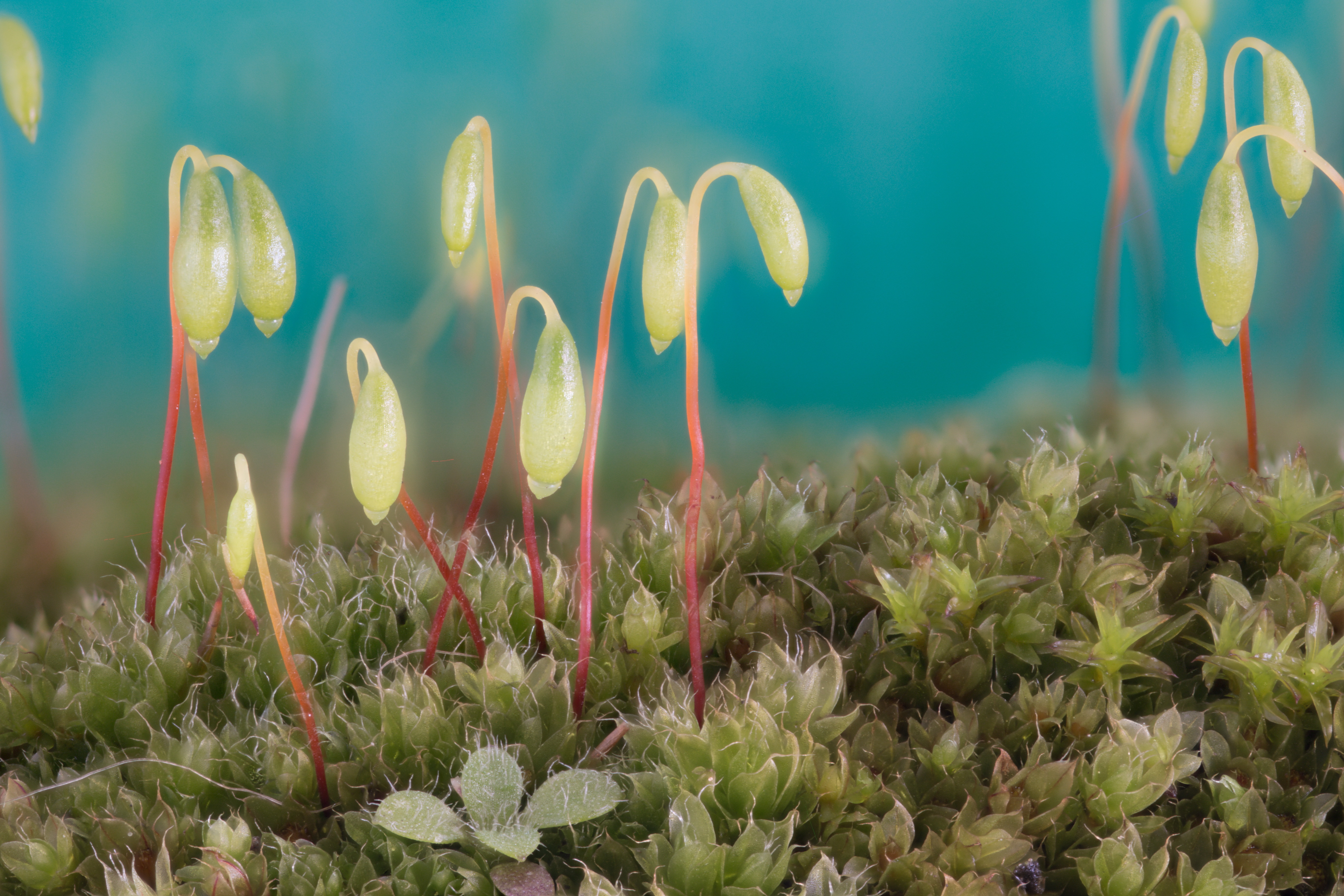
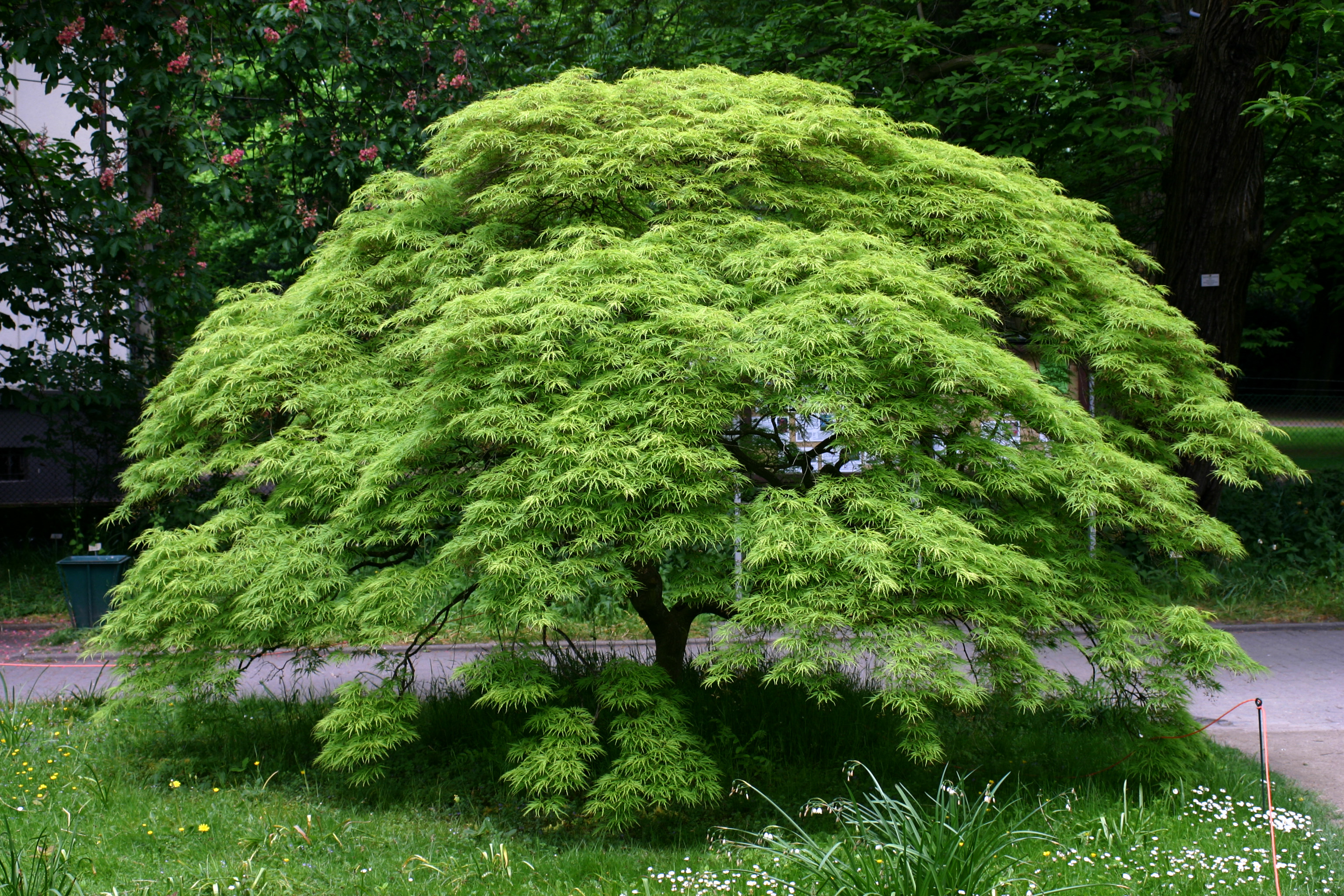
Bryophytes (mosses, liverworts and hornworts) have a dominant gametophyte phase on which the adult sporophyte is dependent for nutrition. The embryo sporophyte develops by cell division of the zygote within the female sex organ or archegonium, and in its early development is therefore nurtured by the gametophyte. Because this embryo-nurturing feature of the life cycle is common to all land plants they are known collectively as the embryophytes.
Most algae have dominant gametophyte generations, but in some species the gametophytes and sporophytes are morphologically similar (isomorphic). An independent sporophyte is the dominant form in all clubmosses, horsetails, ferns, gymnosperms, and angiosperms that have survived to the present day. Early land plants had sporophytes that produced identical spores (isosporous or homosporous) but the ancestors of the gymnosperms evolved complex heterosporous life cycles in which the spores producing male and female gametophytes were of different sizes, the female megaspores tending to be larger, and fewer in number, than the male microspores.
Evolutionary history
During the Devonian period several plant groups independently evolved heterospory and subsequently the habit of endospory, in which the gametophytes develop in miniaturized form inside the spore wall. By contrast in exosporous plants, including modern ferns, the gametophytes break the spore wall open on germination and develop outside it. The megagametophytes of endosporic plants such as the seed ferns developed within the sporangia of the parent sporophyte, producing a miniature multicellular female gametophyte complete with female sex organs, or archegonia. The oocytes were fertilized in the archegonia by free-swimming flagellate sperm produced by windborne miniaturized male gametophytes in the form of pre-pollen. The resulting zygote developed into the next sporophyte generation while still retained within the pre-ovule, the single large female meiospore or megaspore contained in the modified sporangium or nucellus of the parent sporophyte. The evolution of heterospory and endospory were among the earliest steps in the evolution of seeds of the kind produced by gymnosperms and angiosperms today. The rRNA genes seems to escape global methylation machinery in bryophytes, unlike seed plants.
References
References
- QIU, Yin‐Long. (16 March 2012). "Evolution of the life cycle in land plants". Journal of Systematics and Evolution.
- (June 2024). "Apomixis and the paradox of sex in plants". Ann Bot.
- (February 1998). "Development, genetics and molecular biology of mosses.". Botanica Acta.
- (2010). "The evolution of the land plant life cycle". New Phytologist.
- (1994). "Heterospory - the most iterative key innovation in the evolutionary history of the plant kingdom". Biological Reviews of the Cambridge Philosophical Society.
- (2019). "Unique Epigenetic Features of Ribosomal RNA Genes (rDNA) in Early Diverging Plants (Bryophytes)". Frontiers in Plant Science.
This article was imported from Wikipedia and is available under the Creative Commons Attribution-ShareAlike 4.0 License. Content has been adapted to SurfDoc format. Original contributors can be found on the article history page.
Ask Mako anything about Sporophyte — get instant answers, deeper analysis, and related topics.
Research with MakoFree with your Surf account
Create a free account to save articles, ask Mako questions, and organize your research.
Sign up freeThis content may have been generated or modified by AI. CloudSurf Software LLC is not responsible for the accuracy, completeness, or reliability of AI-generated content. Always verify important information from primary sources.
Report