From Surf Wiki (app.surf) — the open knowledge base
Semi-finished casting products
Intermediate casting type
Intermediate casting type
Semi-finished casting products are intermediate castings produced in a steel mill that need further processing before being finished goods. There are four types: ingots, blooms, billets, and slabs.
Ingot
Main article: Ingot
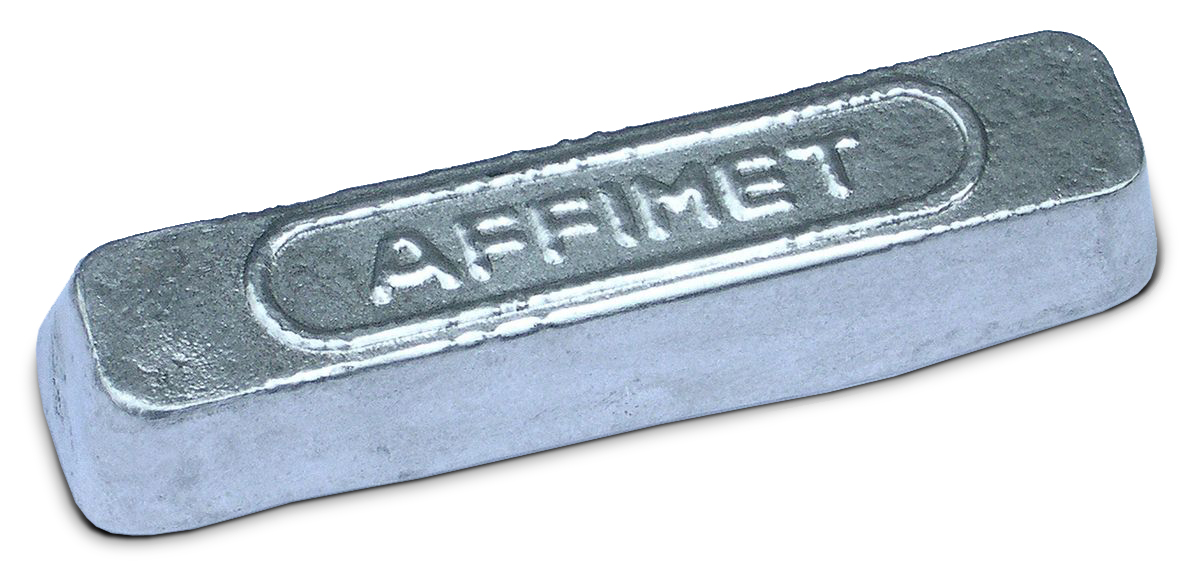
Ingots are large rough castings designed for storage and transportation. The shape usually resembles a rectangle or square with generous fillets. They are tapered, usually with the big-end-down.
Bloom
In the era of commercial wrought iron, blooms were slag-riddled iron castings poured in a bloomery before being worked into wrought iron. In the era of commercial steel, blooms are intermediate-stage pieces of steel produced by a first pass of rolling (in a blooming mill) that works the ingots down to a smaller cross-sectional area, but still greater than 36 in2. Blooms are usually further processed via rotary piercing, structural shape rolling and profile rolling. Common final products include structural shapes, rails, rods, and seamless pipes.
Billet

A billet is a length of metal that has a round or square cross-section, with an area less than 36 in2. Billets are created directly via continuous casting or extrusion or indirectly via hot rolling an ingot or bloom. Billets are further processed via profile rolling and drawing. Final products include bar stock and wire.
Centrifugal casting is also used to produce short circular tubes as billets, usually to achieve a precise metallurgical structure. They are commonly used as cylinder sleeves where the inner and outer diameters are ground and machined to length. Because their size is not modified significantly, they are not always classified as semi-finished casting products.
Slab
A slab is a length of metal that is rectangular in cross-section. The slab is created directly by continuous casting or indirectly by rolling an ingot on a slabbing mill. Slabs are usually further processed via flat rolling, skelping, and pipe rolling. Common final products include sheet metal, plates, strip metal, pipes, and tubes. Slab are mainly produced through blast furnace route. One of the reasons to preferably produce slab through BF route is to achieve high quality.
File:CC-OXY.jpg|An oxygen gas torch cutting a slab File:Slabs stack.jpg|Steel slabs
References
References
- "Glossary". [[ArcelorMittal]].
- "Definition of standard mill terms".
- "Titanium Metal Glossary".
- Degarmo, E. Paul. (2003). "Materials and Processes in Manufacturing". Wiley.
- "[https://commodityinside.com/global-steel-slab-market-outlook/ Global Steel Slab Market Outlook]". ''Commodity Inside''. 16-08-2018.
This article was imported from Wikipedia and is available under the Creative Commons Attribution-ShareAlike 4.0 License. Content has been adapted to SurfDoc format. Original contributors can be found on the article history page.
Ask Mako anything about Semi-finished casting products — get instant answers, deeper analysis, and related topics.
Research with MakoFree with your Surf account
Create a free account to save articles, ask Mako questions, and organize your research.
Sign up freeThis content may have been generated or modified by AI. CloudSurf Software LLC is not responsible for the accuracy, completeness, or reliability of AI-generated content. Always verify important information from primary sources.
Report