From Surf Wiki (app.surf) — the open knowledge base
Samogitians
Lithuanian ethnic group
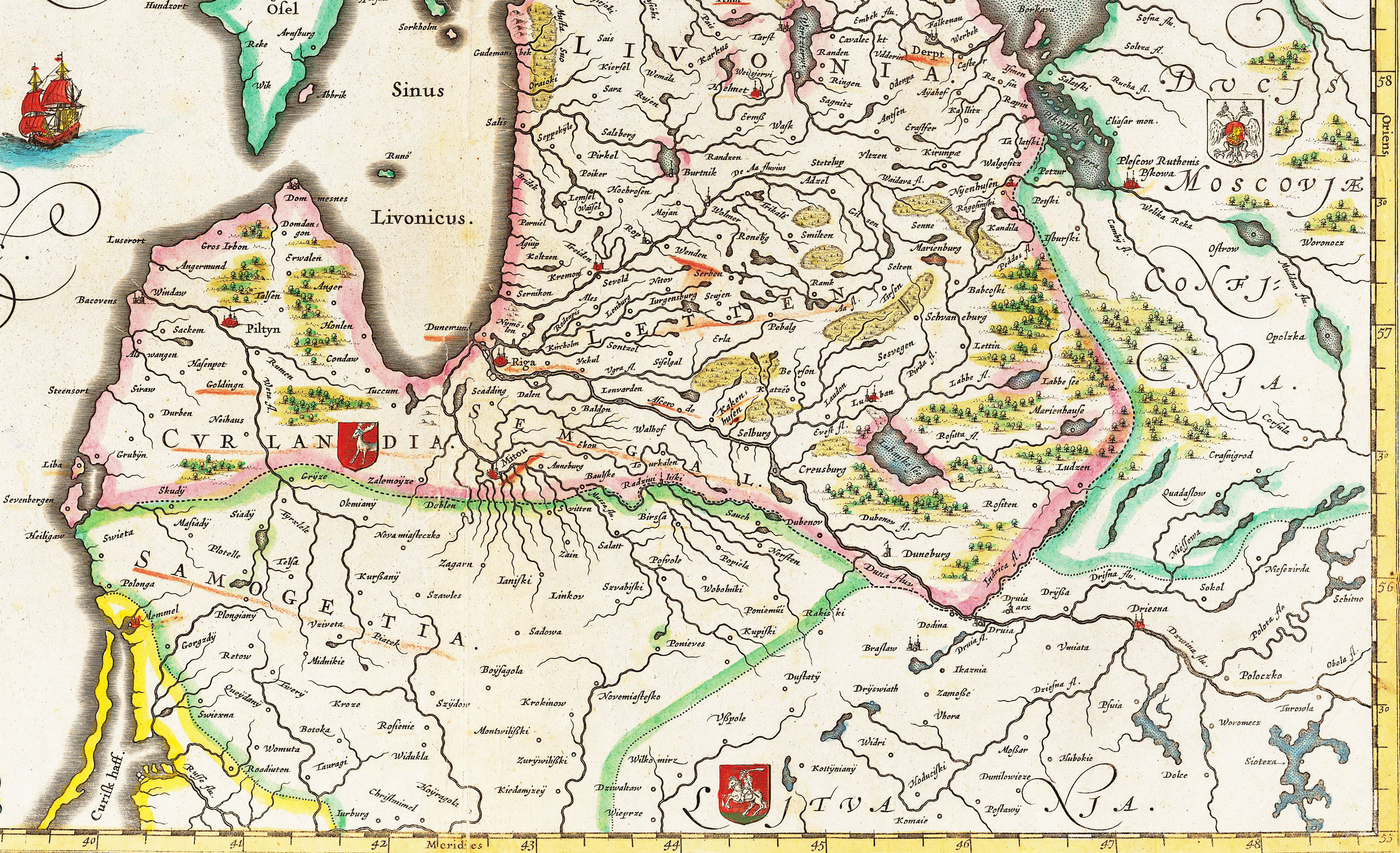
Lithuanian ethnic group
| Field | Value |
|---|---|
| group | Samogitians |
| native_name | žemaitē |
| native_name_lang | Samogitian |
| image | Paysans des environs de Samogitie et des Gitans (1ère partie du XIXème siècle).jpg |
| image_caption | Samogitians in the first half of the 19th century |
| pop | 500,000 in Lithuania (estimated) |
| popplace | Samogitia |
| rels | Catholicism |
| langs | Samogitian, Standard Lithuanian language |
| related | Aukštaitians, Curonians |
Samogitians are the inhabitants of Samogitia, an ethnographic region of Lithuania. Many speak the Samogitian language, which in Lithuania is mostly considered a dialect of the Lithuanian language together with the Aukštaitian dialect. The Samogitian language differs the most from the standard Lithuanian language.
Whether Samogitians are considered to be a distinct ethnic group or merely a subset of Lithuanians varies. However, 2,169 people declared their ethnicity as Samogitian during the Lithuanian census of 2011, of whom 53.9% live in Telšiai County. The political recognition and cultural understanding of the Samogitian ethnicity has, however, changed drastically throughout the last few centuries as 448,022 people declared themselves Samogitians, not Lithuanians, in the 1897 Russian Empire census.
History
On 13 July 1260, the Samogitians decisively defeated the joint forces of the Teutonic Knights from Prussia and Livonian Order from Livonia in the Battle of Durbe. Some 150 knights were killed, including Livonian Master Burchard von Hornhausen and Prussian Land Marshal Henrik Botel.
Samogitians lived in western Lithuania and were closely related to Semigallians and Curonians. In 1413, they became the last group of Europeans to convert to Christianity. Samogitians lived in the Duchy of Samogitia within the Grand Duchy of Lithuania. In 1857, there were 418,824 people of Samogitian roots and 444,921 persons declared the Samogitian language as their mother tongue in 1897 in Kovno Governorate. Currently Lithuania does not allow for declaration of Samogitian nationality in passports as it is not a recognized ethnicity.{{cite web |url = http://www.lrytas.lt/?data=20070604&id=11809569051179205596&view=4 |title = Žemaičio tautybė - vos porai dienų |access-date = 2007-11-23
Exonyms
Samogitians call themselves žemaitē, although exonyms are used in different languages.
| Language | Samogitia | Samogitians |
|---|---|---|
| Samogitian | Žemaitėjė | žemaitē |
| Lithuanian | Žemaitija | žemaičiai |
| Belarusian | Жамойць, Жмудзь | жамойты, жмудзіны |
| Yiddish | זאַמעט (Zámet) | זאַמעטער (Zámeter) |
| Estonian | Žemaitija | Žemaidid |
| Dutch | Samogitië | Samogitiërs |
| French | Samogitie | samogitiens |
| German | Schameiten | Schameiten |
| Italian | Samogizia | samogizi |
| Latvian | Žemaitija | žemaiši |
| Polish | Żmudź | Żmudzini |
| Portuguese | Samogícia | samogícios |
| Russian | Жемайтия | жемайты |
| Spanish | Samogitia | samogitios |
| Swedish | Samogitien | Samogitier |
| Ukrainian | Жмудь | жмудини |
References
References
- or '''''Žemaitijans''''' ({{langx. sgs. žemaitē, {{langx. lt. žemaičiai, {{langx. lv. žemaiši), {{langx. pl. Żmudzini
- (27 February 2012). "Samogitia (Northwest Lithuania)".
- [http://www.stat.gov.lt/documents/10180/217110/Lietuviai_priskyre_save_zemaiciams.xls/df1bd36b-be99-4992-b4d5-51e2dc9bac8f Statistics (in Lithuania)].
- [http://www.demoscope.ru/weekly/ssp/rus_lan_97.php 1897 Russian Empire Census]
- Ivinskis, Zenonas. (1978). "Lietuvos istorija iki Vytauto Didžiojo mirties". Lietuvių katalikų mokslo akademija.
- Petrulis, Valdas. (2005). "Žemaitijos etninės savimonės regiono erdvinė struktūra". Geografijos metraštis.
- [http://www.perepis2002.ru/ct/doc/TOM_04_P1.doc Perepis.ru] (in [[Russian language. Russian]])
This article was imported from Wikipedia and is available under the Creative Commons Attribution-ShareAlike 4.0 License. Content has been adapted to SurfDoc format. Original contributors can be found on the article history page.
Ask Mako anything about Samogitians — get instant answers, deeper analysis, and related topics.
Research with MakoFree with your Surf account
Create a free account to save articles, ask Mako questions, and organize your research.
Sign up freeThis content may have been generated or modified by AI. CloudSurf Software LLC is not responsible for the accuracy, completeness, or reliability of AI-generated content. Always verify important information from primary sources.
Report