From Surf Wiki (app.surf) — the open knowledge base
Rust converter
Type of useful chemical solution
Type of useful chemical solution
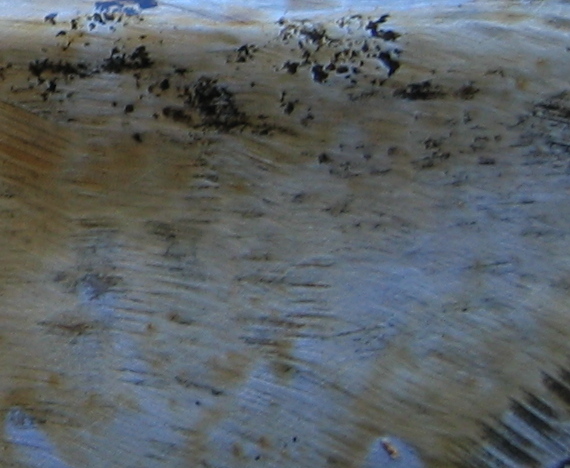
Rust converters are chemical solutions or primers that can be applied directly to an iron or iron alloy surface to convert iron oxides (rust) into a protective chemical barrier. These compounds interact with iron oxides, especially iron(III) oxide, converting them into an adherent black layer (black oxide) that is more resistant to moisture and protects the surface from further corrosion. They are sometimes referred to as "rust remover" or "rust killer".
Typical ingredients
Commercial rust converters are water-based and contain two primary active ingredients: tannic acid and an organic polymer. Tannic acid chemically converts the reddish iron oxides into bluish-black ferric tannate, a more stable material. The second active ingredient is an organic solvent such as 2-butoxyethanol (ethylene glycol monobutyl ether, trade name butyl cellosolve) that acts as a wetting agent and provides a protective primer layer in conjunction with an organic polymer emulsion.
Some rust converters may contain additional acids to speed up the chemical reaction by lowering the pH of the solution. A common example is phosphoric acid, which additionally converts some iron oxide into an inert layer of ferric phosphate. Most of the rust converters contain special additives. They support the rust transformation and improve the wetting of the surface.
Uses
Rust converter is usually applied to objects that are difficult to sand blast, such as vehicles, trailers, fences, iron railings, sheet metal, and the outside of storage tanks. It may also be used to restore and preserve iron-based items of historical importance.
References
References
- "Rust Conversion Mechanism".
- (14 September 2017). "Tannic Acid Coating for Rusted Iron Artifacts, formerly published under the title Tannic Acid Treatment – Canadian Conservation Institute (CCI) Notes 9/5 - Canada.ca".
- Maltby, Susan L.. (November 1998). "Rust Converters". Old-House Journal.
- [https://www.schwegmannnet.de/pdf/broschueren/lack/en/corrosion_protection_en.pdf SchwegmannNet.de: Corrosion Protection of Metallic Surfaces]. Retrieved 29 October 2019.
- "NCPTT - Materials Research Program Begins Rust Converter Study".
This article was imported from Wikipedia and is available under the Creative Commons Attribution-ShareAlike 4.0 License. Content has been adapted to SurfDoc format. Original contributors can be found on the article history page.
Ask Mako anything about Rust converter — get instant answers, deeper analysis, and related topics.
Research with MakoFree with your Surf account
Create a free account to save articles, ask Mako questions, and organize your research.
Sign up freeThis content may have been generated or modified by AI. CloudSurf Software LLC is not responsible for the accuracy, completeness, or reliability of AI-generated content. Always verify important information from primary sources.
Report