From Surf Wiki (app.surf) — the open knowledge base
Running gag
Literary device in the form of a repeated joke or reference
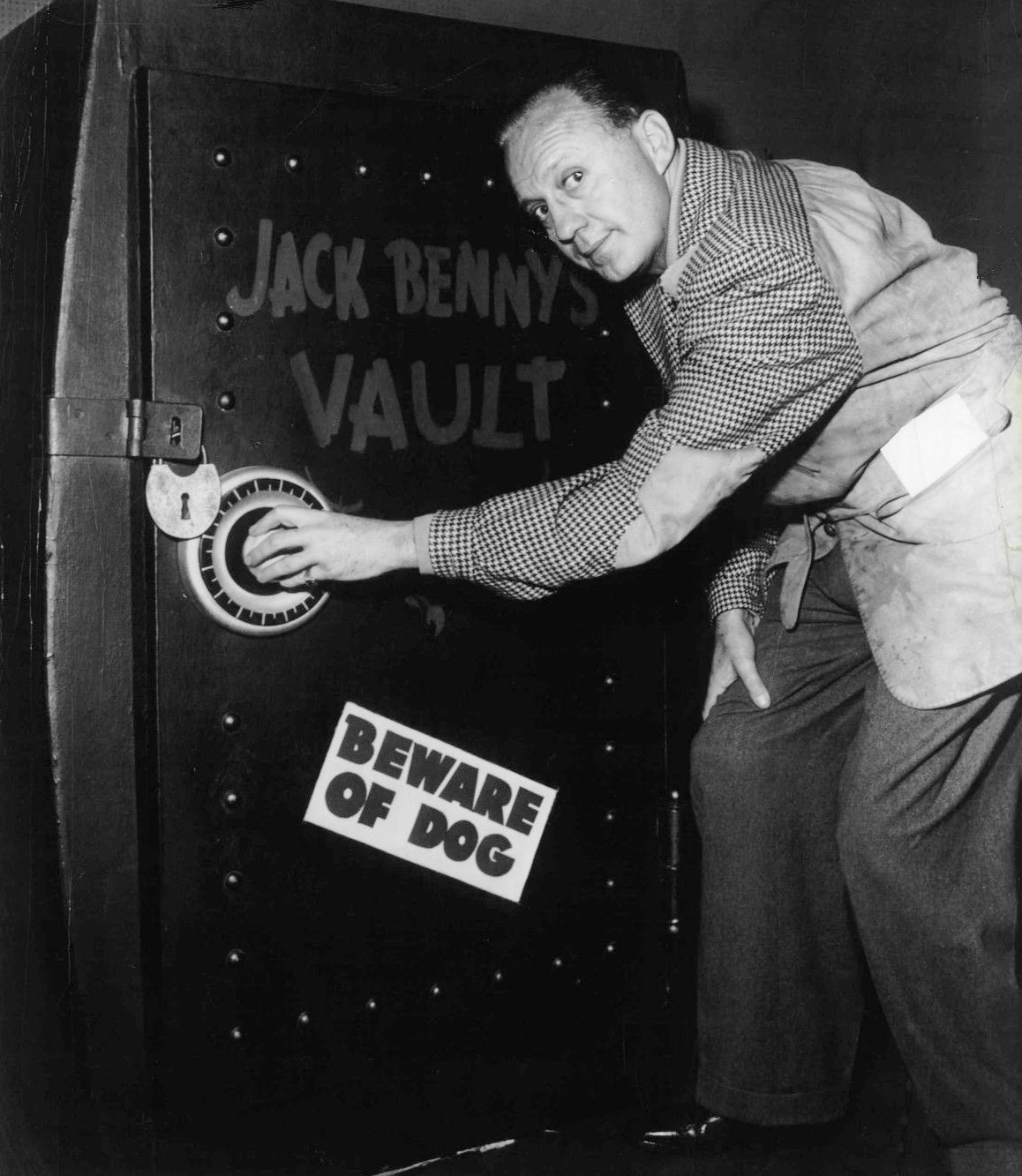
Literary device in the form of a repeated joke or reference
A running gag, or running joke, is a literary device that takes the form of an amusing joke or a comical reference and appears repeatedly throughout a work of literature or other form of storytelling. Though they are related, catchphrases are not considered to be running gags.
Running gags can begin with an instance of unintentional humor or a one-time joke that provokes a strong response, and is repeated in variations as the joke grows familiar and audiences anticipate reappearances of the gag. The humor in a running gag may derive entirely from how often it is repeated, but the underlying statement or situation will always be some form of joke. A trivial statement will not become a running gag simply by being repeated. A running gag may also derive its humor from the (in)appropriateness of the situation in which it occurs, or by setting up the audience to expect another occurrence of the joke and then substituting something else (bait and switch). Running gags are found in everyday life, live theater, live comedy, television shows, video games, films, books, comic strips, and potentially any other situation in which humor is possible and there is enough time for the repetitions to happen.
A running gag can be verbal or visual and may "convey social values by echoing belligerent speakers with a barrage of caricatured threats". For example, a character may present others with a proposition that is so ridiculous or outrageous it is likely to be self-mocking to the point where the original request has little or no chance of actually being carried out and results in a humorous effect.
References
"... the running gag and the catchphrase, both important staples in most situation comedies …" {{cite book
"The running gag, a staple of broad comedy, depends on the watcher's reference to the passage of time".{{cite book
"The running gag has long been recognised as a standard ingredient of slapstick comedy ..." {{cite book |url-access=registration
References
- (1998). "On the Air: The Encyclopedia of Old-Time Radio". Oxford University Press, USA.
- Brunvand, Jan Harold. (1998). "American Folklore: An Encyclopedia Garland Reference Library of the Humanities; Vol. 1551". New York: Garland.
This article was imported from Wikipedia and is available under the Creative Commons Attribution-ShareAlike 4.0 License. Content has been adapted to SurfDoc format. Original contributors can be found on the article history page.
Ask Mako anything about Running gag — get instant answers, deeper analysis, and related topics.
Research with MakoFree with your Surf account
Create a free account to save articles, ask Mako questions, and organize your research.
Sign up freeThis content may have been generated or modified by AI. CloudSurf Software LLC is not responsible for the accuracy, completeness, or reliability of AI-generated content. Always verify important information from primary sources.
Report