From Surf Wiki (app.surf) — the open knowledge base
Oral administration
Route of administration where a substance is taken through the mouth
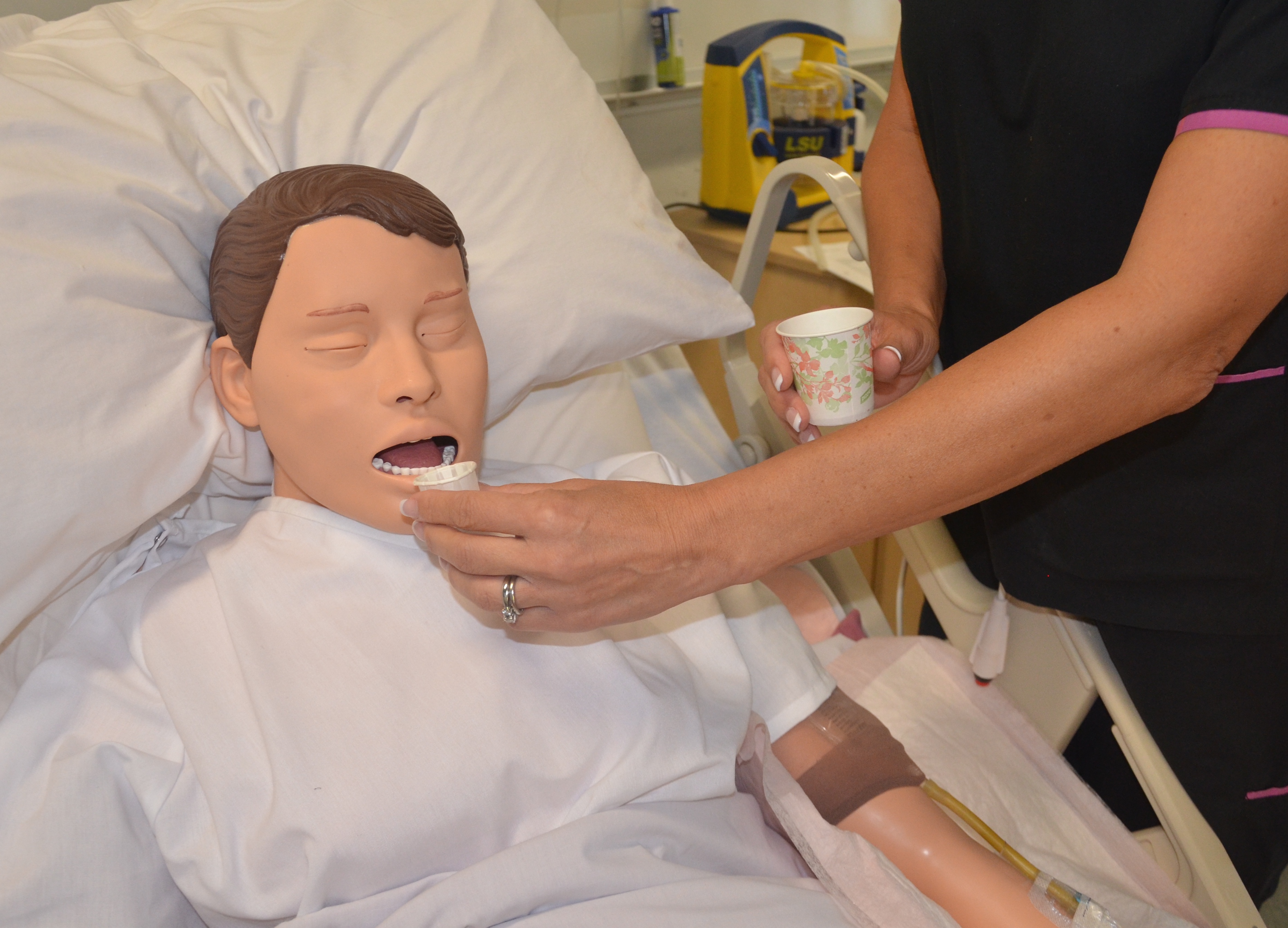
Route of administration where a substance is taken through the mouth
| Field | Value |
|---|---|
| name | Oral medication |
| synonym | By mouth, per os (PO) |
| image | Oral administration.jpg |
| caption | Oral administration of a tablet |
| specialty |
.jpg)
Oral administration is a route of administration whereby a substance is taken through the mouth, swallowed, and then processed via the digestive system. This is a common route of administration for many medications.
Oral administration can be easier and less painful than other routes of administration, such as injection. However, the onset of action is relatively low, and the effectiveness is reduced if it is not absorbed properly in the digestive system, or if it is broken down by digestive enzymes before it can reach the bloodstream. Some medications may cause gastrointestinal side effects, such as nausea or vomiting, when taken orally. Oral administration can also only be applied to conscious patients, and patients able to swallow.
Terminology
Per os (; P.O.) is an adverbial phrase meaning literally from Latin "through the mouth" or "by mouth". The expression is used in medicine to describe a treatment that is taken orally (but not used in the mouth such as, caries prophylaxis). The abbreviation P.O. is often used on medical prescriptions.
Scope
Enteral administration includes:
- Buccal, dissolved inside the cheek
- Sublabial, dissolved under the lip
- Sublingual administration (SL), dissolved under the tongue, but due to rapid absorption many consider SL a parenteral route
- Oral (PO), swallowed tablet, capsule or liquid
Enteral medications come in various forms, including oral solid dosage (OSD) forms:
- Tablets to swallow, chew or dissolve in water or under the tongue
- Capsules and chewable capsules (with a coating that dissolves in the stomach or bowel to release the medication there)
- Time-release or sustained-release tablets and capsules (which release the medication gradually)
- Powders or granules and oral liquid dosage forms:
- Teas
- Drops
- Liquid medications or syrups
Facilitating methods
Concomitant ingestion of water facilitates in swallowing tablets and capsules. If the substance has disagreeable taste, addition of a flavor may facilitate ingestion. Substances that are harmful to the teeth are preferably given through a straw.
References
References
- "Oral Administration of Drugs: Advantages and Disadvantages".
- (1998). "Hunnius Pharmazeutisches Wörterbuch". Walter de Gruyter.
- Institute for Quality and Efficiency in Health Care. (July 2025). "Oral medications". Institute for Quality and Efficiency in Health Care.
- (2016-08-19). "Good Design Practices for GMP Pharmaceutical Facilities". CRC Press.
- (2003-04-29). "Handbook of Food-Drug Interactions". CRC Press.
- [http://medical-dictionary.thefreedictionary.com/oral+administration+of+medication TheFreeDictionary > oral administration of medication] Citing: Mosby's Medical Dictionary, 8th edition. 2009
This article was imported from Wikipedia and is available under the Creative Commons Attribution-ShareAlike 4.0 License. Content has been adapted to SurfDoc format. Original contributors can be found on the article history page.
Ask Mako anything about Oral administration — get instant answers, deeper analysis, and related topics.
Research with MakoFree with your Surf account
Create a free account to save articles, ask Mako questions, and organize your research.
Sign up freeThis content may have been generated or modified by AI. CloudSurf Software LLC is not responsible for the accuracy, completeness, or reliability of AI-generated content. Always verify important information from primary sources.
Report