From Surf Wiki (app.surf) — the open knowledge base
Opioid
Psychoactive chemical
Psychoactive chemical
| Field | Value |
|---|---|
| Image | Morphine2DCSDS.svg |
| ImageClass | skin-invert-image |
| Alt | |
| Caption | Chemical structure of morphine, the prototypical opioid. |
| Use | Pain relief |
| ATC_prefix | N02A |
| Mode_of_action | Opioid receptor |
| Drugs.com | |
| MeshID | D000701 |
| Drugs.com = Opioids are a class of drugs that derive from, or mimic, natural substances found in the opium poppy plant. Opioids work on opioid receptors in the brain and other organs to produce a variety of morphine-like effects, including pain relief.
The terms "opioid" and "opiate" are sometimes used interchangeably, but the term "opioid" is used to designate all substances, both natural and synthetic, that bind to opioid receptors in the brain. Opiates are alkaloid compounds naturally found in the opium poppy plant Papaver somniferum. |access-date=2008-07-04
Medically they are primarily used for pain relief, including anesthesia. Other medical uses include suppression of diarrhea, replacement therapy for opioid use disorder, and suppressing cough. The opioid receptor antagonist naloxone is used to reverse opioid overdose. Extremely potent opioids such as carfentanil are approved only for veterinary use. Opioids are also frequently used recreationally for their euphoric effects or to prevent withdrawal. Opioids can be fatal, and have been used, alone and in combination, in a small number of executions in the United States.
Side effects of opioids may include itchiness, sedation, nausea, respiratory depression, constipation, and euphoria. Long-term use can cause tolerance, meaning that increased doses are required to achieve the same effect, and physical dependence, meaning that abruptly discontinuing the drug leads to unpleasant withdrawal symptoms. The euphoria attracts recreational use; frequent, escalating recreational use of opioids typically results in addiction. An overdose or concurrent use with other depressant drugs like benzodiazepines can result in death from respiratory depression.
Opioids act by binding to opioid receptors, which are found principally in the central and peripheral nervous system and the gastrointestinal tract. These receptors mediate both the psychoactive and the somatic effects of opioids. Partial agonists, like the anti-diarrhea drug loperamide and antagonists, like naloxegol for opioid-induced constipation, do not cross the blood–brain barrier, but can displace other opioids from binding to those receptors in the myenteric plexus.
Because opioids are addictive and may result in fatal overdose, most are controlled substances. In 2013, between 28 and 38 million people used opioids illicitly (0.6% to 0.8% of the global population between the ages of 15 and 65). By 2021, that number rose to 60 million. In 2011, an estimated 4 million people in the United States used opioids recreationally or were dependent on them. As of 2015, increased rates of recreational use and addiction are attributed to over-prescription of opioid medications and inexpensive illicit heroin. Conversely, fears about overprescribing, exaggerated side effects, and addiction from opioids are similarly blamed for under-treatment of pain.
Terminology
Opioids include opiates, an older term that refers to such drugs derived from opium, including morphine itself. Opiate is properly limited to the natural alkaloids found in the resin of the opium poppy although some include semi-synthetic derivatives. Other opioids are semi-synthetic and synthetic drugs such as hydrocodone, oxycodone, and fentanyl; antagonist drugs such as naloxone; and endogenous peptides such as endorphins. The terms opiate and narcotic are sometimes encountered as synonyms for opioid. Narcotic, derived from words meaning 'numbness' or 'sleep', originally referred to any psychoactive compound with numbing or paralyzing properties. As an American legal term, narcotic refers to cocaine and opioids, and their source materials; it is also loosely applied to any illegal or controlled psychoactive drug. In some jurisdictions all controlled drugs are legally classified as narcotics. The term can have pejorative connotations and its use is generally discouraged where that is the case.
Medical uses
Pain
The weak opioid codeine, in low doses and combined with one or more other drugs, is commonly available in prescription medicines and without a prescription to treat mild pain. Other opioids are usually reserved for the relief of moderate to severe pain.
Acute pain
Opioids are effective for the treatment of acute pain (such as pain following surgery). For immediate relief of moderate to severe acute pain, opioids are frequently the treatment of choice due to their rapid onset, efficacy and reduced risk of dependence. However, a new report showed a clear risk of prolonged opioid use when opioid analgesics are initiated for an acute pain management following surgery or trauma. They have also been found to be important in palliative care to help with the severe, chronic, disabling pain that may occur in some terminal conditions such as cancer, and degenerative conditions such as rheumatoid arthritis. In many cases opioids are a successful long-term care strategy for those with chronic cancer pain.
Just over half of all states in the US have enacted laws that restrict the prescribing or dispensing of opioids for acute pain.
Chronic non-cancer pain
Guidelines have suggested that the risk of opioids is likely greater than their benefits when used for most non-cancer chronic conditions including headaches, back pain, and fibromyalgia. Thus they should be used cautiously in chronic non-cancer pain. If used the benefits and harms should be reassessed at least every three months.
In treating chronic pain, opioids are an option to be tried after other less risky pain relievers have been considered, including paracetamol or NSAIDs like ibuprofen or naproxen. Some types of chronic pain, including the pain caused by fibromyalgia or migraine, are preferentially treated with drugs other than opioids.For information on the use and overuse of opioids to treat migraines, see , which cites
- The efficacy of using opioids to lessen chronic neuropathic pain is uncertain.
Opioids are contraindicated as a first-line treatment for headache because they impair alertness, bring risk of dependence, and increase the risk that episodic headaches will become chronic., which cites
- Opioids can also cause heightened sensitivity to headache pain. When other treatments fail or are unavailable, opioids may be appropriate for treating headache if the patient can be monitored to prevent the development of chronic headache.
Opioids are being used more frequently in the management of non-malignant chronic pain. This practice has now led to a new and growing problem with addiction and misuse of opioids. Because of various negative effects the use of opioids for long-term management of chronic pain is not indicated unless other less risky pain relievers have been found ineffective. Chronic pain which occurs only periodically, such as that from nerve pain, migraines, and fibromyalgia, frequently is better treated with medications other than opioids. Paracetamol and nonsteroidal anti-inflammatory drugs including ibuprofen and naproxen are considered safer alternatives. They are frequently used combined with opioids, such as paracetamol combined with oxycodone (Percocet) and ibuprofen combined with hydrocodone (Vicoprofen), which boosts the pain relief but is also intended to deter recreational use.
Other
Cough
Codeine was once viewed as the "gold standard" in cough suppressants, but this position is now questioned. Some recent placebo-controlled trials have found that it may be no better than a placebo for some causes including acute cough in children. As a consequence, it is not recommended for children. Additionally, there is no evidence that hydrocodone is useful in children. Similarly, a 2012 Dutch guideline regarding the treatment of acute cough does not recommend its use. (The opioid analogue dextromethorphan, long claimed to be as effective a cough suppressant as codeine, has similarly demonstrated little benefit in several recent studies.)
Low dose morphine may help chronic cough but its use is limited by side effects.
Diarrhea
In cases of diarrhea-predominate irritable bowel syndrome, opioids may be used to suppress diarrhea. Loperamide is a peripherally selective opioid available without a prescription used to suppress diarrhea.
The ability to suppress diarrhea also produces constipation when opioids are used beyond several weeks.
Shortness of breath
Opioids may help with shortness of breath particularly in advanced diseases such as cancer and COPD among others. However, findings from two recent systematic reviews of the literature found that opioids were not necessarily more effective in treating shortness of breath in patients who have advanced cancer.
Restless legs syndrome
Though not typically a first line of treatment, opioids, such as oxycodone and methadone, are sometimes used in the treatment of severe and refractory restless legs syndrome.
Hyperalgesia Main article: Opioid-induced hyperalgesia
Opioid-induced hyperalgesia (OIH) has been evident in patients after chronic opioid exposure.
Adverse effects
- Itching
- Nausea
- Vomiting
- Constipation
- Drowsiness
- Dry mouth Other
- Cognitive effects
- Opioid dependence
- Dizziness
- Loss of appetite
- Delayed gastric emptying
- Decreased sex drive
- Impaired sexual function
- Decreased testosterone levels
- Depression
- Immunodeficiency
- Increased pain sensitivity
- Irregular menstruation
- Increased risk of falls
- Slowed breathing
- Coma
Each year 69,000 people worldwide die of opioid overdose, and 15 million people have an opioid addiction.
In older adults, opioid use is associated with increased adverse effects such as "sedation, nausea, vomiting, constipation, urinary retention, and falls". As a result, older adults taking opioids are at greater risk for injury. Opioids do not cause any specific organ toxicity, unlike many other drugs, such as aspirin and paracetamol. They are not associated with upper gastrointestinal bleeding and kidney toxicity.
Prescription of opioids for acute low back pain and management of osteoarthritis seem to have long-term adverse effects
According to the USCDC, methadone was involved in 31% of opioid related deaths in the US between 1999–2010 and 40% as the sole drug involved, far higher than other opioids. Studies of long term opioids have found that many stop them, and that minor side effects were common. Addiction occurred in about 0.3%. In the United States in 2016 opioid overdose resulted in the death of 1.7 in 10,000 people.
Reinforcement disorders
Main article: Opioid use disorder
Tolerance
Tolerance is a process characterized by neuroadaptations that result in reduced drug effects. While receptor upregulation may often play an important role other mechanisms are also known. Tolerance is more pronounced for some effects than for others; tolerance occurs slowly to the effects on mood, itching, urinary retention, and respiratory depression, but occurs more quickly to the analgesia and other physical side effects. However, tolerance does not develop to constipation or miosis (the constriction of the pupil of the eye to less than or equal to two millimeters). This idea has been challenged, however, with some authors arguing that tolerance does develop to miosis.
Tolerance to opioids is attenuated by a number of substances, including:
- calcium channel blockers
- intrathecal magnesium and zinc
- NMDA antagonists, such as dextromethorphan, ketamine, and memantine.
- cholecystokinin antagonists, such as proglumide
- Newer agents such as the phosphodiesterase inhibitor ibudilast have also been researched for this application.
Tolerance is a physiologic process where the body adjusts to a medication that is frequently present, usually requiring higher doses of the same medication over time to achieve the same effect. It is a common occurrence in individuals taking high doses of opioids for extended periods, but does not predict any relationship to misuse or addiction.
Physical dependence
Physical dependence is the physiological adaptation of the body to the presence of a substance, in this case opioid medication. It is defined by the development of withdrawal symptoms when the substance is discontinued, when the dose is reduced abruptly or, specifically in the case of opioids, when an antagonist (e.g., naloxone) or an agonist-antagonist (e.g., pentazocine) is administered. Physical dependence is a normal and expected aspect of certain medications and does not necessarily imply that the patient is addicted.
The withdrawal symptoms for opiates may include severe dysphoria, craving for another opiate dose, irritability, sweating, nausea, rhinorrea, tremor, vomiting and myalgia. Slowly reducing the intake of opioids over days and weeks can reduce or eliminate the withdrawal symptoms. Physical dependence does not predict drug misuse or true addiction, and is closely related to the same mechanism as tolerance. While there are anecdotal claims of benefit with ibogaine, data to support its use in substance dependence is poor.
Critical patients who received regular doses of opioids experience iatrogenic withdrawal as a frequent syndrome.
Addiction
Drug addiction is a complex set of behaviors typically associated with misuse of certain drugs, developing over time and with higher drug dosages. Addiction includes psychological compulsion, to the extent that the affected person persists in actions leading to dangerous or unhealthy outcomes. Opioid addiction includes insufflation or injection, rather than taking opioids orally as prescribed for medical reasons.
In European nations such as Austria, Bulgaria, and Slovakia, slow-release oral morphine formulations are used in opiate substitution therapy (OST) for patients who do not well tolerate the side effects of buprenorphine or methadone. Buprenorphine can also be used together with naloxone for a longer treatment of addiction. In other European countries including the UK, this is also legally used for OST although on a varying scale of acceptance.
Slow-release formulations of medications are intended to curb misuse and lower addiction rates while trying to still provide legitimate pain relief and ease of use to pain patients. Questions remain, however, about the efficacy and safety of these types of preparations. Further tamper resistant medications are currently under consideration with trials for market approval by the FDA.
The amount of evidence available only permits making a weak conclusion, but it suggests that a physician properly managing opioid use in patients with no history of substance use disorder can give long-term pain relief with little risk of developing addiction, or other serious side effects.
Problems with opioids include the following:
- Some people find that opioids do not relieve all of their pain.
- Some people find that opioids side effects cause problems which outweigh the therapy's benefit.
- Some people build tolerance to opioids over time. This requires them to increase their drug dosage to maintain the benefit, and that in turn also increases the unwanted side effects.
- Long-term opioid use can cause opioid-induced hyperalgesia, which is a condition in which the patient has increased sensitivity to pain.
All of the opioids can cause side effects. Common adverse reactions in patients taking opioids for pain relief include nausea and vomiting, drowsiness, itching, dry mouth, dizziness, and constipation.
Nausea and vomiting
Tolerance to nausea occurs within 7–10 days, during which antiemetics (e.g. low dose haloperidol once at night) are very effective. Due to severe side effects such as tardive dyskinesia, haloperidol is now rarely used. A related drug, prochlorperazine is more often used, although it has similar risks. Stronger antiemetics such as ondansetron or tropisetron are sometimes used when nausea is severe or continuous and disturbing, despite their greater cost. A less expensive alternative is dopamine antagonists such as domperidone and metoclopramide. Domperidone does not cross the blood–brain barrier and produce adverse central antidopaminergic effects, but blocks opioid emetic action in the chemoreceptor trigger zone. This drug is not available in the U.S.
Some antihistamines with anticholinergic properties (e.g. orphenadrine, diphenhydramine) may also be effective. The first-generation antihistamine hydroxyzine is commonly used, with the added advantages of not causing movement disorders, and also possessing analgesic-sparing properties. THC relieves nausea and vomiting; it also produces analgesia that may allow lower doses of opioids with reduced nausea and vomiting.
- 5-HT3 antagonists (e.g. ondansetron)
- Dopamine antagonists (e.g. domperidone)
- Anti-cholinergic antihistamines (e.g. diphenhydramine)
- Δ9-tetrahydrocannabinol (e.g. dronabinol)
Vomiting is due to gastric stasis (large volume vomiting, brief nausea relieved by vomiting, oesophageal reflux, epigastric fullness, early satiation), besides direct action on the chemoreceptor trigger zone of the area postrema, the vomiting centre of the brain. Vomiting can thus be prevented by prokinetic agents (e.g. domperidone or metoclopramide). If vomiting has already started, these drugs need to be administered by a non-oral route (e.g. subcutaneous for metoclopramide, rectally for domperidone).
- Prokinetic agents (e.g. domperidone)
- Anti-cholinergic agents (e.g. orphenadrine)
Evidence suggests that opioid-inclusive anaesthesia is associated with postoperative nausea and vomiting.
Patients with chronic pain using opioids had small improvements in pain and physically functioning and increased risk of vomiting.
Drowsiness
Tolerance to drowsiness usually develops over 5–7 days, but if troublesome, switching to an alternative opioid often helps. Certain opioids such as fentanyl, morphine and diamorphine (heroin) tend to be particularly sedating, while others such as oxycodone, codeine, and tilidine tend to produce comparatively less sedation, but individual patients responses can vary markedly and some degree of trial and error may be needed to find the most suitable drug for a particular patient. Otherwise, treatment with CNS stimulants is generally effective.
- Stimulants (e.g. caffeine, modafinil, amphetamine, methylphenidate)
Itching
Itching tends not to be a severe problem when opioids are used for pain relief, but antihistamines are useful for counteracting itching when it occurs. Non-sedating antihistamines such as fexofenadine are often preferred as they avoid increasing opioid induced drowsiness. However, some sedating antihistamines such as orphenadrine can produce a synergistic pain relieving effect permitting smaller doses of opioids be used. Consequently, several opioid/antihistamine combination products have been marketed, such as Meprozine (meperidine/promethazine) and Diconal (dipipanone/cyclizine), and these may also reduce opioid induced nausea.
- Antihistamines (e.g. fexofenadine)
Constipation
Opioid-induced constipation (OIC) develops in 90 to 95% of people taking opioids long-term. Since tolerance to this problem does not generally develop, most people on long-term opioids need to take a laxative or enemas.
Treatment of OIC is successional and dependent on severity. The first mode of treatment is non-pharmacological, and includes lifestyle modifications like increasing dietary fiber, fluid intake (around 1.5 L per day), and physical activity. If non-pharmacological measures are ineffective, laxatives, including stool softeners (e.g., polyethylene glycol), bulk-forming laxatives (e.g., fiber supplements), stimulant laxatives (e.g., bisacodyl, senna), and/or enemas, may be used. A common laxative regimen for OIC is the combination of docusate and bisacodyl. Osmotic laxatives, including lactulose, polyethylene glycol, and milk of magnesia (magnesium hydroxide), as well as mineral oil (a lubricant laxative), are also commonly used for OIC.
If laxatives are insufficiently effective (which is often the case), opioid formulations or regimens that include a peripherally-selective opioid antagonist, such as methylnaltrexone bromide, naloxegol, alvimopan, or naloxone (as in oxycodone/naloxone), may be tried. A 2018 (updated in 2022) Cochrane review found that the evidence was moderate for alvimopan, naloxone, or methylnaltrexone bromide but with increased risk of adverse events. Naloxone by mouth appears to be the most effective. A daily 0.2 mg dose of naldemedine has been shown to significantly improve symptoms in patients with OIC.
Opioid rotation is one method suggested to minimise the impact of constipation in long-term users. While all opioids cause constipation, there are some differences between drugs, with studies suggesting tramadol, tapentadol, methadone and fentanyl may cause relatively less constipation, while with codeine, morphine, oxycodone or hydromorphone constipation may be comparatively more severe.
Respiratory depression
Respiratory depression is the most serious adverse reaction associated with opioid use, but it usually is seen with the use of a single, intravenous dose in an opioid-naïve patient. In patients taking opioids regularly for pain relief, tolerance to respiratory depression occurs rapidly, so that it is not a clinical problem. Several drugs have been developed which can partially block respiratory depression, although the only respiratory stimulant currently approved for this purpose is doxapram, which has only limited efficacy in this application. Newer drugs such as BIMU-8 and CX-546 may be much more effective.
- Respiratory stimulants: carotid chemoreceptor agonists (e.g. doxapram), 5-HT4 agonists (e.g. BIMU8), δ-opioid agonists (e.g. BW373U86) and AMPAkines (e.g. CX717) can all reduce respiratory depression caused by opioids without affecting analgesia, but most of these drugs are only moderately effective or have side effects which preclude use in humans. 5-HT1A agonists such as 8-OH-DPAT and repinotan also counteract opioid-induced respiratory depression, but at the same time reduce analgesia, which limits their usefulness for this application.
- Opioid antagonists (e.g. naloxone, nalmefene, diprenorphine)
The initial 24 hours after opioid administration appear to be the most critical with regard to life-threatening OIRD, but may be preventable with a more cautious approach to opioid use.
Patients with cardiac, respiratory disease and/or obstructive sleep apnoea are at increased risk for OIRD.
Increased pain sensitivity
Main article: Opioid-induced hyperalgesia
Opioid-induced hyperalgesia – where individuals using opioids to relieve pain paradoxically experience more pain as a result of that medication – has been observed in some people. This phenomenon, although uncommon, is seen in some people receiving palliative care, most often when dose is increased rapidly. If encountered, rotation between several different opioid pain medications may decrease the development of increased pain. Opioid induced hyperalgesia more commonly occurs with chronic use or brief high doses, but some research suggests that it may also occur with small doses.
Side effects such as hyperalgesia and allodynia, sometimes accompanied by a worsening of neuropathic pain, may be consequences of long-term treatment with opioid analgesics, especially when increasing tolerance has resulted in loss of efficacy and consequent progressive dose escalation over time. This appears to largely be a result of actions of opioid drugs at targets other than the three classic opioid receptors, including the nociceptin receptor, sigma receptor and Toll-like receptor 4, and can be counteracted in animal models by antagonists at these targets such as J-113,397, BD-1047 or (+)-naloxone respectively. No drugs are currently approved specifically for counteracting opioid-induced hyperalgesia in humans and in severe cases the only solution may be to discontinue use of opioid analgesics and replace them with non-opioid analgesic drugs. However, since individual sensitivity to the development of this side effect is highly dose dependent and may vary depending which opioid analgesic is used, many patients can avoid this side effect simply through dose reduction of the opioid drug (usually accompanied by the addition of a supplemental non-opioid analgesic), rotating between different opioid drugs, or by switching to a milder opioid with a mixed mode of action that also counteracts neuropathic pain, particularly tramadol or tapentadol.
- NMDA receptor antagonists such as ketamine
- SNRIs such as milnacipran
- Anticonvulsants such as gabapentin or pregabalin
Other adverse effects
Low sex hormone levels
Clinical studies have consistently associated medical and recreational opioid use with hypogonadism (low sex hormone levels) in different sexes. The effect is dose-dependent. Most studies suggest that the majority (perhaps as much as 90%) of chronic opioid users develop hypogonadism. A 2015 systematic review and meta-analysis found that opioid therapy suppressed testosterone levels in men by about 165 ng/dL (5.7 nmol/L) on average, which was a reduction in testosterone level of almost 50%. Conversely, opioid therapy did not significantly affect testosterone levels in women. However, opioids can also interfere with menstruation in women by limiting the production of luteinizing hormone (LH). Opioid-induced hypogonadism likely causes the strong association of opioid use with osteoporosis and bone fracture, due to deficiency in estradiol. It also may increase pain and thereby interfere with the intended clinical effect of opioid treatment. Opioid-induced hypogonadism is likely caused by their agonism of opioid receptors in the hypothalamus and the pituitary gland. One study found that the depressed testosterone levels of heroin addicts returned to normal within one month of abstinence, suggesting that the effect is readily reversible and is not permanent. , the effect of low-dose or acute opioid use on the endocrine system is unclear. Long-term use of opioids can affect the other hormonal systems as well.
Disruption of work
Use of opioids may be a risk factor for failing to return to work.
Persons performing any safety-sensitive task should not use opioids., which cites
- Health care providers should not recommend that workers who drive or use heavy equipment including cranes or forklifts treat chronic or acute pain with opioids. Workplaces which manage workers who perform safety-sensitive operations should assign workers to less sensitive duties for so long as those workers are treated by their physician with opioids.
People who take opioids long term have increased likelihood of being unemployed. Taking opioids may further disrupt the patient's life and the adverse effects of opioids themselves can become a significant barrier to patients having an active life, gaining employment, and sustaining a career.
In addition, lack of employment may be a predictor of aberrant use of prescription opioids.
Increased accident-proneness
Opioid use may increase accident-proneness. Opioids may increase risk of traffic accidents and accidental falls.
Reduced Attention
Opioids have been shown to reduce attention, more so when used with antidepressants and/or anticonvulsants.
Rare side effects
Infrequent adverse reactions in patients taking opioids for pain relief include: dose-related respiratory depression (especially with more potent opioids), confusion, hallucinations, delirium, urticaria, hypothermia, bradycardia/tachycardia, orthostatic hypotension, dizziness, headache, urinary retention, ureteric or biliary spasm, muscle rigidity, myoclonus (with high doses), and flushing (due to histamine release, except fentanyl and remifentanil). Both therapeutic and chronic use of opioids can compromise the function of the immune system. Opioids decrease the proliferation of macrophage progenitor cells and lymphocytes, and affect cell differentiation (Roy & Loh, 1996). Opioids may also inhibit leukocyte migration. However the relevance of this in the context of pain relief is not known.
Pregnancy
Interactions
Physicians treating patients using opioids in combination with other drugs keep continual documentation that further treatment is indicated and remain aware of opportunities to adjust treatment if the patient's condition changes to merit less risky therapy.
With other depressant drugs
The concurrent use of opioids with other depressant drugs such as benzodiazepines or ethanol increases the rates of adverse events and overdose. Despite this, opioids and benzodiazepines are concurrently dispensed in many settings. As with an overdose of opioid alone, the combination of an opioid and another depressant may precipitate respiratory depression often leading to death. These risks are lessened with close monitoring by a physician, who may conduct ongoing screening for changes in patient behavior and treatment compliance.
Opioid antagonist
Main article: Opioid antagonist
Opioid effects (adverse or otherwise) can be reversed with an opioid antagonist such as naloxone or naltrexone. These competitive antagonists bind to the opioid receptors with higher affinity than agonists but do not activate the receptors. This displaces the agonist, attenuating or reversing the agonist effects. However, the elimination half-life of naloxone can be shorter than that of the opioid itself, so repeat dosing or continuous infusion may be required, or a longer acting antagonist such as nalmefene may be used. In patients taking opioids regularly it is essential that the opioid is only partially reversed to avoid a severe and distressing reaction of waking in excruciating pain. This is achieved by not giving a full dose but giving this in small doses until the respiratory rate has improved. An infusion is then started to keep the reversal at that level, while maintaining pain relief. Opioid antagonists remain the standard treatment for respiratory depression following opioid overdose, with naloxone being by far the most commonly used, although the longer acting antagonist nalmefene may be used for treating overdoses of long-acting opioids such as methadone, and diprenorphine is used for reversing the effects of extremely potent opioids used in veterinary medicine such as etorphine and carfentanil. However, since opioid antagonists also block the beneficial effects of opioid analgesics, they are generally useful only for treating overdose, with use of opioid antagonists alongside opioid analgesics to reduce side effects, requiring careful dose titration and often being poorly effective at doses low enough to allow analgesia to be maintained.
Naltrexone does not appear to increase risk of serious adverse events, which confirms the safety of oral naltrexone. Mortality or serious adverse events due to rebound toxicity in patients with naloxone were rare.
Pharmacology
| Drug | Relative | |||
|---|---|---|---|---|
| Potency | ||||
| Nonionized | ||||
| Fraction | Protein | |||
| Binding | Lipid | |||
| Solubility | ||||
| Morphine | 1 | ++ | +++ | +++ |
| Pethidine (meperidine) | 0.1 | + | +++ | +++ |
| Hydromorphone | 10 | + | +++ | |
| Alfentanil | 10–25 | ++++ | ++++ | +++ |
| Fentanyl | 50–100 | + | +++ | ++++ |
| Remifentanil | 250 | +++ | +++ | ++ |
| Sufentanil | 500–1000 | ++ | ++++ | ++++ |
| Etorphine | 1000–3000 | |||
| Carfentanil | 10000 |
Opioids bind to specific opioid receptors in the nervous system and other tissues. There are three principal classes of opioid receptors, μ, κ, δ (mu, kappa, and delta), although up to seventeen have been reported, and include the ε, ι, λ, and ζ (Epsilon, Iota, Lambda and Zeta) receptors. Conversely, σ (Sigma) receptors are no longer considered to be opioid receptors because their activation is not reversed by the opioid inverse-agonist naloxone, they do not exhibit high-affinity binding for classical opioids, and they are stereoselective for dextro-rotatory isomers while the other opioid receptors are stereo-selective for levo-rotatory isomers. In addition, there are three subtypes of μ-receptor: μ1 and μ2, and the newly discovered μ3. Another receptor of clinical importance is the opioid-receptor-like receptor 1 (ORL1), which is involved in pain responses as well as having a major role in the development of tolerance to μ-opioid agonists used as analgesics. These are all G-protein coupled receptors acting on GABAergic neurotransmission.
The pharmacodynamic response to an opioid depends upon the receptor to which it binds, its affinity for that receptor, and whether the opioid is an agonist or an antagonist. For example, the supraspinal analgesic properties of the opioid agonist morphine are mediated by activation of the μ1 receptor; respiratory depression and physical dependence by the μ2 receptor; and sedation and spinal analgesia by the κ receptor. Each group of opioid receptors elicits a distinct set of neurological responses, with the receptor subtypes (such as μ1 and μ2 for example) providing even more [measurably] specific responses. Unique to each opioid is its distinct binding affinity to the various classes of opioid receptors (e.g. the μ, κ, and δ opioid receptors are activated at different magnitudes according to the specific receptor binding affinities of the opioid). For example, the opiate alkaloid morphine exhibits high-affinity binding to the μ-opioid receptor, while ketazocine exhibits high affinity to ĸ receptors. It is this combinatorial mechanism that allows for such a wide class of opioids and molecular designs to exist, each with its own unique effect profile. Their individual molecular structure is also responsible for their different duration of action, whereby metabolic breakdown (such as N-dealkylation) is responsible for opioid metabolism.

Functional selectivity
A new strategy of drug development takes receptor signal transduction into consideration. This strategy strives to increase the activation of desirable signalling pathways while reducing the impact on undesirable pathways. This differential strategy has been given several names, including functional selectivity and biased agonism. The first opioid that was intentionally designed as a biased agonist and placed into clinical evaluation is the drug oliceridine. It displays analgesic activity and reduced adverse effects.
Opioid comparison
Main article: Equianalgesic
Extensive research has been conducted to determine equivalence ratios comparing the relative potency of opioids. Given a dose of an opioid, an equianalgesic table is used to find the equivalent dosage of another. Such tables are used in opioid rotation practices, and to describe an opioid by comparison to morphine, the reference opioid. Equianalgesic tables typically list drug half-lives, and sometimes equianalgesic doses of the same drug by means of administration, such as morphine: oral and intravenous.
Binding profiles
| **Compound** | data-sort-type="number" | **** | data-sort-type="number" | **** | data-sort-type="number" | **** | class="unsortable" | **Ref** | ||||
|---|---|---|---|---|---|---|---|---|---|---|---|---|
| [3-HO-PCP](3-ho-pcp) | ||||||||||||
| [7-Hydroxymitragynine](7-hydroxymitragynine) | ||||||||||||
| β-Chlornaltrexamine | ||||||||||||
| β-Endorphin | ||||||||||||
| β-Funaltrexamine | ||||||||||||
| [(+)-cis-3-methylfentanyl](3-methylfentanyl) | ||||||||||||
| Alazocine | ||||||||||||
| (−)-Alazocine | ||||||||||||
| (+)-Alazocine | ||||||||||||
| Alfentanil | ||||||||||||
| Binaltorphimine | ||||||||||||
| Bremazocine | ||||||||||||
| (−)-Bremazocine | ||||||||||||
| Buprenorphine | ||||||||||||
| Butorphanol | ||||||||||||
| BW-3734 | ||||||||||||
| Carfentanil | ||||||||||||
| Cebranopadol | ||||||||||||
| Codeine | ||||||||||||
| CTOP | ||||||||||||
| Cyclazocine | ||||||||||||
| Cyprodime | ||||||||||||
| DADLE | ||||||||||||
| DAMGO | ||||||||||||
| [[D-Ala]Deltorphin II](d-ala2-deltorphin-ii) | ||||||||||||
| Dermorphin | ||||||||||||
| (+)-Desmetramadol (O-DSMT) | ||||||||||||
| Dextropropoxyphene | ||||||||||||
| Dezocine | ||||||||||||
| Dihydroetorphine | ||||||||||||
| Dihydromorphine | ||||||||||||
| Diprenorphine | ||||||||||||
| DPDPE | ||||||||||||
| DSLET | ||||||||||||
| Dynorphin A | ||||||||||||
| Ethylketazocine | ||||||||||||
| (−)-Ethylketazocine | ||||||||||||
| (+)-Ethylketazocine | ||||||||||||
| Etorphine | ||||||||||||
| Fentanyl | ||||||||||||
| Hydrocodone | ||||||||||||
| Hydromorphone | ||||||||||||
| ICI-204488 | ||||||||||||
| Leu-enkephalin | ||||||||||||
| Levacetylmethadol | ||||||||||||
| Lofentanil | ||||||||||||
| Met-enkephalin | ||||||||||||
| Metazocine | ||||||||||||
| Methadone | ||||||||||||
| Dextromethadone | ||||||||||||
| Levomethadone | ||||||||||||
| Methallorphan | ||||||||||||
| Dextrallorphan | ||||||||||||
| Levallorphan | ||||||||||||
| Methorphan | ||||||||||||
| Dextromethorphan | ||||||||||||
| Levomethorphan | ||||||||||||
| Mitragynine | ||||||||||||
| Mitragynine pseudoindoxyl | ||||||||||||
| Morphanol | ||||||||||||
| Dextrorphan | ||||||||||||
| Levorphanol | ||||||||||||
| Morphiceptin | ||||||||||||
| Morphine | ||||||||||||
| Morphine, (−)- | ||||||||||||
| Morphine, (+)- | ||||||||||||
| MR-2266 | ||||||||||||
| Nalbuphine | ||||||||||||
| Nalmefene | ||||||||||||
| Nalorphine | ||||||||||||
| Naloxonazine | ||||||||||||
| Naloxone | ||||||||||||
| (−)-Naloxone | ||||||||||||
| (+)-Naloxone | ||||||||||||
| Naltrexone | ||||||||||||
| Naltriben | ||||||||||||
| Naltrindole | ||||||||||||
| Norbinaltorphimine | ||||||||||||
| Normorphine | ||||||||||||
| Ohmefentanyl | ||||||||||||
| Oxycodone | ||||||||||||
| Oxymorphindole | ||||||||||||
| Oxymorphone | ||||||||||||
| Pentazocine | ||||||||||||
| Pethidine (meperidine) | ||||||||||||
| Phenazocine | ||||||||||||
| PLO17 | ||||||||||||
| Quadazocine | ||||||||||||
| Salvinorin A | ||||||||||||
| Samidorphan | ||||||||||||
| Spiradoline | ||||||||||||
| Sufentanil | ||||||||||||
| Tianeptine | ||||||||||||
| Tifluadom | ||||||||||||
| Tramadol | ||||||||||||
| (+)-Tramadol | ||||||||||||
| (−)-Tramadol | ||||||||||||
| U-47700 | ||||||||||||
| U-50488 | ||||||||||||
| U-69593 | ||||||||||||
| U-77891 | ||||||||||||
| Xorphanol | ||||||||||||
| Values are Ki (nM), unless otherwise noted. The smaller the value, the more strongly the drug binds to the site. Assays were done mostly with cloned or cultured rodent receptors. |
Usage
Opioid prescriptions in the US increased from 76 million in 1991 to 207 million in 2013.
In the 1990s, opioid prescribing increased significantly. Once used almost exclusively for the treatment of acute pain or pain due to cancer, opioids are now prescribed liberally for people experiencing chronic pain. This has been accompanied by rising rates of accidental addiction and accidental overdoses leading to death. According to the International Narcotics Control Board, the United States and Canada lead the per capita consumption of prescription opioids. The number of opioid prescriptions per capita in the United States and Canada is double the consumption in the European Union, Australia, and New Zealand. Certain populations have been affected by the opioid addiction crisis more than others, including First World communities and low-income populations. Public health specialists say that this may result from the unavailability or high cost of alternative methods for addressing chronic pain. Opioids have been described as a cost-effective treatment for chronic pain, but the impact of the opioid epidemic and deaths caused by opioid overdoses should be considered in assessing their cost-effectiveness. Data from 2017 suggest that in the U.S. about 3.4 percent of the U.S. population are prescribed opioids for daily pain management. Calls for opioid deprescribing have led to broad scale opioid tapering practices with little scientific evidence to support the safety or benefit for patients with chronic pain.
History
Naturally occurring opioids
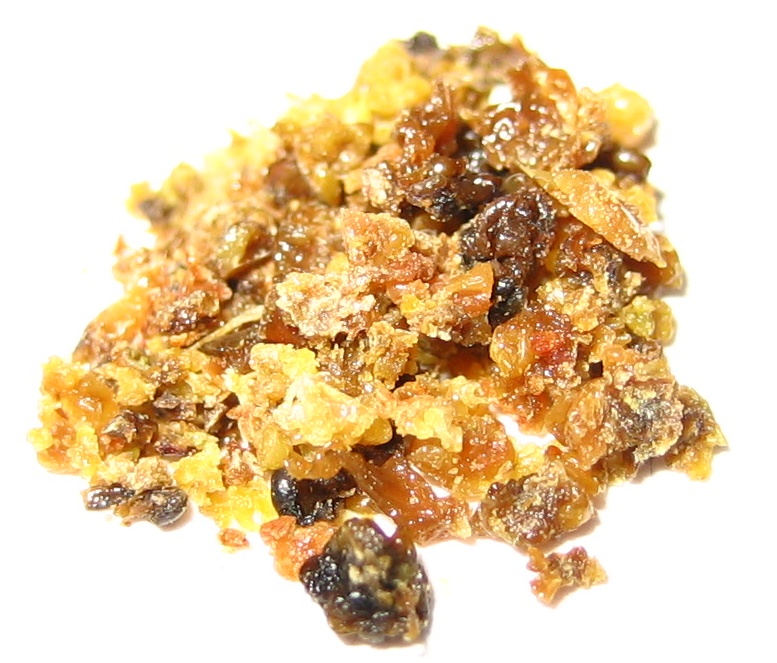
Opioids are among the world's oldest known drugs. The earliest known evidence of Papaver somniferum in a human archaeological site dates to the Neolithic period around 5,700–5,500 BCE. Its seeds have been found at Cueva de los Murciélagos in the Iberian Peninsula and La Marmotta in the Italian Peninsula.
Use of the opium poppy for medical, recreational, and religious purposes can be traced to the fourth century BC, when ideograms on Sumerians clay tablets mention the use of "Hul Gil", a "plant of joy". Opium was known to the Egyptians, and is mentioned in the Ebers Papyrus as an ingredient in a mixture for the soothing of children, and for the treatment of breast abscesses.
Opium was also known to the Greeks. It was valued by Hippocrates ( – ) and his students for its sleep-inducing properties, and used for the treatment of pain. The Latin saying "Sedare dolorem opus divinum est", trans. "Alleviating pain is the work of the divine", has been variously ascribed to Hippocrates and to Galen of Pergamum. The medical use of opium is later discussed by Pedanius Dioscorides ( – 90 AD), a Greek physician serving in the Roman army, in his five-volume work, De Materia Medica.
During the Islamic Golden Age, the use of opium was discussed in detail by Avicenna ( – June 1037 AD) in The Canon of Medicine. The book's five volumes include information on opium's preparation, an array of physical effects, its use to treat a variety of illness, contraindications for its use, its potential danger as a poison and its potential for addiction. Avicenna discouraged opium's use except as a last resort, preferring to address the causes of pain rather than trying to minimize it with analgesics. Many of Avicenna's observations have been supported by modern medical research.
Exactly when the world became aware of opium in India and China is uncertain, but opium was mentioned in the Chinese medical work (973 AD) By 1590 AD, opium poppies were a staple spring crop in the Subahs of Agra region.
The physician Paracelsus (–1541) is often credited with reintroducing opium into medical use in Western Europe, during the German Renaissance. He extolled opium's benefits for medical use. He also claimed to have an "arcanum", a pill which he called laudanum, that was superior to all others, particularly when death was to be cheated. ("Ich hab' ein Arcanum – heiss' ich Laudanum, ist über das Alles, wo es zum Tode reichen will.") Later writers have asserted that Paracelsus' recipe for laudanum contained opium, but its composition remains unknown.
Laudanum
The term laudanum was used generically for a useful medicine until the 17th century. After Thomas Sydenham introduced the first liquid tincture of opium, "laudanum" came to mean a mixture of both opium and alcohol. Sydenham's 1669 recipe for laudanum mixed opium with wine, saffron, clove and cinnamon. Sydenham's laudanum was used widely in both Europe and the Americas until the 20th century. Other popular medicines, based on opium, included Paregoric, a much milder liquid preparation for children; Black-drop, a stronger preparation; and Dover's powder.
The opium trade
Opium became a major colonial commodity, moving legally and illegally through trade networks involving India, the Portuguese, the Dutch, the British and China, among others. The British East India Company saw the opium trade as an investment opportunity in 1683 AD. In 1773 the Governor of Bengal established a monopoly on the production of Bengal opium, on behalf of the East India Company. The cultivation and manufacture of Indian opium was further centralized and controlled through a series of acts, between 1797 and 1949. The British balanced an economic deficit from the importation of Chinese tea by selling Indian opium which was smuggled into China in defiance of Chinese government bans. This led to the First (1839–1842) and Second Opium Wars (1856–1860) between China and Britain.
Morphine
In the 19th century, two major scientific advances were made that had far-reaching effects. Around 1804, German pharmacist Friedrich Sertürner isolated morphine from opium. He described its crystallization, structure, and pharmacological properties in a well-received paper in 1817. Morphine was the first alkaloid to be isolated from any medicinal plant, the beginning of modern scientific drug discovery.
The second advance, nearly fifty years later, was the refinement of the hypodermic needle by Alexander Wood and others. Development of a glass syringe with a subcutaneous needle made it possible to easily administer controlled measurable doses of a primary active compound.
Morphine was initially hailed as a wonder drug for its ability to ease pain. It could help people sleep, and had other useful side effects, including control of coughing and diarrhea. It was widely prescribed by doctors, and dispensed without restriction by pharmacists. During the American Civil War, opium and laudanum were used extensively to treat soldiers. It was also prescribed frequently for women, for menstrual pain and diseases of a "nervous character". At first it was assumed (wrongly) that this new method of application would not be addictive.
Codeine
Codeine was discovered in 1832 by Pierre Jean Robiquet. Robiquet was reviewing a method for morphine extraction, described by Scottish chemist William Gregory (1803–1858). Processing the residue left from Gregory's procedure, Robiquet isolated a crystalline substance from the other active components of opium. He wrote of his discovery: "Here is a new substance found in opium ... We know that morphine, which so far has been thought to be the only active principle of opium, does not account for all the effects and for a long time the physiologists are claiming that there is a gap that has to be filled." His discovery of the alkaloid led to the development of a generation of antitussive and antidiarrheal medicines based on codeine.
Semi-synthetic and synthetic opioids
Synthetic opioids were invented, and biological mechanisms for their actions discovered, in the 20th century. Scientists have searched for non-addictive forms of opioids, but have created stronger ones instead. In England Charles Romley Alder Wright developed hundreds of opiate compounds in his search for a nonaddictive opium derivative. In 1874 he became the first person to synthesize diamorphine (heroin), using a process called acetylation which involved boiling morphine with acetic anhydride for several hours.
Heroin received little attention until it was independently synthesized by Felix Hoffmann (1868–1946), working for Heinrich Dreser (1860–1924) at Bayer Laboratories. Dreser brought the new drug to market as an analgesic and a cough treatment for tuberculosis, bronchitis, and asthma in 1898. Bayer ceased production in 1913, after heroin's addictive potential was recognized.
Several semi-synthetic opioids were developed in Germany in the 1910s. The first, oxymorphone, was synthesized from thebaine, an opioid alkaloid in opium poppies, in 1914. Next, Martin Freund and Edmund Speyer developed oxycodone, also from thebaine, at the University of Frankfurt in 1916. In 1920, hydrocodone was prepared by Carl Mannich and Helene Löwenheim, deriving it from codeine. In 1924, hydromorphone was synthesized by adding hydrogen to morphine. Etorphine was synthesized in 1960, from the oripavine in opium poppy straw. Buprenorphine was discovered in 1972.
The first fully synthetic opioid was meperidine (Demerol), found serendipitously by German chemist Otto Eisleb (or Eislib) at IG Farben in 1932. Meperidine was the first opioid to have a structure unrelated to morphine, but with opioid-like properties. Its analgesic effects were discovered by Otto Schaumann in 1939. Gustav Ehrhart and Max Bockmühl, also at IG Farben, built on the work of Eisleb and Schaumann. They developed "Hoechst 10820" (later methadone) around 1937. In 1959 the Belgian physician Paul Janssen developed fentanyl, a synthetic opioid with 30 to 50 times the potency of heroin. Nearly 150 synthetic opioids are now known.
Criminalization and medical use
Non-clinical use of opium was criminalized in the United States by the Harrison Narcotics Tax Act of 1914, and by many other laws. The use of opioids was stigmatized, and it was seen as a dangerous substance, to be prescribed only as a last resort for dying patients. The Controlled Substances Act of 1970 eventually relaxed the harshness of the Harrison Act.
In the United Kingdom the 1926 report of the Departmental Committee on Morphine and Heroin Addiction under the Chairmanship of the President of the Royal College of Physicians reasserted medical control and established the "British system" of control—which lasted until the 1960s.
In the 1980s the World Health Organization published guidelines for prescribing drugs, including opioids, for different levels of pain. In the U.S., Kathleen Foley and Russell Portenoy became leading advocates for the liberal use of opioids as painkillers for cases of "intractable non-malignant pain". With little or no scientific evidence to support their claims, industry scientists and advocates suggested that people with chronic pain would be resistant to addiction.
The release of OxyContin in 1996 was accompanied by an aggressive marketing campaign promoting the use of opioids for pain relief. Increasing prescription of opioids fueled a growing black market for heroin. Between 2000 and 2014 there was an "alarming increase in heroin use across the country and an epidemic of drug overdose deaths".
As a result, health care organizations and public health groups, such as Physicians for Responsible Opioid Prescribing, have called for decreases in the prescription of opioids. In 2016, the Centers for Disease Control and Prevention (CDC) issued a new set of guidelines for the prescription of opioids "for chronic pain outside of active cancer treatment, palliative care, and end-of-life care" and the increase of opioid tapering.
Society and culture
Main article: Opioid epidemic
Definition
The term "opioid" originated in the 1950s. It combines "opium" + "-oid" meaning "opiate-like" ("opiates" being morphine and similar drugs derived from opium). The first scientific publication to use it, in 1963, included a footnote stating, "In this paper, the term, 'opioid', is used in the sense originally proposed by George H. Acheson (personal communication) to refer to any chemical compound with morphine-like activities". By the late 1960s, research found that opiate effects are mediated by activation of specific molecular receptors in the nervous system, which were termed "opioid receptors". The definition of "opioid" was later refined to refer to substances that have morphine-like activities that are mediated by the activation of opioid receptors. One modern pharmacology textbook states: "the term opioid applies to all agonists and antagonists with morphine-like activity, and also the naturally occurring and synthetic opioid peptides". Another pharmacology reference eliminates the morphine-like requirement: "Opioid, a more modern term, is used to designate all substances, both natural and synthetic, that bind to opioid receptors (including antagonists)". Some sources define the term opioid to exclude opiates, and others use opiate comprehensively instead of opioid, but opioid used inclusively is considered modern, preferred and is in wide use.
Efforts to reduce recreational use in the US
In 2011, the Obama administration released a white paper describing the administration's plan to deal with the opioid crisis. The administration's concerns about addiction and accidental overdosing have been echoed by numerous other medical and government advisory groups around the world.
As of 2015, prescription drug monitoring programs exist in every state except for Missouri. These programs allow pharmacists and prescribers to access patients' prescription histories in order to identify suspicious use. However, a survey of US physicians published in 2015 found that only 53% of doctors used these programs, while 22% were not aware that the programs were available to them. The Centers for Disease Control and Prevention (CDC) was tasked with establishing and publishing a new guideline, and was heavily lobbied. In 2016, the CDC published its Guideline for Prescribing Opioids for Chronic Pain, recommending that opioids only be used when benefits for pain and function are expected to outweigh risks, and then used at the lowest effective dosage, with avoidance of concurrent opioid and benzodiazepine use whenever possible. Research suggests that the prescription of high doses of opioids related to chronic opioid therapy (COT) can at times be prevented through state legislative guidelines and efforts by health plans that devote resources and establish shared expectations for reducing higher doses.
On 10 August 2017, Donald Trump declared the opioid crisis a (non-FEMA) national public health emergency.
Global shortages
Morphine and other poppy-based medicines have been identified by the World Health Organization as essential in the treatment of severe pain. As of 2002, seven countries (USA, UK, Italy, Australia, France, Spain and Japan) use 77% of the world's morphine supplies, leaving many emerging countries lacking in pain relief medication. The current system of supply of raw poppy materials to make poppy-based medicines is regulated by the International Narcotics Control Board under the provision of the 1961 Single Convention on Narcotic Drugs. The amount of raw poppy materials that each country can demand annually based on these provisions must correspond to an estimate of the country's needs taken from the national consumption within the preceding two years. In many countries, underprescription of morphine is rampant because of the high prices and the lack of training in the prescription of opiates. The World Health Organization is now working with administrations from various countries to train healthcare workers and to develop national regulations regarding drug prescription to facilitate a greater prescription of opiates.
Another idea to increase morphine availability is proposed by the ICOS, who suggest, through their proposal for Afghan Morphine, that Afghanistan could provide cheap pain relief solutions to emerging countries as part of a second-tier system of supply that would complement the current INCB regulated system by maintaining the balance and closed system that it establishes while providing finished-product morphine to people in severe pain who are unable to access opiates under the current system.
Recreational use

Opioids can produce strong feelings of euphoria and are frequently used recreationally. Traditionally associated with illicit opioids such as heroin, prescription opioids are misused recreationally.
Drug misuse and non-medical use include the use of drugs for reasons or at doses other than prescribed. Opioid misuse can also include providing medications to persons for whom it was not prescribed. Such diversion may be treated as crimes, punishable by imprisonment in many countries. In 2014, almost 2 million Americans abused or were dependent on prescription opioids.
Veterinary use
In the 17th century Robert Boyle investigated opium as a poison by giving opium to a dog. This experiment is the earliest documented use of an opioid in a domestic animal. In 1659, Christopher Wren and Boyle induced stupor in a dog via intravenous administration. Friedrich Wilhelm Adam Sertürner after isolating morphine from opium administered an aqueous alcoholic solution of morphine to four dogs and a mouse — one dog died and the others experienced sedation, convulsion, and emesis. Frederick Hobday was the first to report the varied effects of morphine in different species: in 1908 Hobday reported that morphine causes delirium in cats and horses but for dogs it induced anaesthesia. Hobday proposed that dogs be given 1/16th of a grain per pound to induce analgesia and anaesthesia in dogs. Despite the understanding of morphine's use in dogs it was not considered useful for other animals and in 1917, Howard Jay Milks wrote that morphine did not induce analgesia in animals other than dogs. Milks did report that 2 to 5 grains of morphine induced sedation in horses. Most research afterwards was more concerned with adverse effects of morphine as opposed to analgesic potential and opioids were not frequently used until the 1980s in veterinary practice, when an increased awareness of providing analgesia began to occur. Common routes for administration of opioids in veterinary medicine are intra-articular, intravenous, subcutaneous, intramuscular, intranasal, and transdermal. Common opioids in veterinary medicine are: morphine, fentanyl, and buprenorphine. Livestock are not usually given opioids due to a stand down period where an animal cannot be used for milking or slaughter following administration and strict regulations that require precise record keeping on administration of opioids.
Classification
There are a number of broad classes of opioids:
- Natural opiates: alkaloids contained in the resin of the opium poppy, primarily morphine, codeine, and thebaine, but not papaverine and noscapine which have a different mechanism of action
- Esters of morphine opiates: slightly chemically altered but more natural than the semi-synthetics, as most are morphine prodrugs, diacetylmorphine (morphine diacetate; heroin), nicomorphine (morphine dinicotinate), dipropanoylmorphine (morphine dipropionate), acetylpropionylmorphine, dibenzoylmorphine, diacetyldihydromorphine;
- Semi-synthetic opioids: created from either the natural opiates or morphine esters, such as hydromorphone, hydrocodone, oxycodone, oxymorphone, ethylmorphine, buprenorphine and desomorphine;
- Fully synthetic opioids: such as fentanyl, pethidine, levorphanol, methadone, tramadol, tapentadol, and dextropropoxyphene;
- Endogenous opioid peptides, produced naturally in the body, such as endorphins, enkephalins, dynorphins, and endomorphins.
- Endogenous opioids, non-peptide: Morphine, and some other opioids, which are produced in small amounts in the body, are included in this category.
- Natural opioids, non-animal, non-opiate: the leaves from Mitragyna speciosa (kratom) contain a few naturally occurring opioids, active via Mu- and Delta receptors. Salvinorin A, found naturally in the Salvia divinorum plant, is a kappa-opioid receptor agonist.
Tramadol and tapentadol, which act as monoamine uptake inhibitors also act as mild and potent agonists (respectively) of the μ-opioid receptor. Both drugs produce analgesia even when naloxone, an opioid antagonist, is administered.
Some minor opium alkaloids and various substances with opioid action are also found elsewhere, including molecules present in kratom, Corydalis, and Salvia divinorum plants and some species of poppy aside from Papaver somniferum. There are also strains which produce copious amounts of thebaine, an important raw material for making many semi-synthetic and synthetic opioids. Of all of the more than 120 poppy species, only two produce morphine.
Amongst analgesics there are a small number of agents which act on the central nervous system but not on the opioid receptor system and therefore have none of the other (narcotic) qualities of opioids although they may produce euphoria by relieving pain—a euphoria that, because of the way it is produced, does not form the basis of habituation, physical dependence, or addiction. Foremost amongst these are nefopam, orphenadrine, and perhaps phenyltoloxamine or some other antihistamines. Tricyclic antidepressants have painkilling effect as well, but they're thought to do so by indirectly activating the endogenous opioid system. Paracetamol is predominantly a centrally acting analgesic (non-narcotic) which mediates its effect by action on descending serotonergic pathways, to increase 5-HT release (which inhibits release of pain mediators). It also decreases cyclo-oxygenase activity. It has recently been discovered that most or all of the therapeutic efficacy of paracetamol is due to a metabolite, AM404, which enhances the release of serotonin and inhibits the uptake of anandamide.
Other analgesics work peripherally (i.e., not on the brain or spinal cord). Research is starting to show that morphine and related drugs may indeed have peripheral effects as well, such as morphine gel working on burns. Recent investigations discovered opioid receptors on peripheral sensory neurons. A significant fraction (up to 60%) of opioid analgesia can be mediated by such peripheral opioid receptors, particularly in inflammatory conditions such as arthritis, traumatic or surgical pain. Inflammatory pain is also blunted by endogenous opioid peptides activating peripheral opioid receptors.
It was discovered in 1953, that humans and some animals naturally produce minute amounts of morphine, codeine, and possibly some of their simpler derivatives like heroin and dihydromorphine, in addition to endogenous opioid peptides. Some bacteria are capable of producing some semi-synthetic opioids such as hydromorphone and hydrocodone when living in a solution containing morphine or codeine respectively.
Many of the alkaloids and other derivatives of the opium poppy are not opioids or narcotics; the best example is the smooth-muscle relaxant papaverine. Noscapine is a marginal case as it does have CNS effects but not necessarily similar to morphine, and it is probably in a category all its own.
Dextromethorphan (the stereoisomer of levomethorphan, a semi-synthetic opioid agonist) and its metabolite dextrorphan have no opioid analgesic effect at all despite their structural similarity to other opioids; instead they are potent NMDA antagonists and sigma 1 and 2-receptor agonists and are used in many over-the-counter cough suppressants.
Salvinorin A is a unique selective, powerful ĸ-opioid receptor agonist. It is not properly considered an opioid nevertheless, because:
- chemically, it is not an alkaloid; and
- it has no typical opioid properties: absolutely no anxiolytic or cough-suppressant effects. It is instead a powerful hallucinogen.
| Opioid peptides | Skeletal molecular images | ||
|---|---|---|---|
| Adrenorphin | [[File:Adrenorphin slim.svg | 125 px | Chemical structure of Adrenorphin]] |
| Amidorphin | [[File:Amidorphin.svg | 125 px | Chemical structure of Amidorphin.]] |
| Casomorphin | [[File:Bovine β-casomorphin 7.svg | 125 px | Chemical structure of Bovine β-casomorphin.]] |
| DADLE | [[File:2-D-Alanine-5-D-leucine-enkephalin.png | 125 px | Chemical structure of DADLE.]] |
| DAMGO | [[File:DAMGO.svg | 125 px | Chemical structure of DAMGO.]] |
| Dermorphin | [[File:Dermorphin.svg | 125 px | Chemical structure of Dermorphin.]] |
| Endomorphin | [[File:Endomorphin 1.svg | 125 px | Chemical structure of Endomorphin 1.]] |
| Morphiceptin | [[File:Morphiceptin.svg | 125 px | Chemical structure of Morphiceptin.]] |
| Nociceptin | [[File:Nociceptin.png | 125 px | Chemical structure of Nociceptin.]] |
| Octreotide | [[File:Octreotide.svg | 125 px | Chemical structure of Octreotide.]] |
| Opiorphin | [[File:Opiorphin.png | 125 px | Chemical structure of Opiorphin.]] |
| TRIMU 5 | [[File:TRIMU 5.png | 125 px | Chemical structure of TRIMU 5.]] |
Endogenous opioids
Opioid-peptides that are produced in the body include:
- Endorphins
- Enkephalins
- Dynorphins
- Endomorphins β-endorphin is expressed in Pro-opiomelanocortin (POMC) cells in the arcuate nucleus, in the brainstem and in immune cells, and acts through μ-opioid receptors. β-endorphin has many effects, including on sexual behavior and appetite. β-endorphin is also secreted into the circulation from pituitary corticotropes and melanotropes. α-neoendorphin is also expressed in POMC cells in the arcuate nucleus.
Met-enkephalin is widely distributed in the CNS and in immune cells; [met]-enkephalin is a product of the proenkephalin gene, and acts through μ and δ-opioid receptors. leu-enkephalin, also a product of the proenkephalin gene, acts through δ-opioid receptors.
Dynorphin acts through κ-opioid receptors, and is widely distributed in the CNS, including in the spinal cord and hypothalamus, including in particular the arcuate nucleus and in both oxytocin and vasopressin neurons in the supraoptic nucleus.
Endomorphin acts through μ-opioid receptors, and is more potent than other endogenous opioids at these receptors.
Opium alkaloids and derivatives
Opium alkaloids
Phenanthrenes naturally occurring in (opium):
- Codeine
- Morphine
- Thebaine
- Oripavine Preparations of mixed opium alkaloids, including papaveretum, are still occasionally used.
Esters of morphine
- Diacetylmorphine (morphine diacetate; heroin)
- Nicomorphine (morphine dinicotinate)
- Dipropanoylmorphine (morphine dipropionate)
- Diacetyldihydromorphine
- Acetylpropionylmorphine
- Desomorphine
- Methyldesorphine
- Dibenzoylmorphine
Ethers of morphine
- Dihydrocodeine
- Ethylmorphine
- Heterocodeine
Semi-synthetic alkaloid derivatives
- Buprenorphine
- Etorphine
- Hydrocodone
- Hydromorphone
- Oxycodone (sold as OxyContin)
- Oxymorphone
Synthetic opioids
Anilidopiperidines
- Fentanyl (see also list of fentanyl analogues)
- Alphamethylfentanyl
- Alfentanil
- Sufentanil
- Remifentanil
- Carfentanyl
- Ohmefentanyl
- Ohmecarfentanil
Benzimidazoles
Main article: List of benzimidazole opioids
- Metodesnitazene (Metazene)
- Etodesnitazene (Etazene)
- Etonitazepyne
- Etonitazepipne
- Nitazene opioids, which are a subgroup of benzimidazoles opioids
- Metonitazene
- Etonitazene
- Isotonitazene
- Clonitazene
Phenylpiperidines
- Pethidine (meperidine)
- Ketobemidone
- MPPP
- Allylprodine
- Prodine
- PEPAP
- Promedol
Diphenylpropylamine derivatives
- Propoxyphene
- Dextropropoxyphene
- Dextromoramide
- Bezitramide
- Piritramide
- Methadone
- Dipipanone
- Levomethadyl acetate (LAAM)
- Difenoxin
- Diphenoxylate
- Loperamide (does cross the blood–brain barrier but is quickly pumped into the non-central nervous system by P-Glycoprotein. Mild opiate withdrawal in animal models exhibits this action after sustained and prolonged use including rhesus monkeys, mice, and rats.)
Benzomorphan derivatives
- Dezocine—agonist/antagonist
- Pentazocine—agonist/antagonist
- Phenazocine
Oripavine derivatives
- Buprenorphine—partial agonist
- Dihydroetorphine
- Etorphine
Morphinan derivatives
- Butorphanol—agonist/antagonist
- Nalbuphine—agonist/antagonist
- Levorphanol
- Levomethorphan
- Racemethorphan
Others
- Lefetamine
- Meptazinol
- Mitragynine
- Tilidine
- Tramadol
- Tapentadol
- Eluxadoline
- Bucinnazine
- 7-Hydroxymitragynine
Allosteric modulators
Plain allosteric modulators do not belong to the opioids, instead they are classified as opioidergics.
[[Opioid antagonist]]s
- Nalmefene
- Naloxone
- Naltrexone
- Methylnaltrexone (Methylnaltrexone is only peripherally active as it does not cross the blood–brain barrier in sufficient quantities to be centrally active. As such, it can be considered the antithesis of loperamide.)
- Naloxegol (Naloxegol is only peripherally active as it does not cross the blood–brain barrier in sufficient quantities to be centrally active. As such, it can be considered the antitheses of loperamide.)
Tables of opioids
Table of morphinan opioids
| 3,6-diesters of morphine | Codeine-dionine family | Morphinones and morphols | Various semi-synthetics | Active opiate metabolites | Synthetic morphinans | Orvinols & Oripavine derivatives | Opioid antagonists & inverse agonists | Morphinan dimers | ||||||||||
|---|---|---|---|---|---|---|---|---|---|---|---|---|---|---|---|---|---|---|
| [[File:Acetylpropionylmorphine.svg | 149 px | Chemical structure of acetylpropionylmorphine.]] | [[File:Dihydroheroin.svg | 149 px | Chemical structure of dihydroheroin.]] | [[File:Dibenzoylmorphine Structure.svg | 125 px | Chemical structure of dibenzoylmorphine.]] | [[File:Dipropanoylmorphine.svg | 125 px | Chemical structure of dipropanoylmorphine.]] | [[File:Heroin v2.svg | 125 px | Chemical structure of diacetylmorphine.]] | ||||
| [[File:Nicomorphine.svg | 125 px | Chemical structure of Nicomorphine.]] | ||||||||||||||||
| [[File:Codein - Codeine.svg | 135 px | Chemical structure of Codeine.]] | [[File:6-MAC.svg | 135 px | Chemical structure of 6-MAC.]] | [[File:Benzylmorphine.svg | 124 px | Chemical structure of Benzylmorphine.]] | [[File:Codeine methylbromide.png | 112 px | Chemical structure of Codeine methylbromide.]] | [[File:Dihydroheterocodeine.svg | 88 px | Chemical structure of Dihydroheterocodeine.]] | ||||
| [[File:Ethylmorphine.svg | 135 px | Chemical structure of ethylmorphine.]] | [[File:Heterocodeine.svg | 112 px | Chemical structure of heterocodeine.]] | [[File:Pholcodine.svg | 135 px | Chemical structure of pholcodine.]] | [[File:Myrophine.svg | 135 px | Chemical structure of myrophine.]] | [[File:Methyldihydromorphine.svg | 135 px | Chemical structure of Methyldihydromorphine.]] | ||||
| [[File:14-Cinnamoyloxycodeinone.png | 125 px | Chemical structure of 14-Cinnamoyloxycodeinone.]] | [[File:14-ethoxymetopon.svg | 102 px | Chemical structure of 14-ethoxymetopon.]] | [[File:14-Methoxymetopon.svg | 102 px | Chemical structure of 14-methoxymetopon.]] | [[File:14-phenylpropoxymetopon.svg | 102 px | Chemical structure of 14-phenylpropoxymetopon.]] | [[File:7-Spiroindanyloxymorphone.svg | 102 px | Chemical structure of 7-Spiroindanyloxymorphone.]] | ||||
| [[File:Acetylmorphone.svg | 125 px | Chemical structure of Acetylmorphone.]] | [[File:Codeinone.svg | 102 px | Chemical structure of Codeinone.]] | [[File:Conorfone2DCSD.svg | 102 px | Chemical structure of Conorphone.]] | [[File:Codoxime.svg | 102 px | Chemical structure of Codoxime.]] | [[File:Thebacon structure.svg | 102 px | Chemical structure of Thebacon.]] | ||||
| [[File:Hydrocodone.svg | 125 px | Chemical structure of Hydrocodone.]] | [[File:Hydromorphone - Hydromorphon.svg | 102 px | Chemical structure of Hydromorphone.]] | [[File:Metopon.png | 102 px | Chemical structure of Metopon.]] | [[File:Morphinone.svg | 102 px | Chemical structure of Morphinone.]] | [[File:N-Phenethyl-14-ethoxymetopon.svg | 102 px | Chemical structure of N-Phenethyl-14-ethoxymetopon.]] | ||||
| [[File:Oxycodone.svg | 125 px | Chemical structure of Oxycodone.]] | [[File:Oxymorphone 2D structure.svg | 102 px | Chemical structure of Oxymorphone.]] | [[File:Pentamorphone2DCSD.svg | 102 px | Chemical structure of Pentamorphone.]] | [[File:Semorphone.svg | 102 px | Chemical structure of Semorphone.]] | |||||||
| [[File:Chloromorphide.svg | 128 px | Chemical structure of Chloromorphide.]] | [[File:14-Hydroxydihydrocodeine.svg | 116 px | Chemical structure of 14-Hydroxydihydrocodeine.]] | [[File:Acetyldihydrocodeine.svg | 104 px | Chemical structure of Acetyldihydrocodeine.]] | [[File:Dihydrocodeine skeletal.svg | 88 px | Chemical structure of Dihydrocodeine.]] | [[File:Nalbuphine.svg | 116 px | Chemical structure of Nalbuphine.]] | ||||
| [[File:Nicocodeine.svg | 104 px | Chemical structure of Nicocodeine.]] | [[File:Nicodicodeine.svg | 104 px | Chemical structure of Nicodicodeine.]] | [[File:Oxymorphazone.svg | 128 px | Chemical structure of Oxymorphazone.]] | [[File:1-Iodomorphine.svg | 116 px | Chemical structure of 1-Iodomorphine.]] | |||||||
| [[File:Morphine 6-glucuronide.png | 127 px | Chemical structure of Morphine 6-glucuronide.]] | [[File:6-MAM.svg | 115 px | Chemical structure of 6-MAM.]] | [[File:Norcodeine.svg | 103 px | Chemical structure of Norcodeine.]] | [[File:Normorphine.svg | 92 px | Chemical structure of Normorphine.]] | [[File:Morphine N-oxide.svg | 105 px | Chemical structure of Morphine N-oxide.]] | ||||
| [[File:Cyclorphan structure.svg | 127 px | Chemical structure of Cyclorphan.]] | [[File:Dextrallorphan.svg | 127 px | Chemical structure of Dextrallorphan.]] | [[File:Levorphanol.svg | 127 px | Chemical structure of Levorphanol.]] | [[File:Levophenacylmorphan.svg | 127 px | Chemical structure of Levophenacylmorphan.]] | [[File:Levomethorphan.svg | 103 px | Chemical structure of Levomethorphan.]] | ||||
| [[File:3-Hydroxymorphinan.svg | 146 px | Chemical structure of Norlevorphanol.]] | [[File:Oxilorphan.svg | 150 px | Chemical structure of Oxilorphan.]] | [[File:Phenomorphan.svg | 128 px | Chemical structure of Phenomorphan.]] | [[File:Furethylnorlevorphanol.svg | 146 px | Chemical structure of Furethylnorlevorphanol.]] | [[File:Xorphanol.svg | 127 px | Chemical structure of Xorphanol.]] | ||||
| [[File:Butorphanol structure.svg | 127 px | Chemical structure of Butorphanol.]] | [[File:Cyprodime.svg | 127 px | Chemical structure of Cyprodime.]] | [[File:Drotebanol.svg | 127 px | Chemical structure of Drotebanol.]] | ||||||||||
| [[File:Endoethenotetrahydrooripavine.svg | 132 px | Chemical structure of 6,14-Endoethenotetrahydrooripavine.]] | [[File:7-PET.svg | 132 px | Chemical structure of 7-PET.]] | [[File:Acetorphine structure.svg | 109 px | Chemical structure of Acetorphine.]] | [[File:BU-48.svg | 132 px | Chemical structure of BU-48.]] | [[File:Buprenorphin.svg | 132 px | Chemical structure of Buprenorphine.]] | ||||
| [[File:Cyprenorphine Structure.svg | 109 px | Chemical structure of Cyprenorphine.]] | [[File:Dihydroetorphine.svg | 110 px | Chemical structure of Dihydroetorphine.]] | [[File:Etorphine.svg | 122 px | Chemical structure of Etorphine.]] | [[File:Norbuprenorphine.png | 122 px | Chemical structure of Norbuprenorphine.]] | [[File:Thienorphine.svg | 130 px | Chemical structure of Thienorphine]] | ||||
| [[File:5'-Guanidinonaltrindole.svg | 138 px | Chemical structure of 5'-Guanidinonaltrindole.]] | [[File:Diprenorphine.svg | 115 px | Chemical structure of Diprenorphine.]] | [[File:Levallorphan.svg | 115 px | Chemical structure of Levallorphan.]] | [[File:Methylnaltrexone.svg | 115 px | Chemical structure of Methylnaltrexone.]] | [[File:Nalfurafine.svg | 115 px | Chemical structure of Nalfurafine.]] | ||||
| [[File:Nalmefene.svg | 115 px | Chemical structure of Nalmefene.]] | [[File:Naloxazone.svg | 115 px | Chemical structure of Naloxazone.]] | [[File:Naloxone.svg | 115 px | Chemical structure of Naloxone.]] | [[File:Nalorphine.svg | 115 px | Chemical structure of Nalorphine.]] | [[File:Naltrexone skeletal.svg | 115 px | Chemical structure of Naltrexone.]] | ||||
| [[File:Naltriben.svg | 115 px | Chemical structure of Naltriben.]] | [[File:Naltrindole.png | 115 px | Chemical structure of Naltrindole.]] | [[File:6β-Naltrexol-d4.png | 115 px | Chemical structure of 6β-Naltrexol-d4]] | [[File:IBNtxA_Structure.svg | 135 px | Chemical structure of IBNtxA]] | |||||||
| [[File:Pseudomorphine skeletal.svg | 135 px | Chemical structure of Pseudomorphine]] | [[File:Naloxonazine.png | 140 px | Chemical structure of Naloxonazine]] | [[File:Nor-BNI.png | 130 px | Chemical structure of Norbinaltorphimine]] | [[File:Somniferine.svg | 115 px | Chemical structure of Somniferine]] |
|}
Table of non-morphinan opioids
| Benzomorphans | 4-Phenylpiperidines | Open chain opioids | Anilidopiperidines | Various others | ||||||||||
|---|---|---|---|---|---|---|---|---|---|---|---|---|---|---|
| [[File:8-Carboxamidocyclazocine.svg | 135 px | Chemical structure of 8-Carboxamidocyclazocine.]] | [[File:Alazocine.svg | 135 px | Chemical structure of Allylnormetazocine.]] | [[File:Bremazocine.svg | 135 px | Chemical structure of Bremazocine.]] | [[File:Dezocine structure.svg | 135 px | Chemical structure of Dezocine.]] | [[File:Ketazocine.svg | 135 px | Chemical structure of Ketazocine.]] |
| [[File:metazocine.svg | 135 px | Chemical structure of Metazocine.]] | [[File:Pentazocine formula.svg | 135 px | Chemical structure of Pentazocine.]] | [[File:Phenazocine.png | 135 px | Chemical structure of Phenazocine.]] | [[File:Cyclazocine.png | 135 px | Chemical structure of Cyclazocine.]] | |||
| [[File:4-Fluoromeperidine.png | 135 px | Chemical structure of 4-Fluoromeperidine.]] | [[File:WIN-7681.svg | 135 px | Chemical structure of WIN-7681.]] | [[File:Anileridine.svg | 135 px | Chemical structure of Anileridine.]] | [[File:Benzethidine.svg | 135 px | Chemical structure of Benzethidine.]] | [[File:Carperidine.svg | 135 px | Chemical structure of Carperidine.]] |
| [[File:Difenoxin.svg | 135 px | Chemical structure of Difenoxin.]] | [[File:Diphenoxylat.svg | 135 px | Chemical structure of Diphenoxylate.]] | [[File:Etoxeridine.svg | 135 px | Chemical structure of Etoxeridine.]] | [[File:Furethidine.svg | 135 px | Chemical structure of Furethidine.]] | [[File:Hydroxypethidine.svg | 135 px | Chemical structure of Hydroxypethidine.]] |
| [[File:Morpheridine.svg | 135 px | Chemical structure of Morpheridine.]] | [[File:Oxpheneridine.svg | 135 px | Chemical structure of Oxpheneridine.]] | [[File:Pethidine.svg | 135 px | Chemical structure of Pethidine.]] | [[File:Pheneridine.svg | 135 px | Chemical structure of Pheneridine.]] | [[File:Phenoperidine.svg | 135 px | Chemical structure of Phenoperidine.]] |
| [[File:Piminodine.svg | 135 px | Chemical structure of Piminodine.]] | [[File:Properidine.svg | 135 px | Chemical structure of Properidine.]] | [[File:Sameridine.svg | 135 px | Chemical structure of Sameridine.]] | [[File:Allylprodine.svg | 135 px | Chemical structure of Allylprodine.]] | [[File:Alphameprodine.svg | 135 px | Chemical structure of α-meprodine.]] |
| [[File:MPPP.svg | 135 px | Chemical structure of Desmethylprodine.]] | [[File:PEPAP.svg | 135 px | Chemical structure of PEPAP.]] | [[File:Alphaprodine.svg | 135 px | Chemical structure of α-prodine.]] | [[File:Prosidol.svg | 135 px | Chemical structure of Prosidol.]] | [[File:Trimeperidine.svg | 135 px | Chemical structure of Trimeperidine.]] |
| [[File:Acetoxyketobemidone.svg | 135 px | Chemical structure of Acetoxyketobemidone.]] | [[File:Droxypropine.png | 135 px | Chemical structure of Droxypropine.]] | [[File:Ketobemidon.svg | 135 px | Chemical structure of Ketobemidone.]] | [[File:Methylketobemidone.svg | 135 px | Chemical structure of Methylketobemidone.]] | [[File:Propylketobemidone.svg | 135 px | Chemical structure of Propylketobemidone.]] |
| [[File:Alvimopan.svg | 135 px | Chemical structure of Alvimopan.]] | [[File:Loperamide.svg | 135 px | Chemical structure of Loperamide.]] | [[File:Picenadol.svg | 135 px | Chemical structure of Picenadol.]] | ||||||
| [[File:Dipipanone.svg | 135 px | Chemical structure of Dipipanone.]] | [[File:Methadone.svg | 135 px | Chemical structure of Methadone.]] | [[File:Normethadone.png | 135 px | Chemical structure of Normethadone.]] | [[File:Phenadoxone.svg | 135 px | Chemical structure of Phenadoxone.]] | [[File:Dimepheptanol.svg | 135 px | Chemical structure of Dimepheptanol.]] |
| [[File:Levacetylmethadol.svg | 135 px | Chemical structure of Levacetylmethadol.]] | [[File:Dextromoramide-2D-skeletal.png | 135 px | Chemical structure of Dextromoramide.]] | [[File:Levomoramide.svg | 135 px | Chemical structure of Levomoramide.]] | [[File:Racemoramide.svg | 135 px | Chemical structure of Racemoramide.]] | [[File:Diethylthiambutene structure.svg | 135 px | Chemical structure of Diethylthiambutene]] |
| [[File:Dimethylthiambutene structure.svg | 135 px | Chemical structure of Dimethylthiambutene.]] | [[File:Ethylmethylthiambutene structure.svg | 135 px | Chemical structure of Ethylmethylthiambutene.]] | [[File:Piperidylthiambutene.png | 135 px | Chemical structure of Piperidylthiambutene]] | [[File:Pyrrolidinylthiambutene.svg | 135 px | Chemical structure of Pyrrolidinylthiambutene.]] | [[File:Thiambutene Structure.svg | 135 px | Chemical structure of Thiambutene.]] |
| [[File:Tipepidine.svg | 135 px | Chemical structure of Tipepidine.]] | [[File:Dextropropoxyphene structure.svg | 135 px | Chemical structure of Dextropropoxyphene.]] | [[File:Dimenoxadol.svg | 135 px | Chemical structure of Dimenoxadol.]] | [[File:Spasmoxal.svg | 135 px | Chemical structure of Dioxaphetyl butyrate.]] | [[File:Levopropoxyphene structure.svg | 135 px | Chemical structure of Levopropoxyphene.]] |
| [[File:Norpropoxyphene.png | 135 px | Chemical structure of Norpropoxyphene.]] | [[File:Diampromide.svg | 135 px | Chemical structure of Diampromide.]] | [[File:Phenampromide.svg | 135 px | Chemical structure of Phenampromide.]] | [[File:Propiram.svg | 135 px | Chemical structure of Propiram.]] | [[File:IC-26 structure.svg | 135 px | Chemical structure of IC-26 structure.]] |
| [[File:Isoaminile.png | 135 px | Chemical structure of Isoaminile.]] | [[File:Lefetamine.svg | 135 px | Chemical structure of Lefetamine.]] | [[File:R-4066.svg | 135 px | Chemical structure of R-4066.]] | ||||||
| [[File:3-allylfentanyl.svg | 125 px | Chemical structure of 3-allylfentanyl.]] | [[File:3-Methylfentanyl.svg | 125 px | Chemical structure of 3-Methylfentanyl.]] | [[File:3-Methylthiofentanyl.svg | 125 px | Chemical structure of 3-Methylthiofentanyl.]] | [[File:4-Phenylfentanyl.png | 125 px | Chemical structure of 4-Phenylfentanyl.]] | [[File:Alfentanil-2D-skeletal.svg | 125 px | Chemical structure of Alfentanil.]] |
| [[File:Alphamethylacetylfentanyl.svg | 125 px | Chemical structure of α-methylacetylfentanyl.]] | [[File:Alphamethylfentanyl.svg | 125 px | Chemical structure of α-methylfentanyl.]] | [[File:Alphamethylthiofentanyl.svg | 125 px | Chemical structure of α-methylthiofentanyl.]] | [[File:Betahydroxyfentanyl.svg | 125 px | Chemical structure of β-hydroxyfentanyl.]] | [[File:Betahydroxythiofentanyl.svg | 125 px | Chemical structure of β-hydroxythiofentanyl.]] |
| [[File:Betamethylfentanyl.svg | 125 px | Chemical structure of β-methylfentanyl.]] | [[File:Brifentanil Structural Formulae.png | 125 px | Chemical structure of Brifentanil.]] | [[File:Carfentanil.svg | 125 px | Chemical structure of Carfentanil.]] | [[File:Fentanyl.svg | 125 px | Chemical structure of Fentanyl.]] | [[File:Lofentanil.svg | 125 px | Chemical structure of Lofentanil.]] |
| [[File:Mirfentanil.png | 125 px | Chemical structure of Mirfentanil.]] | [[File:Ocfentanil.png | 125 px | Chemical structure of Ocfentanil.]] | [[File:Ohmefentanyl.svg | 125 px | Chemical structure of Ohmefentanyl.]] | [[File:Parafluorofentanyl.svg | 125 px | Chemical structure of Parafluorofentanyl.]] | [[File:Phenaridine.svg | 125 px | Chemical structure of Phenaridine.]] |
| [[File:Remifentanil-2D-skeletal.svg | 125 px | Chemical structure of Remifentanil.]] | [[File:Sufentanil.svg | 125 px | Chemical structure of Sufentanil.]] | [[File:Thiofentanyl.svg | 125 px | Chemical structure of Thiofentanyl.]] | [[File:Trefentanil Structure.svg | 125 px | Chemical structure of Trefentanil.]] | |||
| [[File:Ethoheptazine.png | 135 px | Chemical structure of Ethoheptazine.]] | [[File:Metheptazine_structure.png | 135 px | Chemical structure of Metheptazine.]] | [[File:Metethoheptazine_structure.png | 135 px | Chemical structure of Metethoheptazine.]] | [[File:Proheptazine.svg | 135 px | Chemical structure of Proheptazine.]] | [[File:Bezitramide.svg | 135 px | Chemical structure of Bezitramide.]] |
| [[File:Piritramide Structural Formulae V.1.svg | 135 px | Chemical structure of Piritramide.]] | [[File:Clonitazene.svg | 135 px | Chemical structure of Clonitazene.]] | [[File:Etonitazene.svg | 135 px | Chemical structure of Etonitazene.]] | [[File:18-Methoxycoronaridine.svg | 135 px | Chemical structure of 18-Methoxycoronaridine.]] | [[File:7-Hydroxymitragynine.svg | 135 px | Chemical structure of 7-Hydroxymitragynine.]] |
| [[File:Akuammine.svg | 135 px | Chemical structure of Akuammine.]] | [[File:Eseroline.png | 135 px | Chemical structure of Eseroline.]] | [[File:Hodgkinsine.svg | 135 px | Chemical structure of Hodgkinsine.]] | [[File:Mitragynine v2.svg | 135 px | Chemical structure of Mitragynine.]] | [[File:Pericine.svg | 135 px | Chemical structure of Pericine.]] |
| [[File:BW373U86.svg | 135 px | Chemical structure of BW373U86.]] | [[File:DPI-221.svg | 135 px | Chemical structure of DPI-221.]] | [[File:DPI-287.svg | 135 px | Chemical structure of DPI-287.]] | [[File:DPI-3290.svg | 135 px | Chemical structure of DPI-3290.]] | [[File:SNC-80.svg | 135 px | Chemical structure of SNC-80.]] |
| [[File:AD-1211_2D.svg | 135 px | Chemical structure of AD-1211.]] | [[File:AH-7921 structure.png | 135 px | Chemical structure of AH-7921.]] | [[File:Azaprocin.svg | 135 px | Chemical structure of Azaprocin.]] | [[File:Bromadol.png | 135 px | Chemical structure of Bromadol.]] | [[File:BRL-52537 structure.png | 135 px | Chemical structure of BRL-52537.]] |
| [[File:(R,R)-Bromadoline.svg | 135 px | Chemical structure of Bromadoline.]] | [[File:C-8813.svg | 135 px | Chemical structure of C-8813.]] | [[File:Ciramadol.svg | 135 px | Chemical structure of Ciramadol.]] | [[File:Doxpicomine_Structure.svg | 135 px | Chemical structure of Doxpicomine.]] | [[File:Enadoline2d.png | 135 px | Chemical structure of Enadoline.]] |
| [[File:Faxeladol Structural Formulae (1R,2R).png | 135 px | Chemical structure of Faxeladol.]] | [[File:GR-89696 structure.png | 135 px | Chemical structure of GR-89696.]] | [[File:Herkinorin.svg | 135 px | Chemical structure of Herkinorin.]] | [[File:ICI-199,441 Structure.svg | 135 px | Chemical structure of ICI-199441.]] | [[File:ICI-204,448 Structure.svg | 135 px | Chemical structure of ICI-204448.]] |
| [[File:J-113,397 structure.png | 135 px | Chemical structure of J-113397.]] | [[File:JTC-801.png | 135 px | Chemical structure of JTC-801.]] | [[File:LPK-26 structure.png | 135 px | Chemical structure of LPK-26.]] | [[File:Methopholine.svg | 135 px | Chemical structure of Methopholine.]] | [[File:MT-45 svg.svg | 135 px | Chemical structure of MT-45.]] |
| [[File:N-Desmethylclozapine.png | 135 px | Chemical structure of N-Desmethylclozapine.]] | [[File:NNC630532.png | 135 px | Chemical structure of NNC 63-0532.]] | [[File:Nortilidine.svg | 135 px | Chemical structure of Nortilidine.]] | [[File:Desmethyltramadol.svg | 135 px | Chemical structure of O-Desmethyltramadol.]] | [[File:Prodilidine.svg | 135 px | Chemical structure of Prodilidine.]] |
| [[File:Profadol skeletal.svg | 135 px | Chemical structure of Profadol.]] | [[File:Ro64-6198 structure.png | 135 px | Chemical structure of Ro64-6198.]] | [[File:SB-612,111.svg | 135 px | Chemical structure of SB-612111.]] | [[File:SC-17599.svg | 135 px | Chemical structure of SC-17599.]] | [[File:RWJ-394,674.png | 135 px | Chemical structure of RWJ-394,674.]] |
| [[File:TAN-67.png | 135 px | Chemical structure of TAN-67.]] | [[File:Tapentadol.svg | 135 px | Chemical structure of Tapentadol.]] | [[File:Tifluadom.png | 135 px | Chemical structure of Tifluadom.]] | [[File:(1R,2R)-Tramadol.svg | 135 px | Chemical structure of Tramadol.]] | [[File:Trimebutine.png | 135 px | Chemical structure of Trimebutine.]] |
| [[File:U-50488.png | 135 px | Chemical structure of U-50488.]] | [[File:U-69593 structure.png | 135 px | Chemical structure of U-69593.]] | [[File:Viminol2DACS.svg | 135 px | Chemical structure of Viminol.]] | [[File:Z-W-18.svg | 135 px | Chemical structure of W-18.]] | [[File:Alvimopan.svg | 135 px | Chemical structure of Alvimopan.]] |
| [[File:JDTic2DCSD2.svg | 135 px | Chemical structure of JDTic.]] | [[File:MCOPPB.svg | 135 px | Chemical structure of MCOPPB.]] | [[File:3-(dimethylamino)-2,2-dimethyl-1-phenylpropan-1-one.svg | 135 px | Chemical structure of Beta-amine ketone 'compound 29']] |
|}
References
References
- (2013). "Pharmacology and physiology for anesthesia: foundations and clinical application". Elsevier/Saunders.
- (2013). "Pharmacology and Physiology for Anesthesia: Foundations and Clinical Application: Expert Consult – Online and Print". Elsevier Health Sciences.
- (2023-05-11). "Opioids".
- (2014). "Pharmacology and Physiology for Anesthesia: Foundations and Clinical Application: Expert Consult - Online and Print". Elsevier Health Sciences.
- "Alcohol and Drug Policy Commission : Opiates or Opioids — What's the difference?: State of Oregon".
- (2009). "Textbook of Drug Design and Discovery, Fourth Edition". CRC Press.
- (2014). "Zoo Animal and Wildlife Immobilization and Anesthesia". John Wiley & Sons.
- "Carfentanil".
- (October 2004). "Intentional overdose of Large Animal Immobilon". European Journal of Emergency Medicine.
- (2016). "Drug Dealer, MD: How Doctors Were Duped, Patients Got Hooked, and Why It's So Hard to Stop". Johns Hopkins University Press.
- "New Execution Methods Can't Disguise Same Old Death Penalty Problems".
- "Overview of Lethal Injection Protocols".
- (June 2019). "Drug Facts: Prescription Opioids".
- (31 August 2016). "FDA requires strong warnings for opioid analgesics, prescription opioid cough products, and benzodiazepine labeling related to serious risks and death from combined use".
- "World Drug Report 2015".
- "World Drug Report 2023". UNITED NATIONS OFFICE ON DRUGS AND CRIME.
- "Advancing Access to Addiction Medications: Implications for Opioid Addiction Treatment".
- (September 2015). "Non-Medical Prescription Opioid Use and Prescription Opioid Use Disorder: A Review". The Yale Journal of Biology and Medicine.
- (April 2003). "The resurgence and abuse of heroin by children in the United States". Current Opinion in Pediatrics.
- Gray, Eliza. (4 February 2014). "Heroin Gains Popularity as Cheap Doses Flood the U.S".
- (January 2008). "Opioids, pain, and fear". Annals of Oncology.
- (March 2011). "Pain management in primary care: strategies to mitigate opioid misuse, abuse, and diversion". Postgraduate Medicine.
- Offermanns, Stefan. (2008). "Encyclopedia of Molecular Pharmacology". Springer Science & Business Media.
- (26 September 2012). "Compact Clinical Guide to Cancer Pain Management: An Evidence-Based Approach for Nurses". Springer Publishing Company.
- Freye, Enno. (2008). "Opioids in Medicine: A Comprehensive Review on the Mode of Action and the Use of Analgesics in Different Clinical Pain States". Springer Science & Business Media.
- (1865). "Stimulants and Narcotics, Their Mutual Relations: With Special Researches on the Action of Alcohol, Aether and Chloroform on the Vital Organism". Lindsay and Blakiston.
- "21 U.S. Code § 802 – Definitions".
- "Definition of NARCOTIC".
- (2015). "Pharmacology and Pharmacotherapeutics". Elsevier Health Sciences.
- (2010). "Behavioral and Psychopharmacologic Pain Management". Cambridge University Press.
- (November 2015). "Non-prescription (OTC) oral analgesics for acute pain - an overview of Cochrane reviews". The Cochrane Database of Systematic Reviews.
- (15 May 2022). "Codeine". Drugs.com.
- (2010). "Textbook of Pediatric Emergency Medicine". Lippincott Williams & Wilkins.
- (November 2012). "Rethinking opioid prescribing to protect patient safety and public health". JAMA.
- (August 2018). "Risk Factors and Pooled Rate of Prolonged Opioid Use Following Trauma or Surgery: A Systematic Review and Meta-(Regression) Analysis". The Journal of Bone and Joint Surgery. American Volume.
- (1 January 2019). "Laws limiting the prescribing or dispensing of opioids for acute pain in the United States: A national systematic legal review". Drug and Alcohol Dependence.
- (September 2014). "Opioids for chronic noncancer pain: a position paper of the American Academy of Neurology". Neurology.
- (November 2010). "A flood of opioids, a rising tide of deaths". The New England Journal of Medicine.
- (April 2016). "CDC Guideline for Prescribing Opioids for Chronic Pain--United States, 2016". JAMA.
- (17 February 2020). "The Modified WHO Analgesic Ladder: Is It Appropriate for Chronic Non-Cancer Pain?". [[Journal of Pain Research]].
- (March 2013). "Chronic opioid use in fibromyalgia syndrome: a clinical review". Journal of Clinical Rheumatology.
- (August 2013). "Opioids for neuropathic pain". The Cochrane Database of Systematic Reviews.
- (July 2012). "Opioid epidemic in the United States". Pain Physician.
- (February 2009). "Research gaps on use of opioids for chronic noncancer pain: findings from a review of the evidence for an American Pain Society and American Academy of Pain Medicine clinical practice guideline". The Journal of Pain.
- (1 September 2015). "PAIN". Painjournalonline.com.
- (28 September 2015). "Long-term opioid treatment of chronic nonmalignant pain: unproven efficacy and neglected safety?". Journal of Pain Research.
- (January 2012). "Opioids versus nonsteroidal anti-inflammatory drugs in noncancer pain". Canadian Family Physician.
- (March 2009). "[What are the benefits and risk of non-opioid analgesics combined with postoperative opioids?]". Annales Françaises d'Anesthésie et de Réanimation.
- (August 2013). "Safety and efficacy of the combination acetaminophen-codeine in the treatment of pain of different origin". European Review for Medical and Pharmacological Sciences.
- (2008). "Pharmacology and therapeutics of cough". Springer.
- (February 2007). "Codeine and cough: an ineffective gold standard". Current Opinion in Allergy and Clinical Immunology.
- (December 2010). "Codeine for acute cough in children". Canadian Family Physician.
- (February 2012). "Therapeutic options for acute cough due to upper respiratory infections in children". Lung.
- (2012). "[Summary of NHG practice guideline 'Acute cough']". Nederlands Tijdschrift voor Geneeskunde.
- (1983). "Dextromethorphan and codeine: objective assessment of antitussive activity in patients with chronic cough". The Journal of International Medical Research.
- "Do Cough Remedies Work?".
- (February 2010). "Pharmacologic management of cough". Otolaryngologic Clinics of North America.
- (2017-09-02). "Opioids in Gastroenterology: Treating Adverse Effects and Creating Therapeutic Benefits". Clinical Gastroenterology and Hepatology.
- (October 2015). "Opioid-Induced Constipation". Pain Medicine.
- (July 2011). "The use of opioids for dyspnea in advanced disease". CMAJ.
- (March 2013). "Chronic refractory dyspnoea--evidence based management". Australian Family Physician.
- (2020-11-19). "Interventions for Breathlessness in Patients With Advanced Cancer". [[JAMA Oncology]].
- (February 2021). "Pharmacologic Interventions for Breathlessness in Patients With Advanced Cancer: A Systematic Review and Meta-analysis". JAMA Network Open.
- "Restless Legs Syndrome {{!}} Baylor Medicine".
- (June 2019). "Evidence of opioid-induced hyperalgesia in clinical populations after chronic opioid exposure: a systematic review and meta-analysis". British Journal of Anaesthesia.
- (May–June 2019). "Opioid-Induced Hyperalgesia in the Nonsurgical Setting: A Systematic Review". American Journal of Therapeutics.
- (May–June 2019). "Acute Opiate Overdose: An Update on Management Strategies in Emergency Department and Critical Care Unit". American Journal of Therapeutics.
- (2009). "A nursing approach to pain in older adults". Medsurg Nursing.
- (September 2010). "Risk of injury associated with opioid use in older adults". Journal of the American Geriatrics Society.
- (2010). "Rational use of opioid analgesics in chronic musculoskeletal pain". J Musculoskel Med.
- (March 2019). "Adverse Outcomes Associated with Prescription Opioids for Acute Low Back Pain: A Systematic Review and Meta-Analysis". Pain Physician.
- (April 2019). "Safety of Opioids in Osteoarthritis: Outcomes of a Systematic Review and Meta-Analysis". Drugs & Aging.
- Stephens, Everett. (23 November 2015). "Opioid Toxicity".
- (January 2010). "Long-term opioid management for chronic noncancer pain". The Cochrane Database of Systematic Reviews.
- "Drug Overdose Deaths in the United States, 1999–2016".
- (December 2010). "Ligand-directed trafficking of the δ-opioid receptor in vivo: two paths toward analgesic tolerance". The Journal of Neuroscience.
- (March 2005). "Tolerance to miotic effects of opioids". Anesthesiology.
- (July 1994). "Enhancement of opiate analgesia by nimodipine in cancer patients chronically treated with morphine: a preliminary report". Pain.
- (May 1998). "Nimodipine-enhanced opiate analgesia in cancer patients requiring morphine dose escalation: a double-blind, placebo-controlled study". Pain.
- (February 1999). "Involvement of intracellular calcium in morphine tolerance in mice". Pharmacology, Biochemistry, and Behavior.
- (April 1998). "Antinociceptive potentiation and attenuation of tolerance by intrathecal co-infusion of magnesium sulfate and morphine in rats". Anesthesia and Analgesia.
- (May 2013). "Effect of intrathecal magnesium in the presence or absence of local anaesthetic with and without lipophilic opioids: a systematic review and meta-analysis". British Journal of Anaesthesia.
- (November 2000). "Intrathecal Zn2+ attenuates morphine antinociception and the development of acute tolerance". European Journal of Pharmacology.
- (February 1996). "Effects of NMDA receptor antagonists on inhibition of morphine tolerance in rats: binding at mu-opioid receptors". European Journal of Pharmacology.
- (Mar–Apr 2008). "Interaction of memantine and ketamine in morphine- and pentazocine-induced antinociception in mice". Pharmacological Reports.
- (2003). "The cholecystokinin antagonist proglumide enhances the analgesic effect of dihydrocodeine". The Clinical Journal of Pain.
- (April 1984). "Potentiation of opiate analgesia and apparent reversal of morphine tolerance by proglumide". Science.
- (June 1984). "Proglumide prevents and curtails acute tolerance to morphine in rats". Neuropharmacology.
- (July 2007). "Ibudilast (AV-411). A new class therapeutic candidate for neuropathic pain and opioid withdrawal syndromes". Expert Opinion on Investigational Drugs.
- (June 2005). "Low efficacy of non-opioid drugs in opioid withdrawal symptoms". Addiction Biology.
- (March 2013). "Ibogaine in the treatment of substance dependence". Current Drug Abuse Reviews.
- (April 2019). "Frequency, risk factors and symptomatology of iatrogenic withdrawal from opioids and benzodiazepines in critically Ill neonates, children and adults: A systematic review of clinical studies". Journal of Clinical Pharmacy and Therapeutics.
- (September 2012). "Will abuse-deterrent formulations of opioid analgesics be successful in achieving their purpose?". Drugs.
- (October 2010). "Abuse-deterrent and tamper-resistant opioid formulations: what is their role in addressing prescription opioid abuse?". CNS Drugs.
- (2013). "Opioid therapy pharmacogenomics for noncancer pain: efficacy, adverse events, and costs". Pain Research and Treatment.
- (December 2012). "Complications of long-term opioid therapy for management of chronic pain: the paradox of opioid-induced hyperalgesia". Journal of Medical Toxicology.
- (May 2006). "Opioids for chronic noncancer pain: a meta-analysis of effectiveness and side effects". CMAJ.
- (2004). "Oxford Textbook of Palliative Medicine". Oxford University Press.
- (February 2015). "The role of cannabinoids in regulation of nausea and vomiting, and visceral pain". Current Gastroenterology Reports.
- (June 2015). "Cannabis in cancer care". Clinical Pharmacology and Therapeutics.
- (6 December 2011). "UCSF Study Finds Medical Marijuana Could Help Patients Reduce Pain with Opiates".
- (December 2011). "Cannabinoid-opioid interaction in chronic pain". Clinical Pharmacology and Therapeutics.
- (May 2019). "Analgesic impact of intra-operative opioids vs. opioid-free anaesthesia: a systematic review and meta-analysis". Anaesthesia.
- (2018-12-18). "Opioids for Chronic Noncancer Pain: A Systematic Review and Meta-analysis". JAMA.
- (April 2005). "Pharmacologic treatment of opioid-induced sedation in chronic pain". The Annals of Pharmacotherapy.
- (December 1999). "Amphetamines to counteract opioid-induced sedation". The Annals of Pharmacotherapy.
- (26 June 2014). "Dioctyl Sulfosuccinate or Docusate (Calcium or Sodium) for the Prevention or Management of Constipation: A Review of the Clinical Effectiveness".
- (July 2013). "Overview and treatment of opioid-induced constipation". Postgraduate Medicine.
- (2014). "Opioid-induced constipation: pathophysiology, clinical consequences, and management". Gastroenterology Research and Practice.
- (2009). "Internal Medicine Essentials for Clerkship Students 2". ACP Press.
- (19 April 2016). "Handbook of Acute Pain Management". CRC Press.
- (November 2015). "Evolving paradigms in the treatment of opioid-induced bowel dysfunction". Therapeutic Advances in Gastroenterology.
- (2016). "Oxycodone with an opioid receptor antagonist: A review". Journal of Opioid Management.
- (2022-09-15). "Mu-opioid antagonists for opioid-induced bowel dysfunction in people with cancer and people receiving palliative care". The Cochrane Database of Systematic Reviews.
- (May 2018). "Efficacy of pharmacological therapies for the treatment of opioid-induced constipation: systematic review and network meta-analysis". Gut.
- (March 2019). "Efficacy of naldemedine for the treatment of opioid-induced constipation: A meta-analysis". Journal of Gastrointestinal and Liver Diseases.
- (September 2014). "Opioid-induced bowel dysfunction: epidemiology, pathophysiology, diagnosis, and initial therapeutic approach". The American Journal of Gastroenterology Supplements.
- (2006). "A new look at the respiratory stimulant doxapram". CNS Drug Reviews.
- (August 2006). "[Clinical observation of target-controlled remifentanil infusion combined with propofol and doxapram in painless artificial abortion]". Nan Fang Yi Ke da Xue Xue Bao = Journal of Southern Medical University.
- (July 2003). "5-HT4(a) receptors avert opioid-induced breathing depression without loss of analgesia". Science.
- (August 2007). "5-Hydroxytryptamine 1A/7 and 4alpha receptors differentially prevent opioid-induced inhibition of brain stem cardiorespiratory function". Hypertension.
- (December 2006). "Ampakines alleviate respiratory depression in rats". American Journal of Respiratory and Critical Care Medicine.
- (October 2018). "Opioids for Acute Pain Management in Patients With Obstructive Sleep Apnea: A Systematic Review". Anesthesia and Analgesia.
- (14 December 2018). "Risk factors for opioid-induced respiratory depression in surgical patients: a systematic review and meta-analyses". BMJ Open.
- (2003). "Morphine hyperalgesia: a case report". The American Journal of Hospice & Palliative Care.
- (2007). "Adverse effects of opioids on the central nervous systems of palliative care patients". Journal of Pain & Palliative Care Pharmacotherapy.
- (2005). "Hyperalgesia and opioid switching". The American Journal of Hospice & Palliative Care.
- (2004). "Opioid insights:opioid-induced hyperalgesia and opioid rotation". Journal of Pain & Palliative Care Pharmacotherapy.
- (2011). "A comprehensive review of opioid-induced hyperalgesia". Pain Physician.
- (April 2011). "Opioid-induced hyperalgesia: clinically relevant or extraneous research phenomenon?". Current Pain and Headache Reports.
- (September 2009). "Selective sigma-1 (sigma1) receptor antagonists: emerging target for the treatment of neuropathic pain". Central Nervous System Agents in Medicinal Chemistry.
- (2018). "Opioid-induced hyperalgesia: pathophysiology and clinical implications". Journal of Opioid Management.
- (2009). "Sensory Nerves".
- (July 2010). "Review of the effect of opioid-related side effects on the undertreatment of moderate to severe chronic non-cancer pain: tapentadol, a step toward a solution?". Current Medical Research and Opinion.
- (April 2015). "Testosterone suppression in opioid users: a systematic review and meta-analysis". Drug Alcohol Depend.
- (December 2018). "Testosterone deficiency in non-cancer opioid-treated patients". [[Journal of Endocrinological Investigation]].
- (October 2018). "MECHANISMS OF ENDOCRINOLOGY: Endocrinology of opioids". European Journal of Endocrinology.
- (March 2013). "The effect of opioid therapy on endocrine function". The American Journal of Medicine.
- (January 2009). "Opioid-induced endocrinopathy". The Journal of the American Osteopathic Association.
- (July 2012). "Opioid-induced androgen deficiency (OPIAD)". Pain Physician.
- (February 2012). "Prediction of failure to retain work 1 year after interdisciplinary functional restoration in occupational injuries". Archives of Physical Medicine and Rehabilitation.
- (April 2009). "Opioid therapy for nonspecific low back pain and the outcome of chronic work loss". Pain.
- (February 2012). "The management of chronic pain in important patient subgroups". Clinical Drug Investigation.
- (December 2009). "Opiates for chronic nonmalignant pain syndromes: can appropriate candidates be identified for outpatient clinic management?". American Journal of Physical Medicine & Rehabilitation.
- (2013). "Basic concepts in opioid prescribing and current concepts of opioid-mediated effects on driving". The Ochsner Journal.
- (November 2010). "Prescription medicines and the risk of road traffic crashes: a French registry-based study". PLOS Medicine.
- (March 2011). "Opioid analgesics and the risk of fractures in older adults with arthritis". Journal of the American Geriatrics Society.
- (March 2019). "Systematic Review and Meta-Analysis on Neuropsychological Effects of Long-Term Use of Opioids in Patients With Chronic Noncancer Pain". Pain Practice.
- (July 2013). "Risks, management, and monitoring of combination opioid, benzodiazepines, and/or alcohol use". Postgraduate Medicine.
- (2019). "A comparison of opioids and benzodiazepines dispensing in Australia". PLOS ONE.
- "Trends and Variations in Concurrent Dispensing of Prescription Opioids and Benzodiazepines in Australia: A Retrospective Analysis". Contemporary Drug Problems.
- (2012). "Effects of anesthetics, sedatives, and opioids on ventilatory control". [[Comprehensive Physiology]].
- (May 2017). "Opioid antagonists with minimal sedation for opioid withdrawal". The Cochrane Database of Systematic Reviews.
- (15 January 2019). "Serious adverse events reported in placebo randomised controlled trials of oral naltrexone: a systematic review and meta-analysis". BMC Medicine.
- (April 2019). "Incidence of mortality due to rebound toxicity after 'treat and release' practices in prehospital opioid overdose care: a systematic review". Emergency Medicine Journal.
- Miller, Ronald D.. (2010). "Miller's Anesthesia". Elsevier Health Sciences.
- (2006). "Clinical Anesthesiology". McGraw Hill.
- (2014). "Chestnut's Obstetric Anesthesia: Principles and Practice". Elsevier Health Sciences.
- (July 2015). "On the selection of an opioid for local skin analgesia: Structure-skin permeability relationships". International Journal of Pharmaceutics.
- (November 2019). "Fentanyl: Receptor pharmacology, abuse potential, and implications for treatment". Neuroscience and Biobehavioral Reviews.
- (April 2011). "Uniform assessment and ranking of opioid μ receptor binding constants for selected opioid drugs". Regulatory Toxicology and Pharmacology.
- (2008-06-01). "Studies on 1-(2-phenethyl)-4-(N-propionylanilino)piperidine (fentanyl) and its related compounds. VI. Structure-analgesic activity relationship for fentanyl, methyl-substituted fentanyls and other analogues". Forensic Toxicology.
- (August 2014). "Putative kappa opioid heteromers as targets for developing analgesics free of adverse effects". Journal of Medicinal Chemistry.
- (March 2013). "A G protein-biased ligand at the μ-opioid receptor is potently analgesic with reduced gastrointestinal and respiratory dysfunction compared with morphine". The Journal of Pharmacology and Experimental Therapeutics.
- (June 1984). "Interaction of two phencyclidine opiate-like derivatives with 3H-opioid binding sites". European Journal of Pharmacology.
- (February 1994). "Pharmacological characterization of the cloned kappa-, delta-, and mu-opioid receptors". Molecular Pharmacology.
- (1992). "Utilization of a radioreceptor assay for the analysis of fentanyl analogs in urine". J Anal Toxicol.
- (January 2001). "Molecular determinants of non-specific recognition of delta, mu, and kappa opioid receptors". Bioorganic & Medicinal Chemistry.
- (February 1985). "(+)-[3H]SKF 10,047, (+)-[3H]ethylketocyclazocine, mu, kappa, delta and phencyclidine binding sites in guinea pig brain membranes". European Journal of Pharmacology.
- (1993). "Opioids".
- (September 1995). "Serotonin and norepinephrine uptake inhibiting activity of centrally acting analgesics: structural determinants and role in antinociception". The Journal of Pharmacology and Experimental Therapeutics.
- (June 2014). "Cebranopadol: a novel potent analgesic nociceptin/orphanin FQ peptide and opioid receptor agonist". The Journal of Pharmacology and Experimental Therapeutics.
- (November 1996). "Influence of tramadol on neurotransmitter systems of the rat brain". Arzneimittel-Forschung.
- (September 2000). "Anticonvulsant and proconvulsant effects of tramadol, its enantiomers and its M1 metabolite in the rat kindling model of epilepsy". British Journal of Pharmacology.
- (November 1995). "Pharmacological study of dihydroetorphine in cloned mu-, delta- and kappa-opioid receptors". European Journal of Pharmacology.
- (1982). "3H-dihydromorphine binding sites in subcellular fractions of rat striatum.". Pol J Pharmacol Pharm.
- (December 2005). "Nalmefene induced elevation in serum prolactin in normal human volunteers: partial kappa opioid agonist activity?". Neuropsychopharmacology.
- (January 2009). "Syntheses and opioid receptor binding properties of carboxamido-substituted opioids". Bioorganic & Medicinal Chemistry Letters.
- (January 2003). "Activity of opioid ligands in cells expressing cloned mu opioid receptors". BMC Pharmacology.
- (September 2002). "Salvinorin A: a potent naturally occurring nonnitrogenous kappa opioid selective agonist". Proceedings of the National Academy of Sciences of the United States of America.
- (April 2009). "Syntheses of novel high affinity ligands for opioid receptors". Bioorganic & Medicinal Chemistry Letters.
- (July 2014). "The atypical antidepressant and neurorestorative agent tianeptine is a μ-opioid receptor agonist". Translational Psychiatry.
- (2020). "Pharmacodynamics and pharmacokinetics of the novel synthetic opioid, U-47700, in male rats". Neuropharmacology.
- (June 1989). "Synthesis, opioid receptor binding profile, and antinociceptive activity of 1-azaspiro[4.5]decan-10-yl amides". Journal of Medicinal Chemistry.
- "America's Addiction to Opioids: Heroin and Prescription Drug Abuse". National Institute on Drug Abuse.
- (2012). "Narcotic Drugs Stupéfiants Estupefacientes". INTERNATIONAL NARCOTICS CONTROL BOARD.
- "Opioid Consumption Data | Pain & Policy Studies Group". Painpolicy.wisc.edu.
- (2012). "Researching Prescription Drug Misuse among First Nations in Canada: Starting from a Health Promotion Framework". Substance Abuse.
- (25 January 2011). "Socially disadvantaged Ontarians being prescribed opioids on an ongoing basis and at doses that far exceed Canadian guidelines". Ices.on.ca.
- (8 September 2010). "Avoiding Abuse, Achieving a Balance: Tackling the Opioid Public Health Crisis". College of Physicians and Surgeons of Ontario.
- (2019). "A Systematic Review of Economic Evaluation Studies of Drug-Based Non-Malignant Chronic Pain Treatment". Current Pharmaceutical Biotechnology.
- (May 2018). "National trends in long-term use of prescription opioids". Pharmacoepidemiology and Drug Safety.
- (March 2012). "Crystal structure of the µ-opioid receptor bound to a morphinan antagonist". Nature.
- (10 August 2007). "The Origins and Spread of Domestic Plants in Southwest Asia and Europe". Left Coast Press.
- (1 November 2002). "La Marmotta". Discover.
- (1 April 2014). "Plants and People: Choices and Diversity through Time". Oxbow Books.
- (1967). "The history of the poppy and of opium and their expansion in antiquity in the eastern Mediterranean area". Bulletin on Narcotics.
- (1962). "Emergence of the Concept of Opiate Addiction". Journal Mondial de Pharmacie.
- (June 1993). "A brief history of opiates, opioid peptides, and opioid receptors". Proceedings of the National Academy of Sciences of the United States of America.
- (2010). "Poppy and Opium in Ancient Times: Remedy or Narcotic?". Biomedicine International.
- (February 2005). "Uma breve história do ópio e dos opióides". Revista Brasileira de Anestesiologia.
- (January 2010). "References to anesthesia, pain, and analgesia in the Hippocratic Collection". Anesthesia and Analgesia.
- (September 2006). "987 The Art of Alleviating Pain in Greek Mythology". European Journal of Pain.
- (2000). "Dioscorides (translation)". Ibidis Press.
- (2013). "Medicinal aspects of opium as described in Avicenna's Canon of Medicine". Acta medico-historica Adriatica.
- (1954). "The Cultivation of the Opium Poppy in India". Bulletin on Narcotics.
- (1941). "Laudanum in the Works of Paracelsus". Bull. Hist. Med..
- (April 2000). "In the arms of Morpheus the development of morphine for postoperative pain relief". Canadian Journal of Anaesthesia.
- (December 2016). "The Global Career of Indian Opium and Local Destinies". Almanack.
- (2011). "The Economic Importance of Indian Opium and Trade with China on Britain's Economy, 1843–1890". Economic Working Papers.
- (2018). "Opioids' Devastating Return". Distillations.
- (2016). "Review of 'Opium and Empire in Southeast Asia: Regulating Consumption in British Burma'". Palgrave Macmillan.
- (November 2016). "The isolation of morphine by Serturner". Indian Journal of Anaesthesia.
- (2009). "Forces of habit drugs and the making of the modern world". Harvard University Press.
- (December 2015). "Discovery and resupply of pharmacologically active plant-derived natural products: A review". Biotechnology Advances.
- (March 2005). "Innovation, diffusion and safety of a medical technology: a review of the literature on injection practices". Social Science & Medicine.
- (2013). "Drugs and Drug Policy: The Control of Consciousness Alteration". SAGE Publications.
- (2009). "Encyclopedia of substance abuse prevention, treatment, & recovery". SAGE.
- (1993). "Pain in Infants, Children, and Adolescents". Williams & Wilkins.
- (2011). "Frontline Pharmacies". [[Chemical Heritage Foundation]].
- (4 January 2018). "Inside the Story of America's 19th-Century Opiate Addiction". Smithsonian.
- (12 June 1999). "Opium: a history". St. Martin's Press.
- (March 2013). "Pierre-Jean Robiquet". Educación Química.
- (2011). "The power of the poppy: harnessing nature's most dangerous plant ally". Park Street Press.
- (June 2016). "Felix Hoffmann".
- (22 February 2016). "Botanical miracles: chemistry of plants that changed the world". CRC Press.
- (November 1998). "The discovery of heroin". Lancet.
- (2016). "Youth substance abuse: a reference handbook". ABC-CLIO.
- (3 January 2017). "Addicted to the cure". Chemistry World.
- (2003). "Methadone Matters: Evolving Community Methadone Treatment of Opiate Addiction". CRC Press.
- (September 2016). "Fact Sheet: Fentanyl and Synthetic Opioids".
- "Laws Learn about the laws concerning opioids from the 1800s until today".
- "The Early Criminalization of Narcotic Addiction".
- (2003). "Making Health Policy".
- (26 May 2016). "This one-paragraph letter may have launched the opioid epidemic". Business Insider.
- (May 1986). "Chronic use of opioid analgesics in non-malignant pain: report of 38 cases". Pain.
- (August 2016). "The Ongoing Opioid Prescription Epidemic: Historical Context". American Journal of Public Health.
- (2015). "Dreamland: the true tale of America's opiate epidemic". Bloomsbury Press.
- (March 2016). "CDC Guideline for Prescribing Opioids for Chronic Pain - United States, 2016". MMWR. Recommendations and Reports.
- "opioid: definition of opioid in Oxford dictionary (American English) (US)".
- (October 1963). "Factors regulating oral consumption of an opioid (Etonitazene) by morphine-addicted rats". Psychopharmacologia.
- (December 1967). "Opioid antagonists". Pharmacological Reviews.
- (2008). "Textbook of Pharmacology". Elsevier India.
- (2011). "Epidemic: Responding to America's Prescription Drug Abuse Crisis". The White House.
- (March 2013). "First Do No Harm: Responding to Canada's Prescription Drug Crisis".
- (11 June 2014). "UK: Task Force offers ideas for opioid addiction solutions". Delhidailynews.com.
- Kite, Allison. (29 April 2018). "Every state but Missouri has opioid drug tracking. Why are senators against it?". The Kansas City Star.
- (March 2015). "Most primary care physicians are aware of prescription drug monitoring programs, but many find the data difficult to access". Health Affairs.
- Perrone, Matthew. (20 December 2015). "Painkiller politics: Effort to curb prescribing under fire". Philly.com.
- (January 2016). "The Impact of Opioid Risk Reduction Initiatives on High-Dose Opioid Prescribing for Patients on Chronic Opioid Therapy". The Journal of Pain.
- "Trump says opioid crisis is a national emergency, pledges more money and attention". [[Washington Post]].
- (September 2005). "Feasibility Study on Opium Licensing in Afghanistan for the Production of Morphine and Other Essential Medicines". ICoS.
- "Assuring Availability of Opioid Analgesics". World Health Organization.
- (2015). "The pharmacological basis of opioids". Clinical Cases in Mineral and Bone Metabolism.
- (November 2008). "What constitutes prescription drug misuse? Problems and pitfalls of current conceptualizations". Current Drug Abuse Reviews.
- (June 2009). "Subtypes of nonmedical prescription drug misuse". Drug and Alcohol Dependence.
- (31 August 2018). "Prescription Opioid Overdose Data {{!}} Drug Overdose {{!}} CDC Injury Center".
- "Chronic Pain Management and Opioid Misuse: A Public Health Concern (Position Paper)".
- "Veterinary Anesthesia and Analgesia, The 6th Edition of Lumb and Jones". Wiley Blackwell.
- "Opioid drug".
- (1953). "Esters of Morphine". [[United Nations Office on Drugs and Crime]].
- (28 May 2014). "Esters of Morphine Opioids".
- (2002-09-03). "Salvinorin A: A potent naturally occurring nonnitrogenous κ opioid selective agonist". Proceedings of the National Academy of Sciences of the United States of America.
- (July 2012). "Mechanistic and functional differentiation of tapentadol and tramadol". Expert Opinion on Pharmacotherapy.
- (1998). "Tramadol induces antidepressant-type effects in mice". Life Sciences.
- (August 2003). "Attacking pain at its source: new perspectives on opioids". Nature Medicine.
- (February 2009). "Peripheral mechanisms of opioid analgesia". Current Opinion in Pharmacology.
- (July 2010). "Opioid receptors and opioid peptide-producing leukocytes in inflammatory pain--basic and therapeutic aspects". Brain, Behavior, and Immunity.
- (March 2008). "Isolation and identification of unique marker compounds from the Tasmanian poppy Papaver somniferum N. Implications for the identification of illicit heroin of Tasmanian origin". Forensic Science International.
This article was imported from Wikipedia and is available under the Creative Commons Attribution-ShareAlike 4.0 License. Content has been adapted to SurfDoc format. Original contributors can be found on the article history page.
Ask Mako anything about Opioid — get instant answers, deeper analysis, and related topics.
Research with MakoFree with your Surf account
Create a free account to save articles, ask Mako questions, and organize your research.
Sign up freeThis content may have been generated or modified by AI. CloudSurf Software LLC is not responsible for the accuracy, completeness, or reliability of AI-generated content. Always verify important information from primary sources.
Report