From Surf Wiki (app.surf) — the open knowledge base
Olericulture
Study of cultivation of vegetables
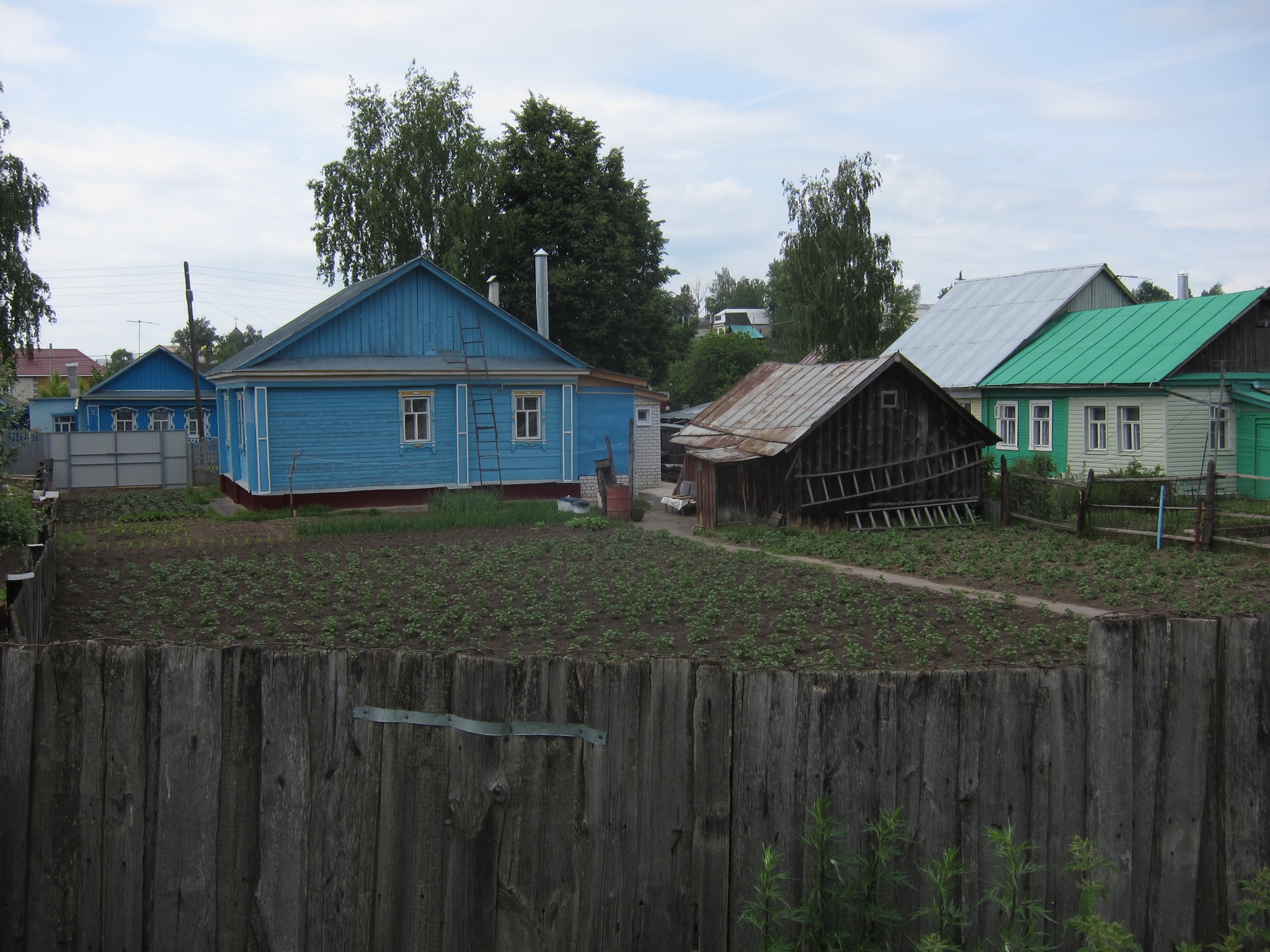
Study of cultivation of vegetables
Olericulture (from ) is the science of vegetable growing, dealing with the culture of non-woody (herbaceous) plants for food.
Olericulture is the production of plants for use of the edible parts. Vegetable crops can be classified into nine major categories:
- Potherbs and greens – spinach and collards
- Salad crops – lettuce, celery
- Cole crops – cabbage and cauliflower
- Root crops (tubers) – potatoes, beets, carrots, radishes
- Bulb crops – onions, leeks
- Legumes – beans, peas
- Cucurbits – melons, squash, cucumber
- Solanaceous crops – tomatoes, peppers, potatoes
- Sweet corn
Olericulture deals with the production, storage, processing and marketing of vegetables. It encompasses crop establishment, including cultivar selection, seedbed preparation and establishment of vegetable crops by seed and transplants.
It also includes maintenance and care of vegetable crops as well commercial and non-traditional vegetable crop production including organic gardening and organic farming; sustainable agriculture and horticulture; hydroponics; and biotechnology.
References
This article was imported from Wikipedia and is available under the Creative Commons Attribution-ShareAlike 4.0 License. Content has been adapted to SurfDoc format. Original contributors can be found on the article history page.
Ask Mako anything about Olericulture — get instant answers, deeper analysis, and related topics.
Research with MakoFree with your Surf account
Create a free account to save articles, ask Mako questions, and organize your research.
Sign up freeThis content may have been generated or modified by AI. CloudSurf Software LLC is not responsible for the accuracy, completeness, or reliability of AI-generated content. Always verify important information from primary sources.
Report