From Surf Wiki (app.surf) — the open knowledge base
Narrow-range ethoxylate
Class of chemical compounds
Class of chemical compounds
Narrow-range ethoxylates (NREs) in chemistry are fatty alcohol polyglycol ethers with a narrow homolog distribution and are known nonionic surfactants. They can be produced industrially, for example, by the addition of ethylene oxide onto fatty alcohols in the presence of suitable catalysts (layer compounds which have been calcined or hydrophobized with fatty acids). This process can also be carried out on a variety of other hydrophobes and using different alkoxylating compounds (e.g., propylene oxide and butylene oxide) by modifying the catalyst properties.
Example
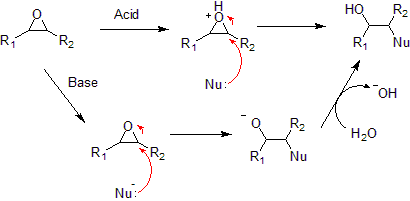
An ethoxylation reaction proceeds under an inert atmosphere with an amount of heat depending on the starting material. The reaction proceeds via the epoxide (in this case ethylene oxide) ring opening and activation of the nucleophile, ring, or combination thereof via the catalyst.
With conventional catalysts (i.e. potassium hydroxide, sodium hydroxide, etc.) one obtains a distribution of ethoxymers. If one targets a 12 mole ethoxylate with a conventional alkaline earth hydroxide, one could expect to get a broad range of ethoxylates with n being anywhere from 3 to 30 moles of EO. With narrow-range catalysts a much tighter distribution can be obtained.
Narrow-range surfactants like alcohol ethoxylates and propoxylates can be incorporated into alkyl ether sulfates or mixed with other anionic surfactants and exhibit beneficial properties such as reduced irritation to skin/eyes and lower free alcohol content.
Notes
References
References
- (September 1990). "The effect of “peaking” the ethylene oxide distribution on the performance of alcohol ethoxylates and ether sulfates". Journal of the American Oil Chemists' Society.
This article was imported from Wikipedia and is available under the Creative Commons Attribution-ShareAlike 4.0 License. Content has been adapted to SurfDoc format. Original contributors can be found on the article history page.
Ask Mako anything about Narrow-range ethoxylate — get instant answers, deeper analysis, and related topics.
Research with MakoFree with your Surf account
Create a free account to save articles, ask Mako questions, and organize your research.
Sign up freeThis content may have been generated or modified by AI. CloudSurf Software LLC is not responsible for the accuracy, completeness, or reliability of AI-generated content. Always verify important information from primary sources.
Report