From Surf Wiki (app.surf) — the open knowledge base
Milk paint
Nontoxic milk-based paint bound with casein
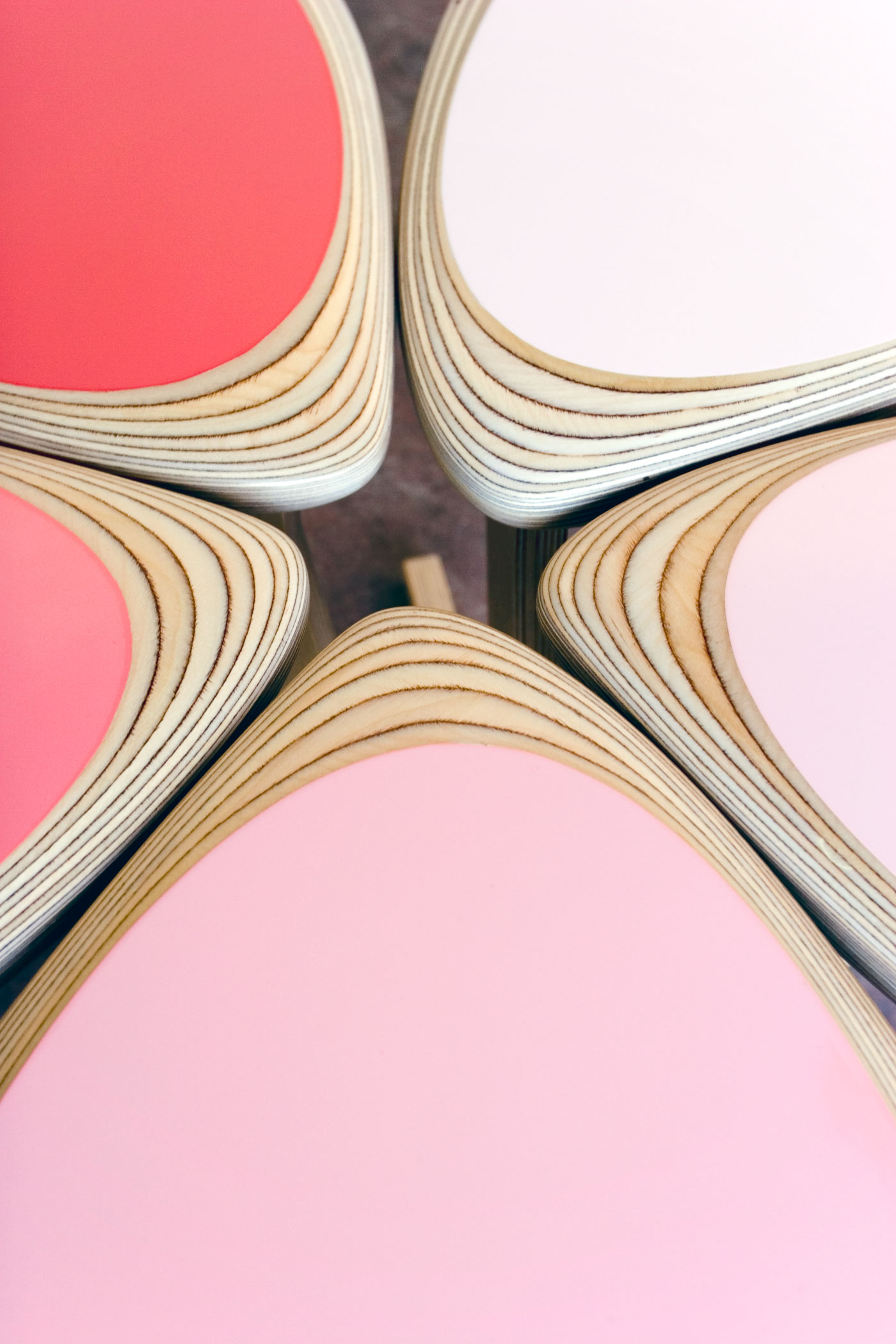
Nontoxic milk-based paint bound with casein
Milk paint is a nontoxic, milk-based paint bound with casein. It can be made from milk and lime, generally with pigments added for color. In other recipes, borax is mixed with milk's casein protein in order to activate the casein and as a preservative. The paint adheres best to porous substrates such as wood, its common traditional use, but will adhere also and with greater sheen to non-porous ones, especially if mixed with appropriate bonding agents. It has been in use for thousands of years. Traditionally, and usually still, made wholly of natural ingredients, it is extremely durable, often lasting for centuries if protected from the elements.
History, production, and uses
The ancient history of milk in paint is attested by a primitive combination of wild bovid milk and ochre used on a stone tool found in a South African cave and dated to 49,000 years ago, tens of thousands of years before the Neolithic domestication of cattle. Goats' milk provided the binder for lacquer paint used on the Ancient Egyptian tomb of King Tutankhamun.
Before the invention of acrylics, most house paint binders not made from oil instead used casein. Abundant historical production documents outline the manufacture of milk paint on an industrial scale. However, because oil-based and acrylic-based paint resins have come to be made in vast quantities with common oils, such as linseed, and petrochemicals, their price can be much lower than that of milk paint, which commercially is now made only on a small scale.
Borax-casein milk paint combines the advantages of an all-natural paint with the convenience of a ready-made paint, as it keeps for six months or more if sealed very tight to retain the moisture, although in time the casein binder will break down. Lime-casein milk paint does not come pre-mixed but is sold as a powder;{{cite web | access-date =24 October 2009 | archive-date =7 July 2015 | archive-url =https://web.archive.org/web/20150707020150/http://www.milkpaint.com/about_history.html | url-status =dead
Today, milk paint is used not just on antique furniture and accurate replicas of it but on pieces of modern style.Terri McGraw Additional Tips: Milk Paint Prime Painting Tips Tuesday, September 29, 2009 Central Florida News 13 The resulting finish has depth of color and a mottled appearance that may be used to give furnishings and rooms a rustic, shabby chic character.
References
References
- Melkin, Nina. (27 October 2020). "All About Milk Paint".
- Erickson, Alexa. (20 August 2023). "What is Milk Paint and Should You Be Using It?".
- Dickson, Chiana. (15 February 2024). "What is milk paint? And how to use it in your home".
- (1 July 2015). "Paleolithic Milk-Based Paint Discovered".
- Evelyth, Rose. (31 January 2014). "Making Paint Out of Goat's Milk Is an Ancient Idea".
- Robert, Scherer. (2010). "Casein: Its preparation and technical utilisation.". Nabu Press.
- Erickson, Alexa. (20 August 2023). "What is Milk Paint and Should You Be Using It?".
- Dickson, Chiana. (15 February 2024). "What is milk paint? And how to use it in your home".
This article was imported from Wikipedia and is available under the Creative Commons Attribution-ShareAlike 4.0 License. Content has been adapted to SurfDoc format. Original contributors can be found on the article history page.
Ask Mako anything about Milk paint — get instant answers, deeper analysis, and related topics.
Research with MakoFree with your Surf account
Create a free account to save articles, ask Mako questions, and organize your research.
Sign up freeThis content may have been generated or modified by AI. CloudSurf Software LLC is not responsible for the accuracy, completeness, or reliability of AI-generated content. Always verify important information from primary sources.
Report