From Surf Wiki (app.surf) — the open knowledge base
Methyl isobutyl ketone
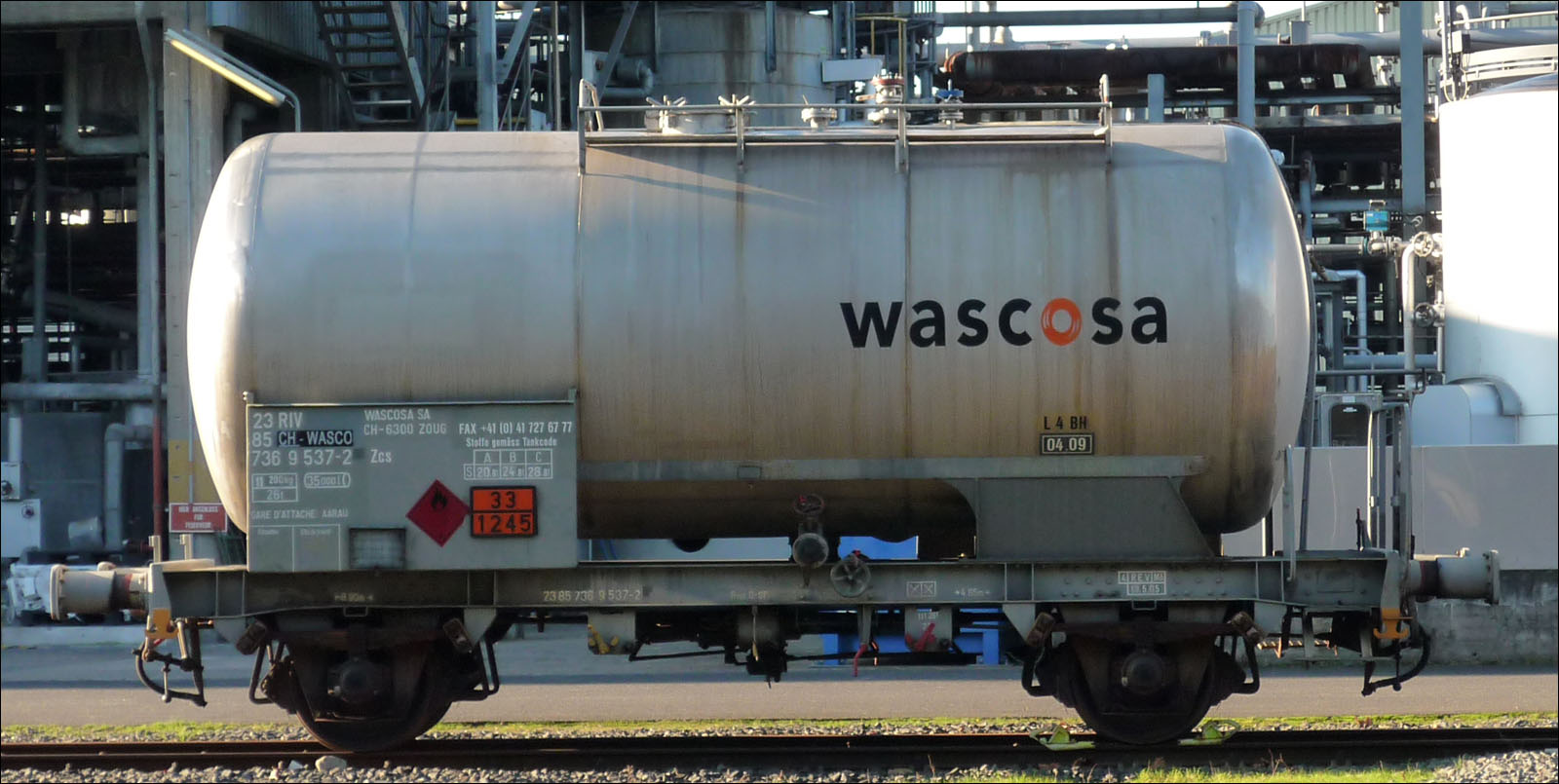
| NFPA-H = 2 | NFPA-F = 3 2-Pentanone Diisobutyl ketone
Methyl isobutyl ketone (MIBK, 4-methylpentan-2-one) is an organic compound with the condensed chemical formula (CH3)2CHCH2C(O)CH3. This ketone is a colourless liquid that is used as a solvent for gums, resins, paints, varnishes, lacquers, and nitrocellulose.
Production
At laboratory scale, MIBK can be produced via a three-step process using acetone as the starting material. Self-condensation, a type of aldol reaction, produces diacetone alcohol, which readily dehydrates to give 4-methylpent-3-en-2-one (commonly, mesityl oxide). Mesityl oxide is then hydrogenated to give MIBK. :[[Image:MIBK synthesis.svg|450px|Synthesis of MIBK from acetone]] Industrially, these three steps are combined. Acetone is treated with a strongly acidic, palladium catalyst-doped cation exchange resin under medium pressure of hydrogen. Several million kilograms are produced annually.
Uses
MIBK is used as a solvent for nitrocellulose, lacquers, and certain polymers and resins.
Precursor to 6PPD
Another major use is as a precursor to N-(1,3-dimethylbutyl)-*N'''-phenyl-p-phenylene diamine (6PPD), an antiozonant used in tires. 6PPD is prepared by reductive coupling of MIBK with 4-aminodiphenylamine.
Solvent and niche applications
Unlike the other common ketone solvents, acetone and MEK, MIBK has quite low solubility in water, making it useful for liquid-liquid extraction. It has a similar polarity to ethyl acetate, but greater stability towards aqueous acid and base. It can be used to extract gold, silver and other precious metals from cyanide solutions, such as those used in gold mines, to determine the levels of those dissolved metals. Diisobutyl ketone (DIBK), a related lipophilic ketone, is also used for this purpose. Methyl isobutyl ketone is also used as a denaturing agent for denatured alcohol. When mixed with water or isopropyl alcohol MIBK serves as a developer for PMMA electron beam lithography resist. MIBK is used as a solvent for CS in the preparation of the CS spray used currently by American and British police forces.
References
References
- {{PGCH. 0326
- (September 2016). "Methyl Isobutyl Ketone (Hexone)".
- (1921). "Diacetone Alcohol".
- (1921). "Mesityl Oxide".
- (2005). "Uhde Technology Profile: MIBK".
- Stylianos Sifniades, Alan B. Levy, "Acetone" in ''Ullmann’s Encyclopedia of Industrial Chemistry'', Wiley-VCH, Weinheim, 2005.
- Hans-Wilhelm Engels et al., "Rubber, 4. Chemicals and Additives" in ''Ullmann's Encyclopedia of Industrial Chemistry'', 2007, Wiley-VCH, Weinheim. {{doi. 10.1002/14356007.a23_365.pub2
- Peter J Gray. (2000). "Is CS spray dangerous? : CS is a particulate spray, not a gas". [[BMJ]].
- Roger Eardley-Pryor. (2017). "A Tear Gas Tale". Science History Institute.
This article was imported from Wikipedia and is available under the Creative Commons Attribution-ShareAlike 4.0 License. Content has been adapted to SurfDoc format. Original contributors can be found on the article history page.
Ask Mako anything about Methyl isobutyl ketone — get instant answers, deeper analysis, and related topics.
Research with MakoFree with your Surf account
Create a free account to save articles, ask Mako questions, and organize your research.
Sign up freeThis content may have been generated or modified by AI. CloudSurf Software LLC is not responsible for the accuracy, completeness, or reliability of AI-generated content. Always verify important information from primary sources.
Report