From Surf Wiki (app.surf) — the open knowledge base
Meitei people
Ethnic group of South Asia

Ethnic group of South Asia
| Field | Value | ||
|---|---|---|---|
| group | Meitei people | ||
| (Manipuri people) | |||
| native_name | [[File:Meitei_transliteration_of_the_term_Meitei_-transparent.png | 50px | ]] |
| native_name_lang | mni | ||
| flag | Salai Taret Flag.svg | ||
| flag_caption | Cultural flag of the Meitei people | ||
| total | 1,800,000+ | ||
| total_year | 2011 | ||
| region1 | India | ||
| pop1 | 1,760,913 | ||
| region2 | Manipur | ||
| pop2 | 1,522,132 | ||
| region3 | Assam | ||
| pop3 | 168,127 | ||
| region4 | Tripura | ||
| pop4 | 23,779 | ||
| region5 | Nagaland | ||
| pop5 | 9,511 | ||
| region6 | Meghalaya | ||
| pop6 | 4,451 | ||
| region7 | Arunachal Pradesh | ||
| pop7 | 2,835 | ||
| region8 | Mizoram | ||
| pop8 | 2,242 | ||
| region9 | Myanmar | ||
| pop9 | 25,000 | ||
| region10 | Bangladesh | ||
| pop10 | 15,000 | ||
| langs | [[File:Meetei Mayek letter I.svg | 20px]] Meitei language | |
| (officially known as Manipuri language) | |||
| rels | **Majority**: | ||
| [[File:Om.svg | 15px]] Hinduism (predominantly Vaishnavism) | ||
| **Minority**: | |||
| related | Bamars, Chin, Kachin, Meitei Pangals, Tripuri, Nagas, other Tibeto-Burman groups |
(Manipuri people) (officially known as Manipuri language) Minority:
The Meitei people, also known as Meetei people, are a Tibeto-Burman ethnic group native to the Indian State of Manipur. They form the largest and dominant ethnic group of Manipur in Northeast India. They speak the Meitei language (officially called Manipuri), one of the 22 official languages of the Republic of India and the sole official language of Government of Manipur. The Meiteis primarily settled in the Imphal Valley region in modern-day Manipur, though a sizeable population has settled in the other Indian states of Assam, Tripura, Nagaland, Meghalaya, and Mizoram. There is also a notable presence of Meiteis in the neighbouring countries of Myanmar and Bangladesh. The Meiteis represent about 53% of Manipur's population.
Endonyms and exonyms
The Meitei are known by a number of endonyms, Meitei, Meetei, Meithei (Meitei), and as well as by numerous exonyms, such as Meckley, Manipuri and Kathe (Burmese). The term Manipuri is widely used, but problematic because of its ambiguous scope: next to being a synonym for Meitei/Meetei, it can also refer in a wider sense to the native ethnic groups in the hills of Manipur.
Geographical distribution
India
As per the 2011 census, there 1,761,079 Meitei language-speakers in India.
The vast majority of them (1,522,132 people, 86 percent of the total) are in the state of Manipur, which is also their place of origin. Estimated 239,836 people of this population are Meitei Pangals. The remainder, 1,353,999 people, are ethnic Meiteis.
A significant number (168,133 people, 9.5 percent) of Meitei language speakers are in the state of Assam. In the Barak Valley region of Assam, Meitei people are the third largest ethnic group, after Bengalis and Hindi speakers.
Myanmar
Main article: Meitei people in Myanmar
Myanmar has a significant population of Meitei people in Kachin state, Yangon Region, Sagaing Region, Shan state, Ayeyarwady Region, among others.
Bangladesh
Main article: Meitei language in Bangladesh
The population of Meiteis are found in four districts of Sylhet Division in Bangladesh, namely Sylhet District (thirteen villages), Moulvibazar District (twenty-eight villages), Sunamganj District (three villages) and Habiganj District (four villages). In early times, there were Meitei population in Dhaka, Mymensingh and Comilla too.
Origins and history
Main article: History of Manipur, Meitei literature, Meitei mythology, Meitei folklore
The earliest sections of the Cheitharol Kumbaba, a Meitei chronicle, record the gradual spread of Meiteis across and their assimilation of other clans into a confederacy.
In Kangleipak (Manipur)
In 1100 CE, Loyumba Shinyen (), an ancient Meitei language constitution was written and regulated under the supervision of Meitei King Loiyumba (Loyumba) (1074 CE-1112 CE) in the Ancient Kangleipak (early Manipur). It is a formal proclamation of the proto-constitution which was drafted in 429 CE by Meitei King Naophangba. The idea of its constitutionalism was functional until it was substituted by the Manipur State Constitution Act 1947.
In Myanmar (Burma)
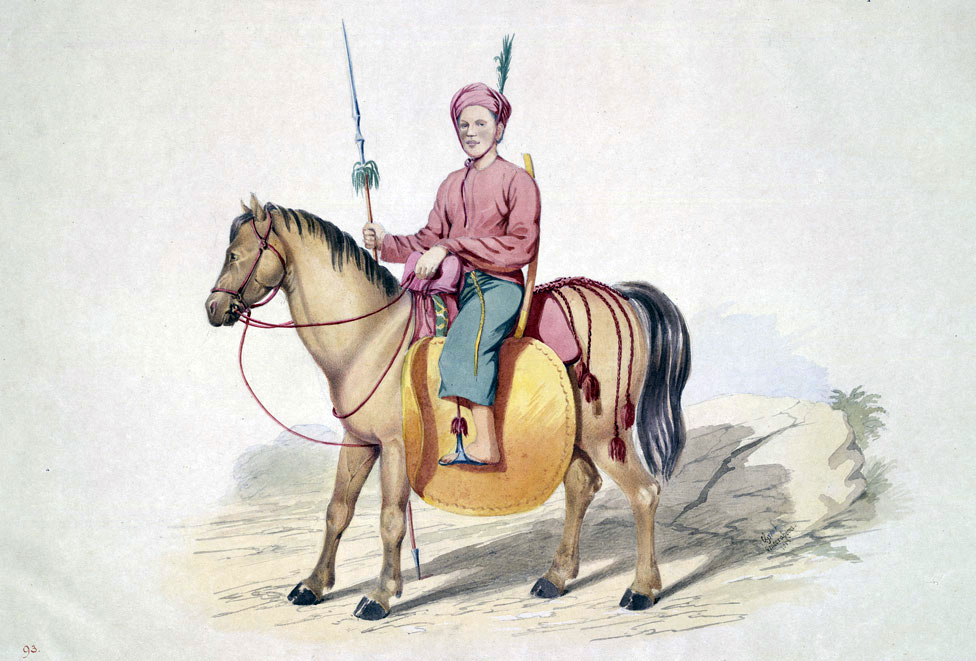
Myanmar is home to a sizeable community of Meiteis, who are called Kathe in Burmese. Unlike other Hindu communities in Myanmar, the Meitei resemble other Burmese ethnic groups in terms of physical appearance, which has accelerated their assimilation and integration into Burmese society. In the early 1950s, Burmese Meiteis numbered approximately 40,000, with a third of them residing in Mandalay. Current estimates are approximately 25,000. Meiteis have resettled throughout the country, including in villages near Myitkyina to the north, Homalin, Kalewa, Pyay, in the center of the country, and Yangon to the south. They continue to practice Hinduism in Myanmar.
As a result of wars between the Meitei kingdom and the Konbaung dynasty between the 17th and 18th centuries, many Meiteis were resettled in the Burmese kingdom. Some Meitei settlements in modern-day Myanmar originate from the 1758–1759 war, and from the Burmese occupation of Manipur from 1819 to 1826. Alaungpaya, during the former campaign, resettled Meiteis in Sagaing and Amarapura. The Meitei people's horsemanship skills were employed in the Burmese royal army, where they formed the elite Cassay cavalry (ကသည်းမြင်းတပ်) and artillery regiments (ကသည်းအမြောက်တပ်) which were employed during the Burmese–Siamese wars. The Burmese court also retained a retinue of Manipuri Brahmins called Bamons, also called Kathe Ponna (ကသည်းပုဏ္ဏား) to advise and conduct court rituals.
Language and writing systems
Main article: Meitei language, Meitei language in Bangladesh, Meitei language movement, List of Meitei-language television channels, List of Meitei-language newspapers, Meitei script
The Meitei people speak the Meitei language (also known as the Manipuri language), a Tibeto-Burman language. Meitei is one of the languages with legal status in India, and was included in the Eighth Schedule to the Constitution of India in 1992.
There are many Meitei language movements, including classical language movement (predominantly in Manipur), associate official language movement (in Assam), linguistic purism movement (predominantly in Manipur), etc.
Historically and then after a long gap, presently, Meitei was written in the indigenous Meitei mayek script. The script was replaced by an alphabet based on the Bengali script in the early 18th century. The Meitei Mayek script has seen a revival in recent decades, and is now seen in street signs, schools, newspapers, and legislative proceeding records.
Literature
Among the heritage of diverse literary works in Meitei literature, the Khamba Thoibi Sheireng, ), is regarded as the national epic of the Manipuris. It is an epic poem based on the ancient romantic adventure tale of Khamba and Thoibi. It is the best known magnum opus of Hijam Anganghal Singh. It is often considered to be the greatest of all the Meitei epic poems. At 39,000 verses, it is the longest Indian epic just after the Mahabharata and the Ramayana.
Culture {{Anchor|Civilization|Civilisation}}
Architectural designs and sculptures
Some of the significant intricate designs of the traditional Meitei architecture and sculptures are seen in various buildings and institutions, especially the temples of traditional Meitei religion: Hiyangthang Lairembi Temple, Pakhangba Temple, Kangla, Sanamahi Kiyong Temple, Thangjing Temple, Moirang, among many. Others include the Ima Keithel, Kangla Sanathong. include Some of the worthy to mention finely crafted sculptures are the Marjing Polo Statue, Kangla Sha sculptures, Statue of Meidingu Nara Singh.
Classical and folk dances, festivals and ritualistic theatres

The is a traditional Meitei ritualistic theatrical festival, consisting of different dances, musical performances and carnivals in the temples and the streets. It's dedicated to the worship of the ancient Meitei gods and goddesses, who are categorised as the and .
The Manipuri classical dance, also referred to as the Manipuri Raas Leela (), is a jagoi and is one of the major Indian classical dance forms, originating from the historical Manipur Kingdom.
Theatre and cinema
Main article: Meitei cinema, Cinema of Manipur, List of Meitei-language films, Kalakshetra Manipur
The first Manipuri-language film, Matamgi Manipur, was released on 9 April 1972. Paokhum Ama (1983) is the first full-length colour feature film (according to the Academy's definition of a feature film) of Manipur and was directed by Aribam Syam Sharma. Lammei (2002) is the first Manipuri Video film to have a commercial screening at a theatre.
Golden Montgolfiere at the Nantes
(1981) is the only Indian film that gets the Golden Montgolfiere at the Festival des 3 Continents, Nantes in 1982, bringing fame and honour of the Indian cinema at the international platform.
World classic in Cannes
(1990) was screened in the Un Certain Regard section at the 1991 Cannes Film Festival, and again after a gap of 33 years, it was recognised as a "World Classic" by the 2023 Cannes Film Festival. Notably, it was the only film selected from India for the event in that year.
Achievements in the National Film Awards
Religions and beliefs
According to the 2011 census, 222,422 people (14.6 percent) follow the traditional Sanamahi religion of the Meitei people. The remainder (1,298,821 people, 85.3 percent) follow Hinduism and Christianity as per the census. The number of Christians is expected to be small. For example, the valley districts of Manipur, the major concentration of Meitei people, have about 3,000 Christians.{{efn|The valley districts of Manipur have 59,324 Christians. The vast majority of them are (56,913 people) belong to Manipur's tribal communities.
Most Meiteis follow both Hinduism as well as Sanamahi religious traditions and rituals. For example, they worship Sanamahi in the south-west corners of their homes.
Calendar
Main article: Meitei calendar
The Meitei people follow a traditional calendar called Maliyafam Palcha Kumsing, which has 12 months and a 7-day week.
Cuisine
Rice, vegetables and fish are staple food of the Meiteis, although meat is also consumed; but in traditional Meitei dishes meat is never used in non-vegetarian dishes. In traditional and cultural gatherings fish, snails, oysters, crabs, eels etc. are the only non-vegetarian elements used and a significant number of Meiteis follow it where meat is cooked and eaten outside the house if consumed. Rice is the main carbohydrate source in a Meitei dish; typically, it is served with vegetables, fish, freshwater snails, crabs, oysters, eels etc. Among the most famous species of fishes Manipuri Sareng (Wallago attu) or commonly known as Helicopter catfish, Hilsa (ilish Tenualosa ilisha), freshwater snails (pila (gastropod)) and edible oysters are considered a delicacy. The vegetables are either made as stews (Kangsoi) with less oil/no oil used in sauteing, or stir fried directly in oil with various added spices to make an oily spicy side dish (Kanghou). Roasted/Smoked and sun-dried fish or fried fresh fish is usually added in most of the stews and curry to impart special taste. The vegetables, herbs and fruits consumed in the region are more similar to those in Southeast/East/Central Asian, Siberian, Arctic, Polynesian and Micronesian cuisines such as Myanmar, Thailand, Inuit, etc. E.g. treebean (yongchak), galangal (loklei), culantro (awa phadigom), lime basil (mayangton), fishwort (tokningkhok) and many others, which are not cultivated in northern India. One of the most important ingredients in Meitei cooking is Ngari (fermented fish). Roasted ngari is used in the singju (a kind of salad), morok metpa (chilli chutney), eromba (boiled and mashed veggies with chillies). A variety of fermented bamboo shoots (soibum) as well as fresh bamboo shoots (Ushoi/Shoidon), and fermented soya beans (hawaijaar) also form an important part of Meitei cuisines. All meals are served with some fresh aromatic herbs on the side.
A typical every day Meitei meal will have rice, vegetable or fish curry, a piquant side dish (either morok metpa or eromba accompanied with herbs), a champhut (a steamed/boiled vegetable with little sugar, e.g., carrot, pumpkin or cucumber slices or steamed/boiled mustard green stems, etc. without sugar), and a Kanghou. Meat cuisines are also popular amongst the Meiteis and some of the common meat curries are yen thongba (chicken curry) and nganu thongba (duck curry) and depending on regions, oak thongba (pork curry) and shan thongba (beef curry).
Subsistence
The Meitei are mainly agriculturists in which rice is a staple crop. However, they also grow mangoes, lemons, pineapples, oranges, guavas, and other fruits. Fishing is also common among the Meitei that can either be a profession or a hobby. Women tend to dominate the local markets as sellers of food items, textiles, and traditional clothing.
Associations and organisations
Cultural revivalist organisations
Arambai Tenggol is a socio-political organisation involved in the revival and preservation of indigenous Meitei culture, which has developed into an armed milita in the course of the 2023–2025 Manipur violence. Meira Paibi (Women torch bearers) is a Meitei women's social movement referred to as the "guardians of civil society".
Society-based
- Nikhil Manipuri Mahasabha
Language-based
- Manipuri Sahitya Parishad
- Naharol Sahitya Premee Samitee
Religion-based
- International Sanamahism Students' Association
- Lainingthou Sanamahi Sana Pung
- Lainingthou Sanamahi Temple Board
- South East Asia Cultural Organisation
Notable people
Main article: List of Meitei people
Notes
References
Sources
References
- "Meitei {{!}} people {{!}} Britannica".
- "Languages Specified in the Eight Schedule (Scheduled Languages)".
- "C-16 Population By Mother Tongue – Manipur".
- "C-16 Population By Mother Tongue – Assam".
- "C-16 Population By Mother Tongue – Tripura".
- "C-16 Population By Mother Tongue – Nagaland".
- "C-16 Population By Mother Tongue – Meghalaya".
- "C-16 Population By Mother Tongue – Arunachal Pradesh".
- "C-16 Population By Mother Tongue – Mizoram".
- "Manipuri in Myanmar 4".
- Samson, Kamei. (2019). "Theorising Social Fear in the Context of Collective Actions in Manipur". Journal of Northeast Indian Cultures.
- "Manipuri language {{!}} Britannica".
- "Meitei".
- "Festivals in Meghalaya, Fairs and Festivals of Meghalaya".
- (19 May 2008). "Myanmar Meiteis in search of roots". The Telegraph.
- Khomdan Singh Lisam, ''Encyclopaedia Of Manipur'', {{ISBN. 978-8178358642, pp. 322–347
- Temple, RC. (1894). "Contributions Towards the History of Anglo: Burmese Words". The Journal of the Royal Asiatic Society of Great Britain and Ireland.
- Sanjeev, Thingnam. (2020). "Surveying and producing the frontier in nineteenth century Manipur: challenges and practices". Asian Ethnicity.
- "C-16: Population by mother tongue, India – 2011". Office of the Registrar General & Census Commissioner, India.
- "Manipuri language".
- (12 February 2019). "DIPR facts on Census confuse Pangals and Muslims". Imphal Times.
- Mishra, Awadesh. (1 January 1999). "The Manipuris in the Barak Valley: A Case Study of Language Maintenance'". Linguistics of the Tibeto-Burman Area.
- "Manipuri in Myanmar 1".
- "Textile Bdesh Myanmar 3".
- (1971). "[[Indian Literature (journal)". [[Sahitya Akademi]].
- Siṃha, Niṃthaukhoṃjama Khelacandra. (1975). "Manipuri Language: Status and Importance". N. Tombi Raj Singh.
- Sanajaoba, Naorem. (1988). "Manipur, Past and Present: The Heritage and Ordeals of a Civilization". Mittal Publications.
- Sanajaoba, Naorem. (1991). "Law and Society: Strategy for Public Choice, 2001". Mittal Publications.
- Sanajaoba, Naorem. (1993). "Manipur: Treatise & Documents". Mittal Publications.
- Sanajaoba, Naorem. (1991). "Law and Society: Strategy for Public Choice, 2001". Mittal Publications.
- Sanajaoba, Naorem. (1993). "Manipur: Treatise & Documents". Mittal Publications.
- Sanajaoba, Naorem. (1991). "Law and Society: Strategy for Public Choice, 2001". Mittal Publications.
- Nongthombam, Jiten. (1 July 2011). "The Meitei Diaspora in Myanmar". Diaspora Studies.
- Sanajaoba, Naorem. (1988). "Manipur, Past and Present: The Heritage and Ordeals of a Civilization". Mittal Publications.
- (14 July 2015). "Manipuris in Mandalay see ray of hope in Modi".
- (13 June 2019). "စစ်ကိုင်းမြို့တွင် ကသည်းမယ်တော်ကြီးချိုးရေတော်သုံးပွဲကျင်းပ". Eleven Broadcasting.
- Oinam, Bhagat. (2005). "Manipur". Sub-Regional Relations in the Eastern South Asia: With Special Focus on India's North Eastern Region.
- Singha, Memchaton. (2016). "Marriage Diplomacy Between the States of Manipur and Burma, 18Th to 19Th Centuries". Proceedings of the Indian History Congress.
- "Eight Schedule of the Constitution of India".
- "History of Meetei Mayek".
- "Manipuri language and alphabets".
- (23 September 2017). "Banished Manipuri script stages a comeback". The Hindu.
- George, K. M.. (1992). "Modern Indian Literature, an Anthology: Surveys and poems". [[Sahitya Akademi]].
- George, K. M.. (1992). "Modern Indian Literature, an Anthology: Surveys and poems". [[Sahitya Akademi]].
- Datta, Amaresh. (1988). "Encyclopaedia of Indian Literature: Devraj to Jyoti". [[Sahitya Akademi]].
- Das, Sisir Kumar. (2005). "A History of Indian Literature: 1911–1956, struggle for freedom : triumph and tragedy". [[Sahitya Akademi]].
- Datta, Amaresh. (1988). "Encyclopaedia of Indian Literature: Devraj to Jyoti". [[Sahitya Akademi]].
- Delhi, All India Radio (AIR), New. (31 August 1975). "AKASHVANI: Vol. XL. No. 35 ( 31 AUGUST, 1975 )". All India Radio (AIR), New Delhi.
- "Lai Haraoba".
- "Lai Haraoba – a fertility rite of the Meitei".
- Banerjee, Utpal Kumar. (2006). "Indian Performing Arts: A Mosaic". Harman Publishing House.
- (2006). "Sruti". P.N. Sundaresan.
- Derek, O' Brien. (2006). "Knowledge Trek 7, 2/E". Pearson Education India.
- "Manipuri {{!}} History, Characteristics, & Facts {{!}} Britannica".
- "Manipuri Cinema". kanglafilms.com.
- "91st Academy Awards Rules".
- (17 August 2014). "From Manipur, stories of the women actors who didn't get to play Mary Kom". The Indian Express.
- "Digitised Imagi Ningthem screened at Pune film fest : 15th jan14 ~ E-Pao! Headlines".
- (6 April 2022). "New book traces journey of Manipuri cinema". The Hindu.
- "Festival de Cannes: The Chosen One". festival-cannes.com.
- (6 May 2023). "Manipuri feature film 'ISHANOU' recognised as World Classic". The Economic Times.
- "Aribam Syam Sharma's ISHANOU recognised as World Classic".
- (8 May 2023). "Manipuri Film 'Ishanou' Becomes India's Only Restored Film To Be Screened At Cannes 2023".
- "C-01 Appendix: Details of religious community shown under 'Other religions and persuasions' in main table C01 – 2011 Office of the Registrar General & Census Commissioner, India".
- "Indian Census 2011". Census Department, Government of India.
- (26 August 2011). "'Inclusion of Sanamahi religion in minority is being reviewed'". Hueiyen News Service.
- "Names of 12 months of Kangleipak concepts and significances".
- (2004). "Human: The Definitive Visual Guide". [[Dorling Kindersley]].
- [https://theprint.in/india/as-centre-steps-in-manipur-underground-groups-tell-cadre-to-lie-low-but-situation-still-volatile/2496299 As Centre steps in, Manipur underground groups tell cadre to ‘lie low’, but situation still volatile], The Print, 15 Feb 2025.
- [https://thediplomat.com/2023/08/manipur-violence-understanding-the-shifts-in-meitei-womens-political-activism/ Manipur Violence: Understanding the Shifts in Meitei Women’s Political Activism], The Diplomat, 9 Aug 2023.
This article was imported from Wikipedia and is available under the Creative Commons Attribution-ShareAlike 4.0 License. Content has been adapted to SurfDoc format. Original contributors can be found on the article history page.
Ask Mako anything about Meitei people — get instant answers, deeper analysis, and related topics.
Research with MakoFree with your Surf account
Create a free account to save articles, ask Mako questions, and organize your research.
Sign up freeThis content may have been generated or modified by AI. CloudSurf Software LLC is not responsible for the accuracy, completeness, or reliability of AI-generated content. Always verify important information from primary sources.
Report