From Surf Wiki (app.surf) — the open knowledge base
Medicinal plants
Plants used to treat medical conditions

Plants used to treat medical conditions
Medicinal plants, also called medicinal herbs, have been discovered and used in traditional medicine practices since prehistoric times. Plants synthesize hundreds of chemical compounds for various functions, including defense and protection against insects, fungi, diseases, against parasites and herbivorous mammals.
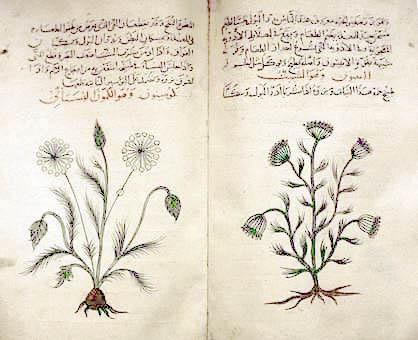
The earliest historical records of herbs are found from the Sumerian civilization, where hundreds of medicinal plants including opium are listed on clay tablets, . The Ebers Papyrus from ancient Egypt, , describes over 850 plant medicines. The Greek physician Dioscorides, who worked in the Roman army, documented over 1000 recipes for medicines using over 600 medicinal plants in De materia medica, ; this formed the basis of pharmacopoeias for some 1500 years. Drug research sometimes makes use of ethnobotany to search for pharmacologically active substances, and this approach has yielded hundreds of useful compounds. These include the common drugs aspirin, digoxin, quinine, and opium. The compounds found in plants are diverse, with most in four biochemical classes: alkaloids, glycosides, polyphenols, and terpenes. Few of these are scientifically confirmed as medicines or used in conventional medicine.
Medicinal plants are widely used as folk medicine in non-industrialized societies, mainly because they are readily available and cheaper than modern medicines. In many countries, there is little regulation of traditional medicine, but the World Health Organization coordinates a network to encourage safe and rational use. The botanical herbal market has been criticized for being poorly regulated and containing placebo and pseudoscience products with no scientific research to support their medical claims. Medicinal plants face both general threats, such as climate change and habitat destruction, and the specific threat of over-collection to meet market demand. Do not even think of adding any kind of link to your herbalism business here, you will be blocked from editing.
History
Prehistoric times
Plants, including many now used as culinary herbs and spices, have been used as medicines, not necessarily effectively, from prehistoric times. Spices have been used partly to counter food spoilage bacteria, especially in hot climates, and especially in meat dishes that spoil more readily. Angiosperms (flowering plants) were the original source of most plant medicines. Human settlements are often surrounded by weeds used as herbal medicines, such as nettle, dandelion and chickweed. Humans were not alone in using herbs: some animals, such as non-human primates, monarch butterflies and sheep ingest plants when they are ill.
Samples from prehistoric burial sites indicate that Paleolithic peoples consumed plants. For instance, a 60,000-year-old Neanderthal burial site, "Shanidar IV", in northern Iraq yielded pollen from eight plant species. At Taforalt cave, Morocco, 15,000-year-old remains of ephedra were found inside a tomb, indicating its possible role in funeral rites. A mushroom found in the personal effects of Ötzi the Iceman, whose body was frozen in the Ötztal Alps for more than 5,000 years, may have been used against whipworm.
Ancient times
In ancient Sumeria, hundreds of medicinal plants including myrrh and opium are listed on clay tablets from around 3000 BC. The ancient Egyptian Ebers Papyrus lists over 800 plant medicines such as aloe, cannabis, castor bean, garlic, juniper, and mandrake.
From ancient times to the present, Ayurvedic medicine as documented in the Atharva Veda, the Rig Veda and the Sushruta Samhita has used hundreds of herbs and spices, such as turmeric, which contains curcumin. The Chinese pharmacopoeia, the Shennong Ben Cao Jing records plant medicines such as chaulmoogra for leprosy, ephedra, and hemp. This was expanded in the Tang dynasty Yaoxing Lun. In the fourth century BC, Aristotle's pupil Theophrastus wrote the first systematic botany text, Historia plantarum.
In around 60 AD, the Greek physician Dioscorides, working for the Roman army, documented over 1000 recipes for medicines using over 600 medicinal plants in De materia medica. The book remained the authoritative reference on herbalism for over 1500 years, into the seventeenth century.
Middle Ages
In the Early Middle Ages, Benedictine monasteries preserved medical knowledge in Europe, translating and copying classical texts and maintaining herb gardens. Hildegard of Bingen wrote Causae et Curae ("Causes and Cures") on medicine.
In the Islamic Golden Age, scholars translated many classical Greek texts including Dioscorides into Arabic, adding their own commentaries. Herbalism flourished in the Islamic world, particularly in Baghdad and in Al-Andalus. Among many works on medicinal plants, Abulcasis (936–1013) of Cordoba wrote The Book of Simples, and Ibn al-Baitar (1197–1248) recorded hundreds of medicinal herbs such as Aconitum, nux vomica, and tamarind in his Corpus of Simples. Avicenna included many plants in his 1025 The Canon of Medicine. Abu-Rayhan Biruni, Ibn Zuhr, Peter of Spain, and John of St Amand wrote further pharmacopoeias.
Early Modern
The Early Modern period saw the flourishing of illustrated herbals across Europe, starting with the 1526 Grete Herball. John Gerard wrote his famous The Herball or General History of Plants in 1597, based on Rembert Dodoens, and Nicholas Culpeper published his The English Physician Enlarged. Many new plant medicines arrived in Europe as products of Early Modern exploration and the resulting Columbian Exchange, in which livestock, crops and technologies were transferred between the Old World and the Americas in the 15th and 16th centuries. Medicinal herbs arriving in the Americas included garlic, ginger, and turmeric; coffee, tobacco and coca travelled in the other direction. In Mexico, the sixteenth century Badianus Manuscript described medicinal plants available in Central America.
19th and 20th centuries
The place of plants in medicine was radically altered in the 19th century by the application of chemical analysis. Alkaloids were isolated from a succession of medicinal plants, starting with morphine from the poppy in 1806, and soon followed by ipecacuanha and strychnos in 1817, quinine from the cinchona tree, and then many others. As chemistry progressed, additional classes of potentially active substances were discovered in plants. Commercial extraction of purified alkaloids including morphine began at Merck in 1826. Synthesis of a substance first discovered in a medicinal plant began with salicylic acid in 1853. Around the end of the 19th century, the mood of pharmacy turned against medicinal plants, as enzymes often modified the active ingredients when whole plants were dried, and alkaloids and glycosides purified from plant material started to be preferred. Drug discovery from plants continued to be important through the 20th century and into the 21st, with important anti-cancer drugs from yew and Madagascar periwinkle.
Context
Medicinal plants are used with the intention of maintaining health, to be administered for a specific condition, or both, whether in modern medicine or in traditional medicine. The Food and Agriculture Organization estimated in 2002 that over 50,000 medicinal plants are used across the world. The Royal Botanic Gardens, Kew more conservatively estimated in 2016 that 17,810 plant species have a medicinal use, out of some 30,000 plants for which a use of any kind is documented.
In modern medicine, around a quarter{{efn|Farnsworth states that this figure was based on prescriptions from American community pharmacies between 1959 and 1980. The World Health Organization estimates, without reliable data, that some 80 percent of the world's population depends mainly on traditional medicine (including but not limited to plants); perhaps some two billion people are largely reliant on medicinal plants. The use of plant-based materials including herbal or natural health products with supposed health benefits, is increasing in developed countries. This brings attendant risks of toxicity and other effects on human health, despite the safe image of herbal remedies.
Medicinal plants may provide three main kinds of benefit: health benefits to the people who consume them as medicines; financial benefits to people who harvest, process, and distribute them for sale; and society-wide benefits, such as job opportunities, taxation income, and a healthier labour force.
Trade
The markets for medicinal and aromatic plants are grouped in manufacturing categories of pharmaceuticals and dietary supplements, food and beverages, personal care products and cosmetics, with the pharmaceutical and supplement category accounting for about 60% of the total. As of 2023 by one estimate, the global market was US$68 billion per year, growing by 10-20% annually.
China and India are the leading producers of natural products, and are also the leading exporters and domestic consumers. Major importers include the United States, the European Union, and Japan.
Phytochemical basis
All plants produce chemical compounds which give them an evolutionary advantage, such as defending against herbivores or, in the example of salicylic acid, as a hormone in plant defenses. These phytochemicals have potential for use as drugs, and the content and known pharmacological activity of these substances in medicinal plants is the scientific basis for their use in modern medicine, if scientifically confirmed.
Modern knowledge of medicinal plants is being systematised in the Medicinal Plant Transcriptomics Database, which by 2011 provided a sequence reference for the transcriptome of some thirty species. Major classes of plant phytochemicals are described below, with examples of plants that contain them.
Alkaloids
Alkaloids are bitter-tasting chemicals, very widespread in nature, and often toxic, found in many medicinal plants. There are several classes with different modes of action as drugs, both recreational and pharmaceutical. Medicines of different classes include atropine, scopolamine, and hyoscyamine (all from nightshade), the traditional medicine berberine (from plants such as Berberis and Mahonia), caffeine (Coffea), cocaine (Coca), ephedrine (Ephedra), morphine (opium poppy), nicotine (tobacco), reserpine (Rauvolfia serpentina), quinidine and quinine (Cinchona), vincamine (Vinca minor), and vincristine (Catharanthus roseus).
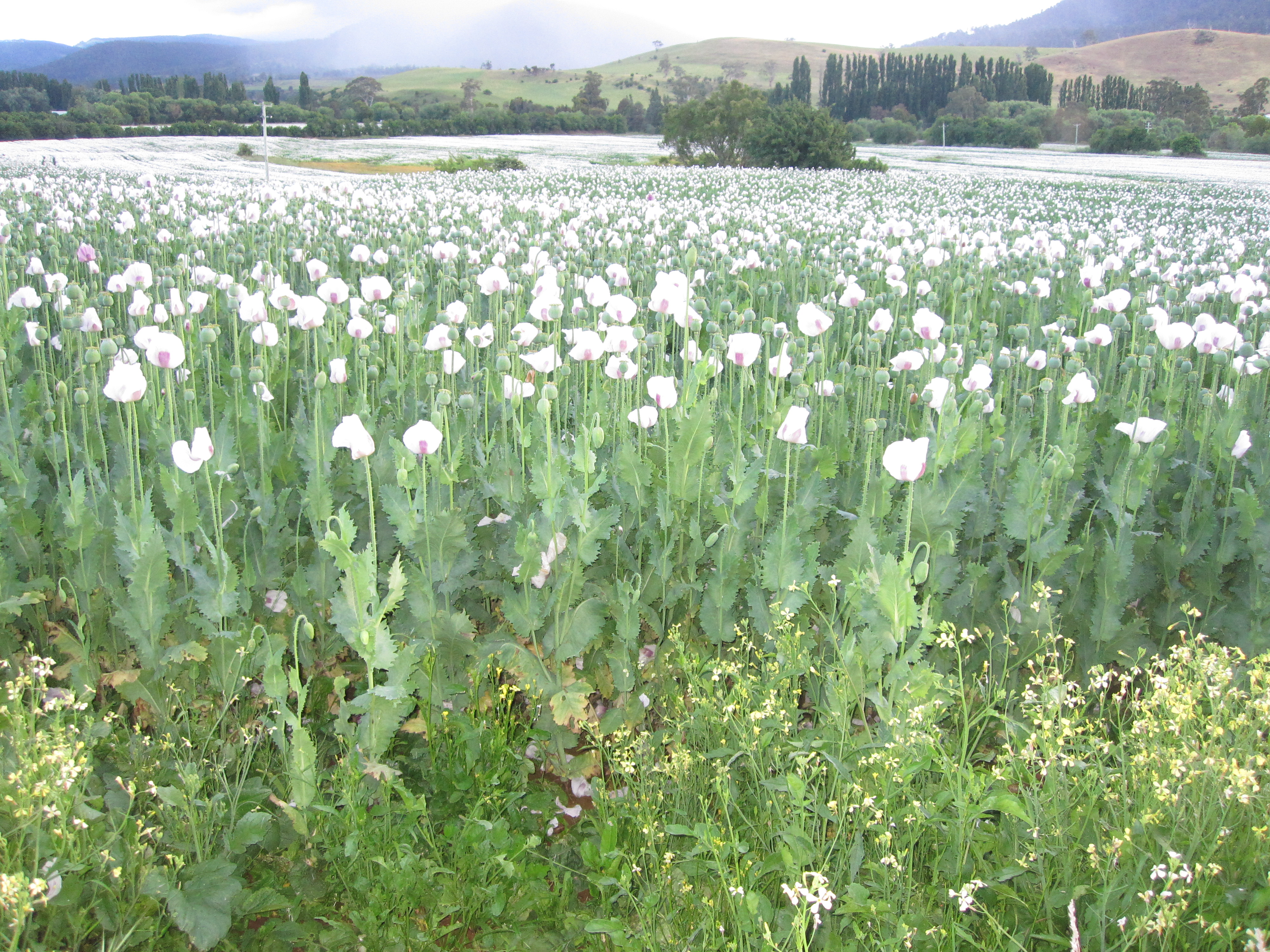
File:Opium poppy.jpg|The opium poppy Papaver somniferum is the source of the alkaloids morphine and codeine. File:Nicotine.svg|The alkaloid nicotine from tobacco binds directly to the body's Nicotinic acetylcholine receptors, accounting for its pharmacological effects. File:Koeh-018.jpg|Deadly nightshade, Atropa belladonna, yields tropane alkaloids including atropine, scopolamine and hyoscyamine.
Glycosides
Anthraquinone glycosides are found in medicinal plants such as rhubarb, cascara, and Alexandrian senna. Plant-based laxatives made from such plants include senna, rhubarb and Aloe.
The cardiac glycosides are powerful drugs from medicinal plants including foxglove and lily of the valley. They include digoxin and digitoxin which support the beating of the heart, and act as diuretics.
File:Senna alexandrina Mill.-Cassia angustifolia L. (Senna Plant).jpg|Senna alexandrina, containing anthraquinone glycosides, has been used as a laxative for millennia. Digitalis purpurea2.jpg|The foxglove, Digitalis purpurea, contains digoxin, a cardiac glycoside. The plant was used on heart conditions long before the glycoside was identified. File:Digoxin.svg|Digoxin is used to treat atrial fibrillation, atrial flutter and sometimes heart failure.
Polyphenols
Polyphenols of several classes are widespread in plants, having diverse roles in defenses against plant diseases and predators. Plants containing phytoestrogens have been administered for centuries for gynecological disorders, such as fertility, menstrual, and menopausal problems. Among these plants are Pueraria mirifica, kudzu, angelica, fennel, and anise.
Many polyphenolic extracts, such as from grape seeds, olives or maritime pine bark, are sold as dietary supplements and cosmetics without proof or legal health claims for medicinal effects. In Ayurveda, the astringent rind of the pomegranate, containing polyphenols called punicalagins, is used as a medicine, with no scientific proof of efficacy.
File:Angelica sylvestris 3.jpg|Angelica, containing phytoestrogens, has long been used for gynaecological disorders. File:Phytoestrogens2.png|Polyphenols include phytoestrogens (top and middle), mimics of animal estrogen (bottom).
Terpenes
Terpenes and terpenoids of many kinds are found in a variety of medicinal plants, and in resinous plants such as the conifers. They are strongly aromatic and serve to repel herbivores. Their scent makes them useful in essential oils, whether for perfumes such as rose and lavender, or for aromatherapy. Some have medicinal uses: for example, thymol is an antiseptic and was once used as a vermifuge (anti-worm medicine).
File:Thymian.jpg|The essential oil of common thyme (Thymus vulgaris), contains the monoterpene thymol, an antiseptic and antifungal. File:Thymol2.svg|Thymol is one of many terpenes found in plants.
In practice
Main article: Herbalism, List of plants used in herbalism
Cultivation
Medicinal plants demand intensive management. Different species each require their own distinct conditions of cultivation. The World Health Organization recommends the use of rotation to minimise problems with pests and plant diseases. Cultivation may be traditional or may make use of conservation agriculture practices to maintain organic matter in the soil and to conserve water, for example with no-till farming systems. In many medicinal and aromatic plants, plant characteristics vary widely with soil type and cropping strategy, so care is required to obtain satisfactory yields.
Preparation
.jpg)
Medicinal plants are often tough and fibrous, requiring some form of preparation to make them convenient to administer. According to the Institute for Traditional Medicine, common methods for the preparation of herbal medicines include decoction, powdering, and extraction with alcohol, in each case yielding a mixture of substances. Decoction involves crushing and then boiling the plant material in water to produce a liquid extract that can be taken orally or applied topically. Powdering involves drying the plant material and then crushing it to yield a powder that can be compressed into tablets. Alcohol extraction involves soaking the plant material in cold wine or distilled spirit to form a tincture.
Traditional poultices were made by boiling medicinal plants, wrapping them in a cloth, and applying the resulting parcel externally to the affected part of the body.
When modern medicine has identified a drug in a medicinal plant, commercial quantities of the drug may either be synthesised or extracted from plant material, yielding a pure chemical. Extraction can be practical when the compound in question is complex.
Usage
Plant medicines are in wide use around the world. In most of the developing world, especially in rural areas, local traditional medicine, including herbalism, is the only source of health care for people, while in the developed world, alternative medicine including use of dietary supplements is marketed aggressively using the claims of traditional medicine. As of 2015, most products made from medicinal plants had not been tested for their safety and efficacy, and products that were marketed in developed economies and provided in the undeveloped world by traditional healers were of uneven quality, sometimes containing dangerous contaminants. Traditional Chinese medicine makes use of a wide variety of plants, among other materials and techniques. Researchers from Kew Gardens found 104 species used for diabetes in Central America, of which seven had been identified in at least three separate studies. The Yanomami of the Brazilian Amazon, assisted by researchers, have described 101 plant species used for traditional medicines.
Drugs derived from plants including opiates, cocaine and cannabis have both medical and recreational uses. Different countries have at various times made use of illegal drugs, partly on the basis of the risks involved in taking psychoactive drugs.
Effectiveness
Plant medicines have often not been tested systematically, but have come into use informally over the centuries. By 2007, clinical trials had demonstrated potentially useful activity in nearly 16% of herbal extracts; there was limited in vitro or in vivo evidence for roughly half the extracts; there was only phytochemical evidence for around 20%; 0.5% were allergenic or toxic; and some 12% had basically never been studied scientifically. Cancer Research UK caution that there is no reliable evidence for the effectiveness of herbal remedies for cancer.
A 2012 phylogenetic study built a family tree down to genus level using 20,000 species to compare the medicinal plants of three regions, Nepal, New Zealand and the Cape of South Africa. It discovered that the species used traditionally to treat the same types of condition belonged to the same groups of plants in all three regions, giving a "strong phylogenetic signal". Since many plants that yield pharmaceutical drugs belong to just these groups, and the groups were independently used in three different world regions, the results were taken to mean 1) that these plant groups do have potential for medicinal efficacy, 2) that undefined pharmacological activity is associated with use in traditional medicine, and 3) that the use of a phylogenetic groups for possible plant medicines in one region may predict their use in the other regions.
Regulation
The World Health Organization (WHO) has been coordinating a network called the International Regulatory Cooperation for Herbal Medicines to try to improve the quality of medical products made from medicinal plants and the claims made for them. In 2015, only around 20% of countries had well-functioning regulatory agencies, while 30% had none, and around half had limited regulatory capacity.
WHO has set out a strategy for traditional medicines with four objectives: to integrate them as policy into national healthcare systems; to provide knowledge and guidance on their safety, efficacy, and quality; to increase their availability and affordability; and to promote their rational, therapeutically sound usage. WHO notes in the strategy that countries are experiencing seven challenges to such implementation, namely in developing and enforcing policy; in integration; in safety and quality, especially in assessment of products and qualification of practitioners; in controlling advertising; in research and development; in education and training; and in the sharing of information.
Drug discovery
The pharmaceutical industry has roots in the apothecary shops of Europe in the 1800s, where pharmacists provided local traditional medicines to customers, which included extracts like morphine, quinine, and strychnine. Therapeutically important drugs like camptothecin (from Camptotheca acuminata, used in traditional Chinese medicine) and taxol (from the Pacific yew, Taxus brevifolia) were derived from medicinal plants.
Hundreds of compounds have been identified using ethnobotany, investigating plants used by indigenous peoples for possible medical applications. Some important phytochemicals, including curcumin, epigallocatechin gallate, genistein and resveratrol are pan-assay interference compounds, meaning that in vitro studies of their activity often provide unreliable data. As a result, phytochemicals have frequently proven unsuitable as the lead substances in drug discovery. In the United States over the period 1999 to 2012, despite several hundred applications for new drug status, only two botanical drug candidates had sufficient evidence of medicinal value to be approved by the Food and Drug Administration.
The pharmaceutical industry has remained interested in mining traditional uses of medicinal plants in its drug discovery efforts. Among cancer treatments, of 185 small-molecule drugs approved in the period from 1981 to 2019, 65% were derived from or inspired by natural substances.
Safety

Plant medicines can cause adverse effects and even death, whether by side-effects of their active substances, by adulteration or contamination, by overdose, or by inappropriate prescription. Many such effects are known, while others remain to be explored scientifically. There is no reason to presume that because a product comes from nature it must be safe: the existence of powerful natural poisons like atropine and nicotine shows this to be untrue. Further, the high standards applied to conventional medicines do not always apply to plant medicines, and dose can vary widely depending on the growth conditions of plants: older plants may be much more toxic than young ones, for instance.
Plant extracts may interact with conventional drugs, both because they may provide an increased dose of similar compounds, and because some phytochemicals interfere with the body's systems that metabolise drugs in the liver including the cytochrome P450 system, making the drugs last longer in the body and have a cumulative effect. Plant medicines can be dangerous during pregnancy. Since plants may contain many different substances, plant extracts may have complex effects on the human body.
Quality, advertising, and labelling
Herbal medicine and dietary supplement products have been criticized as not having sufficient standards or scientific evidence to confirm their contents, safety, and presumed efficacy. Companies often make false claims about their herbal products promising health benefits that aren't backed by evidence to generate more sales. The market for dietary supplements and nutraceuticals grew by 5% during the COVID-19 pandemic, which led to the United States taking action to stop the deceptive marketing of herbal products to combat the virus.
Threats
Where medicinal plants are harvested from the wild rather than cultivated, they are subject to both general and specific threats. General threats include climate change and habitat loss to development and agriculture. A specific threat is over-collection to meet rising demand for medicines. A report in 2020 by the Royal Botanic Gardens, Kew identifies 723 medicinal plants as being at risk of extinction, caused partly by over-collection.
Notes
References
References
- Lichterman, B. L.. (2004). "Aspirin: The Story of a Wonder Drug". [[British Medical Journal]].
- (1999). "Vismione H and structurally related anthranoid compounds of natural and synthetic origin as promising drugs against the human malaria parasite Plasmodium falciparum: structure-activity relationships". Parasitology Research.
- (January 2022). "Plants protect themselves from herbivores by optimizing the distribution of chemical defenses". PNAS.
- Ahn, K.. (2017). "The worldwide trend of using botanical drugs and strategies for developing global drugs". BMB Reports.
- (March 1998). "Antimicrobial functions of spices: why some like it hot". [[Quarterly Review of Biology]].
- (May 2001). "Why vegetable recipes are not very spicy". Evolution and Human Behavior.
- (1993). "Angiosperms: Division Magnoliophyta: General Features".
- Stepp, John R.. (June 2004). "The role of weeds as sources of pharmaceuticals". [[Journal of Ethnopharmacology]].
- (April 2001). "The importance of weeds in ethnopharmacology". [[Journal of Ethnopharmacology]].
- Sumner, Judith. (2000). "The Natural History of Medicinal Plants". [[Timber Press]].
- Solecki, Ralph S.. (November 1975). "Shanidar IV, a Neanderthal Flower Burial in Northern Iraq". Science.
- (2024-11-02). "Late pleistocene exploitation of Ephedra in a funerary context in Morocco". Scientific Reports.
- Capasso, L.. (December 1998). "5300 years ago, the Ice Man used natural laxatives and antibiotics". Lancet.
- Sumner, Judith. (2000). "The Natural History of Medicinal Plants". [[Timber Press]].
- (2007). "History of Medicine: Sushruta – the Clinician – Teacher par Excellence". [[National Informatics Centre]].
- Sumner, Judith. (2000). "The Natural History of Medicinal Plants". [[Timber Press]].
- Wu, Jing-Nuan. (2005). "An Illustrated Chinese Materia Medica". [[Oxford University Press]].
- Grene, Marjorie. (2004). "The philosophy of biology: an episodic history". [[Cambridge University Press]].
- Collins, Minta. (2000). "Medieval Herbals: The Illustrative Traditions". [[University of Toronto Press]].
- Osbaldeston, Tess Anne. (2008). "De materia medica - Pedanius Dioscorides -".
- Arsdall, Anne V.. (2002). "Medieval Herbal Remedies: The Old English Herbarium and Anglo-Saxon Medicine". Psychology Press.
- Mills, Frank A.. (2000). "Encyclopedia of Monasticism: M-Z". [[Taylor & Francis]].
- Ramos-e-Silva Marcia. (1999). "Saint Hildegard Von Bingen (1098–1179) "The Light Of Her People And Of Her Time"". International Journal of Dermatology.
- Castleman, Michael. (2001). ["The New Healing Herbs"](https://archive.org/details/newhealingherbs00mich/page/15 }}; {{cite book). Rodale.
- Castleman, Michael. (2001). "The New Healing Herbs". Rodale.
- Jacquart, Danielle. (2008). "Islamic Pharmacology in the Middle Ages: Theories and Substances". European Review.
- (1999). "[Al-Biruni--a universal scientist]". Medical Archives.
- (1979). "The Enigma of the First Arabic Book Printed from Movable Type". Journal of Near Eastern Studies.
- (2000). "Clinical pharmacology in the Middle Ages: Principles that presage the 21st century". Clinical Pharmacology & Therapeutics.
- Singer, Charles. (1923). "Herbals". [[The Edinburgh Review]].
- (2010). "The Columbian Exchange: A History of Disease, Food, and Ideas". [[Journal of Economic Perspectives]].
- (2012). "The role of New World biodiversity in the transformation of Mediterranean landscapes and culture". Bocconea.
- Gimmel Millie. (2008). "Reading Medicine In The Codex De La Cruz Badiano". Journal of the History of Ideas.
- Kremers, Edward. (1986). "Kremers and Urdang's History of Pharmacy". Amer. Inst. History of Pharmacy.
- Petrovska, Biljana Bauer. (2012). "Historical review of medicinal plants' usage". Pharmacognosy Reviews.
- (1992). "The Australian Phytochemical Survey: historical aspects of the CSIRO search for new drugs in Australian plants. Historical Records of Australian Science, 9(4), 335–356". Australian Academy of Science.
- (2012). "People, plants and health: a conceptual framework for assessing changes in medicinal plant consumption". J Ethnobiol Ethnomed.
- (12 October 2002). "Impact of Cultivation and Gathering of Medicinal Plants on Biodiversity: Global Trends and Issues 2. Some Figures to start with ...". Food and Agriculture Organization.
- (2016). "State of the World's Plants Report - 2016". Royal Botanic Gardens, Kew.
- (August 2008). "Herbal medicine research and global health: an ethical analysis". Bulletin of the World Health Organization.
- (1985). "Medicinal plants in therapy". Bulletin of the World Health Organization.
- (2013). "The growing use of herbal medicines: issues relating to adverse reactions and challenges in monitoring safety". Frontiers in Pharmacology.
- Singh, Amritpal. (2016). "Regulatory and Pharmacological Basis of Ayurvedic Formulations". CRC Press.
- (2025). "Global trade of medicinal and aromatic plants. A review". Journal of Agriculture and Food Research.
- (2007). "Salicylic Acid – A Plant Hormone". Springer Science and Business Media.
- (2011). "The roots of innovation". European Biopharmaceutical Review.
- (2017). "Galantamine". Drugs.com.
- (2006). "Cholinesterase inhibitors for Alzheimer's disease". The Cochrane Database of Systematic Reviews.
- Soejarto, D. D.. (1 March 2011). "Transcriptome Characterization, Sequencing, And Assembly Of Medicinal Plants Relevant To Human Health". University of Illinois at Chicago.
- Meskin, Mark S.. (2002). "Phytochemicals in Nutrition and Health". CRC Press.
- (2009). "Plant-Derived Natural Products: Synthesis, Function, and Application". Springer.
- (2012). "Herbalism - A Review". International Journal of Phytotherapy.
- Aniszewski, Tadeusz. (2007). "Alkaloids – secrets of life". [[Elsevier]].
- (1998). "Atropa Belladonna". The European Agency for the Evaluation of Medicinal Products.
- (May 2008). "Efficacy of Berberine in Patients with Type 2 Diabetes". Metabolism.
- (June 2004). "Medicinal uses of tobacco in history". Journal of the Royal Society of Medicine.
- (2003). "The interaction of phosphorus and potassium with seed alkaloid concentrations, yield and mineral content in narrow-leafed lupin (Lupinus angustifolius L.)". [[Plant and Soil]].
- "Nicotinic acetylcholine receptors: Introduction". International Union of Basic and Clinical Pharmacology.
- (2013). "Evaluation of the content variation of anthraquinone glycosides in rhubarb by UPLC-PDA". Chemistry Central Journal.
- (2009). "Treatments used in complementary and alternative medicine".
- (August 1987). "Laxative potency and acute toxicity of some anthraquinone derivatives, senna extracts and fractions of senna extracts". Pharmacology & Toxicology.
- Akolkar, Praful. (2012-12-27). "Pharmacognosy of Rhubarb". PharmaXChange.info.
- "Active Plant Ingredients Used for Medicinal Purposes". United States Department of Agriculture.
- Muller-Schwarze, Dietland. (2006). "Chemical Ecology of Vertebrates". Cambridge University Press.
- (Dec 2002). "Requirement of metabolic activation for estrogenic activity of Pueraria mirifica". Journal of Veterinary Science.
- (2006). "Analysis of isoflavones in foods and dietary supplements". Journal of AOAC International.
- (1999). "Chemicals from Plants: Perspectives on Plant Secondary Products". World Scientific Publishing.
- Albert-Puleo, M.. (Dec 1980). "Fennel and anise as estrogenic agents". Journal of Ethnopharmacology.
- European Food Safety Authority. (2010). "Scientific Opinion on the substantiation of health claims related to various food(s)/food constituent(s) and protection of cells from premature aging, antioxidant activity, antioxidant content and antioxidant properties, and protection of DNA, proteins and lipids from oxidative damage pursuant to Article 13(1) of Regulation (EC) No 1924/20061". EFSA Journal.
- (2004). "Recent trends in horticulture in the Himalayas". Indus Publishing.
- (August 2007). "Molecular aspects of phytoestrogen selective binding at estrogen receptors". Journal of Pharmaceutical Sciences.
- Wiart, Christopher. (2014). "Lead Compounds from Medicinal Plants for the Treatment of Neurodegenerative Diseases". [[Elsevier]].
- (1965). "The Biosynthesis of Steroids, Terpenes and Acetogenins". [[American Scientist]].
- (2000). "Terpenes and the Thermotolerance of Photosynthesis". [[New Phytologist]].
- "Thymol (CID=6989)". NIH.
- (2003). "WHO Guidelines on Good Agricultural and Collection Practices (GACP) for Medicinal Plants". World Health Organization.
- (2012). "Scent of Mare Nostrum ― Medicinal and Aromatic Plants (MAPs) in Mediterranean soils". Journal of the Science of Food and Agriculture.
- (2010). "Theories and concepts in the composition of Chinese herbal formulas". [[Elsevier]].
- (May 1997). "The Methods of Preparation of Herb Formulas: Decoctions, Dried Decoctions, Powders, Pills, Tablets, and Tinctures". Institute of Traditional Medicine, Portland, Oregon.
- (20 April 2015). "9 weird medieval medicines". British Broadcasting Corporation.
- (December 2015). "Discovery and resupply of pharmacologically active plant-derived natural products: A review". Biotechnology Advances.
- (January 1997). "Plant-derived anticancer agents". Biochemical Pharmacology.
- (May 2003). "Traditional Medicine. Fact Sheet No. 134". World Health Organization.
- Chan, Margaret. (19 August 2015). "WHO Director-General addresses traditional medicine forum". WHO.
- (April 2009). "Traditional Chinese Medicine: In Depth (D428)". [[National Institutes of Health]].
- "Managing diabetes with medicinal plants". Kew Gardens.
- (2016). "Medicinal plants used in the traditional management of diabetes and its sequelae in Central America: A review". [[Journal of Ethnopharmacology]].
- (2015). "Medicinal knowledge in the Amazon". Kew Gardens.
- (2014). "Hwërɨ mamotima thëpë ã oni. Manual dos remedios tradicionais Yanomami". Hutukara/Instituto Socioambiental.
- (2 November 2010). "Scoring drugs. A new study suggests alcohol is more harmful than heroin or crack". The Economist.
- (February 2010). "Phytotherapeutics: an evaluation of the potential of 1000 plants". Journal of Clinical Pharmacy and Therapeutics.
- "Herbal medicine". [[Cancer Research UK]].
- (2012). "Phylogenies reveal predictive power of traditional medicine in bioprospecting". [[Proceedings of the National Academy of Sciences]].
- "International Regulatory Cooperation for Herbal Medicines (IRCH)". World Health Organization.
- (2007). "Revitalizing Indian systems of herbal medicine by the National Medicinal Plants Board through institutional networking and capacity building". Current Science.
- World Health Organization. (2013). "WHO Traditional Medicine Strategy 2014-2023". World Health Organization.
- (20 June 2005). "Emergence of Pharmaceutical Science and Industry: 1870-1930". Chemical & Engineering News.
- (March 2006). "Ethnobotany and ethnopharmacy--their role for anti-cancer drug development". Current Drug Targets.
- (March 2001). "The value of plants used in traditional medicine for drug discovery". Environ. Health Perspect..
- (24 September 2014). "Chemistry: Chemical con artists foil drug discovery". Nature.
- (July 2014). "The essential roles of chemistry in high-throughput screening triage". Future Medicinal Chemistry.
- (2010). "Pharmacology and Abuse of Cocaine, Amphetamines, Ecstasy and Related Designer Drugs". Springer.
- (1998). "Harmless Herbs? A Review of the Recent Literature". The American Journal of Medicine.
- (2001). "The importance of using scientific principles in the development of medicinal agents from plants". Academic Medicine.
- (2001). "Should we be concerned about herbal remedies". Journal of Ethnopharmacology.
- Vickers, A. J.. (2007). "Which botanicals or other unconventional anticancer agents should we take to clinical trial?". J Soc Integr Oncol.
- Ernst, E.. (2007). "Dietary Supplements and Health". Novartis Foundation Symposium.
- (November 2001). "Adverse effects associated with herbal medicine". Aust Fam Physician.
- (July 2007). "Interactions of food and dietary supplements with drug metabolising cytochrome P450 enzymes". Ceska Slov Farm.
- (May 2005). "Herb use in pregnancy: what nurses should know". MCN Am J Matern Child Nurs.
- (August 2006). "Health benefits of herbs and spices: the past, the present, the future". Med. J. Aust..
- (June 2004). "Antimicrobial and chemopreventive properties of herbs and spices". Curr. Med. Chem..
- Barrett, Stephen. (23 November 2013). "The herbal minefield". Quackwatch.
- (2012). "Quality of herbal medicines: Challenges and solutions". Complementary Therapies in Medicine.
- (2003). "Internet marketing of herbal products". JAMA.
- (2012). "Deep Sequencing of Plant and Animal DNA Contained within Traditional Chinese Medicines Reveals Legality Issues and Health Safety Concerns". PLOS Genetics.
- (2021). "Dietary supplements and nutraceuticals market growth during the coronavirus pandemic - implications for consumers and regulatory oversight". Elsevier Public Health Emergency Collection.
- (3 March 2022). "United States Files Enforcement Action to Stop Deceptive Marketing of Herbal Tea Product Advertised as Covid-19 Treatment". Department of Justice.
- (2016). "Protecting medicine's wild pharmacy". Nature Plants.
- (30 September 2020). "Two-fifths of plants at risk of extinction, says report". BBC.
- (2020). "State of the World's Plants and Fungi 2020". [[Royal Botanic Gardens, Kew]].
This article was imported from Wikipedia and is available under the Creative Commons Attribution-ShareAlike 4.0 License. Content has been adapted to SurfDoc format. Original contributors can be found on the article history page.
Ask Mako anything about Medicinal plants — get instant answers, deeper analysis, and related topics.
Research with MakoFree with your Surf account
Create a free account to save articles, ask Mako questions, and organize your research.
Sign up freeThis content may have been generated or modified by AI. CloudSurf Software LLC is not responsible for the accuracy, completeness, or reliability of AI-generated content. Always verify important information from primary sources.
Report