From Surf Wiki (app.surf) — the open knowledge base
Masterpieces of the Oral and Intangible Heritage of Humanity
UNESCO list established in 2001
UNESCO list established in 2001
The Proclamation of Masterpieces of the Oral and Intangible Heritage of Humanity was made by the Director-General of UNESCO starting in 2001 to raise awareness of intangible cultural heritage—such traditions, rituals, dance, and knowledge—and urge the protection of the communities that create them. Several manifestations of intangible heritage around the world were awarded the status of Masterpieces; further proclamations occurred biennially. The status exists to recognize the value of non-material culture, as well as to commit states to promote and safeguard the Masterpieces. In 2008, the 90 declared Masterpieces were incorporated into the new Representative List of the Intangible Cultural Heritage of Humanity as its first entries.
Background
UNESCO defines oral and intangible heritage as "the totality of tradition-based creations of a cultural community expressed by a group or individuals and recognized as reflecting the expectations of a community in so far as they reflect its cultural and social identity." Intangible heritage is seen as a repository of cultural diversity and creative expression, as well as a driving force for living cultures. Since it can be vulnerable to forces of globalization, social transformation, and intolerance,{{cite web| title=Convention for the Safeguarding of the Intangible Cultural Heritage 2003
Upon the adoption of the Universal Declaration on Cultural Diversity in November 2001, UNESCO encouraged recognition and protection of intangible heritage in the same way as natural and cultural treasures of tangible heritage are protected.
UNESCO has, since 1972, maintained the World Heritage List to protect the world's cultural and natural heritage. This was directed mostly to the protection and representation of tangible, monumental elements of past cultures or natural environment. The Masterpieces of the Oral and Intangible Heritage of Humanity is UNESCO's response to the call for a wider definition of cultural heritage that includes intangible aspects.
The idea for the project came from a campaign to preserve Morocco's Jeema' el Fna Square in Marrakesh. The square is known for traditional activities by storytellers, musicians and other performers, but it was threatened by economic development pressures. In fighting for the protection of traditions, the residents called for international recognition of the need to protect such places—termed as cultural spaces—and other popular and traditional forms of cultural expression. The UNESCO label of Masterpieces of the Oral and Intangible Heritage of Humanity aims to raise awareness about the importance of oral and intangible heritage as an essential component of cultural diversity.
Proclamations
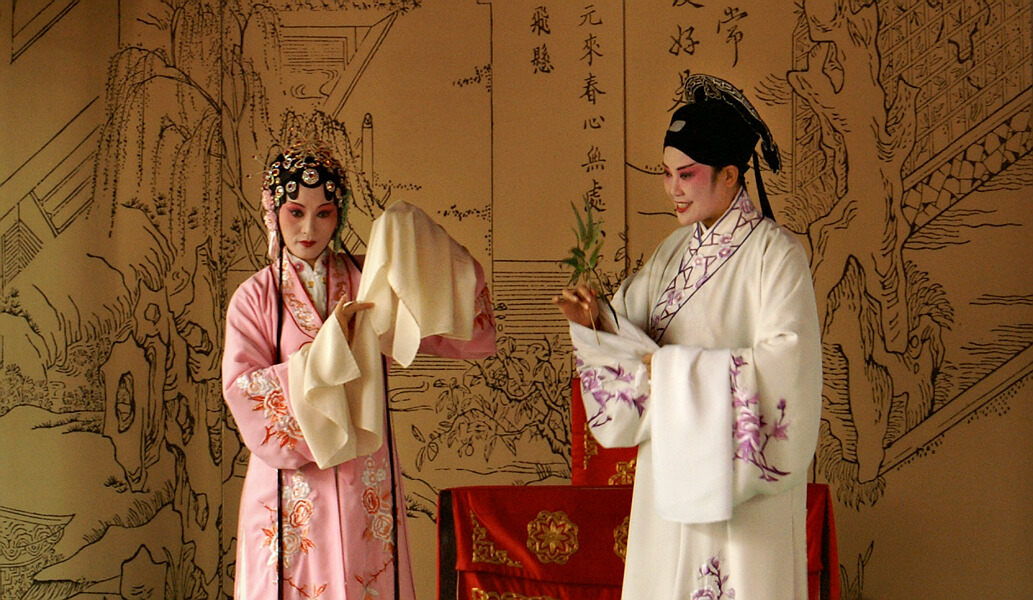
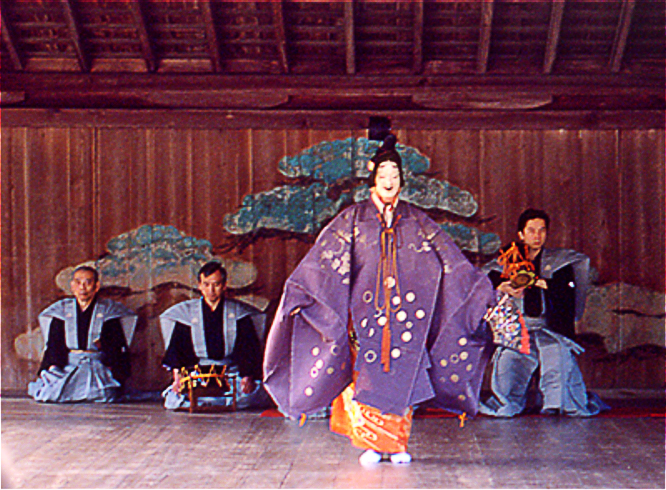
.jpg)
In 2001, the new program started identifying various forms of intangible heritage around the world for safeguarding. Under this act, UNESCO member states are each allowed to submit a single example of intangible cultural heritage within their territories. Multi-national nominations are also possible. The nominated intangible heritage may fall into two categories as set by the program:
- forms of popular and traditional cultural expressions; or
- cultural spaces, i.e., places where cultural and popular activities are concentrated and regularly take place (markets squares, festivals, etc.)
The nominations are evaluated by a panel of experts in intangible heritage, including specialized non-government organizations (NGOs), and are further scrutinized by a jury whose 18 members have been selected by the UNESCO Director-General. The cultural expressions and spaces proposed for proclamation had to:
- demonstrate their outstanding value as masterpiece of the human creative genius;
- give wide evidence of their roots in the cultural tradition or cultural history of the community concerned;
- be a means of affirming the cultural identity of the cultural communities concerned;
- provide proof of excellence in the application of the skill and technical qualities displayed;
- affirm their value as unique testimony of living cultural traditions;
- be at risk of degradation or of disappearing.
The nominees should be in conformity with UNESCO ideals, in particular, with the Universal Declaration of Human Rights. The nomination proposals also have to provide proof of the full involvement and agreement of the local communities and to include an action plan for the safeguarding or promotion of the concerned cultural spaces or expressions. This plan has to be developed in close collaboration with the tradition bearers.
Through the nomination process, the member states are encouraged to compile an inventory of their intangible heritage, raising awareness and protection of these treasures. In turn, the proclaimed masterpieces receive commitment from UNESCO in financing plans for their conservation.
Proclamations in 2001, 2003, and 2005, designated a total of 90 forms of intangible heritage around the world as masterpieces:
| Proclamation | Date | Jury president | Number of candidature files received | Number of Masterpieces proclaimed | Reference |
|---|---|---|---|---|---|
| 1st | May 18, 2001 | Juan Goytisolo (Spain) | 32 | 19 | |
| 2nd | November 7, 2003 | Juan Goytisolo (Spain) | 56 | 28 | |
| 3rd | November 25, 2005 | Princess Basma Bint Talal (Jordan) | 64 | 43 |
Current status
The increasing number of candidature files received and number of Masterpieces proclaimed every two years meant that UNESCO's goal of raising awareness on the importance of the protection of intangible heritage has been achieved. The rise in the number of participating member states led to the 2003 adoption of the Convention for the Safeguarding of the Intangible Cultural Heritage, which took effect in 2008. The standard-setting instrument was meant to complement the 1972 World Heritage Convention in its protection of intangible culture. All the 90 previously proclaimed masterpieces, which would be called elements, were featured as the first entries on the new list.
The process for designating an element for the list follows similar steps as the proclamation. The former role of the jury was supplanted by a new body known as the Intergovernmental Committee for the Safeguarding of Intangible Cultural Heritage.
In addition, UNESCO established a separate program, the List of Intangible Cultural Heritage in Need of Urgent Safeguarding, which highlights cultural expressions at risk despite efforts of the local community to preserve and protect them. These expressions cannot be expected to survive without immediate safeguarding; UNESCO also established an emergency fund for their preservation.
In 2003, UNESCO drafted the Convention for the Safeguarding of the Intangible Cultural Heritage, which provides an international framework, source of funding, and strategic overview for the further identification and protection of these masterpieces and other intangible cultural heritages. The convention went into force in 2006 and has since been approved by over 130 members.
References
References
- (2000-05-10). "UNESCO TO PROTECT MASTERPIECES OF THE ORAL AND INTANGIBLE HERITAGE OF HUMANITY". UNESCO Press.
- "UNESCO What is Intangible Cultural Heritage?". UNESCO.
- (2005-11-25). "The Samba of Roda and the Ramlila proclaimed Masterpieces of the Oral and Intangible Heritage of Humanity". UNESCO Press.
- "Universal Declaration on Cultural Diversity". UNESCO Press.
- (2002-02-19). "Linguistic Diversity: 3,000 Languages In Danger".
- (2000-11-17). "WORLD CULTURE REPORT 2000 CALLS FOR PRESERVATION OF INTANGIBLE CULTURAL HERITAGE". UNESCO Press.
- Juan Goytisolo. (2001-05-15). "Defending Threatened Cultures".
- "Kun Qu opera".
- "Nôgaku theatre".
- (14 November 2010). "Close-Up: Catalonia's human towers".
- "Proclamation of the Masterpieces of the Oral and Intangible Heritage of Humanity (2001-2005)". UNESCO Culture Sector.
- (2001-05-18). "UNESCO ISSUES FIRST EVER PROCLAMATION OF MASTERPIECES OF THE ORAL AND INTANGIBLE HERITAGE". UNESCO Press.
- (2003-11-07). "UNESCO Twenty-eight masterpieces of the oral and intangible heritage of humanity proclaimed". UNESCO Press.
- "Representative List of the Intangible Cultural Heritage of Humanity".
- "Forms for nominations, proposals and assistance requests". UNESCO Culture Sector.
- "Intergovernmental Committee for the Safeguarding of Intangible Cultural Heritage".
- "The List of Intangible Cultural Heritage in Need of Urgent Safeguarding".
This article was imported from Wikipedia and is available under the Creative Commons Attribution-ShareAlike 4.0 License. Content has been adapted to SurfDoc format. Original contributors can be found on the article history page.
Ask Mako anything about Masterpieces of the Oral and Intangible Heritage of Humanity — get instant answers, deeper analysis, and related topics.
Research with MakoFree with your Surf account
Create a free account to save articles, ask Mako questions, and organize your research.
Sign up freeThis content may have been generated or modified by AI. CloudSurf Software LLC is not responsible for the accuracy, completeness, or reliability of AI-generated content. Always verify important information from primary sources.
Report