From Surf Wiki (app.surf) — the open knowledge base
Mammalia in the 10th edition of Systema Naturae
Mammals in Carl Linnaeus's classification

Mammals in Carl Linnaeus's classification
Main article: 10th edition of Systema Naturae
The '*Mammalia in the 10th edition of *Systema Naturae''''' forms one of six classes of animals in Carl Linnaeus's tenth reformed edition written in Latin. The following explanations are based on William Turton's translations who rearranged and corrected earlier editions published by Johann Friedrich Gmelin, Johan Christian Fabricius and Carl Ludwig Willdenow:
Animals that suckle their young by means of lactiferous teats. In external and internal structure they resemble man: most of them are quadrupeds; and with man, their natural enemy, inhabit the surface of the Earth. The largest, though fewest in number, inhabit the ocean.
Linnaeus divided the mammals based on the number, situation, and structure of their teeth; mammals have the following characteristics:
- Heart: two auricles, 2 ventricles. Warm, dark red blood;
- Lungs: respires alternately;
- Jaw: incombent, covered. Teeth usually within jaw;
- Teats: lactiferous;
- Organs of sense: tongue, nostrils, eyes, ears, and papillae of the skin;
- Covering: hair, which is scanty in warm climates, hardly any on aquatics;
- Supports: four feet, except in aquatics; and in most a tail. Walks on the Earth and speaks. Oldfield Thomas scrutinized Linnaeus's chapter on mammals in 1911 and attempted to find missing type species and type localities.
Primates
Primates have four cutting upper parallel fore-teeth, except in some bat species which have two or none; solitary tusks in each jaw, one on each side; two pectoral teats; two feet and hands; flattened, oval nails; and they eat fruits.
;Homo – humans of different races
- Homo sapiens
- Homo americanus
- Homo europaeus
- Homo asiaticus
- Homo afer
- Homo monstrosus
- Homo troglodytes – partly based on myth, partly on orangutans
;Simia – monkeys and chimps
- Simia satyrus – common chimpanzee and Bornean orangutan
- Simia sylvanus – Barbary macaque
- Simia sphinx – mandrill
- Simia apedia – nomen dubium
- Simia silenus – lion-tailed macaque
- Simia faunus – species cannot be determined
- Simia paniscus – red-faced spider monkey
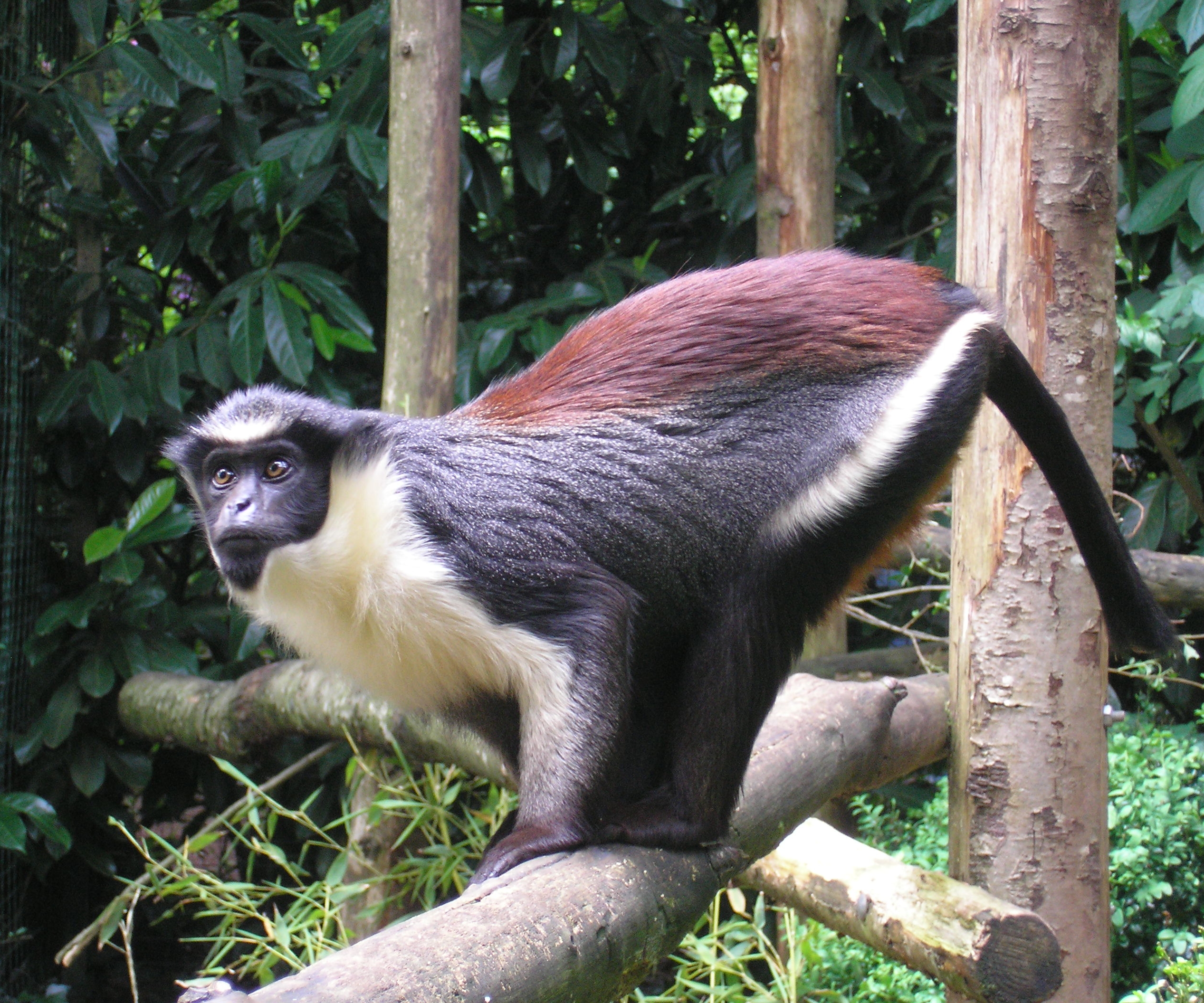
- Simia diana – Diana monkey
- Simia cephus – moustached guenon
- Simia aygula – nomen oblitum for the crab-eating macaque
- Simia hamadryas – hamadryas baboon
- Simia jacchus – common marmoset
- Simia oedipus – cottontop tamarin
- Simia aethiops – grivet
- Simia midas – red-handed tamarin
- Simia cynamolgos – possibly crab-eating macaque
- Simia apella – tufted capuchin
- Simia morta – nomen dubium
- Simia capucina – white-headed capuchin
- Simia sciurea – common squirrel monkey
- Simia syrichta – Philippine tarsier
;Lemur – lemurs
- Lemur tardigradus – red slender loris
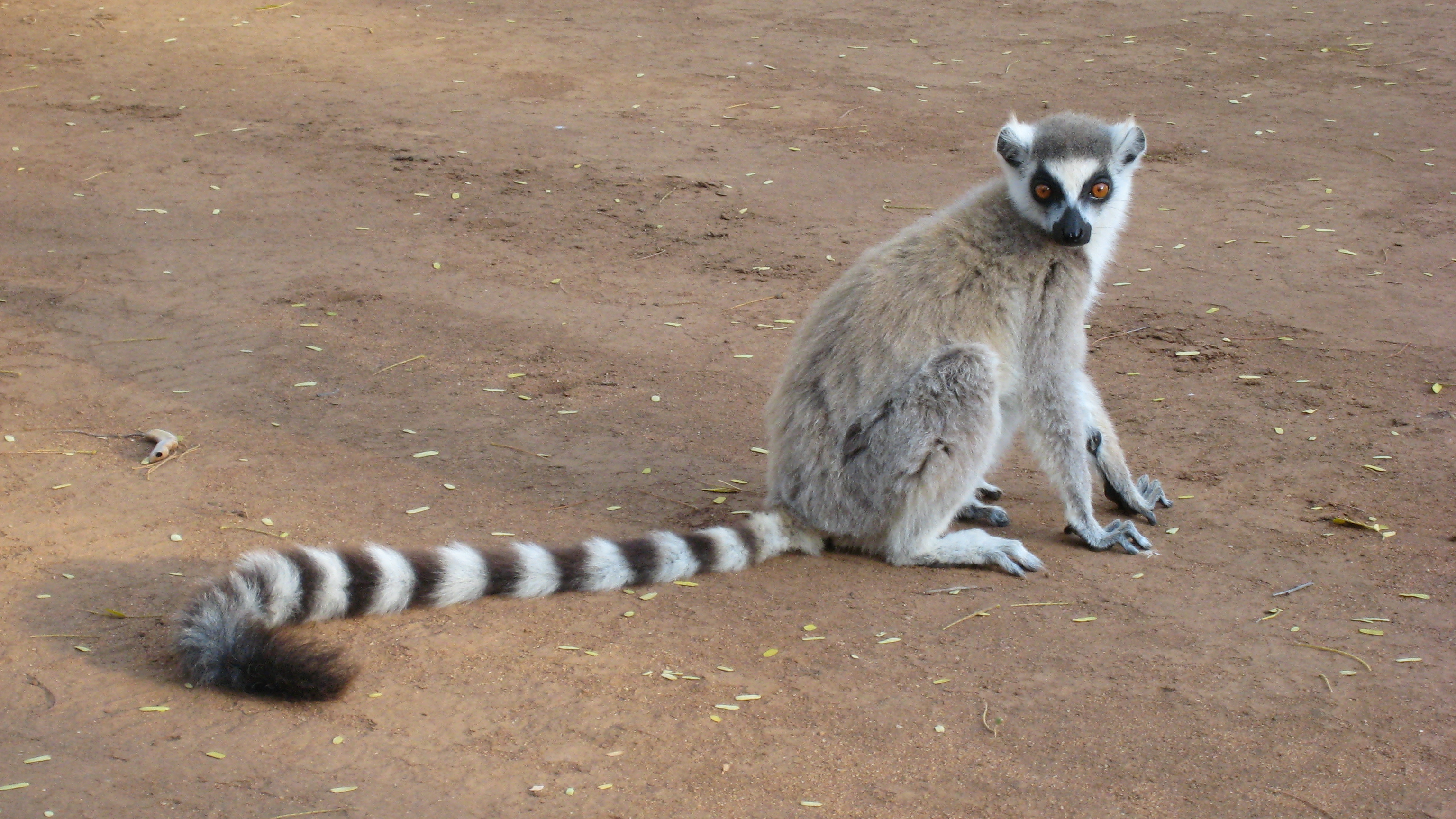
- Lemur catta – ring-tailed lemur
- Lemur volans – Philippine flying lemur
;Vespertilio – bats
- Vespertilio vampyrus – large flying fox
- Vespertilio spectrum – spectral vampire bat
- Vespertilio perspicillatus – Seba's short-tailed bat
- Vespertilio spasma – lesser false vampire bat
- Vespertilio leporinus – greater bulldog bat
- Vespertilio auritus – brown long-eared bat
- Vespertilio murinus – parti-coloured bat
Bruta
Bruta do not have fore-teeth, but tusks, feet with strong hoof-like nails; move slowly and eat mostly masticated vegetables.
;Elephas – elephants
- Elephas maximus – Asian elephant
;Trichechus – herbivorus marine mammals
- Trichechus manatus – West Indian manatee
;Bradypus – sloths
- Bradypus tridactylus – pale-throated sloth
- Bradypus didactylus – Linnaeus's two-toed sloth
;Myrmecophaga – anteaters
- Myrmecophaga didactyla – silky anteater
- Myrmecophaga tridactyla – giant anteater
- Myrmecophaga tetradactyla – southern tamandua
;Manis – pangolin
- Manis pentadactyla – Chinese pangolin
Ferae
Ferae usually have six conic fore-teeth in each jaw, longer tusks, grinders with conic projections, feet with subulate claws, and feed on carcasses and prey on other animals.
;Phoca – seals
- Phoca ursina – northern fur seal
- Phoca leonina – southern elephant seal
- Phoca rosmarus – walrus
- Phoca vitulina – harbour seal
;Canis – dogs
- Canis familiaris – domestic dog
- Canis lupus – grey wolf
- Canis hyaena – striped hyena
- Canis vulpes – red fox
- Canis alopex – species cannot be determined
- Canis lagopus – Arctic fox
- Canis aureus – golden jackal
;Felis – cats
- Felis leo – lion
- Felis tigris – tiger
- Felis pardus – leopard
- Felis onca – jaguar
- Felis pardalis – ocelot
- Felis catus – domestic cat
- Felis lynx – Eurasian lynx
.jpg)
;Viverra – skunks, mongooses, and genets
- Viverra ichneumon – Egyptian mongoose
- Viverra mephitis – striped skunk
- Viverra putorius – eastern spotted skunk
- Viverra zibetha – large Indian civet
- Viverra genetta – common genet
;Mustela – weasels, otters, and martens
- Mustela lutris – sea otter
- Mustela lutra – Eurasian river otter
- Mustela gulo – wolverine
- Mustela barbara – tayra
- Mustela martes – European pine marten
- Mustela putorius – wild ferret
- Mustela furo – ferret
- Mustela zibellina – sable
- Mustela erminea – stoat
- Mustela lutreola – European mink
;Ursus – bears, badgers, and raccoons
- Ursus arctos – brown bear
- Ursus luscus – wolverine
- Ursus meles – Eurasian badger
- Ursus lotor – northern raccoon
Bestiae

Bestiae have indefinite numbers of fore-teeth on the sides, always one extra canine, an elongate nose used to dig out juicy roots and vermin.
;Sus – pigs
- Sus scrofa – wild boar
- Sus porcus – red river hog
- Sus tajacu – collared peccary
- Sus babyrusa – Buru babirusa
;Dasypus – armadillos
- Dasypus unicinctus – southern naked-tailed armadillo
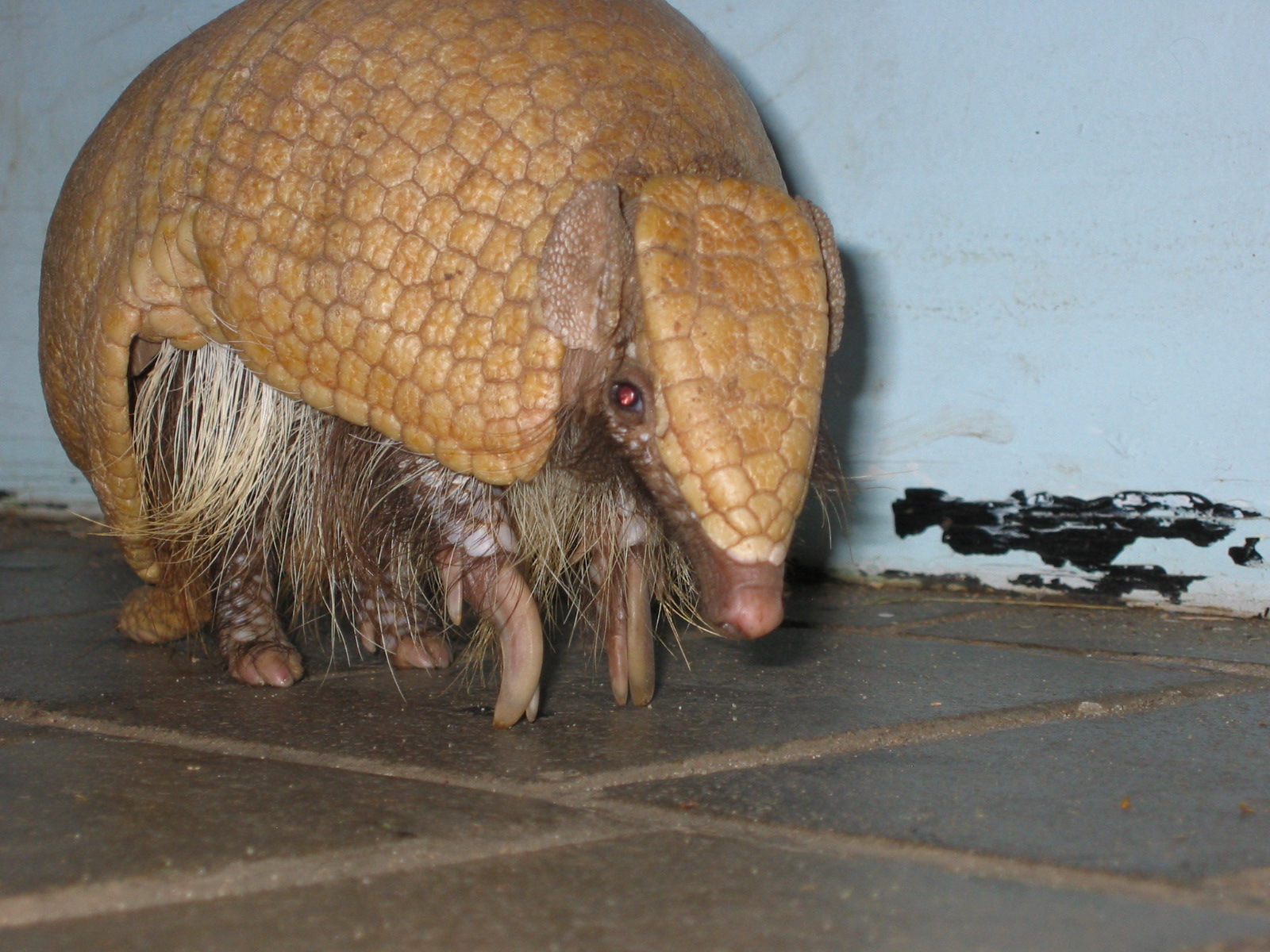
- Dasypus tricinctus – Brazilian three-banded armadillo
- Dasypus quadricinctus − synonym of tricinctus
- Dasypus sexcinctus – six-banded armadillo
- Dasypus septemcinctus – seven-banded armadillo
- Dasypus novemcinctus – nine-banded armadillo
;Erinaceus – hedgehogs
- Erinaceus europaeus – European hedgehog
;Talpa – moles
- Talpa europaea – European mole
- Talpa asiatica – Cape golden mole
;Sorex – shrews
- Sorex araneus – common shrew
- Sorex cristatus – star-nosed mole
- Sorex aquaticus – eastern mole
;Didelphis – opossums
- Didelphis marsupialis – common opossum
- Didelphis philander – bare-tailed woolly opossum
- Didelphis opossum – grey four-eyed opossum
- Didelphis murina – Linnaeus's mouse opossum
- Didelphis dorsigera − synonym of murina
Glires
1_-_Relic38.jpg)
Glires have two cutting fore-teeth in each jaw, but no tusks, feet with claws formed for running and bounding, and eat bark, roots, and vegetables, which they gnaw.
;Rhinoceros – rhinos
- Rhinoceros unicornis – Indian rhinoceros
- Rhinoceros bicornis – black rhinoceros
;Hystrix – porcupines
- Hystrix cristata – crested porcupine
- Hystrix prehensilis – Brazilian porcupine
- Hystrix dorsata – North American porcupine
- Hystrix macroura – Asiatic brush-tailed porcupine
- Hystrix brachyura – Malayan porcupine
;Lepus – hares
- Lepus timidus – common hare
- Lepus cuniculus – European rabbit
- Lepus capensis – Cape hare
- Lepus brasiliensis – Common tapetí
;Castor – beavers and desmans
- Castor fiber – European beaver
- Castor moschatus – Russian desman

;Mus – mice and squirrels
- Mus porcellus – Guinea pig
- Mus leporinus – red-rumped agouti
- Mus lemmus – Norway lemming
- Mus marmota – Alpine marmot
- Mus monax – groundhog
- Mus cricetus – European hamster
- Mus terrestris
- Mus amphibius – European water vole
- Mus rattus – black rat
- Mus musculus – house mouse
- Mus avellanarius – hazel dormouse
- Mus sylvaticus – wood mouse
- Mus striatus – typical striped grass mouse
- Mus longipes - [nomen dubium, no type specimen specified]
- Mus jaculus – lesser Egyptian jerboa
- Mus volans – southern flying squirrel

;Sciurus – more squirrels
- Sciurus vulgaris – red squirrel
- Sciurus niger – fox squirrel
- Sciurus cinereus – Delmarva fox squirrel
- Sciurus flavus – [nomen dubium]
- Sciurus getulus – Barbary ground squirrel
- Sciurus striatus – eastern chipmunk
- Sciurus volans – Siberian flying squirrel
Pecora
Pecora do not have upper, not many lower cutting fore-teeth, hoofed, cloven feet, and feed on herbs which they pluck, chewing the cud; four stomachs, a paunch for macerating and ruminating food, a bonnet for reticulating and receiving it, an omasus or maniplies of numerous folds for digesting it, and an abomasus or caille, fasciate, for giving it acescency and preventing putrefaction.
;Camelus – camels
- Camelus dromedarius – dromedary camel
- Camelus bactrianus – domestic Bactrian camel
- Camelus glama – domestic llama
- Camelus pacos – domestic alpaca
;Moschus – musk deer
- Moschus moschiferus – Siberian musk deer
;Cervus – deer
- Cervus camelopardalis – giraffe
- Cervus alces – elk
- Cervus elaphus – red deer
- Cervus tarandus – reindeer
- Cervus dama – fallow deer
- Cervus bezoarticus – pampas deer
- Cervus capreolus – roe deer
- Cervus guineensis – [nomen dubium]
;Capra – goats
- Capra hircus – goat
- Capra ibex – Alpine ibex
- Capra rupicapra – chamois
- Capra depressa – cannot be determined
- Capra reversa – cannot be determined
- Capra pygmea – royal antelope
- Capra gazella – gemsbok
- Capra cervicapra – blackbuck
- Capra dorcas – dorcas gazelle
- Capra grimmia – common duiker
- Capra mambrica – a long-eared domestic goat from Syria
- Capra ammon – argali
;Ovis – sheep
- Ovis aries – domestic sheep
- Ovis guineensis – domestic sheep from Guinea
- Ovis strepsiceros – domestic sheep from Crete
;Bos – cows and bison
- Bos taurus – cow
- Bos bonasus – European bison
- Bos bison – American bison
- Bos bubalis – domestic water buffalo
- Bos indicus – zebu
Bellua

Bellua have obtuse fore-teeth, hoofed feet, move heavily, and feed on vegetables.
;Equus – horses
- Equus caballus – horse
- Equus asinus – donkey
- Equus zebra – mountain zebra
;Hippopotamus – hippos and tapirs
- Hippopotamus amphibius – hippopotamus
- Hippopotamus terrestris – South American tapir
Cete
Cete have some cartilaginous, some bony teeth, no nostrils but a fistulous opening in the anterior and upper part of the head, pectoral fins instead of feet, horizontal, flattened tails, no claws, live in the ocean, and feed on mollusca and fish.
;Monodon – narwhal
- Monodon monoceros – narwhal
;Balaena – baleen whales
- Balaena mysticetus – bowhead whale
- Balaena physalus – fin whale
- Balaena boops – unknown
- Balaena musculus – blue whale
;Physeter – sperm whales and cryptid whales
- Physeter catodon – either Beluga or sperm whale
- Physeter macrocephalus sperm whale
- Physeter miscrops
- Physeter tursio – possibly a cryptid whale
;Delphinus – dolphins, porpoises and orcas
- Delphinus phocoena – harbour porpoise
- Delphinus delphis – short-beaked common dolphin
- Delphinus orca – orca
References
Footnotes
References
- Linnaeus, C.. (1758). "Systema naturae per regna tria naturae: secundum classes, ordines, genera, species, cum characteribus, differentiis, synonymis, locis". Laurentii Salvii.
- Turton, W.. (1806). "A general system of nature: through the three grand kingdoms of animals, vegetables, and minerals, systematically divided into their several classes, orders, genera, species, and varieties. Translated from Gmelin. Volume 1". Lackington, Allen, and Co.
- Thomas, O.. (1911). "The Mammals of the Tenth Edition of Linnaeus; an Attempt to fix the Types of the Genera and the exact Bases and Localities of the Species". Proceedings of the Zoological Society of London.
- (1999). "The changing face of genus ''Homo''". [[Evolutionary Anthropology (journal).
- "Carolius Linnaeus and his names for Primates". Darwiniana.
- (2004). "The naming of wild animal species and their domestic derivatives". [[Journal of Archaeological Science]].
- "Eastern Spotted Skunk ''Spilogale putorius''". [[South Carolina Department of Natural Resources]].
- (1894). "A reprint of the North American zoology by George Ord". Samuel N. Rhoads.
- Perrin, W.. (2009). "''Balaenoptera physalus'' (Linnaeus, 1758)". [[World Register of Marine Species]].
- W. Perrin. (2009). "''Physeter macrocephalus'' Linnaeus, 1758". [[World Register of Marine Species]].
This article was imported from Wikipedia and is available under the Creative Commons Attribution-ShareAlike 4.0 License. Content has been adapted to SurfDoc format. Original contributors can be found on the article history page.
Ask Mako anything about Mammalia in the 10th edition of Systema Naturae — get instant answers, deeper analysis, and related topics.
Research with MakoFree with your Surf account
Create a free account to save articles, ask Mako questions, and organize your research.
Sign up freeThis content may have been generated or modified by AI. CloudSurf Software LLC is not responsible for the accuracy, completeness, or reliability of AI-generated content. Always verify important information from primary sources.
Report