From Surf Wiki (app.surf) — the open knowledge base
Mack (naval architecture)
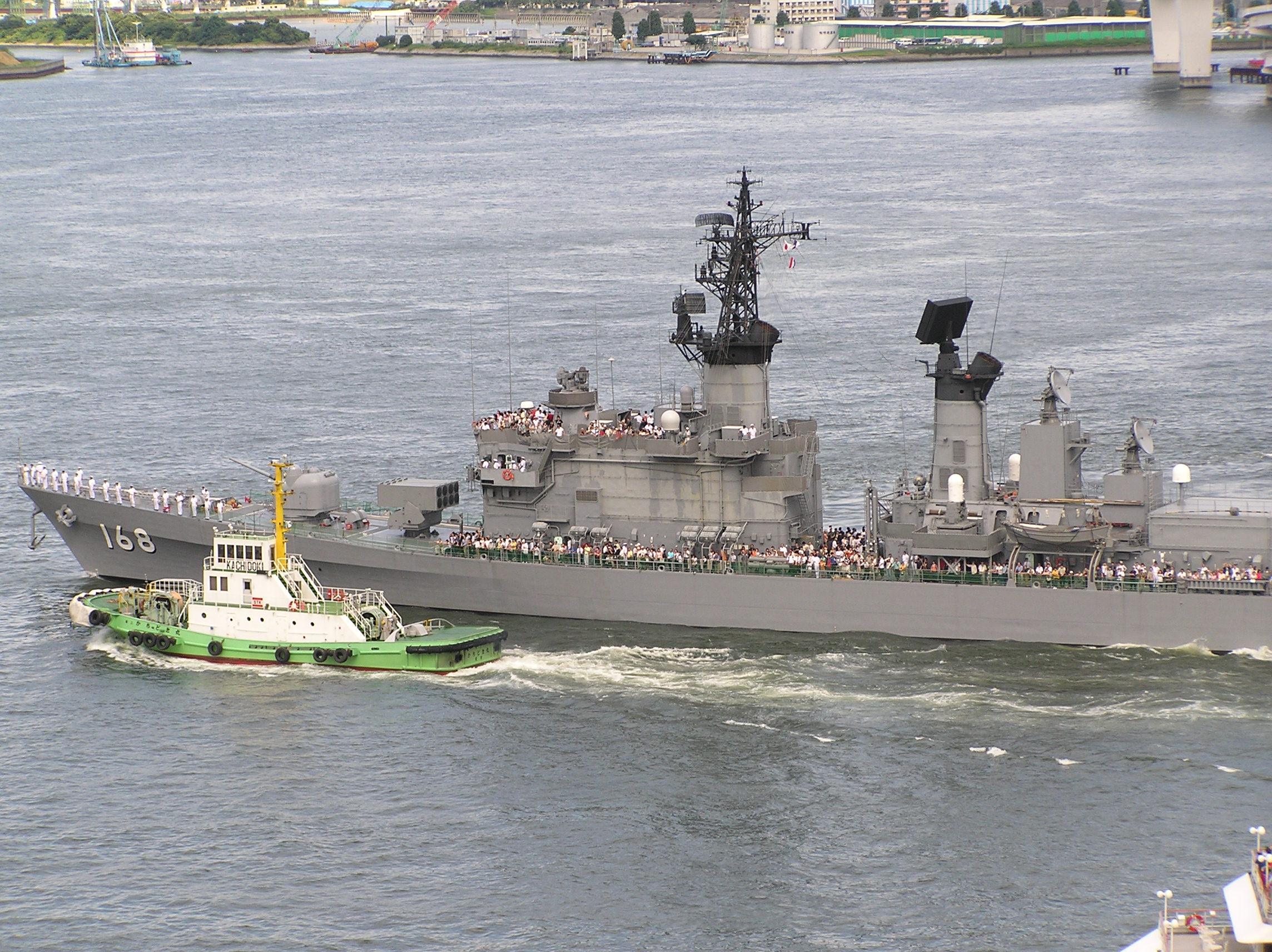
In naval architecture, a mack is a structure which combines the radar masts and the exhaust stack of a surface ship, thereby saving the upper deck space used for separate funnels and the increasingly large tripod masts used to carry heavy radar aerials. The word is a composite (portmanteau) of "mast" and "stack". It is a common design feature on post-World War II warships (e.g. the rebuilt Baltimore-class cruisers) and on some cruise ships.

The French Navy (Marine Nationale) used a combined exhaust stack and rear director mast on the Richelieu-class battleships in the late 1930s. The Royal Navy used this design feature on the 1944 Weapon-class destroyers and the subsequent Daring-class destroyers, and in the diesel-engined Type 41 "Cat" class and Type 61 "Cathedral" class frigates of the 1950s. It provided unbalanced and unattractive designs, which led to a reversion to separate masts and funnels in subsequent RN vessels.
The close proximity of exhaust fumes to delicate radio and radar equipment led to corrosion problems, making macks unpopular for later designs.
References
References
- (28 February 2018). "Richelieu class battleships (1940)".
- "CG-16 Leahy class".
This article was imported from Wikipedia and is available under the Creative Commons Attribution-ShareAlike 4.0 License. Content has been adapted to SurfDoc format. Original contributors can be found on the article history page.
Ask Mako anything about Mack (naval architecture) — get instant answers, deeper analysis, and related topics.
Research with MakoFree with your Surf account
Create a free account to save articles, ask Mako questions, and organize your research.
Sign up freeThis content may have been generated or modified by AI. CloudSurf Software LLC is not responsible for the accuracy, completeness, or reliability of AI-generated content. Always verify important information from primary sources.
Report