From Surf Wiki (app.surf) — the open knowledge base
Lower third
Graphic overlay in lower area of TV screen
Graphic overlay in lower area of TV screen
In the television industry, a lower third (alternatively known as a chyron) is a graphic overlay placed in the title-safe lower area of the screen, though not necessarily the entire lower third of it, as the name suggests.
In its simplest form, a lower third can just be text overlaying the video. Frequently this text is white with a drop shadow to make the words easier to read. A lower third can also contain graphical elements such as boxes, images or shading. Some lower thirds have animated backgrounds and text.
Lower thirds can be created using basic home-video editing software or professional-level equipment. This equipment makes use of video's alpha channel to determine what parts of the graphic or text should be transparent, allowing the video in the background to show through.
Terminology
Lower thirds are also often known as "CG" (from character generator) or captions, and sometimes chyrons in North America, due to the popularity of Chyron Corporation's Chiron I character generator, an early digital solution developed in the 1970s for rendering lower thirds. Other common terms include superbars (or simply supers) (US) and name straps and astons (after Aston Electronic Designs) (UK).
Video with lower thirds is known as a program as broadcast or dirty. Video without lower thirds is known as a clean feed or textless. For international distribution programs often include textless elements on the master tape: these are all the shots that lower thirds and digital on-screen graphics have been applied to, placed end-to-end so engineers can make a clean master if necessary.
Tiers
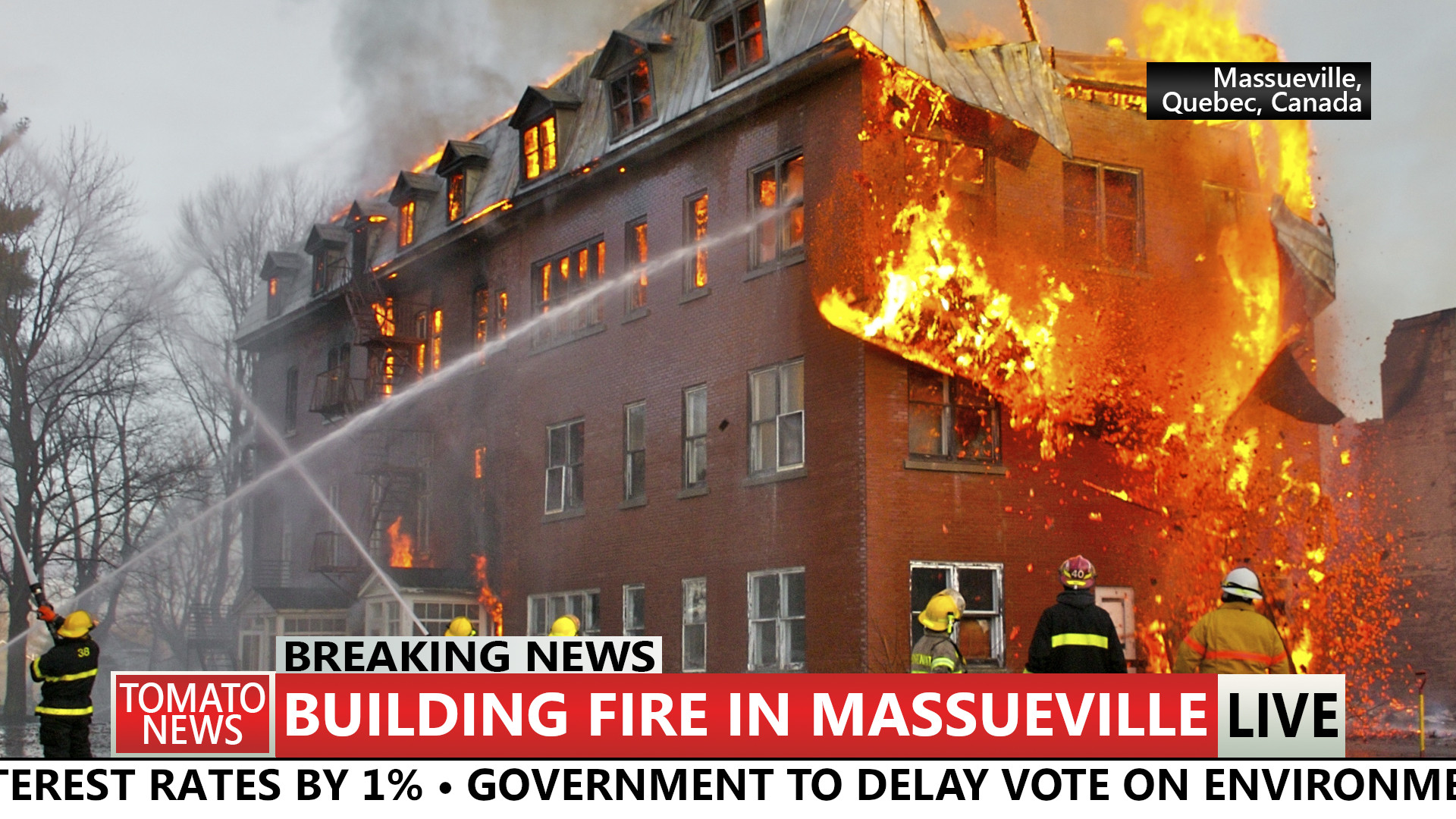
Lower thirds are usually arranged in tiers, or lines:
- One-tier lower thirds: Usually used to identify a story that is being shown, or to show a presenter's name.
- Two-tier lower thirds: Used most often to identify a person on screen. Often, the person's name appears on the first line, with their place of residence or a description below that. Two-tier lower thirds may also be used as "locators" to identify where a story is taking place.
- Three-tier lower thirds: These lower thirds add more information. Commonly, the first tier is used to tell when the video was shot, if it was not shot the day the newscast is airing.
Further elements
Lower thirds increasingly include elements such as news tickers, time and date, weather information, stock quotes, or sports scores.
References
References
- Atkinson, Claire. (11 August 2008). "The battle for the lower third". New Bay Media.
- Tozzi, Lisa. (28 January 2008). "Giuliani's New Ad: 'Not Endorsed'". [[The New York Times]].
- Green, Jonathon. (2 October 2013). "Dictionary of Jargon". Routledge.
- "Best Banner & Lower Third Competition".
- Montgomery, Mark. (April 2010). "Tips for Lower Third Titles". Videomaker.
This article was imported from Wikipedia and is available under the Creative Commons Attribution-ShareAlike 4.0 License. Content has been adapted to SurfDoc format. Original contributors can be found on the article history page.
Ask Mako anything about Lower third — get instant answers, deeper analysis, and related topics.
Research with MakoFree with your Surf account
Create a free account to save articles, ask Mako questions, and organize your research.
Sign up freeThis content may have been generated or modified by AI. CloudSurf Software LLC is not responsible for the accuracy, completeness, or reliability of AI-generated content. Always verify important information from primary sources.
Report