From Surf Wiki (app.surf) — the open knowledge base
List of vegetable oils
None
None
Vegetable oils are triglycerides extracted from plants. Some of these oils have been part of human culture for millennia.{{cite news | access-date=2011-12-30}} Edible vegetable oils are used in food, both in cooking and as supplements. Many oils, edible and otherwise, are burned as fuel, such as in oil lamps and as a substitute for petroleum-based fuels. Some of the many other uses include wood finishing, oil painting, and skin care.
Definition
The term "vegetable oil" can be narrowly defined as referring only to substances that are liquid at room temperature, or broadly defined without regard to a substance's state (liquid or solid) at a given temperature. While a large majority of the entries in this list fit the narrower of these definitions, some do not qualify as vegetable oils according to all understandings of the term.
Classification
Vegetable oils can be classified in several ways. For instance, by their use or by the method used to extract them. In this article, vegetable oils are grouped in common classes of use.
Extraction method
There are several types of plant oils, distinguished by the method used to extract the oil from the plant. The relevant part of the plant may be placed under pressure to extract the oil, giving an expressed (or pressed) oil. The oils included in this list are of this type. Oils may also be extracted from plants by dissolving parts of plants in water or another solvent. The solution may be separated from the plant material and concentrated, giving an extracted or leached oil. The mixture may also be separated by distilling the oil away from the plant material. Oils extracted by this latter method are called essential oils. Essential oils often have different properties and uses than pressed or leached vegetable oils. Finally, macerated oils are made by infusing parts of plants in a base oil, a process called liquid–liquid extraction.
Sources and Uses
Most, but not all vegetable oils are extracted from the fruits or seeds of plants. For instance, palm oil is extracted from palm fruits, while soybean oil is extracted from soybean seeds. Vegetable oils may also be classified by grouping oils extracted from similar plants, such as "nut oils".
Although most plants contain some oil, only the oil from certain major oil crops{{cite book | access-date=2011-11-19 | access-date=2011-10-24
Use
Oils from plants are used for several different purposes. Edible vegetable oils may be used for cooking, or as food additives. Many vegetable oils, edible and otherwise, are burned as fuel, for instance as a substitute for petroleum-based fuels. Some may be also used for cosmetics, medical purposes, wood finishing, oil painting and other industrial purposes.
Edible oils
Major oils
These oils make up a significant fraction of worldwide edible oil production. All are also used as fuel oils.
- Coconut oil, a cooking oil, with medical and industrial applications as well. Extracted from the kernel or meat of the fruit of the coconut palm. Common in the tropics, and unusual in composition, with medium chain fatty acids dominant.{{cite book | access-date=2012-01-21
- Corn oil, one of the principal oils sold as salad and cooking oil.{{cite book | access-date=2011-11-19
- Cottonseed oil, used as a salad and cooking oil, both domestically and industrially.{{cite web |access-date=2011-10-17 |url-status=dead |archive-url=https://web.archive.org/web/20151017083204/http://www.cottonseed.com/publications/facts.asp |archive-date=2015-10-17
- Olive oil, used in cooking, cosmetics, soaps, and as a fuel for traditional oil lamps.
- Palm oil, the most widely produced tropical oil.{{cite web |access-date = 2011-10-19 |url-status = dead |archive-url = https://web.archive.org/web/20111016191917/http://www.soyatech.com/Palm_Oil_Facts.htm |archive-date = 2011-10-16 | access-date=2011-10-19
- Peanut oil (Ground nut oil), a clear oil with some applications as a salad dressing, and, due to its high smoke point, especially used for frying.{{cite book | chapter-url=https://books.google.com/books?id=lnk2tdo8_P4C&q=peanut&pg=PA226 | access-date=2014-10-05
- Rapeseed oil, including Canola oil, the most sold cooking oil all around the world; used as a salad and cooking oil, both domestically and industrially. Also used in fuel industry as bio-fuel.
- Safflower oil, until the 1960s used in the paint industry, now mostly as a cooking oil.{{cite web |access-date = 2011-10-17 |archive-url = https://web.archive.org/web/20111011085608/http://agmrc.org/commodities__products/grains__oilseeds/safflower.cfm |archive-date = 2011-10-11 |url-status = dead
- Sesame oil, cold pressed as light cooking oil, hot pressed for a darker and stronger flavor.{{cite web | access-date=2011-11-19
- Soybean oil, produced as a byproduct of processing soy meal.{{cite web | access-date=2014-10-05
- Sunflower oil, a common cooking oil, also used to make biodiesel.{{cite web | access-date=2011-10-17
Nut oils
Nut oils are generally used in cooking, for their flavor. Most are quite costly, because of the difficulty of extracting the oil.
- Almond oil, used as an edible oil, but primarily in the manufacture of cosmetics.Axtell, {{cite web
- Beech nut oil, from Fagus sylvatica nuts, is a well-regarded edible oil in Europe, used for salads and cooking.{{cite book | access-date=2011-11-21
- Brazil nut oil contains 75% unsaturated fatty acids composed mainly of oleic and linolenic acids, as well as the phytosterol, beta-sitosterol, and fat-soluble vitamin E. Extra virgin oil can be obtained during the first pressing of the nuts, possibly for use as a substitute for olive oil due to its mild, pleasant flavor.
- Cashew oil, somewhat comparable to olive oil. May have value for fighting dental cavities.
- Jamaican cobnut oil, a sweet, fine-flavored oil | access-date=January 24, 2023 pressed from the seeds of Omphalea triandra in the tropical Americas. It is also reported to be used as a lubricant.
- Hazelnut oil, mainly used for its flavor. Also used in skin care, because of its slight astringent nature.
- Macadamia oil, with a mild nutty flavor and a high smoke point.
- Mongongo nut oil (or manketti oil), from the seeds of the Schinziophyton rautanenii, a tree which grows in South Africa. High in vitamin E. Also used in skin care.{{cite web | access-date=2011-04-28
- Pecan oil, valued as a food oil, but requiring fresh pecans for good quality oil.{{cite web | access-date=2013-12-03
- Pine nut oil, sold as a gourmet cooking oil,{{cite book | chapter-url=https://books.google.com/books?id=7VENd7fgLIkC&q=pine+nut+oil&pg=PA353 | access-date=2014-10-05 | chapter-url=https://books.google.com/books?id=Uu4nzKx74noC&q=pine+nut+oil&pg=PA290 | access-date=2014-10-05
- Pistachio oil, a strongly flavored oil with a distinctive green color.{{cite book | url-access=registration | access-date=2014-10-05
- Walnut oil, used for its flavor, also used by Renaissance painters in oil paints.{{cite book |access-date = 2014-10-05 |url-status = dead |archive-url = https://web.archive.org/web/20141114051824/http://thepaintershandbook.com/ |archive-date = 2014-11-14
Citrus oils
A number of citrus plants yield pressed oils. Some, such as lemon and orange oil, are used as essential oils, which is uncommon for pressed oils. group="note"Lime oil, for example, is distilled, not pressed. See Jackson, p. 131 The seeds of many if not most members of the citrus family yield usable oils.{{cite book
- Grapefruit seed oil, extracted from the seeds of grapefruit (Citrus × paradisi). Grapefruit seed oil was extracted experimentally in 1930 and was shown to be suitable for making soap.
- Lemon oil, similar in fragrance to the fruit. One of a small number of cold pressed essential oils.{{cite book
- Orange oil, like lemon oil, cold pressed rather than distilled.{{cite book | access-date=2014-10-05 | access-date=2014-10-05
Oils from melon and gourd seeds
Members of the Cucurbitaceae include gourds, melons, pumpkins, and squashes. Seeds from these plants are noted for their oil content, but little information is available on methods of extracting the oil. In most cases, the plants are grown as food, with dietary use of the oils as a byproduct of using the seeds as food.Axtell, "Cucurbitaceae
- Bitter gourd oil, from the seeds of Momordica charantia. High in α-Eleostearic acid. Of current research interest for its potential anti-carcinogenic properties.
- Bottle gourd oil, extracted from the seeds of the Lagenaria siceraria, widely grown in tropical regions. Used as an edible oil. Axtell, "Bottle gourd"
- Buffalo gourd oil, from the seeds of the Cucurbita foetidissima, a vine with a rank odor, native to southwest North America.{{cite book | access-date=2014-10-06
- Butternut squash seed oil, from the seeds of Cucurbita moschata, has a nutty flavor that is used for salad dressings, marinades, and sautéeing.{{cite web | access-date=2011-01-14
- Egusi"Egusi" is the common name of several species of melons, including Citrullus vulgaris cultivars and Lagenaria sicerari. seed oil, from the seeds of Melothria sphaerocarpa (syn. Cucumeropsis mannii), is particularly rich in linoleic acid.{{cite journal | doi-access=free
- Pumpkin seed oil, a specialty cooking oil, produced in Austria, Slovenia and Croatia. Used mostly in salad dressings.{{cite journal | doi-access=free
- Watermelon seed oil, pressed from the seeds of Citrullus vulgaris. Traditionally used in cooking in West Africa.{{cite book | access-date=2014-10-05
Food supplements
A number of oils are used as food supplements (or "nutraceuticals"), for their nutrient content or purported medicinal effect. Borage seed oil, blackcurrant seed oil, and evening primrose oil all have a significant amount of gamma-Linolenic acid (GLA) (about 23%, 15–20% and 7–10%, respectively), and it is this that has drawn the interest of researchers.
- Açaí oil, from the fruit of several species of the Açaí palm (Euterpe) grown in the Amazon region.{{cite book
- Black seed oil, pressed from Nigella sativa seeds, has a long history of medicinal use, including in ancient Greek, Asian, and Islamic medicine, as well as being a topic of current medical research.{{cite book | access-date=2014-10-05 | chapter-url=https://books.google.com/books?id=RYE6YKPdFDEC&q=%22black+seed+oil%22&pg=PA285 | access-date=2014-10-05 | access-date=2014-10-05
- Blackcurrant seed oil, from the seeds of Ribes nigrum, used as a food supplement. High in gamma-Linolenic, omega-3 and omega-6 fatty acids. | access-date=2014-10-05
- Borage seed oil, from the seeds of Borago officinalis.
- Evening primrose oil, from the seeds of Oenothera biennis,{{cite book | chapter-url=https://books.google.com/books?id=Sfmc-fRCj10C&q=Evening+primrose+Oenothera+biennis&pg=PA197 | access-date=2014-10-05 | access-date=2011-10-25
- Flaxseed oil (called linseed oil when used as a drying oil), from the seeds of Linum usitatissimum. High in omega-3 and lignans, which can be used medicinally. A good dietary equivalent to fish oil.{{cite book | access-date=2014-10-05 | chapter-url=https://books.google.com/books?id=gk4oi2BxwrcC&q=flaxseed+oil&pg=PA106 | access-date=2014-10-05
Other edible oils
- Amaranth oil, from the seeds of grain amaranth species, including Amaranthus cruentus and Amaranthus hypochondriacus, high in squalene and unsaturated fatty acids.{{cite journal
- Apricot oil, similar to almond oil, which it resembles. Used in cosmetics.{{cite book | access-date=2014-10-05
- Apple seed oil, high in linoleic acid.{{cite journal | access-date=2011-10-24
- Argan oil, from the seeds of the Argania spinosa, is a food oil from Morocco{{cite book | access-date=2014-10-05 The Targanine cooperative was founded by Zoubida Charrouf in the 1990s to help local poor, widowed and divorced women derive an income from producing and exporting high-quality argan oil. See {{cite book that has also attracted recent attention in Europe.
- Avocado oil, an edible oil{{cite book | access-date=2014-10-05 | access-date=2014-10-05 | access-date=2014-10-05
- Babassu oil, from the seeds of the Attalea speciosa, is similar to, and used as a substitute for, coconut oil.{{cite web | access-date=2014-10-05
- Ben oil, extracted from the seeds of the Moringa oleifera. High in behenic acid. Extremely stable edible oil. Also suitable for biofuel.
- Borneo tallow nut oil, extracted from the fruit of species of genus Shorea. Used as a substitute for cocoa butter, and to make soap, candles, cosmetics and medicines in places where the tree is common. Axtell, "Borneo tallow nut
- Cape chestnut oil, also called yangu oil, is a popular oil in Africa for skin care.{{cite book
- Carob pod oil (Algaroba oil), from carob, with an exceptionally high essential fatty acid content.{{cite journal
- Cocoa butter, from the cacao plant, is used in the manufacture of chocolate, as well as in some ointments and cosmetics; sometimes known as theobroma oil
- Cocklebur oil, from species of genus Xanthium, with similar properties to poppyseed oil, similar in taste and smell to sunflower oil.{{cite journal
- Cohune oil, from the Attalea cohune (cohune palm) used as a lubricant, for cooking, soapmaking and as a lamp oil.{{cite web | access-date=2011-10-21
- Coriander seed oil, from coriander seeds, used in a wide variety of flavoring applications, including gin and seasoning blends.{{cite book | access-date=2014-10-05
- Date seed oil, extracted from date pits.{{cite journal | access-date=2011-11-19
- Dika oil, from Irvingia gabonensis seeds, native to West Africa. Used to make margarine, soap and pharmaceuticals, where is it being examined as a tablet lubricant. Largely underdeveloped.{{cite book | access-date=2014-10-05
- False flax oil made of the seeds of Camelina sativa. One of the earliest oil crops, dating back to the 6th millennium B.C.{{cite book | access-date=2014-10-05 | access-date=2014-10-05 | access-date=2014-10-05
- Grape seed oil, a cooking and salad oil, also sprayed on raisins to help them retain their flavor.{{cite book | access-date=2014-10-05
- Hemp oil, a high quality food oil also used to make paints, varnishes, resins and soft soaps.
- Kapok seed oil, from the seeds of Ceiba pentandra, used as an edible oil, and in soap production.{{cite web |access-date=2011-10-24}}
- Kenaf seed oil, from the seeds of Hibiscus cannabinus. An edible oil similar to cottonseed oil, with a long history of use.{{cite journal
- Lallemantia oil, from the seeds of Lallemantia iberica, discovered at archaeological sites in northern Greece.
- Mafura oil, extracted from the seeds of Trichilia emetica. Used as an edible oil in Ethiopia. Mafura butter, extracted as part of the same process when extracting the oil, is not edible, and is used in soap and candle making, as a body ointment, as fuel, and medicinally.{{cite book |title-link=Plant Resources of Tropical Africa }}
- Marula oil, extracted from the kernel of Sclerocarya birrea. Used as an edible oil with a light, nutty flavor. Also used in soaps. Fatty acid composition is similar to that of olive oil. | chapter-url=https://books.google.com/books?id=MqGLARzj-6sC&q=marula+oil&pg=PA123 |access-date=2013-10-25}}
- Meadowfoam seed oil, highly stable oil, with over 98% long-chain fatty acids. Competes with rapeseed oil for industrial applications.
- Mustard oil (pressed), used in India as a cooking oil. Also used as a massage oil.{{cite web | access-date=2011-10-22
- Niger seed oil is obtained from the edible seeds of the Niger plant, which belongs to the genus Guizotia of the family Asteraceae. The botanical name of the plant is Guizotia abyssinica. Cultivation for the plant originated in the Ethiopian Highlands, and has since spread from Malawi to India.
- Nutmeg butter, extracted by expression from the fruit of cogeners of genus Myristica. Nutmeg butter has a large amount of trimyristin. Nutmeg oil, by contrast, is an essential oil, extracted by steam distillation.{{cite encyclopedia | access-date=2011-10-24
- Okra seed oil, from Abelmoschus esculentus. Composed predominantly of oleic and linoleic acids.{{cite journal |url-status = dead |archive-url = https://web.archive.org/web/20071113072004/http://www.aocs.org/archives/am2004/session.asp?session=PRO+4%2FSOA+4%3A+Processing+of+Specialty+Oils |archive-date = 2007-11-13
- Papaya seed oil, high in omega-3 and omega-6, similar in composition to olive oil.{{cite book | access-date=2014-10-05
- Perilla seed oil, high in omega-3 fatty acids. Used as an edible oil, for medicinal purposes in Asian herbal medicine, in skin care products and as a drying oil.
- Persimmon seed oil, extracted from the seeds of Diospyros virginiana. Dark, reddish-brown color, similar in taste to olive oil. Nearly equal content of oleic and linoleic acids.{{cite journal
- Pequi oil, extracted from the seeds of Caryocar brasiliense. Used in Brazil as a highly prized cooking oil. Axtell, "Caryocar spp.
- Pili nut oil, extracted from the seeds of Canarium ovatum. Used in the Philippines as an edible oil, as well as for a lamp oil. Axtell, "Pili nut"
- Pomegranate seed oil, from Punica granatum seeds, is very high in punicic acid (which takes its name from pomegranates). A topic of current medical research for treating and preventing cancer.{{cite book | access-date=2014-10-05
- Poppyseed oil, long used for cooking, in paints, varnishes, and soaps.{{cite book | access-date=2014-10-05 | access-date=2014-10-05
- Pracaxi oil, extracted from the seeds of Pentaclethra macroloba. Similar to peanut oil, but has a high concentration of behenic acid (19%).{{cite book

- Prune kernel oil, marketed as a gourmet cooking oil{{cite web | access-date=2011-10-22 ! Note: This link is here to show that this oil is marketed commercially. Please don't mark it as marketing materials. ! See http://en.wikipedia.org/wiki/Wikipedia_talk:Identifying_reliable_sources#Tricky_problem_with_commercial_links ! --Waitak !-- Similar in composition to peach kernel oil.{{cite book | access-date=2014-10-05
- Quinoa oil, similar in composition and use to corn oil.
- Ramtil oil, pressed from the seeds of the one of several species of genus Guizotia abyssinica (Niger pea) in India and Ethiopia.{{cite book | chapter-url=https://books.google.com/books?id=l4WUdKWGcYsC&q=ramtil+oil&pg=PA1201 | access-date=2014-10-05 | access-date=2014-10-05
- Rice bran oil is a highly stable cooking and salad oil, suitable for high-temperature cooking.{{cite book | access-date=2014-10-05 | chapter-url=https://books.google.com/books?id=7reTmIFGHWAC&q=rice+bran+oil&pg=PA253 | access-date=2014-10-05
- Royle oil, pressed from the seeds of Prinsepia utilis, a wild, edible oil shrub that grows in the higher Himalayas. Used medicinally in Nepal.{{cite journal | access-date=2011-10-24
- Sacha inchi oil, from the Peruvian Amazon. High in behenic, omega-3 and omega-6 fatty acids.{{cite web | access-date=2011-10-24 | access-date=2011-10-24
- Sapote oil, used as a cooking oil in Guatemala.{{cite journal
- Seje oil, from the seeds of Jessenia bataua. Used in South America as an edible oil, similar to olive oil, as well as for soaps and in the cosmetics industry.
- Shea butter, much of which is produced by African women. Used primarily in skin care products and as a substitute for cocoa butter in confections and cosmetics.{{cite book | chapter-url=https://books.google.com/books?id=Oh6wJUiOdSQC&q=shea+butter&pg=PT1 | access-date=2014-10-05
- Taramira oil, from the seeds of the arugula (Eruca sativa), grown in West Asia and Northern India. Used as a (pungent) edible oil after aging to remove acridity.{{cite journal | chapter-url=https://books.google.com/books?id=6jrlyOPfr24C&q=taramira+oil&pg=PA295 | title-link=Plant Resources of Tropical Africa
- Tea seed oil (Camellia oil), widely used in southern China as a cooking oil. Also used in making soaps, hair oils and a variety of other products.
- Thistle oil, pressed from the seeds of Silybum marianum.{{cite book | access-date=2014-10-05
- Tigernut oil (or nut-sedge oil) is pressed from the tuber of Cyperus esculentus. It has properties similar to soybean, sunflower and rapeseed oils.{{cite journal | access-date=2011-10-21
- Tobacco seed oil, from the seeds of Nicotiana tabacum and other Nicotiana species. Edible if purified.
- Tomato seed oil is a potentially valuable by-product, as a cooking oil, from the waste seeds generated from processing tomatoes.{{cite journal
- Wheat germ oil, used nutritionally and in cosmetic preparations, high in vitamin E and octacosanol.{{cite book | access-date=2014-10-05
Oils used for biofuel==
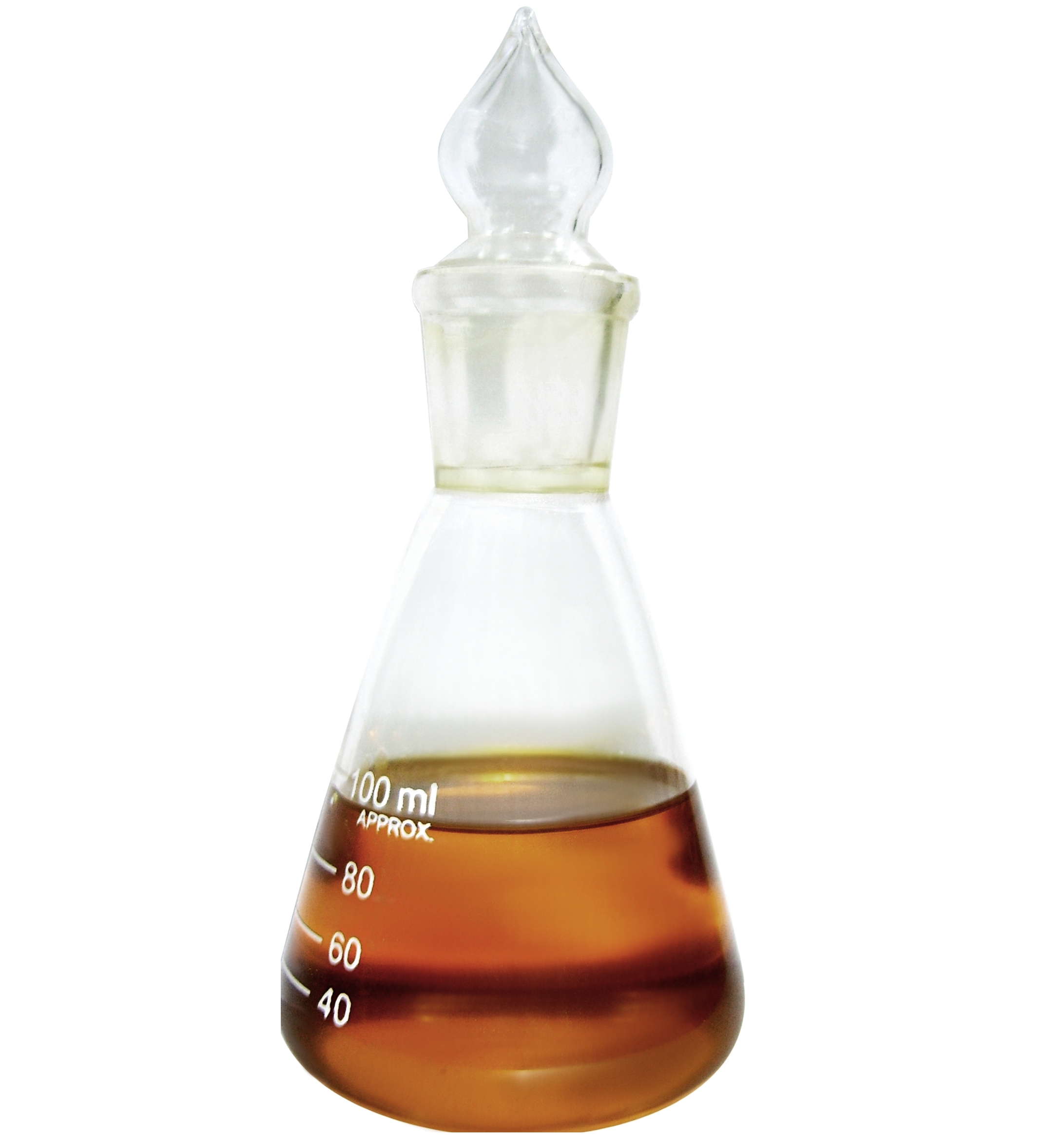


A number of oils are used for biofuel (biodiesel and Straight Vegetable Oil) in addition to having other uses. Other oils are used only as biofuel.Ethanol and, to a lesser degree, methanol and butanol are the other major types of biofuel.
Although diesel engines were invented, in part, with vegetable oil in mind,{{cite book | access-date=2014-10-05
- Suitability as a fuel, based on flash point, energy content, viscosity, combustion products and other factors
- Cost, based in part on yield, effort required to grow and harvest, and post-harvest processing cost
Multipurpose oils also used as biofuel
The oils listed immediately below are all (primarily) used for other purposes all but tung oil are edible but have been considered for use as biofuel.
- Castor oil, lower cost than many candidates. Kinematic viscosity may be an issue.
- Coconut oil (copra oil), promising for local use in places that produce coconuts.{{cite web | access-date=2011-11-19
- Colza oil, from Brassica rapa, var. oleifera (turnip) is closely related to rapeseed (or canola) oil. It is a major source of biodiesel in Germany.{{cite web | access-date=2011-11-19
- Corn oil, appealing because of the abundance of maize as a crop.
- Cottonseed oil, the subject of study for cost-effectiveness as a biodiesel feedstock.{{cite web |access-date = 2011-11-19 |url-status = dead |archive-url = https://web.archive.org/web/20111122113313/http://cottonseed.com/Whatsnew/TTU%20BIODIESEL%20pp1-4.pdf |archive-date = 2011-11-22 | access-date=2011-11-19
- False flax oil, from Camelina sativa, used in Europe in oil lamps until the 18th century.
- Hemp oil, relatively low in emissions. Production is problematic in some countries because of its association with marijuana.{{cite book | url-access=registration | access-date=2014-10-05 | chapter-url=https://books.google.com/books?id=g-JiO1vo_OQC&q=hemp+oil&pg=PT77 | access-date=2014-10-05
- Mustard oil, shown to be comparable to Canola oil as a biofuel.{{cite web |access-date = 2013-10-25 |url-status = dead |archive-url = https://web.archive.org/web/20120403134029/http://trid.trb.org/view.aspx?id=713388 |archive-date = 2012-04-03
- Palm oil, very popular for biofuel, but the environmental impact from growing large quantities of oil palms has recently called the use of palm oil into question.{{cite journal
- Peanut oil, used in one of the first demonstrations of the Diesel engine in 1900.
- Radish oil. Wild radish contains up to 48% oil, making it appealing as a fuel.{{cite web |access-date = 2011-10-22 |archive-url = https://web.archive.org/web/20111121050056/http://www.bebioenergy.com/documents/agronomyconfpaper.doc |archive-date = 2011-11-21 |url-status = dead
- Rapeseed oil, the most common base oil used in Europe in biodiesel production.
- Ramtil oil, used for lighting in India. Axtell, "Noog abyssinia"
- Rice bran oil, appealing because of lower cost than many other vegetable oils. Widely grown in Asia.
- Safflower oil, explored recently as a biofuel in Montana.{{cite news |access-date = 2011-10-22 |url-status = dead |archive-url = https://web.archive.org/web/20160304062815/http://www.durangotelegraph.com/index.cfm/archives/2006/january-05-2006/safflower-in-your-tank/ |archive-date = March 4, 2016
- Salicornia oil, from the seeds of Salicornia bigelovii, a halophyte (salt-loving plant) native to Mexico.{{cite news | access-date=2011-10-24
- Soybean oil, not economical as a fuel crop, but appealing as a byproduct of soybean crops for other uses.
- Sunflower oil, suitable as a fuel, but not necessarily cost effective.{{cite journal
- Tigernut oil has been described by researchers in China as having "great potential as a biodiesel fuel."
- Tung oil, referenced in several lists of vegetable oils that are suitable for biodiesel. Several factories in China produce biodiesel from tung oil.{{cite web | access-date=2011-11-19
Inedible oils used only or primarily as biofuel
These oils are extracted from plants that are cultivated solely for producing oil-based biofuel.There are some plants that yield a commercial vegetable oil, that are also used to make other sorts of biofuel. Eucalyptus, for example, has been explored as a means of biomass for producing ethanol. These plants are not listed here. These, plus the major oils described above, have received much more attention as fuel oils than other plant oils.
- Copaiba, an oleoresin tapped from species of genus Copaifera. Used in Brazil as a cosmetic product and a major source of biodiesel.
- Jatropha oil, widely used in India as a fuel oil. Has attracted strong proponents for use as a biofuel.{{cite journal
- Jojoba oil, from the Simmondsia chinensis, a desert shrub.
- Milk bush, popularized by chemist Melvin Calvin in the 1950s. Researched in the 1980s by Petrobras, the Brazilian national petroleum company.
- Nahor oil, pressed from the kernels of Mesua ferrea, is used in India as a lamp oil.
- Paradise oil, from the seeds of Simarouba glauca, has received interest in India as a feed stock for biodiesel.{{cite news | access-date=2011-11-05
- Petroleum nut oil, from the Petroleum nut (Pittosporum resiniferum) native to the Philippines. The Philippine government once explored the use of the petroleum nut as a biofuel.
- Pongamia oil (also known as Honge oil), extracted from Millettia pinnata and pioneered as a biofuel by Udipi Shrinivasa in Bangalore, India. |access-date = 2013-10-08 |archive-url = https://web.archive.org/web/20150610210817/http://eprints.uni-mysore.ac.in/10977/ |archive-date = 2015-06-10 |url-status = dead | archive-url=https://archive.today/20141006234832/http://www.thehindu.com/2001/04/06/stories/0406402j.htm | url-status=dead | archive-date=October 6, 2014 | access-date=2011-06-19
Drying oils
Drying oils are vegetable oils that dry to a hard finish at normal room temperature. Such oils are used as the basis of oil paints, and in other paint and wood finishing applications. In addition to the oils listed here, walnut, sunflower and safflower oil are also considered to be drying oils.
- Dammar oil, from the Canarium strictum, used in paint as an oil drying agent.{{cite book | access-date=2011-10-19
- linseed_oilLinseed oil's properties as a polymer make it highly suitable for wood finishing, for use in oil paints, as a plasticizer and hardener in putty and in making linoleum.{{cite book | access-date=2012-01-21
- Poppyseed oil, similar in usage to linseed oil but with better color stability.
- Stillingia oil (also called Chinese vegetable tallow oil), obtained by solvent from the seeds of Sapium sebiferum. Used as a drying agent in paints and varnishes.{{cite web | access-date=2011-10-24 Axtell, "Chinese vegetable tallow
- Tung oil, used as an industrial lubricant and highly effective drying agent. Also used as a substitute for linseed oil.{{cite book | access-date=2011-10-24
- Vernonia oil is produced from the seeds of the Vernonia galamensis. It is composed of 73–80% vernolic acid, which can be used to make epoxies for manufacturing adhesives, varnishes and paints, and industrial coatings.{{cite book | access-date=2011-10-24
Other oils
A number of pressed vegetable oils are either not edible, or not used as an edible oil.


- Amur cork tree fruit oil, pressed from the fruit of the Phellodendron amurense. It has been studied for insecticidal use.{{cite book
- Artichoke oil, extracted from the seeds of the artichoke fruit, is an unsaturated semi-drying oil with potential applications in making soap, shampoo, alkyd resin and shoe polish.{{cite journal
- Astrocaryum murumuru butter is employed in lotions, creams, soaps hair conditioners, facial masks, shampoo, oils and emulsions, skin moisturizer, products for the nutrition of the hair and restore damaged hair, depilatory waxes.
- Balanos oil, pressed from the seeds of Balanites aegyptiaca, was used in ancient Egypt as the base for perfumes.
- Bladderpod oil, pressed from the seeds of Physaria fendleri, native to North America. Rich in lesquerolic acid, which is chemically similar to the ricinoleic acid found in castor oil. Many industrial uses. Possible substitute for castor oil as it requires much less moisture than castor beans.{{cite journal | access-date=2011-10-24
- Brucea javanica oil, extracted from the seeds of the Brucea javanica. The oil has been shown to be effective in treating certain cancers.
- Burdock oil (Bur oil) extracted from the root of the burdock. Used as an herbal remedy for scalp conditions.{{cite book | access-date=2014-10-05
- Buriti oil, extracted from the Mauritia flexuosa fruit, is high in carotenoids and monounsaturated fatty acids, and of consequent nutritional interest. It is also used in the cosmetics industry.{{cite book | access-date=2015-02-27
- Candlenut oil (Kukui nut oil), produced in Hawai'i, used primarily for skin care products.{{cite book | access-date=2014-10-05
- Carrot seed oil (pressed), from carrot seeds, used in skin care products.Carrot seeds are also used to obtain an essential oil with quite different properties than carrot seed pressed oil.{{cite journal
- Castor oil, with many industrial and medicinal uses. Castor beans are also a source of the toxin ricin.
- Chaulmoogra oil, from the seeds of Hydnocarpus wightiana, used for many centuries, internally and externally, to treat leprosy. Axtell, "Chaulmoogra" Also used to treat secondary syphilis, rheumatism, scrofula, and in phthisis.{{cite book | access-date=2011-10-24
- Crambe oil, extracted from the seeds of the Crambe abyssinica. High in erucic acid, used as an industrial lubricant, a corrosion inhibitor, and as an ingredient in the manufacture of synthetic rubber.{{cite book | access-date=2011-10-24
- Croton oil (tiglium oil) is pressed from the seeds of Croton tiglium. Highly toxic, it was formerly used as a drastic purgative.{{cite book | access-date=2014-10-05
- Cuphea oil, from a number of species of genre Cuphea. Of interest as sources of medium chain triglycerides.{{cite journal | access-date=2011-10-24
- Cupuaçu butter is closely analogous to cocoa, and is used to make white chocolate.{{cite book
- Honesty oil, from the seeds of Lunaria annua, which contain 30–40% oil. The oil is particularly rich in long chain fatty acids, including erucic and nervonic acid, making it suitable for certain industrial purposes.{{cite journal |url-status = dead |archive-url = https://web.archive.org/web/20150113182433/http://www.agronomysociety.org.nz/uploads/94803/files/14._Initial_studies_on_seed_oil_composition.pdf |archive-date = 2015-01-13
- Illipe butter, from the nuts of Shorea stenoptera (now Rubroshorea stenoptera). Similar to cocoa butter, but with a higher melting point. Used in cosmetics.{{cite book | chapter-url=https://books.google.com/books?id=6iQjwr9v84gC&q=illipe+butter&pg=PA20 | access-date=2014-10-05 | chapter-url=https://books.google.com/books?id=lnk2tdo8_P4C&q=illipe+butter&pg=PA322 | access-date=2014-10-05
- Jojoba oil, used in cosmetics as an alternative to whale oil spermaceti.{{cite book | access-date=2014-10-05}}
- Mango oil, pressed from the stones of the mango fruit, is high in stearic acid, and can be used for making soap.
- Mowrah butter, from the seeds of the Madhuca latifolia and Madhuca longifolia, both native to India. Crude Mowrah butter is used as a fat for spinning wool, for making candles and soap. The refined fat is used as an edible fat and vegetable ghee in India.
- Neem oil, from Azadirachta indica, a brownish-green oil with a high sulfur content, used in cosmetics, for medicinal purposes, and as an insecticide.{{cite book | access-date=2011-11-15
- Ojon oil extracted from the nut of the American palm (Elaeis oleifera). Oil extracted from both the nut and husk is also used as an edible oil in Central and South America. Commercialized by a Canadian businessman in the 1990s.See {{cite web |access-date = 2011-11-19 |archive-url = https://web.archive.org/web/20110226195520/http://www.ojon.com/ |archive-date = 2011-02-26 |url-status = dead
- Passiflora edulis Passion fruit oil is extracted from the seeds and composed mainly of linoleic acid (62%) with smaller amounts of oleic acid (20%) and palmitic acid (7%). It has varied applications in cosmetics manufacturing and for uses as a human or animal food.{{Cite journal | url-access=subscription
- Rose hip seed oil, used primarily in skin care products, particularly for aging or damaged skin.{{cite book | access-date=2014-10-05
- Rubber seed oil, pressed from the seeds of the Rubber tree (Hevea brasiliensis), has received attention as a potential use of what otherwise would be a waste product from making rubber. It has been explored as a drying oil in Nigeria,{{cite web |archive-url = https://web.archive.org/web/20120402164852/http://web.idrc.ca/en/ev-83060-201_921003-1-IDRC_ADM_INFO.html |url-status = dead |archive-date = April 2, 2012 |access-date = 2011-10-24 |access-date = 2011-10-24 |url-status = dead |archive-url = https://web.archive.org/web/20111008093227/http://www.mekarn.org/sarec03/Phuc.htm |archive-date = 2011-10-08
- Sea buckthorn oil, derived from Hippophae rhamnoides, produced in northern China, used primarily medicinally.{{cite web | access-date=2011-10-24}}
- Sea rocket seed oil, from the halophyte Cakile maritima, native to north Africa, is high in erucic acid, and therefore has potential industrial applications.{{cite book | chapter-url=https://books.google.com/books?id=T0Z2t-XIXZEC&q=Cakile+maritima+seed+oil&pg=PA124 | access-date=2013-10-25}}
- Snowball seed oil (Viburnum oil), from Viburnum opulus seeds. High in tocopherol, carotenoides and unsaturated fatty acids. Used medicinally.{{cite book | chapter-url=https://books.google.com/books?id=8BOR9x1M4kkC&q=viburnum&pg=PA152
- Tall oil, produced as a byproduct of wood pulp manufacture. A further byproduct called tall oil fatty acid (TOFA) is a cheap source of oleic acid.{{cite book | chapter-url=https://books.google.com/books?id=rgAD20GGDtoC&q=tall+oil&pg=PA361 | access-date=2014-10-05
- Tamanu or foraha oil{{cite book | access-date=2014-10-05
- Tonka bean oil (Cumaru oil), popular ingredient in cologne, used medicinally in Brazil.{{cite book
- Tucumã butter is extracted from both the pulp and seed of the fruit of Astrocaryum vulgare, a South American oil palm.{{ cite book
- Ucuhuba seed oil, extracted from the seeds of Virola surinamensis, is unusually high in myristic acid.
Notes
References
References
- Parwez Saroj. (September 2007). "The Pearson Guide to the B.Sc. (Nursing) Entrance Examination". Pearson Education India.
- Robin Dand. (1999). "The International Cocoa Trade". Woodhead Publishing.
- Kornsteiner-Krenn M. (2013). "Phytosterol content and fatty acid pattern of ten different nut types". Int J Vitam Nutr Res.
- (2006). "Fatty acid profile, tocopherol, squalene and phytosterol content of brazil, pecan, pine, pistachio and cashew nuts". Int J Food Sci Nutr.
- (1991). "Antibacterial agents from the cashew Anacardium occidentale (Anacardiaceae) nut shell oil". Journal of Agricultural and Food Chemistry.
- (2001). "Final Report on the Safety Assessment of Corylus Avellana (Hazel) Seed Oil, Corylus Americana (Hazel) Seed Oil, Corylus Avellana (Hazel) Seed Extract, Corylus Americana (Hazel) Seed Extract, Corylus Rostrata (Hazel) Seed Extract, Corylus Avellana (Hazel) Leaf Extract, Corylus Americana (Hazel) Leaf Extract, and Corylus Rostrata (Hazel) Leaf Extract". International Journal of Toxicology.
- (1993). "Characterisation of Nigerian citrus seed oils". Food Chemistry.
- (1986). "Chemical evaluation of egyptian citrus seeds as potential sources of vegetable oils". Journal of the American Oil Chemists' Society.
- (1976). "Fatty acid composition of Iranian citrus seed oils". Journal of the American Oil Chemists' Society.
- (1930). "Grape fruit seed oil". Oil & Fat Industries.
- (2004). "Dietary seed oil rich in conjugated linolenic acid from bitter melon inhibits azoxymethane-induced rat colon carcinogenesis through elevation of colonic PPARγ expression and alteration of lipid composition". International Journal of Cancer.
- (Jun 2008). "Chemical composition, antioxidant properties, and thermal stability of a phytochemical enriched oil from Acai (Euterpe oleracea Mart.)". J Agric Food Chem.
- (July 1998). "Cocoa butter – Britannica Online Encyclopedia".
- France, Louise. (November 7, 2004). "Hemp oil: A true superfood?". The Guardian.
- [[#harborne
- (2005). "Lallemantia, an imported or introduced oil plant in Bronze Age northern Greece". Vegetation History and Archaeobotany.
- Burden, Dan. "Meadowfoam". Agricultural Marketing Resource Center.
- (2002). "Trends in new crops and new uses". ASHS Press.
- Brenner, David M.. (1993). "Perilla: Botany, Uses and Genetic Resources".
- [[#harborne
- Koziol, Michael J.. (1993). "Quinoa: A Potential New Oil Crop". New Crops.
- Chu, Michael. "Smoke Points of Various Fats". Cooking for Engineers.
- [[#axtell. Axtell]], "[http://www.fao.org/docrep/X5043E/x5043E0b.htm#Seje Seje]"
- Harsch, Ernest. (2001). "Shea butter:making trade work for poor women". [[Africa Renewal.
- Ruter, John M.. (1993). "Trends in new crops and new uses".
- [[#axtell. Axtell]], {{sic. "[http://www.fao.org/docrep/X5043E/x5043E0b.htm#Teased Teased]"
- [[#Parry2006. Parry]], p. 89
- [[#Parry2006. Parry]], p. 112
- [[#harborne
- "Bio fuels". Castoroil.in.
- "Castor Oil as Biodiesel & Biofuel". CastorOil.in.
- (2004). "A Study on Acid-Catalyzed Transesterification of Crude Rice Bran Oil for Biodiesel Production". [[World Energy Congress]].
- "Journey to Forever: Bio-diesel Yield".
- [[#duke. Duke Handbook]], "[http://www.hort.purdue.edu/newcrop/duke_energy/Copaifera_langsdorfii.html Copaifera langsdorfii Desf.]"
- Kanter, James. (2011-12-30). "Air New Zealand Flies on Engine With Jatropha Biofuel Blend". The New York Times.
- [[#duke. Duke Handbook]], "[http://www.hort.purdue.edu/newcrop/duke_energy/Simmondsia_chinensis.html Simmondsia chinensis]"
- [[#duke. Duke Handbook]], "[http://www.hort.purdue.edu/newcrop/duke_energy/Euphorbia_tirucalli.html Euphorbia tirucalli]
- [[#salunkhe
- [[#duke. Duke Handbook]], "[http://www.hort.purdue.edu/newcrop/duke_energy/Pittosporum_resiniferum.html Pittosporum resiniferum]
- "The Encyclopedia of Painting Materials: Drying oils".
- [[#bgir. Database of Oil Yielding Plants]]
- PLANTAS DA AMAZÔNIA PARA PRODUÇÃO COSMÉTICA: uma abordagem química - 60 espécies do extrativismo florestal não-madeireiro da Amazônia / Floriano Pastore Jr. (coord.); Vanessa Fernandes de Araújo [et al.];– Brasília, 2005. 244 p.
- (2011). "Seed Oil of ''Brucea javanica'' Induces Apoptotic Death of Acute Myeloid Leukemia Cells via Both the Death Receptors and the Mitochondrial-Related Pathways". Evidence-Based Complementary and Alternative Medicine.
- (2010). "''Brucea javanica'' Oil Induces Apoptosis in T24 Bladder Cancer Cells via Upregulation of Caspase-3, Caspase-9, and Inhibition of NF-κB and COX-2 Expressions". The American Journal of Chinese Medicine.
- Cottle, Wyndham. (28 June 1879). "Chaulmoogra Oil in Leprosy". The British Medical Journal.
- [[#salunkhe
- Morton, Julia F.. (1987). "Fruits of Warm Climates". J.F. Morton.
This article was imported from Wikipedia and is available under the Creative Commons Attribution-ShareAlike 4.0 License. Content has been adapted to SurfDoc format. Original contributors can be found on the article history page.
Ask Mako anything about List of vegetable oils — get instant answers, deeper analysis, and related topics.
Research with MakoFree with your Surf account
Create a free account to save articles, ask Mako questions, and organize your research.
Sign up freeThis content may have been generated or modified by AI. CloudSurf Software LLC is not responsible for the accuracy, completeness, or reliability of AI-generated content. Always verify important information from primary sources.
Report