From Surf Wiki (app.surf) — the open knowledge base
List of mammals of China
none
none
For endangered mammals of China, see List of endangered and protected species of China
This is a list of the mammal species recorded in China. There are 495 mammal species in China, of which thirteen are critically endangered, twenty-four are endangered, forty-seven are vulnerable, and seven are near threatened. One of the species listed for China can no longer be found in the wild.
The following tags are used to highlight each species' conservation status as assessed by the International Union for Conservation of Nature:
| DD | **Data deficient** | There is inadequate information to make an assessment of the risks to this species. |
|---|
Some species were assessed using an earlier set of criteria. Species assessed using this system have the following instead of near threatened and least concern categories:
| LR/lc | **Lower risk/least concern** | Species for which there are no identifiable risks. |
|---|
Order: [[Sirenia]] (manatees and dugongs)
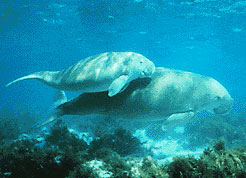
Sirenia is an order of fully aquatic, herbivorous mammals that inhabit rivers, estuaries, coastal marine waters, swamps, and marine wetlands. All four species are endangered.
- Family: Dugongidae
- Genus: Dugong
- Dugong, D. dugon
- Genus: Dugong
Order: [[Proboscidea]] (elephants)
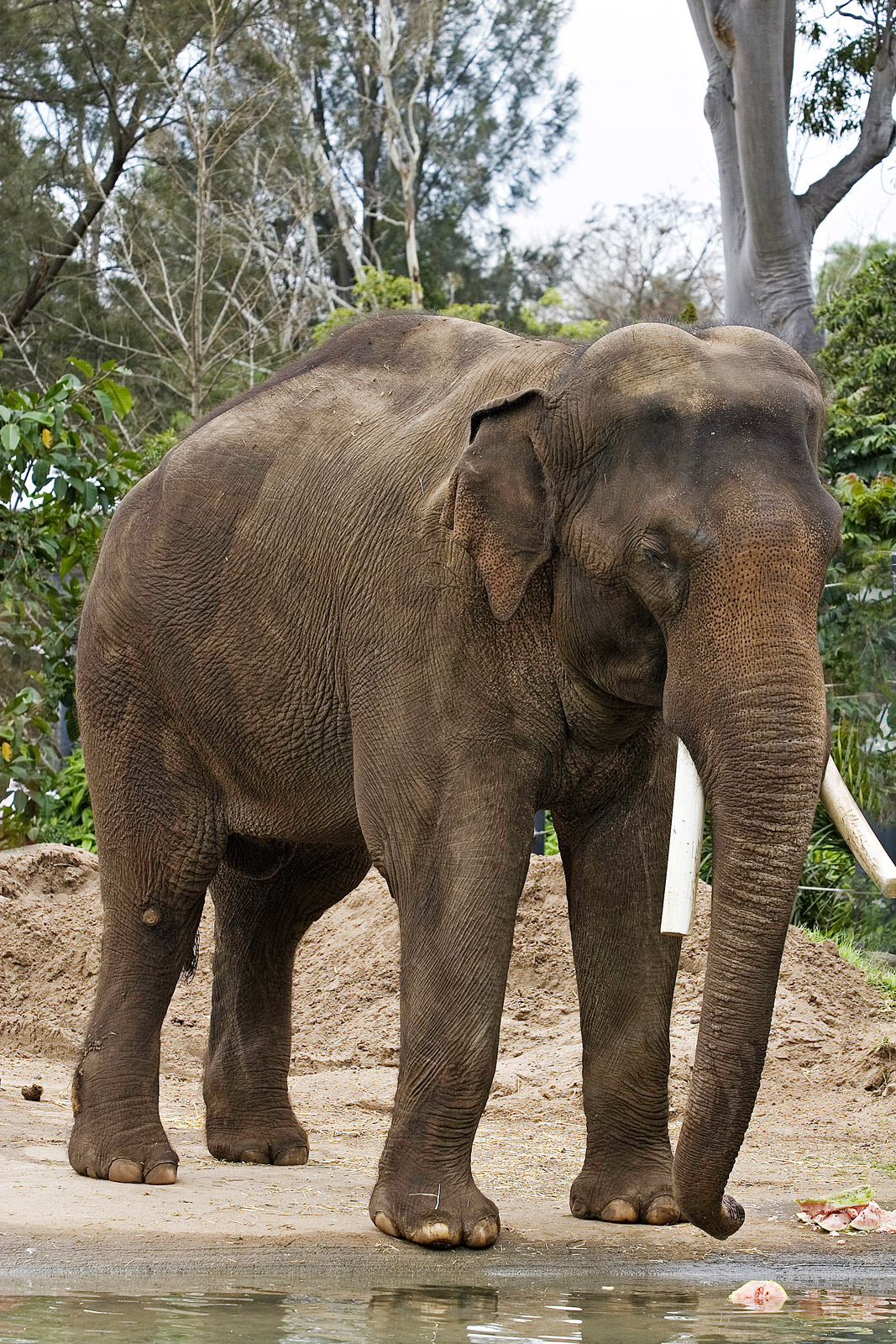
The elephants comprise three living species and are the largest living land animals.
- Family: Elephantidae (elephants)
- Genus: Elephas
- Asian elephant, E. maximus
- Indian elephant, E. m. indicus
- Asian elephant, E. maximus
- Genus: Elephas
Order: [[Scandentia]] (treeshrews)
The treeshrews are small mammals native to the tropical forests of Southeast Asia. Although called treeshrews, they are not true shrews and are not all arboreal.
- Family: Tupaiidae (tree shrews)
- Genus: Tupaia
- Northern treeshrew, T. belangeri
- Genus: Tupaia
Order: [[Primate]]s

The order Primates contains humans and their closest relatives: lemurs, lorisoids, monkeys, and apes.
- Suborder: Strepsirrhini
- Infraorder: Lemuriformes
- Superfamily: Lorisoidea
- Family: Lorisidae (lorises, bushbabies)
- Genus: Nycticebus
- Bengal slow loris, N. bengalensis
- Genus Xanthonycticebus
- Pygmy slow loris, X. pygmaeus
- Genus: Nycticebus
- Family: Lorisidae (lorises, bushbabies)
- Superfamily: Lorisoidea
- Infraorder: Lemuriformes
- Suborder: Haplorhini
- Infraorder: Simiiformes
- Parvorder: Catarrhini
- Superfamily: Cercopithecoidea
- Family: Cercopithecidae (Old World monkeys)
- Genus: Macaca
- Stump-tailed macaque, M. arctoides
- Assam macaque, M. assamensis
- Northern pig-tailed macaque, M. leonina
- White-cheeked macaque, M. leucogenys
- Rhesus macaque, M. mulatta
- Tibetan macaque, M. thibetana
- Subfamily: Colobinae
- Genus: Semnopithecus
- Nepal gray langur, S. schistaceus
- Genus: Trachypithecus
- Indochinese grey langur, T. crepusculus
- Francois' langur, T. francoisi
- Shan State langur, T. melamera
- Bonneted langur, T. pileatus
- White-headed langur, T. leucocephalus
- Genus: Rhinopithecus
- Black snub-nosed monkey, R. bieti
- Gray snub-nosed monkey, R. brelichi
- Golden snub-nosed monkey, R. roxellana
- Genus: Semnopithecus
- Genus: Macaca
- Family: Cercopithecidae (Old World monkeys)
- Superfamily: Hominoidea
- Family: Hylobatidae (gibbons)
- Genus: Hoolock
- Western hoolock gibbon, H. hoolock presence uncertain
- Eastern hoolock gibbon, H. leuconedys
- Skywalker hoolock gibbon, H. tianxing
- Genus: Hylobates
- Lar gibbon, H. lar
- Genus: Nomascus
- Black crested gibbon, N. concolor
- Hainan black crested gibbon, N. hainanus
- White-cheeked crested gibbon, N. leucogenys
- Eastern black crested gibbon, N. nasutus
- Genus: Hoolock
- Family: Hylobatidae (gibbons)
- Superfamily: Cercopithecoidea
- Parvorder: Catarrhini
- Infraorder: Simiiformes
Order: [[Rodent]]ia (rodents)
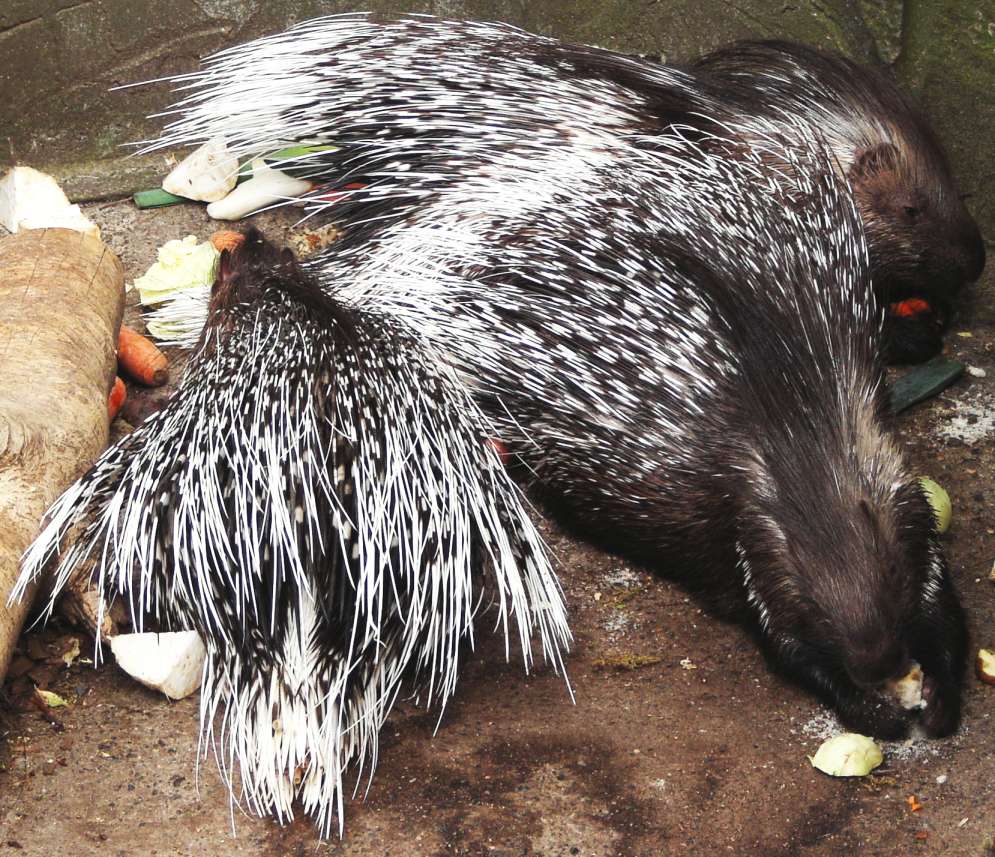
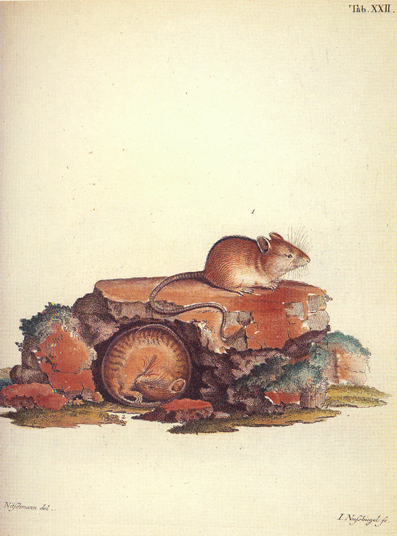

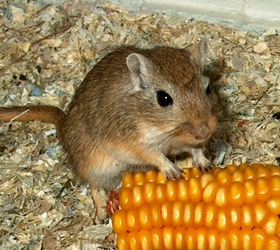
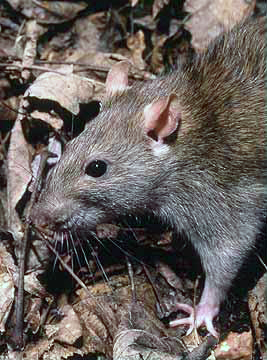
Rodents make up the largest order of mammals, with over 40% of mammalian species. They have two incisors in the upper and lower jaw which grow continually and must be kept short by gnawing. Most rodents are small though the capybara can weigh up to 45 kg.
- Suborder: Hystricognathi
- Family: Hystricidae (Old World porcupines)
- Genus: Atherurus
- Asiatic brush-tailed porcupine, A. macrourus
- Genus: Hystrix
- Malayan porcupine, H. brachyura
- Indian crested porcupine, H. indica
- Genus: Atherurus
- Family: Hystricidae (Old World porcupines)
- Suborder: Sciurognathi
- Family: Castoridae (beavers)
- Genus: Castor
- Eurasian beaver, C. fiber
- Genus: Castor
- Family: Sciuridae (squirrels)
- Subfamily: Ratufinae
- Genus: Ratufa
- Black giant squirrel, Ratufa bicolor
- Genus: Ratufa
- Subfamily: Sciurinae
- Tribe: Sciurini
- Genus: Sciurus
- Red squirrel, S. vulgaris
- Genus: Sciurus
- Tribe: Pteromyini
- Genus: Aeretes
- Groove-toothed flying squirrel, Aeretes melanopterus
- Genus: Belomys
- Hairy-footed flying squirrel, Belomys pearsonii
- Genus: Hylopetes
- Particolored flying squirrel, Hylopetes alboniger
- Indochinese flying squirrel, Hylopetes phayrei
- Genus: Petaurista
- Red and white giant flying squirrel, Petaurista alborufus
- Spotted giant flying squirrel, Petaurista elegans
- Japanese giant flying squirrel, Petaurista leucogenys
- Bhutan giant flying squirrel, Petaurista nobilis
- Red giant flying squirrel, Petaurista petaurista
- Indian giant flying squirrel, Petaurista philippensis
- Chinese giant flying squirrel, Petaurista xanthotis
- Genus: Pteromys
- Siberian flying squirrel, Pteromys volans
- Genus: Trogopterus
- Complex-toothed flying squirrel, Trogopterus xanthipes EN
- Genus: Aeretes
- Tribe: Sciurini
- Subfamily: Callosciurinae
- Genus: Callosciurus
- Pallas's squirrel, Callosciurus erythraeus
- Inornate squirrel, Callosciurus inornatus
- Phayre's squirrel, Callosciurus phayrei
- Irrawaddy squirrel, Callosciurus pygerythrus VU
- Anderson's squirrel, Callosciurus quinquestriatus VU
- Genus: Dremomys
- Orange-bellied Himalayan squirrel, Dremomys lokriah
- Perny's long-nosed squirrel, Dremomys pernyi
- Red-hipped squirrel, Dremomys pyrrhomerus
- Asian red-cheeked squirrel, Dremomys rufigenis
- Genus: Tamiops
- Himalayan striped squirrel, Tamiops macclellandi
- Maritime striped squirrel, Tamiops maritimus
- Swinhoe's striped squirrel, Tamiops swinhoei
- Genus: Callosciurus
- Subfamily: Xerinae
- Tribe: Marmotini
- Genus: Marmota
- Gray marmot, Marmota baibacina
- Long-tailed marmot, Marmota caudata
- Himalayan marmot, Marmota himalayana
- Tarbagan marmot, Marmota sibirica
- Genus: Sciurotamias
- Père David's rock squirrel, Sciurotamias davidianus
- Forrest's rock squirrel, Sciurotamias forresti VU
- Genus: Spermophilus
- Alashan ground squirrel, Spermophilus alashanicus
- Daurian ground squirrel, Spermophilus dauricus
- Red-cheeked ground squirrel, Spermophilus erythrogenys
- Yellow ground squirrel, Spermophilus fulvus
- Long-tailed ground squirrel, Spermophilus undulatus
- Genus: Tamias
- Siberian chipmunk, Tamias sibiricus
- Genus: Marmota
- Tribe: Marmotini
- Subfamily: Ratufinae
- Family: Gliridae (dormice)
- Subfamily: Leithiinae
- Genus: Dryomys
- Forest dormouse, Dryomys nitedula
- Genus: Chaetocauda
- Chinese dormouse, Chaetocauda sichuanensis EN
- Genus: Dryomys
- Subfamily: Leithiinae
- Family: Dipodidae (jerboas)
- Subfamily: Allactaginae
- Genus: Allactaga
- Balikun jerboa, Allactaga balikunica
- Gobi jerboa, Allactaga bullata
- Small five-toed jerboa, Allactaga elater
- Mongolian five-toed jerboa, Allactaga sibirica
- Genus: Pygeretmus
- Dwarf fat-tailed jerboa, Pygeretmus pumilio
- Genus: Allactaga
- Subfamily: Cardiocraniinae
- Genus: Cardiocranius
- Five-toed pygmy jerboa, Cardiocranius paradoxus VU
- Genus: Salpingotus
- Thick-tailed pygmy jerboa, Salpingotus crassicauda VU
- Kozlov's pygmy jerboa, Salpingotus kozlovi
- Genus: Cardiocranius
- Subfamily: Dipodinae
- Genus: Dipus
- Northern three-toed jerboa, Dipus sagitta
- Genus: Stylodipus
- Andrews's three-toed jerboa, Stylodipus andrewsi
- Mongolian three-toed jerboa, Stylodipus sungorus
- Thick-tailed three-toed jerboa, Stylodipus telum
- Genus: Dipus
- Subfamily: Euchoreutinae
- Genus: Euchoreutes
- Long-eared jerboa, Euchoreutes naso EN
- Genus: Euchoreutes
- Subfamily: Sicistinae
- Genus: Sicista
- Long-tailed birch mouse, Sicista caudata EN
- Chinese birch mouse, Sicista concolor
- Southern birch mouse, Sicista subtilis
- Tien Shan birch mouse, Sicista tianshanica
- Genus: Sicista
- Subfamily: Zapodinae
- Genus: Eozapus
- Chinese jumping mouse, Eozapus setchuanus VU
- Genus: Eozapus
- Subfamily: Allactaginae
- Family: Platacanthomyidae
- Genus: Typhlomys
- Chinese pygmy dormouse, Typhlomys cinereus
- Genus: Typhlomys
- Family: Spalacidae
- Subfamily: Myospalacinae
- Genus: Eospalax
- Chinese zokor, Eospalax fontanierii VU
- Rothschild's zokor, Eospalax rothschildi
- Smith's zokor, Eospalax smithii
- Genus: Myospalax
- False zokor, Myospalax aspalax
- Transbaikal zokor, Myospalax psilurus
- Genus: Eospalax
- Subfamily: Rhizomyinae
- Genus: Cannomys
- Lesser bamboo rat, Cannomys badius
- Genus: Rhizomys
- Hoary bamboo rat, Rhizomys pruinosus
- Chinese bamboo rat, Rhizomys sinensis
- Large bamboo rat, Rhizomys sumatrensis
- Genus: Cannomys
- Subfamily: Myospalacinae
- Family: Cricetidae
- Subfamily: Cricetinae
- Genus: Allocricetulus
- Mongolian hamster, Allocricetulus curtatus
- Genus: Cansumys
- Gansu hamster, Cansumys canus
- Genus: Cricetulus
- Chinese striped hamster, Cricetulus barabensis
- Long-tailed dwarf hamster, Cricetulus longicaudatus
- Sokolov's dwarf hamster, Cricetulus sokolovi
- Genus: Cricetus
- European hamster, C. cricetus presence uncertain
- Genus: Nothocricetulus
- Grey dwarf hamster, Nothocricetulus migratorius
- Genus: Phodopus
- Campbell's dwarf hamster, Phodopus campbelli
- Djungarian hamster, Phodopus sungorus
- Roborovski hamster, Phodopus roborovskii
- Genus: Tscherskia
- Greater long-tailed hamster, Tscherskia triton
- Genus: Urocricetus
- Tibetan dwarf hamster, Urocricetus alticola
- Kam dwarf hamster, Urocricetus kamensis
- Genus: Allocricetulus
- Subfamily: Arvicolinae
- Genus: Alticola
- Silver mountain vole, Alticola argentatus
- Gobi Altai mountain vole, Alticola barakshin
- Royle's mountain vole, Alticola roylei
- Stolička's mountain vole, Alticola stoliczkanus
- Strachey's mountain vole, Alticola stracheyi
- Flat-headed vole, Alticola strelzowi
- Genus: Arvicola
- Water vole, Arvicola terrestris
- Genus: Clethrionomys
- Tien Shan red-backed vole, Clethrionomys centralis
- Bank vole, Clethrionomys glareolus
- Grey red-backed vole, Clethrionomys rufocanus
- Northern red-backed vole, Clethrionomys rutilus
- Genus: Ellobius
- Zaisan mole vole, Ellobius tancrei
- Genus: Eolagurus
- Yellow steppe lemming, Eolagurus luteus
- Przewalski's steppe lemming, Eolagurus przewalskii
- Genus: Eothenomys
- Pratt's vole, Eothenomys chinensis
- Southwest China vole, Eothenomys custos
- Ganzu vole, Eothenomys eva
- Kolan vole, Eothenomys inez
- Père David's vole, Eothenomys melanogaster
- Chaotung vole, Eothenomys olitor
- Yulungshan vole, Eothenomys proditor
- Shansei vole, Eothenomys shanseius
- Genus: Lagurus
- Steppe lemming, Lagurus lagurus
- Genus: Lasiopodomys
- Brandt's vole, Lasiopodomys brandtii
- Plateau vole, Lasiopodomys fuscus
- Mandarin vole, Lasiopodomys mandarinus
- Genus: Microtus
- Field vole, Microtus agrestis
- Reed vole, Microtus fortis
- Narrow-headed vole, Microtus gregalis
- Chinese scrub vole, Microtus irene
- Juniper vole, Microtus juldaschi
- Blyth's vole, Microtus leucurus
- Lacustrine vole, Microtus limnophilus
- Maximowicz's vole, Microtus maximowiczii
- Mongolian vole, Microtus mongolicus
- Common vole, Microtus arvalis
- Sikkim vole, Microtus sikimensis
- Social vole, Microtus socialis
- Genus: Myopus
- Wood lemming, Myopus schisticolor
- Genus: Proedromys
- Duke of Bedford's vole, Proedromys bedfordi
- Genus: Volemys
- Clarke's vole, Volemys clarkei
- Szechuan vole, Volemys millicens
- Marie's vole, Volemys musseri
- Genus: Alticola
- Subfamily: Cricetinae
- Family: Muridae (mice, rats, voles, gerbils, hamsters)
- Subfamily: Gerbillinae
- Genus: Brachiones
- Przewalski's gerbil, Brachiones przewalskii
- Genus: Meriones
- Cheng's jird, Meriones chengi CR
- Libyan jird, Meriones libycus LC
- Midday jird, Meriones meridianus
- Tamarisk jird, Meriones tamariscinus
- Mongolian gerbil, Meriones unguiculatus
- Genus: Rhombomys
- Great gerbil, Rhombomys opimus
- Genus: Brachiones
- Subfamily: Murinae
- Genus: Apodemus
- Striped field mouse, Apodemus agrarius
- Chevrier's field mouse, Apodemus chevrieri
- South China field mouse, Apodemus draco
- Sichuan field mouse, Apodemus latronum
- Korean field mouse, Apodemus peninsulae
- Ural field mouse, Apodemus uralensis
- Genus: Bandicota
- Greater bandicoot rat, Bandicota indica
- Genus: Berylmys
- Bower's white-toothed rat, Berylmys bowersi
- Kenneth's white-toothed rat, Berylmys mackenziei
- Genus: Chiropodomys
- Pencil-tailed tree mouse, Chiropodomys gliroides
- Genus: Dacnomys
- Millard's rat, Dacnomys millardi
- Genus: Hadromys
- Manipur bush rat, Hadromys humei
- Genus: Hapalomys
- Delacour's marmoset rat, Hapalomys delacouri
- Genus: Leopoldamys
- Edwards's long-tailed giant rat, Leopoldamys edwardsi
- Genus: Micromys
- Harvest mouse, Micromys minutus
- Genus: Mus
- Ryukyu mouse, Mus caroli
- Cook's mouse, Mus cookii
- Gairdner's shrewmouse, Mus pahari
- Genus: Nesokia
- Short-tailed bandicoot rat, Nesokia indica LC
- Genus: Niviventer
- Anderson's white-bellied rat, Niviventer andersoni
- Chinese white-bellied rat, Niviventer confucianus
- Smoke-bellied rat, Niviventer eha
- Large white-bellied rat, Niviventer excelsior
- Chestnut white-bellied rat, Niviventer fulvescens
- Genus: Rattus
- Lesser ricefield rat, Rattus losea
- Himalayan field rat, Rattus nitidus
- Brown rat, Rattus norvegicus
- Sikkim rat, Rattus sikkimensis VU
- Tanezumi rat, Rattus tanezumi
- Turkestan rat, Rattus turkestanicus
- Genus: Vandeleuria
- Asiatic long-tailed climbing mouse, Vandeleuria oleracea
- Genus: Vernaya
- Red climbing mouse, Vernaya fulva VU
- Genus: Apodemus
- Subfamily: Gerbillinae
- Family: Castoridae (beavers)
Order: [[Lagomorpha]] (lagomorphs)


The lagomorphs comprise two families, Leporidae (hares and rabbits), and Ochotonidae (pikas). Though they can resemble rodents, and were classified as a superfamily in that order until the early 20th century, they have since been considered a separate order. They differ from rodents in a number of physical characteristics, such as having four incisors in the upper jaw rather than two.
- Family: Ochotonidae (pikas)
- Genus: Ochotona
- Alpine pika, Ochotona alpina
- Helan Shan pika, Ochotona argentata CR
- Gansu pika, Ochotona cansus
- Black-lipped pika, Ochotona curzoniae
- Daurian pika, Ochotona dauurica
- Chinese red pika, Ochotona erythrotis
- Forrest's pika, Ochotona forresti
- Gaoligong pika, Ochotona gaoligongensis DD
- Glover's pika, Ochotona gloveri
- Himalayan pika, Ochotona himalayana
- Ochotona huanglongensis
- Northern pika, Ochotona hyperborea
- Ili pika, Ochotona iliensis VU
- Koslov's pika, Ochotona koslowi EN
- Ladak pika, Ochotona ladacensis
- Large-eared pika, Ochotona macrotis
- Muli pika, Ochotona muliensis DD
- Nubra pika, Ochotona nubrica
- Pallas's pika, Ochotona pallasi
- Royle's pika, Ochotona roylei
- Turkestan red pika, Ochotona rutila
- Moupin pika, Ochotona thibetana
- Thomas's pika, Ochotona thomasi
- Genus: Ochotona
- Family: Leporidae (rabbits, hares)
- Genus: Lepus
- Yunnan hare, L. comus
- Korean hare, L. coreanus
- Hainan hare, L. hainanus
- Manchurian hare, L. mandshuricus
- Woolly hare, L. oiostolus
- Chinese hare, L. sinensis
- Desert hare, L. tibetanus
- Mountain hare, L. timidus
- Tolai hare, L. tolai
- Yarkand hare, L. yarkandensis
- Genus: Lepus
Order: [[Eulipotyphla]] (hedgehogs, gymnures, shrews, moles, and solenodons)


Eulipotyphla comprises the hedgehogs and gymnures (family Erinaceidae, formerly also the order Erinaceomorpha), solenodons (family Solenodontidae), the desmans, moles, and shrew-like moles (family Talpidae) and true shrews (family Soricidae).
- Family: Erinaceidae (hedgehogs)
- Subfamily: Erinaceinae
- Genus: Erinaceus
- Amur hedgehog, Erinaceus amurensis LR/lc
- Genus: Hemiechinus
- Long-eared hedgehog, Hemiechinus auritus LR/lc
- Genus: Mesechinus
- Daurian hedgehog, Mesechinus dauuricus LR/lc
- Hugh's hedgehog, Mesechinus hughi VU
- Genus: Erinaceus
- Subfamily: Galericinae
- Genus: Hylomys
- Hainan gymnure, Neohylomys hainanensis EN
- Shrew gymnure, Neotetracus sinensis LR/nt
- Northern short-tailed gymnure, Hylomys peguensis
- Genus: Hylomys
- Subfamily: Erinaceinae
- Family: Soricidae (shrews)
- Subfamily: Crocidurinae
- Genus: Crocidura
- Asian gray shrew, Crocidura attenuata
- Southeast Asian shrew, Crocidura fuliginosa
- Gmelin's white-toothed shrew, Crocidura gmelini
- Gueldenstaedt's shrew, Crocidura gueldenstaedtii
- Horsfield's shrew, Crocidura horsfieldii
- Ussuri white-toothed shrew, Crocidura lasiura
- Taiga shrew, Crocidura pullata
- Asian lesser white-toothed shrew, Crocidura shantungensis DD
- Siberian shrew, Crocidura sibirica
- Lesser white-toothed shrew, Crocidura suaveolens
- Genus: Suncus
- Etruscan shrew, Suncus etruscus LC
- Asian house shrew, S. murinus
- Genus: Crocidura
- Subfamily: Soricinae
- Tribe: Anourosoricini
- Genus: Anourosorex
- Chinese mole shrew, Anourosorex squamipes LR/lc
- Genus: Anourosorex
- Tribe: Blarinellini
- Genus: Blarinella
- Northern short-tailed shrew, Blarinella quadraticauda LR/lc
- Southern short-tailed shrew, Blarinella wardi LR/nt
- Genus: Blarinella
- Tribe: Nectogalini
- Genus: Chimarrogale
- Himalayan water shrew, Chimarrogale himalayica LR/lc
- Chinese water shrew, Chimarrogale styani LR/lc
- Genus: Nectogale
- Elegant water shrew, Nectogale elegans LR/lc
- Genus: Neomys
- Eurasian water shrew, Neomys fodiens LR/lc
- Genus: Episoriculus
- Hodgsons's brown-toothed shrew, Episoriculus caudatus LR/lc
- Long-tailed brown-toothed shrew, Episoriculus leucops LR/lc
- Long-tailed mountain shrew, Episoriculus macrurus LR/lc
- Genus: Chodsigoa
- De Winton's shrew, Chodsigoa hypsibius LR/lc
- Lamulate shrew, Chodsigoa lamula LR/lc
- Lowe's shrew, Chodsigoa parca LR/lc
- Salenski's shrew, Chodsigoa salenskii CR
- Smith's shrew, Chodsigoa smithii LR/lc
- Genus: Soriculus
- Himalayan shrew, Soriculus nigrescens LR/lc
- Genus: Chimarrogale
- Tribe: Soricini
- Genus: Sorex
- Tien Shan shrew, Sorex asper LR/lc
- Lesser striped shrew, Sorex bedfordiae LR/lc
- Laxmann's shrew, Sorex caecutiens LR/lc
- Gansu shrew, Sorex cansulus CR
- Greater stripe-backed shrew, Sorex cylindricauda EN
- Siberian large-toothed shrew, Sorex daphaenodon LR/lc
- Chinese highland shrew, Sorex excelsus DD
- Slender shrew, Sorex gracillimus LR/lc
- Taiga shrew, Sorex isodon LR/lc
- Kozlov's shrew, Sorex kozlovi CR
- Eurasian least shrew, Sorex minutissimus LR/lc
- Eurasian pygmy shrew, Sorex minutus LR/lc
- Ussuri shrew, Sorex mirabilis LR/lc
- Chinese shrew, Sorex sinalis VU
- Tibetan shrew, Sorex thibetanus LR/lc
- Tundra shrew, Sorex tundrensis LR/lc
- Genus: Sorex
- Tribe: Anourosoricini
- Subfamily: Crocidurinae
- Family: Talpidae (moles)
- Subfamily: Scalopinae
- Tribe: Scalopini
- Genus: Scapanulus
- Gansu mole, Scapanulus oweni LR/lc
- Genus: Scapanulus
- Tribe: Scalopini
- Subfamily: Talpinae
- Tribe: Scaptonychini
- Genus: Scaptonyx
- Long-tailed mole, Scaptonyx fusicaudus LR/lc
- Genus: Scaptonyx
- Tribe: Talpini
- Genus: Euroscaptor
- Greater Chinese mole, Euroscaptor grandis LR/lc
- Long-nosed mole, Euroscaptor longirostris LR/lc
- Himalayan mole, Euroscaptor micrura LR/lc
- Genus: Mogera
- Insular mole, Mogera insularis LR/lc
- Large mole, Mogera robusta LR/lc
- Genus: Parascaptor
- White-tailed mole, Parascaptor leucura LR/lc
- Genus: Scaptochirus
- Short-faced mole, Scaptochirus moschatus LR/lc
- Genus: Euroscaptor
- Tribe: Scaptonychini
- Subfamily: Uropsilinae
- Genus: Uropsilus
- Anderson's shrew mole, Uropsilus andersoni LR/lc
- Gracile shrew mole, Uropsilus gracilis LR/lc
- Inquisitive shrew mole, Uropsilus investigator EN
- Chinese shrew mole, Uropsilus soricipes EN
- Genus: Uropsilus
- Subfamily: Scalopinae
Order: [[Chiroptera]] (bats)


The bats' most distinguishing feature is that their forelimbs are developed as wings, making them the only mammals capable of flight. Bat species account for about 20% of all mammals.
- Family: Pteropodidae (flying foxes, Old World fruit bats)
- Subfamily: Pteropodinae
- Genus: Cynopterus
- Lesser short-nosed fruit bat, C. brachyotis
- Greater short-nosed fruit bat, Cynopterus sphinx
- Genus: Pteropus
- Indian flying fox, P. giganteus
- Lyle's flying fox, P. lylei
- Large flying fox, P. vampyrus
- Genus: Rousettus
- Leschenault's rousette, Rousettus leschenaulti
- Genus: Sphaerias
- Blanford's fruit bat, Sphaerias blanfordi
- Genus: Cynopterus
- Subfamily: Macroglossinae
- Genus: Eonycteris
- Lesser dawn bat, Eonycteris spelaea
- Genus: Eonycteris
- Subfamily: Pteropodinae
- Family: Vespertilionidae
- Subfamily: Kerivoulinae
- Genus: Kerivoula
- Hardwicke's woolly bat, Kerivoula hardwickii
- Painted bat, Kerivoula picta
- Genus: Kerivoula
- Subfamily: Myotinae
- Genus: Myotis
- Szechwan myotis, Myotis altarium
- Lesser mouse-eared bat, M. blythii
- Far Eastern myotis, Myotis bombinus
- Large myotis, Myotis chinensis
- Pond bat, M. dasycneme
- Daubenton's bat, M. daubentonii
- Fringed long-footed myotis, Myotis fimbriatus
- Hodgson's bat, M. formosus
- Fraternal myotis, Myotis frater
- Horsfield's bat, Myotis horsfieldii
- Ikonnikov's bat, Myotis ikonnikovi
- Burmese whiskered bat, Myotis montivagus
- Whiskered bat, M. mystacinus
- Natterer's bat, M. nattereri
- Peking myotis, Myotis pequinius
- Large-footed bat, Myotis adversus
- Rickett's big-footed bat, Myotis ricketti
- Himalayan whiskered bat, Myotis siligorensis
- Genus: Myotis
- Subfamily: Vespertilioninae
- Genus: Arielulus
- Black-gilded pipistrelle, Arielulus circumdatus
- Genus: Barbastella (barbastelles or barbastelle bats)
- Western barbastelle, B. barbastellus
- Beijing barbastelle, Barbastella beijingensis
- Asian barbastelle, Barbastella leucomelas
- Genus: Eptesicus
- Gobi big brown bat, Eptesicus gobiensis
- Northern bat, Eptesicus nilssoni
- Thick-eared bat, Eptesicus pachyotis
- Serotine bat, Eptesicus serotinus
- Genus: Falsistrellus
- Chocolate pipistrelle, Falsistrellus affinis
- Genus: Hesperoptenus
- Tickell's bat, Hesperoptenus tickelli
- Genus: Hypsugo
- Chinese pipistrelle, Hypsugo pulveratus
- Savi's pipistrelle, H. savii
- Genus: Ia
- Great evening bat, I. io
- Genus: Nyctalus
- Chinese noctule, Nyctalus plancyi
- Birdlike noctule, Nyctalus aviator
- Lesser noctule, N. leisleri
- Common noctule, N. noctula
- Genus: Pipistrellus
- Kelaart's pipistrelle, Pipistrellus ceylonicus
- Mount Popa pipistrelle, Pipistrellus paterculus
- Common pipistrelle, Pipistrellus pipistrellus LC
- Least pipistrelle, Pipistrellus tenuis
- Genus: Plecotus
- several species, sometimes erroneously reported as P. auritus and P. austriacus although these species are only found in Western Palaearctic
- Genus: Scotomanes
- Harlequin bat, Scotomanes ornatus
- Genus: Scotophilus
- Greater Asiatic yellow bat, Scotophilus heathi
- Genus: Tylonycteris
- Lesser bamboo bat, Tylonycteris pachypus
- Greater bamboo bat, Tylonycteris robustula
- Genus: Vespertilio
- Parti-coloured bat, Vespertilio murinus
- Asian parti-colored bat, Vespertilio superans
- Genus: Arielulus
- Subfamily: Murininae
- Genus: Murina
- Little tube-nosed bat, Murina aurata
- Round-eared tube-nosed bat, Murina cyclotis
- Dusky tube-nosed bat, Murina fusca DD
- Hutton's tube-nosed bat, Murina huttoni
- Greater tube-nosed bat, Murina leucogaster
- Genus: Murina
- Subfamily: Miniopterinae
- Genus: Miniopterus
- Western bent-winged bat, Miniopterus magnater
- Intermediate long-fingered bat, Miniopterus medius
- Common bent-wing bat, M. schreibersii
- Genus: Miniopterus
- Subfamily: Kerivoulinae
- Family: Molossidae
- Genus: Chaerephon
- Wrinkle-lipped free-tailed bat, Chaerephon plicata
- Genus: Tadarida
- La Touche's free-tailed bat, Tadarida latouchei DD
- European free-tailed bat, Tadarida teniotis
- Genus: Chaerephon
- Family: Emballonuridae
- Genus: Taphozous
- Black-bearded tomb bat, Taphozous melanopogon
- Genus: Taphozous
- Family: Megadermatidae
- Genus: Megaderma
- Greater false vampire bat, Megaderma lyra
- Genus: Megaderma
- Family: Rhinolophidae
- Subfamily: Rhinolophinae
- Genus: Rhinolophus
- Intermediate horseshoe bat, Rhinolophus affinis
- Little Japanese horseshoe bat, Rhinolophus cornutus
- Greater horseshoe bat, R. ferrumequinum
- Blyth's horseshoe bat, Rhinolophus lepidus
- Woolly horseshoe bat, Rhinolophus luctus
- Big-eared horseshoe bat, Rhinolophus macrotis
- Osgood's horseshoe bat, Rhinolophus osgoodi DD
- Pearson's horseshoe bat, Rhinolophus pearsoni
- Least horseshoe bat, Rhinolophus pusillus
- King horseshoe bat, Rhinolophus rex VU
- Rufous horseshoe bat, Rhinolophus rouxi
- Chinese rufous horseshoe bat, Rhinolophus sinicus
- Thomas's horseshoe bat, Rhinolophus thomasi
- Dobson's horseshoe bat, Rhinolophus yunanensis
- Genus: Rhinolophus
- Subfamily: Hipposiderinae
- Genus: Aselliscus
- Stoliczka's trident bat, Aselliscus stoliczkanus
- Genus: Coelops
- East Asian tailless leaf-nosed bat, Coelops frithii
- Genus: Hipposideros
- Great roundleaf bat, Hipposideros armiger
- Intermediate roundleaf bat, Hipposideros larvatus
- Pomona roundleaf bat, Hipposideros pomona
- Pratt's roundleaf bat, Hipposideros pratti
- Genus: Aselliscus
- Subfamily: Rhinolophinae
Order: [[Pholidota]] (pangolins)

The order Pholidota comprises the eight species of pangolin. Pangolins are anteaters and have the powerful claws, elongated snout and long tongue seen in the other unrelated anteater species.
- Family: Manidae
- Genus: Manis
- Sunda pangolin, M. javanica
- Chinese pangolin, M. pentadactyla
- Genus: Manis
Order: [[Cetacea]] (whales)

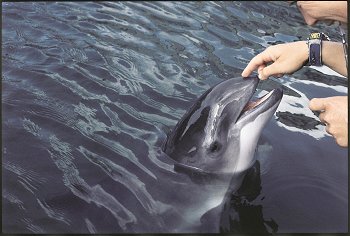


The order Cetacea includes whales, dolphins and porpoises. They are the mammals most fully adapted to aquatic life with a spindle-shaped nearly hairless body, protected by a thick layer of blubber, and forelimbs and tail modified to provide propulsion underwater.
- Suborder: Mysticeti
- Family: Balaenidae
- Genus: Eubalaena
- North Pacific right whale, Eubalaena japonica CR
- Genus: Eubalaena
- Family: Eschrichtiidae
- Genus: Eschrichtius
- Western gray whale, Eschrichtius robustus CR
- Genus: Eschrichtius
- Family: Balaenopteridae
- Subfamily: Megapterinae
- Genus: Megaptera
- Northern humpback whale, Megaptera novaeangliae VU
- Genus: Megaptera
- Subfamily: Balaenopterinae
- Genus: Balaenoptera
- Common minke whale, Balaenoptera acutorostrata acutorostrata
- Omura's whale, Balaenoptera omurai DD
- Bryde's whale, Balaenoptera brydei DD
- Eden's whale, Balaenoptera edeni DD
- Indo-Pacific Bryde's whale DD
- Northern sei whale, Balaenoptera borealis borealis EN
- Northern fin whale, Balaenoptera physalus physalus EN
- Northern blue whale, Balaenoptera musculus musculus EN
- Genus: Balaenoptera
- Subfamily: Megapterinae
- Family: Balaenidae
- Suborder: Odontoceti
- Superfamily: Platanistoidea
- Family: Lipotidae
- Genus: Lipotes
- Baiji, Lipotes vexillifer CR
- Genus: Lipotes
- Family: Phocoenidae
- Genus: Neophocaena
- Finless porpoise, Neophocaena phocaenoides phocaenoides VU
- Yangtze River finless porpoise, Neophocaena phocaenoides asiaorientalis CR
- Sunameri, Neophocaena phocaenoides sunameri VU
- Genus: Phocoena
- Harbour porpoise, Phocoena phocoena VU
- Genus: Phocoenoides
- Dall's porpoise, Phocoenoides dalli
- Genus: Neophocaena
- Family: Physeteridae
- Genus: Physeter
- Sperm whale, Physeter macrocephalus VU
- Genus: Physeter
- Family: Kogiidae
- Genus: Kogia
- Pygmy sperm whale, Kogia breviceps
- Dwarf sperm whale, Kogia sima
- Genus: Kogia
- Family: Ziphidae
- Genus: Ziphius
- Cuvier's beaked whale, Ziphius cavirostris DD
- Subfamily: Hyperoodontinae
- Genus: Mesoplodon
- Blainville's beaked whale, Mesoplodon densirostris DD
- Ginkgo-toothed beaked whale, Mesoplodon ginkgodens DD
- Genus: Mesoplodon
- Genus: Ziphius
- Family: Delphinidae (marine dolphins)
- Genus: Steno
- Rough-toothed dolphin, Steno bredanensis DD
- Genus: Sousa
- Chinese white dolphin, Sousa chinensis DD
- Genus: Tursiops
- Common bottlenose dolphin, Tursiops truncatus DD
- Indo-Pacific bottlenose dolphin, Tursiops aduncus DD
- Genus: Stenella
- Pantropical spotted dolphin, Stenella attenuata
- Striped dolphin, Stenella coeruleoalba
- Spinner dolphin, Stenella longirostris
- Genus: Delphinus
- Long-beaked common dolphin, Delphinus capensis DD
- Genus: Lagenodelphis
- Fraser's dolphin, Lagenodelphis hosei DD
- Genus: Sagmatias
- Pacific white-sided dolphin, Sagmatias obliquidens
- Genus: Grampus
- Risso's dolphin, Grampus griseus DD
- Genus: Feresa
- Pygmy killer whale, Feresa attenuata DD
- Genus: Peponocephala
- Melon-headed whale, Peponocephala electra
- Genus: Pseudorca
- False killer whale, Pseudorca crassidens
- Genus: Globicephala
- Short-finned pilot whale, Globicephala macrorhynchus
- Genus: Orcinus
- Orca, Orcinus orca
- Genus: Steno
- Family: Lipotidae
- Superfamily: Platanistoidea
Order: [[Carnivora]] (carnivorans)

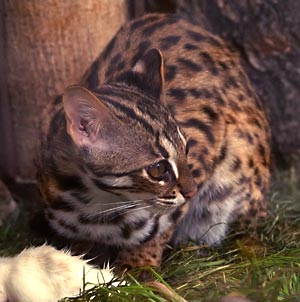

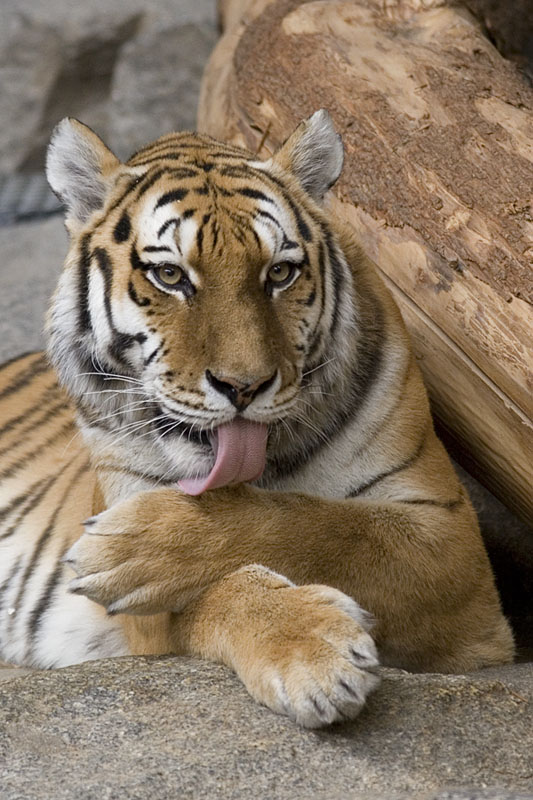
.jpg)
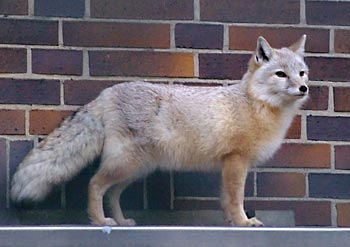


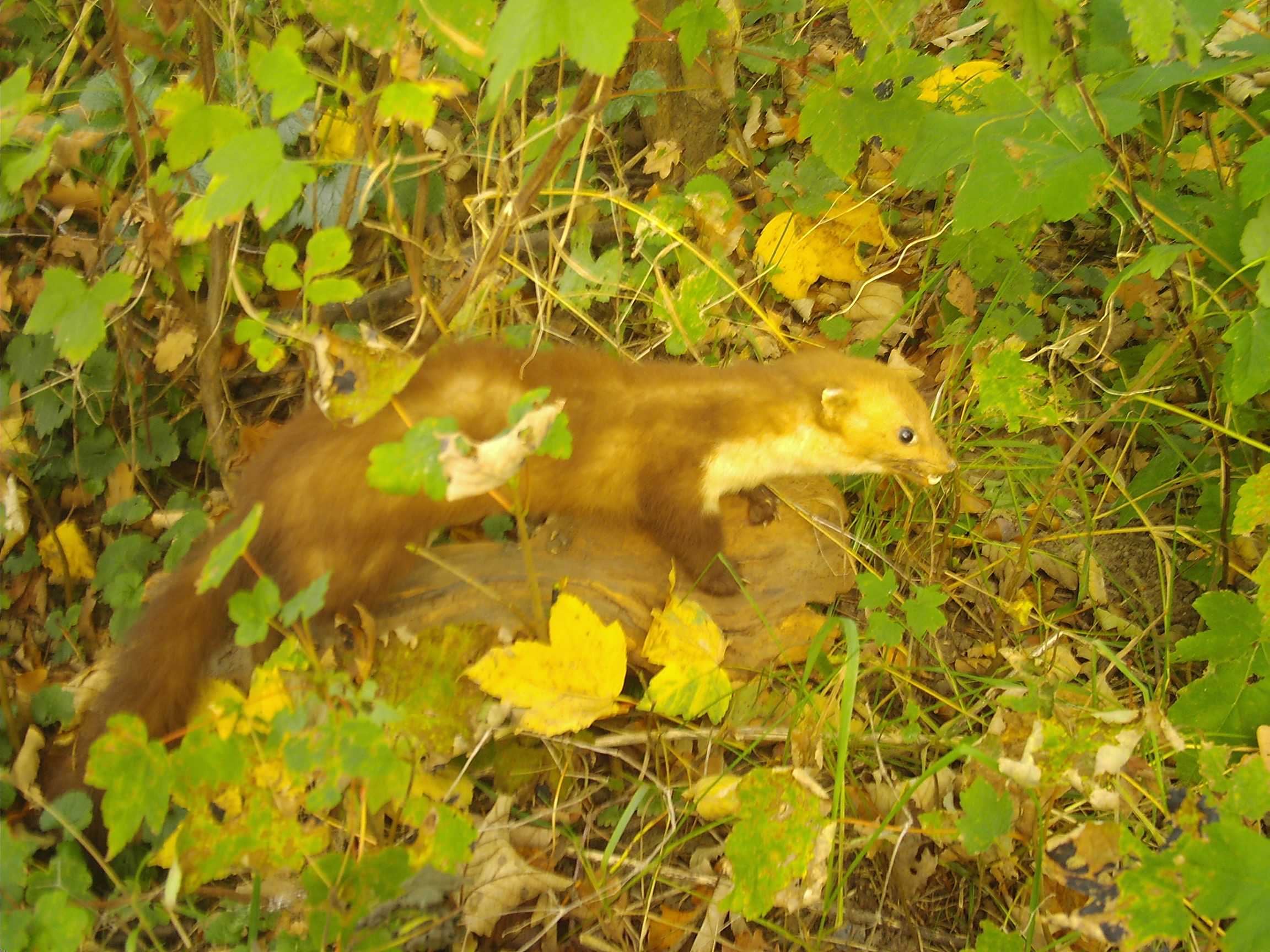

Carnivorans include over 260 species, the majority of which primarily eat meat. They have a characteristic skull shape and dentition.
- Suborder: Feliformia
- Family: Felidae (cats)
- Subfamily: Felinae
- Genus: Catopuma
- Asian golden cat, C. temminckii
- Genus: Felis
- Chinese mountain cat, F. bieti
- Jungle cat, F. chaus
- African wildcat, F. lybica
- Asiatic wildcat, F. l. ornata
- Genus: Lynx
- Eurasian lynx, L. lynx
- Turkestan lynx, L. l. isabellinus
- Eurasian lynx, L. lynx
- Genus: Otocolobus
- Pallas's cat, O. manul
- Genus: Pardofelis
- Marbled cat, P. marmorata
- Genus: Prionailurus
- Leopard cat, P. bengalensis
- Genus: Catopuma
- Subfamily: Pantherinae
- Genus: Neofelis
- Clouded leopard, N. nebulosa
- Genus: Panthera
- Leopard, P. pardus
- Indochinese leopard, P. p. delacouri
- Amur leopard, P. p. orientalis
- Tiger, P. tigris
- Siberian tiger, P. t. tigris
- South China tiger, P. t. tigris , possibly
- Snow leopard, P. uncia
- Leopard, P. pardus
- Genus: Neofelis
- Subfamily: Felinae
- Family: Viverridae
- Subfamily: Paradoxurinae
- Genus: Arctictis
- Binturong, A. binturong
- Genus: Arctogalidia
- Small-toothed palm civet, A. trivirgata
- Genus: Paguma
- Masked palm civet, P. larvata
- Genus: Paradoxurus
- Asian palm civet, P. hermaphroditus
- Genus: Arctictis
- Subfamily: Hemigalinae
- Genus: Chrotogale
- Owston's palm civet, Chrotogale owstoni
- Genus: Chrotogale
- Subfamily: Prionodontinae
- Genus: Prionodon
- Spotted linsang, P. pardicolor
- Genus: Prionodon
- Subfamily: Viverrinae
- Genus: Viverra
- Large-spotted civet, V. megaspila
- Malayan civet, V. tangalunga
- Large Indian civet, V. zibetha
- Genus: Viverricula
- Small Indian civet, V. indica
- Genus: Viverra
- Subfamily: Paradoxurinae
- Family: Herpestidae (mongooses)
- Genus: Urva
- Small Indian mongoose, U. auropunctata presence uncertain
- Javan mongoose, U. javanica
- Crab-eating mongoose, U. urva
- Genus: Urva
- Family: Felidae (cats)
- Suborder: Caniformia
- Family: Ailuridae (red panda)
- Genus: Ailurus
- Himalayan red panda, A. fulgens
- Chinese red panda, A. styani
- Genus: Ailurus
- Family: Canidae (dogs, foxes)
- Genus: Canis
- Gray wolf, C. lupus
- Himalayan wolf, C. l. chanco
- Mongolian wolf, C. l. chanco
- Gray wolf, C. lupus
- Genus: Cuon
- Dhole, C. alpinus
- Ussuri dhole, C. a. alpinus
- Tien Shan dhole, C. a. hesperius
- Dhole, C. alpinus
- Genus: Nyctereutes
- Raccoon dog, N. procyonoides
- Genus: Vulpes
- Corsac fox, V. corsac
- Tibetan fox, V. ferrilata
- Red fox, V. vulpes
- Genus: Canis
- Family: Ursidae (bears)
- Genus: Ailuropoda
- Giant panda, A. melanoleuca
- Genus: Helarctos
- Sun bear, H. malayanus presence uncertain
- Genus: Ursus
- Brown bear, U. arctos
- Eurasian brown bear, U. a. arctos
- Himalayan brown bear, U. a. isabellinus
- Ussuri brown bear, U. a. lasiotus
- Tibetan blue bear, U. a. pruinosus
- Asiatic black bear, U. thibetanus
- Himalayan black bear, U. t. laniger
- Indochinese black bear, U. t. mupinensis
- Tibetan black bear, U. t. thibetanus
- Ussuri black bear, U. t. ussuricus
- Brown bear, U. arctos
- Genus: Ailuropoda
- Family: Mustelidae (mustelids)
- Genus: Aonyx
- Asian small-clawed otter, A. cinereus
- Genus: Arctonyx
- Greater hog badger, A. collaris , presence uncertain
- Northern hog badger, A. albogularis
- Genus: Gulo
- Wolverine, G. gulo
- Genus: Lutra
- European otter, L. lutra
- Genus: Lutrogale
- Smooth-coated otter, L. perspicillata
- Genus: Martes
- Yellow-throated marten, M. flavigula
- Beech marten, M. foina
- Sable, M. zibellina
- Genus: Meles
- Asian badger, M. leucurus
- Genus: Melogale
- Chinese ferret badger, M. moschata
- Genus: Mustela
- Sichuan weasel, M. aistoodonnivalis
- Mountain weasel, M. altaica
- Stoat, M. erminea
- Steppe polecat, M. eversmannii
- Yellow-bellied weasel, M. kathiah
- Least weasel, M. nivalis
- Siberian weasel, M. sibirica
- Back-striped weasel, M. strigidorsa
- Genus: Vormela
- Marbled polecat, V. peregusna
- Genus: Aonyx
- Family: Otariidae (eared seals)
- Genus: Callorhinus
- Northern fur seal, C. ursinus vagrant
- Genus: Eumetopias
- Steller sea lion, E. jubatus vagrant
- Genus: Callorhinus
- Family: Phocidae (earless seals)
- Genus: Erignathus
- Bearded seal, E. barbatus
- Genus: Phoca
- Spotted seal, P. largha
- Genus: Pusa
- Ringed seal, P. hispida vagrant
- Genus: Erignathus
- Family: Ailuridae (red panda)
Order: [[Perissodactyla]] (odd-toed ungulates)

The odd-toed ungulates are browsing and grazing mammals. They are usually large to very large, and have relatively simple stomachs and a large middle toe.
- Family: Equidae (horses etc.)
- Genus: Equus
- Wild horse, E. ferus
- Przewalski's horse, E. f. przewalskii reintroduced
- Onager, E. hemionus
- Mongolian wild ass, E. h. hemionus
- Turkmenian kulan, E. h. kulan
- Kiang, E. kiang
- Eastern kiang, E. k. holdereri
- Western kiang, E. k. kiang
- Southern kiang, E. k. polyodon
- Wild horse, E. ferus
- Genus: Equus
- Family: Rhinocerotidae (rhinos)
- Genus: Dicerorhinus
- Sumatran rhinoceros, D. sumatrensis extirpated
- Genus: Rhinoceros
- Javan rhinoceros, R. sondaicus extirpated
- Indian rhinoceros, R. unicornis possibly extirpated
- Genus: Dicerorhinus
Order: [[Artiodactyla]] (even-toed ungulates)
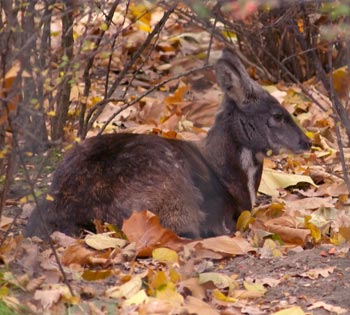


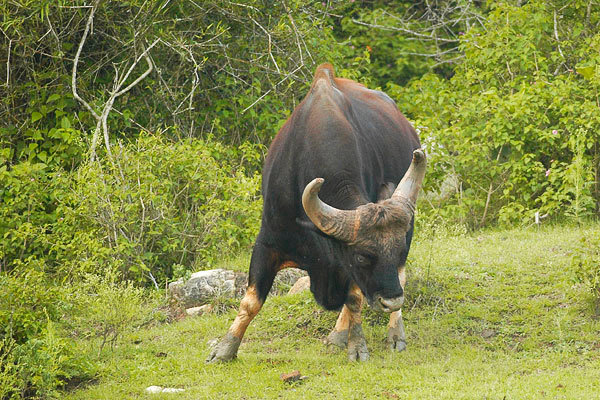
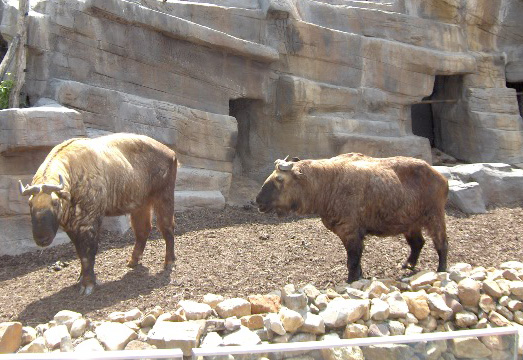
The even-toed ungulates are ungulates whose weight is borne about equally by the third and fourth toes, rather than mostly or entirely by the third as in perissodactyls. There are about 220 artiodactyl species, including many that are of great economic importance to humans.
- Family: Bovidae (cattle, antelope, sheep, goats)
- Subfamily: Antilopinae
- Genus: Gazella
- Goitered gazelle, G. subgutturosa
- Genus: Pantholops
- Tibetan antelope, P. hodgsonii
- Genus: Procapra
- Mongolian gazelle, P. gutturosa
- Goa, P. picticaudata
- Przewalski's gazelle, P. przewalskii
- Genus: Saiga
- Saiga antelope, S. tatarica extirpated
- Genus: Gazella
- Subfamily: Bovinae
- Genus: Bos
- Gaur, B. gaurus
- Banteng, B. javanicus presence uncertain
- Wild yak, B. mutus
- Genus: Bos
- Subfamily: Caprinae
- Genus: Budorcas
- Takin, B. taxicolor
- Genus: Capra
- Siberian ibex, C. sibrica
- Genus: Capricornis
- Mainland serow, C. sumatraensis
- Genus: Hemitragus
- Himalayan tahr, H. jemlahicus
- Genus: Naemorhedus
- Red goral, N. baileyi
- Long-tailed goral, N. caudatus
- Himalayan goral, N. goral
- Chinese goral, N. griseus
- Genus: Ovis
- Argali, O. ammon
- Genus: Pseudois
- Bharal, P. nayaur
- Genus: Budorcas
- Subfamily: Antilopinae
- Family: Camelidae (camels, llamas)
- Genus: Camelus
- Wild Bactrian camel, C. ferus
- Genus: Camelus
- Family: Cervidae (deer)
- Subfamily: Cervinae
- Genus: Axis
- Indian hog deer, A. porcinus possibly extirpated
- Genus: Cervus
- Thorold's deer, C. albirostris
- Wapiti, C. canadensis
- Kansu red deer, C. c. kanzuensis
- Sichuan deer, C. c. macnelli
- Tibetan red deer, C. c. wallichi
- Manchurian wapiti, C. c. xanthopygus
- Red deer, C. elaphus
- Central Asian red deer C. hanglu
- Yarkand deer, C. h. yarkandensis
- Sika deer, C. nippon
- Genus: Elaphurus
- Père David's deer, E. davidianus
- Genus: Rucervus
- Eld's deer, R. eldii
- Genus: Rusa
- Sambar deer, R. unicolor
- Genus: Axis
- Subfamily: Hydropotinae
- Genus: Hydropotes
- Water deer, H. inermis
- Genus: Hydropotes
- Subfamily: Muntiacinae
- Genus: Elaphodus
- Tufted deer, E. cephalophus
- Genus: Muntiacus
- Hairy-fronted muntjac, M. crinifrons
- Fea's muntjac, M. feae
- Gongshan muntjac, M. gongshanensis
- Indian muntjac, M. muntjak
- Reeves's muntjac, M. reevesi
- Genus: Elaphodus
- Subfamily: Capreolinae
- Genus: Alces
- Moose, A. alces
- Genus: Capreolus
- Siberian roe deer, C. pygargus
- Genus: Rangifer
- Reindeer, R. tarandus
- Genus: Alces
- Subfamily: Cervinae
- Family: Moschidae
- Genus: Moschus
- Dwarf musk deer, M. berezovskii
- Alpine musk deer, M. chrysogaster
- Black musk deer, M. fuscus
- Siberian musk deer, M. moschiferus
- Genus: Moschus
- Family Suidae
- Genus: Sus
- Wild boar, S. scrofa
- Genus: Sus
- Family: Tragulidae
- Genus: Tragulus
- Lesser mouse deer, T. kanchil
- Genus: Tragulus
Notes
References
- {{cite web |access-date = 22 May 2007
- {{cite web |access-date = 22 May 2007
- {{cite web |access-date = 22 May 2007
References
- This list is derived from the [[IUCN Red List]] which lists species of mammals and includes those mammals that have recently been classified as extinct (since 1500 AD). The taxonomy and naming of the individual species is based on those used in existing Wikipedia articles as of 21 May 2007 and supplemented by the common names and taxonomy from the IUCN, Smithsonian Institution, or University of Michigan where no Wikipedia article was available.
- (2019). "''Dugong dugon''".
- Williams, C.. (2020). "''Elephas maximus''".
- Han, K. H.. (2016). "''Tupaia belangeri''".
- Nekaris, K.A.I.. (2020). "''Nycticebus bengalensis''".
- (2022-03-23). "A new genus name for pygmy lorises, Xanthonycticebus gen. nov. (Mammalia, primates)". Zoosystematics and Evolution.
- Blair, M.. (2020). "''Nycticebus pygmaeus''".
- Chetry, D.. (2020). "''Macaca arctoides''".
- (2020). "''Macaca assamensis''".
- Timmins, R. J.. (2008). "''Macaca mulatta''".
- Kumar, A.. (2008). "''Semnopithecus schistaceus''".
- (2019). "''Hoolock hoolock''".
- (2019). "''Hoolock leuconedys''".
- (2020). "''Hoolock tianxing''".
- (2020). "''Hylobates lar''".
- (2020). "''Nomascus hainanus''".
- Lunde, D.. (2016). "''Hystrix brachyura''".
- Amori, G.. (2016). "''Hystrix indica''".
- Batbold, J.. (2016). "''Castor fiber''".
- Amori, G.. (2010). "''Sciurus vulgaris''".
- Smith, A.T.. (2019). "''Lepus oiostolus''".
- Smith, A.T.. (2019). "''Lepus tibetanus''".
- (2019). "''Lepus timidus''".
- Smith, A.T.. (2019). "''Lepus tolai''".
- Hutterer, R.. (2016). "''Suncus murinus''".
- (2019). "''Cynopterus brachyotis''".
- Molur, S.. (2008). "''Pteropus giganteus''".
- Bumrungsri, S.. (2008). "''Pteropus lylei''".
- P. Bates. (2008). "''Pteropus vampyrus''".
- (2016). "''Myotis blythii''".
- Piraccini, R.. (2016). "''Myotis dasycneme''".
- Kruskop, S.V.. (2020). "''daubentonii''".
- Huang, J.C.-C.. (2020). "''Myotis formosus''".
- (2016). "''Myotis mystacinus''".
- Gazaryan, S.. (2020). "''Myotis nattereri''".
- Piraccini, R.. (2016). "''Barbastella barbastellus''".
- Hutson, A. M.. (2010). "''Hypsugo savii''".
- (2020). "''Ia io''".
- Juste, J.. (2016). "''Nyctalus leisleri''".
- Csorba, G.. (2016). "''Nyctalus noctula''".
- Gazaryan, S.. (2020). "''Miniopterus schreibersii''".
- Piraccini, R.. (2016). "''Rhinolophus ferrumequinum''".
- Challender, D.. (2019). "''Manis javanica''".
- Challender, D.. (2019). "''Manis pentadactyla''".
- McCarthy, J.. (2015). "''Catopuma temminckii''".
- Riordan, P.. (2015). "''Felis bieti''".
- Gray, T.N.E.. (2016). "''Felis chaus''".
- Breitenmoser, U.. (2015). "''Lynx lynx''".
- (2020). "''Otocolobus manul''".
- Ross, J.. (2016). "''Pardofelis marmorata''".
- Ross, J.. (2015). "''Prionailurus bengalensis''".
- (2016). "''Neofelis nebulosa''".
- (2019). "''Panthera pardus''".
- (2015). "''Panthera tigris''".
- McCarthy, T.. (2017). "''Panthera uncia''".
- (2016). "''Arctictis binturong''".
- (2016). "''Arctogalidia trivirgata''".
- Duckworth, J.W.. (2016). "''Paguma larvata''".
- Duckworth, J.W.. (2016). "''Paradoxurus hermaphroditus''".
- Timmins, R.J.. (2016). "''Chrotogale owstoni''".
- Duckworth, J.W.. (2016). "''Prionodon pardicolor''".
- Timmins, R.. (2016). "''Viverra megaspila''".
- Duckworth, J.W.. (2016). "''Viverra tangalunga''".
- Timmins, R.J.. (2016). "''Viverra zibetha''".
- Choudhury, A.. (2015). "''Viverricula indica''".
- Jennings, A.. (2016). "''Herpestes auropunctatus''".
- Chutipong, W.. (2016). "''Herpestes javanicus''".
- (2015). "''Herpestes urva''".
- Glatston, A.. (2015). "''Ailurus fulgens''".
- (2018). "''Canis lupus''".
- Kamler, J. F.. (2015). "''Cuon alpinus''".
- Kauhala, K.. (2016). "''Nyctereutes procyonoides''".
- Murdoch, J.D.. (2014). "''Vulpes corsac''".
- Harris, R.. (2014). "''Vulpes ferrilata''".
- Hoffmann, M.. (2016). "''Vulpes vulpes''".
- (2015). "''Aonyx cinereus''".
- Duckworth, J.W.. (2016). "''Arctonyx collaris''".
- Helgen, K.. (2016). "''Arctonyx albogularis''".
- Abramov, A.V.. (2016). "''Gulo gulo''".
- (2015). "''Lutrogale perspicillata''".
- Chutipong, W.. (2016). "''Martes flavigula''".
- Abramov, A.V.. (2016). "''Martes foina''".
- Abramov, A.. (2016). "''Meles leucurus''".
- (2016). "''Melogale moschata''".
- Abramov, A.. (2016). "''Mustela altaica''".
- Willcox, D.H.A.. (2016). "''Mustela kathiah''".
- McDonald, R. A.. (2019). "Mustela nivalis".
- Abramov, A. V.. (2016). "''Mustela sibirica''".
- (2016). "''Mustela strigidorsa''".
- Abramov, A.V.. (2016). "''Vormela peregusna''".
- (2015). "''Callorhinus ursinus''".
- (2016). "''Eumetopias jubatus''".
- (2008). "Reproduction and Development of the Released Przewalski's Horses (''Equus przewalskii'') in Xinjiang, China". Journal of Equine Science.
- Ellis, S.. (2020). "''Dicerorhinus sumatrensis''".
- Ellis, S.. (2020). "''Rhinoceros sondaicus''".
- Ellis, S.. (2019). "''Rhinoceros unicornis''".
- IUCN SSC Antelope Specialist Group. (2017). "''Gazella subgutturosa''".
- Duckworth, J. W.. (2016). "''Bos gaurus''".
- Gardner, P.. (2016). "''Bos javanicus''".
- Buzzard, P.. (2016). "''Bos mutus''".
- Song, Y-L.. (2008). "''Budorcas taxicolor''".
- Phan, T.D.. (2020). "''Capricornis sumatraensis''".
- Duckworth, J.W.. (2008). "''Naemorhedus goral''".
- Harris, R.B.. (2014). "''Pseudois nayaur''".
- Timmins, R.J.. (2015). "''Axis porcinus''".
- Lovari, S.. (2018). "''Cervus elaphus''".
- Brook, S.M.. (2017). "''Cervus hanglu''".
- Gray, T.N.E.. (2015). "''Rucervus eldii''".
- (2019). "Origins of Chinese reindeer (Rangifer tarandus) based on mitochondrial DNA analyses". PLOS ONE.
- Harris, R.. (2016). "''Moschus chrysogaster''".
- Wang, Y.. (2015). "''Moschus fuscus''".
This article was imported from Wikipedia and is available under the Creative Commons Attribution-ShareAlike 4.0 License. Content has been adapted to SurfDoc format. Original contributors can be found on the article history page.
Ask Mako anything about List of mammals of China — get instant answers, deeper analysis, and related topics.
Research with MakoFree with your Surf account
Create a free account to save articles, ask Mako questions, and organize your research.
Sign up freeThis content may have been generated or modified by AI. CloudSurf Software LLC is not responsible for the accuracy, completeness, or reliability of AI-generated content. Always verify important information from primary sources.
Report