From Surf Wiki (app.surf) — the open knowledge base
Leukotriene B4
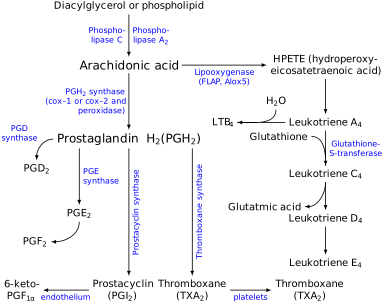
Leukotriene B4 (LTB4) is a leukotriene involved in inflammation. It has been shown to promote insulin resistance in obese mice.
Biochemistry
LTB4 is a leukotriene involved in inflammation. It is produced from leukocytes in response to inflammatory mediators and is able to induce the adhesion and activation of leukocytes on the endothelium, allowing them to bind to and cross it into the tissue. In neutrophils, it is also a potent chemoattractant, and is able to induce the formation of reactive oxygen species and the release of lysosomal enzymes by these cells. It is synthesized by leukotriene-A4 hydrolase from leukotriene A4.
Diabetes
A study at the University of California, San Diego School of Medicine has shown that LTB4 promotes insulin resistance in obese mice. Obesity is the major cause of insulin resistance in type 2 diabetes.
References
References
- Cotran. (1999). "Robbins Pathologic Basis of Disease". W.B Saunders Company.
- "LTA4H".
- "Molecular Link between Obesity and Type 2 Diabetes Reveals Potential Therapy".
- (2015). "LTB4 promotes insulin resistance in obese mice by acting on macrophages, hepatocytes and myocytes". Nature Medicine.
This article was imported from Wikipedia and is available under the Creative Commons Attribution-ShareAlike 4.0 License. Content has been adapted to SurfDoc format. Original contributors can be found on the article history page.
Ask Mako anything about Leukotriene B4 — get instant answers, deeper analysis, and related topics.
Research with MakoFree with your Surf account
Create a free account to save articles, ask Mako questions, and organize your research.
Sign up freeThis content may have been generated or modified by AI. CloudSurf Software LLC is not responsible for the accuracy, completeness, or reliability of AI-generated content. Always verify important information from primary sources.
Report