From Surf Wiki (app.surf) — the open knowledge base
Keel laying
Formal recognition of the start of a ship's construction
Formal recognition of the start of a ship's construction
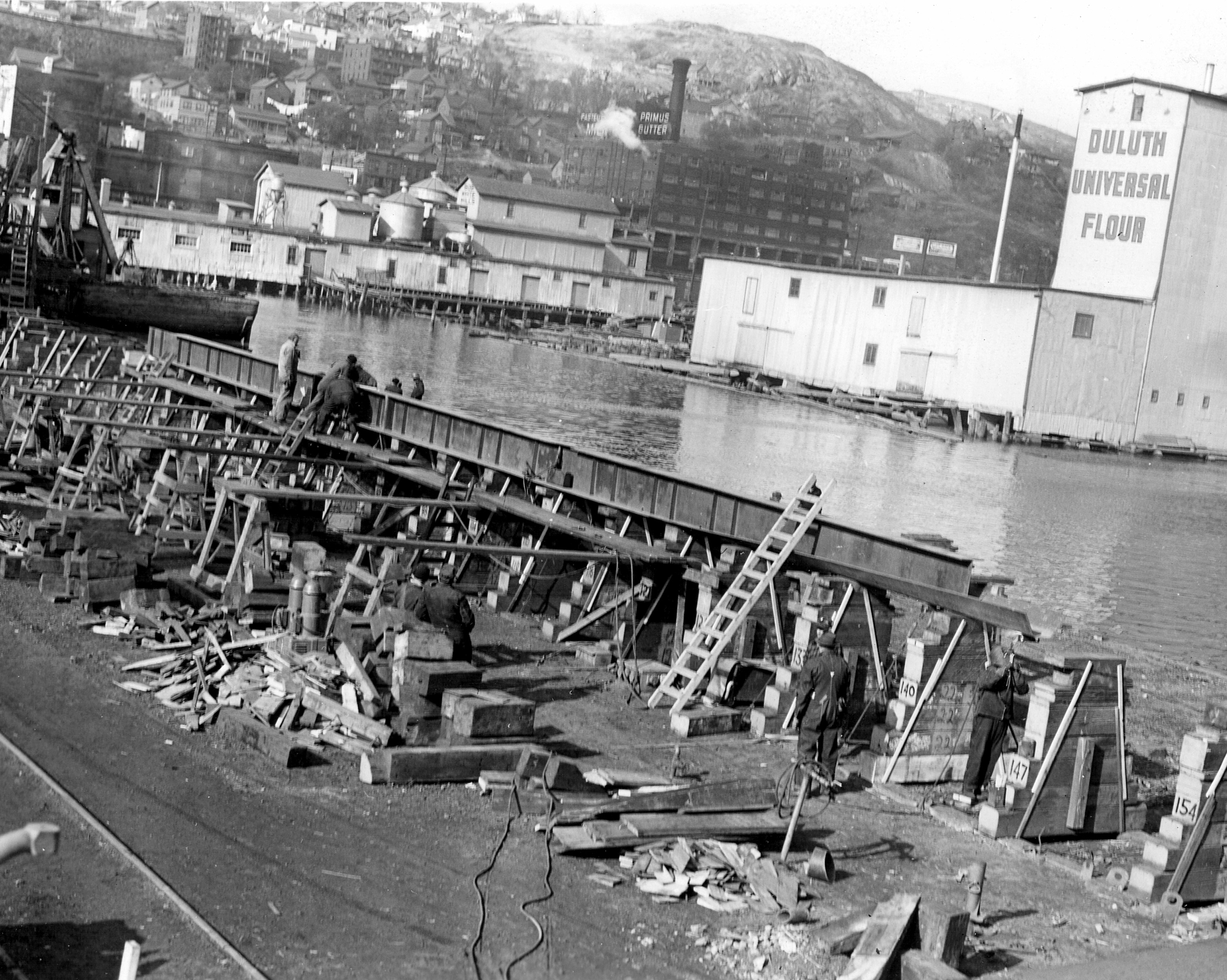
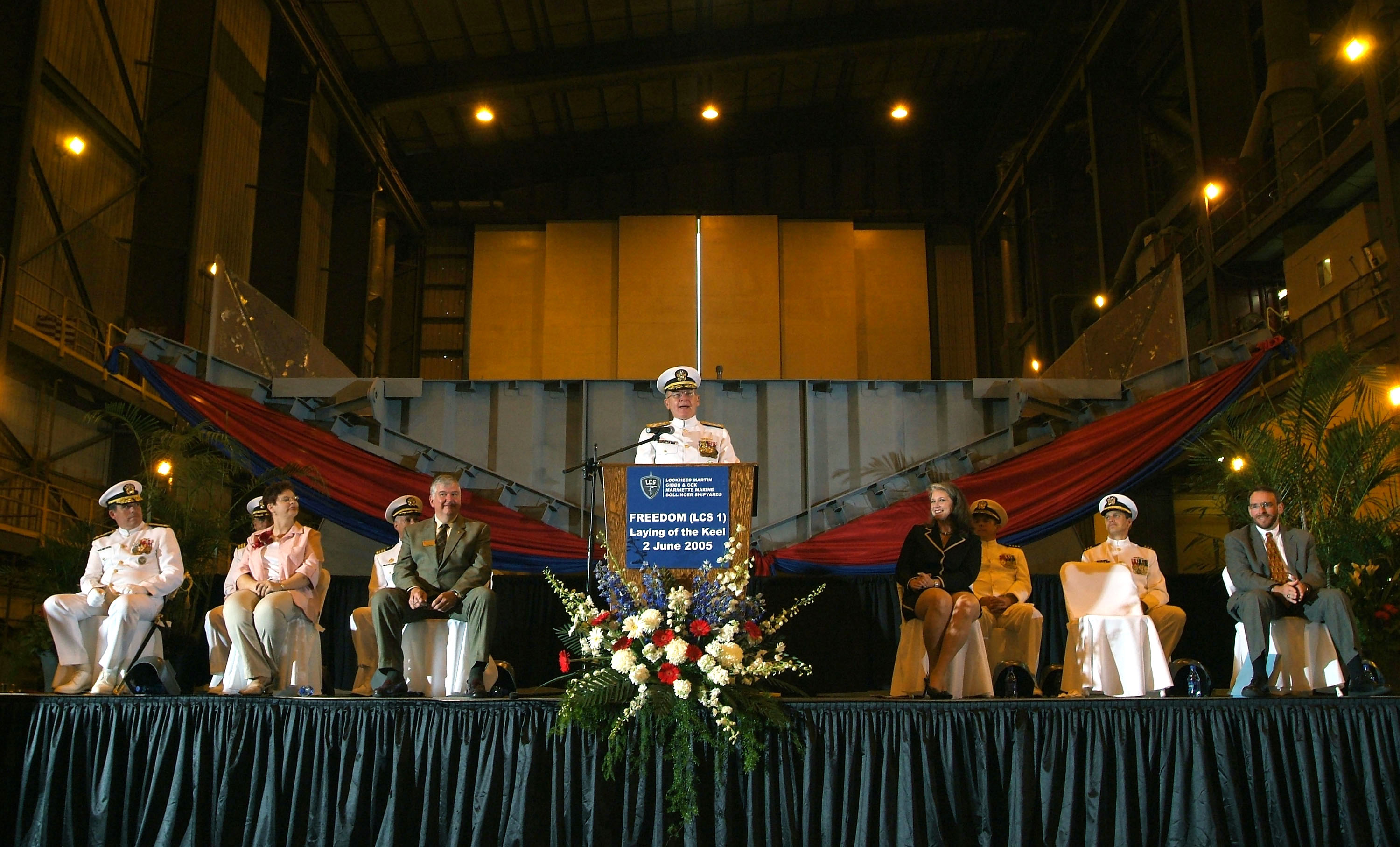
Laying the keel or laying down is the formal recognition of the start of a ship's construction. It is often marked with a ceremony attended by dignitaries from the shipbuilding company and the ultimate owners of the ship.
Keel laying is one of the four specially celebrated events in a ship's life; the others are launching, commissioning, and decommissioning.
Earlier, the event recognized as the keel laying was the initial placement of the central timber making up the backbone of a vessel, called the keel. As steel ships replaced wooden ones, the central timber gave way to a central steel beam.
Modern ships are most commonly built in a series of pre-fabricated, complete hull sections rather than around a single keel. The event recognized as the keel laying is the first joining of modular components, or the lowering of the first module into place in the building dock. It is now often called "keel authentication" and is the ceremonial beginning of the ship's life, although some modules may have been started months before that stage of construction.
Traditions
Keel-related traditions from the times of wooden ships are said to bring luck to the ship during construction and to the captain and crew during her later life. They include placing a newly minted coin under the keel and constructing the ship over it, having the youngest apprentice place the coin, and, when the ship is finished, presenting the owners with the oak block on which the keel is laid. The tradition of the placement of coins derives from the mast stepping custom of placing coins under the mast and is believed to date back to Ancient Greece or Ancient Rome and were intended to "pay the ferryman" to convey the souls of the dead across the River Styx should the ship sink.
References
References
- NAVSEA – Naval Sea Systems Command. "Shipbuilding 101".
- "Ship Building Milestones".
- (8 Jun 2012). "Australia: Austal Holds Keel-Laying Ceremony...".
- (9 Aug 2011). "Keel laying ceremony for two Ro-Ro special ships for DFDS A/S".
- (7 May 2009). "Aker Philadelphia Shipyard Holds Ceremonial Keel Laying".
- Lenzini, Heidi. (January 25, 2013). "Mast Stepping: A Mariner's Tradition {{!}} Navy Live". [[United States Navy]].
- Office of the Chief of Naval Operations. (15 Jun 2001). "OPNAVINST 1710.7A – Social Usage and Protocol Handbook".
- (5 June 2022). "GDEB Lays Keel of Submarine District of Columbia (SSBN 826)". Naval News.
This article was imported from Wikipedia and is available under the Creative Commons Attribution-ShareAlike 4.0 License. Content has been adapted to SurfDoc format. Original contributors can be found on the article history page.
Ask Mako anything about Keel laying — get instant answers, deeper analysis, and related topics.
Research with MakoFree with your Surf account
Create a free account to save articles, ask Mako questions, and organize your research.
Sign up freeThis content may have been generated or modified by AI. CloudSurf Software LLC is not responsible for the accuracy, completeness, or reliability of AI-generated content. Always verify important information from primary sources.
Report