From Surf Wiki (app.surf) — the open knowledge base
Iranian pop music
Music genre
Music genre
Iranian pop music or Persian pop music () refers to pop music originated in Iran, with songs mainly in Persian and other regional Persian dialects of the country and region.
History
Early Iranian popular music
Following the invention of radio in 1930, and after World War II, a form of popular music emerged and began to develop in Iran.
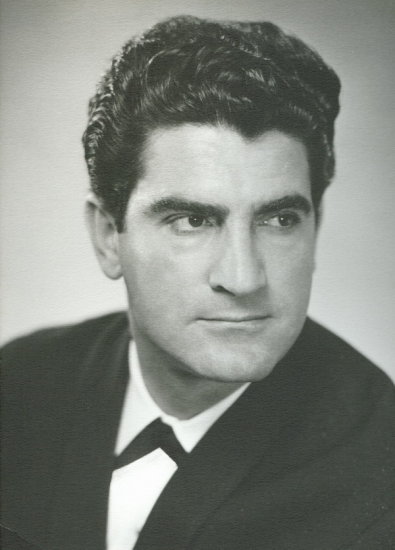
1950s–70s
Iran's western-influenced pop music emerged by the 1950s. Prior to the 1950s, Iran's music industry was dominated by traditional singers. Viguen, known as the "Sultan" of Iranian pop and jazz music, was a pioneer of this revolution. He was one of Iran's first musicians to perform with a guitar.
Some of Iran's classical pop artists include Hayedeh, Mahasti, Andy, Aref, Dariush, Ebi, Faramarz Aslani, Farhad, Fereydun Farrokhzad, Giti Pashaei, Googoosh, Hassan Shamaizadeh, Homeyra, Leila Forouhar, Nooshafarin, Parviz Maghsadi, Ramesh, Shahram Shabpareh, and Varoujan,shohreh solati,Bijan Mortazavi, bLACKCATS File:HayedehRohani.jpg|Hayedeh and Anoushirvan rohani on the Iranian National Television, in 1975. File:LoghmanAdhamiMAminiNaserEftetahMahmoudRahmanipourHiydeh.jpg|Hayedeh, Loghman Adhami, and other musicians at a concert, in the 1970s File:Bigharar-googoosh.jpg|Googoosh on an old music cover. File:Farhad Mehrad.jpg|Farhad Mehrad in the 1970s. File:Fereydoun Farrokhzad - Zan-e Rooz, Issue 303 - 16 January 1971 (01).jpg|Fereydun Farrokhzad on an old magazine.
After the 1979 Revolution
After the 1979 Revolution, pop music was banned and completely disappeared from the scene in Iran. Many Iranians emigrated to foreign countries, especially to Los Angeles in the United States, and many continued to sing in exile. Since then, several popular Iranian TV channels and radio stations have operated outside the country, aired through various satellites. These broadcast companies play an important role in promoting and connecting Iranian pop artists to Iranians living all over the world.
In the 1990s, officials of the new government decided to produce and promote "decent" pop music, in order to compete with the abroad and unofficial sources of Iranian music. Ali Moallem (poet) and Fereydoun Shahbazian (musician) headed a council at the IRIB that supervised the revival of domestic pop music.
Shadmehr Aghili was one of the first post-revolutionary Iranian singers who received significant support, including promotion by national television, to produce new Persian pop songs inside Iran. He was highly skilled at playing violin and guitar, and was a very talented singer. He became a very successful and popular musician and singer in Iran, but eventually immigrated to Canada and then moved to Los Angeles, continuing his career outside Iran.
Under the presidency of Khatami, as a result of easing cultural restrictions within Iran, a number of new pop singers emerged from within the country. Since the new administration took office, the Ministry of Ershad adopted a different policy, mainly to make it easier to monitor the industry. The newly adopted policy included loosening restrictions for a small number of artists, while tightening it for the rest. However, the number of album releases increased.
Arian, the first officially sanctioned pop music band with female singers in post-revolutionary Iran, started a new chapter of Iranian pop music. They collaborated with the well-known British-Irish singer Chris de Burgh in their fourth album Bi to, Ba to, and were the first Iranian band to be featured in the English biographical dictionary and directory of International Who's Who in Music.
In 2001 some younger artists created a movement called Iranian hip hop. Their music was inspired by American hip hop artists like Eminem or Tupac. The government originally banned this genre of music, but artists like Zedbazi, Hichkas, and others emerged despite this.
In late 2009, Sirvan Khosravi became the first domestic Iranian artist to achieve high-rotation airplay on a regular European radio station. He made his debut with the song Saat-e 9 ("9 O'Clock"), which also made headlines in Iranian online media. In August 2010, Farzad Farzin Amin Rostami made his debut European chart with the song Chike Chike ("Trickle Trickle") from his third legal album Shans ("Chance"). Sahar was one of the other influential singers of Iranian pop music after the 1979 revolution.
Awards
Notable International Awards
- 1971: Googoosh, first prize and golden record at the MIDEM in Cannes, for her 7th record (as Gougoush) featuring two songs in French: "Retour de la Ville" (A-side) and "J'entends Crier Je T'aime" (B-side).
- 1972: Googoosh, first prize at the Carthage Music Festival.
- 1972: Googoosh, first medal of arts of Tunisia.
- 1973: Googoosh, participated at the Sanremo Music Festival.
- 2002: Deep Dish, Grammy Award winner for Best Remixed Recording, for Dido's "Thank You".
- 2006: Andy Madadian, Best Middle Eastern Song & Best Middle Eastern Album at the JPF Awards.
- 2010: Andy Madadian, Recipient of star on Hollywood Walk of Fame
- 2013: Farzad Farzin, Best Song and Performance at the Art-football Festival.
References
References
- (2003). "Pop Music in Iran". Iran Chamber Society.
- Armbrust, Walter. (2000). "Mass Mediations: New Approaches to Popular Culture in the Middle East and Beyond". University of California Press.
- Saba, Sadeq. (October 27, 2003). "Iranian pop legend dies at 74".
- Saba, Sadeq. (November 26, 2003). "Obituary: Vigen Derderian". The Guardian.
- Zinder, Jac. (March 19, 1992). "The King of Persian Pop: Never a Dull Nouruz". Los Angeles Times.
- (June 2, 2000). "Rock Rolls Once More in Iran As Hard-Liners Back Pop Revival". [[The Wall Street Journal]].
- "Submitting tips for TV broadcast".
- [http://www.iran-daily.com/1385/2638/html/art.htm#s167016 Ali Moallem on Pop music] {{webarchive. link. (2006-10-21)
- [http://www.persianartmusic.com/Interview/fereydoun_shahbazian.html An interview with Fereydoun Shahbazian] {{webarchive. link. (2012-02-06)
- (23 August 2001). "Roll Over, Khomeini! Iran Cultivates A Local Rock Scene, Within Limits". [[The Washington Post]].
- BBC News. (December 2004). "Iran's first pop revolutionaries".
- (28 July 2008). "Chris de Burgh to play 'cheek to cheek' with Iranian band in Tehran". The Telegraph Media Group.
- "Iraanse popster Sirvan Khosravi deze week de diXte of FunX Radio". FunX (Radio network).
- (December 2025). "Sirvan Khosravi - Saate 9 (Review)". Bia2.com}}{{Dead link.
- "آهنگ "ساعت 9" سیروان؛ رتبهی اول چارت رادیوی هلندی شد". Musicema.
- "FunX XTips Chart". FunX (Radio network).
- Bahmani, Behrouz. (February 11, 2003). "A Treasure Hunter's Efforts Pay Off, An Album of Long Lost Googoosh Songs, San Remo 73". The Iranian.
- "Andy Madadian, The Prince Of Persian Pop, Receives Hollywood Walk Of Fame Star". NPR.
This article was imported from Wikipedia and is available under the Creative Commons Attribution-ShareAlike 4.0 License. Content has been adapted to SurfDoc format. Original contributors can be found on the article history page.
Ask Mako anything about Iranian pop music — get instant answers, deeper analysis, and related topics.
Research with MakoFree with your Surf account
Create a free account to save articles, ask Mako questions, and organize your research.
Sign up freeThis content may have been generated or modified by AI. CloudSurf Software LLC is not responsible for the accuracy, completeness, or reliability of AI-generated content. Always verify important information from primary sources.
Report