From Surf Wiki (app.surf) — the open knowledge base
Intangible cultural heritage
Class of cultural heritage

Class of cultural heritage
Intangible cultural heritage (ICH)—as opposed to a place's tangible cultural heritage, cultural properties such as historic sites, monuments, and artefacts—comprises manifestations of intellectual wealth such as customs, beliefs, traditions, folklore, language, and knowledge, as expressed in particular through craftsmanship and performance.
Responding to the perceived over-representation of Western Europe among World Heritage Sites, to help valorize cultural diversity, and following on from earlier related measures in Japan (1950) and in South Korea (1962), in 2001, UNESCO made a survey{{cite web |access-date=20 June 2007 |archive-date=1 February 2015 |archive-url=https://web.archive.org/web/20150201090017/http://www.unesco.org/culture/ich/index.php?lg=en&meeting_id=00057#meet_00057 |url-status=live |access-date=20 June 2007 |archive-date=3 May 2013 |archive-url=https://archive.today/20130503133021/http://www.unesco.org/culture/ich/index.php?lg=en&pg=home |url-status=live
Definition
]] The Convention for the Safeguarding of the Intangible Cultural Heritage defines the intangible cultural heritage as the practices, representations, expressions, as well as the knowledge and skills (including instruments, objects, artifacts, cultural spaces), that communities, groups, and, in some cases, individuals, recognize as part of their cultural heritage. It is sometimes called living cultural heritage, and is manifested in the following domains, among others:
- Oral traditions and expressions, including language as a vehicle of the intangible cultural heritage;
- Performing arts;
- Social practices, rituals and festive events;
- Knowledge and practices concerning nature and the universe;
- Traditional craftsmanship
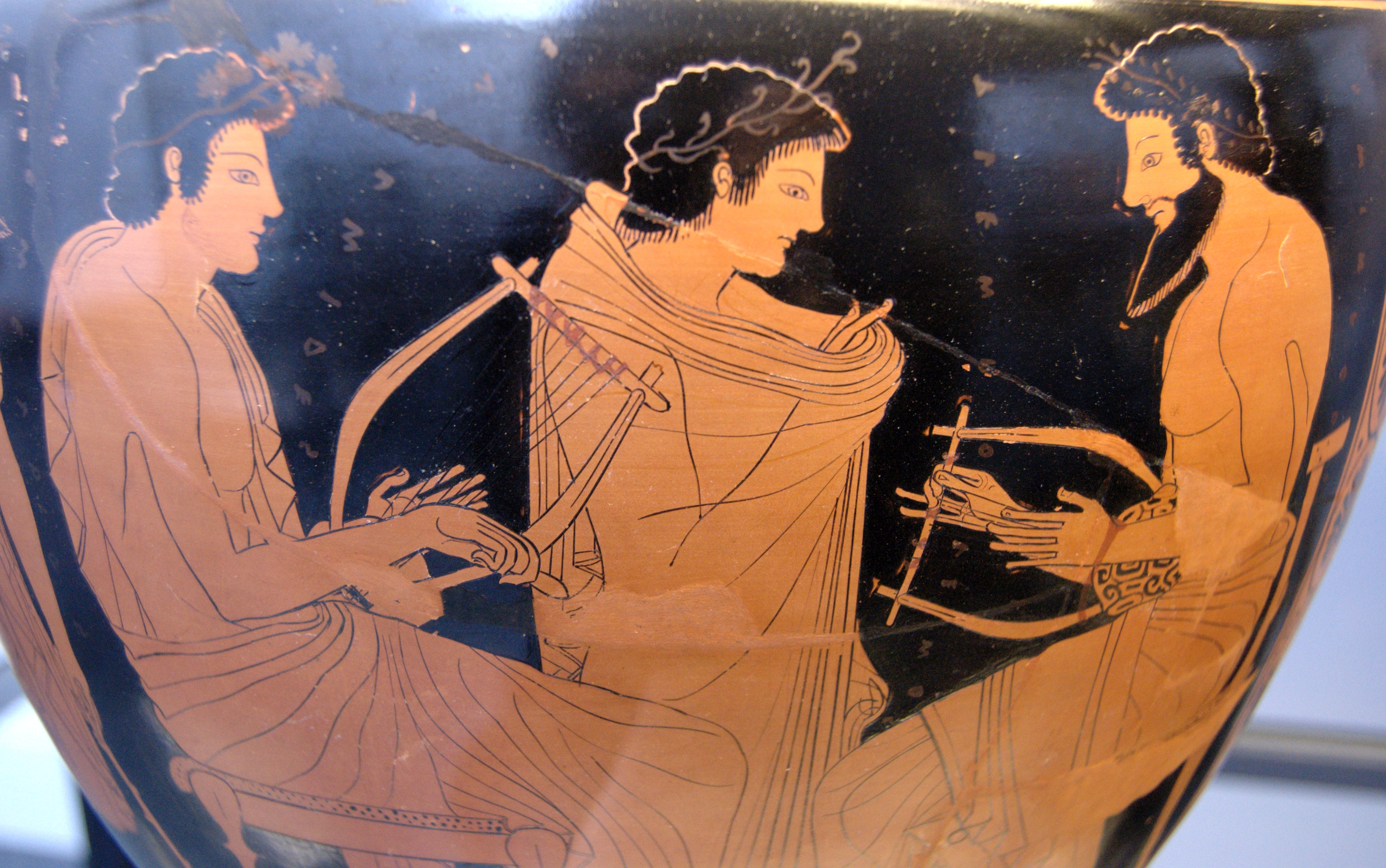
Cultural heritage in general consists of the products and processes of a culture that are preserved and passed on through the generations. Some of that heritage takes the form of cultural property, formed by tangible artefacts such as buildings or works of art. Many parts of culture, however are intangible, including song, music, dance, drama, skills, cuisine, sport, crafts, and festivals. These are forms of culture that can be recorded but cannot be touched or stored in physical form, like in a museum, but only experienced through a vehicle giving expression to it. Such cultural vehicles are called "Human Treasures" by the UN. The protection of languages, as the largest and most important intangible cultural heritage, should also be mentioned in this context. According to Karl von Habsburg, former President of Blue Shield International, protection of languages is important in the age of identity wars, because language in particular can become a target for attack as a symbolic cultural asset.
According to the 2003 Convention for the Safeguarding of the Intangible Cultural Heritage, the intangible cultural heritage (ICH) – or living heritage – is the mainspring of humanity's cultural diversity and its maintenance a guarantee for continuing creativity. It is defined as follows:
Intangible Cultural Heritage means the practices, representations, expressions, knowledge, skills – as well as the instruments, objects, artifacts and cultural spaces associated therewith – that communities, groups and, in some cases, individuals recognize as part of their cultural heritage. This intangible cultural heritage, transmitted from generation to generation, is constantly recreated by communities and groups in response to their environment, their interaction with nature and their history, and provides them with a sense of identity and continuity, thus promoting respect for cultural diversity and human creativity. For the purposes of this Convention, consideration will be given solely to such intangible cultural heritage as is compatible with existing international human rights instruments, as well as with the requirements of mutual respect among communities, groups and individuals, and of sustainable development.
Oral history
Main article: Oral history
Intangible cultural heritage is slightly different from the discipline of oral history, the recording, preservation and interpretation of historical information (specifically, oral tradition), based on the personal experiences and opinions of the speaker. ICH attempts to preserve cultural heritage 'with' the people or community by protecting the processes that allow traditions and shared knowledge to be passed on while oral history seeks to collect and preserve historical information obtained from individuals and groups.
Food heritage
With sustainable development gaining momentum as a priority of UNESCO heritage policies, an increasing number of food-related nominations are being submitted for inscription on the lists of the convention for the safeguarding of the intangible cultural heritage. The Mediterranean diet, the traditional Mexican cuisine and the Japanese dietary culture of washoku are some examples of this.
Dishes
- Thieboudienne
Dance heritage
The UNESCO lists of intangible cultural heritage also include a variety of dance genres, often associated with singing, music and celebrations, from all over the world. The lists include: celebratory and ritual dances such as Ma'di bowl lyre music and Sebiba dance from Algeria and dance from Uganda and Kalbelia folk songs and dances of Rajasthan from India, and social dances such as Cuban rumba. Also, some dances are localized and practiced mainly in their country of origin, such as Sankirtana, a performing art that includes drumming and singing, from India.
Other dance forms, however, even if they are officially recognized as heritage from their country of origin, are practiced and enjoyed all over the world. For example, flamenco from Spain and tango, from Argentina and Uruguay, have an international dimension. Dance is a complex phenomenon, which involves culture, traditions, the use of human bodies, artefacts (such as costumes and props), as well as a specific use of music, space and sometimes light. As a result, a lot of tangible and intangible elements are combined within dance, making it a challenging but interesting type of heritage to safeguard.
Digital heritage

Main article: Digital heritage
Digital heritage is a representation of heritage in the digital realm and is a sub-category of Intangible Cultural Heritage. It refers primarily to the use of digital media in the service of preserving cultural or natural heritage. Examples of this include mapping of intangible heritage phenomena, such as folk beliefs linked to the supernatural beings.
Sports heritage
Oral continuity
Main article: Oral tradition
|File:Pol festival 2007.JPG|Greek polyphonic group from Dropull wearing skoufos and fustanella |File:A traditional male folk group from Skrapar.JPG|Albanian polyphonic group from Skrapar wearing qeleshe and fustanella Intangible cultural heritage is passed orally within a community, and while there may be individuals who are known tradition bearers, ICH is often broader than one individual's own skills or knowledge. A 2006 report by the government of Newfoundland and Labrador said, regarding oral culture in their area, "The processes involved in the continuation of this traditional knowledge constitute one of the most interesting aspects of our living heritage. Each member of the community possesses a piece of the shared knowledge. Crucial knowledge is passed on during community activities, frequently without any conscious attention to the process."
Preservation
Main article: Preservation of meaning
Prior to the UNESCO Convention, efforts had already been made by a number of states to safeguard their intangible heritage. Japan, with its 1950 Law for the Protection of Cultural Properties, was the first to introduce legislation to preserve and promote intangible as well as tangible culture: Important Intangible Cultural Properties are designated and "holders" recognized of these craft and performance traditions, known informally as Living National Treasures. Other countries, including South Korea (Important Intangible Cultural Properties of Korea), the Philippines, Ukraine, the United States, Thailand, France, Romania, the Czech Republic, and Poland, have since created similar programs.
In 2003 UNESCO adopted the Convention for the Safeguarding of the Intangible Cultural Heritage. This went into effect on 20 April 2006. The Convention recommends that countries and scholars develop inventories of ICH in their territory, as well as work with the groups who maintain these ICH to ensure their continued existences; it also provides for funds to be voluntarily collected among UNESCO members and then disbursed to support the maintenance of recognized ICH. UNESCO has also created other intangible culture programs, such as a list called Proclamation of Masterpieces of the Oral and Intangible Heritage of Humanity. This list began in 2001 with 19 items and a further 28 were listed in 2003 and another 43 in 2005. In part, the original list was seen as a way to correct the imbalance in the World Heritage List, since it excluded many Southern Hemisphere cultures which did not produce monuments or other physical cultural manifestations. It was superseded in 2008 by the UNESCO Intangible Cultural Heritage Lists.
According to academic Yi Sun publishing in 2024, "China has played an increasingly dynamic role in energizing" the Intangible Cultural Heritage Cooperation program.
Recently there has been much debate over protecting intangible cultural heritage through intellectual property rights, as well as the desirability to do so through this legal framework and the risks of commodification derived from this possibility. The issue still remains open in legal scholarship.
List of countries with Intangible Cultural Heritages
Main article: UNESCO Intangible Cultural Heritage Lists
Note: Each country may maintain its own cultural heritage lists, items of which are not necessarily inscribed into UNESCO lists.
| Rank | Country | ICHs | ||
|---|---|---|---|---|
| 1 | ||||
| 2 | ||||
| 3 | ||||
| 4 | ||||
| 5 | ||||
| 6 | ||||
| 7 | ||||
| 8 | ||||
| 9 | ||||
| 10 | ||||
| 11 | ||||
| 12 | ||||
| 13 | ||||
| 14 | ||||
| 15 | ||||
| 16 | ||||
| 17 | ||||
| 18 | ||||
| 19 | ||||
| 20 | ||||
| 21 | ||||
| 22 | ||||
| 23 | ||||
| 24 |
Note
References
References
- "UNESCO Convention for Safeguarding ICH and the Local Heritages". [[Tokyo National Research Institute for Cultural Properties]].
- (13 September 2002). "Intangible Cultural Heritage – a Mirror of Cultural Diversity".
- "Intangible Cultural Heritage in Austria: ''Viennese Coffee House Culture''".
- "UNESCO".
- LOMITKO. (1 October 2005). "Definition of Intangible Heritage".
- Vrdoljak, Ana Filipa. (2017-12-06). "Indigenous peoples, intangible cultural heritage and participation in the United Nations". Routledge.
- (28 July 2020). "Listing and protecting culturally significant events: intangible cultural heritage and policy considerations for hockey broadcasting in Canada, R. J. Phillips & G. Martin, 26(5) (2020)". International Journal of Cultural Policy.
- Gerold Keusch: Kulturgüterschutz in der Ära der Identitätskriege (German – Protection of cultural property in the era of identity wars). In: Truppendienst – Magazin des Österreichischen Bundesheeres, 24 October 2018.
- (27 May 2016). "At the UNESCO feast: introduction".
- (2016). "Le régime UNESCO (Discours et pratiques alimentaires en Méditerranée vol. III)".
- "UNESCO - Ceebu Jën, a culinary art of Senegal".
- (24 January 2016). "Dance as a form of intangible heritage".
- (May 2016). "Lo Iacono, Valeria and Brown, David – ''Beyond Binarism: Exploring a Model of Living Cultural Heritage for Dance''. Dance Research Journal, Vol. 34, April 2016". Dance Research.
- (2025-12-31). "A new and extensive geographical description of supernatural phenomena in Polish and German Pomerania (POMERANIÆ POLONICÆ ET GERMANICÆ PHÆNOMENA SUPERNATURALIA NOVA ET EMPLA DESCRIPTIO GEOGRAPHICA), 1:720,000". Journal of Maps.
- Khan, Muqeem. (1 March 2015). "Transmitting Al Ardha: Traditional Arab Sword Dance". International Journal of Heritage in the Digital Era.
- (2007). "New Heritage: New Media and Cultural Heritage". Routledge.
- link. (5 April 2020)
- (2007). "Theorizing Digital Cultural Heritage: A Critical Discourse". MIT Press.
- (2025-12-31). "Supernatural beings of Pomerania: postmodern mapping of folkloristic sources". Journal of Maps.
- (March 15, 2014). "Desirability of Commodification of Intangible Cultural Heritage: The Unsatisfying Role of Intellectual Property Rights". Transnational Dispute Management.
- (2006). "Creative Newfoundland and Labrador: The Blueprint for Development and Investment in Culture". Government of Newfoundland and Labrador.
- (2004). "The Subtle Power of Intangible Heritage: Legal and Financial Instruments for Safeguarding Intangible Heritage". [[Human Sciences Research Council (South Africa).
- (2003). "Cultural Protection Policy in Korea: Intangible Cultural Properties and Living National Treasures". Jimoondang International.
- Kurin, Richard. (1 May 2004). "Safeguarding Intangible Cultural Heritage in the 2003 UNESCO Convention: a critical appraisal". Museum International.
- Sun, Yi. (2024). "China under Xi Jinping: A New Assessment". [[Leiden University Press]].
- "Farah, Paolo Davide and Tremolada, Riccardo ''Conflict between Intellectual Property Rights and Human Rights: A Case Study on Intangible Cultural Heritage'' (December 19, 2015). Oregon Law Review, Vol. 94, No. 1, 2015".
- "Map of the Intangible Cultural Heritage". UNESCO.
- "China – intangible heritage".
- "Turkey – intangible heritage".
- "France – intangible heritage".
- "Iran – intangible heritage".
- "Spain – intangible heritage".
- "Azerbaijan – intangible heritage".
- "Croatia – intangible heritage".
- "Japan – intangible heritage".
- "Republic of Korea – intangible heritage".
- "Belgium – intangible heritage".
- "Italy – intangible heritage".
- "United Arab Emirates – intangible heritage".
- "Oman – intangible heritage".
- "Saudi Arabia – intangible heritage".
- "Uzbekistan – intangible heritage".
- "Mongolia – intangible heritage".
- "Viet Nam – intangible heritage".
- "India – intangible heritage".
- "Indonesia – intangible heritage".
- "Kyrgyzstan – intangible heritage".
- "Morocco – intangible heritage".
- "Colombia – intangible heritage".
- "Peru – intangible heritage".
- "Iraq – intangible heritage".
- "Kazakhstan – intangible heritage".
- "Algeria – intangible heritage".
- "Mexico – intangible heritage".
- "Tajikistan – intangible heritage".
- "Austria – intangible heritage".
- "Portugal – intangible heritage".
- "Greece – intangible heritage".
- "Czech Republic – intangible heritage".
- "Egypt – intangible heritage".
- "Jordan – intangible heritage".
- "Romania – intangible heritage".
- "Switzerland – intangible heritage".
- "Venezuela – intangible heritage".
- "Bolivia – intangible heritage".
- "Brazil – intangible heritage".
- "Germany – intangible heritage".
- "Hungary – intangible heritage".
- "Slovakia – intangible heritage".
- "Tunisia – intangible heritage".
- "Bulgaria – intangible heritage".
- "Malaysia – intangible heritage".
- "Mali – intangible heritage".
- "Mauritania – intangible heritage".
- "Palestine – intangible heritage".
- "Syria – intangible heritage".
- "Armenia – intangible heritage".
- "Cuba – intangible heritage".
- "Cyprus – intangible heritage".
- "Nigeria – intangible heritage".
- "Belarus – intangible heritage".
- "Cambodia – intangible heritage".
- "Estonia – intangible heritage".
- "Ethiopia – intangible heritage".
- "Kuwait – intangible heritage".
- "Philippines – intangible heritage".
- "Poland – intangible heritage".
- "Qatar – intangible heritage".
- "Slovenia – intangible heritage".
- "Ukraine – intangible heritage".
- "UNESCO - Bangladesh".
- "Bosnia and Herzegovina – intangible heritage".
- "Kenya – intangible heritage".
- "Luxembourg – intangible heritage".
- "Malawi – intangible heritage".
- "North Macedonia – intangible heritage".
- "Norway – intangible heritage".
- "Serbia – intangible heritage".
- "Sudan – intangible heritage".
- "Thailand – intangible heritage".
- "Uganda – intangible heritage".
- "Yemen – intangible heritage".
- "Zambia – intangible heritage".
- "Afghanistan – intangible heritage".
- "Albania – intangible heritage".
- "Bahrain – intangible heritage".
- "Dominican Republic – intangible heritage".
- "Georgia – intangible heritage".
- "Guatemala – intangible heritage".
- "Ireland – intangible heritage".
- "Ivory Coast – intangible heritage".
- "Moldova – intangible heritage".
- "Netherlands – intangible heritage".
- "North Korea – intangible heritage".
- "Panama – intangible heritage".
- "Andorra – intangible heritage".
- "Argentina – intangible heritage".
- "Botswana – intangible heritage".
- "Cameroon – intangible heritage".
- "Ecuador – intangible heritage".
- "Finland – intangible heritage".
- "Lithuania – intangible heritage".
- "Madagascar – intangible heritage".
- "Mauritius – intangible heritage".
- "Pakistan – intangible heritage".
- "Paraguay – intangible heritage".
- "Sweden – intangible heritage".
- "Djibouti – intangible heritage".
- "Haiti – intangible heritage".
- "Jamaica – intangible heritage".
- "Latvia – intangible heritage".
- "Mozambique – intangible heritage".
- "Sri Lanka – intangible heritage".
- "Togo – intangible heritage".
This article was imported from Wikipedia and is available under the Creative Commons Attribution-ShareAlike 4.0 License. Content has been adapted to SurfDoc format. Original contributors can be found on the article history page.
Ask Mako anything about Intangible cultural heritage — get instant answers, deeper analysis, and related topics.
Research with MakoFree with your Surf account
Create a free account to save articles, ask Mako questions, and organize your research.
Sign up freeThis content may have been generated or modified by AI. CloudSurf Software LLC is not responsible for the accuracy, completeness, or reliability of AI-generated content. Always verify important information from primary sources.
Report