From Surf Wiki (app.surf) — the open knowledge base
Indigenous languages of the Americas
none
none
| Field | Value |
|---|---|
| name | Indigenous languages of North America |
| familycolor | american |
| iso2 | nai |
| acceptance | geographic |
| family | Not a family |
| region | North America |
| glotto | none |
| ethnicity | Indigenous peoples of North America |
| children | 54 distinct families |
| map | Langs N.Amer.svg |
| mapcaption | Pre-contact distribution of North American language families, including northern Mexico |
The indigenous languages of the Americas are the languages that were used by the Indigenous peoples of the Americas, before the arrival of Europeans. Over a thousand of these languages are still used in the 21st century, while many more are now extinct. The indigenous languages of the Americas are not all related to each other; instead, they are classified into a hundred or so language families and isolates, as well as several extinct languages that are unclassified due to the lack of information on them.
Many proposals have been made to relate some or all of these languages to each other, with varying degrees of success. The most widely reported is Joseph Greenberg's Amerind hypothesis; however, nearly all specialists reject it because of severe methodological flaws; spurious data; and a failure to distinguish cognation, contact, and coincidence.
According to UNESCO, most of the indigenous languages of the Americas are critically endangered, and many are dormant (without native speakers but with a community of heritage-language users) or entirely extinct. The most widely spoken indigenous languages are Southern Quechua (spoken primarily in southern Peru and Bolivia) and Guarani (centered in Paraguay, where it shares national language status with Spanish), with perhaps six or seven million speakers apiece (including many of European descent in the case of Guarani). Only half a dozen others have more than a million speakers; these are Aymara of Bolivia and Nahuatl of Mexico, with almost two million each; the Mayan languages Kekchi and K'iche' of Guatemala and Yucatec of Mexico, with about 1 million apiece; and perhaps one or two additional Quechuan languages in Peru and Ecuador. In the United States, 372,000 people reported speaking an indigenous language at home in the 2010 census. In Canada, 133,000 people reported speaking an indigenous language at home in the 2011 census. In Greenland, about 90% of the population speaks Greenlandic, the most widely spoken Eskaleut language.
Background
Over a thousand known languages were spoken by various peoples in North and South America prior to their first contact with Europeans. These encounters occurred between the beginning of the 11th century (with the Norse settlements in Greenland and failed efforts in Newfoundland and Labrador) and the end of the 15th century (the voyages of Christopher Columbus). Several indigenous cultures of the Americas had also developed their own writing systems, the best known being the Maya script. The indigenous languages had widely varying demographics, from the Quechuan languages, Aymara, Guarani, and Nahuatl, which had millions of active speakers, to many languages with only several hundred speakers. After pre-Columbian times, several indigenous creole languages developed in the Americas, based on European, indigenous and African languages.
The European colonizing nations and their successor states had widely varying attitudes towards Native American languages. In Brazil, friars learned and promoted the Tupi language. In many Spanish colonies, Spanish missionaries often learned local languages and culture in order to preach to the natives in their own tongue and relate the Christian message to their indigenous religions. In the British American colonies, John Eliot of the Massachusetts Bay Colony made a Bible translation in the Massachusett language, also called Wampanoag, or Natick (1661–1663); it was the first Bible printed in North America, the Eliot Indian Bible.
The Europeans also suppressed use of indigenous languages, establishing their own languages for official communications, destroying texts in other languages, and insisted that indigenous people learn European languages in schools. As a result, indigenous languages suffered from cultural suppression and loss of speakers. By the 18th and 19th centuries, Spanish, English, Portuguese, French, and Dutch, brought to the Americas by European settlers and administrators, had become the official or national languages of modern nation-states of the Americas.
Many indigenous languages have become critically endangered, but others are vigorous and part of daily life for millions of people. Several have been given official status in the countries where they occur, such as Guarani in Paraguay. In other cases official status is limited to certain regions where the languages are most spoken. Although sometimes enshrined in constitutions as official, the languages may be used infrequently in de facto official use. Examples are Quechua in Peru and Aymara in Bolivia, where in practice, Spanish is dominant in all formal contexts.
In the North American Arctic region, Greenland in 2009 elected Kalaallisut as its sole official language. In the United States, the Navajo language is the most spoken Native American language, with more than 200,000 speakers in the Southwestern United States. The US Marine Corps recruited Navajo men, who were established as code talkers during World War II.
Origins
In American Indian Languages: The Historical Linguistics of Native America (1997), Lyle Campbell lists several hypotheses for the historical origins of Amerindian languages.
- A single, one-language migration (not widely accepted)
- A few linguistically distinct migrations (favored by Edward Sapir)
- Multiple migrations
- Multilingual migrations (single migration with multiple languages)
- The influx of already diversified but related languages from the Old World
- Extinction of Old World linguistic relatives (while the New World ones survived)
- Migration along the Pacific coast instead of by the Bering Strait
Roger Blench (2008) has advocated the theory of multiple migrations along the Pacific coast of peoples from northeastern Asia, who already spoke diverse languages. These proliferated in the Americas.
Numbers of speakers and political recognition
Countries like Mexico, Guatemala, and Guyana recognize most indigenous languages. Bolivia and Venezuela give all indigenous languages official status. Canada, Argentina, and the US allow provinces and states to decide. Brazil limits recognition to localities. Colombia delegates indigenous language recognition to its departments according to the Colombian Constitution of 1991. In Canada, Bill C-91: the Indigenous Languages Act passed in 2019, and supports indigenous languages through sustainable funding and the Office of the Commissioner of Indigenous Languages. The first Commissioner of Indigenous Languages in Canada is Ronald E. Ignace.
In the following table, languages marked with asterisks (*) have minority status. Political entities bestowing official language status are highlighted in bold. International and unrecognized organizations are in italics.
| Language | Number of speakers | Official recognition | Geographic distribution | Source | |||||||||||||||
|---|---|---|---|---|---|---|---|---|---|---|---|---|---|---|---|---|---|---|---|
| Guarani | Paraguay, Bolivia, Argentina, Brazil | ||||||||||||||||||
| Southern Quechua | (outdated) | Bolivia, Peru, Argentina, Chile | |||||||||||||||||
| Nahuatl | Mexico | Mexico | |||||||||||||||||
| Aymara | Bolivia, Peru, Chile | ||||||||||||||||||
| Q'eqchi' | Guatemala, Belize, Mexico | ||||||||||||||||||
| K'iche' | Guatemala, Mexico | ||||||||||||||||||
| Yucatec Maya | Mexico, Belize | url=https://site.inali.gob.mx/Micrositios/estadistica_basica/estadisticas2015/pdf/familias/maya/maya1A.pdf | title=Estadística básica de la población hablante de lenguas indígenas nacionales 2015 | website=site.inali.gob.mx | access-date=2020-06-11}} | ||||||||||||||
| Ancash Quechua | (outdated) | Peru | |||||||||||||||||
| Mam | Guatemala, Mexico | ||||||||||||||||||
| Tzeltal | Mexico | ||||||||||||||||||
| Mixtec | Mexico | Mexico | url=https://site.inali.gob.mx/Micrositios/estadistica_basica/estadisticas2015/pdf/familias/oto-mangue/oto-mangue1A.pdf | title=Estadística básica de la población hablante de lenguas indígenas nacionales 2015 | website=site.inali.gob.mx | access-date=2020-06-11}} | |||||||||||||
| Tzotzil | Mexico | ||||||||||||||||||
| Zapotec | Mexico | Mexico | |||||||||||||||||
| Kichwa | Ecuador, Colombia (Cauca, Nariño, Putumayo) | ||||||||||||||||||
| Wayuu (Guajiro) | Venezuela, Colombia | ||||||||||||||||||
| Kaqchikel | Guatemala, Mexico | ||||||||||||||||||
| Otomi | Mexico | Mexico | |||||||||||||||||
| Totonac | Mexico | Mexico | |||||||||||||||||
| Mapuche | Cautín, Araucanía, Chile (**Galvarino** and **Padre Las Casas**) | Cautín, Araucanía, Chile and Argentina | |||||||||||||||||
| Ch'ol | Mexico | ||||||||||||||||||
| Mazateco | Mexico | Mexico | |||||||||||||||||
| Q'anjob'al | Guatemala, Mexico | ||||||||||||||||||
| Huasteco | Mexico | Mexico | |||||||||||||||||
| Navajo | **Navajo Nation**, United States | Southwestern US | |||||||||||||||||
| Mazahua | Mexico | Mexico | |||||||||||||||||
| Miskito | (outdated) | Nicaragua, Honduras | |||||||||||||||||
| Chinanteco | Mexico | Mexico | |||||||||||||||||
| Mixe | Mexico | Mexico | url=https://site.inali.gob.mx/Micrositios/estadistica_basica/estadisticas2015/pdf/familias/mixe-zoque/mixe-zoque1A.pdf | title=Estadística básica de la población hablante de lenguas indígenas nacionales 2015 | website=site.inali.gob.mx | access-date=2020-06-11}} | |||||||||||||
| Tlapaneco | Mexico | Mexico | |||||||||||||||||
| Poqomchi' | Guatemala | Guatemala | |||||||||||||||||
| Purepecha/Tarasco | Mexico | Mexico | |||||||||||||||||
| Achí | Guatemala | Guatemala | |||||||||||||||||
| Ixil | Guatemala, Mexico | ||||||||||||||||||
| Yaru Quechua | 100,000 (outdated) | Peru | |||||||||||||||||
| Cree | (including Naskapi and Montagnais) | Canada: | Canada | ||||||||||||||||
| Tarahumara | Mexico | Mexico | |||||||||||||||||
| Tz'utujil | Guatemala | Guatemala | |||||||||||||||||
| Guna | Colombia (Chocó and Antioquia) | Colombia (Chocó, Antioquia), Panama (Guna Yala) | |||||||||||||||||
| Paez | 60,000 | Colombia (Cauca, Huila, Valle del Cauca) | Colombia (Cauca, Huila, Valle del Cauca) | ||||||||||||||||
| Chuj | 59,000 | Guatemala, Mexico | |||||||||||||||||
| Kalaallisut (Greenlandic) | 57,000 | **Greenland** | Greenland | ||||||||||||||||
| Amuzgo | 55,588 | Mexico | Mexico | ||||||||||||||||
| Tojolab'al | 51,733 | Mexico | |||||||||||||||||
| Garifuna | 50,000 (circa; outdated) | {{ubl | Guatemala | Belize | **North Caribbean Coast Autonomous Region**, Nicaragua | Honduras (Atlántida, Colón, Gracias a Dios) | Guatemala, Belize, Nicaragua, Honduras | ||||||||||||
| Ojibwe | Canada, United States | ||||||||||||||||||
| Tikuna | 47,000 | Colombia (Leticia and Puerto Nariño, Amazonas) | Amazonas regions of Brazil and Colombia | date=2014-12-11 | title=Brasil tem cinco línguas indígenas com mais de 10 mil falantes | url=https://agenciabrasil.ebc.com.br/cultura/noticia/2014-12/brasil-tem-cinco-linguas-indigenas-com-mais-de-10-mil-falantes | access-date=2020-08-30 | website=Agência Brasil | language=pt-br}} | ||||||||||
| Chatino | 45,000 | Mexico | Mexico | ||||||||||||||||
| Huichol | 44,800 | Mexico | Mexico | ||||||||||||||||
| Mayo | 39,600 | Mexico | Mexico | ||||||||||||||||
| Inuktitut | 39,475 | Canada (Nunavut, Northwest Territories, Quebec, Labrador) | |||||||||||||||||
| Chontal Maya | 37,072 | Mexico | Mexico | ||||||||||||||||
| Wichi | 36,135 | **Chaco**, Argentina | Chaco Province, Argentina | ||||||||||||||||
| Tepehuán | 36,000 | Mexico | Mexico | ||||||||||||||||
| Soteapanec | 35,050 | Mexico | Mexico | ||||||||||||||||
| Shuar | 35,000 | **Ecuador** | Ecuador | ||||||||||||||||
| Sikuani | 34,000 | Colombia (Meta, Vichada, Arauca, Guainía, Guaviare) | Colombia (Meta, Vichada, Arauca, Guainía, Guaviare) | ||||||||||||||||
| Jakaltek | Guatemala, Mexico | ||||||||||||||||||
| Kom | 31,580 | **Chaco**, Argentina | Chaco Province, Argentina | ||||||||||||||||
| Poqomam | 30,000 | Guatemala | Guatemala | ||||||||||||||||
| Ch'orti' | 30,000 | Guatemala | Guatemala | ||||||||||||||||
| Kaiwá | 26,500 | Mato Grosso do Sul, Brazil | |||||||||||||||||
| Sioux | 25,000 | **South Dakota**, United States | US | ||||||||||||||||
| O'odham | 23,313 | Arizona, United States | |||||||||||||||||
| Kaigang | 22,000 | Brazil | |||||||||||||||||
| Guambiano | 21,000 | Cauca, Colombia | Cauca, Colombia | ||||||||||||||||
| Cora | 20,100 | Mexico | Mexico | ||||||||||||||||
| Yanomamö | 20,000 | **Venezuela** | Brazil, Venezuela | ||||||||||||||||
| Nheengatu | 19,000 | Brazil, Colombia, Venezuela | |||||||||||||||||
| Yup'ik (Central Alaskan) and Yupik (Siberian) | 18,626 | **Alaska**, United States | Alaska, United States | ||||||||||||||||
| Huave | 17,900 | Mexico | Mexico | ||||||||||||||||
| Yaqui | 17,546 | Mexico | Mexico | ||||||||||||||||
| Piaroa | 17,000 | Vichada, Colombia | Vichada, Colombia | ||||||||||||||||
| Sakapultek | 15,000 | Guatemala | Guatemala | ||||||||||||||||
| Western Apache | 14,012 | Arizona, United States | |||||||||||||||||
| Nivaclé | 14,000 | Paraguay (Chaco Region), Argentina (Salta Province) | |||||||||||||||||
| Xavante | 13,300 | Mato Grosso, Brazil | |||||||||||||||||
| Keresan | 13,073 | New Mexico, United States | |||||||||||||||||
| Cuicatec | 13,000 | Mexico | Mexico | ||||||||||||||||
| Awa Pit | 13,000 | Nariño, Colombia | Nariño, Colombia | ||||||||||||||||
| Karu (Baníwa) | 12,000 | Guaviare, Colombia and Amazonas, Brazil | |||||||||||||||||
| Awakatek | 11,607 | Guatemala, Mexico | |||||||||||||||||
| Chipewyan | 11,325 | **Northwest Territories**, Canada | Northwest Territories, Canada | ||||||||||||||||
| Pame | 11,000 | Mexico | Mexico | ||||||||||||||||
| Wounaan | 10,800 | Colombia (Chocó, Cauca, Valle del Cauca) | Colombia (Chocó, Cauca, Valle del Cauca) | ||||||||||||||||
| Moxo | 10,000 | **Bolivia** | Bolivia | ||||||||||||||||
| Kogi | 9,900 | Magdalena, Colombia | Magdalena, Colombia | ||||||||||||||||
| Zuni | 9,620 | New Mexico, United States | |||||||||||||||||
| Choctaw | 9,600 | Choctaw Nation of Oklahoma | Oklahoma and Mississippi, United States | ||||||||||||||||
| Guajajara | 9,500 | Maranhão, Brazil | |||||||||||||||||
| Sumo | 9,000 | **North Caribbean Coast Autonomous Region**, Nicaragua | North Caribbean Coast Autonomous Region, Nicaragua | ||||||||||||||||
| Mopán | 9,000–12,000 | Guatemala, Belize | |||||||||||||||||
| Tepehua | 8,900 | Mexico | Mexico | ||||||||||||||||
| Mawé | 8,900 | Brazil (Pará and Amazonas) | |||||||||||||||||
| Terêna | 8,200 | Mato Grosso do Sul, Brazil | |||||||||||||||||
| Sipakapense | 8,000 | Guatemala | Guatemala | ||||||||||||||||
| Ika | 8,000 | Colombia (Cesar and Magdalena) | Colombia (Cesar and Magdalena) | ||||||||||||||||
| Mi'kmaq | 7,140 | Canada and United States | |||||||||||||||||
| Tukano | 7,100 | Amazonas, Brazil and Vaupés, Colombia | |||||||||||||||||
| Minica Huitoto | 6,800 | Amazonas, Colombia | Amazonas, Colombia | ||||||||||||||||
| Hopi | 6,780 | Arizona, United States | |||||||||||||||||
| Enlhet | 6,400 | Presidente Hayes, Paraguay | |||||||||||||||||
| Piapoco | 6,400 | Colombia (Guainía, Vichada, Meta) | Colombia (Guainía, Vichada, Meta) | ||||||||||||||||
| Cubeo | 6,300 | Vaupés, Colombia | Vaupés, Colombia | ||||||||||||||||
| Kayapo | 6,200 | Brazil (Pará and Mato Grosso) | |||||||||||||||||
| Yukpa | 6,000 | Venezuela, Colombia | |||||||||||||||||
| Chiquitano | 5,900 | Bolivia | Brazil and Bolivia | ||||||||||||||||
| Guarayu | 5,900 | Bolivia | Bolivia | ||||||||||||||||
| Macushi | 5,800 | Brazil, Venezuela, Guyana | |||||||||||||||||
| Chimané | 5,300 | Bolivia | Bolivia | ||||||||||||||||
| Tewa | 5,123 | New Mexico, United States | |||||||||||||||||
| Timbira | 5,100 | Brazil (Maranhão, Tocantins, Pará) | |||||||||||||||||
| Sanumá | 5,100 | **Venezuela** | Brazil and Venezuela | title=IBGE – Indigenous languages census | url=https://indigenas.ibge.gov.br/images/pdf/indigenas/folder_indigenas_web.pdf}} | ||||||||||||||
| Muscogee | 5,072 | **Muscogee (Creek) Nation**, Oklahoma, US | United States (Oklahoma, Alabama, Florida) | ||||||||||||||||
| Chontal of Oaxaca | 5,039 | Mexico | Oaxaca, Mexico | ||||||||||||||||
| Tektitek | 5,000 | Guatemala | Guatemala | ||||||||||||||||
| Barí | 5,000 | Colombia (Cesar and Norte de Santander) | Colombia (Cesar and Norte de Santander) | ||||||||||||||||
| Blackfoot | 4,700 | Alberta, Canada and Montana, United States | last1=Genee | first1=Inge | last2=Junker | first2=Marie-Odile | date=2018 | title=The Blackfoot Language Resources and Digital Dictionary project: Creating integrated web resources for language documentation and revitalization | url=https://scholarspace.manoa.hawaii.edu/bitstream/10125/24770/genee_junker.pdf | journal=Language Documentation & Conservation | volume=12 | issue= | publisher=University of Hawaii | pages=274–314 | doi= | access-date=24 September 2025 | archive-date=2020-06-11 | archive-url=https://web.archive.org/web/20200611223016/https://scholarspace.manoa.hawaii.edu/bitstream/10125/24770/genee_junker.pdf}} | |
| Camsá | 4,000 | Putumayo, Colombia | Putumayo, Colombia | ||||||||||||||||
| Kulina | 3,900 | Brazil (Amazonas) and Peru | |||||||||||||||||
| Crow | 3,862 | Montana, United States | |||||||||||||||||
| Mohawk | 3,875 | **Mohawk Nation of Akwesasne**, Canada | Canada (Ontario and Quebec) and United States (New York) | ||||||||||||||||
| Kashinawa | 3,588 | Brazil and Peru | |||||||||||||||||
| Munduruku | 3,563 | Pará and Amazonas, Brazil | |||||||||||||||||
| Tunebo/Uwa | 3,550 | Boyacá, Colombia | Boyacá, Colombia | ||||||||||||||||
| Ayoreo | 3,160 | **Bolivia** | Bolivia, Paraguay | ||||||||||||||||
| Desano | 3,160 | **Bolivia** | Bolivia | ||||||||||||||||
| Wapishana | 3,154 | Bonfim, Roraima, Brazil, and Guyana | |||||||||||||||||
| Yaminawa | 3,129 | **Bolivia** | Bolivia | ||||||||||||||||
| Mocoví | 3,000 | **Chaco**, Argentina | Chaco, Argentina | ||||||||||||||||
| Iñupiaq | 3,000 | Alaska, US and Northwest Territories, Canada | |||||||||||||||||
| Puinave | 3,000 | Guainía, Colombia and Venezuela | |||||||||||||||||
| Cuiba | 2,900 | Colombia (Casanare, Vichada, Arauca Departments) | Colombia (Casanare, Vichada, Arauca) | ||||||||||||||||
| Tupi-Mondé | 2,886 | Rondônia, Brazil | |||||||||||||||||
| Yuracaré | 2,700 | **Bolivia** | Bolivia | ||||||||||||||||
| Wanano | 2,600 | Vaupés, Colombia | Vaupés, Colombia | ||||||||||||||||
| Shoshoni | 2,512 | US | |||||||||||||||||
| Bora | 2,400 | Amazonas, Colombia | Amazonas, Colombia | ||||||||||||||||
| Cofán | 2,400 | Colombia (Nariño, Putumayo) | Colombia (Nariño, Putumayo) | ||||||||||||||||
| Kanamari | 2,298 | Amazonas, Brazil | |||||||||||||||||
| Fox (Mesquakie-Sauk-Kickapoo) | 2,288 | US and Mexico | |||||||||||||||||
| Cherokee | 2,320 | US (Oklahoma and North Carolina) | |||||||||||||||||
| Waiwai | 2,217 | Guyana | Brazil, Guyana | ||||||||||||||||
| Karajá | 2,137 | Brazil | |||||||||||||||||
| Huarijio | 2,136 | Mexico | Mexico | ||||||||||||||||
| Slavey | 2,120 | **Northwest Territories**, Canada | Northwest Territories, Canada | ||||||||||||||||
| Chichimeca | 2,100 | Mexico | Mexico | ||||||||||||||||
| Koreguaje | 2,100 | Caquetá, Colombia | Caquetá, Colombia | ||||||||||||||||
| Tiriyó | 2,100 | Brazil, Suriname | |||||||||||||||||
| Xerente | 2,051 | Tocantins, Brazil | |||||||||||||||||
| Uspanteko | 2,000 | Guatemala | Guatemala | ||||||||||||||||
| Fulniô | 1,871 | Pernambuco, Brazil | |||||||||||||||||
| Pakaásnovos (Wari') | 1,854 | Rondônia, Brazil | |||||||||||||||||
| Wiwa | 1,850 | Cesar, Colombia | Cesar, Colombia | ||||||||||||||||
| Weenhayek | 1,810 | **Bolivia** | Bolivia | ||||||||||||||||
| Matlatzinca | 1,800 | Mexico | Mexico | ||||||||||||||||
| Tacana | 1,800 | **Bolivia** | Bolivia | ||||||||||||||||
| Tłįchǫ Yatiì | 1,735 | **Northwest Territories**, Canada | Northwest Territories, Canada | ||||||||||||||||
| Cavineña | 1,700 | **Bolivia** | Bolivia | ||||||||||||||||
| Jupda | 1,700 | Amazonas, Colombia | Amazonas, Colombia | ||||||||||||||||
| Zacatepec Mixtec | 1,500 | Mexico | Mexico | ||||||||||||||||
| Seneca | 1,453 | Six Nations of the Grand River First Nation, Ontario, Canada | Ontario, Canada | ||||||||||||||||
| Movima | 1,400 | **Bolivia** | Bolivia | ||||||||||||||||
| Tlingit | 1,360 | **Alaska**, United States | Alaska, United States | ||||||||||||||||
| Inuinnaqtun | 1,310 | Alaska, United States, and Northwest Territories and Nunavut, Canada | |||||||||||||||||
| Kiowa | 1,274 | Oklahoma, United States | |||||||||||||||||
| Ka'apor | 1,241 | Maranhão, Brazil | |||||||||||||||||
| Aleut | 1,236 | **Alaska**, United States | Alaska, United States | ||||||||||||||||
| Gwich'in | 1,217 | Alaska, US and Northwest Territories, Canada | |||||||||||||||||
| Inuvialuktun | 1,150 | Nunavut and Northwest Territories, Canada | |||||||||||||||||
| Arapaho | 1,087 | US | |||||||||||||||||
| Macuna | 1,032 | Vaupés, Colombia | Vaupés, Colombia | ||||||||||||||||
| Guayabero | 1,000 | Colombia (Meta, Guaviare) | Colombia (Meta, Guaviare) | ||||||||||||||||
| Chocho | 810 | Mexico | Mexico | ||||||||||||||||
| Maricopa/Piipaash | 800 | Salt River Pima–Maricopa Indian Community, Arizona, United States | Arizona, United States | ||||||||||||||||
| Rama | 740 | **North Caribbean Coast Autonomous Region**, Nicaragua | North Caribbean Coast Autonomous Region, Nicaragua | ||||||||||||||||
| Seri | 729 | Mexico | Mexico | ||||||||||||||||
| Ese Ejja | 700 | **Bolivia** | Bolivia | ||||||||||||||||
| Nukak | 700 | Guaviare, Colombia | Guaviare, Colombia | ||||||||||||||||
| Pima Bajo | 650 | Mexico | Mexico | ||||||||||||||||
| Cayuvava | 650 | **Bolivia** | Bolivia | ||||||||||||||||
| Chácobo-Pakawara | 600 | **Bolivia** | Bolivia | ||||||||||||||||
| Lacandon | 600 | Mexico | Mexico | ||||||||||||||||
| Oneida | 574 | Ontario, Canada | title=UNESCO Atlas of the World's Languages in danger | url=http://www.unesco.org/culture/languages-atlas/en/atlasmap/language-id-269.html | access-date=2018-06-09 | website=www.unesco.org | language=en}} | ||||||||||||
| Cocopah | 515 | Mexico | Mexico | ||||||||||||||||
| Sirionó | 500 | **Bolivia** | Bolivia | ||||||||||||||||
| Siona | 500 | Putumayo, Colombia | Putumayo, Colombia | ||||||||||||||||
| Havasupai–Hualapai | 445 | Havasupai Indian Reservation, Arizona, United States | Arizona, United States | ||||||||||||||||
| Kumeyaay | 427 (525 including Ipai and Tiipai languages) | Baja California, Mexico and California, US | |||||||||||||||||
| Tembé | 420 | Maranhão, Brazil | |||||||||||||||||
| Yurok | 414 | California, United States | |||||||||||||||||
| Alutiiq (Sugpiaq) | 400 | **Alaska**, United States | Alaska, United States | ||||||||||||||||
| Tatuyo | 400 | Vaupés, Colombia | Vaupés, Colombia | ||||||||||||||||
| Andoque | 370 | Caquetá, Colombia | Caquetá, Colombia | ||||||||||||||||
| Guajá | 365 | Maranhão, Brazil | |||||||||||||||||
| Chimila | 350 | Magdalena, Colombia | Magdalena, Colombia | ||||||||||||||||
| Koyukon | 300 | **Alaska**, United States | Alaska, United States | ||||||||||||||||
| Hitnü | 300 | Arauca, Colombia | Arauca, Colombia | ||||||||||||||||
| Mikasuki | 290 | Florida, United States (Georgia, Alabama, and Oklahoma (historical)) | |||||||||||||||||
| Quechan | 290 | Imperial County, California, United States (ballot recognition)* Yuma County, Arizona, United States (ballot recognition)* | California, Arizona | ||||||||||||||||
| Cabiyari | 270 | Colombia (Mirití-Paraná and Amazonas) | Colombia (Mirití-Paraná and Amazonas) | ||||||||||||||||
| Reyesano | 250 | **Bolivia** | Bolivia | ||||||||||||||||
| Achagua | 250 | Meta, Colombia | Meta, Colombia | ||||||||||||||||
| Kakwa | 250 | Vaupés, Colombia | Vaupés, Colombia | ||||||||||||||||
| Yavapai | 245 | Arizona, United States | |||||||||||||||||
| Siriano | 220 | Vaupés, Colombia | Vaupés, Colombia | ||||||||||||||||
| Mojave | 200 | Arizona, United States | |||||||||||||||||
| Paipai | 200 | Mexico | Mexico | ||||||||||||||||
| Toromono | 200 | **Bolivia** | Bolivia | ||||||||||||||||
| Ixcatec | 190 | Mexico | Mexico | ||||||||||||||||
| Ocaina | 190 | Amazonas, Colombia | Amazonas, Colombia | ||||||||||||||||
| Haida | 168 | Alaska, United States and British Columbia, Canada | |||||||||||||||||
| Muinane | 150 | Amazonas, Colombia | Amazonas, Colombia | ||||||||||||||||
| Deg Xinag | 127 | **Alaska**, United States | Alaska, United States | ||||||||||||||||
| Warázu | 125 | **Bolivia** | Bolivia | ||||||||||||||||
| Araona | 110 | **Bolivia** | Bolivia | ||||||||||||||||
| Upper Tanana | 100 | **Alaska**, United States | Alaska, United States | ||||||||||||||||
| Itene | 90 | **Bolivia** | Bolivia | ||||||||||||||||
| Ahtna | 80 | **Alaska**, United States | Alaska, United States | ||||||||||||||||
| Tsimshian | 70 | **Alaska**, United States | Alaska, United States | ||||||||||||||||
| Tanacross | 65 | **Alaska**, United States | Alaska, United States | ||||||||||||||||
| Cayuga | 61 | Ontario, Canada and New York, US | |||||||||||||||||
| Dena'ina | 50 | **Alaska**, United States | Alaska, United States | ||||||||||||||||
| Onondaga | 50 | Six Nations of the Grand River First Nation, Ontario, Canada | Ontario, Canada | ||||||||||||||||
| Bauré | 40 | **Bolivia** | Bolivia | ||||||||||||||||
| Upper Kuskokwim | 40 | **Alaska**, United States | Alaska, United States | ||||||||||||||||
| Tanana | 30 | **Alaska**, United States | Alaska, United States | ||||||||||||||||
| Ayapaneco | 24 | Mexico | Mexico | ||||||||||||||||
| Leco | 20 | **Bolivia** | Bolivia | ||||||||||||||||
| Xincan | 16 | Guatemala | Guatemala | ||||||||||||||||
| Hän | 12 | **Alaska**, United States | Alaska, United States | ||||||||||||||||
| Holikachuk | 12 | **Alaska**, United States | Alaska, United States | ||||||||||||||||
| Comanche | 9 | United States | |||||||||||||||||
| Carijona | 6 | Colombia (Amazonas, Guaviare) | Colombia (Amazonas, Guaviare) | ||||||||||||||||
| Itonama | 5 | **Bolivia** | Bolivia | ||||||||||||||||
| Kiliwa | 4 | Mexico | Mexico | ||||||||||||||||
| Selk'nam | 1 | Tierra del Fuego, Chile and Argentina (extinct) | |||||||||||||||||
| Nonuya | 0 | Amazonas, Colombia | Colombia, Peru | ||||||||||||||||
| Yahgan | 0 | Tierra del Fuego, Chile and Argentina (extinct) | |||||||||||||||||
| Taíno languages | 0 | Formerly all of the Caribbean | |||||||||||||||||
| Cochimí | 0 | **Mexico** (extinct, but retains recognition) | |||||||||||||||||
| Kallawaya | 0 | **Bolivia** (extinct, but retains recognition) | |||||||||||||||||
| Eyak | 0 | **Alaska**, United States (extinct, but retains recognition) | |||||||||||||||||
| Tuscarora | 0 | Ontario, Canada and New York, US |
Language families and unclassified languages
Notes
- Extinct languages or families are indicated by: †.
- The number of family members is indicated in parentheses (for example, Arauan (9) means the Arauan family consists of nine languages).
- For convenience, the following list of language families is divided into three sections based on political boundaries of countries. These sections correspond roughly with the geographic regions (North, Central, and South America) but are not equivalent. This division cannot fully delineate indigenous culture areas.
{{anchor|Greenland.2C_Canada_.26_USA}}Northern America
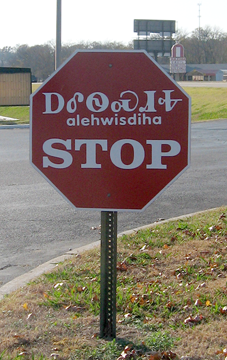
There are approximately 314 spoken (or formerly spoken) indigenous languages north of Mexico grouped into 30 families and 24 isolates not counting about hundred unclassified languages. The Na-Dené, Algic, and Uto-Aztecan families are the largest in terms of number of languages. Uto-Aztecan has the most speakers (1.95 million) if the languages in Mexico are considered (mostly due to 1.5 million speakers of Nahuatl); Na-Dené comes in second with approximately 200,000 speakers (nearly 180,000 of these are speakers of Navajo), and Algic in third with about 180,000 speakers (mainly Cree and Ojibwe). Na-Dené and Algic have the widest geographic distributions: Algic currently spans from northeastern Canada across much of the continent down to northeastern Mexico (due to later migrations of the Kickapoo) with two outliers in California (Yurok and Wiyot); Na-Dené spans from Alaska and western Canada through Washington, Oregon, and California to the southwestern US and northern Mexico (with one outlier in the Plains). Several families consist of only 2 or 3 languages. Demonstrating genetic relationships has proved difficult due to the great linguistic diversity present in North America. Two large (super-)family proposals, Penutian and Hokan, have been proposed. However, even after decades of research, a large number of families remain.
North America is notable for its linguistic diversity, especially in California. This area has 18 language families comprising 74 languages (compared to two indigenous families in Europe: Indo-European and Uralic, and one isolate, Basque).
Another area of considerable diversity appears to have been the Southeastern Woodlands; however, many of these languages became extinct from European contact and as a result they are, for the most part, absent from the historical record. This diversity has influenced the development of linguistic theories and practice in the US.
Due to the diversity of languages in North America, it is difficult to make generalizations for the region. Most North American languages have a relatively small number of vowels (i.e. three to five vowels). Languages of the western half of North America often have relatively large consonant inventories. The languages of the Pacific Northwest are notable for their complex phonotactics (for example, some languages have words that lack vowels entirely). The languages of the Plateau area have relatively rare pharyngeals and epiglottals (they are otherwise restricted to Afroasiatic languages and the languages of the Caucasus). Ejective consonants are also common in western North America, although they are rare elsewhere (except, again, for the Caucasus region, parts of Africa, and the Mayan family).
Head-marking is found in many languages of North America (as well as in Central and South America), but outside of the Americas it is rare. Many languages throughout North America are polysynthetic (Eskaleut languages are extreme examples), although this is not characteristic of all North American languages (contrary to what was believed by 19th-century linguists). Several families have unique traits, such as the inverse number marking of the Tanoan languages, the lexical affixes of the Wakashan, Salishan and Chimakuan languages, and the unusual verb structure of Na-Dené.
The classification below is a composite of Goddard (1996), Campbell (2024), and Mithun (1999).
- Adai †
- Algic (30)
- Alsea †
- Atakapa †
- Beothuk †
- Caddoan (5)
- Cayuse †
- Chimakuan (2) †
- Chimariko †
- Chinookan (3) †
- Chitimacha †
- Chumashan (6) †
- Coahuilteco †
- Comecrudan (United States and Mexico) (3) †
- Coosan (2) †
- Cotoname †
- Eskaleut (7)
- Esselen †
- Haida
- Iroquoian (11)
- Kalapuyan (3) †
- Karankawa †
- Karuk
- Keresan (2)
- Kutenai
- Maiduan (4)
- Muskogean (9)
- Na-Dené (United States, Canada and Mexico) (39)
- Natchez †
- Palaihnihan (2) †
- Plateau Penutian (4) (also known as Shahapwailutan)
- Pomoan (7)
- Salinan †
- Salishan (23)
- Shastan (4) †
- Siouan (19)
- Siuslaw †
- Solano †
- Takelma †
- Tanoan (7)
- Timucua †
- Tonkawa †
- Tsimshianic (2)
- Tunica †
- Utian (15) (also known as Miwok–Costanoan)
- Uto-Aztecan (33)
- Wakashan (7)
- Washo
- Wintuan (4)
- Yana †
- Yokutsan (6)
- Yuchi †
- Yuki-Wappo (2) †
- Yuman–Cochimí (12)
- Zuni
Central America and Mexico


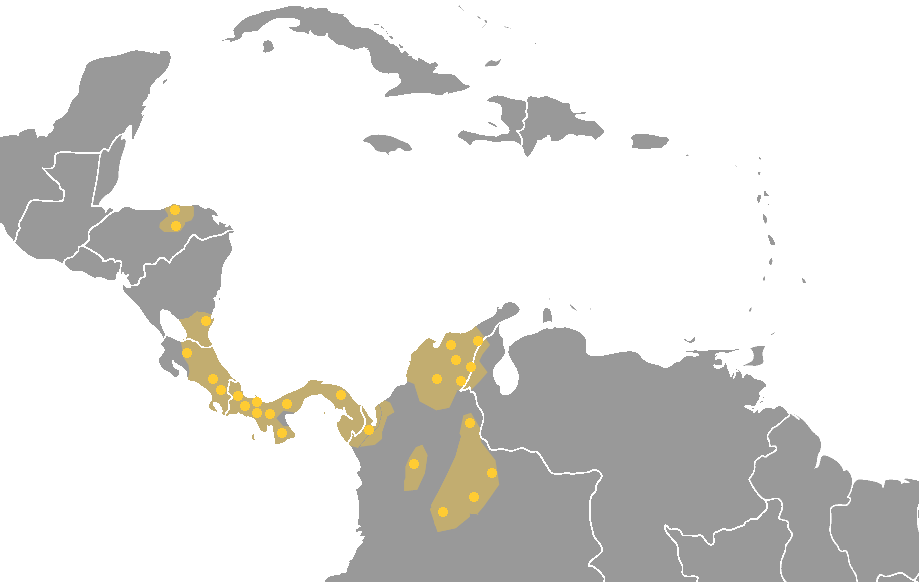
In Central America the Mayan languages are among those used today. Mayan languages are spoken by at least six million indigenous Maya, primarily in Guatemala, Mexico, Belize and Honduras. In 1996, Guatemala formally recognized 21 Mayan languages by name, and Mexico recognizes eight more. The Mayan language family is one of the best documented and most studied in the Americas. Modern Mayan languages descend from Proto-Mayan, a language thought to have been spoken at least 4,000 years ago; it has been partially reconstructed using the comparative method.
- Alagüilac (Guatemala) †
- Chibchan (Central and South America) (22)
- Coahuilteco †
- Comecrudan (Texas and Mexico) (3) †
- Cotoname †
- Cuitlatec (Mexico: Guerrero) †
- Epi-Olmec (Mexico, undeciphered language) †
- Guaicurian (8) †
- Huave
- Jicaquean (2)
- Lencan (2) †
- Maratino (northeastern Mexico) †
- Mayan (31)
- Misumalpan (5)
- Mixe–Zoquean (19)
- Naolan (Tamaulipas, Mexico) †
- Oto-Manguean (27)
- Pericú †
- Purépecha
- Quinigua (northeast Mexico) †
- Seri
- Solano †
- Tequistlatecan (3)
- Totonacan (2)
- Uto-Aztecan (United States and Mexico) (33)
- Xincan (5) †
- Yuman (United States and Mexico) (11)
South America and the Caribbean
Main article: Indigenous languages of South America, Indigenous languages of the Caribbean
Although both North and Central America are very diverse areas, South America has a linguistic diversity rivalled by only a few other places in the world with approximately 330 languages still spoken and several hundred more spoken at first contact but now extinct. The situation of language documentation and classification into genetic families is not as advanced as in North America (which is relatively well studied in many areas). Kaufman (1994: 46) gives the following appraisal:
Since the mid 1950s, the amount of published material on SA [South America] has been gradually growing, but even so, the number of researchers is far smaller than the growing number of linguistic communities whose speech should be documented. Given the current employment opportunities, it is not likely that the number of specialists in SA Indian languages will increase fast enough to document most of the surviving SA languages before they go out of use, as most of them unavoidably will. More work languishes in personal files than is published, but this is a standard problem. It is fair to say that SA and New Guinea are linguistically the poorest documented parts of the world. However, in the early 1960s fairly systematic efforts were launched in Papua New Guinea, and that areamuch smaller than SA, to be sureis in general much better documented than any part of Indigenous SA of comparable size.
As a result, many relationships between languages and language families have not been determined and some of those relationships that have been proposed are on somewhat shaky ground.
The list of language families, isolates, and unclassified languages below is a rather conservative one based on Campbell (1997). Many of the proposed (and often speculative) groupings of families can be seen in Campbell (1997), Gordon (2005), Kaufman (1990, 1994), Key (1979), Loukotka (1968), and in the Language stock proposals section below.
- Aguano †
- Aikaná (Brazil: Rondônia) (also known as Aikanã, Tubarão)
- Andaquí (also known as Andaqui, Andakí) †
- Andoque (Colombia, Peru) (also known as Andoke)
- Andoquero †
- Arauan (9)
- Arawakan (South America and Caribbean) (64) (also known as Maipurean)
- Arutani
- Aymaran (3)
- Baenan (Brazil: Bahia) (also known as Baenán, Baenã) †
- Barbacoan (8)
- Betoi (Colombia) (also known as Betoy, Jirara) †
- Bororoan
- Botocudoan (3) (also known as Aimoré)
- Cahuapanan (2) (also known as Jebero, Kawapánan)
- Camsá (Colombia) (also known as Sibundoy, Coche)
- Candoshi (also known as Maina, Kandoshi)
- Canichana (Bolivia) (also known as Canesi, Kanichana) †
- Cariban (29) (also known as Caribe, Carib)
- Cayubaba (Bolivia) †
- Chapacuran (9) (also known as Chapacura-Wanham, Txapakúran) †
- Charruan (also known as Charrúan) †
- Chibchan (Central and South America) (22)
- Chimuan (3) †
- Chipaya–Uru (also known as Uru–Chipaya)
- Chiquitano
- Choco (10) (also known as Chocoan)
- Chon (5) (also known as Patagonian) †
- Chono †
- Cofán (Colombia, Ecuador)
- Cueva †
- Culle (Peru) (also known as Culli, Linga, Kulyi) †
- Cunza (Chile, Bolivia, Argentina) (also known as Atacama, Atakama, Atacameño, Lipe, Kunsa) †
- Esmeraldeño (also known as Esmeralda, Takame) †
- Fulnió
- Gamela (Brazil: Maranhão) †
- Gorgotoqui (Bolivia) †
- Guaicuruan (7) (also known as Guaykuruan, Waikurúan)
- Guajiboan (4) (also known as Wahívoan)
- Guamo (Venezuela) (also known as Wamo) †
- Guató
- Harakmbut (2) (also known as Tuyoneri)
- Hibito–Cholon †
- Himarimã
- Hodï (Venezuela) (also known as Jotí, Hoti, Waruwaru)
- Huamoé (Brazil: Pernambuco) †
- Huaorani (Ecuador, Peru) (also known as Auca, Huaorani, Wao, Auka, Sabela, Waorani, Waodani)
- Huarpe (also known as Warpe) †
- Irantxe (Brazil: Mato Grosso)
- Itonama (Bolivia) (also known as Saramo, Machoto) †
- Jabutian
- Je (13) (also known as Gê, Jêan, Gêan, Ye)
- Jeikó †
- Jirajaran (3) (also known as Hiraháran, Jirajarano, Jirajarana) †
- Jivaroan (2) (also known as Hívaro)
- Jukude (Maku of Auari) †
- Kaimbe †
- Kaliana (also known as Caliana, Cariana, Sapé, Chirichano) †
- Kamakanan †
- Kapixaná (Brazil: Rondônia) (also known as Kanoé, Kapishaná)
- Karajá
- Karirí (Brazil: Paraíba, Pernambuco, Ceará) †
- Katembrí †
- Katukinan (3) (also known as Catuquinan)
- Kawésqar (Chile) (Kaweskar, Alacaluf, Qawasqar, Halawalip, Aksaná, Hekaine)
- Kwaza (Koayá) (Brazil: Rondônia)
- Leco (Lapalapa, Leko) †
- Lule-Vilela (2) (Argentina) †
- Malibú (also known as Malibu) †
- Mapudungun (Chile, Argentina) (also known as Araucanian, Mapuche, Huilliche)
- Mascoyan (5) (also known as Maskóian, Mascoian)
- Matacoan (4) (also known as Mataguayan)
- Matanawí †
- Maxakalían (3) (also known as Mashakalían)
- Mocana (Colombia: Tubará) †
- Mosetenan (also known as Mosetén)
- Movima (Bolivia)
- Munichi (Peru) (also known as Muniche) †
- Muran (4)
- Nadahup (5)
- Nambiquaran (5)
- Natú (Brazil: Pernambuco) †
- Ofayé
- Old Catío–Nutabe (Colombia) †
- Omurano (Peru) (also known as Mayna, Mumurana, Numurana, Maina, Rimachu, Roamaina, Umurano) †
- Otí (Brazil: São Paulo) †
- Otomakoan (2) †
- Paez (also known as Nasa Yuwe)
- Palta †
- Pankararú (Brazil: Pernambuco) †
- Pano–Tacanan (33)
- Panzaleo (Ecuador) (also known as Latacunga, Quito, Pansaleo) †
- Peba–Yaguan (2) (also known as Yaguan, Yáwan, Peban)
- Pijao †
- Pre-Arawakan languages of the Greater Antilles (Guanahatabey, Macorix, Ciguayo) † (Cuba, Hispaniola)
- Puinave (also known as Makú)
- Puquina (Bolivia) †
- Purian (2) †
- Quechuan (46)
- Rikbaktsá
- Saliban (2) (also known as Sálivan)
- Sechura (Atalan, Sec) †
- Tabancale † (Peru)
- Tairona (Colombia) †
- Tallan (Peru) †
- Tarairiú (Brazil: Rio Grande do Norte) †
- Taruma †
- Taushiro (Peru) (also known as Pinchi, Pinche) †
- Tequiraca (Peru) (also known as Tekiraka, Avishiri) †
- Teushen † (Patagonia, Argentina)
- Ticuna-Yuri (Colombia, Peru, Brazil)
- Timotean (2) †
- Tiniguan (2) (also known as Tiníwan, Pamiguan) †
- Trumai (Brazil: Xingu, Mato Grosso)
- Tucanoan (15)
- Tupian (70, including Guarani)
- Tuxá (Brazil: Bahia, Pernambuco) †
- Urarina (also known as Shimacu, Itukale, Shimaku)
- Wakona †
- Warao (Guyana, Surinam, Venezuela) (also known as Guarao)
- Witotoan (6) (also known as Huitotoan, Bora–Witótoan)
- Xokó (Brazil: Alagoas, Pernambuco) (also known as Shokó) †
- Xukurú (Brazil: Pernambuco, Paraíba) †
- Yaghan (Chile) (also known as Yámana) †
- Yanomaman (6)
- Yaruro (also known as Jaruro)
- Yuracare (Bolivia)
- Yurumanguí (Colombia) (also known as Yurimangui, Yurimangi) †
- Zamucoan (2)
- Zaparoan (5) (also known as Záparo)
Language stock proposals
Main article: Classification of indigenous languages of the Americas
Hypothetical language-family proposals of American languages are often cited as uncontroversial in popular writing. However, many of these proposals have not been fully demonstrated, or even demonstrated at all. Some proposals are viewed by specialists in a favorable light, believing that genetic relationships are very likely to be established in the future (for example, the Penutian stock). Other proposals are more controversial, with many linguists believing that some genetic relationships of a proposal may be demonstrated but much of it undemonstrated (for example, Hokan–Siouan, which Edward Sapir called his "wastepaper basket stock"). Still other proposals are almost unanimously rejected by specialists (for example, Amerind). Below is a (partial) list of some such proposals:
- Algonquian–Wakashan (also known as Almosan)
- Almosan–Keresiouan (Almosan and Keresiouan)
- Amerind (all languages excepting Eskaleut and Na-Dené)
- Algonkian–Gulf (Algic, Beothuk and Gulf)
- (macro-)Arawakan
- Arutani–Sape (Ahuaque–Kalianan)
- Aztec–Tanoan (Uto-Aztecan and Tanoan)
- Chibchan–Paezan
- Chikitano–Boróroan
- Chimu–Chipaya
- Coahuiltecan (Coahuilteco, Cotoname, Comecrudan, Karankawa and Tonkawa)
- Cunza–Kapixanan
- Dené–Caucasian
- Dené–Yeniseian
- Esmeralda–Yaruroan
- Ge–Pano–Carib
- Guamo–Chapacuran
- Gulf (Muskogean, Natchez and Tunica)
- Macro-Kulyi–Cholónan
- Hokan (Karok, Chimariko, Shastan, Palaihnihan, Yana, Pomoan, Washo, Esselen, Yuman, Salinan, Chumashan, Seri and Tequistlatecan)
- Hokan–Siouan (Hokan, Keresiouan, Subtiaba–Tlappanec, Coahuiltecan, Yukian, Tunican, Natchez, Muskogean and Timucua)
- Je–Tupi–Carib
- Jivaroan–Cahuapanan
- Kalianan
- Kandoshi–Omurano–Taushiro
- (Macro-)Katembri–Taruma
- Kaweskar language area
- Keresiouan (Macro-Siouan, Keresan and Yuchi)
- Lule–Vilelan
- Macro-Andean
- Macro-Carib
- Macro-Chibchan
- Macro-Gê (also known as Macro-Jê)
- Macro-Jibaro
- Macro-Lekoan
- Macro-Mayan
- Macro-Otomákoan
- Macro-Paesan
- Macro-Panoan
- Macro-Puinavean
- Macro-Siouan (Siouan, Iroquoian and Caddoan)
- Macro-Tucanoan
- Macro-Tupí–Karibe
- Macro-Waikurúan
- Macro-Warpean (Muran, Matanawi and Huarpe)
- Mataco–Guaicuru
- Mosan (Salishan, Wakashan and Chimakuan)
- Mosetén–Chonan
- Mura–Matanawian
- Sapir's Na-Dené including Haida (Haida, Tlingit, Eyak and Athabaskan)
- Nostratic–Amerind
- Paezan (Andaqui, Paez and Panzaleo)
- Paezan–Barbacoan
- Penutian (many languages of California and sometimes languages in Mexico)
- California Penutian (Wintuan, Maiduan, Yokutsan and Utian)
- Oregon Penutian (Takelma, Coosan, Siuslaw and Alsean)
- Mexican Penutian (Mixe–Zoque and Huave)
- Puinave–Maku
- Quechumaran
- Saparo–Yawan (also known as Zaparo–Yaguan)
- Sechura–Catacao (also known as Sechura–Tallan)
- Takelman (Takelma and Kalapuyan)
- Tequiraca–Canichana
- Ticuna–Yuri (Yuri–Ticunan)
- Totozoque (Totonacan and Mixe–Zoque)
- Tunican (Tunica, Atakapa and Chitimacha)
- Yok–Utian
- Yuki–Wappo
Discussions of past proposals can be found in Campbell (1997) and Campbell & Mithun (1979).
Amerindian linguist Lyle Campbell also assigned different percentage values of probability and confidence for various proposals of macro-families and language relationships, depending on his views of the proposals' strengths. For example, the Germanic language family would receive probability and confidence percentage values of +100% and 100%, respectively. However, if Turkish and Quechua were compared, the probability value might be −95%, while the confidence value might be 95%. 0% probability or confidence would mean complete uncertainty.
| Language family | Probability | Confidence |
|---|---|---|
| **Algonkian–Gulf** | −50% | 50% |
| **Almosan (and beyond)** | −75% | 50% |
| **Atakapa–Chitimacha** | −50% | 60% |
| **Aztec–Tanoan** | 0% | 50% |
| **Coahuiltecan** | −85% | 80% |
| **Eskaleut, | ||
| Chukotan** | −25% | 20% |
| **Guaicurian–Hokan** | 0% | 10% |
| **Gulf** | −25% | 40% |
| **Hokan–Subtiaba** | −90% | 75% |
| **Jicaque–Hokan** | −30% | 25% |
| **Jicaque–Subtiaba** | −60% | 80% |
| **Jicaque–Tequistlatecan** | +65% | 50% |
| **Keresan and Uto-Aztecan** | 0% | 60% |
| **Keresan and Zuni** | −40% | 40% |
| **Macro-Mayan** | +30% | 25% |
| **Macro-Siouan** | −20% | 75% |
| **Maya–Chipaya** | −80% | 95% |
| **Maya–Chipaya–Yunga** | −90% | 95% |
| **Mexican Penutian** | −40% | 60% |
| **Misumalpan–Chibchan** | +20% | 50% |
| **Mosan** | −60% | 65% |
| **Na-Dene** | 0% | 25% |
| **Natchez–Muskogean** | +40% | 20% |
| **Nostratic–Amerind** | −90% | 75% |
| **Otomanguean–Huave** | +25% | 25% |
| **Purépecha–Quechua** | −90% | 80% |
| **Quechua as Hokan** | −85% | 80% |
| **Quechumaran** | +50% | 50% |
| **Sahaptian–Klamath–(Molala)** | +75% | 50% |
| **Sahaptian–Klamath–Tsimshian** | +10% | 10% |
| **Takelman** | +80% | 60% |
| **Tlapanec–Subtiaba as Otomanguean** | +95% | 90% |
| **Tlingit–Eyak–Athabaskan** | +75% | 40% |
| **Tunican** | 0% | 20% |
| **Wakashan and Chimakuan** | 0% | 25% |
| **Yukian–Gulf** | −85% | 70% |
| **Yukian–Siouan** | −60% | 75% |
| **Zuni–Penutian** | −80% | 50% |
Pronouns
Main article: N–M pronouns
It has long been observed that a remarkable number of Native American languages have a pronominal pattern with first-person singular forms in n and second-person singular forms in m. (Compare first-person singular m and second-person singular t across much of northern Eurasia, as in English me and thee, Spanish me and te, and Hungarian -m and -d.) This pattern was first noted by Alfredo Trombetti in 1905. It caused Sapir to suggest that ultimately all Native American languages would turn out to be related. Joseph Greenberg used the pattern as evidence to support his Amerind languages proposal, a controversial grouping. Johanna Nichols suggests that the pattern had spread through diffusion. This notion was rejected by Lyle Campbell, who argued that the frequency of the n/m pattern was not statistically elevated in either area compared to the rest of the world. Zamponi found that Nichols's findings were distorted by her small sample size. Looking instead at data from protolanguages and isolates to represent whole families rather than individual languages, he found that about 30% of 70 languages analyzed followed the n/m pattern in North America, compared to only 5% in South America and 7% of non-American languages. Nevertheless, Zamponi concludes that because most languages of the world base their pronouns on common consonants (like m, n, t, k and s), this shared pattern cannot be used as the only proof of common ancestry.
Linguistic areas
Main article: Linguistic areas of the Americas
Unattested languages
Several languages are only known by mention in historical documents or from only a few names or words. It cannot be determined that these languages actually existed or that the few recorded words are actually of known or unknown languages. Some may simply be from a historian's errors. Others are of known people with no linguistic record (sometimes due to lost records). A short list is below.
- Ais
- Akokisa
- Aranama
- Ausaima
- Avoyel
- Bayagoula
- Bidai
- Cacán (Diaguita–Calchaquí)
- Calusa – Mayaimi – Tequesta
- Cusabo
- Eyeish
- Grigra
- Guale
- Houma
- Koroa
- Mayaca (possibly related to Ais)
- Mobila
- Okelousa
- Opelousa
- Pascagoula
- Pensacola – Amacano - Chacato - Chine (Muscogean languages)
- Pijao language
- Pisabo (possibly the same language as Matsés)
- Quinipissa
- Taensa
- Tiou
- Yamacraw
- Yamasee
- Yazoo
Loukotka (1968) reports the names of hundreds of South American languages which do not have any linguistic documentation.
Pidgins and mixed languages
Various miscellaneous languages such as pidgins, mixed languages, trade languages, and sign languages are given below in alphabetical order.
- American Indian Pidgin English
- Algonquian-Basque pidgin (also known as Micmac-Basque Pidgin, Souriquois; spoken by the Basques, Micmacs, and Montagnais in eastern Canada)
- Broken Oghibbeway (also known as Broken Ojibwa)
- Broken Slavey
- Bungee (also known as Bungi, Bungie, Bungay, or the Red River Dialect)
- Callahuaya (also known as Machaj-Juyai, Kallawaya, Collahuaya, Pohena, Kolyawaya Jargon)
- Carib Pidgin (also known as Ndjuka-Amerindian Pidgin, Ndjuka-Trio)
- Carib Pidgin–Arawak Mixed Language
- Catalangu
- Chinook Jargon
- Delaware Jargon (also known as Pidgin Delaware)
- Eskimo Trade Jargon (also known as Herschel Island Eskimo Pidgin, Ship's Jargon)
- Greenlandic Pidgin (West Greenlandic Pidgin)
- Guajiro-Spanish
- Güegüence-Nicarao
- Haida Jargon
- Inuktitut-English Pidgin (Quebec)
- Jargonized Powhatan
- Keresan Sign Language
- Labrador Eskimo Pidgin (also known as Labrador Inuit Pidgin)
- Lingua Franca Apalachee
- Lingua Franca Creek
- Lingua Geral Amazônica (also known as Nheengatú, Lingua Boa, Lingua Brasílica, Lingua Geral do Norte)
- Lingua Geral do Sul (also known as Lingua Geral Paulista, Tupí Austral)
- Loucheux Jargon (also known as Jargon Loucheux)
- Media Lengua
- Mednyj Aleut (also known as Copper Island Aleut, Medniy Aleut, CIA)
- Michif (also known as French Cree, Métis, Metchif, Mitchif, Métchif)
- Mobilian Jargon (also known as Mobilian Trade Jargon, Chickasaw-Chocaw Trade Language, Yamá)
- Montagnais Pidgin Basque (also known as Pidgin Basque-Montagnais)
- Nootka Jargon (spoken during the 18th–19th centuries; later replaced by Chinook Jargon)
- Ocaneechi (also known as Occaneechee; spoken in Virginia and the Carolinas in early colonial times)
- Pidgin Massachusett
- Plains Indian Sign Language
Writing systems
While most indigenous languages have adopted the Latin script as the written form of their languages, a few languages have their own unique writing systems after encountering the Latin script (often through missionaries) that are still in use. All pre-Columbian indigenous writing systems are no longer used as the primary script, but many are undergoing revitalization.
| Writing system | Type | Language(s) | Region(s) | Dates in use | Status | Inventor |
|---|---|---|---|---|---|---|
| Quipu | Logographic, | |||||
| potentially phonetic (syllabary) at least during the colonial period and possibly the pre-Columbian era. | Aymara, Quechua, Puquina, Mapuche and other Andean languages | Andean civilizations (Central Andes) | 2600s BCE – 1900s CE | Extinct | ||
| Olmec hieroglyphs | Undeciphered, likely logosyllabary | Likely Mixe–Zoque languages, but linguistic status remains debatable | Isthmus of Tehuantepec | 1500 BCE – 400 BCE | Extinct | |
| Zapotec script | Likely Zapotecan languages | Oaxaca | 500 BCE – 900 CE | Extinct | ||
| Epi-Olmec script | Likely Zoque languages | Isthmus of Tehuantepec | 400 BCE – 500 CE | Extinct | ||
| Izapan scripts | Undeciphered, likely logosyllabary | Likely an unknown Mixe–Zoquean language, Highland Mayan languages | Southern Guatemala | 300s BCE – 100s CE (Late Preclassic) | Extinct | |
| Maya script | Logographic | |||||
| Syllabary | Mayan languages: | Maya civilization: Yucatán Peninsula of Mexico, Guatemala, and Belize | 200s BCE – 1700 CE | Extinct | ||
| Teotihua script | Undeciphered, likely logosyllabary | Nahuatl, other | Central Mexico | 100 BCE – 750 CE | Extinct | |
| Mixtec script (Mixteca-Puebla script) | Logographic | |||||
| Syllabary | Mixtecan languages | Oaxaca, Puebla, Guerrero | 1100s–1600s | Extinct | ||
| Aztec script (Mixteca-Puebla script) | Logographic | |||||
| Syllabary | Classical Nahuatl | Central Mexico | 1100s–1600s | Extinct | ||
| Komqwejwi'kasikl (Miꞌkmaw hieroglyphs) | Logographic | Mi'kmaq | Nova Scotia, Prince Edward Island, and New Brunswick | 1675–1800s (as codified) | Extinct | Father Le Clercq (as codified, previouslypictographic) |
| Cherokee syllabary | Syllabary | Cherokee | Cherokee Nation, US | 1820s–present | Active | Sequoyah ᏍᏏᏉᏯ |
| Canadian Aboriginal syllabics | Abugida | Canada, Midwestern United States | 1840s–present | Active | James Evans | |
| Blackfoot Syllabics | Blackfoot | Alberta, Canada | ||||
| Montana, United States | 1888–present | Endangered | John Tims | |||
| Carrier syllabics | Dakelh and some other Athabaskan languages | British Columbia, Canada | 1885–1920s | Endangered | Adrien-Gabriel Morice | |
| Great Lakes Algonquian syllabics | Alphasyllabary (much like Hangul) | Anishinaabemowin, Fox, Ho-Chunk, Potawatomi | Iowa, Michigan, and Nebraska, US | |||
| Coahuila, Mexico | 1800s–present | Endangered | ||||
| Yugtun script | Syllabary | Central Alaskan Yup'ik | Alaska | 1900–present | Endangered | Uyaquq |
| Afaka syllabary | Syllabary | Ndyuka | Suriname, French Guiana | 1910–present | Endangered | Afáka Atumisi |
| Saanich alphabet | Alphabet | North Straits Salish (Saanich dialect) | Southern Salish Sea islands: British Columbia and Washington state | 1978–present | Active | Dave Elliott |
| Osage script | Alphabet | Osage | Osage Nation, United States | 2006–present | Active | Herman Mongrain Lookout |
References
Bibliography
- .
North America
- Goddard, Ives. (1999). Native languages and language families of North America (rev. and enlarged ed. with additions and corrections). [Map]. Lincoln, Nebraska: University of Nebraska Press (Smithsonian Institution). (Updated version of the map in Goddard 1996). .
- Nater, Hank F. (1984). The Bella Coola Language. Mercury Series; Canadian Ethnology Service (No. 92). Ottawa: National Museums of Canada.
- Powell, John W. (1891). Indian linguistic families of America north of Mexico. Seventh annual report, Bureau of American Ethnology (pp. 1–142). Washington, D.C.: Government Printing Office. (Reprinted in P. Holder (Ed.), 1966, Introduction to Handbook of American Indian languages by Franz Boas and Indian linguistic families of America, north of Mexico, by J. W. Powell, Lincoln: University of Nebraska).
- Powell, John W. (1915). Linguistic families of American Indians north of Mexico by J. W. Powell, revised by members of the staff of the Bureau of American Ethnology. (Map). Bureau of American Ethnology miscellaneous publication (No. 11). Baltimore: Hoen.
- Sebeok, Thomas A. (Ed.). (1973). Linguistics in North America (parts 1 & 2). Current trends in linguistics (Vol. 10). The Hauge: Mouton. (Reprinted as Sebeok 1976).
- Sebeok, Thomas A. (Ed.). (1976). Native languages of the Americas. New York: Plenum.
- Sherzer, Joel. (1973). Areal linguistics in North America. In T. A. Sebeok (Ed.), Linguistics in North America (part 2, pp. 749–795). Current trends in linguistics (Vol. 10). The Hauge: Mouton. (Reprinted in Sebeok 1976).
- Sherzer, Joel. (1976). An areal-typological study of American Indian languages north of Mexico. Amsterdam: North-Holland.
- Sletcher, Michael, 'North American Indians', in Will Kaufman and Heidi Macpherson, eds., Britain and the Americas: Culture, Politics, and History, (2 vols., Oxford, 2005).
- Sturtevant, William C. (Ed.). (1978–present). Handbook of North American Indians (Vol. 1–20). Washington, D. C.: Smithsonian Institution. (Vols. 1–3, 16, 18–20 not yet published).
- Vaas, Rüdiger: 'Die Sprachen der Ureinwohner'. In: Stoll, Günter, Vaas, Rüdiger: Spurensuche im Indianerland. Hirzel. Stuttgart 2001, chapter 7.
- Voegelin, Carl F.; & Voegelin, Florence M. (1965). Classification of American Indian languages. Languages of the world, Native American fasc. 2, sec. 1.6). Anthropological Linguistics, 7 (7): 121–150.
South America
- Adelaar, Willem F. H.; & Muysken, Pieter C. (2004). The languages of the Andes. Cambridge language surveys. Cambridge University Press.
- Fabre, Alain. (1998). "Manual de las lenguas indígenas sudamericanas, I-II". München: Lincom Europa.
- Kaufman, Terrence. (1990). Language history in South America: What we know and how to know more. In D. L. Payne (Ed.), Amazonian linguistics: Studies in lowland South American languages (pp. 13–67). Austin: University of Texas Press. .
- Kaufman, Terrence. (1994). The native languages of South America. In C. Mosley & R. E. Asher (Eds.), Atlas of the world's languages (pp. 46–76). London: Routledge.
- Key, Mary R. (1979). The grouping of South American languages. Tübingen: Gunter Narr Verlag.
- Loukotka, Čestmír. (1968). Classification of South American Indian languages. Los Angeles: Latin American Studies Center, University of California.
- Mason, J. Alden. (1950). The languages of South America. In J. Steward (Ed.), Handbook of South American Indians (Vol. 6, pp. 157–317). Smithsonian Institution Bureau of American Ethnology bulletin (No. 143). Washington, D.C.: Government Printing Office.
- Migliazza, Ernest C.; & Campbell, Lyle. (1988). Panorama general de las lenguas indígenas en América. Historia general de América (Vol. 10). Caracas: Instituto Panamericano de Geografía e Historia.
- Rodrigues, Aryon. (1986). Linguas brasileiras: Para o conhecimento das linguas indígenas. São Paulo: Edições Loyola.
- Rowe, John H. (1954). Linguistics classification problems in South America. In M. B. Emeneau (Ed.), Papers from the symposium on American Indian linguistics (pp. 10–26). University of California publications in linguistics (Vol. 10). Berkeley: University of California Press.
- Sapir, Edward. (1929). Central and North American languages. In The encyclopædia britannica: A new survey of universal knowledge (14 ed.) (Vol. 5, pp. 138–141). London: The Encyclopædia Britannica Company, Ltd.
- Voegelin, Carl F.; & Voegelin, Florence M. (1977). Classification and index of the world's languages. Amsterdam: Elsevier. .
- Debian North American Indigenous Languages Project
References
- Greenberg, Joseph. (1987). "Language in the Americas". Stanford University Press.
- Campbell, Lyle. (2000). "American Indian Languages: The Historical Linguistics of Native America". Oxford University Press.
- (2005). "Ethnologue: Languages of the World". SIL International.
- Schwartz, Saul. (2018). "The predicament of language and culture: Advocacy, anthropology, and dormant language communities". [[Journal of Linguistic Anthropology]].
- "Census Shows Native Languages Count".
- "Population by Aboriginal mother tongue, Aboriginal language spoken most often at home and Aboriginal language spoken on a regular basis at home, for Canada, provinces and territories".
- (1983). "Autochthonous American writing systems: The Aztec and Mayan examples". Mouton Publishers.
- Wichmann, Soren. (2006). "Mayan Historical Linguistics and Epigraphy: A New Synthesis". Annual Review of Anthropology.
- Shapiro, Judith. (1987). "From Tupã to the Land without Evil: The Christianization of Tupi-Guarani Cosmology". American Ethnologist.
- "Lov om Grønlands Selvstyre Kapitel 7 Sprog".
- Campbell, Lyle. (1997). "American Indian languages: the historical linguistics of Native America". Oxford University Press.
- Blench, Roger. (2008). "Accounting for the Diversity of Amerindian Languages: Modelling the Settlement of the New World".
- "Government Bill (House of Commons) C-91 (42-1) - Royal Assent - Indigenous Languages Act - Parliament of Canada".
- Hudon, Marie-Ève. (2022). "Official Languages and Parliament". Library of Parliament.
- Robert-Falcon Ouellette, Honouring Indigenous Languages within Parliament, 2019 42-2 Canadian Parliamentary Review 3, 2019 CanLIIDocs 3786, https://canlii.ca/t/spw6, retrieved on 2025-08-12
- "Meet Robert-Falcon Ouellette: Veteran, former parliamentarian, and professor".
- (August 8, 2019). "Honouring Indigenous Languages within Parliament – Canadian Parliamentary Review – La Revue parlementaire canadienne".
- "Indigenous Winnipeg MP delivers speech in Cree in House of Commons - Winnipeg | Globalnews.ca".
- Cecco, Leyland. (January 27, 2019). "Sound of native languages in parliament to mark win for indigenous Canadians". The Guardian.
- Ethnologue (2021)
- "Estadística básica de la población hablante de lenguas indígenas nacionales 2015".
- "Estadística básica de la población hablante de lenguas indígenas nacionales 2015".
- "Estadística básica de la población hablante de lenguas indígenas nacionales 2015".
- "Estadística básica de la población hablante de lenguas indígenas nacionales 2015".
- "Estadística básica de la población hablante de lenguas indígenas nacionales 2015".
- "Estadística básica de la población hablante de lenguas indígenas nacionales 2015".
- (2017-08-02). "Language Highlight Tables, 2016 Census – Aboriginal mother tongue, Aboriginal language spoken most often at home and Other Aboriginal language(s) spoken regularly at home for the population excluding institutional residents of Canada, provinces and territories, 2016 Census – 100% Data". [[Canada Statistics]].
- "Greenland's statistics".
- (2014-12-11). "Brasil tem cinco línguas indígenas com mais de 10 mil falantes".
- (25 October 2017). "Census in Brief: The Aboriginal languages of First Nations people, Métis and Inuit". [[Statistics Canada]].
- Shuar at ''[[Ethnologue]]'' (18th ed., 2015)
- Ethnologue (18th ed., 2015)
- "Estadística básica de la población hablante de lenguas indígenas nacionales 2015".
- (2 August 2017). "Language Highlight Tables, 2016 Census – Aboriginal mother tongue, Aboriginal language spoken most often at home and Other Aboriginal language(s) spoken regularly at home for the population excluding institutional residents of Canada, provinces and territories, 2016 Census – 100% Data". Government of Canada, Statistics.
- Ethnologue (19th ed., 2016)
- Ethnologue (21st ed., 2018)
- Hofling, [[#Hofling. ''Mopan Maya–Spanish–English Dictionary'']], 1.
- "Proto-Macro-Jê: Um Estudo Reconstrutivo".
- "IBGE – Indigenous languages census".
- "Estadística básica de la población hablante de lenguas indígenas nacionales 2015".
- (2018). "The Blackfoot Language Resources and Digital Dictionary project: Creating integrated web resources for language documentation and revitalization". [[University of Hawai{{okina}}i]].
- "Mohawk". Ethnologue.
- (28 March 2018). "Aboriginal Mother Tongue (90), Single and Multiple Mother Tongue Responses (3), Aboriginal Identity (9), Registered or Treaty Indian Status (3) and Age (12) for the Population in Private Households of Canada, Provinces and Territories, Census Metropolitan Areas and Census Agglomerations, 2016 Census – 25% Sample Data".
- "Idiomas indígenas Macuxi e Wapixana são oficializados em município de Roraima – Amazônia.org".
- "Estadística básica de la población hablante de lenguas indígenas nacionales 2015".
- "UNESCO Atlas of the World's Languages in danger".
- "UNESCO Atlas of the World's Languages in danger".
- Cocopah at ''[[Ethnologue]]'' (19th ed., 2016)
- Havasupai‑Walapai‑Yavapai at ''[[Ethnologue]]'' (18th ed., 2015)
- [[INALI]] (2012) ''México: Lenguas indígenas nacionales''
- "Kumiai". ''Ethnologue''. Retrieved 2018-04-14.
- Quechan at ''[[Ethnologue]]'' (19th ed., 2016)
- Yavapai at ''[[Ethnologue]]'' (19th ed., 2016)
- Mojave language at ''[[Ethnologue]]'' (18th ed., 2015)
- (2 August 2017). "Language Highlight Tables, 2016 Census – Aboriginal mother tongue, Aboriginal language spoken most often at home and Other Aboriginal language(s) spoken regularly at home for the population excluding institutional residents of Canada, provinces and territories, 2016 Census – 100% Data". Government of Canada.
- (23 March 2015). "A loss for words: Can a dying language be saved?". Condé Nast.
- "UNESCO Atlas of the World's Languages in danger".
- Campbell, Lyle. (2024-06-25). "The Indigenous Languages of the Americas". Oxford University Press.
- [[Lyle Campbell. Campbell]] counts [[Keres language. Keres]], [[Yokuts language. Yokuts]] and [[Salinan language. Salinan]] as small families. Here, in Wikipedia, they are considered isolates.
- If the [[Caucasus]] is considered to be a part of Europe, [[Northwest Caucasian languages. Northwest Caucasian]], [[Northeast Caucasian languages. Northeast Caucasian]] and [[Kartvelian languages. Kartvelian]] would be included, resulting in five language families within Europe. Other language families, such as the [[Turkic languages. Turkic]], [[Mongolic languages. Mongolic]] and [[Afroasiatic languages. Afroasiatic]] families, have entered Europe in later migrations.
- Nater 1984, pg. 5
- Ruhlen, Merritt. (1991 [1987]). ''A Guide to the World's Languages Volume 1: Classification'', p.216. Edward Arnold. Paperback: {{ISBN. 0-340-56186-6.
- Campbell, Lyle (1997). ''American Indian languages: the historical linguistics of Native America''. Ch. 8 ''Distant Genetic Relationships'', pp. 260–329. Oxford: Oxford University Press. {{ISBN. 0-19-509427-1.
- American-Arctic–Paleosiberian Phylum, Luoravetlan – and beyond
- Macro-Mayan includes Mayan, Totonacan, Mixe–Zoquean, and sometimes Huave.
- Siouan–Iroquoian–Caddoan–[Yuchi]
- Alternatively Takelma–Kalapuyan
- Nichols & Peterson 1996
- Campbell 1997
- Zamponi, Raoul. (2017). "First-person ''n'' and second-person ''m'' in Native America: a fresh look". Italian Journal of Linguistics.
- Shaul, David Leedom. (2017). "Ausaima language and culture: perspectives on ancient California". Lincom GmbH.
This article was imported from Wikipedia and is available under the Creative Commons Attribution-ShareAlike 4.0 License. Content has been adapted to SurfDoc format. Original contributors can be found on the article history page.
Ask Mako anything about Indigenous languages of the Americas — get instant answers, deeper analysis, and related topics.
Research with MakoFree with your Surf account
Create a free account to save articles, ask Mako questions, and organize your research.
Sign up freeThis content may have been generated or modified by AI. CloudSurf Software LLC is not responsible for the accuracy, completeness, or reliability of AI-generated content. Always verify important information from primary sources.
Report