From Surf Wiki (app.surf) — the open knowledge base
Hypochondroplasia
| Field | Value |
|---|---|
| name | Hypochondroplasia |
| image | File:Autosomal dominant - en.svg |
| caption | Hypochondroplasia is autosomal dominant in inheritance. |
| symptoms | Skeletal dysplasia |
| causes | FGFR3 gene mutation |
| diagnosis | Physical finding, X-ray |
| treatment | Special education, Laminectomy |
Hypochondroplasia (HCH) is a developmental disorder caused by an autosomal dominant genetic defect in the fibroblast growth factor receptor 3 gene (FGFR3) that results in a disproportionately short stature, micromelia and a head that appears large in comparison with the underdeveloped portions of the body. It is classified as short-limbed dwarfism.
Signs and symptoms
Individuals affected by this disorder appear normal at birth. As the infant grows, however, their arms and legs do not develop properly, and their body becomes thicker and shorter than normal.
- Brachydactyly
- Short stature
- Micromelia
- Skeletal dysplasia
- Abnormality of femur
Cause
Hypochondroplasia is inherited as an autosomal dominant trait affecting the FGFR3 gene on chromosome 4p16.3. There is currently no cure for this condition.
Pathophysiology
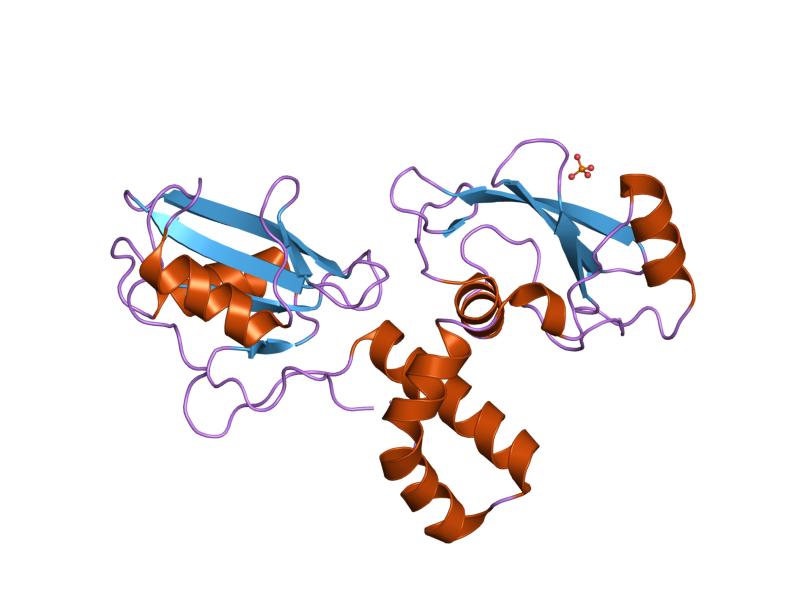
This disorder results from mutations in the proximal tyrosine kinase domain of the FGFR3 gene.
Hypochondroplasia can be caused by point mutations such as p. Lys650Asn. and it seems to have a role in skeletal dysplasia.
Diagnosis
The diagnosis of this condition can be done via X-rays (with lack of normal distance L1 to L5), and additionally genetic testing is available to ascertain hypochondroplasia. However, the physical characteristics are one of the most important in determining the condition.
Treatment

Treatment of hypochondroplasia usually takes the form of orthopedic surgery and physical therapy. Genetic counseling is advised for individuals and their families. Specifically in the case of spinal stenosis, one option is laminectomy.
BioMarin Pharmaceutical is currently investigating the drug Voxzogo for treatment of Hypochondroplasia. The study is currently in a Phase 3 clinical trial.
Prognosis
Life expectancy for individuals with hypochondroplasia is normal; height is about 132 -.
References
References
- (1 January 1993). "Hypochondroplasia". GeneReviews.
- "Hypochondroplasia - Genetics Home Reference".
- "Dwarfism: MedlinePlus".
- "Hypochondroplasia {{!}} Genetic and Rare Diseases Information Center (GARD) – an NCATS Program".
- "NM_000142.4(FGFR3):c.1950G>C (p.Lys650Asn) AND Hypochondroplasia - ClinVar - NCBI".
- (21 December 2016). "Sixteen years and counting: the current understanding of fibroblast growth factor receptor 3 (FGFR3) signaling in skeletal dysplasias". Human Mutation.
- "OMIM Entry - # 146000 - HYPOCHONDROPLASIA; HCH".
- "Hypochondroplasia - Conditions - GTR - NCBI".
- "Orphanet: Hypochondroplasia".
This article was imported from Wikipedia and is available under the Creative Commons Attribution-ShareAlike 4.0 License. Content has been adapted to SurfDoc format. Original contributors can be found on the article history page.
Ask Mako anything about Hypochondroplasia — get instant answers, deeper analysis, and related topics.
Research with MakoFree with your Surf account
Create a free account to save articles, ask Mako questions, and organize your research.
Sign up freeThis content may have been generated or modified by AI. CloudSurf Software LLC is not responsible for the accuracy, completeness, or reliability of AI-generated content. Always verify important information from primary sources.
Report