From Surf Wiki (app.surf) — the open knowledge base
Human
Species of hominid in the genus Homo
Species of hominid in the genus Homo
| Field | Value | ||
|---|---|---|---|
| image2 | [File:Population Density, v4.11, 2020 (48009093621).jpg | thumb | upright=2.05 |
| title | Population statistics | ||
| label1 | [World population | ||
| data1 | billion | ||
| label2 | Population density | ||
| data2 | by total area | ||
| by land area | |||
| label3 | Largest cities | ||
| data3 | Tokyo, Delhi, Shanghai, São Paulo, Mexico City, Cairo, Mumbai, Beijing, Dhaka, Osaka |
Humans (Homo sapiens, meaning "thinking man" or "wise man") are the most common and widespread species of primate, and the only extant species of the genus Homo. They are great apes characterized by hairlessness, obligate bipedality, manual dexterity with opposable thumbs, precision grip, and high intelligence. Humans have large brains compared to body size (a high encephalization quotient), enabling more advanced cognitive skills that facilitate successful adaptation to varied environments, development of sophisticated tools, and formation of complex social structures and civilizations. Humans possess a disproportionately larger volume of both cerebral white matter and gray matter present in the prefrontal cortex (PFC) than any other primate species, which facilitated the expansion of higher-order executive functions.
Humans are highly social, with individual humans tending to belong to a multi-layered network of distinct social groups – from families and peer groups to corporations and political states. As such, social interactions between humans have established a wide variety of values, social norms, languages, and traditions (collectively termed institutions), each of which bolsters human society.
Humans are highly curious: the desire to understand and influence phenomena has motivated humanity's development of science, technology, philosophy, mythology, religion, and other frameworks of knowledge; humans also study themselves through such domains as anthropology, social science, history, psychology, and medicine. On November 15, 2022, the 'Day of Eight Billion' marked a demographic milestone; as of 2026, there are estimated to be more than 8 billion living humans.
For most of their history, humans were nomadic hunter-gatherers. Humans began exhibiting behavioral modernity about 160,000–60,000 years ago. The Neolithic Revolution occurred independently in multiple locations, the earliest in Southwest Asia 13,000 years ago, and saw the emergence of agriculture and permanent human settlement; in turn, this led to the development of civilization and kickstarted a period of continuous (and ongoing) population growth and rapid technological change. Since then, a number of civilizations have risen and fallen, while a number of sociocultural and technological developments have resulted in significant changes to the human lifestyle.
Humans are omnivorous, capable of consuming a wide variety of plant and animal material, and have used fire and other forms of heat to prepare and cook food since the time of Homo erectus. Humans are generally diurnal, sleeping on average seven to nine hours per day. They are apex predators, being rarely preyed upon by other species.
Humans have had a dramatic effect on the environment. Human population growth, industrialisation, land development, overconsumption and combustion of fossil fuels have led to environmental destruction and pollution that significantly contributes to the ongoing mass extinction of other forms of life. Within the last century, humans have explored challenging environments such as Antarctica, the deep sea, and outer space, though human habitation in these environments is typically limited in duration and restricted to scientific, military, or industrial expeditions. Humans have visited the Moon and sent human-made spacecraft to other celestial bodies, becoming the first known species to do so.
Although the term "humans" technically equates with all members of the genus Homo, in common usage it generally refers to Homo sapiens, the only extant member. All other members of the genus Homo, now extinct, are known as archaic humans, and the term "modern human" is used to distinguish Homo sapiens from archaic humans. Anatomically modern humans emerged at least 300,000 years ago in Africa, evolving from Homo heidelbergensis or a similar species. Migrating out of Africa, they gradually replaced and interbred with local populations of archaic humans. Multiple hypotheses for the extinction of archaic human species such as Neanderthals include competition, violence, interbreeding with Homo sapiens, or inability to adapt to climate change.
Genes and the environment influence human biological variation in visible characteristics, physiology, disease susceptibility, mental abilities, body size, and life span. Though humans vary in many traits (such as genetic predispositions and physical features), humans are among the least genetically diverse primates. Any two humans are at least 99% genetically similar.
Humans are sexually dimorphic: generally, males have greater body strength and females have a higher body fat percentage. At puberty, humans develop secondary sex characteristics. Females are capable of pregnancy, usually between puberty, at around 12 years old, and menopause, around the age of 50. Childbirth is dangerous, with a high risk of complications and death. Often, both the mother and the father provide care for their children, who are helpless at birth.
Etymology and definition
All modern humans are classified into the species Homo sapiens, coined by Carl Linnaeus in his 1735 work Systema Naturae. The generic name Homo is a learned 18th-century derivation from Latin homō, which refers to humans of either sex. The word human can refer to all members of the Homo genus. The name Homo sapiens means 'wise man' or 'knowledgeable man'. There is disagreement if certain extinct members of the genus, namely Neanderthals, should be included as a separate species of humans or as a subspecies of H. sapiens.
Human is a loanword of Middle English from Old French humain, ultimately from Latin hūmānus, the adjectival form of homō ('man' – in the sense of humanity). The native English term man can refer to the species generally (a synonym for humanity) as well as to human males. It may also refer to individuals of either sex.
Despite the fact that the word animal is colloquially used as an antonym for human, and contrary to a common biological misconception, humans are animals. The word person is often used interchangeably with human, but philosophical debate exists as to whether personhood applies to all humans or all sentient beings, and further if a human can lose personhood (such as by going into a persistent vegetative state) and what the beginning of human personhood is.
Evolution
Main article: Human evolution
Humans belong to the biological family of apes (superfamily Hominoidea). The lineage of apes that eventually gave rise to humans first split from gibbons (family Hylobatidae), next orangutans (genus Pongo), then gorillas (genus Gorilla), and finally, chimpanzees and bonobos (genus Pan). The last split, between the human and chimpanzee–bonobo lineages, took place around 8–4 million years ago, in the late Miocene epoch. During this split, chromosome 2 was formed from the joining of two other chromosomes, leaving humans with only 23 pairs of chromosomes, compared to 24 for the other apes. Following their split with chimpanzees and bonobos, the hominins diversified into many species and at least two distinct genera. All but one of these lineages – representing the genus Homo and its sole extant species Homo sapiens – are now extinct.
The genus Homo evolved from Australopithecus. Though fossils from the transition are scarce, the earliest members of Homo share several key traits with Australopithecus. Due to the scant available evidence, the time of the divergence to the genus Homo does not have a consensus. Some studies using molecular clock techniques estimate the Homo genus appeared 4.30–2.56 million years ago, while others contest that some early Homo species are incorrectly included in the genus and therefore put this estimate at about 1.87 million years ago.
The earliest record of Homo is the 2.8 million-year-old specimen LD 350-1 from Ethiopia, and the earliest named species are Homo habilis and Homo rudolfensis which evolved by 2.3 million years ago. H. erectus also was the first to evolve a characteristically human body plan. Homo sapiens emerged in Africa at least 300,000 years ago from a species commonly designated as either H. heidelbergensis or H. rhodesiensis, the descendants of H. erectus that remained in Africa. H. sapiens migrated out of the continent, gradually replacing or interbreeding with local populations of archaic humans. Humans began exhibiting behavioral modernity about 160,000–70,000 years ago, and possibly earlier. This development was likely selected amidst natural climate change in Middle to Late Pleistocene Africa.
The "out of Africa" migration took place in at least two waves, the first around 130,000 to 100,000 years ago, the second (Southern Dispersal) around 70,000 to 50,000 years ago. H. sapiens proceeded to colonize all the continents and larger islands, arriving in Eurasia 125,000 years ago, Australia around 65,000 years ago, the Americas around 15,000 years ago, and remote islands such as Hawaii, Easter Island, Madagascar, and New Zealand in the years 300 to 1280 CE.
Human evolution was not a simple linear or branched progression but involved interbreeding between related species. Genomic research has shown that hybridization between substantially diverged lineages was common in human evolution. DNA evidence suggests that several genes of Neanderthal origin are present among all non sub-Saharan-African populations, and Neanderthals and other hominins, such as Denisovans, may have contributed up to 6% of their genome to present-day non sub-Saharan-African humans.
Human evolution is characterized by a number of morphological, developmental, physiological, and behavioral changes that have taken place since the split between the last common ancestor of humans and chimpanzees. The most significant of these adaptations are hairlessness, obligate bipedalism, increased brain size and decreased sexual dimorphism (neoteny). The relationship between all these changes is the subject of ongoing debate.
History
Prehistory
Main article: Prehistory
Until about 12,000 years ago, all humans lived as hunter-gatherers. The Neolithic Revolution (the invention of agriculture) first took place in Southwest Asia and spread through large parts of the Old World over the following millennia. It also occurred independently in Mesoamerica (about 6,000 years ago), China, Papua New Guinea, and the Sahel and West Savanna regions of Africa.
The formation of permanent human settlements, the domestication of animals and the use of metal tools was followed by permanent food surplus, for the first time in history. Agriculture and sedentary lifestyle led to the emergence of early civilizations.
Ancient
Main article: Ancient history
An urban revolution took place in the 4th millennium BCE with the development of city-states, particularly Sumerian cities located in Mesopotamia. It was in these cities that the earliest known form of writing, cuneiform script, appeared around 3000 BCE. Other major civilizations to develop around this time were Ancient Egypt and the Indus Valley Civilisation. They eventually traded with each other and invented technology such as wheels, plows and sails. Emerging by 3000 BCE, the Caral–Supe civilization is the oldest complex civilization in the Americas. Astronomy and mathematics were also developed and the Great Pyramid of Giza was built. There is evidence of a severe drought lasting about a hundred years that may have caused the decline of these civilizations, with new ones appearing in the aftermath. Babylonians came to dominate Mesopotamia while others, such as the Poverty Point culture, Minoans and the Shang dynasty, rose to prominence in new areas. The Late Bronze Age collapse around 1200 BCE resulted in the disappearance of a number of civilizations and the beginning of the Greek Dark Ages. During this period iron started replacing bronze, leading to the Iron Age.
In the 5th century BCE, history started being recorded as a discipline, which provided a much clearer picture of life at the time. Between the 8th and 6th century BCE, Europe entered the classical antiquity age, a period when ancient Greece and ancient Rome flourished. Around this time other civilizations also came to prominence. The Maya civilization started to build cities and create complex calendars. In Africa, the Kingdom of Aksum overtook the declining Kingdom of Kush and facilitated trade between India and the Mediterranean. In West Asia, the Achaemenid Empire's system of centralized governance became the precursor to many later empires, while the Gupta Empire in India and the Han dynasty in China have been described as golden ages in their respective regions.
Post-classical
Main article: Post-classical history
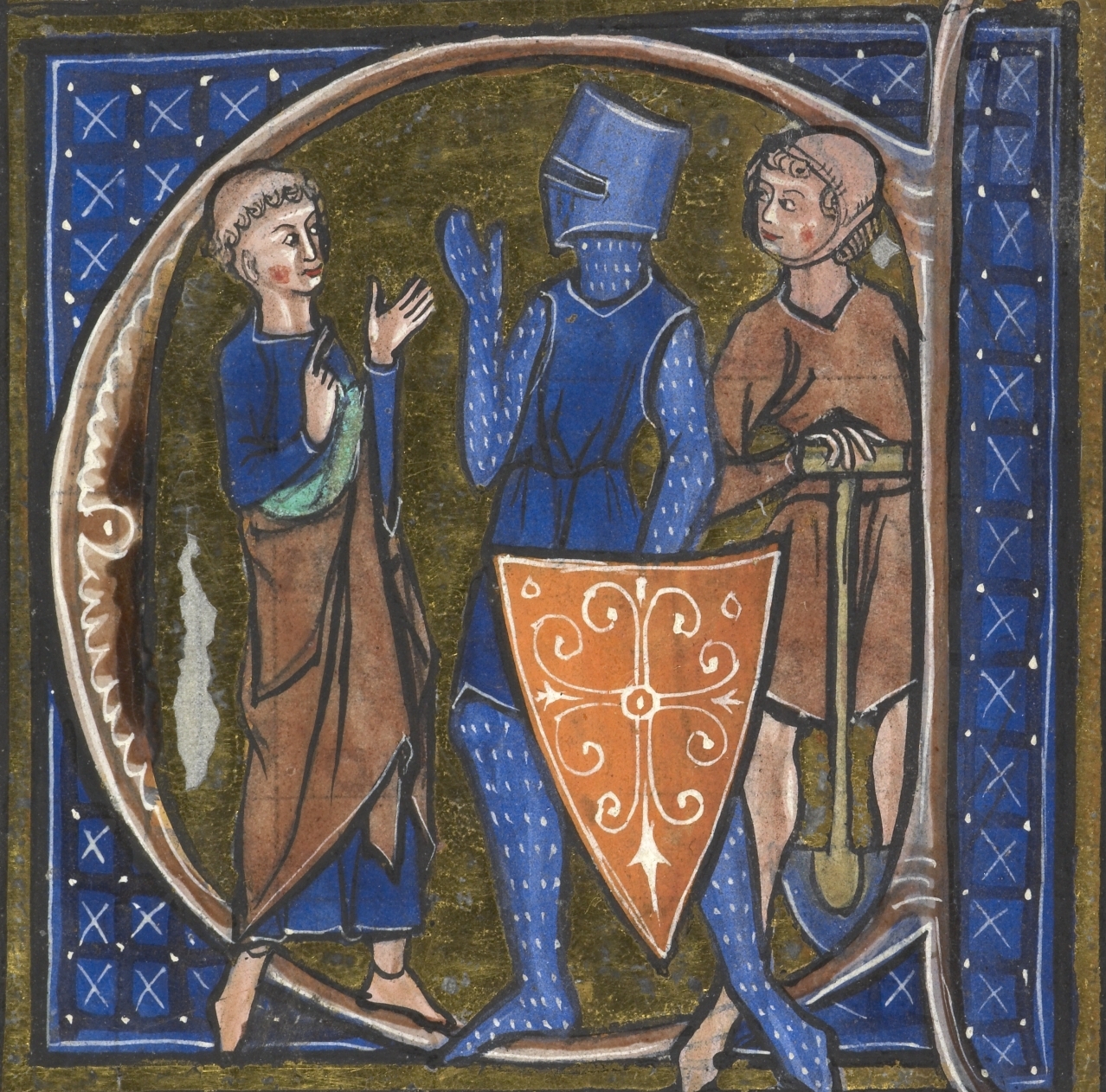
Following the fall of the Western Roman Empire in 476, Europe entered the Middle Ages. During this period, Christianity and the Church would act as a source of authority and education. In the Middle East, Islam became the prominent religion and expanded into North Africa. It led to an Islamic Golden Age, inspiring achievements in architecture, the revival of old advances in science and technology, and the formation of a distinct way of life. The Christian and Islamic worlds would eventually clash, with the Kingdom of England, the Kingdom of France and the Holy Roman Empire declaring a series of holy wars to regain control of the Holy Land from Muslims.
In the Americas, between 200 and 900 CE Mesoamerica was in its Classic Period, while further north, complex Mississippian societies would arise starting around 800 CE. The Mongol Empire would conquer much of Eurasia in the 13th and 14th centuries. Over this same time period, the Mali Empire in Africa grew to be the largest empire on the continent, stretching from Senegambia to Ivory Coast. Oceania would see the rise of the Tuʻi Tonga Empire which expanded across many islands in the South Pacific. By the late 15th century, the Aztecs and Inca had become the dominant power in Mesoamerica and the Andes, respectively.
Modern
Main article: Modern era, Early modern period, Late modern period
The early modern period in Europe and the Near East (–1800) began with the final defeat of the Byzantine Empire, and the rise of the Ottoman Empire. Meanwhile, Japan entered the Edo period, the Qing dynasty rose in China and the Mughal Empire ruled much of India. Europe underwent the Renaissance, starting in the 15th century, and the Age of Discovery began with the exploring and colonizing of new regions. This included the colonization of the Americas and the Columbian Exchange. This expansion led to the Atlantic slave trade and the genocide of the Americas' indigenous peoples. This period also marked the Scientific Revolution, with great advances in mathematics, mechanics, astronomy and physiology.
The late modern period (1800–present) saw the Industrial and Technological Revolution bring such discoveries as imaging technology, major innovations in transport and energy development. Influenced by Enlightenment ideals, the Americas and Europe experienced a period of political revolutions known as the Age of Revolution. The Napoleonic Wars raged through Europe in the early 1800s, Spain lost most of its colonies in the New World, while Europeans continued expansion into Africawhere European control went from 10% to almost 90% in less than 50 yearsand Oceania. In the 19th century, the British Empire expanded to become the world's largest empire.
A tenuous balance of power among European nations collapsed in 1914 with the outbreak of the First World War, one of the deadliest conflicts in history. In the 1930s, a worldwide economic crisis led to the rise of authoritarian regimes and a Second World War, involving almost all of the world's countries. The war's destruction led to the collapse of most global empires, leading to widespread decolonization.
Following the conclusion of the Second World War in 1945, the United States and the Soviet Union emerged as the remaining global superpowers. This led to a Cold War that saw a struggle for global influence, including a nuclear arms race and a space race, ending in the collapse of the Soviet Union. The current Information Age, spurred by the development of the Internet and artificial intelligence systems, sees the world becoming increasingly globalized and interconnected.
Habitat and population
| Choropleth map showing Population density (people per square kilometer) estimates by 30 arc-second grid in 2020]] by land area
Early human settlements were dependent on proximity to water anddepending on the lifestyleother natural resources used for subsistence, such as populations of animal prey for hunting and arable land for growing crops and grazing livestock. Modern humans, however, have a great capacity for altering their habitats by means of technology, irrigation, urban planning, construction, deforestation and desertification. Human settlements continue to be vulnerable to natural disasters, especially those placed in hazardous locations and with low quality of construction. Grouping and deliberate habitat alteration is often done with the goals of providing protection, accumulating comforts or material wealth, expanding the available food, improving aesthetics, increasing knowledge or enhancing the exchange of resources.
Humans are one of the most adaptable species, despite having a low or narrow tolerance for many of the earth's extreme environments. Currently the species is present in all eight biogeographical realms, although their presence in the Antarctic realm is very limited to research stations and annually there is a population decline in the winter months of this realm. Humans established nation-states in the other seven realms, such as South Africa, India, Russia, Australia, Fiji, the United States, and Brazil (each located in a different biogeographical realm).
Within the last century, humans have also explored the deep sea and outer space. Human habitation within these hostile environments is restrictive and expensive, typically limited in duration, and restricted to scientific, military, or industrial expeditions. Humans have visited the Moon and made their presence known on other celestial bodies through human-made robotic spacecraft. Since 2000, there has been continuous human presence in space through habitation on the International Space Station.
By using advanced tools and clothing, humans have been able to extend their tolerance to a wide variety of temperatures, humidities, and altitudes. As a result, humans are a cosmopolitan species found in almost all regions of the world, including tropical rainforest, arid desert, extremely cold arctic regions, and heavily polluted cities; in comparison, most other species are confined to a few geographical areas by their limited adaptability. The human population is not, however, uniformly distributed on the Earth's surface, because the population density varies from one region to another, and large stretches of surface are almost completely uninhabited, like Antarctica and vast swathes of the ocean. Most humans (61%) live in Asia; the remainder live in the Americas (14%), Africa (14%), Europe (11%), and Oceania (0.5%).

Estimates of the population at the time agriculture emerged in around 10,000 BC have ranged between 1 million and 15 million. Around 50–60 million people lived in the combined eastern and western Roman Empire in the 4th century AD. Bubonic plagues, first recorded in the 6th century AD, reduced the population by 50%, with the Black Death killing 75–200 million people in Eurasia and North Africa alone. Human population is believed to have reached one billion in 1800. It has since then increased exponentially, reaching two billion in 1930 and three billion in 1960, four in 1975, five in 1987 and six billion in 1999. It passed seven billion in 2011 and passed eight billion in November 2022. It took over two million years of human prehistory and history for the human population to reach one billion and only 207 years more to grow to 7 billion. The combined biomass of the carbon of all the humans on Earth in 2018 was estimated at 60 million tons, about 10 times larger than that of all non-domesticated mammals.
In 2018, 4.2 billion humans (55%) lived in urban areas, up from 751 million in 1950. The most urbanized regions are Northern America (82%), Latin America (81%), Europe (74%) and Oceania (68%), with Africa and Asia having nearly 90% of the world's 3.4 billion rural population. Problems for humans living in cities include various forms of pollution and crime, especially in inner city and suburban slums.
Biology
Anatomy and physiology
Main article: Human body
Most aspects of human physiology are closely homologous to corresponding aspects of animal physiology. The dental formula of humans is: , like other catarrhines. Humans have proportionately shorter palates and much smaller teeth than other primates. They are the only primates to have short, relatively flush canine teeth. Humans have characteristically crowded teeth, with gaps from lost teeth usually closing up quickly in young individuals. Humans are gradually losing their third molars, with some individuals having them congenitally absent.
Humans share with chimpanzees a vestigial tail, appendix, flexible shoulder joints, grasping fingers and opposable thumbs. Humans also have a more barrel-shaped chest in contrast to the funnel shape of other apes, an adaptation for bipedal respiration. Apart from bipedalism and brain size, humans differ from chimpanzees mostly in smelling, hearing and digesting proteins. While humans have a density of hair follicles comparable to other apes, it is predominantly vellus hair, most of which is so short and wispy as to be practically invisible. Humans have about 2 million sweat glands spread over their entire bodies, many more than chimpanzees, whose sweat glands are scarce and are mainly located on the palm of the hand and on the soles of the feet.
It is estimated that the worldwide average height for an adult human male is about , while the worldwide average height for adult human females is about . Shrinkage of stature may begin in middle age in some individuals but tends to be typical in the extremely aged. Throughout history, human populations have universally become taller, probably as a consequence of better nutrition, healthcare, and living conditions. The average mass of an adult human is 59 kg for females and 77 kg for males. Like many other conditions, body weight and body type are influenced by both genetic susceptibility and environment and varies greatly among individuals.
Humans have a far faster and more accurate throw than other animals. Humans are also among the best long-distance runners in the animal kingdom, but slower over short distances. Humans' thinner body hair and more productive sweat glands help avoid heat exhaustion while running for long distances. Compared to other apes, the human heart produces greater stroke volume and cardiac output and the aorta is proportionately larger.
Genetics
Main article: Human genetics
Humans are, like most animals, plants, and fungi, a eukaryotic, and like most animals a diploid species. Each somatic cell has two sets of 23 chromosomes, each set received from one parent; gametes have only one set of chromosomes, which is a mixture of the two parental sets. Among the 23 pairs of chromosomes, there are 22 pairs of autosomes and one pair of sex chromosomes. Like other mammals, humans have an XY sex-determination system, so that females have the sex chromosomes XX and males have XY. Genes and environment influence human biological variation in visible characteristics, physiology, disease susceptibility and mental abilities. The exact influence of genes and environment on certain traits is not well understood.
While no humansnot even monozygotic twinsare genetically identical, two humans on average will have a genetic similarity of 99.5%-99.9%. This makes them more homogeneous than other great apes, including chimpanzees. This small variation in human DNA compared to many other species suggests a population bottleneck during the Late Pleistocene (around 100,000 years ago), in which the human population was reduced to a small number of breeding pairs. The forces of natural selection have continued to operate on human populations, with evidence that certain regions of the genome display directional selection in the past 15,000 years.
The human genome was first sequenced in 2001 and by 2020 hundreds of thousands of genomes had been sequenced. In 2012 the International HapMap Project had compared the genomes of 1,184 individuals from 11 populations and identified 1.6 million single nucleotide polymorphisms. African populations harbor the highest number of private genetic variants. While many of the common variants found in populations outside of Africa are also found on the African continent, there are still large numbers that are private to these regions, especially Oceania and the Americas. By 2010 estimates, humans have approximately 22,000 genes. By comparing mitochondrial DNA, which is inherited only from the mother, geneticists have concluded that the last female common ancestor whose genetic marker is found in all modern humans, the so-called mitochondrial Eve, must have lived around 90,000 to 200,000 years ago.
Life cycle
Most human reproduction takes place by internal fertilization via sexual intercourse, but can also occur through assisted reproductive technology procedures. The average gestation period is 38 weeks, but a normal pregnancy can vary by up to 37 days. Embryonic development in the human covers the first eight weeks of development; at the beginning of the ninth week the embryo is termed a fetus. Humans are able to induce early labor or perform a caesarean section if the child needs to be born earlier for medical reasons. In developed countries, infants are typically 3 - in weight and 47 - in height at birth. However, low birth weight is common in developing countries, and contributes to the high levels of infant mortality in these regions.
Compared with other species, human childbirth is dangerous, with a much higher risk of complications and death. The size of the fetus's head is more closely matched to the pelvis than in other primates. The reason for this is not completely understood, but it contributes to a painful labor that can last 24 hours or more. The chances of a successful labor increased significantly during the 20th century in wealthier countries with the advent of new medical technologies. In contrast, pregnancy and natural childbirth remain hazardous ordeals in developing regions of the world, with maternal death rates approximately 100 times greater than in developed countries.
Both the mother and the father provide care for human offspring, in contrast to other primates, where parental care is mostly done by the mother. Helpless at birth, humans continue to grow for some years, typically reaching sexual maturity at 15 to 17 years of age. The human life span has been split into various stages ranging from three to twelve. Common stages include infancy, childhood, adolescence, adulthood and old age. The lengths of these stages have varied across cultures and time periods but is typified by an unusually rapid growth spurt during adolescence. Human females undergo menopause and become infertile at around the age of 50. It has been proposed that menopause increases a woman's overall reproductive success by allowing her to invest more time and resources in her existing offspring, and in turn their children (the grandmother hypothesis), rather than by continuing to bear children into old age.
The life span of an individual depends on two major factors, genetics and lifestyle choices. For various reasons, including biological/genetic causes, women live on average about four years longer than men. , the global average life expectancy at birth of a girl is estimated to be 74.9 years compared to 70.4 for a boy. There are significant geographical variations in human life expectancy, mostly correlated with economic developmentfor example, life expectancy at birth in Hong Kong is 87.6 years for girls and 81.8 for boys, while in the Central African Republic, it is 55.0 years for girls and 50.6 for boys. The developed world is generally aging, with the median age around 40 years. In the developing world, the median age is between 15 and 20 years. While one in five Europeans is 60 years of age or older, only one in twenty Africans is 60 years of age or older. In 2012, the United Nations estimated that there were 316,600 living centenarians (humans of age 100 or older) worldwide.
| Infant boy and girl | Boy and girl before puberty (children) | Adolescent male and female | Adult man and woman | Elderly man and woman |
|---|
Diet
Main article: Human nutrition
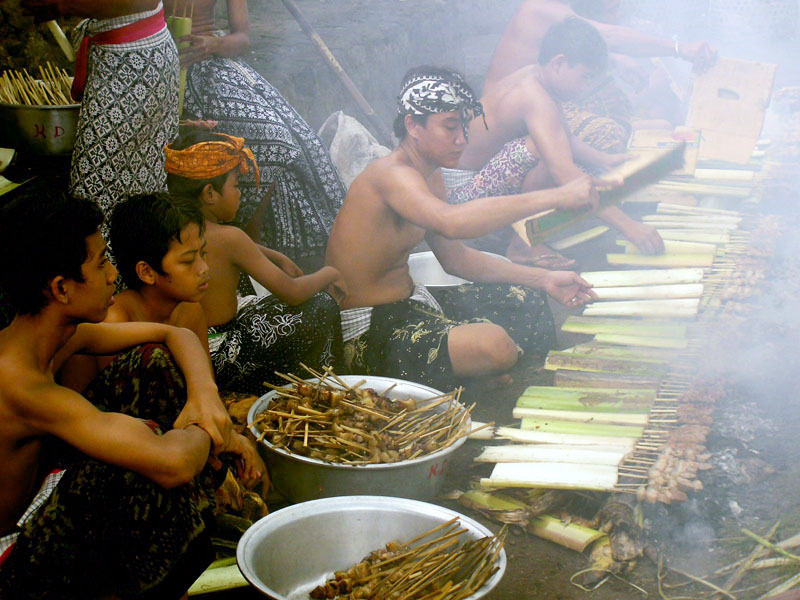
Until the development of agriculture, Homo sapiens employed a hunter-gatherer method as their sole means of food collection. This involved combining stationary food sources (such as fruits, grains, tubers, and mushrooms, insect larvae and aquatic mollusks) with wild game, which must be hunted and captured in order to be consumed. It has been proposed that humans have used fire to prepare and cook food since the time of Homo erectus. Human domestication of wild plants began about 11,700 years ago, leading to the development of agriculture, a gradual process called the Neolithic Revolution. These dietary changes may also have altered human biology; the spread of dairy farming provided a new and rich source of food, leading to the evolution of the ability to digest lactose in some adults. The types of food consumed, and how they are prepared, have varied widely by time, location, and culture.
In general, humans can survive for up to eight weeks without food, depending on stored body fat. Survival without water is usually limited to three or four days, with a maximum of one week. In 2020, it was estimated 9 million humans die every year from causes directly or indirectly related to starvation. Childhood malnutrition is also common and contributes to the global burden of disease. However, global food distribution is not even, and obesity among some human populations has increased rapidly, leading to health complications and increased mortality in some developed and a few developing countries. Worldwide, over one billion people are obese, while in the United States 35% of people are obese, leading to this being described as an "obesity epidemic." Obesity is caused by consuming more calories than are expended, so excessive weight gain is usually caused by an energy-dense diet.
Food consumption is the first step of the digestive process, in which humans ultimately expel feces ranging in frequency from multiple times per day to multiple times per week.
Biological variation
Main article: Human genetic variation

There is evidence that populations have adapted genetically to various external factors. The genes that allow adult humans to digest lactose are present in high frequencies in populations that have long histories of cattle domestication and are more dependent on cow milk. Sickle cell anemia, which may provide increased resistance to malaria, is frequent in populations where malaria is endemic. Populations that have for a very long time inhabited specific climates tend to have developed specific phenotypes that are beneficial for those environmentsshort stature and stocky build in cold regions, tall and lanky in hot regions, and with high lung capacities or other adaptations at high altitudes. Some populations have evolved highly unique adaptations to very specific environmental conditions, such as those advantageous to ocean-dwelling lifestyles and freediving in the Bajau.
Human hair ranges in color from red to blond to brown to black, which is the most frequent. Hair color depends on the amount of melanin, with concentrations fading with increased age, leading to grey or even white hair. Skin color can range from darkest brown to lightest peach, or even nearly white or colorless in cases of albinism. It tends to vary clinally and generally correlates with the level of ultraviolet radiation in a particular geographic area, with darker skin mostly around the equator. Skin darkening may have evolved as protection against ultraviolet solar radiation. Light skin pigmentation protects against depletion of vitamin D, which requires sunlight to make. Human skin also has a capacity to darken (tan) in response to exposure to ultraviolet radiation.
There is relatively little variation between human geographical populations, and most of the variation that occurs is at the individual level. Much of human variation is continuous, often with no clear points of demarcation. Genetic data shows that no matter how population groups are defined, two people from the same population group are almost as different from each other as two people from any two different population groups. Dark-skinned populations that are found in Africa, Australia, and South Asia are not closely related to each other.
Genetic research has demonstrated that human populations native to the African continent are the most genetically diverse and genetic diversity decreases with migratory distance from Africa, possibly the result of bottlenecks during human migration. These non-African populations acquired new genetic inputs from local admixture with archaic populations and have much greater variation from Neanderthals and Denisovans than is found in Africa, though Neanderthal admixture into African populations may be underestimated. Furthermore, recent studies have found that populations in sub-Saharan Africa, and particularly West Africa, have ancestral genetic variation which predates modern humans and has been lost in most non-African populations. Some of this ancestry is thought to originate from admixture with an unknown archaic hominin that diverged before the split of Neanderthals and modern humans.
Humans are a gonochoric species, meaning they are divided into male and female sexes. The greatest degree of genetic variation exists between males and females. While the nucleotide genetic variation of individuals of the same sex across global populations is no greater than 0.1%–0.5%, the genetic difference between males and females is between 1% and 2%. Males on average are 15% heavier and 15 cm taller than females. On average, men have about 40–50% more upper-body strength and 20–30% more lower-body strength than women at the same weight, due to higher amounts of muscle and larger muscle fibers. Women generally have a higher body fat percentage than men. Women have lighter skin than men of the same population; this has been explained by a higher need for vitamin D in females during pregnancy and lactation. As there are chromosomal differences between females and males, some X and Y chromosome-related conditions and disorders only affect either men or women. After allowing for body weight and volume, the male voice is usually an octave deeper than the female voice. Women have a longer life span in almost every population around the world. There are intersex conditions in the human population, however these are rare.
Psychology
Main article: Psychology
The human brain is the locus of "higher" order functioning such as thought, reasoning, and abstraction. These cognitive processes constitute the mind, and, along with their behavioral consequences, are studied in the field of psychology. Humans have a larger and more developed prefrontal cortex than other primates, the region of the brain associated with higher cognition. This has led humans to proclaim themselves to be more intelligent than any other known species. Objectively defining intelligence is difficult, with other animals adapting senses and excelling in areas that humans are unable to.
There are some traits that, although not strictly unique, do set humans apart from other animals. Humans may be the only animals who have episodic memory and who can engage in "mental time travel". Even compared with other social animals, humans have an unusually high degree of flexibility in their facial expressions. Humans are the only animals known to cry emotional tears. Humans are one of the few animals able to self-recognize in mirror tests and there is also debate over to what extent humans are the only animals with a theory of mind.
Sleep and dreaming
Main article: Sleep, Dream
Humans are generally diurnal. The average sleep requirement is between seven and nine hours per day for an adult and nine to ten hours per day for a child; elderly people usually sleep for six to seven hours. Having less sleep than this is common among humans, even though sleep deprivation can have negative health effects. A sustained restriction of adult sleep to four hours per day has been shown to correlate with changes in physiology and mental state, including reduced memory, fatigue, aggression, and bodily discomfort.
During sleep humans dream, where they experience sensory images and sounds. Dreaming is stimulated by the pons and mostly occurs during the REM phase of sleep. The length of a dream can vary, from a few seconds up to 30 minutes. Humans have three to five dreams per night, and some may have up to seven. Dreamers are more likely to remember the dream if awakened during the REM phase. The events in dreams are generally outside the control of the dreamer, with the exception of lucid dreaming, where the dreamer is self-aware. Dreams can at times make a creative thought occur or give a sense of inspiration.
Consciousness and thought
Main article: Consciousness, Cognition
Human consciousness, at its simplest, is sentience or awareness of internal or external existence. Despite centuries of analyses, definitions, explanations and debates by philosophers and scientists, the underlying nature of consciousness remains enigmatic and poorly understood, being "at once the most familiar and most mysterious aspect of our lives". The only widely agreed notion about the topic is the intuition that it exists. Opinions differ about what exactly needs to be studied and explained as consciousness. Some philosophers divide consciousness into phenomenal consciousness, which is sensory experience itself, and access consciousness, which can be used for reasoning or directly controlling actions. It is sometimes synonymous with 'the mind', and at other times, an aspect of it. Historically it is associated with introspection, private thought, imagination and volition. It now often includes some kind of experience, cognition, feeling or perception. It may be 'awareness', or 'awareness of awareness', or self-awareness. There might be different levels or orders of consciousness, or different kinds of consciousness, or just one kind with different features.
The process of acquiring knowledge and understanding through thought, experience, and the senses is known as cognition. The human brain perceives the external world through the senses, and each individual human is influenced greatly by his or her experiences, leading to subjective views of existence and the passage of time. The nature of thought is central to psychology and related fields. Cognitive psychology studies cognition, the mental processes underlying behavior. Largely focusing on the development of the human mind through the life span, developmental psychology seeks to understand how people come to perceive, understand, and act within the world and how these processes change as they age. This may focus on intellectual, cognitive, neural, social, or moral development. Psychologists have developed intelligence tests and the concept of intelligence quotient in order to assess the relative intelligence of human beings and study its distribution among population.
Motivation and emotion
Main article: Motivation, Emotion
Human motivation is not yet wholly understood. From a psychological perspective, Maslow's hierarchy of needs is a well-established theory that can be defined as the process of satisfying certain needs in ascending order of complexity. From a more general, philosophical perspective, human motivation can be defined as a commitment to, or withdrawal from, various goals requiring the application of human ability. Furthermore, incentive and preference are both factors, as are any perceived links between incentives and preferences. Volition may also be involved, in which case willpower is also a factor. Ideally, both motivation and volition ensure the selection, striving for, and realization of goals in an optimal manner, a function beginning in childhood and continuing throughout a lifetime in a process known as socialization.
Emotions are biological states associated with the nervous system brought on by neurophysiological changes variously associated with thoughts, feelings, behavioral responses, and a degree of pleasure or displeasure. They are often intertwined with mood, temperament, personality, disposition, creativity, and motivation. Emotion has a significant influence on human behavior and their ability to learn. Acting on extreme or uncontrolled emotions can lead to social disorder and crime, with studies showing criminals may have a lower emotional intelligence than normal.
Emotional experiences perceived as pleasant, such as joy, interest or contentment, contrast with those perceived as unpleasant, like anxiety, sadness, anger, and despair. Happiness, or the state of being happy, is a human emotional condition. The definition of happiness is a common philosophical topic. Some define it as experiencing the feeling of positive emotional affects, while avoiding the negative ones. Others see it as an appraisal of life satisfaction or quality of life. Recent research suggests that being happy might involve experiencing some negative emotions when humans feel they are warranted.
Sexuality and love
Main article: Human sexuality, Love
For humans, sexuality involves biological, erotic, physical, emotional, social, or spiritual feelings and behaviors. Because it is a broad term, which has varied with historical contexts over time, it lacks a precise definition. The biological and physical aspects of sexuality largely concern the human reproductive functions, including the human sexual response cycle. Sexuality also affects and is affected by cultural, political, legal, philosophical, moral, ethical, and religious aspects of life. Sexual desire, or libido, is a basic mental state present at the beginning of sexual behavior. Studies show that men desire sex more than women and masturbate more often.
Humans can fall anywhere along a continuous scale of sexual orientation, although most humans are heterosexual. as cultures that are very tolerant of homosexuality do not have significantly higher rates of it. Research in neuroscience and genetics suggests that other aspects of human sexuality are biologically influenced as well.
Love most commonly refers to a feeling of strong attraction or emotional attachment. It can be impersonal (the love of an object, ideal, or strong political or spiritual connection) or interpersonal (love between humans). When in love dopamine, norepinephrine, serotonin and other chemicals stimulate the brain's pleasure center, leading to side effects such as increased heart rate, loss of appetite and sleep, and an intense feeling of excitement.
Culture
Main article: Culture, Cultural universal
Humanity's unprecedented set of intellectual skills were a key factor in the species' eventual technological advancement and concomitant domination of the biosphere. Disregarding extinct hominids, humans are the only animals known to teach generalizable information, innately deploy recursive embedding to generate and communicate complex concepts, engage in the "folk physics" required for competent tool design, or cook food in the wild. Teaching and learning preserves the cultural and ethnographic identity of human societies. Other traits and behaviors that are mostly unique to humans include starting fires, phoneme structuring and vocal learning.
Language
Main article: Language
While many species communicate, language is unique to humans, a defining feature of humanity, and a cultural universal. Unlike the limited systems of other animals, human language is openan infinite number of meanings can be produced by combining a limited number of symbols. Human language also has the capacity of displacement, using words to represent things and happenings that are not presently or locally occurring but reside in the shared imagination of interlocutors.
Language differs from other forms of communication in that it is modality independent; the same meanings can be conveyed through different media, audibly in speech, visually by sign language or writing, and through tactile media such as braille. Language is central to the communication between humans, and to the sense of identity that unites nations, cultures and ethnic groups. There are approximately six thousand different languages currently in use, including sign languages, and many thousands more that are extinct.
The arts
Human arts can take many forms including visual, literary, and performing. Visual art can range from paintings and sculptures to film, fashion design, and architecture. Literary arts can include prose, poetry, and dramas. The performing arts generally involve theatre, music, and dance. Humans often combine the different forms (for example, music videos). Other entities that have been described as having artistic qualities include food preparation, video games, and medicine. As well as providing entertainment and transferring knowledge, the arts are also used for political purposes. [[File:British Museum Flood Tablet.jpg|thumb|upright|The [[deluge (mythology)|Deluge]] tablet of [[Epic of Gilgamesh|the Gilgamesh epic]] in [[Akkadian language|Akkadian]]]]
Art is a defining characteristic of humans and there is evidence for a relationship between creativity and language. The earliest evidence of art was shell engravings made by Homo erectus 300,000 years before modern humans evolved. Art attributed to H. sapiens existed at least 75,000 years ago, with jewellery and drawings found in caves in South Africa. There are various hypotheses as to why humans have adapted to the arts. These include allowing them to better problem solve issues, providing a means to control or influence other humans, encouraging cooperation and contribution within a society or increasing the chance of attracting a potential mate. The use of imagination developed through art, combined with logic may have given early humans an evolutionary advantage.
Evidence of humans engaging in musical activities predates cave art and so far music has been practiced by virtually all known human cultures. There exists a wide variety of music genres and ethnic musics; with humans' musical abilities being related to other abilities, including complex social human behaviours. It has been shown that human brains respond to music by becoming synchronized with the rhythm and beat, a process called entrainment. Dance is also a form of human expression found in all cultures and may have evolved as a way to help early humans communicate. Listening to music and observing dance stimulates the orbitofrontal cortex and other pleasure sensing areas of the brain.
Unlike speaking, reading and writing does not come naturally to humans and must be taught. Still, literature has been present before the invention of words and language, with 30,000-year-old paintings on walls inside some caves portraying a series of dramatic scenes. One of the oldest surviving works of literature is the Epic of Gilgamesh, first engraved on ancient Babylonian tablets about 4,000 years ago. Beyond simply passing down knowledge, the use and sharing of imaginative fiction through stories might have helped develop humans' capabilities for communication and increased the likelihood of securing a mate. Storytelling may also be used as a way to provide the audience with moral lessons and encourage cooperation.
Tools and technologies
Main article: Tool, Technology

Stone tools were used by proto-humans at least 2.5 million years ago. The use and manufacture of tools has been put forward as the ability that defines humans more than anything else and has historically been seen as an important evolutionary step. The technology became much more sophisticated about 1.8 million years ago, with the controlled use of fire beginning around 1 million years ago. The wheel and wheeled vehicles appeared simultaneously in several regions some time in the fourth millennium BC. The development of more complex tools and technologies allowed land to be cultivated and animals to be domesticated, thus proving essential in the development of agriculturewhat is known as the Neolithic Revolution.
China developed paper, the printing press, gunpowder, the compass and other important inventions. The continued improvements in smelting allowed forging of copper, bronze, iron and eventually steel, which is used in railways, skyscrapers and many other products. This coincided with the Industrial Revolution, where the invention of automated machines brought major changes to humans' lifestyles. Modern technology is observed as progressing exponentially, with major innovations in the 20th century including: electricity, penicillin, semiconductors, internal combustion engines, the Internet, nitrogen fixing fertilizers, airplanes, computers, automobiles, contraceptive pills, nuclear fission, the green revolution, radio, scientific plant breeding, rockets, air conditioning, television and the assembly line.
Religion and spirituality
Main article: Religion, Spirituality
Definitions of religion vary; according to one definition, a religion is a belief system concerning the supernatural, sacred or divine, and practices, values, institutions and rituals associated with such belief. Some religions also have a moral code. The evolution and the history of the first religions have become areas of active scientific investigation. Credible evidence of religious behaviour dates to the Middle Paleolithic era (45–200 thousand years ago). It may have evolved to play a role in helping enforce and encourage cooperation between humans.
Religion manifests in diverse forms. Religion can include a belief in life after death, the origin of life, the nature of the universe (religious cosmology) and its ultimate fate (eschatology), and moral or ethical teachings. Views on transcendence and immanence vary substantially; traditions variously espouse monism, deism, pantheism, and theism (including polytheism and monotheism).
Although measuring religiosity is difficult, a majority of humans profess some variety of religious or spiritual belief. In 2015 the plurality were Christian followed by Muslims, Hindus and Buddhists. As of 2015, about 16%, or slightly under 1.2 billion humans, were irreligious, including those with no religious beliefs or no identity with any religion.
Science and philosophy
Main article: Science, Philosophy
An aspect unique to humans is their ability to transmit knowledge from one generation to the next and to continually build on this information to develop tools, scientific laws and other advances to pass on further. This accumulated knowledge can be tested to answer questions or make predictions about how the universe functions and has been very successful in advancing human ascendancy.
Aristotle has been described as the first scientist, and preceded the rise of scientific thought through the Hellenistic period. Other early advances in science came from the Han dynasty in China and during the Islamic Golden Age. The scientific revolution, near the end of the Renaissance, led to the emergence of modern science.
A chain of events and influences led to the development of the scientific method, a process of observation and experimentation that is used to differentiate science from pseudoscience. An understanding of mathematics is unique to humans, although other species of animals have some numerical cognition. All of science can be divided into three major branches, the formal sciences (e.g., logic and mathematics), which are concerned with formal systems, the applied sciences (e.g., engineering, medicine), which are focused on practical applications, and the empirical sciences, which are based on empirical observation and are in turn divided into natural sciences (e.g., physics, chemistry, biology) and social sciences (e.g., psychology, economics, sociology).
Philosophy is a field of study where humans seek to understand fundamental truths about themselves and the world in which they live. Philosophical inquiry has been a major feature in the development of humans' intellectual history. It has been described as the "no man's land" between definitive scientific knowledge and dogmatic religious teachings. Major fields of philosophy include metaphysics, epistemology, logic, and axiology (which includes ethics and aesthetics).
Society
Main article: Society
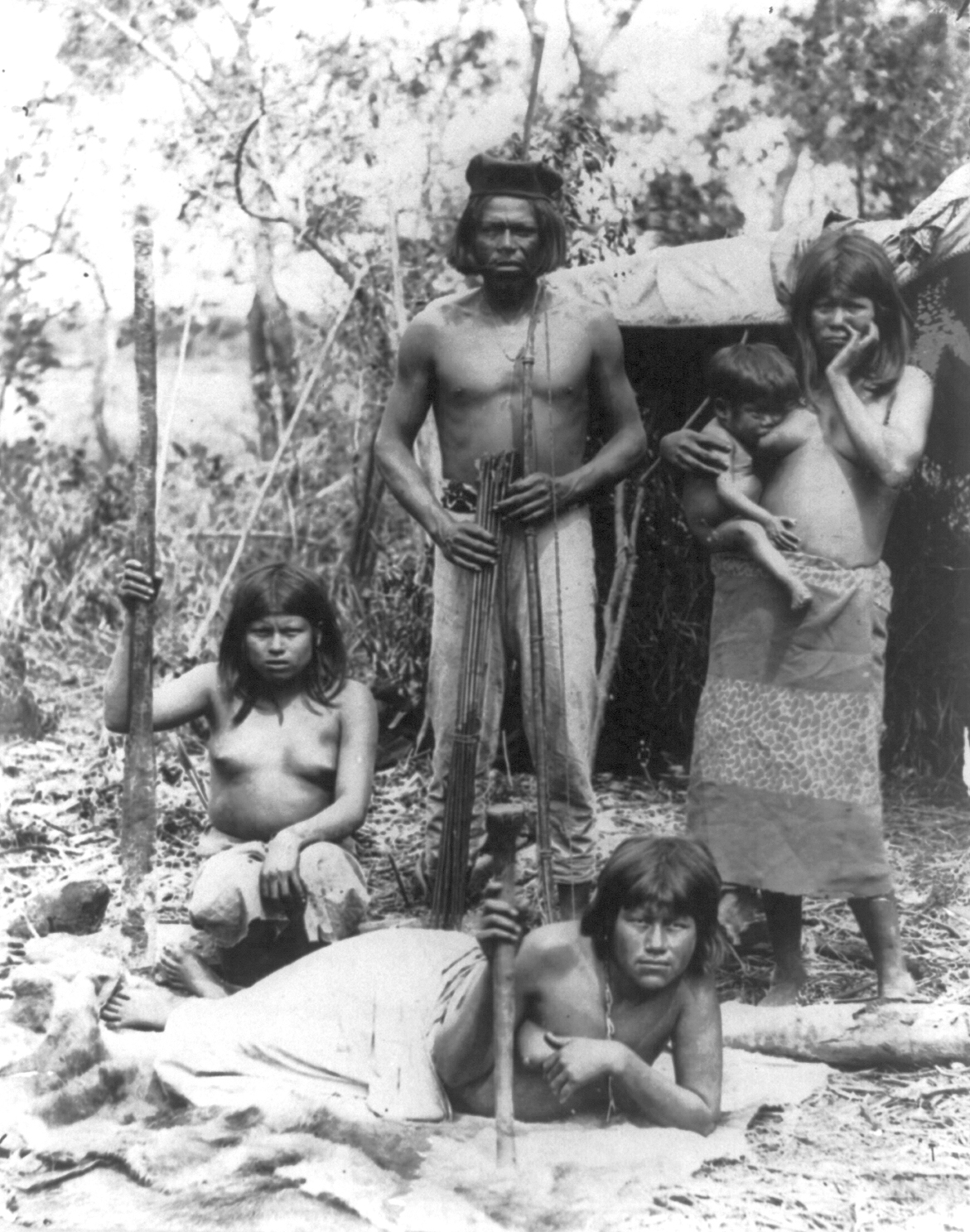
Society is the system of organizations and institutions arising from interaction between humans. Humans are highly social and tend to live in large complex social groups. They can be divided into different groups according to their income, wealth, power, reputation and other factors. The structure of social stratification and the degree of social mobility differs, especially between modern and traditional societies. Human groups range from the size of families to nations. The first form of human social organization is thought to have resembled hunter-gatherer band societies.
Gender
Main article: Gender
Human societies typically exhibit gender identities and gender roles that distinguish between masculine and feminine characteristics and prescribe the range of acceptable behaviours and attitudes for their members based on their sex. The most common categorisation is a gender binary of men and women. Some societies recognize a third gender, or less commonly a fourth or fifth. In some other societies, non-binary is used as an umbrella term for a range of gender identities that are not solely male or female.
Gender roles are often associated with a division of norms, practices, dress, behavior, rights, duties, privileges, status, and power, with men enjoying more rights and privileges than women in most societies, both today and in the past. As a social construct, gender roles are not fixed and vary historically within a society. Challenges to predominant gender norms have recurred in many societies. Little is known about gender roles in the earliest human societies. Early modern humans probably had a range of gender roles similar to that of modern cultures from at least the Upper Paleolithic, while the Neanderthals were less sexually dimorphic and there is evidence that the behavioural difference between males and females was minimal.
Kinship
Main article: Kinship
All human societies organize, recognize and classify types of social relationships based on relations between parents, children and other descendants (consanguinity), and relations through marriage (affinity). There is also a third type applied to godparents or adoptive children (fictive). These culturally defined relationships are referred to as kinship. In many societies, it is one of the most important social organizing principles and plays a role in transmitting status and inheritance. All societies have rules of incest taboo, according to which marriage between certain kinds of kin relations is prohibited, and some also have rules of preferential marriage with certain kin relations.
Pair bonding is a ubiquitous feature of human sexual relationships, whether it is manifested as serial monogamy, polygyny, or polyandry. Genetic evidence indicates that humans were predominantly polygynous for most of their existence as a species, but that this began to shift during the Neolithic, when monogamy started becoming widespread concomitantly with the transition from nomadic to sedentary societies. Anatomical evidence in the form of second-to-fourth digit ratios, a biomarker for prenatal androgen effects, likewise indicates modern humans were polygynous during the Pleistocene.
Ethnicity
Main article: Ethnic group
Human ethnic groups are a social category that identifies together as a group based on shared attributes that distinguish them from other groups. These can be a common set of traditions, ancestry, language, history, society, culture, nation, religion, or social treatment within their residing area. Ethnicity is separate from the concept of race, which is based on physical characteristics, although both are socially constructed. Assigning ethnicity to a certain population is complicated, as even within common ethnic designations there can be a diverse range of subgroups, and the makeup of these ethnic groups can change over time at both the collective and individual level. Also, there is no generally accepted definition of what constitutes an ethnic group. Ethnic groupings can play a powerful role in the social identity and solidarity of ethnopolitical units. This has been closely tied to the rise of the nation state as the predominant form of political organization in the 19th and 20th centuries.
Government and politics
Main article: Government, Politics, ,
As farming populations gathered in larger and denser communities, interactions between these different groups increased. This led to the development of governance within and between the communities. Humans have evolved the ability to change affiliation with various social groups relatively easily, including previously strong political alliances, if doing so is seen as providing personal advantages. This cognitive flexibility allows individual humans to change their political ideologies, with those with higher flexibility less likely to support authoritarian and nationalistic stances.
Governments create laws and policies that affect the citizens that they govern. There have been many forms of government throughout human history, each having various means of obtaining power and the ability to exert diverse controls on the population. Approximately 47% of humans live in some form of a democracy, 17% in a hybrid regime, and 37% in an authoritarian regime. Many countries belong to international organizations and alliances; the largest of these is the United Nations, with 193 member states.
Trade and economics
Main article: Trade, Economics
Trade, the voluntary exchange of goods and services, is seen as a characteristic that differentiates humans from other animals and has been cited as a practice that gave Homo sapiens a major advantage over other hominids. Evidence suggests early H. sapiens made use of long-distance trade routes to exchange goods and ideas, leading to cultural explosions and providing additional food sources when hunting was sparse, while such trade networks did not exist for the now extinct Neanderthals. Early trade likely involved materials for creating tools like obsidian. The first truly international trade routes were around the spice trade through the Roman and medieval periods.
Early human economies were more likely to be based around gift giving instead of a bartering system. Early money consisted of commodities; the oldest being in the form of cattle and the most widely used being cowrie shells. Money has since evolved into governmental issued coins, paper and electronic money. Human study of economics is a social science that looks at how societies distribute scarce resources among different people. There are massive inequalities in the division of wealth among humans; the eight richest humans are worth the same monetary value as the poorest half of all the human population.
Conflict
Main article: Conflict (process)
Humans commit violence on other humans at a rate comparable to other primates, but have an increased preference for killing adults, infanticide being more common among other primates. Phylogenetic analysis predicts that 2% of early H. sapiens would be murdered, rising to 12% during the medieval period, before dropping to below 2% in modern times. There is great variation in violence between human populations, with rates of homicide about 0.01% in societies that have legal systems and strong cultural attitudes against violence.
The willingness of humans to kill other members of their species en masse through organized conflict (i.e., war) has long been the subject of debate. One school of thought holds that war evolved as a means to eliminate competitors, and has always been an innate human characteristic. Another suggests that war is a relatively recent phenomenon and has appeared due to changing social conditions. While not settled, current evidence indicates that interpersonal violence has been a ubiquitous part of human history since the beginnings of the species' existence, with the bioarchaeological record showing significant incidence of violent trauma believed to be a result of war in hunter-gatherer populations long before the emergence of agriculture and settled societies. War has had a high cost on human life; it is estimated that during the 20th century, between 167 million and 188 million people died as a result of war. War casualty data is less reliable for pre-medieval times, especially global figures. But compared with any period over the past 600 years, the last years (post 1946) has seen a very significant drop in global military and civilian death rates due to armed conflict.
Notes
References
References
- "precise".
- "Development of Intelligence".
- Luders, Eileen. (2009-03-01). "Neuroanatomical Correlates of Intelligence". Intelligence.
- Gregory, Michael D.. (2016-05-23). "Regional Variations in Brain Gyrification Are Associated with General Cognitive Ability in Humans". Current biology: CB.
- (March 2014). "Humans are apex predators". [[Proceedings of the National Academy of Sciences of the United States of America]].
- (5 May 2019). "Landmark analysis documents the alarming global decline of nature". [[American Association for the Advancement of Science.
- (July 2006). "Human impacts on the rates of recent, present, and future bird extinctions". Proceedings of the National Academy of Sciences of the United States of America.
- (29 January 1999). "Know Thyself: Responsible Science and the Lectotype of Homo sapiens Linnaeus, 1758". Proceedings of the Academy of Natural Sciences.
- Porkorny. (1959). "[[IEW]]".
- (23 September 2008). "Homo". Random House.
- Barras, Colin. (11 January 2016). "We don't know which species should be classed as 'human'".
- (1999). "Know Thyself: Responsible Science and the Lectotype of Homo sapiens Linnaeus, 1758". [[Proceedings of the Academy of Natural Sciences of Philadelphia]].
- "[[OED]]".
- "Man".
- "Thesaurus results for human".
- (19 September 2021). "Misconceptions about evolution – Understanding Evolution".
- "Concept of Personhood".
- (2018). "The International Encyclopedia of Biological Anthropology".
- (March 1990). "Primate evolution at the DNA level and a classification of hominoids". [[Journal of Molecular Evolution]].
- (March 1997). "Molecular phylogeny of the hominoids: inferences from multiple independent DNA sequence data sets". [[Molecular Biology and Evolution]].
- "Human Chromosome 2 is a fusion of two ancestral chromosomes". Evolution pages.
- McNulty, Kieran P.. (2016). "Hominin Taxonomy and Phylogeny: What's In A Name?".
- (September 2010). "The Evolutionary History of the Australopiths". Evolution: Education and Outreach.
- (September 2010). "Origin of the Genus Homo". Evolution: Education and Outreach.
- (July 2016). "From Australopithecus to Homo: the transition that wasn't". [[Philosophical Transactions of the Royal Society of London. Series B, Biological Sciences]].
- (March 2015). "Paleoanthropology. Early Homo at 2.8 Ma from Ledi-Geraru, Afar, Ethiopia". [[Science (journal).
- Wood, Bernard. (28 June 2011). "Did early Homo migrate "out of" or "in to" Africa?". Proceedings of the National Academy of Sciences.
- (June 2021). "Divergence-time estimates for hominins provide insight into encephalization and body mass trends in human evolution". [[Nature Ecology & Evolution]].
- (July 2018). "Hominin occupation of the Chinese Loess Plateau since about 2.1 million years ago". [[Nature (journal).
- (June 2017). "New fossils from Jebel Irhoud, Morocco and the pan-African origin of Homo sapiens". [[Nature (journal).
- . (13 May 2005). "Out of Africa Revisited". *[[Science (journal)*.
- (June 2003). "Human evolution: Out of Ethiopia". [[Nature (journal).
- (May 2001). "Origins of Modern Humans: Multiregional or Out of Africa?". [[American Institute of Biological Sciences]].
- (2007). "Early human use of marine resources and pigment in South Africa during the Middle Pleistocene". [[Nature (journal).
- (2018). "Long-distance stone transport and pigment use in the earliest Middle Stone Age". [[Science (journal).
- (June 2024). "Did climate change make Homo sapiens innovative, and if yes, how? Debated perspectives on the African Pleistocene record". Quaternary Science Advances.
- (March 2016). "Pleistocene Mitochondrial Genomes Suggest a Single Major Dispersal of Non-Africans and a Late Glacial Population Turnover in Europe". [[Current Biology]].
- (April 2015). "A recent bottleneck of Y chromosome diversity coincides with a global change in culture". [[Genome Research]].
- (January 2011). "The southern route "out of Africa": evidence for an early expansion of modern humans into Arabia". [[Science (journal).
- (27 January 2011). "Humans 'left Africa much earlier'". [[BBC News]].
- (July 2017). "Human occupation of northern Australia by 65,000 years ago". [[Nature (journal).
- (2008). "Polynesian settlement of New Zealand and the impacts of volcanism on early Maori society: an update". [[University of Waikato]].
- (May 2012). "Human migrations: Eastern odyssey". [[Nature (journal).
- (May 2013). "Human Hybrids". [[Scientific American]].
- (July 2011). "Mosaic humans, the hybrid species". [[New Scientist]].
- (October 2015). "The Hybrid Origin of 'Modern' Humans". [[Evolutionary Biology (journal).
- (December 2010). "Genetic history of an archaic hominin group from Denisova Cave in Siberia". [[Nature (journal).
- (May 2010). "Neanderthal genomics and the evolution of modern humans". [[Genome Research]].
- (October 2011). "The shaping of modern human immune systems by multiregional admixture with archaic humans". [[Science (journal).
- (30 July 2013). "Brief communication: Hair density and body mass in mammals and the evolution of human hairlessness". American Journal of Physical Anthropology.
- (2003). "How Humans Evolved". [[W. W. Norton & Company.
- (2015). "Basics in Human Evolution".
- Scarre, Chris. (2018). "The Human Past: World Prehistory and the Development of Human Societies". [[Thames & Hudson]].
- (2013). "Origins and Spread of Domestic Animals in Southwest Asia and Europe". Left Coast.
- (January 2018). "Animals and Human Society". Elsevier.
- (7 June 2017). "Prehistoric evolution of the dualistic structure mixed rice and millet farming in China". The Holocene.
- (May 2009). "Earliest domestication of common millet (Panicum miliaceum) in East Asia extended to 10,000 years ago". Proceedings of the National Academy of Sciences of the United States of America.
- (July 2003). "Origins of agriculture at Kuk Swamp in the highlands of New Guinea". Science.
- (May 2019). "Yam genomics supports West Africa as a major cradle of crop domestication". Science Advances.
- (October 2017). "Evidence for Sorghum Domestication in Fourth Millennium BC Eastern Sudan: Spikelet Morphology from Ceramic Impressions of the Butana Group". Current Anthropology.
- (February 2011). "4500-Year old domesticated pearl millet (Pennisetum glaucum) from the Tilemsi Valley, Mali: new insights into an alternative cereal domestication pathway". Journal of Archaeological Science.
- (2013). "Cengage Advantage Books: Western Civilization: Beyond Boundaries". Cengage.
- (2014). "Western Civilization: Volume A: To 1500". Cengage.
- (2002). "Greek Ways: How the Greeks Created Western Civilization". Encounter.
- Garfinkle, Steven J.. (2013). "The Oxford Handbook of the State in the Ancient Near East and Mediterranean". Oxford Academic.
- (28 February 2020). "A Companion to Ancient Near Eastern Languages". Wiley.
- (October 2015). "Ancient civilization: Cracking the Indus script". Nature.
- (2013). "The Sumerian World". Routledge.
- (2018). "Prehistoric innovations: Wheels and wheeled vehicles". Acta Archaeologica Academiae Scientiarum Hungaricae.
- (1985). "The Invention of the Plow". Comparative Studies in Society and History.
- (2012). "A Companion to the Archaeology of the Ancient Near East".
- "Sacred City of Caral-Supe".
- (1993). "Early physics and astronomy: A historical introduction.". Cambridge University Press.
- (2008). "Mathematics in ancient Iraq: A social history.". Princeton University Press.
- (2003). "Building the Great Pyramid: Probable Construction Methods Employed at Giza". Technology and Culture.
- (August 2018). "New geological age comes under fire". Science.
- (2000). "Babylonians". University of California Press.
- (1 December 2005). "Poverty Point as Structure, Event, Process". Journal of Archaeological Method and Theory.
- (August 2017). "Genetic origins of the Minoans and Mycenaeans". Nature.
- (1999). "The Cambridge History of Ancient China: From the Origins of Civilization to 221 BC". Cambridge University Press.
- (2015). "Drought and societal collapse 3200 years ago in the Eastern Mediterranean: a review". WIREs Climate Change.
- (1 June 2012). "The influence of climatic change on the Late Bronze Age Collapse and the Greek Dark Ages". Journal of Archaeological Science.
- (2011). "European Prehistory". Springer.
- (2018). "History as Wonder: Beginning with Historiography.". Taylor & Francis.
- (2 October 2015). "Why ancient Rome matters to the modern world".
- (11 June 2015). "Stanford scholar debunks long-held beliefs about economic growth in ancient Greece". Stanford University.
- (June 2020). "Monumental architecture at Aguada Fénix and the rise of Maya civilization". Nature.
- (March 2017). "The Role of Solar Observations in Developing the Preclassic Maya Calendar". Latin American Antiquity.
- (2016). "Investigating the eastern edge of the kingdom of Aksum: architecture and pottery from Wakarida". Proceedings of the Seminar for Arabian Studies.
- (1 January 1998). "Administration of the Persian Achaemenid world-state empire: implications for modern public administration". International Journal of Public Administration.
- (1976). "Kālidāsa and the Attitudes of the Golden Age". Journal of the American Oriental Society.
- (2020). "Pillars of Heaven: The Symbolic Function of Column and Bracket Sets in the Han Dynasty". Architectural History.
- (2018). "Climate and the Decline and Fall of the Western Roman Empire: A Bibliometric View on an Interdisciplinary Approach to Answer a Most Classic Historical Question". Climate.
- (2011). "Science and Religion Around the World". Oxford University Press.
- (2016). "The State of Social Progress of Islamic Societies". Springer International Publishing.
- (1987). "The Harper Atlas of World History". Harper & Row Publishers.
- (2012). "The Crusades: The War for the Holy Land". Simon and Schuster.
- (3 November 2014). "Classic and Postclassic Periods - Sam Noble Museum".
- Adam King. (2002). "Mississippian Period: Overview".
- (2013). "The Mongol Conquests in World History". Reaktion Books.
- (2019). "Oxford Research Encyclopedia of African History".
- (1998). "The Tongan Maritime Expansion: A Case in the Evolutionary Ecology of Social Complexity". Asian Perspectives.
- (1984). "Religion and Empire: The Dynamics of Aztec and Inca Expansionism". Cambridge University Press.
- (1994). "Handbook of European History 1400-1600: Late Middle Ages, Renaissance and Reformation".
- (2020). "Oxford Research Encyclopedia of Asian History".
- (December 2010). "CHINA'S LAST EMPIRE: The Great Qing". Pacific Affairs.
- (2016). "Islamic Education at Mughal Kingdom in India (1526-1857)". Al-Ta Lim Journal.
- (2002). "The European Renaissance, 1400–1600". Routledge.
- (2002). "The Age of Discovery, 1400–1600". Routledge.
- (January 2001). "Human colonization of the Americas: timing, technology and process". Quaternary Science Reviews.
- (2020). "The roots of the Columbian Exchange: an entanglement and network approach to early Caribbean encounter transactions". Journal of Island and Coastal Archaeology.
- (1989). "The Impact of the Atlantic Slave Trade on Africa: A Review of the Literature". The Journal of African History.
- (2008). "The Historiography of Genocide". Palgrave Macmillan UK.
- (September 2014). "Can a revolution hide another one? Charles Darwin and the Scientific Revolution". Endeavour.
- "Greatest Engineering Achievements of the 20th Century". National Academy of Engineering.
- "Sister Revolutions: American Revolutions on Two Continents (Teaching with Historic Places) (U.S. National Park Service)".
- (2006). "The worldwide economic impact of the French Revolutionary and Napoleonic Wars, 1793–1815". Journal of Global History.
- (November 1931). "Spain and Its Colonies, 1808–1820". The Hispanic American Historical Review.
- (2011). "British History in depth: Slavery and the 'Scramble for Africa'".
- (2004). "The Australian Frontier Wars, 1788–1838 (review)". The Journal of Military History.
- (2010). "International Financial Centers: The British-Empire, City-States and Commercially Oriented Politics". Theoretical Inquiries in Law.
- (2012). "The sleepwalkers: how Europe went to war in 1914". Allen Lane.
- Robert Dahl. (1989). "Democracy and Its Critics". Yale UP.
- (2008). "From colony to superpower: U.S. foreign relations since 1776". Oxford University Press.
- (1985). "Sputnik, the space race, and the Cold War". Bulletin of the Atomic Scientists.
- (1993). "The Nuclear Arms Race: Prisoner's Dilemma or Perceptual Dilemma?". Journal of Peace Research.
- (April 2017). "Globalization{{snd}}In the Name of Which Freedom?". Humanistic Management Journal.
- (17 May 2016). "World". [[CIA]].
- (2017). "World Population Prospects: The 2017 Revision". United Nations, Department of Economic and Social Affairs, Population Division.
- "The World's Cities in 2018". [[United Nations]].
- (2016). "The Early River Valley Civilizations". Rosen Publishing.
- . ["How People Modify the Environment"](https://www.westerville.k12.oh.us/userfiles/4188/Classes/7526/humanforcesthatchangeenvironment.pdf?id=448117). *[[Westerville City School District]]*.
- (October 2003). "Natural disasters and the urban poor". [[World Bank]].
- (2013). "The state of the world's cities 2012 / prosperity of cities.". Routledge.
- (2003). "The biology of human survival: life and death in extreme environments". Oxford University Press.
- (2024-10-10). "Population of Antarctica Summer vs Winter - Brilliant Maps".
- (1990–1991). "Exploring the Last Frontiers for Mineral Resources: A Comparison of International Law Regarding the Deep Seabed, Outer Space, and Antarctica". [[Vanderbilt Journal of Transnational Law]].
- "Mission to Mars: Mars Science Laboratory Curiosity Rover". Jet Propulsion Laboratory.
- (12 November 2014). "Touchdown! Rosetta's Philae probe lands on comet". European Space Agency.
- "NEAR-Shoemaker". [[NASA]].
- (11 December 2010). "JSC celebrates ten years of continuous human presence aboard the International Space Station". [[Johnson Space Center]].
- (2011). "Origin of clothing lice indicates early clothing use by anatomically modern humans in Africa". Molecular Biology and Evolution.
- "Human Biological Adaptability; Overview". Palomar College.
- "Population distribution and density". BBC.
- (October 2002). "Basic principles and ecological consequences of altered flow regimes for aquatic biodiversity". [[Environmental Management (journal).
- (2009). "Urban world history: an economic and geographical perspective". Presses de l'Université du Québec.
- (1975). "Demographic problems; controversy over population control.". Dickenson Pub. Co.
- (1998). "Population estimates of the Roman Empire". Tulane.edu.
- (February 2004). "The history of the plague and the research on the causative agent Yersinia pestis". International Journal of Hygiene and Environmental Health.
- (5 August 1999). "World's population reaches six billion". BBC News.
- United Nations. "World population to reach 8 billion on 15 November 2022".
- (2022). "Eight billion people, SARS-CoV-2 ancestor and illegal fishing". Nature.
- (27 October 2011). "World Population to Hit Milestone With Birth of 7 Billionth Person".
- (June 2018). "The biomass distribution on Earth". Proceedings of the National Academy of Sciences of the United States of America.
- (16 May 2018). "68% of the world population projected to live in urban areas by 2050, says UN". United Nations Department of Economic and Social Affairs (DESA).
- (October 2000). "Urban, Suburban, and Rural Victimization, 1993–98". [[U.S. Department of Justice]], Bureau of Justice Statistics.
- (1976). "The Human Revolution: From Ape to Artist". Phaidon.
- Weisberger, Mindy. (23 March 2024). "Why don't humans have tails? Scientists find answers in an unlikely place". [[CNN]].
- (2001). "Human Biodiversity: Genes, Race, and History". Transaction Publishers.
- (2008). "The Evolution of the Human Species: A Long Journey for the Respiratory System". Archivos de Bronconeumología ((English Edition)).
- (2017). "How to be Human: The reason we are so scarily hairy". New Scientist.
- (September 2013). "Brief communication: Hair density and body mass in mammals and the evolution of human hairlessness". American Journal of Physical Anthropology.
- (2 February 2001). "The Biology of Skin Color: Black and White". PBS.
- (8 October 2013). "Human Height". Our World in Data.
- "Senior Citizens Do Shrink – Just One of the Body Changes of Aging". Senior Journal.
- (September 2003). "Rapid morphological change in living humans: implications for modern human origins". Comparative Biochemistry and Physiology. Part A, Molecular & Integrative Physiology.
- "Human weight". Articleworld.org.
- (2003). "Mass Of An Adult". The Physics Factbook: An Encyclopedia of Scientific Essays.
- (2007). "Treatment of the Obese Patient (Contemporary Endocrinology)". Humana Press.
- (July 2000). "Obesity in anaesthesia and intensive care". British Journal of Anaesthesia.
- (March 2018). "Born to Throw: The Ecological Causes that Shaped the Evolution of Throwing In Humans". The Quarterly Review of Biology.
- (27 October 2009). "The Human Body Is Built for Distance". The New York Times.
- "What is the role of sweating glands in balancing body temperature when running a marathon?". Livestrong.com.
- (2019). "Selection of endurance capabilities and the trade-off between pressure and volume in the evolution of the human heart". PNAS.
- (2023). "The aorta in humans and African great apes, and cardiac output and metabolic levels in human evolution". Scientific Reports.
- (1980). "Human Chromosomes: Structure, Behavior, Effects". [[Springer Science+Business Media.
- (June 1966). "Monozygotic twins of different sex". Journal of Medical Genetics.
- (January 1996). "Some causes of genotypic and phenotypic discordance in monozygotic twin pairs". American Journal of Medical Genetics.
- (January 2021). "Differences between germline genomes of monozygotic twins". Nature Genetics.
- "Genetic – Understanding Human Genetic Variation". National Institute of Health (NIH).
- (September 2007). "The diploid genome sequence of an individual human". PLOS Biology.
- (October 2005). "The use of racial, ethnic, and ancestral categories in human genetics research". American Journal of Human Genetics.
- "Chimps show much greater genetic diversity than humans". University of Oxford.
- (February 1998). "Genetic traces of ancient demography". Proceedings of the National Academy of Sciences of the United States of America.
- (April 1997). "Microsatellite diversity and the demographic history of modern humans". Proceedings of the National Academy of Sciences of the United States of America.
- (7 March 2007). "Still Evolving, Human Genes Tell New Story". The New York Times.
- (February 2001). "The human genome". Science.
- (February 2021). "From one human genome to a complex tapestry of ancestry". Nature.
- (September 2010). "Integrating common and rare genetic variation in diverse human populations". Nature.
- (2010). "Between a chicken and a grape: estimating the number of human genes". Genome Biology.
- (1987). "Mitochondrial DNA and human evolution". Nature.
- (June 2009). "Correcting for purifying selection: an improved human mitochondrial molecular clock". American Journal of Human Genetics.
- (20 August 2017). "University of Leeds | News > Technology > New 'molecular clock' aids dating of human migration history".
- (August 2013). "Sequencing Y chromosomes resolves discrepancy in time to common ancestor of males versus females". Science.
- (2016). "The Wiley Blackwell Encyclopedia of Family Studies, 4 Volume Set". John Wiley & Sons.
- (October 2013). "Length of human pregnancy and contributors to its natural variation". Human Reproduction.
- (2005). "Introductory Maternity Nursing". Lippincott Williams & Wilkins.
- World Health Organization. (November 2014). "Preterm birth Fact sheet N°363". who.int.
- (February 2018). "The World Health Organization fetal growth charts: concept, findings, interpretation, and application". American Journal of Obstetrics and Gynecology.
- (18 March 2019). "What is the average baby length? Growth chart by month".
- (December 2003). "Update on the prevalence of malnutrition among children in Asia". Nepal Medical College Journal.
- (1992). "The evolution of modern human childbirth". American Journal of Physical Anthropology.
- (January 2020). "Evolution of the human pelvis and obstructed labor: new explanations of an old obstetrical dilemma". American Journal of Obstetrics and Gynecology.
- (22 December 2016). "The real reasons why childbirth is so painful and dangerous". BBC.
- (2 July 2007). "What Kills One Woman Every Minute of Every Day?". [[Newsweek]].
- (July 2000). "Nutrition and maternal mortality in the developing world". The American Journal of Clinical Nutrition.
- (2011). "Sense and Nonsense: Evolutionary Perspectives on Human Behaviour". Oxford University Press.
- (2010). "Human Development: A Lifespan View". [[Cengage Learning]].
- (2016). "Women's Gynecologic Health". [[Jones & Bartlett Learning]].
- (2014). "Encyclopedia of Educational Theory and Philosophy". [[SAGE Publications]].
- (1993). "Encyclopedia of American Social History".
- (November 2014). "Advances in pubertal growth and factors influencing it: Can we increase pubertal growth?". Indian Journal of Endocrinology and Metabolism.
- (September 2008). "Menopause in nonhuman primates?". Biology of Reproduction.
- (1997). "Why is Sex Fun? The Evolution of Human Sexuality". Basic Books.
- (2001). "Menopause: Adaptation or epiphenomenon?". Evolutionary Anthropology.
- (7 December 2010). "Reaching Toward the Fountain of Youth". USC Trojan Family Magazine.
- (2002). "Why Men Die Younger: Causes of Mortality Differences by Sex". Society of Actuaries.
- (2018). "Life expectancy at birth, female (years)".
- (2018). "Life expectancy at birth, male (years)".
- (2019). "Human Development Report". United Nations Development Programme.
- "Human Development Report 2019". [[United Nations Development Programme]].
- "The World Factbook". U.S. Central Intelligence Agency.
- (2012). "Chapter 1: Setting the Scene". UNFPA.
- (20 May 2020). "A journey into the landscape of past feeding habits: Mapping geographic variations in the isotope (δ15N) -inferred trophic position of prehistoric human populations". [[Quaternary International]].
- (1989). "Phylogenesis and nutrition". Die Nahrung.
- (2007). "Evolution of the human diet: the known, the unknown and the unknowable".
- (June 2003). "Position of the American Dietetic Association and Dietitians of Canada: Vegetarian diets". Journal of the American Dietetic Association.
- (2017). "Current views on hunter-gatherer nutrition and the evolution of the human diet". American Journal of Physical Anthropology.
- (February 2005). "Origins and evolution of the Western diet: health implications for the 21st century". The American Journal of Clinical Nutrition.
- (November 2002). "Human eating behaviour in an evolutionary ecological context". The Proceedings of the Nutrition Society.
- John Carey. (2023). "Unearthing the origins of agriculture". [[Proceedings of the National Academy of Sciences]].
- (2023). "Can models of evolutionary transition clarify the debates over the Neolithic Revolution?". [[Philosophical Transactions of the Royal Society B]].
- (September 2009). "The gourmet ape: evolution and human food preferences". The American Journal of Clinical Nutrition.
- (October 1997). "Phylogenetic analysis of the evolution of lactose digestion in adults". Human Biology.
- "The Evolution of Diet".
- (20 August 2017). "Diet Compositions". Our World in Data.
- (2004). "How Long Can a Person Survive without Food?".
- (9 March 2018). "Here's how many days a person can survive without water".
- "Losing 25,000 to Hunger Every Day".
- (2020). "U.N. Warns Number Of People Starving To Death Could Double Amid Pandemic".
- (May 1997). "Global mortality, disability, and the contribution of risk factors: Global Burden of Disease Study". Lancet.
- (October 2005). "Obesity". Lancet.
- (September 2009). "The obesity epidemic". Clinics in Chest Medicine.
- "The Basics of Constipation". WebMD.
- (March 2004). "Observations on the history of Dutch physical stature from the late-Middle Ages to the present". Economics and Human Biology.
- "Adapting to Climate Extremes". Palomar College.
- (September 2017). "Gene-environment interaction study for BMI reveals interactions between genetic factors and physical activity, alcohol consumption and socioeconomic status". PLOS Genetics.
- (December 2003). "Gene-culture coevolution between cattle milk protein genes and human lactase genes". Nature Genetics.
- (October 2011). "Population genetics of malaria resistance in humans". Heredity.
- (May 2008). "Genetic variation and susceptibility to infection: the red cell and malaria". British Journal of Haematology.
- (5 April 2017). "Bergmann's and Allen's Rules in Native European and Mediterranean Phasmatodea". Frontiers in Ecology and Evolution.
- (April 2018). "Physiological and Genetic Adaptations to Diving in Sea Nomads". Cell.
- (2004). "Genetic variation at the MC1R locus and the time since loss of human body hair". Current Anthropology.
- (2011). "Fatal Invention". The New Press.
- (2004). "The evolution of human skin and skin color". Annual Review of Anthropology.
- (May 2010). "Colloquium paper: human skin pigmentation as an adaptation to UV radiation". Proceedings of the National Academy of Sciences of the United States of America.
- (July 2000). "The evolution of human skin coloration". Journal of Human Evolution.
- (April 2000). "Evidence for variable selective pressures at MC1R". American Journal of Human Genetics.
- (1991). "Biological Perspectives on Human Pigmentation". Cambridge University Press.
- "The Science Behind the Human Genome Project". US Department of Energy.
- "Ethnicity and Race: Overview". Palomar College.
- (November 2004). "Conceptualizing human variation". Nature Genetics.
- "Models of Classification". Palomar College.
- (2004). "The evolution of human skin and skin color". Annual Review of Anthropology.
- (May 2007). "Genomics, divination, 'racecraft'". American Ethnologist.
- "Genetic – Understanding Human Genetic Variation". National Institute of Health (NIH).
- "Interview with Alan Goodman". PBS.
- (2010). "Human Evolutionary Biology". Cambridge University Press.
- (2004). "The evolution of human skin and skin color". Annual Review of Anthropology.
- "Overview". Palomar College.
- (March 2000). "The distribution of human genetic diversity: a comparison of mitochondrial, autosomal, and Y-chromosome data". American Journal of Human Genetics.
- (19 July 2007). "New Research Proves Single Origin Of Humans In Africa".
- (July 2007). "The effect of ancient population bottlenecks on human phenotypic variation". Nature.
- (March 2020). "Insights into human genetic variation and population history from 929 diverse genomes". Science.
- (February 2020). "Identifying and Interpreting Apparent Neanderthal Ancestry in African Individuals". Cell.
- (March 2020). "Insights into human genetic variation and population history from 929 diverse genomes". Science.
- (February 2020). "Recovering signals of ghost archaic introgression in African populations". Science Advances.
- (2012). "Genetics: A Conceptual Approach". Macmillan.
- (29 July 2010). "Human Evolutionary Biology". Cambridge University Press.
- (10 October 2019). "The Biology of Reproduction". Cambridge University Press.
- (October 2004). "Human size evolution: no evolutionary allometric relationship between male and female stature". Journal of Human Evolution.
- (October 2004). "Mean body weight, height, and body mass index, United States 1960–2002". Advance Data.
- (1993). "Gender differences in strength and muscle fiber characteristics". European Journal of Applied Physiology and Occupational Physiology.
- (2017). "Sex and Gender Factors Affecting Metabolic Homeostasis, Diabetes and Obesity". Springer International Publishing.
- (September 2018). "Male versus female skin: What dermatologists and cosmeticians should know". International Journal of Women's Dermatology.
- "Sex Linked".
- (July 2006). "Dominance and the evolution of sexual dimorphism in human voice pitch.". Evolution and Human Behavior.
- "Gender, women, and health". Reports from WHO 2002–2005.
- (2002). "How common is lntersex? A response to Anne Fausto-Sterling". The Journal of Sex Research.
- (2023-02-07). "Quality of Life and Psychosocial Well-Being among Intersex-Identifying Individuals in Puerto Rico: An Exploratory Study". International Journal of Environmental Research and Public Health.
- "3-D Brain Anatomy". Public Broadcasting Service.
- (22 June 2018). "The human prefrontal cortex is special". Science.
- Levy, Richard. (16 November 2023). "The prefrontal cortex: from monkey to man". Brain.
- (22 September 2014). "Are Humans the Most Intelligent Species?". Journal of Intelligence.
- "Humans not smarter than animals, just different, experts say".
- (9 November 2016). "We've got human intelligence all wrong".
- (26 February 2015). "Many Animals{{snd}}Including Your Dog{{snd}}May Have Horrible Short-Term Memories". National Geographic News.
- (2001). "Human facial expressions as adaptations: Evolutionary questions in facial expression research". American Journal of Physical Anthropology.
- (5 January 2011). "Tears in Her Eyes: A Turnoff for Guys?". ABC News (American).
- (2018). "The 'me' illusion: How your brain conjures up your sense of self". New Scientist.
- Beck, Jacob. (September 7, 2019). "Can We Really Know What Animals Are Thinking?". Snopes.
- (2007-04-29). "On the lack of evidence that non-human animals possess anything remotely resembling a 'theory of mind'". Philosophical Transactions of the Royal Society B: Biological Sciences.
- (August 2010). "Problems associated with short sleep: bridging the gap between laboratory and epidemiological studies". Sleep Medicine Reviews.
- (27 January 2005). "HowStuffWorks "Dreams: Stages of Sleep"". Science.howstuffworks.com.
- (November 2009). "REM sleep and dreaming: towards a theory of protoconsciousness". Nature Reviews. Neuroscience.
- (2002). "Sleep and dreaming". Palgrave/St. Martin's Press.
- (29 July 2010). "How Can You Control Your Dreams?".
- (2002). "The scientific study of dreams". APA Press.
- "Consciousness".
- (2004). "Consciousness". Metaphysics Research Lab, Stanford University.
- (2008). "The Blackwell Companion to Consciousness". Wiley.
- (2005). "The Oxford companion to philosophy". Oxford University Press.
- (June 1995). "On a confusion about a function of consciousness.". Behavioral and Brain Sciences.
- (2000). "The Origin of Consciousness in the Breakdown of the Bicameral Mind". Houghton Mifflin.
- (December 2003). "Five levels of self-awareness as they unfold early in life". Consciousness and Cognition.
- (15 August 2011). "Higher-Order Theories of Consciousness".
- (2001). "Is ''consciousness'' ambiguous?". Journal of Consciousness Studies.
- "Cognition". [[Oxford University Press]] and [[Dictionary.com]].
- (2019). "Information—Consciousness—Reality". Springer International Publishing.
- "American Psychological Association (2013). Glossary of psychological terms". Apa.org.
- "Developmental Psychology Studies Human Development Across the Lifespan".
- (2017). "Deconstructing Developmental Psychology". Routledge.
- (1 January 2004). "Encyclopedia of Applied Psychology".
- (20 March 2020). "Maslow's Hierarchy of Needs". Simply Scholar Limited.
- (28 March 2018). "Motivation and Action". Springer, Cham.
- (May 1998). "Emotion in the perspective of an integrated nervous system". Brain Research. Brain Research Reviews.
- (1994). "The Nature of emotion: fundamental questions". Oxford University Press.
- (2002). "What is emotion?". Behavioural Processes.
- (2011). "Psychology Second Edition". Worth Publishers.
- (April 1999). "Individual differences in emotional creativity: structure and correlates". Journal of Personality.
- (2017). "The Influences of Emotion on Learning and Memory". Frontiers in Psychology.
- (2017). "The Oxford Handbook of Offender Decision Making".
- (2015). "The relation between emotional intelligence and criminal behavior: A study among convicted criminals". Industrial Psychiatry Journal.
- (March 2001). "The role of positive emotions in positive psychology. The broaden-and-build theory of positive emotions". The American Psychologist.
- (August 2013). "The proper pursuit of happiness.". Res Philosophica.
- (13 April 2014). "Happiness and Its Discontents". The New York Times.
- (2014). "Facts of Life: ten issues of contentment". Outskirts Press.
- (14 August 2017). "Secret to happiness may include more unpleasant emotions: Research contradicts idea that people should always seek pleasure to be happy". [[American Psychological Association]].
- (2016). "Exploring the Dimensions of Human Sexuality". [[Jones & Bartlett Publishers]].
- (2009). "Human Sexuality: Biological, Psychological, and Cultural Perspectives". [[Taylor & Francis]].
- (2013). "Sex difference in libido". Human Andrology.
- "Sexual orientation, homosexuality and bisexuality". [[American Psychological Association]].
- (September 2016). "Sexual Orientation, Controversy, and Science". Psychological Science in the Public Interest.
- (2017). "Gay, Straight, and the Reason Why: The Science of Sexual Orientation". Oxford University Press.
- (2012). "The Biology of Homosexuality". Oxford University Press.
- (2003). "The Evolution of Desire: Strategies of Human Mating.". Basic Books.
- (2000). "The art of loving". Harper Perennial.
- (14 February 2017). "Love, Actually: The science behind lust, attraction, and companionship".
- (2020). "What are the top 200 most spoken languages?". [[Ethnologue: Languages of the World]].
- "World". [[Central Intelligence Agency]].
- (5 April 2017). "The Changing Global Religious Landscape". Pew Research Center.
- (2020). "The Precipice: Existential Risk and the Future of Humanity". Hachette Books.
- (2012). "Pay attention... time for lessons at animal school". bbc.com.
- (November 2018). "Infant cognition includes the potentially human-unique ability to encode embedding". Science Advances.
- (July 2003). "What's so special about human tool use?". Neuron.
- (February 2009). "Tool use and physical cognition in birds and mammals". Current Opinion in Neurobiology.
- (3 June 2015). "Chimps Can't Cook, But Maybe They'd Like To". National Geographic News.
- (2 June 2015). "The Role and Importance of the Study of Economic Subjects in the Implementation of the Educational Potential of Education". Procedia - Social and Behavioral Sciences.
- (9 October 2018). "The Book of Humans by Adam Rutherford review – a pithy homage to our species". The Guardian.
- (29 June 2015). "Babblers speak to the origin of language". The Guardian.
- (2015). "Can any animals talk and use language like humans?". bbc.com.
- (18 September 2013). "Why is language unique to humans?". Royal Society.
- (July 2017). "Q&A: What is human language, when did it evolve and why should we care?". BMC Biology.
- (4 December 2010). "Language evolution: How to hear words long silenced". New Scientist.
- (2016). "Language Evolution and Developmental Impairments". Palgrave Macmillan UK.
- (5 June 2015). "Culture {{!}} United Nations For Indigenous Peoples".
- (1996). "The Atlas of Languages: The Origin and Development of Languages Throughout the World". Facts on File.
- (2013). "Visual Art Forms: Traditional to Digital". Sergey's HTML5 & CSS3.
- (2020). "Types of Literary Arts and Their Understanding – bookfestivalscotland.com".
- "Bachelor of Performing Arts".
- (24 October 2018). "Toward a Unification of the Arts". Frontiers in Psychology.
- (21 October 2019). "Culinary arts – How cooking can be an art".
- (1 January 2005). "Are Video Games Art?". Contemporary Aesthetics (Journal Archive).
- (September 2015). "Art of medicine". Canadian Family Physician.
- (7 June 2019). "Rethinking the role of the arts in politics: lessons from the Négritude movement". International Journal of Cultural Policy.
- (February 2010). "The evolution of human artistic creativity". Journal of Anatomy.
- (February 2015). "Homo erectus at Trinil on Java used shells for tool production and engraving". Nature.
- (12 September 2018). "Oldest Known Drawing by Human Hands Discovered in South African Cave". The New York Times.
- (16 April 2004). "World's oldest jewellery found in cave". The Guardian.
- (2008). "World Art Studies: Exploring Concepts and Approaches". Valiz.
- (2014). "A multi-disciplinary approach to the origins of music: perspectives from anthropology, archaeology, cognition and behaviour". Journal of Anthropological Sciences.
- (December 2014). "Getting the beat: entrainment of brain activity by musical rhythm and pleasantness". NeuroImage.
- (March 2015). "Dance and the brain: a review". Annals of the New York Academy of Sciences.
- (22 March 2010). "Why Do Humans Dance?".
- (26 September 2008). "Why do we like to dance{{snd}}And move to the beat?".
- (21 June 2013). "How Reading Makes Us More Human".
- (23 April 2018). "How stories have shaped the world".
- (2000). "Myths from Mesopotamia: Creation, the Flood, Gilgamesh, and Others". Oxford University Press.
- (2001). "Literature and Evolution". SubStance.
- (21 April 2015). "Japan's Maglev Train Breaks World Speed Record with 600 km/h Test Run". The Guardian.
- (June 1994). "African Homo erectus: old radiometric ages and young Oldowan assemblages in the Middle Awash Valley, Ethiopia". Science.
- (11 November 2009). "Human Evolution: The Origin of Tool Use".
- (2014). "The neural basis of human tool use". Frontiers in Psychology.
- (May 2012). "Microstratigraphic evidence of in situ fire in the Acheulean strata of Wonderwerk Cave, Northern Cape province, South Africa". Proceedings of the National Academy of Sciences of the United States of America.
- (June 2016). "The discovery of fire by humans: a long and convoluted process". Philosophical Transactions of the Royal Society of London. Series B, Biological Sciences.
- (2018). "Neolithic Era Tools: Inventing a New Age".
- (2011). "Ancient Chinese inventions". Cambridge University Press.
- (9 July 2018). "The Entire History of Steel".
- (9 January 2020). "Industrial Revolution and Technology".
- (11 May 2013). "Technological Progress". Our World in Data.
- (23 October 2013). "The 50 Greatest Breakthroughs Since the Wheel".
- (1998). "What Is Religion?". CrossCurrents.
- (2003). "The psychology of religion". Annual Review of Psychology.
- (29 March 2016). "Chimpanzees: Spiritual But Not Religious?".
- (2015). "Complex societies evolved without belief in all-powerful deity". Nature.
- (November 2009). "Origins. On the origin of religion". Science.
- (2011). "Beliefs about God, the afterlife and morality support the role of supernatural policing in human cooperation". Evolution and Human Behavior.
- (1 August 2000). "Secular Eschatology: Beliefs about Afterlife". OMEGA – Journal of Death and Dying.
- (March 2015). "Religion and morality". Psychological Bulletin.
- (2023). "God or the Divine?".
- (June 2008). "Measuring religiousness in health research: review and critique". Journal of Religion and Health.
- (27 August 2018). "Religion: why faith is becoming more and more popular". The Guardian.
- (2017). "Christians remain world's largest religious group, but they are declining in Europe".
- (5 April 2017). "The Changing Global Religious Landscape".
- Di Christina, Mariette. (September 2018). "A Very Human Story: Why Our Species Is Special".
- (2020). "Scientific Method". Metaphysics Research Lab, Stanford University.
- (2014). "History of science: The first scientist". Nature.
- (2004). "The forgotten revolution: how science was born in 300 BC and why it had to be reborn". Springer.
- Needham, J. (1954). "Science and civilisation in China". Cambridge University Press.
- (2008). "The scientific revolution and the origins of modern science". Palgrave Macmillan.
- (2017). "Science and Pseudo-Science". Metaphysics Research Lab, Stanford University.
- (2015). "Comparative Cognition". Cambridge University Press.
- "Branches of Science". [[University of Chicago]].
- "What is Philosophy?". Florida State University.
- "Philosophy". Encyclopedia Britannica.
- (1947). "A History of Western Philosophy and its Connection with Political and Social Circumstances from the Earliest Times to the Present Day.". Philosophy and Phenomenological Research.
- (4 May 2018). "Philosophy and information systems: where are we and where should we go?". [[European Journal of Information Systems]].
- "Social Stratification". [[University of Trento]].
- (2012). "The origins of political order: from prehuman times to the French Revolution". Farrar, Straus and Giroux.
- (2012). "The Developmental Social Psychology of Gender".
- Blackstone, Amy. (2003). "Gender Roles and Society". ABC-CLIO.
- Nadal, Kevin L.. (2017). "The SAGE Encyclopedia of Psychology and Gender". SAGE Publications.
- Herdt, Gilbert. (2020). "Third Sex, Third Gender: Beyond Sexual Dimorphism in Culture and History". Princeton University Press.
- Trumbach, Randolph. (1994). "Third Sex, Third Gender: Beyond Sexual Dimorphism in Culture and History". Zone (MIT).
- Graham, Sharyn. (April–June 2001). "Sulawesi's fifth gender".
- (2016). "Non-binary or genderqueer genders". International Review of Psychiatry.
- "The origins of sexism: How men came to rule 12,000 years ago".
- "What do we mean by "sex" and "gender"?". [[World Health Organization]].
- (2009). "Essential Concepts for Healthy Living". [[Jones & Bartlett Publishers]].
- (2005). "Gender Role Attitudes and the Labour Market Outcomes of Women Across OECD Countries". Oxford Review of Economic Policy.
- (2020). "A Companion to Global Gender History".
- "The Nature of Kinship: Overview".
- (February 2020). "Evolution of kinship structures driven by marriage tie and competition". [[Proceedings of the National Academy of Sciences of the United States of America]].
- (17 July 2019). "Are We Monogamous? A Review of the Evolution of Pair-Bonding in Humans and Its Contemporary Variation Cross-Culturally". [[Frontiers in Ecology and Evolution]].
- (2003). "A Recent Shift from Polygyny to Monogamy in Humans is Suggested by the Analysis of Worldwide Y-Chromosome Diversity". Journal of Molecular Evolution.
- (3 November 2010). "Digit ratios predict polygyny in early apes, Ardipithecus, Neanderthals and early modern humans but not in Australopithecus". [[Proceedings of the Royal Society B: Biological Sciences]].
- Chandra, Kanchan. (2012). "Constructivist theories of ethnic politics". Oxford University Press.
- (2010). "Humanity: An Introduction to Cultural Anthropology". Wadsworth Cengage learning.
- (22 February 2019). "Race and ethnicity: How are they different?".
- (2006). "What is Ethnic Identity and Does It Matter?". [[Annual Review of Political Science]].
- (1999). "Myths and Memories of the Nation.". Oxford University Press.
- (2007). "Max Weber on 'ethnic communities': a critique". Nations and Nationalism.
- (2006). "The SAGE Handbook of Nations and Nationalism". Sage.
- (2004). "Maps of Time". University of California Press.
- (20 September 2017). "How Did Humans Get So Good at Politics?".
- (May 2018). "Cognitive underpinnings of nationalistic ideology in the context of Brexit". [[Proceedings of the National Academy of Sciences of the United States of America]].
- (14 February 2011). "What Are the Different Types of Governments?".
- (10 February 2022). "Democracy Index 2021: less than half the world lives in a democracy". [[Economist Intelligence Unit]].
- Jeannie Evers. (23 December 2012). "international organization".
- (1 September 2005). "How trade saved humanity from biological exclusion: an economic theory of Neanderthal extinction". [[Journal of Economic Behavior & Organization]].
- (11 August 2015). "Why did Neanderthals go extinct?".
- University of Wyoming. (24 March 2005). "Did Use of Free Trade Cause Neanderthal Extinction?".
- (15 March 2018). "Humans may have been trading with each for as long as 300,000 years".
- "How spices changed the ancient world".
- (26 February 2016). "The Myth of the Barter Economy".
- (26 October 1996). "The History of Money".
- (July 2000). "Why do we need economists and the study of economics?".
- "The inequality delusion: Why we've got the wealth gap all wrong".
- (28 September 2016). "Humans: Unusually Murderous Mammals, Typically Murderous Primates".
- (October 2016). "The phylogenetic roots of human lethal violence". [[Nature (journal).
- (October 2016). "Animal behaviour: Lethal violence deep in the human lineage". [[Nature (journal).
- (2001). "A Bioarchaeological Perspective on the History of Violence". Annual Review of Anthropology.
- (1 September 2018). "War Is Not Part of Human Nature".
- (September–October 2006). "The Next War of the World".
- (23 June 2015). "600 years of war and peace, in one amazing chart".
- "Climate Change 2001: Working Group I: The Scientific Basis". grida.no/.
- (January 2006). "Climate change, species-area curves and the extinction crisis". Philosophical Transactions of the Royal Society of London. Series B, Biological Sciences.
This article was imported from Wikipedia and is available under the Creative Commons Attribution-ShareAlike 4.0 License. Content has been adapted to SurfDoc format. Original contributors can be found on the article history page.
Ask Mako anything about Human — get instant answers, deeper analysis, and related topics.
Research with MakoFree with your Surf account
Create a free account to save articles, ask Mako questions, and organize your research.
Sign up freeThis content may have been generated or modified by AI. CloudSurf Software LLC is not responsible for the accuracy, completeness, or reliability of AI-generated content. Always verify important information from primary sources.
Report