From Surf Wiki (app.surf) — the open knowledge base
HIV/AIDS
Spectrum of conditions caused by HIV infection
Spectrum of conditions caused by HIV infection
| Field | Value | |
|---|---|---|
| name | HIV/AIDS | |
| image | Red_Ribbon.svg | |
| image_size | 220 | |
| caption | The red ribbon is a symbol for solidarity with HIV-positive people and those living with AIDS. | |
| alt | A red ribbon in the shape of a bow | |
| field | Infectious disease, immunology | |
| synonyms | HIV disease, HIV infection | |
| symptoms | {{Plain list | |
| * Early: Flu-like illness<ref name | WHO2015Fact/ | |
| * Later: Large lymph nodes, fever, weight loss<ref name | WHO2015Fact/ | |
| complications | Opportunistic infections, tumors | |
| duration | Lifelong | |
| causes | Human immunodeficiency virus (HIV) | |
| risks | Unprotected anal or vaginal sex, having another sexually transmitted infection, needle sharing, medical procedures involving unsterile cutting or piercing, and experiencing needlestick injury | |
| diagnosis | Blood tests | |
| prevention | Using male or female condom during sex, being tested for HIV and sexually transmitted infections, having a voluntary medical male circumcision, using harm reduction services for people who inject and use drugs, antiretroviral drugs (ARVs) (including oral Pre-exposure prophylaxis (PrEP) and long acting products, dapivirine vaginal rings, injectable long acting cabotegravir, etc. post-exposure prophylaxis (PEP) safe sex | |
| treatment | Antiretroviral drugs (ARVs) | |
| prognosis | {{Plain list | |
| * Normal life expectancy with treatment<ref name | "WHO2024Factsheet"/ | |
| * 11 years life expectancy without treatment<ref name | UNAIDS2007/ | |
| frequency | {{Plain list | |
| * 73.4–116.4 million total cases<ref name | UN2022/ | |
| * 1.3 million new cases (2024)<ref name | UN2022/ | |
| * 40.8 million living with HIV (2024)<ref name | UN2022/ | |
| deaths | {{Plain list | |
| * 44.1 million total deaths<ref name | UN2022/ | |
| * 630,000 (2024)<ref name | UN2022/ |
the infectious disease
- Early: Flu-like illness
- Later: Large lymph nodes, fever, weight loss
- Normal life expectancy with treatment
- 11 years life expectancy without treatment
- 73.4–116.4 million total cases
- 1.3 million new cases (2024)
- 40.8 million living with HIV (2024)
- 44.1 million total deaths
- 630,000 (2024)
Human immunodeficiency virus (HIV) is a retrovirus that attacks the immune system. Without treatment, it can lead to a spectrum of conditions including acquired immunodeficiency syndrome (AIDS). It is a preventable disease. It can be managed with treatment and become a manageable chronic health condition. While there is no cure or vaccine for HIV, antiretroviral treatment can slow the course of the disease, and, if used before significant disease progression, can extend the life expectancy of someone living with HIV to a nearly standard level. An HIV-positive person on treatment can expect to live a normal life, and die with the virus, not of it. Effective treatment for HIV-positive people (people living with HIV) involves a life-long regimen of medicine to suppress the virus, making the viral load undetectable.
Treatment is recommended as soon as the diagnosis is made. An HIV-positive person who has an undetectable viral load as a result of long-term treatment has effectively no risk of transmitting HIV sexually. Campaigns by UNAIDS and organizations around the world have communicated this as Undetectable = Untransmittable.
Without treatment the infection can interfere with the immune system, and eventually progress to AIDS, sometimes taking many years. Following initial infection an individual may not notice any symptoms, or may experience a brief period of influenza-like illness. During this period the person may not know that they are HIV-positive, yet they will be able to pass on the virus. Typically, this period is followed by a prolonged incubation period with no symptoms. Eventually the HIV infection increases the risk of developing other infections such as tuberculosis, as well as other opportunistic infections, and tumors which are rare in people who have normal immune function. The late stage is often also associated with unintended weight loss. Without treatment a person living with HIV can expect to live for 11 years. Early testing can show if treatment is needed to stop this progression and to prevent infecting others.
HIV is spread primarily by unprotected sex (including anal, oral and vaginal sex), contaminated hypodermic needles or blood transfusions, and from mother to child during pregnancy, delivery, or breastfeeding. Some bodily fluids, such as saliva, sweat, and tears, do not transmit the virus. Oral sex has little risk of transmitting the virus. Ways to avoid catching HIV and preventing the spread include safe sex, treatment to prevent infection ("PrEP"), treatment to stop infection in someone who has been recently exposed ("PEP"), treating those who are infected, and needle exchange programs. Disease in a baby can often be prevented by giving both the mother and child antiretroviral medication.
Recognized worldwide in the early 1980s, The disease also has large economic impacts. There are many misconceptions about HIV/AIDS, such as the belief that it can be transmitted by casual non-sexual contact. The disease has become subject to many controversies involving religion, including the Catholic Church's position not to support condom use as prevention. It has attracted international medical and political attention as well as large-scale funding since it was identified in the 1980s.
HIV made the jump from other primates to humans in west-central Africa in the early-to-mid-20th century. AIDS was first recognized by the U.S. Centers for Disease Control and Prevention (CDC) in 1981 and its cause—HIV infection—was identified in the early part of the decade. Between the first time AIDS was readily identified through 2024, the disease is estimated to have caused at least 42.3 million deaths worldwide. In 2023, 630,000 people died from HIV-related causes, an estimated 1.3 million people acquired HIV and about 39.9 million people worldwide living with HIV, 65% of whom are in the World Health Organization (WHO) African Region. HIV/AIDS is considered a pandemic—a disease outbreak which is present over a large area and is actively spreading. The United States' National Institutes of Health (NIH) and the Gates Foundation have pledged $200 million focused on developing a global cure for AIDS.
Signs and symptoms
Main article: Signs and symptoms of HIV/AIDS
There are three main stages of HIV infection: acute infection, clinical latency, and AIDS.
First main stage: acute infection
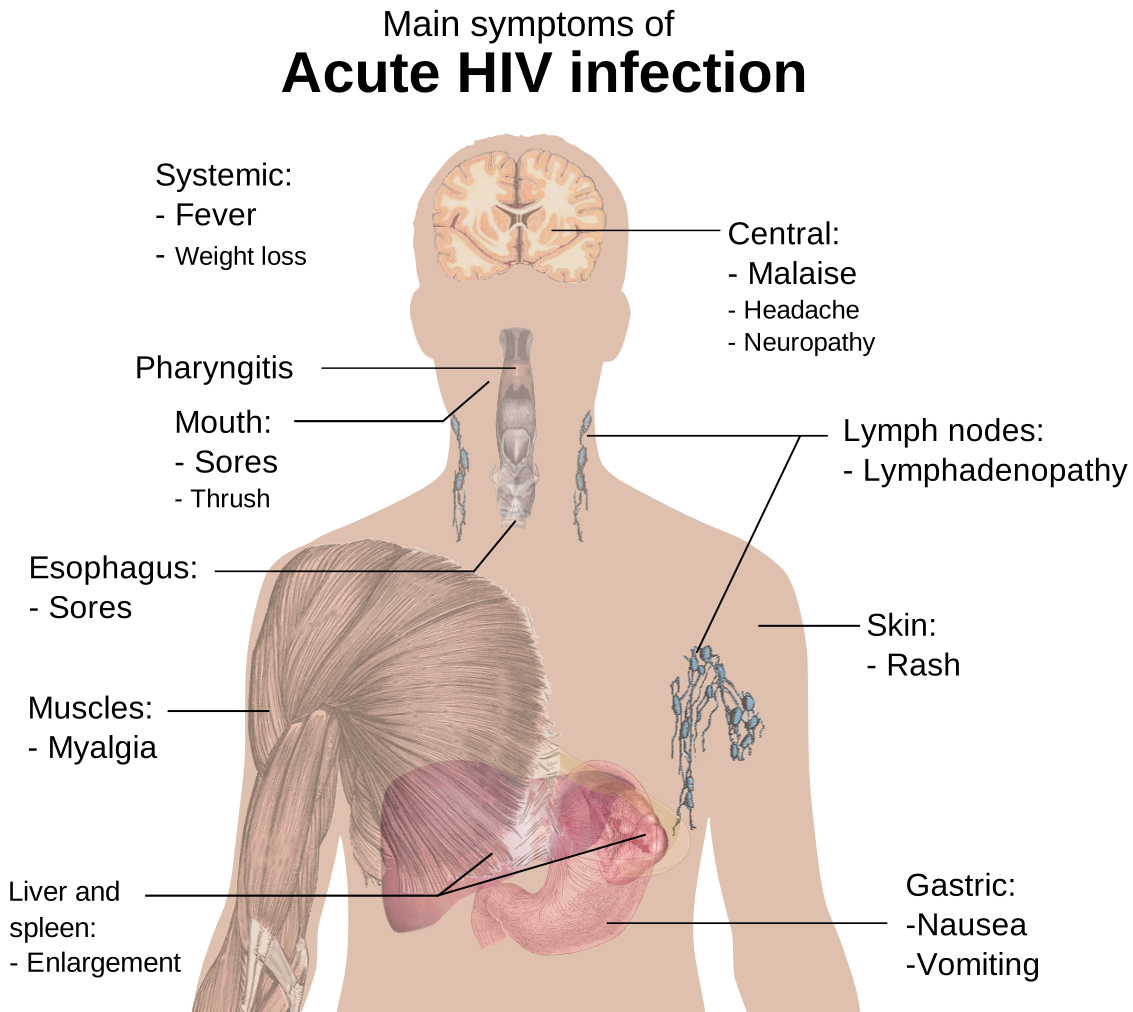
The initial period following infection with HIV is called acute HIV, primary HIV or acute retroviral syndrome. Symptoms occur in 40–90% of cases and most commonly include fever, large tender lymph nodes, throat inflammation, a rash, headache, tiredness, and/or sores of the mouth and genitals. The rash, which occurs in 20–50% of cases, presents itself on the trunk and is maculopapular, classically. Some people also develop opportunistic infections at this stage. Gastrointestinal symptoms, such as vomiting or diarrhea may occur. Neurological symptoms of peripheral neuropathy or Guillain–Barré syndrome also occur. The duration of the symptoms varies, but is usually one or two weeks.
These symptoms are not often recognized as signs of HIV infection.
Second main stage: clinical latency
The initial symptoms are followed by a stage called clinical latency, asymptomatic HIV, or chronic HIV. to over 20 years (on average, about eight years). While typically there are few or no symptoms at first, near the end of this stage many people experience fever, weight loss, gastrointestinal problems and muscle pains. Between 50% and 70% of people also develop persistent generalized lymphadenopathy, characterized by unexplained, non-painful enlargement of more than one group of lymph nodes (other than in the groin) for over three to six months.
Although most HIV-1 infected individuals have a detectable viral load and in the absence of treatment will eventually progress to AIDS, a small proportion (about 5%) retain high levels of CD4+ T cells (T helper cells) without antiretroviral therapy for more than five years. Another group consists of those who maintain a low or undetectable viral load without anti-retroviral treatment, known as "elite controllers" or "elite suppressors".
Third main stage: AIDS

Acquired immunodeficiency syndrome (AIDS) is defined as an HIV infection with either a CD4+ T cell count below 0,2 cells per mL or the occurrence of specific diseases associated with HIV infection. In the absence of specific treatment, around half of people infected with HIV develop AIDS within ten years. The most common initial conditions that alert to the presence of AIDS are pneumocystis pneumonia (40%), cachexia in the form of HIV wasting syndrome (20%), and esophageal candidiasis. Other common signs include recurrent respiratory tract infections.
Opportunistic infections may be caused by bacteria, viruses, fungi, and parasites that are normally controlled by the immune system. Which infections occur depends partly on what organisms are common in the person's environment.
People with AIDS have an increased risk of developing various viral-induced cancers, including Kaposi's sarcoma, Burkitt's lymphoma, primary central nervous system lymphoma, and cervical cancer. The second-most common cancer is lymphoma, which is the cause of death of nearly 16% of people with AIDS and is the initial sign of AIDS in 3% to 4%.
Additionally, people with AIDS frequently have systemic symptoms such as prolonged fevers, sweats (particularly at night), swollen lymph nodes, chills, weakness, and unintended weight loss. Diarrhea is another common symptom, present in about 90% of people with AIDS. They can also be affected by diverse psychiatric and neurological symptoms independent of opportunistic infections and cancers.
Transmission
| Exposure route | Chance of infection | Blood transfusion | Childbirth (to child) | Needle-sharing injection drug use | Percutaneous needle stick | Receptive anal intercourse* | Insertive anal intercourse* | Receptive penile-vaginal intercourse* | Insertive penile-vaginal intercourse* | Receptive oral intercourse*§ | Insertive oral intercourse*§ | * assuming no condom use | |||||||||||||||||||||||||||||||||||||||||||||
|---|---|---|---|---|---|---|---|---|---|---|---|---|---|---|---|---|---|---|---|---|---|---|---|---|---|---|---|---|---|---|---|---|---|---|---|---|---|---|---|---|---|---|---|---|---|---|---|---|---|---|---|---|---|---|---|---|---|
| § source refers to oral intercourse | |||||||||||||||||||||||||||||||||||||||||||||||||||||||||
| performed on a man | |||||||||||||||||||||||||||||||||||||||||||||||||||||||||
| last1=Donegan | first1=Elizabeth | last2=Stuart | first2=Maria | last3=Niland | first3=Joyce C. | last4=Sacks | first4=Henry S. | last5=Azen | first5=Stanley P. | last6=Dietrich | first6=Shelby L. | last7=Faucett | first7=Cheryl | last8=Fletcher | first8=Mary Ann | last9=Kleinman | first9=Steven H. | last10=Operskalski | first10=Eva A. | last11=Perkins | first11=Herbert A. | last12=Pindyck | first12=Johanna | last13=Schiff | first13=Eugene R. | last14=Stites | first14=Daniel P. | last15=Tomasulo | first15=Peter A. | last16=Mosley | first16=James W. | title=Infection with Human Immunodeficiency Virus Type 1 (HIV-1) among Recipients of Antibody-Positive Blood Donations | journal=Annals of Internal Medicine | date=November 15, 1990 | volume=113 | issue=10 | pages=733–739 | doi=10.7326/0003-4819-113-10-733 | pmid=2240875 | url=https://annals.org/aim/article-abstract/704236/infection-human-immunodeficiency-virus-type-1-hiv-1-among-recipients?doi=10.7326%2f0003-4819-113-10-733 | access-date=May 11, 2020 | archive-date=June 3, 2018 | archive-url=https://web.archive.org/web/20180603040936/http://annals.org/aim/article-abstract/704236/infection-human-immunodeficiency-virus-type-1-hiv-1-among-recipients?doi=10.7326%2f0003-4819-113-10-733 | url-status=live | url-access=subscription }} | ||||||||||||
| author = Coovadia H | title = Antiretroviral agents—how best to protect infants from HIV and save their mothers from AIDS | journal = N. Engl. J. Med. | volume = 351 | issue = 3 | pages = 289–292 | year = 2004 | pmid = 15247337 | doi = 10.1056/NEJMe048128 }} | |||||||||||||||||||||||||||||||||||||||||||||||||
| vauthors=Smith DK, Grohskopf LA, Black RJ, Auerbach JD, Veronese F, Struble KA, Cheever L, Johnson M, Paxton LA, Onorato IM, Greenberg AE | title = Antiretroviral postexposure prophylaxis after sexual, injection-drug use, or other nonoccupational exposure to HIV in the United States: recommendations from the U.S. Department of Health and Human Services. | journal = MMWR. Recommendations and Reports | volume = 54 | issue = RR-2 | pages = 1–20 | date = January 21, 2005 | pmid = 15660015 }} | ||||||||||||||||||||||||||||||||||||||||||||||||||
| author = Kripke C | title = Antiretroviral prophylaxis for occupational exposure to HIV. | journal = American Family Physician | volume = 76 | issue = 3 | pages = 375–6 | date = August 1, 2007 | pmid = 17708137 }} | ||||||||||||||||||||||||||||||||||||||||||||||||||
| vauthors=Dosekun O, Fox J | title = An overview of the relative risks of different sexual behaviours on HIV transmission. | journal = Current Opinion in HIV and AIDS | volume = 5 | issue = 4 | pages = 291–7 | date = July 2010 | pmid = 20543603 | doi = 10.1097/COH.0b013e32833a88a3 }} | |||||||||||||||||||||||||||||||||||||||||||||||||
| 0.03% | |||||||||||||||||||||||||||||||||||||||||||||||||||||||||
| vauthors=Boily MC, Baggaley RF, Wang L, Masse B, White RG, Hayes RJ, Alary M | title = Heterosexual risk of HIV-1 infection per sexual act: systematic review and meta-analysis of observational studies. | journal = The Lancet Infectious Diseases | volume = 9 | issue = 2 | pages = 118–29 | date = February 2009 | pmid = 19179227 | doi = 10.1016/S1473-3099(09)70021-0 | pmc=4467783}} | ||||||||||||||||||||||||||||||||||||||||||||||||
| 0.01–0.38% | |||||||||||||||||||||||||||||||||||||||||||||||||||||||||
| 0–0.04% | |||||||||||||||||||||||||||||||||||||||||||||||||||||||||
| 0–0.005% |
HIV is spread by three main routes: sexual contact, significant exposure to infected body fluids or tissues, and from mother to child during pregnancy, delivery, or breastfeeding (known as vertical transmission). It is also possible to be co-infected by more than one strain of HIV—a condition known as HIV superinfection.
Sexual
The most frequent mode of transmission of HIV is through sexual contact with an infected person.
Globally, the most common mode of HIV transmission is via sexual contacts between people of the opposite sex; In the US, gay and bisexual men aged 13 to 24 accounted for an estimated 92% of new HIV diagnoses among all men in their age group and 27% of new diagnoses among all gay and bisexual men.
With regard to unprotected heterosexual contacts, estimates of the risk of HIV transmission per sexual act appear to be four to ten times higher in low-income countries than in high-income countries. While the risk of transmission from oral sex is relatively low, it is still present. The risk from receiving oral sex has been described as "nearly nil"; however, a few cases have been reported. The per-act risk is estimated at 0–0.04% for receptive oral intercourse. In settings involving prostitution in low-income countries, risk of female-to-male transmission has been estimated as 2.4% per act, and of male-to-female transmission as 0.05% per act.
Risk of transmission increases in the presence of many sexually transmitted infections and genital ulcers. Genital ulcers increase the risk approximately fivefold. Other sexually transmitted infections, such as gonorrhea, chlamydia, trichomoniasis, and bacterial vaginosis, are associated with somewhat smaller increases in risk of transmission.
The viral load of an infected person is an important risk factor in both sexual and mother-to-child transmission. During the first 2.5 months of an HIV infection, a person's infectiousness is twelve times higher due to the high viral load associated with acute HIV. If the person is in the late stages of infection, rates of transmission are approximately eightfold greater.
Commercial sex workers (including those in pornography) have an increased likelihood of contracting HIV. Rough sex can be a factor associated with an increased risk of transmission. Sexual assault is also believed to carry an increased risk of HIV transmission, as condoms are rarely worn, physical trauma to the vagina or rectum is likely, and there may be a greater risk of concurrent sexually transmitted infections.
Body fluids

The second-most frequent mode of HIV transmission is via blood and blood products. The risk of acquiring HIV from a needle stick from an HIV-infected person is estimated as 0.3% (about 1 in 333) per act and the risk following mucous membrane exposure to infected blood as 0.09% (about 1 in 1000) per act. In the United States, intravenous drug users made up 12% of all new cases of HIV in 2009, and in some areas more than 80% of people who inject drugs are predicted to be HIV-positive.
HIV is transmitted in about 90% of blood transfusions using infected blood. In developed countries the risk of acquiring HIV from a blood transfusion is extremely low (less than one in half a million) where improved donor selection and HIV screening is performed; and in the United States it was one in 1.5 million in 2008. In low-income countries, only half of transfusions may be appropriately screened (as of 2008), and it is estimated that up to 15% of HIV infections in these areas come from transfusion of infected blood and blood products, representing between 5% and 10% of global infections. It is possible to acquire HIV from organ and tissue transplantation, although this is rare because of screening.
Unsafe medical injections play a role in HIV spread in sub-Saharan Africa. In 2007, between 12% and 17% of infections in this region were attributed to medical syringe use. The World Health Organization estimates the risk of transmission as a result of a medical injection in Africa at 1.2%. Risks are also associated with invasive procedures, assisted delivery, and dental care in this area of the world.
People giving or receiving tattoos, piercings, and scarification are theoretically at risk of infection but no confirmed cases have been documented. It is not possible for mosquitoes or other insects to transmit HIV.
Mother-to-child
Main article: HIV and pregnancy, HIV and breastfeeding
HIV can be transmitted from mother to child during pregnancy, during delivery, or through breast milk, resulting in the baby also contracting HIV. As of 2008, vertical transmission accounted for about 90% of cases of HIV in children.
Antiretrovirals when taken by either the mother or the baby decrease the risk of transmission in those who do breastfeed. If blood contaminates food during pre-chewing it may pose a risk of transmission. Due to the increased risk of death without breastfeeding in many areas in the developing world, the World Health Organization recommends either exclusive breastfeeding or the provision of safe formula. All women known to be HIV-positive should be taking lifelong antiretroviral therapy.
Virology
Main article: HIV
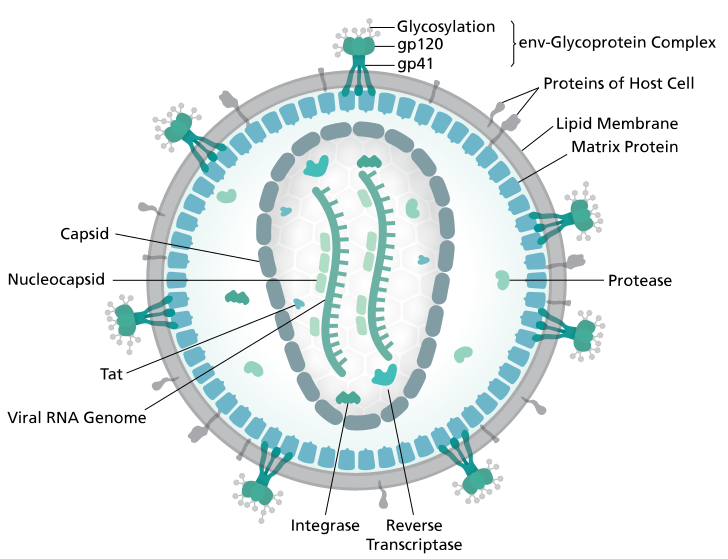
HIV is the cause of the spectrum of disease known as HIV/AIDS. HIV is a retrovirus that primarily infects components of the human immune system such as CD4+ T cells, macrophages and dendritic cells. It directly and indirectly destroys CD4+ T cells.
HIV is a member of the genus Lentivirus, part of the family Retroviridae. Lentiviruses share many morphological and biological characteristics. Many species of mammals are infected by lentiviruses, which are characteristically responsible for long-duration illnesses with a long incubation period. Lentiviruses are transmitted as single-stranded, positive-sense, enveloped RNA viruses. Upon entry into the target cell, the viral RNA genome is converted (reverse transcribed) into double-stranded DNA by a virally encoded reverse transcriptase that is transported along with the viral genome in the virus particle. The resulting viral DNA is then imported into the cell nucleus and integrated into the cellular DNA by a virally encoded integrase and host co-factors. Once integrated, the virus may become latent, allowing the virus and its host cell to avoid detection by the immune system. Alternatively, the virus may be transcribed, producing new RNA genomes and viral proteins that are packaged and released from the cell as new virus particles that begin the replication cycle anew.
HIV is now known to spread between CD4+ T cells by two parallel routes: cell-free spread and cell-to-cell spread, i.e. it employs hybrid spreading mechanisms. In the cell-free spread, virus particles bud from an infected T cell, enter the blood/extracellular fluid and then infect another T cell following a chance encounter. HIV can also disseminate by direct transmission from one cell to another by a process of cell-to-cell spread. The hybrid spreading mechanisms of HIV contribute to the virus' ongoing replication against antiretroviral therapies.
Two types of HIV have been characterized: HIV-1 and HIV-2. HIV-1 is the virus that was originally discovered (and initially referred to also as LAV or HTLV-III). It is more virulent, more infective, and is the cause of the majority of HIV infections globally. The lower infectivity of HIV-2 as compared with HIV-1 implies that fewer people exposed to HIV-2 will be infected per exposure. Because of its relatively poor capacity for transmission, HIV-2 is largely confined to West Africa.
Pathophysiology
Main article: Pathophysiology of HIV/AIDS

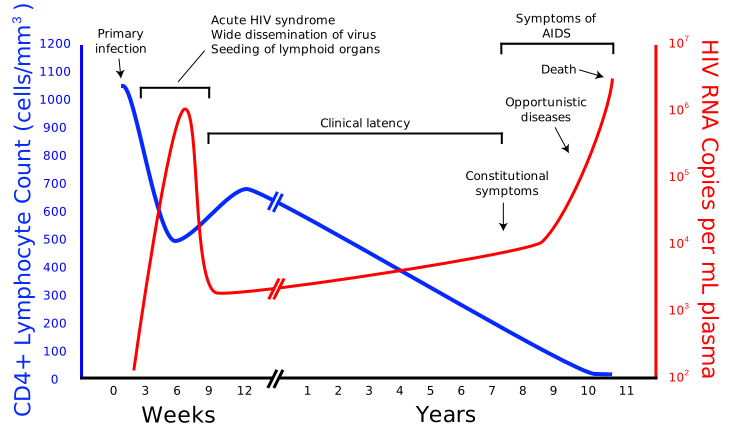
After the virus enters the body, there is a period of rapid viral replication, leading to an abundance of virus in the peripheral blood. During primary infection, the level of HIV may reach several million virus particles per milliliter of blood. This response is accompanied by a marked drop in the number of circulating CD4+ T cells. The acute viremia is almost invariably associated with activation of CD8+ T cells, which kill HIV-infected cells, and subsequently with antibody production, or seroconversion. The CD8+ T cell response is thought to be important in controlling virus levels, which peak and then decline, as the CD4+ T cell counts recover. A good CD8+ T cell response has been linked to slower disease progression and a better prognosis, though it does not eliminate the virus.
Ultimately, HIV causes AIDS by depleting CD4+ T cells. This weakens the immune system and allows opportunistic infections. T cells are essential to the immune response and without them, the body cannot fight infections or kill cancerous cells. The mechanism of CD4+ T cell depletion differs in the acute and chronic phases. During the acute phase, HIV-induced cell lysis and killing of infected cells by CD8+ T cells accounts for CD4+ T cell depletion, although apoptosis may also be a factor. During the chronic phase, the consequences of generalized immune activation coupled with the gradual loss of the ability of the immune system to generate new T cells appear to account for the slow decline in CD4+ T cell numbers.
Although the symptoms of immune deficiency characteristic of AIDS do not appear for years after a person is infected, the bulk of CD4+ T cell loss occurs during the first weeks of infection, especially in the intestinal mucosa, which harbors the majority of the lymphocytes found in the body. The reason for the preferential loss of mucosal CD4+ T cells is that the majority of mucosal CD4+ T cells express the CCR5 protein which HIV uses as a co-receptor to gain access to the cells, whereas only a small fraction of CD4+ T cells in the bloodstream do so. A specific genetic change that alters the CCR5 protein when present in both chromosomes very effectively prevents HIV-1 infection.
HIV seeks out and destroys CCR5 expressing CD4+ T cells during acute infection. A vigorous immune response eventually controls the infection and initiates the clinically latent phase. CD4+ T cells in mucosal tissues remain particularly affected. Immune activation, which is reflected by the increased activation state of immune cells and release of pro-inflammatory cytokines, results from the activity of several HIV gene products and the immune response to ongoing HIV replication. It is also linked to the breakdown of the immune surveillance system of the gastrointestinal mucosal barrier caused by the depletion of mucosal CD4+ T cells during the acute phase of disease.
HIV/AIDS related eye diseases are common among people living with this disease worldwide. Among these diseases, HIV retinopathy is the most common condition. This condition is seen in 40% to 60% of HIV positive patients. It is also the most common cause of loss of vision in these patients.
Diagnosis
Main article: Diagnosis of HIV/AIDS
| Blood test | Days |
|---|---|
| Antibody test (rapid test, ELISA 3rd gen) | 23–90 |
| Antibody and p24 antigen test (ELISA 4th gen) | 18–45 |
| PCR | 10–33 |
HIV/AIDS is diagnosed via laboratory testing and then staged based on the presence of certain signs or symptoms. Additionally, testing is recommended for those at high risk, which includes anyone diagnosed with a sexually transmitted illness. In many areas of the world, a third of HIV carriers only discover they are infected at an advanced stage of the disease when AIDS or severe immunodeficiency has become apparent.
HIV testing


Most people infected with HIV develop seroconverted (antigen-specific) antibodies within three to twelve weeks after the initial infection. Diagnosis of primary HIV before seroconversion is done by measuring HIV-RNA or p24 antigen. Positive results obtained by antibody or PCR testing are confirmed either by a different antibody or by PCR.
Antibody tests in children younger than 18 months are typically inaccurate, due to the continued presence of maternal antibodies. Thus HIV infection can only be diagnosed by PCR testing for HIV RNA or DNA, or via testing for the p24 antigen. In 2009, between 3.6% and 42% of men and women in sub-Saharan countries were tested; this represented a significant increase compared to previous years.
Classifications
Two main clinical staging systems are used to classify HIV and HIV-related disease for surveillance purposes: the WHO disease staging system for HIV infection and disease, and the CDC classification system for HIV infection. The CDC's classification system is more frequently adopted in developed countries. Since the WHO's staging system does not require laboratory tests, it is suited to the resource-restricted conditions encountered in developing countries, where it can also be used to help guide clinical management. Despite their differences, the two systems allow a comparison for statistical purposes.
The World Health Organization first proposed a definition for AIDS in 1986. The WHO system uses the following categories:
- Primary HIV infection: May be either asymptomatic or associated with acute retroviral syndrome
- Stage I: HIV infection is asymptomatic with a CD4+ T cell count (also known as CD4 count) greater than 500 per microlitre (μL or cubic mm) of blood. May include generalized lymph node enlargement.
- Stage II: Mild symptoms, which may include minor mucocutaneous manifestations and recurrent upper respiratory tract infections. A CD4 count of less than 500/μL
- Stage III: Advanced symptoms, which may include unexplained chronic diarrhea for longer than a month, severe bacterial infections including tuberculosis of the lung, and a CD4 count of less than 350/μL
- Stage IV or AIDS: severe symptoms, which include toxoplasmosis of the brain, candidiasis of the esophagus, trachea, bronchi, or lungs, and Kaposi's sarcoma. A CD4 count of less than 200/μL
The U.S. Centers for Disease Control and Prevention also created a classification system for HIV, and updated it in 2008 and 2014. This system classifies HIV infections based on CD4 count and clinical symptoms, and describes the infection in five groups. In those greater than six years of age it is:
- Stage 0: the time between a negative or indeterminate HIV test followed less than 180 days by a positive test
- Stage 1: CD4 count ≥ 500 cells/μL and no AIDS-defining conditions
- Stage 2: CD4 count 200 to 500 cells/μL and no AIDS-defining conditions
- Stage 3: CD4 count ≤ 200 cells/μL or AIDS-defining conditions
- Unknown: if insufficient information is available to make any of the above classifications.
For surveillance purposes, the AIDS diagnosis still stands even if, after treatment, the CD4+ T cell count rises to above 200 per μL of blood or other AIDS-defining illnesses are cured.
Prevention
Main article: Prevention of HIV/AIDS
Sexual contact
.jpg)
Consistent condom use reduces the risk of HIV transmission by approximately 80% over the long term. When condoms are used consistently by a couple in which one person is infected, the rate of HIV infection is less than 1% per year. There is some evidence to suggest that female condoms may provide an equivalent level of protection. Application of a vaginal gel containing tenofovir (a reverse transcriptase inhibitor) immediately before sex seems to reduce infection rates by approximately 40% among African women. By contrast, use of the spermicide nonoxynol-9 may increase the risk of transmission due to its tendency to cause vaginal and rectal irritation.
Circumcision in sub-Saharan Africa "reduces the acquisition of HIV by heterosexual men by between 38% and 66% over 24 months". Owing to these studies, both the World Health Organization and UNAIDS recommended male circumcision in 2007 as a method of preventing female-to-male HIV transmission in areas with high rates of HIV. However, whether it protects against male-to-female transmission is disputed, and whether it is of benefit in developed countries and among men who have sex with men is undetermined.
Programs encouraging sexual abstinence do not appear to affect subsequent HIV risk. Evidence of any benefit from peer education is equally poor. Comprehensive sexual education provided at school may decrease high-risk behavior. A substantial minority of young people continues to engage in high-risk practices despite knowing about HIV/AIDS, underestimating their own risk of becoming infected with HIV. Voluntary counseling and testing people for HIV does not affect risky behavior in those who test negative but does increase condom use in those who test positive. Enhanced family planning services appear to increase the likelihood of women with HIV using contraception, compared to basic services. It is not known whether treating other sexually transmitted infections is effective in preventing HIV.
Pre-exposure
Antiretroviral treatment among people with HIV whose CD4 count ≤ 550 cells/μL is a very effective way to prevent HIV infection of their partner (a strategy known as treatment as prevention, or TASP). TASP is associated with a 10- to 20-fold reduction in transmission risk. Pre-exposure prophylaxis for HIV ("PrEP") with a daily dose of the medications tenofovir, with or without emtricitabine, is effective in people at high risk including men who have sex with men, couples where one is HIV-positive, and young heterosexuals in Africa. It may also be effective in intravenous drug users, with a study finding a decrease in risk of 0.7 to 0.4 per 100 person years. The USPSTF, in 2019, recommended PrEP in those who are at high risk.
Universal precautions within the health care environment are believed to be effective in decreasing the risk of HIV. Intravenous drug use is an important risk factor, and harm reduction strategies such as needle-exchange programs and opioid substitution therapy appear effective in decreasing this risk.
Post-exposure
A course of antiretrovirals administered within 48 to 72 hours after exposure to HIV-positive blood or genital secretions is referred to as post-exposure prophylaxis (PEP). , the prevention regimen recommended in the United States consists of three medications—tenofovir, emtricitabine and raltegravir—as this may reduce the risk further.
PEP treatment is recommended after a sexual assault when the perpetrator is known to be HIV-positive, but is controversial when their HIV status is unknown. The duration of treatment is usually four weeks and is frequently associated with adverse effects—where zidovudine is used, about 70% of cases result in adverse effects such as nausea (24%), fatigue (22%), emotional distress (13%) and headaches (9%).
Mother-to-child
Main article: HIV and pregnancy
Programs to prevent the vertical transmission of HIV (from mothers to children) can reduce rates of transmission by 92–99%. If replacement feeding is acceptable, feasible, affordable, sustainable and safe, mothers should avoid breastfeeding their infants; however, exclusive breastfeeding is recommended during the first months of life if this is not the case. If exclusive breastfeeding is carried out, the provision of extended antiretroviral prophylaxis to the infant decreases the risk of transmission. In 2015, Cuba became the first country in the world to eradicate mother-to-child transmission of HIV.
Vaccination
Main article: HIV vaccine development
Currently there is no licensed vaccine for HIV or AIDS. The most effective vaccine trial to date, RV 144, was published in 2009; it found a partial reduction in the risk of transmission of roughly 30%, stimulating some hope in the research community of developing a truly effective vaccine.
Treatment
Main article: Management of HIV/AIDS
HIV/AIDS is a terminal illness, as there is currently no cure, nor an effective HIV vaccine. Treatment consists of highly active antiretroviral therapy (ART), which slows progression of the disease. As of 2022, 39 million people globally were living with HIV, and 29.8 million people were accessing ART. Treatment also includes preventive and active treatment of opportunistic infections. , four people have been successfully cleared of HIV. Rapid initiation of antiretroviral therapy within one week of diagnosis appear to improve treatment outcomes in low and medium-income settings and is recommend for newly diagnosed HIV patients.
HIV retinopathy was a very common cause of blindness in people with AIDS before the introduction of highly active antiretroviral therapy, but its incidence is declining due to proper and timely management of AIDS. Even if there are signs of retinopathy, it may reverse as CD4+ T cell counts increase. Reversal of HIV retinopathy is a helpful sign of positive response to antiretroviral therapy in AIDS patients. But if HIV treatment is delayed it may lead to permanent visual loss.
Occurrence of HIV retinopathy may also be an indicator of therapeutic failure in AIDS patients undergoing treatment.
Antiviral therapy
Current ART options are combinations (or "cocktails") consisting of at least three medications belonging to at least two types, or "classes", of antiretroviral agents. There are eight classes of antiretroviral agents (ARVs), and over 30 individual drugs: nucleoside/nucleotide reverse transcriptase inhibitors (NRTIs), non-nucleoside reverse transcriptase, inhibitors (NNRTIs), protease inhibitors (PIs), integrase strand transfer inhibitors (INSTIs), a fusion inhibitor, a CCR5 antagonist, a CD4 T lymphocyte (CD4) post-attachment inhibitor, and a gp120 attachment inhibitor. There are also two drugs, ritonavir (RTV) and cobicistat (COBI) which can be used as pharmacokinetic (PK) enhancers (or boosters) to improve the PK profiles of PIs and the INSTI elvitegravir (EVG). Depending on the guidelines being followed, initial treatment generally consists of two nucleoside reverse transcriptase inhibitors along with a third ARV, either an integrase strand transfer inhibitor (INSTI), a non-nucleoside reverse transcriptase inhibitor (NNRTI), or a protease inhibitor with a pharmacokinetic enhancer (also known as a booster).
The World Health Organization and the United States recommend antiretrovirals in people of all ages (including pregnant women) as soon as the diagnosis is made, regardless of CD4 count. Once treatment is begun, it is recommended that it is continued without breaks or "holidays". Levels to determine if treatment is effective are initially recommended after four weeks and once levels fall below 50 copies/mL checks every three to six months are typically adequate. Inadequate control is deemed to be greater than 400 copies/mL. Based on these criteria treatment is effective in more than 95% of people during the first year.
Benefits of treatment include a decreased risk of progression to AIDS and a decreased risk of death. In the developing world, treatment also improves physical and mental health. With treatment, there is a 70% reduced risk of acquiring tuberculosis. The effectiveness of treatment depends to a large part on compliance. inadequate social supports, mental illness and drug abuse. The complexity of treatment regimens (due to pill numbers and dosing frequency) and adverse effects may reduce adherence. Even though cost is an important issue with some medications, 47% of those who needed them were taking them in low- and middle-income countries , and the rate of adherence is similar in low-income and high-income countries.
Specific adverse events are related to the antiretroviral agent taken. and an increased risk of cardiovascular disease. Newer recommended treatments are associated with fewer adverse effects. Certain medications may be associated with birth defects and therefore may be unsuitable for women hoping to have children.
Treatment recommendations for children are somewhat different from those for adults. The World Health Organization recommends treating all children less than five years of age; children above five are treated like adults. The United States guidelines recommend treating all children less than 12 months of age and all those with HIV RNA counts greater than 100,000 copies/mL between one year and five years of age.
The European Medicines Agency (EMA) has recommended the granting of marketing authorizations for two new antiretroviral (ARV) medicines, rilpivirine (Rekambys) and cabotegravir (Vocabria), to be used together for the treatment of people with human immunodeficiency virus type 1 (HIV-1) infection. The two medicines are the first ARVs that come in a long-acting injectable formulation. This means that instead of daily pills, people receive intramuscular injections monthly or every two months.
The combination of Rekambys and Vocabria injection is intended for maintenance treatment of adults who have undetectable HIV levels in the blood (viral load less than 50 copies/mL) with their current ARV treatment, and when the virus has not developed resistance to a certain class of anti-HIV medicines called non-nucleoside reverse transcriptase inhibitors (NNRTIs) and integrase strand transfer inhibitors (INIs).
Cabotegravir combined with rilpivirine (Cabenuva) is a complete regimen for the treatment of human immunodeficiency virus type 1 (HIV-1) infection in adults to replace a current antiretroviral regimen in those who are virologically suppressed on a stable antiretroviral regimen with no history of treatment failure and with no known or suspected resistance to either cabotegravir or rilpivirine.
Opportunistic infections
Main article: Opportunistic infection#Opportunistic Infection and HIV/AIDS
Measures to prevent opportunistic infections are effective in many people with HIV/AIDS. In addition to improving current disease, treatment with antiretrovirals reduces the risk of developing additional opportunistic infections.
Adults and adolescents who are living with HIV (even on anti-retroviral therapy) with no evidence of active tuberculosis in settings with high tuberculosis burden should receive isoniazid preventive therapy (IPT); the tuberculin skin test can be used to help decide if IPT is needed. Children with HIV may benefit from screening for tuberculosis. Vaccination against hepatitis A and B is advised for all people at risk of HIV before they become infected; however, it may also be given after infection.
Trimethoprim/sulfamethoxazole prophylaxis between four and six weeks of age, and ceasing breastfeeding of infants born to HIV-positive mothers, is recommended in resource-limited settings. It is also recommended to prevent PCP when a person's CD4 count is below 200 cells/uL and in those who have or have previously had PCP. People with substantial immunosuppression are also advised to receive prophylactic therapy for toxoplasmosis and MAC. Appropriate preventive measures reduced the rate of these infections by 50% between 1992 and 1997. Influenza vaccination and pneumococcal polysaccharide vaccine are often recommended in people with HIV/AIDS with some evidence of benefit.
Diet
Main article: Nutrition and HIV/AIDS
The World Health Organization (WHO) has issued recommendations regarding nutrient requirements in HIV/AIDS. A generally healthy diet is promoted. Dietary intake of micronutrients at RDA levels by HIV-infected adults is recommended by the WHO; higher intake of vitamin A, zinc, and iron can produce adverse effects in HIV-positive adults, and is not recommended unless there is documented deficiency. Dietary supplementation for people who are infected with HIV and who have inadequate nutrition or dietary deficiencies may strengthen their immune systems or help them recover from infections; however, evidence indicating an overall benefit in morbidity or reduction in mortality is not consistent.
People with HIV/AIDS are up to four times more likely to develop type 2 diabetes than those who are not tested positive with the virus.
Evidence for supplementation with selenium is mixed with some tentative evidence of benefit. For pregnant and lactating women with HIV, multivitamin supplement improves outcomes for both mothers and children. If the pregnant or lactating mother has been advised to take anti-retroviral medication to prevent mother-to-child HIV transmission, multivitamin supplements should not replace these treatments.
Alternative medicine
In the US, approximately 60% of people with HIV use various forms of complementary or alternative medicine, whose effectiveness has not been established. There is not enough evidence to support the use of herbal medicines. There is insufficient evidence to recommend or support the use of medical cannabis to try to increase appetite or weight gain.
Prognosis

HIV/AIDS has become a chronic rather than an acutely fatal disease in many areas of the world. ART and appropriate prevention of opportunistic infections reduces the death rate by 80%, and raises the life expectancy for a newly diagnosed young adult to 20–50 years. This is between two thirds If treatment is started late in the infection, prognosis is not as good:
]] The primary causes of death from HIV/AIDS are opportunistic infections and cancer, both of which are frequently the result of the progressive failure of the immune system. Risk of cancer appears to increase once the CD4 count is below 500/μL. their access to health care, the presence of co-infections; and the particular strain (or strains) of the virus involved.
Tuberculosis co-infection is one of the leading causes of sickness and death in those with HIV/AIDS being present in a third of all HIV-infected people and causing 25% of HIV-related deaths. HIV is also one of the most important risk factors for tuberculosis. Hepatitis C is another very common co-infection where each disease increases the progression of the other. The two most common cancers associated with HIV/AIDS are Kaposi's sarcoma and AIDS-related non-Hodgkin's lymphoma.
Even with anti-retroviral treatment, over the long term HIV-infected people may experience neurocognitive disorders, osteoporosis, neuropathy, cancers, nephropathy, and cardiovascular disease. Some conditions, such as lipodystrophy, may be caused both by HIV and its treatment.
Epidemiology
Main article: Epidemiology of HIV/AIDS

HIV/AIDS is considered a global pandemic. , approximately 39.0 million people worldwide are living with HIV, the number of new infections that year being about 1.3 million. This is down from 2.1 million new infections in 2010. Among new infections, 44% are in women and girls globally. There were 630,000 AIDS related deaths in 2022, down from a peak of 2 million in 2005. The World Health Organization has reported that deaths from HIV and AIDS have "fallen by 61%, moving from the world’s seventh leading cause of death in 2000 to the twenty-first in 2021."
Among persons living with HIV (PLWH), the largest proportion reside in eastern and southern Africa (20.6 million, 54.6%). This region also had the highest rate of adult and child deaths due to AIDS in 2020 (310,000, 46.6%). Sub-Saharan African adolescent girls and young women (aged 15–24 years) account for 77% of new infections among this age-range globally. Here, in contrast to other regions, adolescent girls and young women are three times more likely to acquire HIV than age-matched males. Despite these statistics, overall, new HIV infections and AIDS-related deaths have substantially decreased in this region since 2010.
Eastern Europe and central Asia has observed a 43% increase in new HIV infections and 32% increase in AIDS-related deaths since 2010, the highest of all global regions. These infections are predominantly distributed in persons who inject drugs, with gay men and other men who have sex with men or persons who engage in transaction sex the second and third populations most impacted in this region.
At the end of 2019, United States indicated that approximately 1.2 million people aged ≥13 years were living with HIV, resulting in about 18,500 deaths in 2020. There were 34,800 estimated new infections in the US in 2019, 53% of which were in the southern region of the country. In addition to geographic location, significant disparities in HIV incidence exist among men, Black or Hispanic populations, and men who reported male-to-male sexual contact. The US Centers for Disease Control and Prevention estimated that in that year, 158,500 people or 13% of infected Americans were unaware of their infection.
In the United Kingdom , there were approximately 101,200 cases which resulted in 594 deaths. In Canada as of 2008, there were about 65,000 cases causing 53 deaths. Between the first recognition of AIDS (in 1981) and 2009, it has led to nearly 30 million deaths. Rates of HIV are lowest in North Africa and the Middle East (0.1% or less), East Asia (0.1%), and Western and Central Europe (0.2%). The worst-affected European countries, in 2009 and 2012 estimates, are Russia, Ukraine, Latvia, Moldova, Portugal and Belarus, in decreasing order of prevalence.
Groups at higher risk of acquiring HIV include persons who engage in transactional sex, gay men and other men who have sex with men, persons who inject drugs, transgender persons, and those who are incarcerated or detained.
Climate change impacts HIV risk and the availability of and access to HIV prevention and treatment services, and can contribute to poor nutrition, impaired immunity, and poor adherence to treatment.
History
Main article: History of HIV/AIDS
Discovery
Thus, if you update one please update the other as well --
The first news story on the disease appeared on May 18, 1981, in the gay newspaper New York Native. AIDS was first clinically reported on June 5, 1981, with five cases in the United States. The initial cases were a cluster of injecting drug users and gay men with no known cause of impaired immunity who showed symptoms of Pneumocystis carinii pneumonia (PCP), a rare opportunistic infection that was known to occur in people with very compromised immune systems. Soon thereafter, a large number of homosexual men developed a generally rare skin cancer called Kaposi's sarcoma (KS). Many more cases of PCP and KS emerged, alerting U.S. Centers for Disease Control and Prevention (CDC) and a CDC task force was formed to monitor the outbreak.
In the early days, the CDC did not have an official name for the disease, often referring to it by way of diseases associated with it, such as lymphadenopathy, the disease after which the discoverers of HIV originally named the virus. They also used Kaposi's sarcoma and opportunistic infections, the name by which a task force had been set up in 1981. At one point the CDC referred to it as the "4H disease", as the syndrome seemed to affect heroin users, homosexuals, hemophiliacs, and Haitians. The term GRID, which stood for gay-related immune deficiency, had also been coined. However, after determining that AIDS was not isolated to the gay community, By September 1982 the CDC started referring to the disease as AIDS.
Historical reviews of the AIDS epidemic highlight that the earliest patients frequently presented with unusual skin-rashes, lymphadenopathy and weight loss—signs that alerted clinicians to a new infectious syndrome before HIV was identified. Early clinical studies documented the disease’s characteristic skin findings. In 1985, British dermatologists Colin Farthing, Robin Staughton and Christopher Rowland Payne published the first detailed descriptions of cutaneous manifestations in people with AIDS and HTLV-III infection, including seborrhoeic dermatitis, folliculitis and vasculitic lesions.
In 1983, two separate research groups led by Robert Gallo and Luc Montagnier declared that a novel retrovirus may have been infecting people with AIDS, and published their findings in the same issue of the journal Science. Gallo claimed a virus which his group had isolated from a person with AIDS was strikingly similar in shape to other human T-lymphotropic viruses (HTLVs) that his group had been the first to isolate. Gallo's group called their newly isolated virus HTLV-III. At the same time, Montagnier's group isolated a virus from a person presenting with swelling of the lymph nodes of the neck and physical weakness, two characteristic symptoms of AIDS. Contradicting the report from Gallo's group, Montagnier and his colleagues showed that core proteins of this virus were immunologically different from those of HTLV-I. Montagnier's group named their isolated virus lymphadenopathy-associated virus (LAV). As these two viruses turned out to be the same, in 1986, LAV and HTLV-III were renamed HIV.
Origins
The origin of HIV / AIDS and the circumstances that led to its emergence remain unsolved. Both HIV-1 and HIV-2 are believed to have originated in non-human primates in West-central Africa and were transferred to humans in the early 20th century. The closest relative of HIV-2 is SIV (smm), a virus of the sooty mangabey (Cercocebus atys atys), an Old World monkey living in coastal West Africa (from southern Senegal to western Ivory Coast). New World monkeys such as the owl monkey are resistant to HIV-1 infection, possibly because of a genomic fusion of two viral resistance genes. HIV-1 is thought to have jumped the species barrier on at least three separate occasions, giving rise to the three groups of the virus, M, N, and O.
There is evidence that humans who participate in bushmeat activities, either as hunters or as bushmeat vendors, commonly acquire SIV. However, SIV is a weak virus that the human immune system usually suppresses within weeks of infection. It is thought that several transmissions of the virus from individual to individual in quick succession are necessary to allow it enough time to mutate into HIV. Furthermore, due to its relatively low person-to-person transmission rate, SIV can only spread throughout the population in the presence of one or more high-risk transmission channels, which are thought to have been absent in Africa before the 20th century.
Specific proposed high-risk transmission channels, allowing the virus to adapt to humans and spread throughout society, depend on the proposed timing of the animal-to-human crossing. Genetic studies of the virus suggest that the most recent common ancestor of the HIV-1 M group dates back to 1910. Proponents of this dating link the HIV epidemic with the emergence of colonialism and growth of large colonial African cities, leading to social changes, including a higher degree of sexual promiscuity, the spread of prostitution, and the accompanying high frequency of genital ulcer diseases (such as syphilis) in nascent colonial cities. While transmission rates of HIV during vaginal intercourse are low under regular circumstances, they are increased manyfold if one of the partners has a sexually transmitted infection causing genital ulcers. Early 1900s colonial cities were notable for their high prevalence of prostitution and genital ulcers, to the degree that, as of 1928, as many as 45% of female residents of eastern Kinshasa were thought to have been prostitutes, and, as of 1933, around 15% of all residents of the same city had syphilis.
An alternative view holds that unsafe medical practices in Africa after World War II, such as unsterile reuse of single-use syringes during mass vaccination, antibiotic and anti-malaria treatment campaigns, were the initial vector that allowed the virus to adapt to humans and spread.
The earliest well-documented case of HIV in a human dates back to 1959 in the Congo. The virus may have been present in the U.S. as early as the mid-to-late 1950s. A 16-year-old male named Robert Rayford presented with symptoms in 1966 and died in 1969. In the 1970s, there were cases of people getting parasites and becoming sick with what was then called "gay bowel disease" but is now suspected to have been AIDS.
The earliest retrospectively described case of AIDS is believed to have been in Norway beginning in 1966, that of Arvid Noe. In July 1960, in the wake of Congo's independence, the United Nations recruited Francophone experts and technicians from all over the world to assist in filling administrative gaps left by Belgium, who did not leave behind an African elite to run the country. By 1962, Haitians made up the second-largest group of well-educated experts (out of the 48 national groups recruited), that totaled around 4,500 in the country. Dr. Jacques Pépin, a Canadian author of The Origins of AIDS, stipulates that Haiti was one of HIV's entry points to the U.S. and that a Haitian may have carried HIV back across the Atlantic in the 1960s. Although there was known to have been at least one case of AIDS in the U.S. from 1966, the vast majority of infections occurring outside sub-Saharan Africa (including the U.S.) can be traced back to a single unknown individual who became infected with HIV in Haiti and brought the infection to the U.S. at some time around 1969. The epidemic rapidly spread among high-risk groups (initially, sexually promiscuous men who have sex with men). By 1978, the prevalence of HIV-1 among gay male residents of New York City and San Francisco was estimated at 5%, suggesting that several thousand individuals in the country had been infected.
Society and culture
Stigma
Main article: Discrimination against people with HIV/AIDS

AIDS stigma exists around the world in a variety of ways, including ostracism, rejection, discrimination and avoidance of HIV-infected people; compulsory HIV testing without prior consent or protection of confidentiality; violence against HIV-infected individuals or people who are perceived to be infected with HIV; and the quarantine of HIV-infected individuals. Stigma-related violence or the fear of violence prevents many people from seeking HIV testing, returning for their results, or securing treatment, possibly turning what could be a manageable chronic illness into a death sentence and perpetuating the spread of HIV.
AIDS stigma has been further divided into the following three categories:
- Instrumental AIDS stigma—a reflection of the fear and apprehension that are likely to be associated with any deadly and transmissible illness.
- Symbolic AIDS stigma—the use of HIV/AIDS to express attitudes toward the social groups or lifestyles perceived to be associated with the disease.
- Courtesy AIDS stigma—stigmatization of people connected to the issue of HIV/AIDS or HIV-positive people.
Often, AIDS stigma is expressed in conjunction with one or more other stigmas, particularly those associated with homosexuality, bisexuality, promiscuity, prostitution, and intravenous drug use.
In many developed countries, there is an association between AIDS and homosexuality or bisexuality, and this association is correlated with higher levels of sexual prejudice, such as anti-homosexual or anti-bisexual attitudes. There is also a perceived association between AIDS and all male-male sexual behavior, including sex between uninfected men. However, the dominant mode of spread worldwide for HIV remains heterosexual transmission.
The NAMES Project AIDS Memorial Quilt was conceived in 1985 to celebrate the lives of those who had died of AIDS when stigma prevented many from receiving funerals. It is now cared for by the National AIDS Memorial in San Francisco.
In 2003, as part of an overall reform of marriage and population legislation, it became legal for those diagnosed with AIDS to marry in China.
In 2013, the U.S. National Library of Medicine developed a traveling exhibition titled Surviving and Thriving: AIDS, Politics, and Culture; this covered medical research, the U.S. government's response, and personal stories from people with AIDS, caregivers, and activists.
Stigma has proved an obstacle to the update of PrEP. Within the MSM community, the greatest barrier to PrEP use has been the stigma surrounding HIV and gay men. Gay men on PrEP have experienced "slut-shaming". Numerous other barriers have been identified, including lack of quality LGBTQ care, cost, and adherence to medication use.
Economic impact
Main article: Economic impact of HIV/AIDS, Cost of HIV treatment
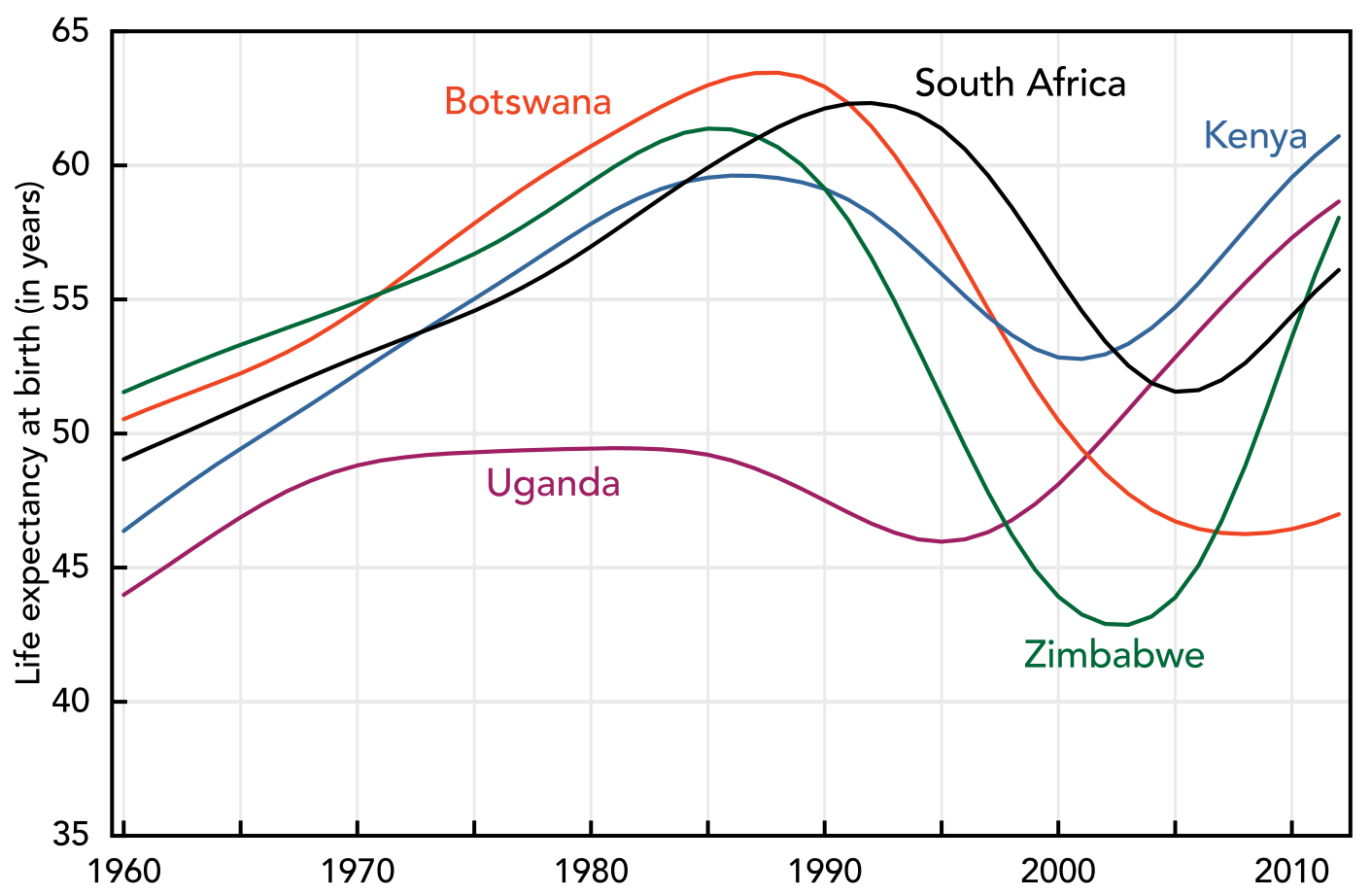
HIV/AIDS affects the economics of both individuals and countries. The gross domestic product of the most affected countries has decreased due to the lack of human capital. Without proper nutrition, health care and medicine, large numbers of people die from AIDS-related complications. Before death they will not only be unable to work, but will also require significant medical care. It is estimated that as of 2007 there were 12 million AIDS orphans.
Returning to work after beginning treatment for HIV/AIDS is difficult, and affected people often work less than the average worker. Unemployment in people with HIV/AIDS also is associated with suicidal ideation, memory problems, and social isolation. Employment increases self-esteem, sense of dignity, confidence, and quality of life for people with HIV/AIDS. Anti-retroviral treatment may help people with HIV/AIDS work more, and may increase the chance that a person with HIV/AIDS will be employed (low-quality evidence).
By affecting mainly young adults, AIDS reduces the taxable population, in turn reducing the resources available for public expenditures such as education and health services not related to AIDS, resulting in increasing pressure on the state's finances and slower growth of the economy. This causes a slower growth of the tax base, an effect that is reinforced if there are growing expenditures on treating the sick, training (to replace sick workers), sick pay, and caring for AIDS orphans. This is especially true if the sharp increase in adult mortality shifts the responsibility from the family to the government in caring for these orphans.
At the household level, AIDS causes both loss of income and increased spending on healthcare. A study in Côte d'Ivoire showed that households having a person with HIV/AIDS spent twice as much on medical expenses as other households. This additional expenditure also leaves less income to spend on education and other personal or family investment.
Religion and AIDS
Main article: Religion and HIV/AIDS
The topic of religion and AIDS has become highly controversial, primarily because some religious authorities have publicly declared their opposition to the use of condoms. The religious approach to prevent the spread of AIDS, according to a report by American health expert Matthew Hanley titled The Catholic Church and the Global AIDS Crisis, argues that cultural changes are needed, including a re-emphasis on fidelity within marriage and sexual abstinence outside of it.
Some religious organizations have claimed that prayer can cure HIV/AIDS. In 2011, the BBC reported that some churches in London were claiming that prayer would cure AIDS, and the Hackney-based Centre for the Study of Sexual Health and HIV reported that several people stopped taking their medication, sometimes on the direct advice of their pastor, leading to many deaths. The Synagogue Church Of All Nations advertised an "anointing water" to promote God's healing, although the group denies advising people to stop taking medication.
Media portrayal
Main article: Media portrayal of HIV/AIDS
One of the first high-profile cases of AIDS was the American gay actor Rock Hudson. He had been diagnosed during 1984, announced that he had had the virus on July 25, 1985, and died a few months later on October 2, 1985. Another notable British casualty of AIDS that year was Nicholas Eden, a gay politician and son of former prime minister Anthony Eden. On November 24, 1991, British rock star Freddie Mercury died from an AIDS-related illness, having revealed the diagnosis only on the previous day.
One of the first high-profile heterosexual cases of the virus was American tennis player Arthur Ashe. He was diagnosed as HIV-positive on August 31, 1988, having contracted the virus from blood transfusions during heart surgery earlier in the 1980s. Further tests within 24 hours of the initial diagnosis revealed that Ashe had AIDS, but he did not tell the public about his diagnosis until April 1992. He died as a result on February 6, 1993, aged 49.
Therese Frare's photograph of gay activist David Kirby, as he lay dying from AIDS while surrounded by family, was taken in April 1990. Life magazine said the photo became the one image "most powerfully identified with the HIV/AIDS epidemic." The photo was displayed in Life, was the winner of the World Press Photo, and acquired worldwide notoriety after being used in a United Colors of Benetton advertising campaign in 1992.
Many famous artists and AIDS activists such as Larry Kramer, Diamanda Galás and Rosa von Praunheim campaign for AIDS education and the rights of those affected. These artists worked with various media formats.
Criminal transmission
Main article: Criminal transmission of HIV
Criminal transmission of HIV is the intentional or reckless infection of a person with the human immunodeficiency virus (HIV). Some countries or jurisdictions, including some areas of the United States, have laws that criminalize HIV transmission or exposure. Others may charge the accused under laws enacted before the HIV pandemic.
In 1996, Ugandan-born Canadian Johnson Aziga was diagnosed with HIV; he subsequently had unprotected sex with eleven women without disclosing his diagnosis. By 2003, seven had contracted HIV; two died from complications related to AIDS. Aziga was convicted of first-degree murder and sentenced to life imprisonment.
Misconceptions
Main article: Misconceptions about HIV/AIDS, Discredited HIV/AIDS origins theories
There are many misconceptions about HIV and AIDS. Three misconceptions are that AIDS can spread through casual contact, that sexual intercourse with a virgin will cure AIDS, and that HIV can infect only gay men and drug users. In 2014, some among the British public wrongly thought one could get HIV from kissing (16%), sharing a glass (5%), spitting (16%), a public toilet seat (4%), and coughing or sneezing (5%). Other misconceptions are that any act of anal intercourse between two uninfected gay men can lead to HIV infection, and that open discussion of HIV and homosexuality in schools will lead to increased rates of AIDS.
A small group of individuals continue to dispute the connection between HIV and AIDS, the existence of HIV itself, or the validity of HIV testing and treatment methods. These claims, known as AIDS denialism, have been examined and rejected by the scientific community. However, they have had a significant political impact, particularly in South Africa, where the government's official embrace of AIDS denialism (1999–2005) was responsible for its ineffective response to that country's AIDS epidemic, and has been blamed for hundreds of thousands of avoidable deaths and HIV infections.
Several discredited conspiracy theories have held that HIV was created by scientists, either inadvertently or deliberately. Operation INFEKTION was a worldwide Soviet active measures operation to spread the claim that the United States had created HIV/AIDS. Surveys show that a significant number of people believed—and continue to believe—in such claims.
Research
Main article: HIV/AIDS research
HIV/AIDS research includes all medical research which attempts to prevent, treat, or cure HIV/AIDS, along with fundamental research about the nature of HIV as an infectious agent, and about AIDS as the disease caused by HIV.
Many governments and research institutions participate in HIV/AIDS research. This research includes behavioral health interventions such as sex education, and drug development, such as research into microbicides for sexually transmitted diseases, HIV vaccines, and antiretroviral drugs. Other medical research areas include the topics of pre-exposure prophylaxis, post-exposure prophylaxis, and circumcision and HIV. Public health officials, researchers, and programs can gain a more comprehensive picture of the barriers they face, and the efficacy of current approaches to HIV treatment and prevention, by tracking standard HIV indicators. Use of common indicators is an increasing focus of development organizations and researchers.
References
Notes
References
- "Wear your red ribbon this World AIDS Day".
- "HIV Classification: CDC and WHO Staging Systems".
- (22 July 2024). "HIV and AIDS". [[World Health Organization]].
- (June 2001). "AIDS – the first 20 years". [[The New England Journal of Medicine]].
- (2010). "Modern infectious disease epidemiology concepts, methods, mathematical models, and public health". Springer.
- Kirch, Wilhelm. (2008). "Encyclopedia of Public Health". Springer.
- "Retrovirus Definition".
- UNAIDS. (May 18, 2012). "The quest for an HIV vaccine".
- (2015). "Guideline on when to start antiretroviral therapy and on pre-exposure prophylaxis for HIV". World Health Organization.
- (September 27, 2017). "Dear Colleague: September 27, 2017". U.S. [[Centers for Disease Control and Prevention]] (CDC).
- (November 19, 2018). "Risk of sexual transmission of human immunodeficiency virus with antiretroviral therapy, suppressed viral load and condom use: a systematic review". [[Canadian Medical Association Journal]].
- "Undetectable = untransmittable".
- (December 6, 2015). "About HIV/AIDS".
- (December 2007). "2007 AIDS epidemic update".
- (2007). "Environmental and occupational medicine". [[Wolters Kluwer]]/Lippincott Williams & Wilkins.
- (2003). "HIV and Its Transmission". U.S. [[Centers for Disease Control and Prevention]] (CDC).
- (April 9, 2021). "Preventing Sexual Transmission of HIV".
- (November 2015). "HIV/AIDS Fact sheet N°360". [[World Health Organization]].
- (2006). "2006 Report on the global AIDS epidemic". [[Joint United Nations Programme on HIV/AIDS.
- Endersby, Jim. (2016). "Myth Busters". [[Science (journal).
- McCullom, Rob. (February 26, 2013). "An African Pope Won't Change the Vatican's Views on Condoms and AIDS".
- Harden, Victoria Angela. (2012). "AIDS at 30: A History". Potomac Books Inc.
- (September 2011). "Origins of HIV and the AIDS pandemic". Cold Spring Harbor Perspectives in Medicine.
- (October 2006). "A reflection on HIV/AIDS research after 25 years". [[Retrovirology (journal).
- "Global HIV & AIDS statistics — 2022 fact sheet".
- (March 2008). "The first postmodern pandemic: 25 years of HIV/AIDS". Journal of Internal Medicine.
- (October 23, 2019). "NIH launches new collaboration to develop gene-based cures for sickle cell disease and HIV on global scale".
- (May 15, 2017). "What Are HIV and AIDS?".
- Mandell, Bennett, and Dolan (2010). Chapter 121.
- (2008). "Diseases and disorders". Marshall Cavendish.
- --> Family doctors or hospitals can misdiagnose cases as one of the many common [[infectious disease]]s with similar symptoms. Someone with an [[Fever of unknown origin|unexplained fever]] who may have been recently exposed to HIV should consider testing to find out if they have been infected.Mandell, Bennett, and Dolan (2010). Chapter 118.
- Hicks, Charles B.. (2001). "Radiology of AIDS". Springer.
- Elliott, Tom. (2012). "Lecture Notes: Medical Microbiology and Infection". [[John Wiley & Sons]].
- (August–September 2007). "Elite control of HIV Infection: implications for vaccines and treatment". Topics in HIV Medicine.
- (March 2003). "Review of human immunodeficiency virus type 1-related opportunistic infections in sub-Saharan Africa". [[Clinical Infectious Diseases]].
- Kaposi's sarcoma is the most common cancer, occurring in 10% to 20% of people with HIV.Mandell, Bennett, and Dolan (2010). Chapter 169.
- (July 2013). "Ocular surface squamous neoplasia – Review of etio-pathogenesis and an update on clinico-pathological diagnosis". Saudi Journal of Ophthalmology.
- "AIDS".
- (July 2005). "Chronic diarrhea and AIDS: insights into studies with non-human primates". Current HIV Research.
- (2012). "Bradley's Neurology in Clinical Practice: Expert Consult – Online and Print, 6e (Bradley, Neurology in Clinical Practice e-dition 2v Set)". Elsevier/Saunders.
- (November 15, 1990). "Infection with Human Immunodeficiency Virus Type 1 (HIV-1) among Recipients of Antibody-Positive Blood Donations". Annals of Internal Medicine.
- Coovadia H. (2004). "Antiretroviral agents—how best to protect infants from HIV and save their mothers from AIDS". N. Engl. J. Med..
- (January 21, 2005). "Antiretroviral postexposure prophylaxis after sexual, injection-drug use, or other nonoccupational exposure to HIV in the United States: recommendations from the U.S. Department of Health and Human Services.". MMWR. Recommendations and Reports.
- Kripke C. (August 1, 2007). "Antiretroviral prophylaxis for occupational exposure to HIV.". American Family Physician.
- (July 2010). "An overview of the relative risks of different sexual behaviours on HIV transmission.". Current Opinion in HIV and AIDS.
- Cunha, Burke. (2012). "Antibiotic Essentials 2012". Jones & Bartlett Publishers.
- (February 2009). "Heterosexual risk of HIV-1 infection per sexual act: systematic review and meta-analysis of observational studies.". The Lancet Infectious Diseases.
- (December 2008). "Systematic review of orogenital HIV-1 transmission probabilities.". International Journal of Epidemiology.
- (August 2007). "Antiretroviral prophylaxis for occupational exposure to HIV". American Family Physician.
- (September 2007). "Identifying HIV-1 dual infections". Retrovirology.
- "HIV and Gay and Bisexual Men".
- "HIV Among Gay and Bisexual Men".
- (July 2012). "Global epidemiology of HIV infection in men who have sex with men". The Lancet.
- (August 2010). "Mucosal HIV transmission and vaccination strategies through oral compared with vaginal and rectal routes". [[Expert Opinion on Biological Therapy]].
- Stürchler, Dieter A.. (2006). "Exposure a guide to sources of infections". ASM Press.
- (2010). "Oxford handbook of genitourinary medicine, HIV, and sexual health". [[Oxford University Press]].
- (July 2010). "An overview of the relative risks of different sexual behaviours on HIV transmission". [[Current Opinion in HIV and AIDS]].
- (February 2009). "Heterosexual risk of HIV-1 infection per sexual act: systematic review and meta-analysis of observational studies". The Lancet. Infectious Diseases.
- (March 2011). "Population-based biomedical sexually transmitted infection control interventions for reducing HIV infection". [[The Cochrane Database of Systematic Reviews]].
- (February 2012). "Women and HIV: motherhood and more". Current Opinion in Infectious Diseases.
- Kerrigan, Deanna. (2012). "The Global HIV Epidemics among Sex Workers". World Bank Publications.
- Aral, Sevgi. (2013). "The New Public Health and STD/HIV Prevention: Personal, Public and Health Systems Approaches". Springer.
- (June 2008). "Overview of HIV". Psychosomatic Medicine.
- (2012). "Nonoccupational postexposure prophylaxis following sexual assault in industrialized low-HIV-prevalence countries: a review". Psychology, Health & Medicine.
- (2002). "Needlestick Prevention Guide".
- (March 2012). "HIV in the United States: An Overview".
- (October 2010). "HIV transmission through transfusion – Missouri and Colorado, 2008". [[Morbidity and Mortality Weekly Report]].
- UNAIDS 2011 pg. 60–70
- (November 1993). "HIV transmission by organ and tissue transplantation". [[AIDS (journal).
- (August 2009). "Injection drug use, unsafe medical injections, and HIV in Africa: a systematic review". [[Harm Reduction Journal]].
- (April 2012). "Basic Information about HIV and AIDS".
- Crans, Wayne J.. (June 1, 2010). "Why Mosquitoes Cannot Transmit AIDS".
- "Mother-to-child transmission of HIV".
- (October 2014). "Antiretroviral interventions for preventing breast milk transmission of HIV". The Cochrane Database of Systematic Reviews.
- (April 2011). "Infant feeding in the context of HIV".
- (July 2003). "Mechanisms of CD4+ T lymphocyte cell death in human immunodeficiency virus infection and AIDS". The Journal of General Virology.
- International Committee on Taxonomy of Viruses. (2002). "61.0.6. Lentivirus". [[National Institutes of Health]].
- International Committee on Taxonomy of Viruses. (2002). "61. Retroviridae". National Institutes of Health.
- (November 1993). "HIV pathogenesis and long-term survival". AIDS.
- (May 2006). "Following the path of the virus: the exploitation of host DNA repair mechanisms by retroviruses". ACS Chemical Biology.
- (2010). "RNA interference and viruses: current innovations and future trends". Caister Academic Press.
- (2004). "Immunology, infection, and immunity". ASM Press.
- (April 2015). "Hybrid spreading mechanisms and T cell activation shape the dynamics of HIV-1 infection". PLOS Computational Biology.
- (January 2004). "HIV-1 cell to cell transfer across an Env-induced, actin-dependent synapse". [[The Journal of Experimental Medicine]].
- (November 2008). "Avoiding the void: cell-to-cell spread of human viruses". Nature Reviews. Microbiology.
- (August 2011). "Cell-to-cell spread of HIV permits ongoing replication despite antiretroviral therapy". [[Nature (journal).
- (February 2003). "Comparison of HIV-1 and HIV-2 infectivity from a prospective cohort study in Senegal". Statistics in Medicine.
- (June 2002). "Human immunodeficiency virus type 2". The Journal of General Virology.
- (March 1993). "High levels of HIV-1 in plasma during all stages of infection determined by competitive PCR". Science.
- (January 1997). "The qualitative nature of the primary immune response to HIV infection is a prognosticator of disease progression independent of the initial level of plasma viremia". [[Proceedings of the National Academy of Sciences of the United States of America]].
- (June 2006). "HIV infection: first battle decides the war". Trends in Immunology.
- (2007). "Principles and practice of clinical virology". Wiley.
- (September 2004). "Primary HIV-1 infection is associated with preferential depletion of CD4+ T lymphocytes from effector sites in the gastrointestinal tract". The Journal of Experimental Medicine.
- (September 2004). "CD4+ T cell depletion during all stages of HIV disease occurs predominantly in the gastrointestinal tract". The Journal of Experimental Medicine.
- (March 2009). "CCR5 monoclonal antibodies for HIV-1 therapy". Current Opinion in HIV and AIDS.
- (2011). "Control of Innate and Adaptive Immune Responses During Infectious Diseases". Springer Verlag.
- (January 2008). "Immune activation and inflammation in HIV-1 infection: causes and consequences". The Journal of Pathology.
- (December 2006). "Microbial translocation is a cause of systemic immune activation in chronic HIV infection". Nature Medicine.
- Dunn, James P.. (2022). "Albert and Jakobiec's Principles and Practice of Ophthalmology". Springer, Cham.
- (2025). "HIV Retinopathy". StatPearls Publishing.
- (March 16, 2018). "HIV/AIDS Testing".
- (June 18, 2019). "Screening for HIV Infection: US Preventive Services Task Force Recommendation Statement.". JAMA.
- (July 2010). "HIV testing for children in resource-limited settings: what are we waiting for?". [[PLOS Medicine]].
- (December 2008). "Revised surveillance case definitions for HIV infection among adults, adolescents, and children aged <18 months and for HIV infection and AIDS among children aged 18 months to <13 years – United States, 2008". MMWR. Recommendations and Reports.
- (April 2014). "Revised surveillance case definition for HIV infection – United States, 2014". MMWR. Recommendations and Reports.
- (March 2012). "Condom effectiveness: where are we now?". Sexual Health.
- (August 2003). "Condom Facts and Figures". World Health Organization.
- (March 2012). "A review of the effectiveness and acceptability of the female condom for dual protection". Sexual Health.
- (February 2012). "Tenofovir-based pre-exposure prophylaxis for HIV prevention: evolving evidence". Current Opinion in Infectious Diseases.
- (November 2009). "Spermicides, microbicides and antiviral agents: recent advances in the development of novel multi-functional compounds". Mini Reviews in Medicinal Chemistry.
- (April 2009). "Male circumcision for prevention of heterosexual acquisition of HIV in men". The Cochrane Database of Systematic Reviews.
- (March 28, 2007). "WHO and UNAIDS announce recommendations from expert consultation on male circumcision for HIV prevention". World Health Organization.
- (May 27, 2010). "Male circumcision, HIV and sexually transmitted infections: a review". British Journal of Nursing.
- (November 2009). "Behavioral aspects of male circumcision for the prevention of HIV infection". Current HIV/AIDS Reports.
- (November 2010). "Male circumcision: Africa and beyond?". Current Opinion in Urology.
- (February 2010). "Male circumcision to reduce the risk of HIV and sexually transmitted infections among men who have sex with men". Current Opinion in Infectious Diseases.
- (June 2011). "Male circumcision for prevention of homosexual acquisition of HIV in men". The Cochrane Database of Systematic Reviews.
- (October 2007). "Abstinence-only programs for HIV infection prevention in high-income countries". The Cochrane Database of Systematic Reviews.
- (October 2012). "Effectiveness of peer education interventions for HIV prevention, adolescent pregnancy prevention and sexual health promotion for young people: a systematic review of European studies". [[Health Education Research]].
- (2010). "Sexually transmitted infections and adolescence". Acta Dermatovenerologica Croatica.
- (2018). "International technical guidance on sexuality education: an evidence-informed approach". UNESCO.
- (September 2008). "Discerning patterns of human immunodeficiency virus risk in healthy young adults". [[The American Journal of Medicine]].
- (September 2012). "Voluntary counseling and testing (VCT) for changing HIV-related risk behavior in developing countries". The Cochrane Database of Systematic Reviews.
- (August 9, 2016). "Behavioral interventions for improving contraceptive use among women living with HIV.". The Cochrane Database of Systematic Reviews.
- (April 2013). "Antiretroviral therapy for prevention of HIV transmission in HIV-discordant couples". The Cochrane Database of Systematic Reviews.
- (November 2012). "Screening for HIV: systematic review to update the 2005 U.S. Preventive Services Task Force recommendation". Annals of Internal Medicine.
- (June 11, 2019). "Preexposure Prophylaxis for the Prevention of HIV Infection". JAMA.
- (June 2013). "Antiretroviral prophylaxis for HIV infection in injecting drug users in Bangkok, Thailand (the Bangkok Tenofovir Study): a randomised, double-blind, placebo-controlled phase 3 trial". The Lancet.
- (June 11, 2019). "Preexposure Prophylaxis for the Prevention of HIV Infection: US Preventive Services Task Force Recommendation Statement.". JAMA.
- (August 1987). "Recommendations for prevention of HIV transmission in health-care settings". MMWR Supplements.
- (March 2011). "Combination HIV prevention: significance, challenges, and opportunities". Current HIV/AIDS Reports.
- (October 2012). "Opiate substitution treatment and HIV transmission in people who inject drugs: systematic review and meta-analysis". BMJ.
- (April 2012). "HIV exposure through contact with body fluids". Prescrire International.
- (September 2013). "Updated US Public Health Service guidelines for the management of occupational exposures to human immunodeficiency virus and recommendations for postexposure prophylaxis". [[Infection Control and Hospital Epidemiology]].
- (September 2011). "Clinical practice. Care of the adult patient after sexual assault". The New England Journal of Medicine.
- (January 2007). "Antiretroviral post-exposure prophylaxis (PEP) for occupational HIV exposure". The Cochrane Database of Systematic Reviews.
- (October 2010). "Prevention of vertical transmission of HIV-1 in resource-limited settings". Expert Review of Anti-Infective Therapy.
- (July 2011). "Antiretrovirals for reducing the risk of mother-to-child transmission of HIV infection". The Cochrane Database of Systematic Reviews.
- (October 25–27, 2006). "WHO HIV and Infant Feeding Technical Consultation Held on behalf of the Inter-agency Task Team (IATT) on Prevention of HIV – Infections in Pregnant Women, Mothers and their Infants – Consensus statement".
- (January 2009). "Interventions for preventing late postnatal mother-to-child transmission of HIV". The Cochrane Database of Systematic Reviews.
- (June 30, 2015). "WHO validates elimination of mother-to-child transmission of HIV and syphilis in Cuba". World Health Organization.
- (March 2012). "HIV vaccines: an attainable goal?". [[Swiss Medical Weekly]].
- (December 2011). "Life expectancy of HIV-positive adults: a review". Sexual Health.
- "Global HIV & AIDS statistics — Fact sheet".
- Davis, Nicola. (March 8, 2020). "Second Person Ever to Be Cleared of HIV Reveals Identity". [[The Guardian]].
- (February 15, 2022). "Third person apparently cured of HIV using novel stem cell transplant".
- "Man cured of HIV, cancer following breakthrough stem cell transplant: Doctors".
- (June 17, 2019). "Rapid initiation of antiretroviral therapy for people living with HIV". Cochrane Database of Systematic Reviews.
- "Closing Gaps in HIV Care: Real-World Strategies to Support Rapid ART Initiation".
- (September 2020). "Human immunodeficiency virus and intraocular inflammation in the era of highly active anti retroviral therapy – An update". Indian Journal of Ophthalmology.
- (2010). "Antiretroviral therapy for HIV infection in adults and adolescents: recommendations for a public health approach". World Health Organization.
- (March 23, 2023). "HIV Clinical Guidelines: Adult and Adolescent ARV - What's New in the Guidelines".
- (July 23–30, 2014). "HIV prevention in clinical care settings: 2014 recommendations of the International Antiviral Society–USA Panel". JAMA.
- (February 12, 2013). "Guidelines for the Use of Antiretroviral Agents in HIV-1-Infected Adults and Adolescents".
- (April 2009). "Timing of initiation of antiretroviral therapy in AIDS-free HIV-1-infected patients: a collaborative analysis of 18 HIV cohort studies". The Lancet.
- (November 2009). "Economic and quality of life outcomes of antiretroviral therapy for HIV/AIDS in developing countries: a systematic literature review". [[AIDS Care]].
- (July 2009). "Sexual transmission of HIV according to viral load and antiretroviral therapy: systematic review and meta-analysis". AIDS.
- (August 2008). "Adherence to antiretroviral therapy for human immunodeficiency virus/acquired immune deficiency syndrome among drug users: a systematic review". Addiction.
- (April 2011). "HIV treatment adherence, drug resistance, virologic failure: evolving concepts". Infectious Disorders Drug Targets.
- (May 2010). "Soaring antiretroviral prices, TRIPS and TRIPS flexibilities: a burning issue for antiretroviral treatment scale-up in developing countries". Current Opinion in HIV and AIDS.
- UNAIDS 2011 pg. 1–10
- (January 2010). "Antiretroviral therapy adherence and retention in care in middle-income and low-income countries: current status of knowledge and research priorities". Current Opinion in HIV and AIDS.
- (January 2004). "Adverse effects of antiretroviral therapy for HIV infection". Canadian Medical Association Journal.
- (March 2008). "Prolongation and quality of life for HIV-infected adults treated with highly active antiretroviral therapy (HAART): a balancing act". [[Journal of Antimicrobial Chemotherapy]].
- (December 2011). "Human immunodeficiency virus & cardiovascular risk". The Indian Journal of Medical Research.
- (June 2013). "Summary of recommendations on when to start ART in children".
- (March 2014). "Guidelines for the Use of Antiretroviral Agents in Pediatric HIV Infection".
- (October 16, 2020). "First long-acting injectable antiretroviral therapy for HIV recommended approval".
- (January 21, 2021). "FDA Approves First Extended-Release, Injectable Drug Regimen for Adults Living with HIV".
- Mandavilli, Apoorva. (January 21, 2021). "F.D.A. Approves Monthly Shots to Treat H.I.V.".
- (2011). "Guidelines for intensified tuberculosis case-finding and isoniazid preventive therapy for people living with HIV in resource-constrained settings".
- (June 28, 2021). "Screening tests for active pulmonary tuberculosis in children". Cochrane Database of Systematic Reviews.
- (January 2006). "Hepatitis A and B virus immunization in HIV-infected persons". The AIDS Reader.
- UNAIDS 2011 pg. 150–160
- (June 2011). "HIV-associated Pneumocystis pneumonia". Proceedings of the American Thoracic Society.
- (February 2, 2007). "Treating opportunistic infections among HIV-infected adults and adolescents. Recommendations from CDC, the National Institutes of Health, and the HIV Medicine Association/Infectious Diseases Society of America". [[United States Department of Health and Human Services.
- (September 2013). "Influenza vaccination for immunocompromised patients: summary of a systematic review and meta-analysis". Influenza and Other Respiratory Viruses.
- (2014). "Pneumococcal vaccination among HIV-infected adult patients in the era of combination antiretroviral therapy". [[Human Vaccines & Immunotherapeutics]].
- World Health Organization. (May 2003). "Nutrient requirements for people living with HIV/AIDS: Report of a technical consultation". World Health Organization.
- (December 2011). "Micronutrients in HIV/AIDS: is there evidence to change the WHO 2003 recommendations?". [[The American Journal of Clinical Nutrition]].
- (June 2012). "The role of micronutrients in the diet of HIV-1-infected individuals". [[Frontiers in Bioscience]].
- (December 2011). "Efficacy and safety of zinc supplementation for adults, children and pregnant women with HIV infection: systematic review". Tropical Medicine & International Health.
- (May 2017). "Micronutrient supplementation in adults with HIV infection". The Cochrane Database of Systematic Reviews.
- "HIV and Diabetes". HIVInfo.NIH.gov.
- (November 2010). "Role of selenium in HIV infection". Nutrition Reviews.
- (March 2012). "Micronutrient supplementation in pregnant women with HIV infection". The Cochrane Database of Systematic Reviews.
- (October 2013). "Micronutrient supplementation for children with HIV infection". The Cochrane Database of Systematic Reviews.
- (September 2008). "Complementary and alternative medicine use among HIV-positive people: research synthesis and implications for HIV care". AIDS Care.
- (June 2005). "Complementary therapies for the treatment of HIV: in search of the evidence". International Journal of STD & AIDS.
- (July 2005). "Herbal medicines for treating HIV infection and AIDS". The Cochrane Database of Systematic Reviews.
- (April 2013). "The medical use of cannabis for reducing morbidity and mortality in patients with HIV/AIDS". The Cochrane Database of Systematic Reviews.
- (March 2002). "HIV-1 infection in rural Africa: is there a difference in median time to AIDS and survival compared with that in industrialized countries?". AIDS.
- (2006). "Progression and mortality of untreated HIV-positive individuals living in resource-limited settings: update of literature review and evidence synthesis".
- (December 2007). "Current status of HIV infection: a review for non-HIV-treating physicians". International Journal of Dermatology.
- Antiretroviral Therapy Cohort Collaboration. (July 2008). "Life expectancy of individuals on combination antiretroviral therapy in high-income countries: a collaborative analysis of 14 cohort studies". The Lancet.
- (November 2006). "The lifetime cost of current human immunodeficiency virus care in the United States". Medical Care.
- (June 2010). "Life expectancy of recently diagnosed asymptomatic HIV-infected patients approaches that of uninfected individuals". AIDS.
- (2008). "Concepts in immunology and immunotherapeutics". American Society of Health-System Pharmacists.
- (Jun–Jul 2005). "AIDS-related malignancies: emerging challenges in the era of highly active antiretroviral therapy". The Oncologist.
- (January 2004). "AIDS in Africa: the impact of coinfections on the pathogenesis of HIV-1 infection". The Journal of Infection.
- (November 2004). "The glutamine-rich region of the HIV-1 Tat protein is involved in T-cell apoptosis". The Journal of Biological Chemistry.
- (November 2005). "The C terminus of HIV-1 Tat modulates the extent of CD178-mediated apoptosis of T cells". The Journal of Biological Chemistry.
- (March 2012). "Tuberculosis". World Health Organization.
- World Health Organization. (2011). "Global tuberculosis control 2011". World Health Organization.
- (2011). "Rubin's pathology: clinicopathologic foundations of medicine". Wolters Kluwer Health/Lippincott Williams & Wilkins.
- (January 2017). "Epidemiology of Anal Canal Cancer". Surgical Oncology Clinics of North America.
- (June 2009). "Cognitive neuropsychology of HIV-associated neurocognitive disorders". [[Neuropsychology Review]].
- (November 2006). "Antiretroviral therapy and the prevalence of osteopenia and osteoporosis: a meta-analytic review". AIDS.
- (February 2007). "Symptom management and self-care for peripheral neuropathy in HIV/AIDS". AIDS Care.
- (May 2002). "AIDS-related malignancies". Nature Reviews. Cancer.
- (August 2005). "Therapy insight: AIDS-related malignancies – the influence of antiviral therapy on pathogenesis and management". Nature Clinical Practice Oncology.
- (February 2009). "Recent developments in HIV and the kidney". Current Opinion in Infectious Diseases.
- (April 3, 2018). "HIV / AIDS". Our World in Data.
- (April 2008). "The spread, treatment, and prevention of HIV-1: evolution of a global pandemic". The Journal of Clinical Investigation.
- "The top 10 causes of death".
- Geneva: Joint United Nations Programme on HIV/AIDS. "UNAIDS Data 2021".
- (August 10, 2022). "Statistics Overview".
- Public Health England. (2016). "HIV in the United Kingdom: 2016 Report".
- Risk Assessment Division. (2010). "HIV and AIDS in Canada: surveillance report to December 31, 2009". Public Health Agency of Canada, Centre for Communicable Diseases and Infection Control, Surveillance and Risk Assessment Division.
- (2010). "Global Report Fact Sheet".
- UNAIDS 2011 pp. 40–50
- "Country Comparison:: HIV/AIDS – Adult Prevalence Rate".
- (2024). "The Climate Crisis and Its Impact on HIV: A Policy Brief from UNDP and UNAIDS". Joint United Nations Programme on HIV/AIDS.
- The Lancet HIV. (February 2024). "Effect of climate change on the HIV response". The Lancet HIV.
- (May 18, 2020). "On this day". [[News & Record]].
- Cloutier, Bill. (May 17, 2020). "Today in History, May 18".
- (June 2006). "Pneumocystis pneumonia – Los Angeles. 1981". [[American Journal of Public Health]].
- (October 1981). "Disseminated Kaposi's sarcoma syndrome in young homosexual men". [[Journal of the American Academy of Dermatology]].
- (September 1981). "Kaposi's sarcoma in homosexual men-a report of eight cases". The Lancet.
- (December 2007). "Reverse transcription of the HIV-1 pandemic". FASEB Journal.
- Centers for Disease Control (CDC). (May 1982). "Persistent, generalized lymphadenopathy among homosexual males". Morbidity and Mortality Weekly Report.
- (May 1983). "Isolation of a T-lymphotropic retrovirus from a patient at risk for acquired immune deficiency syndrome (AIDS)". Science.
- Centers for Disease Control (CDC). (July 1982). "Opportunistic infections and Kaposi's sarcoma among Haitians in the United States". Morbidity and Mortality Weekly Report.
- Gilman, Sander L.. (1987). "AIDS and Syphilis: The Iconography of Disease". October.
- (July 28, 2006). "Making Headway Under Hellacious Circumstances". [[American Association for the Advancement of Science]].
- Altman, Lawrence K.. (May 11, 1982). "New homosexual disorder worries health officials". [[The New York Times]].
- Kher, Unmesh. (July 27, 1982). "A Name for the Plague".
- Centers for Disease Control (CDC). (September 1982). "Update on acquired immune deficiency syndrome (AIDS) – United States". Morbidity and Mortality Weekly Report.
- Sepkowitz, Kent A.. (2001-06-07). "AIDS — The First 20 Years". New England Journal of Medicine.
- (January 1985). "Skin disease in homosexual patients with Acquired Immune Deficiency Syndrome (AIDS) and lesser forms of human T cell Leukaemia Virus (HTLV III) disease". Clinical and Experimental Dermatology.
- (May 1983). "Isolation of human T-cell leukemia virus in acquired immune deficiency syndrome (AIDS)". Science.
- (2001). "Who's who in gay and lesbian history". Routledge.
- (February 1999). "Origin of HIV-1 in the chimpanzee Pan troglodytes troglodytes". Nature.
- (July 2006). "Chimpanzee reservoirs of pandemic and nonpandemic HIV-1". Science.
- (October 2008). "Retrotransposons revisited: the restraint and rehabilitation of parasites". Cell.
- (June 2001). "The origins of acquired immune deficiency syndrome viruses: where and when?". Philosophical Transactions of the Royal Society of London. Series B, Biological Sciences.
- (December 2005). "Central African hunters exposed to simian immunodeficiency virus". Emerging Infectious Diseases.
- (June 2001). "Serial human passage of simian immunodeficiency virus by unsterile injections and the emergence of epidemic human immunodeficiency virus in Africa". Philosophical Transactions of the Royal Society of London. Series B, Biological Sciences.
- (September 2011). "Origins of HIV and the AIDS Pandemic". Cold Spring Harbor Perspectives in Medicine.
- (October 2008). "Direct evidence of extensive diversity of HIV-1 in Kinshasa by 1960". [[Nature (journal).
- (April 2010). "High GUD incidence in the early 20th century created a particularly permissive time window for the origin and initial spread of epidemic HIV strains". [[PLOS One]].
- (January 2000). "Origin of HIV type 1 in colonial French Equatorial Africa?". AIDS Research and Human Retroviruses.
- McNeil, Donald G. Jr.. (September 16, 2010). "Precursor to H.I.V. Was in Monkeys for Millennia". [[The New York Times]].
- (February 1998). "An African HIV-1 sequence from 1959 and implications for the origin of the epidemic". Nature.
- (June 5, 2021). "Forty years after first documented AIDS cases, survivors reckon with 'dichotomy of feelings'".
- (2000). "Encyclopedia of Microbiology". Elsevier.
- (2011). "Geographies of the Haitian Diaspora". Routledge.
- Pépin, Jacques. (2011). "The Origin of Aids". Cambridge University Press.
- Kolata, Gina. (October 28, 1987). "Boy's 1969 Death Suggests AIDS Invaded U.S. Several Times". [[The New York Times]].
- (November 2007). "The emergence of HIV/AIDS in the Americas and beyond". Proceedings of the National Academy of Sciences of the United States of America.
- (November 7, 2013). "Ryan White, an American AIDS Victim".
- (2005). "Common at its core: HIV-related stigma across contexts".
- (1999). "AIDS Stigma and sexual prejudice". American Behavioral Scientist.
- (1999). "Punished for their good deeds: stigmatization for AIDS volunteers". American Behavioral Scientist.
- Sharma, A.K.. (2012). "Population and society". Concept Pub. Co..
- (March 2002). "HIV-related stigma and knowledge in the United States: prevalence and trends, 1991–1999". American Journal of Public Health.
- (June 2012). "The evolving epidemiology of HIV/AIDS". AIDS.
- Spencer, Richard. (August 21, 2003). "China relaxes laws on love and marriage". The Telegraph.
- "Exhibition – Surviving and Thriving – NLM Exhibition Program".
- Geiling, Natasha. (December 4, 2013). "The Confusing and At-Times Counterproductive 1980s Response to the AIDS Epidemic". Smithsonian.com.
- (August 2018). "Stigma and Shame Experiences by MSM Who Take PrEP for HIV Prevention: A Qualitative Study". American Journal of Men's Health.
- (May 3, 2024). "PrEP slutshaming is still alive and well – and it's harming us all".
- (December 2023). "Pre-Exposure Prophylaxis Care Continuum for HIV Risk Populations: An Umbrella Review of Systematic Reviews and Meta-Analyses". AIDS Patient Care and STDs.
- Mandell, Bennett, and Dolan (2010). Chapter 117.
- (2003). "The long-run economic costs of AIDS: theory and an application to South Africa".
- (May 2015). "Interventions for improving employment outcomes for workers with HIV". The Cochrane Database of Systematic Reviews.
- Over, Mead. (1992). "The macroeconomic impact of AIDS in Sub-Saharan Africa, Population and Human Resources Department". World Bank.
- (December 7, 2009). "AIDS Stigma".
- (June 5, 2011). "Thirty years after AIDS discovery, appreciation growing for Catholic approach".
- (October 18, 2011). "Church HIV prayer cure claims 'cause three deaths'". BBC News.
- Berger, Joseph. (October 3, 1985). "Rock Hudson, Screen Idol, Dies at 59".
- Coleman, Brian. (June 25, 2007). "Thatcher the gay icon". [[New Statesman]].
- (November 24, 1991). "November 24, 1991: Giant of rock dies". BBC News.
- Bliss, Dominic. "Frozen In Time: Arthur Ashe".
- (February 8, 1993). "Tributes to Arthur Ashe". [[The Independent]].
- Cosgrove, Ben. "Behind the Picture: The Photo That Changed the Face of AIDS".
- "Germany's most famous gay rights activist: Rosa von Praunheim". [[Deutsche Welle]].
- (June 30, 2014). "HIV-Specific Criminal Laws".
- (April 4, 2009). "Aziga found guilty of first-degree murder". CTV.ca News.
- "HIV killer ruled dangerous offender". CBC News.
- (March 30, 2010). "A fraudster, not a murderer". National Post.
- (February 28, 2013). "'Virgin cure': Three women killed to 'cure' Aids". [[International Herald Tribune]].
- Jenny, Carole. (2010). "Child Abuse and Neglect: Diagnosis, Treatment and Evidence – Expert Consult". Elsevier Health Sciences.
- (2011). "HIV/AIDS, Gender, Human Security and Violence in Southern Africa". Africa Institute of South Africa.
- Ukockis, Gail. (2016). "Women's Issues for a New Generation: A Social Work Perspective". Oxford University Press.
- (2020). "Relationships and Sex Education for Secondary Schools (2020): A Practical Toolkit for Teachers". Critical Publishing.
- (November 2014). "HIV Public Knowledge and Attitudes 2014".
- (March 2007). "Sex and HIV education programs: their impact on sexual behaviors of young people throughout the world". The Journal of Adolescent Health.
- (July 1988). "HIV is not the cause of AIDS". Science.
- Kalichman, Seth. (2009). "Denying AIDS: Conspiracy Theories, Pseudoscience, and Human Tragedy". Copernicus Books ([[Springer Science+Business Media]]).
- (August 2007). "HIV denial in the Internet era". PLOS Medicine.
- Various. (January 14, 2010). "Resources and Links, HIV-AIDS Connection". [[National Institute of Allergy and Infectious Diseases]].
- (January 2006). "Scientists, activists sue South Africa's AIDS 'denialists'". Nature Medicine.
- (March 2003). "S Africa's AIDS activists accuse government of murder". The Lancet.
- (June 2000). "South Africa's new enemy". Science.
- Boghardt, Thomas. (2009). "Operation INFEKTION Soviet Bloc Intelligence and Its AIDS Disinformation Campaign". Central Intelligence Agency.
- "Indicators – Program Evaluation – CDC".
- "Community-Based Indicators for HIV Programs – MEASURE Evaluation".
- "Data and statistics".
This article was imported from Wikipedia and is available under the Creative Commons Attribution-ShareAlike 4.0 License. Content has been adapted to SurfDoc format. Original contributors can be found on the article history page.
Ask Mako anything about HIV/AIDS — get instant answers, deeper analysis, and related topics.
Research with MakoFree with your Surf account
Create a free account to save articles, ask Mako questions, and organize your research.
Sign up freeThis content may have been generated or modified by AI. CloudSurf Software LLC is not responsible for the accuracy, completeness, or reliability of AI-generated content. Always verify important information from primary sources.
Report