From Surf Wiki (app.surf) — the open knowledge base
Hinduism in Afghanistan
none
none
| Field | Value |
|---|---|
| group | Afghan Hindus |
| افغان هندوان | |
| هندوس افغانی | |
| image | Kabul_Museum_statue_2.jpg |
| image_caption | Hindu king statue in Kabul Museum, Afghanistan |
| pop | 30-40 (2021) |
| regions | Larger diaspora in India, Germany, United States, United Kingdom, and Canada |
| religions | Hinduism |
| languages | Dari, Pashto, Hindko, Punjabi, Sindhi, and Hindustani (Urdu-Hindi) |
افغان هندوان هندوس افغانی Hinduism in Afghanistan is practiced by a very small minority of Afghans, about 30–40 individuals as of 2021, who live mostly in the cities of Kabul and Jalalabad. Afghan Hindus are ethnically Pashtun, Hindkowan (Hindki), Punjabi, or Sindhi and primarily speak Dari, Pashto, Hindko, Punjabi, Sindhi, and Hindustani (Hindi-Urdu).
Before the Islamic conquest of Afghanistan, the Afghan people were multi-religious. Religious persecution, discrimination, and religious conversions of Hindus in Afghanistan perpetrated by Muslims, has caused the Afghan Hindus, along with Buddhist and Sikh population, to dwindle from Afghanistan.
Prior to the contemporary conflict that began in 1978, Hindus lived across Afghanistan, notably concentrated in major urban centres such as Kabul, Kandahar, Jalalabad, Herat, Mazar-i-Sharif, Kunduz, Ghazni, and Khost. Additionally, significant rural population concentrations in villages traditionally existed in eastern portions of the country as documented by British travelers Jonas Hanway and George Forster in the 18th century, however, various exoduses and migration to urban regions of the country and eastwards to British India occurred throughout the 19th and 20th centuries as a result of occasional violence and conflict.
According to the European Union Agency for Asylum (EUAA), the number of Hindus in Afghanistan has steadily declined over the past few decades. During the mid 20th century, in the 1970s, approximately 280,000 Hindus lived in Afghanistan; by 1992, prior to the fall of the government, the population was approximately 88,000, while by the start of 2021 roughly 160 Hindus remained, and by the end of the same year, the population reportedly declined below 50 persons.
Background
Apart from the Hindkowans, the Indo-Aryan native inhabitants of the region, including Pashayi and Nuristanis, were also known to be practising what authors consider as a form of Indo-Iranian (Vedic- or Hindu-like) religion. Pashtuns, the majority ethnic group in Afghanistan (officially, no ethnic census ever made), have a component of Vedic ancestors from the Pakthas.
Gandhara, a region encompassing the South-east of Afghanistan, was influenced by Vedism since the post-Vedic Period (), and later became an important center of Buddhism.*Schmidt, Karl J. (1995). An Atlas and Survey of South Asian History, p.120: "In addition to being a center of religion for Buddhists, as well as Hindus, Taxila was a thriving center for art, culture, and learning."
- Srinivasan, Doris Meth (2008). "Hindu Deities in Gandharan art," in Gandhara, The Buddhist Heritage of Pakistan: Legends, Monasteries, and Paradise, pp.130-143: "Gandhara was not cut off from the heartland of early Hinduism in the Gangetic Valley. The two regions shared cultural and political connections and trade relations and this facilitated the adoption and exchange of religious ideas. [...] It is during the Kushan Era that flowering of religious imagery occurred. [...] Gandhara often introduced its own idiosyncratic expression upon the Buddhist and Hindu imagery it had initially come in contact with."
- Blurton, T. Richard (1993). Hindu Art, Harvard University Press: "The earliest figures of Shiva which show him in purely human form come from the area of ancient Gandhara" (p.84) and "Coins from Gandhara of the first century BC show Lakshmi [...] four-armed, on a lotus." (p.176) Later forms of Hinduism were also prevalent in this south-eastern region of the country during the Turk shahis, with Khair Khaneh, a Brahmanical temple being excavated in Kabul and a statue of Gardez Ganesha being found in Paktia province. Most of the remains, including marble statuettes, date to the 7th–8th century, during the time of the Turk Shahi. The statue of Ganesha from Gardez is now attributed to the period of Turk Shahis in the 7-8th century CE, rather than to their successors the Hindu Shahis (9th-10th century) as has also been suggested. The dating is essentially based on stylistic analysis, as the statue displays great iconographical and stylistic similarities with the works of the Buddhist monastery of Fondukistan, which is also dated to the same period. Hinduism further flourished under the rule of Hindu Shahis, but went into sharp decline with the advent of Islam through the Ghaznavids, who defeated the Shahis. Nonetheless, it continued as a significant minority in Afghanistan until the 21st century, when its number of followers fell to a few hundred.
History
Prehistory and ancient period (3300–550 BCE)
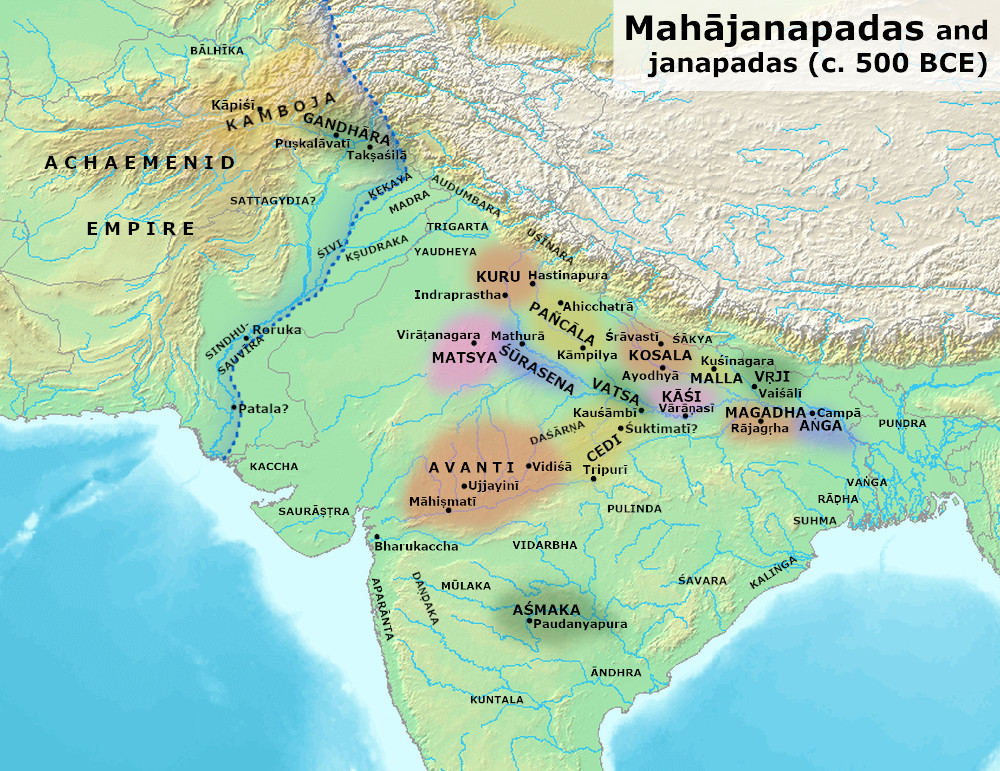
By roughly 2000–1500 BCE, Indo-Aryan inhabitants of the region (mainly in the eastern parts of present-day Afghanistan) were adherents of an ancient form of Indo-Iranian religion. Notable among these were the Gandharis and Kambojas. The Pashayi and Nuristanis are present day examples of these Indo-Aryan Vedic people.
Persian, Greek, and Mauryan periods (550–150 BCE)
Most historians maintain that Afghanistan was inhabited by ancient Arians followed by the Achaemenid before the arrival of Alexander the Great and his Greek army in 330 BC. It became part of the Seleucid Empire after the departure of Alexander three years later. In 305 BCE, the Seleucid Empire lost control of the territory south of the Hindu Kush to the Indian Emperor "Sandrocottus" as a result of the Seleucid-Mauryan War.
Classical period (150 BCE–650 CE)
When Chinese travelers Faxian, Song Yun, and Xuanzang explored Afghanistan between the 5th and 7th centuries CE, they wrote numerous travelogues in which reliable information on Afghanistan was stored. They stated that Buddhism was practiced in different parts between the Amu Darya (Oxus River) in the north and the Indus River. However, they did not mention much about Hinduism although Song Yun did state that the Hephthalite rulers did not recognize Buddhism but "preached pseudo gods and killed animals for their meat".
Turk and Kabul Shahi, Zunbil dynasty (650–850 CE)
Before the Islamic conquest of Afghanistan, the territory was a religious sediment of Zoroastrianism, Zunbils, Hinduism and Buddhism. It was inhabited by various peoples, including Persians, Khalaj, Turks, and Pashtuns. Parts of the territory South of Hindu Kush were ruled by the Zunbils, offspring of the southern-Hephthalite. The eastern parts (Kabulistan) were controlled by the Turk Shahis.
The Zunbil and Kabul Shahis were connected with the Indian subcontinent through Buddhism and Zun religions. The Zunbil kings worshipped a sun god by the name of Zun, from which they derived their name. André Wink writes that "the cult of Zun was primarily Hindu, not Buddhist or Zoroastrian", nonetheless he still mentions them having parallels with Tibetan Buddhism and Zoroastrianism in their rituals.

The Kabul Shahi ruled north of the Zunbil territory, which included Kabulistan and Gandahara. The Arabs reached Kabul in 653–654 CE when Abdur Rahman bin Samara, along with 6,000 Arab Muslims, penetrated the Zunbil territory and made their way to the shrine of Zun in Zamindawar, which was believed to be located about 3 mi south of Musa Qala in today's Helmand Province of Afghanistan. The General of the Arab army "broke of a hand of the idol and plucked out the rubies which were its eyes in order to persuade the Marzbān of Sīstān of the god's worthlessness."
Though the early Arab invaders spread the message of Islam, they were not able to rule for long. Hence, many contemporary ethnic groups in Afghanistan, including the Pashtuns, Kalash, Pashayi, Nuristanis and Hindkowans continued to practice Hinduism, Buddhism, and Zoroastrianism. The Kabul Shahis decided to build a giant wall around the city to prevent more Arab invasions; this wall still stands today.
Hindu Shahi (850–1000 CE)
Willem Vogelsang in his 2002 book writes: "During the 8th and 9th centuries AD the eastern territories of modern Afghanistan were still in the hands of non-Muslim rulers. The Muslims primarily regarded them as Indians (Hindus), although many of the local rulers and people were apparently of Hunnic or Turkic descent. Yet, the Muslims were right in so far as the non-Muslim population of eastern Afghanistan was, culturally linked to the Indian sub-continent. Most of them were either Hindus or Buddhists. "
In 870 AD the Saffarids from medieval Zaranj, located at the Nad-e Ali site of modern-day Iran (not to be confused with the similarly named modern city of Zaranj in Afghanistan), conquered most of Afghanistan, establishing Muslim governors throughout the land. It is reported that Muslims and non-Muslims still lived side by side before the arrival of the Ghaznavids in the 10th century.
The first confirmed mention of a Hindu in Afghanistan appears in the 982 AD Ḥudūd al-ʿĀlam, where it speaks of a king in "Ninhar" (Nangarhar), who shows a public display of conversion to Islam, even though he had over 30 wives, which are described as "Muslim, Afghan, and Hindu" wives. These names were often used as geographical terms. For example, Hindu (or Hindustani) has been historically used as a geographical term to describe someone who was native from the region known as Hindustan (Indian subcontinent), and Afghan as someone who was native from a region called Afghanistan.
Decline (1000–1800 CE)

When Sultan Mahmud of Ghazni began crossing the Indus River into Hindustan (land of Hindus) in the 10th century, the Ghaznavid Muslims began bringing Hindu slaves to what is now Afghanistan. Martin Ewans in his 2002 book writes:
Al-Idirisi testifies that until as late as the 12th century, a contract of investiture for every Shahi king was performed at Kabul and that here he was obliged to agree to certain ancient conditions which completed the contract. The Ghaznavid military incursions assured the domination of Sunni Islam in what is now Afghanistan and Pakistan. Various historical sources such as Martin Ewans, E.J. Brill and Farishta have recorded the introduction of Islam to Kabul and other parts of Afghanistan to the conquests of and Mahmud: Mahmud used his plundered wealth to finance his armies which included mercenaries. The Indian soldiers, presumably Hindus, who were one of the components of the army with their commander called sipahsalar-i-Hinduwan lived in their quarter of Ghazna practicing their own religion. Indian soldiers under their commander Suvendhray remained loyal to Mahmud. They were also used against a Turkic rebel, with the command given to a Hindu named Tilak according to Baihaki.
In his war on Peshawar and Waihind says al-Utbi, Mahmud acquired 500,000 slaves that included children and girls. Men were sold as slaves to even common merchants. The amount of slaves captured in Nardin plummeted their price and male slaves were even bought by common merchants. After raiding Thanesar, he acquired 200,000 slaves.
The renowned 14th-century Moroccan Muslim scholar Ibn Battuta remarked that the Hindu Kush meant the "slayer of Indians", because slaves brought from India who had to pass through there died in large numbers due to the extreme cold and quantity of snow.
The Ghaznavid Empire was further expanded by the Ghurids. During the Khalji dynasty, there was also free movement between people from India and Afghanistan. It continued this way until the Mughals followed by the Suris and the Durranis.
During the 18th century (1700s), Afghanistan was still home to a significant Hindu population as documented by British travelers Jonas Hanway (1712-80) and George Forster (1752-91). As noted by the travelers, the Hindu population had a dispersed geographic distribution across the country, with concentrations existing throughout both rural and urban regions.
Modern period
During the 19th and 20th centuries, due to waves of violence and conflict, various migration waves eastwards to British India, coupled with similar out-migration from rural regions of the country resulted in increased urbanization of the Hindu population of Afghanistan. This was especially noted in eastern regions of the country such as Nangarhar Province and Kunar Province where significant rural Hindu populations existed at the time. One such incident took place in 1931 when an attack by robbers—two of whom belonged to the Mangal Pashtun tribe—led to the deaths of two robbers and a Sikh, sparking ongoing enmity between the Mangal tribe and the Sikhs. In response, the government relocated Sikhs and Hindus to larger towns and cities for their safety, with most settling in Jalalabad, significantly increasing the city's population.
The main ethnic groups in Afghanistan which practice Hinduism today are the Punjabis and Sindhis who are believed to have come along with Sikhs as merchants to Afghanistan in the 19th century. Until the collapse of the Democratic Republic of Afghanistan, there were several thousand Hindus living in the country but today their number is at under 100. Most of the others immigrated to India, the European Union, North America or elsewhere.
Afghan Hindus and Afghan Sikhs often share places of worship. Along with the Sikhs, they are all collectively known as Hindki. Linguistic demographics among the Hindu community are diverse and generally follow regional origins: those hailing from Punjab generally speak Punjabi, Sindhis speak Sindhi, and the northern and southern dialects of Hindko. The local Hindu community in Afghanistan is mostly based in the city of Kabul. The 2002 loya jirga had two seats reserved for Hindus and former President Hamid Karzai's economic advisor, Sham Lal Bhatija was an Afghan Hindu.
During the Taliban 1996 to late 2001 rule, Hindus were forced to wear yellow badges in public to identify themselves as non-Muslims. Hindu women were forced to wear burqas, a measure which was claimed to "protect" them from harassment. This was part of the Taliban's plan to segregate "un-Islamic" and "idolatrous" communities from Islamic ones.
The decree was condemned by the Indian and U.S. governments as a violation of religious freedom. Widespread protests against the Taliban regime broke out in Bhopal, India. In the United States, Abraham Foxman, chairman of the Anti-Defamation League, compared the decree to the practices of Nazi Germany, where Jews were required to wear labels identifying them as such. Several influential lawmakers in the United States wore yellow badges with the inscription "I am a Hindu", on the floor of the Senate during the debate as a demonstration of their solidarity with the Hindu minority in Afghanistan.
Since the 1990s, many Afghan Hindus have fled the country, seeking asylum in countries such as India, Germany and United States.
In July 2013, the Afghan parliament refused to reserve seats for the minority group as a bill reserving seats for the mentioned was voted against. The bill by the then president Hamid Karzai, had tribal people and "women" as "vulnerable groups" who got reservation, but not religious minorities as per the religious equality article in the constitution.
Demographics
|1980|180000 |2005|79521 |2010|10700 |2020|50
| Year | Percent | Increase |
|---|---|---|
| **1980** | **1.6%** | |
| **2005** | **0.35%** | **-1.25%** |
| **2010** | **0.04%** | **-0.31** |
| **2020** | **0.04%** | **-** |
| Year | Hindu population & percentage | Total population of Afghanistan | Sources | Total Hindu population of Afghanistan | Hindu percentage of total population of Afghanistan | 1940 | 1970 | 1970 | 1970 | 1973 | 1978 | 1979 | 1980 | 1980 | 1980 | 1980 | 1980 | 1980 | 1980 | 1989 | 1990 | 1990 | 1990 | 1992 | 1992 | 1992 | 1992 | 1992 | 1994 | 1995 | 1996 | 2001 | 2009 | 2009 | 2010 | 2017 | 2017 | 2017 | 2017 | 2018 | 2018 | 2018 | 2019 | 2019 | 2019 | 2019 | 2020 | 2020 | 2020 | 2020 | 2021 | 2021 | 2021 | 2022 | 2022 | ||||||||||
|---|---|---|---|---|---|---|---|---|---|---|---|---|---|---|---|---|---|---|---|---|---|---|---|---|---|---|---|---|---|---|---|---|---|---|---|---|---|---|---|---|---|---|---|---|---|---|---|---|---|---|---|---|---|---|---|---|---|---|---|---|---|---|---|---|---|
| 100,000 | 7,000,000 | date=20 August 2014 | title=Explainer: who are the Afghan Sikhs? | url=https://theconversation.com/explainer-who-are-the-afghan-sikhs-30699 | access-date=2025-04-05 | website=The Conversation | language=en}} | ||||||||||||||||||||||||||||||||||||||||||||||||||||||||||
| 280,000 | 10,800,000 | date=23 May 2024 | title=Country Guidance: Afghanistan | url=https://euaa.europa.eu/publications/country-guidance-afghanistan-may-2024 | url-status=live | access-date=2025-04-06 | archive-url=https://web.archive.org/web/20250406204801/https://euaa.europa.eu/publications/country-guidance-afghanistan | archive-date=2025-04-06 | website=European Union Agency for Asylum | page=66}} | |||||||||||||||||||||||||||||||||||||||||||||||||||||||
| 80,000 | 10,800,000 | title=Afghanistan Population 1950-2025 | url=https://www.macrotrends.net/global-metrics/countries/AFG/afghanistan/population | access-date=4 April 2025}} | |||||||||||||||||||||||||||||||||||||||||||||||||||||||||||||
| 40,000 | 10,800,000 | last=Social | first=Saha | date=7 May 2024 | title=The Declining Population of Sikhs and Hindus in Afghanistan: A 2019 Overview | url=https://saha.social/sikhs-and-hindus-of-afghanistan/the-declining-population-of-sikhs-and-hindus-in-afghanistan-a-2019-overview/ | access-date=2025-04-05 | website=Saha.Social | language=en}} | ||||||||||||||||||||||||||||||||||||||||||||||||||||||||
| 12,000 | 11,300,000 | last=Singh | first=Inderjeet | date=October 2020 | title=Inderjeet Singh (2020) Afghan Sikhs - Tracing their Origins & History. Abstracts of Sikh Studies. Vol XXI, Issue 4, p56-73 | url=https://www.researchgate.net/publication/344689789 | access-date=2025-04-05 | website=ResearchGate | language=en}} | ||||||||||||||||||||||||||||||||||||||||||||||||||||||||
| 100,000 | 12,900,000 | last=Noorzai | first=Roshan | date=2020-05-03 | title=Sikhs and Hindus of Afghanistan in Limbo after March Deadly Attack | url=https://www.voanews.com/a/extremism-watch_sikhs-and-hindus-afghanistan-limbo-after-march-deadly-attack/6188647.html | access-date=2025-04-04 | website=Voice of America News | language=en}} | ||||||||||||||||||||||||||||||||||||||||||||||||||||||||
| 40,000 | 13,000,000 | last1=Negah | first1=Freshta | last2=Siddique | first2=Abubakar | date=22 August 2023 | title='Forced To Dress Like a Muslim': Taliban Imposes Restrictions On Afghanistan's Sikh, Hindu Minorities | url=https://www.rferl.org/a/afghanistan-sikh-hindu-muslim-taliban-restrictions/32559175.html | access-date=2025-04-05 | website=Radio Free Europe | language=en}} | ||||||||||||||||||||||||||||||||||||||||||||||||||||||
| 200,000 | 12,500,000 | last=Friel | first=Terry | date=9 August 2007 | title=Afghanistan's hated Sikhs yearn for India | url=https://www.reuters.com/article/lifestyle-life-afghan-sikhs-dc-idUKSP13957620061123/ | access-date=2025-04-05 | website=Reuters | language=en}} | ||||||||||||||||||||||||||||||||||||||||||||||||||||||||
| 120,000 | 12,500,000 | ||||||||||||||||||||||||||||||||||||||||||||||||||||||||||||||||
| 100,000 | 12,500,000 | last=Noorzai | first=Roshan | date=10 June 2021 | title=Afghan Hindus, Sikhs in Limbo While Stuck in India | url=https://www.voanews.com/a/extremism-watch_afghan-hindus-sikhs-limbo-while-stuck-india/6206868.html | access-date=2025-04-05 | website=Voice of America News | language=en}} | ||||||||||||||||||||||||||||||||||||||||||||||||||||||||
| 88,000 | 12,500,000 | ||||||||||||||||||||||||||||||||||||||||||||||||||||||||||||||||
| 80,000 | 12,500,000 | url = https://www.thenationalnews.com/world/asia/afghan-hindus-and-sikhs-celebrate-diwali-without-pomp-and-splendour-amid-fear-1.668735 | title = Afghan Hindus and Sikhs celebrate Diwali without 'pomp and splendour' amid fear | author = Ruchi Kumar | date = 19 October 2017 | access-date = 6 July 2021 | archive-date = 26 October 2017 | archive-url = https://web.archive.org/web/20171026054932/https://www.thenational.ae/world/asia/afghan-hindus-and-sikhs-celebrate-diwali-without-pomp-and-splendour-amid-fear-1.668735 | url-status = live}} | ||||||||||||||||||||||||||||||||||||||||||||||||||||||||
| 50,000 | 12,500,000 | last=Bhattacherjee | first=Kallol | date=10 April 2024 | title=Taliban restoring property to displaced Hindus and Sikhs: spokesman | url=https://www.thehindu.com/news/international/taliban-restoring-property-to-displaced-hindus-and-sikhs-spokesman/article68047607.ece | access-date=2025-04-05 | website=The Hindu | language=en}} | ||||||||||||||||||||||||||||||||||||||||||||||||||||||||
| 40,000 | 12,500,000 | ||||||||||||||||||||||||||||||||||||||||||||||||||||||||||||||||
| 20,000 | 10,700,000 | ||||||||||||||||||||||||||||||||||||||||||||||||||||||||||||||||
| 80,000 | 10,700,000 | last=Salahuddin | first=Sayed | date=28 June 2018 | title=Afghanistan's only non-Muslim candidate vows to fight for justice for all | url=https://www.arabnews.com/node/1329871/world | access-date=2025-04-05 | website=Arab News | language=en}} | ||||||||||||||||||||||||||||||||||||||||||||||||||||||||
| 40,000 | 10,700,000 | ||||||||||||||||||||||||||||||||||||||||||||||||||||||||||||||||
| 20,000 | 10,700,000 | last=Immigration and Refugee Board Canada | first=Research Directorate | date=7 July 2000 | title=Afghanistan: Treatment of the Hindu community by the Taliban | url=https://webarchive.archive.unhcr.org/20230528221912/https://www.refworld.org/docid/3ae6ad462c.html | access-date=2025-04-05 | website=The UN Refugee Agency | language=en}} | ||||||||||||||||||||||||||||||||||||||||||||||||||||||||
| 88,000 | 12,100,000 | last=Arbabzadah | first=Nushin | date=6 July 2010 | title=Afghan Sikhs: forgotten victims | url=https://www.theguardian.com/commentisfree/belief/2010/jul/06/afghanistan-sikhs-persecution | access-date=2025-04-05 | website=The Guardian | language=en}} | ||||||||||||||||||||||||||||||||||||||||||||||||||||||||
| 80,000 | 12,100,000 | last=Salahuddin | first=Sayed | date=1 July 2010 | title=Afghan Hindus and Sikhs grapple with uncertain future | url=https://www.reuters.com/article/world/afghan-hindus-and-sikhs-grapple-with-uncertain-future-idUSTRE6610BW/ | access-date=2025-04-05 | website=Reuters | language=en}} | ||||||||||||||||||||||||||||||||||||||||||||||||||||||||
| 30,000 | 12,100,000 | ||||||||||||||||||||||||||||||||||||||||||||||||||||||||||||||||
| 24,000 | 12,100,000 | last1=Khurana | first1=G.S. | last2=Singh | first2=Inderjeet | date=May 2021 | title=AFGHAN HINDU AND SIKHS -HISTORY OF A THOUSAND YEARS - A REVIEW | url=https://www.researchgate.net/publication/351561822 | access-date=2025-04-05 | website=ResearchGate | language=en}} | ||||||||||||||||||||||||||||||||||||||||||||||||||||||
| 20,000 | 12,100,000 | date=17 June 2002 | title=Focus on Hindus and Sikhs in Kandahar | url=https://www.thenewhumanitarian.org/feature/2002/06/17/focus-hindus-and-sikhs-kandahar | access-date=2025-04-05 | website=The New Humanitarian | language=en}} | ||||||||||||||||||||||||||||||||||||||||||||||||||||||||||
| 24,000 | 15,500,000 | ||||||||||||||||||||||||||||||||||||||||||||||||||||||||||||||||
| 6,000 | 16,400,000 | last= | first= | date= | title=Nearly 99% Of Hindus, Sikhs Left Afghanistan in Last Three decades | url=https://tolonews.com/afghanistan/nearly-99-hindus-sikhs-left-afghanistan-last-three-decades | access-date=2021-02-13 | website=TOLOnews | language=en | archive-date=3 June 2021 | archive-url=https://web.archive.org/web/20210603073940/https://tolonews.com/afghanistan/nearly-99-hindus-sikhs-left-afghanistan-last-three-decades | url-status=live}} | |||||||||||||||||||||||||||||||||||||||||||||||||||||
| 4,000 | 17,100,000 | ||||||||||||||||||||||||||||||||||||||||||||||||||||||||||||||||
| 1,200 | 19,700,000 | ||||||||||||||||||||||||||||||||||||||||||||||||||||||||||||||||
| 3,000 | 27,400,000 | ||||||||||||||||||||||||||||||||||||||||||||||||||||||||||||||||
| 1,100 | 27,400,000 | last=Roger | first=Ballard | date=2011 | title=The History and Current Position of Afghanistan's Hindu and Sikh Population | url=https://fid4sa-repository.ub.uni-heidelberg.de/2761/ | access-date=2025-04-05 | website=FID4SA-Repository | language=en}} | ||||||||||||||||||||||||||||||||||||||||||||||||||||||||
| 800 | 28,200,000 | ||||||||||||||||||||||||||||||||||||||||||||||||||||||||||||||||
| 2,800 | 35,600,000 | ||||||||||||||||||||||||||||||||||||||||||||||||||||||||||||||||
| 1,200 | 35,600,000 | ||||||||||||||||||||||||||||||||||||||||||||||||||||||||||||||||
| 540 | 35,600,000 | ||||||||||||||||||||||||||||||||||||||||||||||||||||||||||||||||
| 520 | 35,600,000 | last=Department of State | first=United States | date=2019 | title=2019 Report on International Religious Freedom: Afghanistan | url=https://www.state.gov/reports/2019-report-on-international-religious-freedom/afghanistan/ | access-date=2025-04-05 | website=U.S. Department of State | language=en}} | ||||||||||||||||||||||||||||||||||||||||||||||||||||||||
| 800 | 36,700,000 | ||||||||||||||||||||||||||||||||||||||||||||||||||||||||||||||||
| 280 | 36,700,000 | ||||||||||||||||||||||||||||||||||||||||||||||||||||||||||||||||
| 60 | 36,700,000 | ||||||||||||||||||||||||||||||||||||||||||||||||||||||||||||||||
| 440 | 37,800,000 | ||||||||||||||||||||||||||||||||||||||||||||||||||||||||||||||||
| 400 | 37,800,000 | ||||||||||||||||||||||||||||||||||||||||||||||||||||||||||||||||
| 220 | 37,800,000 | ||||||||||||||||||||||||||||||||||||||||||||||||||||||||||||||||
| 35 | 37,800,000 | ||||||||||||||||||||||||||||||||||||||||||||||||||||||||||||||||
| 540 | 39,000,000 | ||||||||||||||||||||||||||||||||||||||||||||||||||||||||||||||||
| 280 | 39,000,000 | ||||||||||||||||||||||||||||||||||||||||||||||||||||||||||||||||
| 160 | 39,000,000 | ||||||||||||||||||||||||||||||||||||||||||||||||||||||||||||||||
| 50 | 39,000,000 | ||||||||||||||||||||||||||||||||||||||||||||||||||||||||||||||||
| 400 | 40,100,000 | ||||||||||||||||||||||||||||||||||||||||||||||||||||||||||||||||
| 100 | 40,100,000 | last=Chabba | first=Seerat | date=8 September 2021 | title=What Taliban rule means for Sikhs and Hindus | url=https://www.dw.com/en/afghanistan-what-does-taliban-rule-mean-for-sikhs-and-hindus/a-59122249 | access-date=2025-04-05 | website=DW News | language=en}} | ||||||||||||||||||||||||||||||||||||||||||||||||||||||||
| 40 | 40,100,000 | title=Afghan Sikhs, Hindus meet Taliban officials, are assured of safety | url=https://www.msn.com/en-in/news/newsindia/afghan-sikhs-hindus-meet-taliban-officials-are-assured-of-safety/ar-AANoqBh | via=MSN | work=The Indian Express | url-status=dead | archive-date=27 June 2022 | archive-url=https://web.archive.org/web/20220627223743/https://www.msn.com/en-in/news/newsindia/afghan-sikhs-hindus-meet-taliban-officials-are-assured-of-safety/ar-AANoqBh}} | |||||||||||||||||||||||||||||||||||||||||||||||||||||||||
| 400 | 41,100,000 | ||||||||||||||||||||||||||||||||||||||||||||||||||||||||||||||||
| 60 | 41,100,000 | ||||||||||||||||||||||||||||||||||||||||||||||||||||||||||||||||
| Note: Historical and contemporary estimations frequently merge Afghan Hindu and Afghan Sikh populations. According to historian Inderjeet Singh, the population ratio between Afghan Hindus and Sikhs is estimated to be 40:60. All sourced estimates in table above with merged population figures are based upon this population ratio. |
Diaspora
As both populations are frequently merged in historic and contemporary estimations, the population ratio between Afghan Sikhs and Hindus is estimated to be 60:40 according to historian Inderjeet Singh.
With a wide range of population approximations in the absence of official census data and with much of the community concentrated in the provinces of Kabul, Nangarhar, Ghazni, and Kandahar, the Afghan Hindu population was estimated to be between 80,000 and 280,000 in the 1970s, as per estimates by historian Inderjeet Singh, Ehsan Shayegan with the Porsesh Research and Studies Organisation and Rawail Singh, an Afghan Sikh civil rights activist.
In the time of 1980's after the Afghan civil war 1979 the population of Hindus and Sikh fell at a very fast rate due to Taliban's rise to power and religious persecution and discrimination and they migrated from Afghanistan to other countries, The continue rise of Islamization and Taliban insurgency also contributed in the diaspora. The decline was seen mostly in Pashtuns-dominated areas, due to Pashtunistan and Pashtun nationalism, with the Afghan Hindu population declining to 3,000 by 2009.
As per the 2017 data, more than 99% of Afghan Sikhs and Hindus have left the country in the last 3 decades. Many Afghan Hindus and Sikhs have been settled in Germany, France, United States, Australia, India, Belgium, the Netherlands and other nations.
The Afghan Hindu population declined to approximately 50 in 2020.
Ancient Hindu temples
| Place | Description | Other information | Ref. | ||||||
|---|---|---|---|---|---|---|---|---|---|
| Polusha | Bhima Devi (Durga) and temple of Maheshvera | Visited by Xuanzang | |||||||
| Sakawand | Temple dedicated to Surya | last1=Gupta | first1=Parmanand | title=Geographical Names in Ancient Indian Inscriptions | date=1977 | publisher=Concept Publishing Company | page=53 | language=English}} | |
| Asamai Temple | The Asamai temple is at the foothills of the central Kabul hill Koh-e Asamai | ||||||||
| Bhairo Temple | Shor Bazaar | ||||||||
| Mangaldwar Mandir |
Notable people
- Atma Ram – Afghan Minister and author
- Niranjan Das - Afghan politician
- Annet Mahendru – American actress born in Kabul to a Punjabi Indian father, Ghanshan "Ken" Mahendru, whose family had emigrated to Afghanistan from Delhi and a Russian mother, Olga.
- Celina Jaitley – Indian Bollywood actress born to an Indian Punjabi father in the Army and a Christian mother, Meeta. Her mother was a third-generation Afghan-Indian through her Afghan Hindu great-grandmother.
Notes
References
Sources
References
- (March 2021). "Country Policy and Information Note: Afghanistan: Hindus and Sikhs". [[Home Office]], United Kingdom.
- Singh, Manpreet. (22 August 2014). "Dark days continue for Sikhs and Hindus in Afghanistan".
- "Afghan Sikhs, Hindus meet Taliban officials, are assured of safety". [[The Indian Express]].
- (28 July 2020). "Sikhs and Hindus of Afghanistan — how many remain, why they want to leave". [[The Indian Express]].
- "3.14.3. Hindus and Sikhs".
- (2003). "The clash of fundamentalisms: crusades, jihads and modernity". Verso.
- Wink, André. (2002). "Al-Hind, the Making of the Indo-Islamic World: Early Medieval India and the Expansion of Islam 7Th-11th Centuries". BRILL.
- (2018). "Afghanistan". [[Brill Publishers]].
- "UNESCO World Heritage Centre: Taxila".
- Minahan, James B.. (10 February 2014). "Ethnic Groups of North, East, and Central Asia: An Encyclopedia". ABC-CLIO.
- Weekes, Richard V.. (1984). "Muslim peoples: a world ethnographic survey". [[Greenwood Publishing Group]].
- Khanam, R.. (2005). "Encyclopaedic ethnography of Middle-East and Central Asia". Global Vision Publishing House.
- (1997). "The Pashayi of Afghanistan". Bethany World Prayer Center.
- India: from Indus Valley civilisation to Mauryas By Gyan Swarup Gupta Published by Concept Publishing Company, 1999 {{ISBN. 81-7022-763-1, {{ISBN. 978-81-7022-763-2, page 199.
- (1990). "The World's Major Languages". Oxford University Press.
- Ancient Pakistan: Volume 3, University of Peshawar. Dept. of Archaeology - 1967, Page 23
- "Rigveda 1.126:7, English translation by Ralph TH Griffith".
- Arthur Anthony Macdonell. (1997). "A History of Sanskrit Literature". Motilal Banarsidass.
- (1976). "The Turki Śāhis and Relevant Brahmanical Sculptures in Afghanistan". East and West.
- (1975). "KHAIR KHANEH AND ITS CHINESE EVIDENCES". Orient.
- (1976). "The Turki Śāhis and Relevant Brahmanical Sculptures in Afghanistan". East and West.
- (1936). "Recherches Archéologiques au Col de Khair khaneh près de Kābul : vol.1 / Page 77 (Grayscale High Resolution Image)". DAFA.
- (1976). "The Turki Śāhis and Relevant Brahmanical Sculptures in Afghanistan". East and West.
- (2014). "From the Sasanians to the Huns New Numismatic Evidence from the Hindu Kush". The Numismatic Chronicle.
- (19 November 2015). "The Huns". Routledge.
- "The Countenance of the other (The Coins of the Huns and Western Turks in Central Asia and India) 2012-2013 exhibit: 16. THE HINDU SHAHIS IN KABULISTAN AND GANDHARA AND THE ARAB CONQUEST". Kunsthistorisches Museum Vienna.
- Minahan, James B.. (10 February 2014). "Ethnic Groups of North, East, and Central Asia: An Encyclopedia". ABC-CLIO.
- Weekes, Richard V.. (1984). "Muslim peoples: a world ethnographic survey". [[Greenwood Publishing Group]].
- Khanam, R.. (2005). "Encyclopaedic ethnography of Middle-East and Central Asia". Global Vision Publishing House.
- (1997). "The Pashayi of Afghanistan". Bethany World Prayer Center.
- Richard F. Strand. (31 December 2005). "Richard Strand's Nuristân Site: Peoples and Languages of Nuristan". nuristan.info.
- Nancy Hatch Dupree / Aḥmad ʻAlī Kuhzād. (1972). "An Historical Guide to Kabul – The Name". American International School of Kabul.
- (1969). "Chinese Travelers in Afghanistan". alamahabibi.com.
- André Wink, ''Al-Hind: The Making of the Indo-Islamic World'', Brill 1990. p 118
- "Parallels have been noted with pre-Buddhist religious and monarchy practices in Tibet and had Zoroastrianism in its ritual". Al- Hind: The slave kings and the Islamic conquest. 2, page 118. By André Wink
- For photograph of statue and details of inscription, see: Dhavalikar, M. K., "{{IAST. Gaņeśa: Myth and Reality", in: {{Harvnb. Brown. 1991
- André Wink, ''Al-Hind: The Making of the Indo-Islamic World'', Brill 1990. p 120
- "The Kabul Times Annual". Kabul Times Pub. Agency, Information, Culture Ministry., 1970.
- by Willem Vogelsang, Edition: illustrated Published by Wiley-Blackwell, 2002 Page 188
- (2010). "In Search of Ram Shahrestan The Capital of the Sistan Province in the Sassanid Era". Central Asiatic Journal.
- (1867–1877). "A.—The Hindu Kings of Kábul (p.3)". [[Packard Humanities Institute]].
- (2002). "The Afghans". Wiley-Blackwell.
- (2006). "Who Invented Hinduism: Essays on Religion in History". Yoda Press.
- "Hutchinson's story of the nations, containing the Egyptians, the Chinese, India, the Babylonian nation, the Hittites, the Assyrians, the Phoenicians and the Carthaginians, the Phrygians, the Lydians, and other nations of Asia Minor". London, Hutchinson.
- ''Afghanistan: A New History'', by Martin Ewans Edition: 2, illustrated Published by Routledge, 2002 Page 15 {{ISBN. 0-415-29826-1, {{ISBN. 978-0-415-29826-1
- Al-Idrisi, p. 67, Maqbul Ahmed; ''Al-Hind, the Making of the Indo-Islamic World'', 1991, p. 127, Andre Wink.
- 0-415-29826-1, {{ISBN. 978-0-415-29826-1. "He encouraged mass conversions to Islam, of Indians as well as Afghans, looted Hindu temples and carried off immense booty, earning for himself, depending on the viewpoint of the observer, the titles of 'Image-breaker' or 'Scourge of India'."
- Romila Thapar. (2005). "Somanatha: The Many Voices of a History". Verso.
- 9-004-10236-1, {{ISBN. 978-9-004-10236-1.
- Christoph Witzenrath. (2016). "Eurasian Slavery, Ransom and Abolition in World History, 1200-1860". Routledge.
- Majumder, Sanjoy. (2003-09-25). "Sikhs struggle in Afghanistan". [[BBC]].
- [http://newsvote.bbc.co.uk/2/hi/south_asia/2032169.stm Afghanistan's loya jirga] {{Webarchive. link. (2 October 2018 BBC 0- June 7, 2002)
- (16 May 2012). "Karzai's Hindu Afghan serves his country".
- [http://archives.cnn.com/2001/fyi/news/05/22/taleban.hindus/index.html Taliban to mark Afghan Hindus] {{webarchive. link. (2007-02-21, CNN)
- [http://english.people.com.cn/english/200105/23/eng20010523_70812.html Taliban: Hindus Must Wear Identity Labels] {{Webarchive. link. (21 May 2013 , ''People's Daily'')
- "U.S. House condemns Taliban over Hindu badges – WWRN – World-wide Religious News".
- "rediff.com US edition: US lawmakers say 'We are Hindus'".
- "Afghanistan News Center".
- [http://www.pluralism.org/resources/slideshow/hindgerm/index.php Immigrant Hinduism in Germany: Tamils from Sri Lanka and Their Temples] {{Webarchive. link. (15 October 2012 , pluralism.org)
- (19 July 2013). "We condemn the discrimination against Sikhs and Hindus of Afghanistan". Kabul Press.
- "Country Profile: Afghanistan (Islamic Emirate of Afghanistan)".
- "Religious Composition by Country, 2010-2050".
- (25 June 2016). "Nearly 99% Of Hindus, Sikhs Left Afghanistan in Last Three decades". tolonews.com.
- (20 August 2014). "Explainer: who are the Afghan Sikhs?".
- (23 May 2024). "Country Guidance: Afghanistan".
- Ruchi Kumar. (1 January 2017). "The decline of Afghanistan's Hindu and Sikh communities". Al Jazeera.
- Tippabhatla, Udeerna. (28 August 2020). "5 things to know about Hindus and Sikhs in Afghanistan".
- "Afghanistan Population 1950-2025".
- (28 July 2020). "Sikhs and Hindus of Afghanistan — how many remain, why they want to leave". [[The Indian Express]].
- Javaid, Arfa. (26 August 2021). "Explained: A look at the brief history of Hindu and Sikh communities of Afghanistan".
- Mohammadi, Reza. (2 August 2009). "Afghanistan's marginalised Hindus".
- Anand, Gurpreet Singh. (2019). "Going back a 1000 year history of Afghan Hindus and Sikhs".
- Hasrat-Nazimi, Waslat. (3 December 2012). "Homeless minorities".
- Singh, Rajkumar. (21 April 2022). "Hinduism in ancient and modern Afghanistan".
- Social, Saha. (7 May 2024). "The Declining Population of Sikhs and Hindus in Afghanistan: A 2019 Overview".
- Singh, Inderjeet. (October 2020). "Inderjeet Singh (2020) Afghan Sikhs - Tracing their Origins & History. Abstracts of Sikh Studies. Vol XXI, Issue 4, p56-73".
- Noorzai, Roshan. (2020-05-03). "Sikhs and Hindus of Afghanistan in Limbo after March Deadly Attack".
- (22 August 2023). "'Forced To Dress Like a Muslim': Taliban Imposes Restrictions On Afghanistan's Sikh, Hindu Minorities".
- (26 August 2023). "Taliban imposes restrictions on Afghanistan's Sikh, Hindu minorities".
- Friel, Terry. (9 August 2007). "Afghanistan's hated Sikhs yearn for India".
- Noorzai, Roshan. (10 June 2021). "Afghan Hindus, Sikhs in Limbo While Stuck in India".
- Ruchi Kumar. (19 October 2017). "Afghan Hindus and Sikhs celebrate Diwali without 'pomp and splendour' amid fear".
- (18 July 2022). "Taliban 2.0: The End Game for Afghan Sikhs and Hindus?".
- Bhattacherjee, Kallol. (10 April 2024). "Taliban restoring property to displaced Hindus and Sikhs: spokesman".
- Salahuddin, Sayed. (28 June 2018). "Afghanistan's only non-Muslim candidate vows to fight for justice for all".
- Immigration and Refugee Board Canada, Research Directorate. (7 July 2000). "Afghanistan: Treatment of the Hindu community by the Taliban".
- Arbabzadah, Nushin. (6 July 2010). "Afghan Sikhs: forgotten victims".
- Majumder, Sanjoy. (25 September 2003). "Sikhs struggle in Afghanistan".
- Salahuddin, Sayed. (1 July 2010). "Afghan Hindus and Sikhs grapple with uncertain future".
- (May 2021). "AFGHAN HINDU AND SIKHS -HISTORY OF A THOUSAND YEARS - A REVIEW".
- (17 June 2002). "Focus on Hindus and Sikhs in Kandahar".
- "Nearly 99% Of Hindus, Sikhs Left Afghanistan in Last Three decades".
- Roger, Ballard. (2011). "The History and Current Position of Afghanistan's Hindu and Sikh Population".
- Department of State, United States. (2019). "2019 Report on International Religious Freedom: Afghanistan".
- Chabba, Seerat. (8 September 2021). "What Taliban rule means for Sikhs and Hindus".
- "Afghan Sikhs, Hindus meet Taliban officials, are assured of safety". [[The Indian Express]].
- "Mitgliederzahlen: Hinduismus – REMID – Religionswissenschaftlicher Medien- und Informationsdienst e.V.".
- Garland, Sarah. (31 March 2008). "Hindus flee Afghanistan, Flourish in New York". New York Sun.
- (9 June 2013). "Edward Snowden: the whistleblower behind the NSA surveillance revelations | US news". The Guardian.
- Ruchi Kumar. (1 January 2017). "The decline of Afghanistan's Hindu and Sikh communities". Al Jazeera.
- "Nearly 99% Of Hindus, Sikhs Left Afghanistan in Last Three decades".
- Ruchi Kumar. (19 October 2017). "Afghan Hindus and Sikhs celebrate Diwali without 'pomp and splendour' amid fear".
- KABIR, NAHID A.. (2005). "The Economic Plight of the Afghans in Australia, 1860—2000". Islamic Studies.
- Service, Tribune News. "Facing Islamic State, last embattled Sikhs, Hindus leave Afghanistan".
- "Hindus in Afghanistan Archives".
- Dutt, R. C.. (1995). "The Civilization of India". Asian Educational Services.
- (1977). "Geographical Names in Ancient Indian Inscriptions". Concept Publishing Company.
- (1961). "The Journal of the Bihar Research Society, Volumes 47-49". Bihar and Orissa Research Society.
- (15 November 2017). "The lost Sun Temple of Multan in Pakistan".
- Hindu Castes and Sects, by Jogendra Nath Bhattacharya, Published by Editors Indian, Calcutta, 1968- page 470.
- de Croisset, Phoebe. (December 16, 2016). "Multiple Identities". SBJCT Journal.
- (December 8, 2020). "Annet Mahendru Talk Dead to Me Interview".
- Masih, Archana. (January 27, 2015). "Nina! The 'spy' with designs on India". [[Rediff.com]].
- (19 June 2025). "Celina Jaitley Recalls Rare Pregnancy Condition That Almost Took Her Babies: 'I Was Terrified'".
This article was imported from Wikipedia and is available under the Creative Commons Attribution-ShareAlike 4.0 License. Content has been adapted to SurfDoc format. Original contributors can be found on the article history page.
Ask Mako anything about Hinduism in Afghanistan — get instant answers, deeper analysis, and related topics.
Research with MakoFree with your Surf account
Create a free account to save articles, ask Mako questions, and organize your research.
Sign up freeThis content may have been generated or modified by AI. CloudSurf Software LLC is not responsible for the accuracy, completeness, or reliability of AI-generated content. Always verify important information from primary sources.
Report