From Surf Wiki (app.surf) — the open knowledge base
Health effects of tobacco
Circumstances, mechanisms, and factors of tobacco consumption on human health

Circumstances, mechanisms, and factors of tobacco consumption on human health
Tobacco products, especially when smoked or used orally, have serious negative effects on human health. Half of tobacco users die from complications related to such use. Current smokers are estimated to die an average of 10 years earlier than non-smokers. The World Health Organization estimates that, annually, more than 7 million people die from tobacco-related causes, including 1.6 million non-smokers due to secondhand smoke.
Tobacco smoke contains over 70 chemicals, known as carcinogens, that cause cancer. It also contains nicotine, a highly addictive psychoactive drug. When tobacco is smoked, the nicotine causes physical and psychological dependency. Cigarettes sold in least developed countries have higher tar content and are less likely to be filtered, increasing vulnerability to tobacco smoking-related diseases in these regions.
Tobacco use most commonly leads to diseases affecting the heart, liver, and lungs. Smoking is a major risk factor for several conditions, namely pneumonia, heart attacks, strokes, chronic obstructive pulmonary disease (COPD)—including emphysema and chronic bronchitis—and multiple cancers (particularly lung cancer, cancers of the larynx and mouth, bladder cancer, and pancreatic cancer). It is also responsible for peripheral arterial disease and high blood pressure. The effects vary depending on how frequently and for how many years a person smokes. Smoking earlier in life and smoking cigarettes with higher tar content increases the risk of these diseases. Additionally, other forms of environmental tobacco smoke exposure, known as secondhand and thirdhand smoke, have manifested harmful health effects in people of all ages. Tobacco use is also a significant risk factor in miscarriages among pregnant women who smoke. It contributes to several other health problems for the fetus, such as premature birth and low birth weight, and increases the chance of sudden infant death syndrome (SIDS) by 1.4 to 3 times. The incidence of erectile dysfunction is approximately 85 percent higher in men who smoke compared to men who do not smoke.
Many countries have taken measures to control tobacco consumption by restricting its usage and sales. They have printed warning messages on packaging. Moreover, smoking bans in public places like workplaces, theaters, bars, and restaurants have been enacted to reduce exposure to secondhand smoke. Tobacco taxation inflating the price of tobacco products, have also been imposed.
In the late 1700s and the 1800s, the idea that tobacco use caused certain diseases, including mouth cancers, was initially accepted by the medical community. In the 1880s, automation dramatically reduced the cost of cigarettes, cigarette companies greatly increased their marketing, and use expanded. From the 1890s onwards, associations of tobacco use with cancers and vascular disease were regularly reported. By the 1930s, multiple researchers concluded that tobacco use caused cancer and that tobacco users lived substantially shorter lives. Further studies were published in Nazi Germany in 1939 and 1943, and one in the Netherlands in 1948. However, widespread attention was first drawn in 1950 by researchers from the United States and the United Kingdom, but their research was widely criticized. Follow-up studies in the early 1950s found that people who smoked died faster and were more likely to die of lung cancer and cardiovascular disease. These results were accepted in the medical community and publicized among the general public in the mid-1960s.
Health effects of smoking

Smoking most commonly leads to diseases affecting the heart and lungs and will commonly affect areas such as hands or feet. First signs of smoking-related health issues often show up as numbness in the extremities, with smoking being a major risk factor for heart attacks, chronic obstructive pulmonary disease (COPD), emphysema, and cancer, particularly lung cancer, cancers of the larynx and mouth, and pancreatic cancer. The immune system is also weakened by smoking, which makes the body more susceptible to infections and takes longer to recover from injuries. Overall life expectancy is also reduced in long term smokers, with estimates ranging from 10 to 17.9 years fewer than nonsmokers. About one-half of men who smoke long-term will die of illness due to smoking.
The association of smoking with lung cancer and COPD is among the strongest, both in the public perception and etiologically. Among male smokers, the lifetime risk of developing lung cancer is 17%; among female smokers, the risk is 12%. This risk is significantly lower in nonsmokers: 1.3% in men and 1.4% in women. For COPD, the 25 year incidence of moderate and severe COPD is at least 21% for continuous smokers and 4% for nonsmokers, with no difference being reported between men and women.
A person's increased risk of contracting disease is related to the length of time that a person continues to smoke as well as the amount smoked. However, even smoking one cigarette a day raises the risk of coronary heart disease by about 50% or more, and for stroke by about 30%. Smoking 20 cigarettes a day entails a higher risk, but not proportionately.
If someone stops smoking, then these chances gradually decrease as the damage to their body is repaired. A year after quitting, the risk of contracting heart disease is half that of a continuing smoker. The health risks of smoking are not uniform across all smokers. Risks vary according to the amount of tobacco smoked, with those who smoke more at greater risk. Smoking so-called "light" cigarettes does not reduce the risk.
Mortality
Smoking is the cause of more than 7 million deaths per year. One study found that male and female smokers lose an average of 13 and 15 years of life, respectively. Another measured a loss of life of 7 years. Each cigarette that is smoked is estimated to shorten life by an average of 11 minutes, though this may vary slightly depending on the contents and brand. More recently, it has been reported to be 20 minutes. At least half of all lifelong smokers die early as a result of smoking.
In the United States, cigarette smoking and exposure to tobacco smoke account for roughly one in five, or at least 443,000 premature deaths annually. To put this into context, ABC's Peter Jennings (who would later die at 67 from complications of lung cancer caused by life-long smoking) famously reported that in the US alone, smoking tobacco kills the equivalent of three jumbo jets full of people crashing every day, with no survivors. On a worldwide basis, this equates to a single jumbo jet every hour.
A 2015 study found that about 17% of mortality due to cigarette smoking in the United States is due to diseases outside of those commonly linked with smoking. Official estimates may therefore be significantly underestimating the number of deaths currently being attributed to smoking.
It is estimated that there are between 1 and 1.4 deaths per million cigarettes smoked. Cigarette factories are the most deadly factories in the history of the world. See the below chart detailing the highest-producing cigarette factories, and their estimated deaths caused annually due to the health detriments of cigarettes.
According to WHO, 27137 annual deaths are attributed to tobacco use in Nepal.
File:Share-deaths-smoking.png|Share of deaths from smoking, 2017 File:Death-rate-smoking.png|The number of deaths attributed to smoking per 100,000 people in 2017
Cancer

The primary risks of tobacco usage include many forms of cancer, particularly lung cancer, kidney cancer, cancer of the larynx and head and neck, bladder cancer, esophageal cancer, pancreatic cancer, stomach cancer, and penile cancer. Tobacco smoke can increase the risk of cervical cancer in women. There may be a small increased risk of myeloid leukemia, squamous cell sinonasal cancer, liver cancer, colorectal cancer, cancers of the gallbladder, the adrenal gland, the small intestine, and various childhood cancers.
Lung cancer
The risk of lung cancer is highly influenced by smoking, with up to 90% of diagnoses being attributed to tobacco smoking. The risk of developing lung cancer increases with the number of years smoked and the number of cigarettes smoked per day. Smoking can be linked to all subtypes of lung cancer. Small-cell carcinoma (SCLC) is the most closely associated with almost 100% of cases occurring in smokers. This form of cancer has been identified with autocrine growth loops, proto-oncogene activation and inhibition of tumor suppressor genes. SCLC may originate from neuroendocrine cells located in the bronchus called Feyrter cells.
The risk of dying from lung cancer before age 85 is 22% for a male smoker and 12% for a female smoker, in the absence of competing causes of death. The corresponding estimates for lifelong nonsmokers are a 1.1% probability of dying from lung cancer before age 85 for a man of European descent and a 0.8% probability for a woman.
Head and neck cancer
Tobacco smoking is one of the main risk factors for head and neck cancer. Cigarette smokers have a lifetime increased risk for head and neck cancer that is 5 to 25 times higher than the general population. The person who used to smoke's risk of developing head and neck cancer begins to approach the risk in the general population 15 years after smoking cessation. In addition, people who smoke have a worse prognosis than those who have never smoked. Furthermore, people who continue to smoke after a diagnosis of head and neck cancer have the highest probability of dying compared to those who have never smoked. This effect is seen in patients with HPV-positive head and neck cancer as well. Passive smoking, both at work and at home, also increases the risk of head and neck cancer.
Using tobacco together with alcohol is an especially strong risk factor for head and neck cancer, causing 72% of all cases. This rises to 89% when looking specifically at laryngeal cancer. Smokeless tobacco (including products where tobacco is chewed) is also a cause of oral cancer. Cigar and pipe smoking are also important risk factors for oral cancer. They have a dose-dependent relationship with more consumption leading to higher chances of developing cancer. The use of electronic cigarettes may also lead to the development of head and neck cancers due to the substances like propylene glycol, glycerol, nitrosamines, and metals contained therein, which can cause damage to the airways.
Pulmonary

In smoking, long-term exposure to compounds found in the smoke (e.g., carbon monoxide and cyanide) are believed to be responsible for pulmonary damage and for loss of elasticity in the alveoli, leading to emphysema and chronic obstructive pulmonary disease (COPD). COPD caused by smoking is a permanent, incurable (often terminal) reduction of pulmonary capacity characterized by shortness of breath, wheezing, persistent cough with sputum, and damage to the lungs, including emphysema and chronic bronchitis. The carcinogen acrolein and its derivatives also contribute to the chronic inflammation present in COPD.
Cardiovascular disease
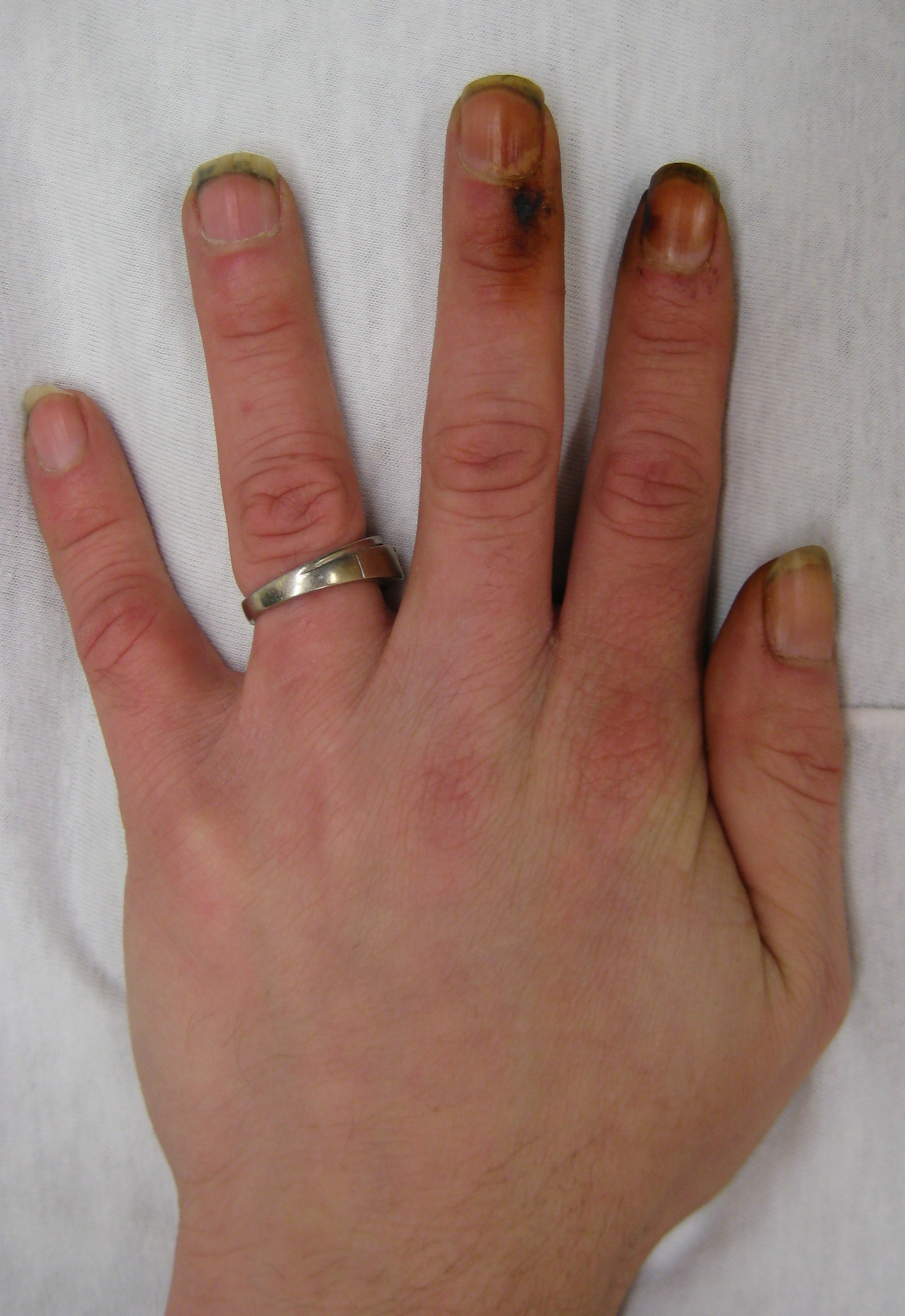
Inhalation of tobacco smoke causes several immediate responses within the heart and blood vessels. Within one minute, the heart rate begins to rise, increasing by as much as 30 percent during the first 10 minutes of smoking. Carbon monoxide in tobacco smoke exerts negative effects by reducing the blood's oxygen-carrying ability.
Smoking also increases the chance of heart disease, stroke, atherosclerosis, and peripheral artery disease. Several ingredients of tobacco lead to the narrowing of blood vessels, increasing the likelihood of a blockage, and thus a heart attack or stroke. According to a study by an international team of researchers, people under 40 are five times more likely to have a heart attack if they are smokers.
Exposure to tobacco smoke is known to increase oxidative stress in the body by various mechanisms, including depletion of plasma antioxidants such as vitamin C.
Research by American biologists has shown that cigarette smoke also influences the process of cell division in the cardiac muscle and changes the heart's shape.
Smoking tobacco has also been linked to Buerger's disease (thromboangiitis obliterans), the acute inflammation and thrombosis (clotting) of arteries and veins of the hands and feet.
Although cigarette smoking causes a greater increase in the risk of cancer than cigar smoking, people who smoke cigars still have an increased risk for many health problems, including cancer, when compared to people who do not smoke. As for second-hand smoke, the NIH study points to the large amount of smoke generated by one cigar, saying "cigars can contribute substantial amounts of tobacco smoke to the indoor environment; and, when large numbers of cigar smokers congregate in a cigar smoking event, the amount of ETS (i.e. second-hand smoke) produced is sufficient to be a health concern for those regularly required to work in those environments."
Smoking also tends to increase blood cholesterol levels. Furthermore, the ratio of high-density lipoprotein (HDL, commonly referred to as "good" cholesterol) to low-density lipoprotein (LDL, commonly referred to as "bad" cholesterol) tends to be lower in smokers compared to non-smokers. Smoking also raises the levels of fibrinogen and increases platelet production (both involved in blood clotting), which makes the blood thicker and more likely to clot. Carbon monoxide binds to hemoglobin (the oxygen-carrying component in red blood cells), resulting in a much more stable complex than hemoglobin bound with oxygen or carbon dioxide—the result is permanent loss of blood cell functionality. Blood cells are naturally recycled after a certain period, allowing for the creation of new, functional red blood cells. However, if carbon monoxide exposure reaches a certain point before it can be recycled, hypoxia (and later death) occurs. All these factors make smokers more at risk of developing various forms of arteriosclerosis (hardening of the arteries). As the arteriosclerosis progresses, blood flows less easily through rigid and narrowed blood vessels, making the blood more likely to form a thrombosis (clot). Sudden blockage of a blood vessel may lead to an infarction (stroke or heart attack). However, the effects of smoking on the heart may be more subtle. These conditions may develop gradually, given the smoking-healing cycle (the human body heals itself between periods of smoking). Therefore, a person who smokes may develop less significant disorders, such as worsening or maintenance of unpleasant dermatological conditions, e.g., eczema, due to reduced blood supply. Smoking also increases blood pressure and weakens blood vessels.
Renal
In addition to increasing the risk of kidney cancer, smoking can also contribute to additional kidney damage. Smokers are at a significantly increased risk for chronic kidney disease than non-smokers. A history of smoking encourages the progression of diabetic nephropathy.
Influenza
A study of an outbreak of an (H1N1) influenza in an Israeli military unit of 336 healthy young men to determine the relation of cigarette smoking to the incidence of clinically apparent influenza, revealed that, of 168 smokers, 69 % had influenza, as compared with 47 % of nonsmokers. Influenza was also more severe in the smokers; 51 % of them lost work days or required bed rest, or both, as compared with 30 % of the nonsmokers.
According to a study of 1,900 male cadets after the 1968 Hong Kong A2 influenza epidemic at a South Carolina military academy, compared with people who did not smoke, people who smoked heavily (more than 20 cigarettes per day) had 21% more illnesses and 20% more bed rest, people who smoked lightly (20 cigarettes or fewer per day) had 10% more illnesses and 7% more bed rest.
The effect of cigarette smoking on epidemic influenza was studied prospectively among 1,811 male college students. Clinical influenza incidence among those who smoked 21 or more cigarettes daily was 21% higher than that of people who did not smoke. Influenza incidence among people who smoked 1 to 20 cigarettes daily was intermediate between those who did not smoke and people who smoked heavily.
Surveillance of a 1979 influenza outbreak at a military base for women in Israel revealed that influenza symptoms developed in 60 % of the current smokers vs. 42 % of the nonsmokers.
Smoking seems to cause a higher relative influenza risk in older populations than in younger populations. In a prospective study of community-dwelling people 60–90 years of age, in 1993, of unimmunized people, 23% of people who smoked had clinical influenza compared with 6% of people who did not smoke.
Smoking may substantially contribute to the growth of influenza epidemics affecting the entire population. However, the proportion of influenza cases in the general non-smoking population attributable to smokers has not yet been calculated.
Mouth

Perhaps the most serious oral condition caused by smoking (including pipe smoking) is oral cancer. However, smoking also increases the risk for various other oral diseases, some almost completely exclusive to tobacco users. Roughly half of periodontitis or inflammation around the teeth cases are attributed to current or former smoking. Smokeless tobacco causes gingival recession and white mucosal lesions. Up to 90% of periodontitis patients who are not helped by common modes of treatment are smokers. Smokers have significantly greater loss of bone height than nonsmokers, and the trend can be extended to pipe smokers to have more bone loss than nonsmokers.
Smoking traditional cigarettes, e-cigarettes, and heat-not-burn products also affect the salivary cytokine levels needed in immune responses. Traditional cigarettes slightly intensify the immune response in long term smokers compared to nonsmokers, with long term smokers showing higher levels of IFN-γ than nonsmokers. E-cigarettes and heat-not-burn products, while marketed to be a healthier alternative, have been shown to inhibit immune response function. Users of these products show lower levels of salivary cytokines, chemokines, and growth factors that function to keep the immune response strong and active in the mouth.
Smoking has been proven to be an important factor in teeth staining. Halitosis or bad breath is common among tobacco smokers. Tooth loss is 2 to 3 times higher in smokers than in non-smokers. In addition, complications may further include leukoplakia, the adherent white plaques or patches on the mucous membranes of the oral cavity, including the tongue.
Infection
Smoking is also linked to susceptibility to infectious diseases, particularly in the lungs (pneumonia). Smoking more than 20 cigarettes a day increases the risk of tuberculosis by two to four times, and being a current smoker has been linked to a fourfold increase in the risk of invasive disease caused by the pathogenic bacteria Streptococcus pneumoniae. It is believed that smoking increases the risk of these and other pulmonary and respiratory tract infections both through structural damage and through effects on the immune system. The effects on the immune system include an increase in CD4+ cell production attributable to nicotine, which has tentatively been linked to increased HIV susceptibility.
Smoking increases the risk of Kaposi's sarcoma in people without HIV infection. One study found this only with the male population and could not draw any conclusions for the female participants in the study.
Erectile dysfunction
The incidence of erectile dysfunction (difficulty achieving and maintaining a penile erection) is approximately 85 percent higher in men who smoke compared to men who do not smoke. Smoking is a key cause of erectile dysfunction (ED).
Female infertility
Smoking is harmful to the ovaries, potentially causing female infertility, and the degree of damage is dependent upon the amount and length of time a woman smokes. Nicotine and other harmful chemicals in cigarettes interfere with the body's ability to create estrogen, a hormone that regulates folliculogenesis and ovulation. Also, cigarette smoking interferes with folliculogenesis, embryo transport, endometrial receptivity, endometrial angiogenesis, uterine blood flow, and the uterine myometrium. Some damage is irreversible, but stopping smoking can prevent further damage. Smokers are 60% more likely to be infertile than non-smokers.
Psychological
American Psychologist stated, "Smokers often report that cigarettes help relieve feelings of stress. However, the stress levels of adult smokers are slightly higher than those of nonsmokers, adolescent smokers report increasing levels of stress as they develop regular patterns of smoking, and smoking cessation leads to reduced stress. Far from acting as an aid for mood control, nicotine dependency seems to exacerbate stress. This is confirmed in the daily mood patterns described by smokers, with normal moods during smoking and worsening moods between cigarettes. Thus, the apparent relaxant effect of smoking only reflects the reversal of the tension and irritability that develop during nicotine depletion. Dependent smokers need nicotine to remain feeling normal."
Immediate effects
Users report feelings of relaxation, sharpness, calmness, and alertness. Those new to smoking may experience nausea, dizziness, increased blood pressure, narrowed arteries, rapid heart beat, coughing and a bad taste in the mouth.
Stress
Smokers report higher levels of everyday stress. Several studies have monitored feelings of stress over time and found reduced stress after quitting.
The deleterious mood effects of everyday between-cigarette nicotine withdrawal symptoms explain why people who smoke experience more daily stress than non-smokers, and become less stressed when they quit smoking. Deprivation reversal also explains much of the arousal data, with deprived smokers being less vigilant and less alert than non-deprived smokers or non-smokers.
Recent studies have shown a positive relationship between psychological distress and salivary cotinine levels in smoking and non-smoking adults, indicating that both firsthand and second-hand smoke exposure may lead to higher levels of mental stress.
Social and behavioral
Medical researchers have found that smoking is a predictor of divorce. Smokers have a 53% greater chance of divorce than nonsmokers.
Cognitive function, AD and PD
The usage of tobacco can also create cognitive dysfunction. There seems to be an increased risk of Alzheimer's disease (AD), although "case–control and cohort studies produce conflicting results as to the direction of the association between smoking and AD". Smoking has been found to contribute to dementia and cognitive decline, reduced memory and cognitive abilities in adolescents, and brain shrinkage (cerebral atrophy).
Most notably, some studies have found that patients with Alzheimer's disease are more likely not to have smoked than the general population, which has been interpreted to suggest that smoking offers some protection against Alzheimer's. However, the research in this area is limited and the results are conflicting; some studies show that smoking increases the risk of Alzheimer's disease. A recent review of the available scientific literature concluded that the apparent decrease in Alzheimer's risk may be simply because smokers tend to die before reaching the age at which Alzheimer's normally occurs. "Differential mortality is always likely to be a problem where there is a need to investigate the effects of smoking in a disorder with very low incidence rates before age 75 years, which is the case of Alzheimer's disease," it stated, noting that smokers are only half as likely as non-smokers to survive to the age of 80.
Some older analyses have claimed that non-smokers are up to twice as likely as smokers to develop Alzheimer's disease. More recent analysis has found that most of the studies which showed a preventing effect were closely affiliated with the tobacco industry. Researchers without tobacco lobby influence have concluded the complete opposite: Smokers are almost twice as likely as nonsmokers to develop Alzheimer's disease.
Former and current smokers have a lower incidence of Parkinson's disease compared to people who have never smoked, although the authors stated that it was more likely that the movement disorders which are part of Parkinson's disease prevented people from being able to smoke than that smoking itself was protective. Another study considered a possible role of nicotine in reducing Parkinson's risk: nicotine stimulates the dopaminergic system of the brain, which is damaged in Parkinson's disease, while other compounds in tobacco smoke inhibit MAO-B, an enzyme which produces oxidative radicals by breaking down dopamine.
In many respects, nicotine acts on the nervous system in a similar way to caffeine. Some writings have stated that smoking can also increase mental concentration; one study documents a significantly better performance on the normed Advanced Raven Progressive Matrices test after smoking.
Most smokers, when denied access to nicotine, exhibit withdrawal symptoms such as irritability, jitteriness, dry mouth, and rapid heart beat. The onset of these symptoms is very fast, nicotine's half-life being only two hours. The psychological dependence may linger for months or even many years. Unlike some recreational drugs, nicotine does not measurably alter a smoker's motor skills, judgement, or language abilities while under the influence of the drug. Nicotine withdrawal has been shown to cause clinically significant distress.
A very large percentage of schizophrenics smoke tobacco as a form of self-medication. The high rate of smoking tobacco by the mentally ill is a major factor in their decreased life expectancy, which is about 25 years shorter than the general population. Following the observation that smoking improves condition of people with schizophrenia, in particular working memory deficit, nicotine patches had been proposed as a way to treat schizophrenia. Some studies suggest that a link exists between smoking and mental illness, citing the high incidence of smoking amongst those with schizophrenia and the possibility that smoking may alleviate some of the symptoms of mental illness, but these have not been conclusive. In 2015, a meta-analysis found that smokers were at greater risk of developing psychotic illness.
Recent studies have linked smoking to anxiety disorders, suggesting the correlation (and possibly mechanism) may be related to the broad class of anxiety disorders, and not limited to just depression. Current and ongoing research attempt to explore the addiction-anxiety relationship. Data from multiple studies suggest that anxiety disorders and depression play a role in cigarette smoking. A history of regular smoking was observed more frequently among individuals who had experienced a major depressive disorder at some time in their lives than among individuals who had never experienced major depression or among individuals with no psychiatric diagnosis. People with major depression are also much less likely to quit due to the increased risk of experiencing mild to severe states of depression, including a major depressive episode. Depressed smokers appear to experience more withdrawal symptoms on quitting, are less likely to be successful at quitting, and are more likely to relapse.
Pregnancy
Main article: Smoking and pregnancy
A number of studies have shown that tobacco use is a significant factor in miscarriages among pregnant smokers, and that it contributes to a number of other threats to the health of the fetus such as low birth weight and pre-term birth. It slightly increases the risk of neural tube defects.
Environmental tobacco smoke exposure and maternal smoking during pregnancy have been shown to cause lower infant birth weights.
Studies have shown an association between prenatal exposure to environmental tobacco smoke and conduct disorder in children. As well, post-natal tobacco smoke exposure may cause similar behavioral problems in children.
Drug interactions
Smoking is known to increase levels of liver enzymes that break down drugs and toxins. That means that drugs cleared by these enzymes are cleared more quickly in smokers, which may result in the drugs not working. Specifically, levels of CYP1A2 and CYP2A6 are induced: substrates for 1A2 include caffeine and tricyclic antidepressants such as amitriptyline; substrates for 2A6 include the anticonvulsant valproic acid.
Multigenerational effects
Main article: Epigenetic effects of smoking
Other harm

Studies suggest that smoking decreases appetite, but did not conclude that overweight people should smoke or that their health would improve by smoking. This is also a cause of heart diseases. Smoking also decreases weight by overexpressing the gene AZGP1, which stimulates lipolysis.
Smoking causes about 10% of the global burden of fire deaths, and smokers are placed at an increased risk of injury-related deaths in general, partly due to also experiencing an increased risk of dying in a motor vehicle crash.
Smoking increases the risk of symptoms associated with Crohn's disease (a dose-dependent effect with use of greater than 15 cigarettes per day). There is some evidence for decreased rates of endometriosis in infertile smoking women, although other studies have found that smoking increases the risk in infertile women. There is little or no evidence of a protective effect in fertile women. Some preliminary data from 1996 suggested a reduced incidence of uterine fibroids, but overall the evidence is unconvincing.
Current research shows that tobacco smokers who are exposed to residential radon are twice as likely to develop lung cancer as non-smokers. As well, the risk of developing lung cancer from asbestos exposure is twice as likely for smokers than for non-smokers.
New research has found that women who smoke are at significantly increased risk of developing an abdominal aortic aneurysm, a condition in which a weak area of the abdominal aorta expands or bulges, and is the most common form of aortic aneurysm.
Smoking leads to an increased risk of bone fractures, especially hip fractures. It also leads to slower wound healing after surgery, and an increased rate of postoperative healing complication.
Tobacco smokers are 30-40% more likely to develop type 2 diabetes than non-smokers, and the risk increases with the number of cigarettes smoked. Furthermore, diabetic smokers have worse outcomes than diabetic non-smokers.
Claimed benefits
Smoker's paradox Against the background of the overwhelmingly negative effects of smoking on health, some observational studies have suggested that smoking might have specific beneficial effects, including in the field of cardiovascular disease. Interest in this epidemiological phenomenon has also been aroused by COVID-19. Systematic review of reports that suggested smokers respond better to treatment for ischemic stroke provided no support for such claims.
Claims of surprising benefits of smoking, based on observational data, have also been made for Parkinson's disease, Melanoma, pemphigus, celiac disease, and ulcerative colitis, among others.
Tobacco smoke has many bioactive substances, including nicotine, that are capable of exerting a variety of systemic effects. Surprising correlations may also stem from non-biological factors such as residual confounding (that is to say, the methodological difficulties in completely adjusting for every confounding factor that can affect outcomes in observational studies).
In Parkinson's disease
In the case of Parkinson's disease, a series of observational studies that consistently suggest a possibly substantial reduction in risk among smokers (and other consumers of tobacco products) has led to longstanding interest among epidemiologists. Non-biological factors that may contribute to such observations include reverse causality (whereby prodromal symptoms of Parkinson's disease may lead some smokers to quit before diagnosis), and personality considerations (people predisposed to Parkinson's disease tend to be relatively risk-averse, and may be less likely to have a history of smoking).
History of claimed benefits
In 1888, an article appeared in Scientific American discussing potential germicidal activity of tobacco smoke providing immunity against yellow fever epidemic of Florida inspiring research in the lab of Vincenzo Tassinari at the Hygienic Institute of the University of Pisa, who explored the antimicrobial activity against pathogens including Bacillus anthracis, Mycobacterium tuberculosis, Bacillus prodigiosus, Staphylococcus aureus, and others. Carbon monoxide is a bioactive component tobacco smoke that has been explored for its antimicrobial properties against many of these pathogens.
On epidemiological grounds, unexpected correlations between smoking and favorable outcomes initially emerged in the context of cardiovascular disease, where they were described as a smoker's paradox (or smoking paradox). The term smoker's paradox was coined in 1995 in relation to reports that smokers appeared to have unexpectedly good short-term outcomes following acute coronary syndrome or stroke. In the same year, a case–control study first suggested a possible protective role in Parkinson's disease.
Historical claims of possible benefits in schizophrenia, whereby smoking was thought to ameliorate cognitive symptoms, are not supported by current evidence.
Mechanism
Chemical carcinogens
Smoke, or any partially burnt organic matter, contains carcinogens (cancer-causing agents). The potential effects of smoking, such as lung cancer, can take up to 20 years to manifest themselves. Historically, women began smoking en masse later than men, so an increased death rate caused by smoking amongst women did not appear until later. The male lung cancer death rate decreased in 1975—roughly 20 years after the initial decline in cigarette consumption in men. A fall in consumption in women also began in 1975 but by 1991 had not manifested in a decrease in lung cancer–related mortalities amongst women.
Smoke contains several carcinogenic pyrolytic products that bind to DNA and cause genetic mutations. Particularly potent carcinogens are polycyclic aromatic hydrocarbons (PAH), which are toxicated to mutagenic epoxides. The first PAH to be identified as a carcinogen in tobacco smoke was benzopyrene, which has been shown to toxicate into an epoxide that irreversibly attaches to a cell's nuclear DNA, which may either kill the cell or cause a genetic mutation. If the mutation inhibits programmed cell death, the cell can survive to become a cancer cell. Similarly, acrolein, which is abundant in tobacco smoke, also irreversibly binds to DNA, causes mutations and thus also cancer. However, it needs no activation to become carcinogenic.
There are over 19 known carcinogens in cigarette smoke. The following are some of the most potent carcinogens:
- Polycyclic aromatic hydrocarbons are tar components produced by pyrolysis in smoldering organic matter and emitted into smoke. Several of these PAH's are already toxic in their normal form, however, many of then can become more toxic to the liver. Due to the hydrophobic nature of PAH's they do not dissolve in water and are hard to expel from the body. In order to make the PAH more soluble in water, the liver creates an enzyme called Cytochrome P450 which adds an additional oxygen to the PAH, turning it into a mutagenic epoxide, which is more soluble but also more reactive. Although such products have become increasingly popular, they still represent a very small fraction of the market, and no conclusive evidence has shown to prove or disprove the positive health claims.
- Acrolein is a pyrolysis product that is abundant in cigarette smoke. It gives smoke an acrid smell and an irritating, tear-causing effect and is a major contributor to its carcinogenicity. Like PAH metabolites, acrolein is also an electrophilic alkylating agent and permanently binds to the DNA base guanine, by a conjugate addition followed by cyclization into a hemiaminal. The acrolein-guanine adduct induces mutations during DNA copying and thus causes cancers in a manner similar to PAHs. However, acrolein is 1000 times more abundant than PAHs in cigarette smoke and is able to react as is, without metabolic activation. Acrolein has been shown to be a mutagen and carcinogen in human cells. The carcinogenicity of acrolein has been difficult to study by animal experimentation, because it has such a toxicity that it tends to kill the animals before they develop cancer. Michael acceptors also contribute to the chronic inflammation present in diseases brought about by smoking.
- Nitrosamines are a group of carcinogenic compounds found in cigarette smoke but not in uncured tobacco leaves. Nitrosamines form on flue-cured tobacco leaves during the curing process through a chemical reaction between nicotine and other compounds contained in the uncured leaf and various oxides of nitrogen found in all combustion gasses. Switching to Indirect fire curing has been shown to reduce nitrosamine levels to less than 0.1 parts per million.
Sidestream tobacco smoke, or exhaled mainstream smoke, is particularly harmful. Because exhaled smoke exists at lower temperatures than inhaled smoke, chemical compounds undergo changes which can cause them to become more dangerous. As well, smoke undergoes changes as it ages, which causes the transformation of the compound NO into the more toxic NO2. Further, volatilization causes smoke particles to become smaller, and thus more easily embedded deep into the lung of anyone who later breathes the air.
Radioactive carcinogens
In addition to chemical, nonradioactive carcinogens, chewing tobacco and tobacco smoke contain small amounts of lead-210 (210Pb) and polonium-210 (210Po), both of which are radioactive carcinogens. The presence of polonium-210 in mainstream cigarette smoke has been experimentally measured at levels of 0.0263–0.036 pCi (0.97–1.33 mBq), which is equivalent to about 0.1 pCi per milligram of smoke (4 mBq/mg); or about 0.81 pCi of lead-210 per gram of dry condensed smoke (30 Bq/kg).
Research by NCAR radiochemist Ed Martell suggested that radioactive compounds in cigarette smoke are deposited in "hot spots" where bronchial tubes branch, that tar from cigarette smoke is resistant to dissolving in lung fluid and that radioactive compounds have a great deal of time to undergo radioactive decay before being cleared by natural processes. Indoors, these radioactive compounds can linger in second-hand smoke, and greater exposure would occur when these radioactive compounds are inhaled during normal breathing, which is deeper and longer than when inhaling cigarettes. Damage to the protective epithelial tissue from smoking only increases the prolonged retention of insoluble polonium-210 compounds produced from burning tobacco. Martell estimated that a carcinogenic radiation dose of 80–100 rads is delivered to the lung tissue of most smokers who die of lung cancer.
Smoking an average of 1.5 packs per day gives a radiation dose of 60-160 mSv/year, compared with living near a nuclear power station (0.0001 mSv/year) or the 3.0 mSv/year average dose for Americans. Some of the mineral apatite in Florida used to produce phosphate for US tobacco crops contains uranium, radium, lead-210 and polonium-210 and radon. The radioactive smoke from tobacco fertilized this way is deposited in lungs and releases radiation even if a smoker quits the habit. The combination of carcinogenic tar and radiation in a sensitive organ such as lungs increases the risk of cancer.
In contrast, a 1999 review of tobacco smoke carcinogens published in the Journal of the National Cancer Institute states that "levels of polonium-210 in tobacco smoke are not believed to be great enough to significantly impact lung cancer in smokers." In 2011 Hecht has also stated that the "levels of 210Po in cigarette smoke are probably too low to be involved in lung cancer induction".
Oxidation and inflammation
Free radicals and pro-oxidants in cigarettes damage blood vessels and oxidize LDL cholesterol. Only oxidized LDL cholesterol is taken-up by macrophages, which become foam cells, leading to atherosclerotic plaques.
Nicotine
Main article: Nicotine
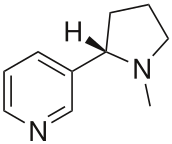
Nicotine, which is contained in cigarettes and other smoked tobacco products, is a stimulant and is one of the main factors leading to continued tobacco smoking. Nicotine is a highly addictive psychoactive chemical. When tobacco is smoked, most of the nicotine is pyrolyzed; a dose sufficient to cause mild somatic dependency and mild to strong psychological dependency remains. The amount of nicotine absorbed by the body from smoking depends on many factors, including the type of tobacco, whether the smoke is inhaled, and whether a filter is used. There is also a formation of harmane (a MAO inhibitor) from the acetaldehyde in cigarette smoke, which seems to play an important role in nicotine addiction probably by facilitating dopamine release in the nucleus accumbens in response to nicotine stimuli. According to studies by Henningfield and Benowitz, nicotine is more addictive than cannabis, caffeine, alcohol, cocaine, and heroin when considering both somatic and psychological dependence. However, due to the stronger withdrawal effects of alcohol, cocaine and heroin, nicotine may have a lower potential for somatic dependence than these substances. About half of Canadians who currently smoke have tried to quit. McGill University health professor Jennifer O'Loughlin stated that nicotine addiction can occur as soon as five months after the start of smoking.
Ingesting a compound by smoking is one of the most rapid and efficient methods of introducing it into the bloodstream, second only to injection, which allows for the rapid feedback which supports the smokers' ability to titrate their dosage. On average it takes about ten seconds for the substance to reach the brain. As a result of the efficiency of this delivery system, many smokers feel as though they are unable to cease. Of those who attempt cessation and last three months without succumbing to nicotine, most are able to remain smoke-free for the rest of their lives. There exists a possibility of depression in some who attempt cessation, as with other psychoactive substances. Depression is also common in teenage smokers; teens who smoke are four times as likely to develop depressive symptoms as their nonsmoking peers.
Although nicotine does play a role in acute episodes of some diseases (including stroke, impotence, and heart disease) by its stimulation of adrenaline release, which raises blood pressure, heart and respiration rate, and free fatty acids, the most serious longer term effects are more the result of the products of the smoldering combustion process. This has led to the development of various nicotine delivery systems, such as the nicotine patch or nicotine gum, that can satisfy the addictive craving by delivering nicotine without the harmful combustion by-products. This can help the heavily dependent smoker to quit gradually while discontinuing further damage to health.
Recent evidence has shown that smoking tobacco increases the release of dopamine in the brain, specifically in the mesolimbic pathway, the same neuro-reward circuit activated by addictive substances such as heroin and cocaine. This suggests nicotine use has a pleasurable effect that triggers positive reinforcement. One study found that smokers exhibit better reaction-time and memory performance compared to non-smokers, which is consistent with increased activation of dopamine receptors. Neurologically, rodent studies have found that nicotine self-administration causes lowering of reward thresholds—a finding opposite that of most other addictive substances (e.g. cocaine and heroin).
The carcinogenity of tobacco smoke is not explained by nicotine per se, which is not carcinogenic or mutagenic, although it is a metabolic precursor for several compounds which are. In addition, it inhibits apoptosis, therefore accelerating existing cancers. Also, NNK, a nicotine derivative converted from nicotine, can be carcinogenic.
Nicotine, although frequently implicated in producing tobacco addiction, is not significantly addictive when administered alone. The addictive potential manifests itself after co-administration of an MAOI, which specifically causes sensitization of the locomotor response in rats, a measure of addictive potential.
Forms of exposure
Second-hand smoke
Main article: Passive smoking
Second-hand smoke is a mixture of smoke from the burning end of a cigarette, pipe or cigar, and the smoke exhaled from the lungs of smokers. It is involuntarily inhaled, lingers in the air hours after cigarettes have been extinguished, and may cause a wide range of adverse health effects, including cancer, respiratory infections, and asthma.
Studies have shown that exposure to second-hand smoke causes harmful effects on the cardiovascular system and is associated with prevalent heart failure among non-smokers. Non-smokers who are exposed to second-hand smoke at home or work are thought, due to a wide variety of statistical studies, to increase their heart disease risk by 25–30% and their lung cancer risk by 20–30%. According to the World Health Organization, second-hand smoke is reported to kill about 1 million people per year and causes numerous diseases including cancer and heart diseases.
The current US Surgeon General's Report concludes that there is no established risk-free level of exposure to second-hand smoke. Short exposures to second-hand smoke are believed to cause blood platelets to become stickier, damage the lining of blood vessels, decrease coronary flow velocity reserves, and reduce heart rate variability, potentially increasing the mortality of heart attacks. New research indicates that private research conducted by cigarette company Philip Morris in the 1980s showed that second-hand smoke was toxic, yet the company suppressed the finding during the next two decades.
Chewing tobacco
Chewing tobacco has been known to cause cancer, particularly of the mouth and throat. According to the International Agency for Research on Cancer, "Some health scientists have suggested that smokeless tobacco should be used in smoking cessation programmes and have made implicit or explicit claims that its use would partly reduce the exposure of smokers to carcinogens and the risk for cancer. These claims, however, are not supported by the available evidence."
Cigars
Like other forms of smoking, cigar smoking poses a significant health risk depending on dosage: risks are greater for those who inhale more when they smoke, smoke more cigars, or smoke them longer. The increased risk for those smoking 1–2 cigars per day is too small to be statistically significant, and the health risks of the 3/4 of cigar smokers who smoke less than daily are not known and are hard to measure.
Hookahs

A common belief among users is that the smoke of a hookah (waterpipe, narghile) is significantly less dangerous than that from cigarettes. The water moisture induced by the hookah makes the smoke less irritating and may give a false sense of security and reduce concerns about true health effects. Doctors at institutions including the Mayo Clinic have stated that use of hookah can be as detrimental to a person's health as smoking cigarettes, and a study by the World Health Organization also confirmed these findings. Although the smoking effects are similar to a cigarettes, due to the manner in which a hookah is utilized, smoking hookah may potentially absorb a higher amount of toxic substances, compared to cigarette smokers.
Each hookah session typically lasts more than 40 minutes, and consists of 50 to 200 inhalations that each range from 0.15 to 0.50 liters of smoke. In an hour-long smoking session of hookah, users consume about 100 to 200 times the smoke of a single cigarette; A study in the Journal of Periodontology found that water pipe smokers were marginally more likely than regular smokers to show signs of gum disease, showing rates 5-fold higher than non-smokers rather than the 3.8-fold risk that regular smokers show. According to USA Today, people who smoked water pipes had five times the risk of lung cancer of non-smokers.
A study on hookah smoking and cancer in Pakistan was published in 2008. Its objective was "to find serum CEA levels in ever/exclusive hookah smokers, i.e. those who smoked only hookah (no cigarettes, bidis, etc.), prepared between 1 and 4 times a day with a quantity of up to 120 g of a tobacco-molasses mixture each (i.e. the tobacco weight equivalent of up to 60 cigarettes of 1 g each) and consumed in 1 to 8 sessions". Carcinoembryonic antigen (CEA) is a marker found in several forms of cancer. Levels in exclusive hookah smokers were lower compared to cigarette smokers although the difference was not as statistically significant as that between a hookah smoker and a non-smoker. Also, the study concluded that heavy hookah smoking (2–4 daily preparations; 3–8 sessions a day; 2 hrs to ≤ 6 hours) substantially raises CEA levels. Hookah smokers were nearly 6 times more likely to develop lung cancer than healthy non-smokers in Kashmir.
Dipping tobacco
Dipping tobacco, often referred to as dip in the United States; is placed in the mouth, between the cheek and gum. Dipping tobacco does not need to be chewed for the nicotine to be absorbed. First-time users of these products often become nauseated and dizzy. Long-term effects include bad breath, yellowed teeth, and an increased risk of oral cancer.
Users of dipping tobacco are believed to face less risk of some cancers than are smokers, but are still at greater risk than people who do not use any tobacco products. Smokeless tobacco has been linked with oral cancer, hypertension, and heart disease. They also have an equal risk of other health problems directly linked to nicotine, such as increased rate of atherosclerosis.
Prevention
Education and counselling by physicians of children and adolescents have been found to be effective in decreasing tobacco use. The World Health Organization (WHO) estimates that 5.6 billion people, or 71% of the world's population, are protected by at least one tobacco prevention policy.
File:Average-price-of-a-pack-of-cigarettes.png|alt=Average price of a pack of 20 cigarettes, measured in international dollars in 2014.|Average price of a pack of 20 cigarettes, measured in international dollars in 2014 File:Taxes-as-share-of-cigarette-price.png|Taxes as a share of cigarette price, 2014 File:Enforcement-of-bans-on-tobacco-advertising.png|Types of bans on tobacco advertising, 2014 File:Support-to-help-to-quit-tobacco-use.png|Support to help quit tobacco use, 2014
Usage
Though tobacco may be consumed by either smoking or other smokeless methods such as chewing, the World Health Organization (WHO) only collects data on smoked tobacco. Smoking has therefore been studied more extensively than any other form of tobacco consumption.
In 2000, smoking was practiced by 1.22 billion people, predicted to rise to 1.45 billion people in 2010 and 1.5 to 1.9 billion by 2025. If prevalence had decreased by 2% a year since 2000 this figure would have been 1.3 billion in 2010 and 2025. Despite dropping by 0.4 percent from 2009 to 2010, the United States still reports an average of 17.9 percent usage.
As of 2002, about twenty percent of young teens (13–15) smoked worldwide, with 80,000 to 100,000 children taking up the addiction every day, roughly half of whom live in Asia. Half of those who begin smoking in adolescent years are projected to go on to smoke for 15 to 20 years.
Teenagers are more likely to use e-cigarettes than cigarettes. About 31% of teenagers who use e-cigarettes started smoking within six months, compared to 8% of non-smokers. Manufacturers do not have to report what is in e-cigarettes, and most teenagers either say e-cigarettes contain only flavoring, or that they do not know what they contain.
The WHO states that "Much of the disease burden and premature mortality attributable to tobacco use disproportionately affect the poor". Of the 1.22 billion smokers, 1 billion live in developing or transitional nations. Rates of smoking have leveled off or declined in the developed world. In the developing world, however, smoking rates were rising by 3.4% per year as of 2002.
The WHO in 2004 projected 59 million deaths to occur globally, from which 5.4 million are smoking-attributed, As of 2002, 70% of the deaths are in developing countries.
The shift in prevalence of tobacco smoking to a younger demographic, mainly in the developing world, can be attributed to several factors. The tobacco industry spends up to $13 billion annually on advertising, which is increasingly geared towards adolescents in the developing world because they are a vulnerable audience for the marketing campaigns. Adolescents have more difficulty understanding the long-term health risks that are associated with smoking and are also more easily influenced by "images of romance, success, sophistication, popularity, and adventure which advertising suggests they could achieve through the consumption of cigarettes". This shift in marketing towards adolescents and even children in the tobacco industry is debilitating to organizations' and countries' efforts to improve child health and mortality in the developing world. It reverses or halts the effects of the work that has been done to improve health care in these countries, and although smoking is deemed as a "voluntary" health risk, the marketing of tobacco towards very impressionable adolescents in the developing world makes it less of a voluntary action and more of an inevitable shift.
Presently, approximately 8 million individuals succumb to tobacco-related diseases annually, resulting in a significant economic burden of $1.4 trillion on the global scale each year.
In the US smoking is considered to be the most common cause of preventable death. About 480,000 individuals die annually due to smoking in the US alone. Currently, the number of premature deaths in the US from tobacco use per year exceeds the number of employees in the tobacco industry by 4 to 1. It has been estimated that tobacco smoking will kill about 1 billion people in the 21st century if current smoking patterns continue, half of them before the age of 70.
China has the largest tobacco smoking population, followed by India. India has the highest tobacco chewing population in the world. 154 people die every hour in India because of chewing and smoking tobacco.
Many government regulations have been passed to protect citizens from harm caused by public environmental tobacco smoke. In the United States, the "Pro-Children's Act of 2001" prohibits smoking within any facility that provides health care, day care, library services, or elementary and secondary education to children. On May 23, 2011, New York City enforced a smoking ban for all parks, beaches, and pedestrian malls in an attempt to eliminate threats posed to civilians by environmental tobacco smoke.
History
Pre-cigarette
Texts on the harmful effects of smoking tobacco were recorded in the Timbuktu manuscripts.
James I wrote a book that denounced tobacco smoking as: "loathsome to the eye, hateful to the nose, harmful to the brain, dangerous to the lungs".
Pipe smoking gradually became generally accepted as a cause of mouth cancers following work done in the 1700s. "An association between a variety of cancers and tobacco use was repeatedly observed from the late 1800s into the early 1920s."
Gideon Lincecum, an American naturalist and practitioner of botanical medicine, wrote in the early 19th century on tobacco: "This poisonous plant has been used a great deal as a medicine by the old school faculty, and thousands have been slain by it. ... It is a very dangerous article, and use it as you will, it always diminishes the vital energies in exact proportion to the quantity used – it may be slowly, but it is very sure."
The 1880s invention of automated cigarette-making machinery in the American South made it possible to mass-produce cigarettes at low cost, and smoking became common. This led to a backlash and a tobacco prohibition movement, which challenged tobacco use as harmful and brought about some bans on tobacco sale and use. In 1924, economist Irving Fisher wrote an anti-smoking article for Reader's Digest which said "tobacco lowers the whole tone of the body and decreases its vital power and resistance ... tobacco acts like a narcotic poison, like opium, and like alcohol, though usually in a less degree". In December 1952, the Reader's Digest reprinted an article titled Cancer by the Carton which outlined the research links between smoking and lung cancer.
Prior to World War I, lung cancer was considered to be a rare disease, which most physicians would never see during their career. With the postwar rise in popularity of cigarette smoking, however, came an epidemic of lung cancer. For instance, it is estimated that "35 to 79 percent of excess veteran deaths due to heart disease and lung cancer are attributable to military-induced smoking"
Early observational studies
From the 1890s onwards, associations of tobacco use with cancers and vascular disease were regularly reported. In 1930, Fritz Lickint of Dresden, Germany, published a meta-analysis citing 167 other works to link tobacco use to lung cancer. Lickint showed that people with lung cancer were likely to be smokers. He also argued that smoking tobacco was the best way to explain the fact that lung cancer struck men four or five times more often than women (since women smoked much less), and discussed the causal effect of smoking on cancers of the liver and bladder.
More observational evidence was published throughout the 1930s, and in 1938, Science published a paper showing that tobacco smokers live substantially shorter lives. It built a survival curve from family history records kept at the Johns Hopkins School of Hygiene and Public Health. This result was ignored or incorrectly explained away.
An association between smoking tobacco and heart attacks was first mentioned in 1930; a large case–control study found a significant association in 1940, but avoided saying anything about cause, on the grounds that such a conclusion would cause controversy and doctors were not yet ready for it.
Official hostility to tobacco use was widespread in Nazi Germany, where case-control studies were published in 1939 and 1943. Another was published in the Netherlands in 1948. A case-control study on lung cancer and smoking, done in 1939 by Franz Hermann Müller, had serious weaknesses in its methodology, but study design problems were better addressed in subsequent studies. In 1947 the British Medical Council held a conference to discuss the reason for the rise in lung cancer deaths; unaware of the German studies, they planned and started their own.
Five case-control studies published in 1950 by researchers from the US and UK did draw widespread attention. The strongest results were found by "Smoking and carcinoma of the lung. Preliminary report", by Richard Doll and Austin Bradford Hill, and the 1950 Wynder and Graham Study, entitled "Tobacco Smoking as a Possible Etiologic Factor in Bronchiogenic Carcinoma: A Study of Six Hundred and Eighty-Four Proved Cases". These two studies were the largest, and the only ones to carefully exclude ex-smokers from their nonsmokers group. The other three studies also reported that, to quote one, "smoking was powerfully implicated in the causation of lung cancer". The Doll and Hill paper reported that "heavy smokers were fifty times as likely as non-smokers to contract lung cancer".
Causality
Early case-control studies clearly showed a close association between smoking and lung cancer, but contemporary doctors and scientists did not feel evidence existed for causality. Follow-up large prospective cohort studies in the early 1950s showed clearly that smokers died faster, and were more likely to die of lung cancer, cardiovascular disease, and a list of other diseases which lengthened as the studies continued
The British Doctors Study, a longitudinal study of some 40,000 doctors, began in 1951.
Public awareness
In 1953, scientists at the Sloan-Kettering Institute in New York City demonstrated that cigarette tar painted on the skin of mice caused fatal cancers. This work attracted much media attention; the New York Times and Life both covered the issue. The Reader's Digest published an article entitled "Cancer by the Carton".
On January 11, 1964, the United States Surgeon General's Report on Smoking and Health was published; this led millions of American smokers to quit, the banning of certain types of advertising, and the requirement of warning labels on tobacco products.
These results were first widely accepted in the medical community, and publicized among the general public, in the mid-1960s. The medical community's resistance to the idea that smoking tobacco caused disease has been attributed to bias from nicotine-dependent doctors, the novelty of the adaptations needed to apply epidemiological techniques and heuristics to non-infectious diseases, and cigarette industry pressure.
The harmful health effects of smoking have been significant for the development of the science of epidemiology. As the mechanism of carcinogenicity is radiomimetic or radiological, the effects are stochastic. Definite statements can be made only on the relative increased or decreased probabilities of contracting a given disease. For a particular individual, it is impossible to definitively prove a direct causal link between exposure to a radiomimetic poison such as tobacco smoke and the cancer that follows; such statements can only be made at the aggregate population level. Cigarette companies have capitalized on this philosophical objection and exploited the doubts of clinicians, who consider only individual cases, on the causal link in the stochastic expression of the toxicity as actual disease.
There have been multiple court cases against tobacco companies for having researched the health effects of smoking, but having then suppressed the findings or formatted them to imply lessened or no hazard.
After a ban on smoking in all enclosed public places was introduced in Scotland in March 2006, there was a 17 percent reduction in hospital admissions for acute coronary syndrome. 67% of the decrease occurred in non-smokers.
References
Bibliography
- Abrams, David B., et al. "Cigarettes: The rise and decline but not demise of the greatest behavioral health disaster of the 20th century." in R. Kaplan, M Spittel, D David (Eds.) Emerging Behavioral and Social Science Perspectives on Population Health (AHRQ Publication 15-0002 (2015): 143-68. online
- Boyle, Peter; Nigel Gray, Jack Henningfield, John Seffrin and Witold Zatonski, Tobacco: Science, Policy and Public Health, Oxford University Press, second edition, 2010, 776 pages (ISBN 9780199566655).
- Brandt, Allan M. The Cigarette Century: The Rise, Fall, and Deadly Persistence of the Product That Defined America (Basic Books. 2007) online Review of this book.
- Drope, Jeffrey, et al. "Who's Still Smoking? Disparities in Adult Cigarette Smoking Prevalence in the United States," CA: A Cancer Journal for Clinicians (2018) 68:106-115. doi: 10.3322/caac.21444
- Frieden, Thomas R. et al. The Health Consequences of Smoking: 50 Years of Progress: A Report of the Surgeon General (2014) online
- Gardner, Martha N. "Risk, pleasure, and change: Using the cigarette to teach US cultural history." The History Teacher 47.1 (2013): 9-24. online
- Keirle, Philip. "Citizens and the cigarette: The civic dimensions of America's earliest, youth-targeted, mass-mediated anti-cigarette campaign." Journal of consumer culture 13.1 (2013): 3-24. https://doi.org/10.1177/1469540512474528
- Kluger, Richard. Ashes to Ashes: America's Hundred-Year Cigarette War, the Public Health, and the Unabashed Trium ph of Philip Morris (Vintage, 1997) online.
- Milov, Sarah. The cigarette: A political history (Harvard University Press, 2019) online.
- Nathanson, Constance A. Disease prevention and social change, the state, society, and public health in the United States, France, Great Britain and Canada (Russell Sage Foundation, 2007) . pp.109–160.
- Oreskes, Naomi, and Erik M. Conway. Merchants of doubt: How a handful of scientists obscured the truth on issues from tobacco smoke to global warming (Bloomsbury Publishing USA, 2011).
- Proctor, Robert N. "The history of the discovery of the cigarette–lung cancer link: evidentiary traditions, corporate denial, global toll." Tobacco control 21.2 (2012): 87-91. online
References
- (2008). "WHO Report on the Global Tobacco Epidemic 2008: The MPOWER Package.". [[World Health Organization]].
- (25 June 2025). "WHO fact sheet: Tobacco". [[World Health Organization]].
- (2004-06-24). "Mortality in relation to smoking: 50 years' observations on male British doctors". BMJ.
- (2015-02-24). "Tobacco smoking and all-cause mortality in a large Australian cohort study: findings from a mature epidemic with current low smoking prevalence". BMC Medicine.
- (May 2014). "Tobacco Fact sheet N°339".
- "Harmful Chemicals in Tobacco Products".
- (1991). "Saving the Children for the Tobacco Industry". Medical Anthropology Quarterly.
- (June 1987). "Is passive smoking increasing cancer risk?". Scandinavian Journal of Work, Environment & Health.
- (2006). "The health consequences of involuntary exposure to tobacco smoke: a report of the Surgeon General". U.S. Department of Health and Human Services, Centers for Disease Control and Prevention, National Center for Chronic Disease Prevention and Health Promotion, Office on Smoking and Health.
- (2004). "Epidemiology of erectile dysfunction". Endocrine.
- (June 1998). "Uncovering the effects of smoking: historical perspective". Statistical Methods in Medical Research.
- (2002). "Social reformers and regulation: the prohibition of cigarettes in the United States and Canada". Explorations in Economic History.
- (2009-06-15). "A Brief History Of Cigarette Advertising".
- (2004). "Fritz Lickint (1898–1960) – Ein Leben als Aufklärer über die Gefahren des Tabaks". Suchtmed.
- (February 2001). "Commentary: Schairer and Schöniger's forgotten tobacco epidemiology and the Nazi quest for racial purity". International Journal of Epidemiology.
- (March 2007). "Development of a rational scale to assess the harm of drugs of potential misuse". Lancet.
- ASPA. (8 August 2012). "Health Effects of Tobacco".
- Abuse, National Institute on Drug. "What are the physical health consequences of tobacco use? {{!}} National Institute on Drug Abuse (NIDA)".
- (June 2004). "Mortality in relation to smoking: 50 years' observations on male British doctors". BMJ.
- "Life Expectancy at Age 30: Nonsmoking Versus Smoking Men". Tobacco Documents Online.
- (April 1999). "Smoking, physical activity, and active life expectancy". American Journal of Epidemiology.
- (October 1994). "Mortality in relation to smoking: 40 years' observations on male British doctors". BMJ.
- (1994). "Lifetime probability of developing lung cancer, by smoking status, Canada". Canadian Journal of Public Health.
- (November 2006). "Developing COPD: a 25 year follow up study of the general population". Thorax.
- (Jan 24, 2018). "Just one cigarette a day seriously elevates cardiovascular risk". British Medical Journal.
- (Feb 3, 2020). "Just one cigarette a day can cause serious heart problems". New Scientist.
- "Benefits of Quitting – American Lung Association". [[American Lung Association]].
- (2005-08-18). "Light Cigarettes and Cancer Risk". National Cancer Institute.
- Centers for Disease Control and Prevention (CDC). (April 2002). "Annual smoking-attributable mortality, years of potential life lost, and economic costs—United States, 1995–1999". MMWR. Morbidity and Mortality Weekly Report.
- (April 2007). "Mortality and life expectancy in relation to long-term cigarette, cigar and pipe smoking: the Zutphen Study". Tobacco Control.
- "Treating Nicotine Addiction". The New York City Department of Health and Mental Hygiene.
- (1999-12-31). "HEALTH | Cigarettes 'cut life by 11 minutes'". BBC News.
- (2000). "Time for a smoke? One cigarette reduces your life by 11 minutes". BMJ.
- "Smoking a single cigarette could take 20 minutes off life expectancy, new study says".
- (September 1995). "Excess mortality among cigarette smokers: changes in a 20-year interval". American Journal of Public Health.
- (December 2011). "America's Health Rankings – 2011". United Health Foundation.
- Centers for Disease Control and Prevention (CDC). (November 2008). "Smoking-attributable mortality, years of potential life lost, and productivity losses—United States, 2000–2004". MMWR. Morbidity and Mortality Weekly Report.
- Never Say Die, an ABC News special by Peter Jennings 6/27/1996
- (2007). "21st Century Could See a Billion Tobacco Victims". Tobacco News Flash.
- (February 2015). "Smoking and mortality—beyond established causes". The New England Journal of Medicine.
- (2012-02-16). "The history of the discovery of the cigarette–lung cancer link: evidentiary traditions, corporate denial, global toll: Table 1". Tobacco Control.
- (September 1991). "Catalog of Risks Extended and Updated". Health Physics.
- "The Kathmandu Post {{!}} Read online latest news and articles from Nepal".
- "Share of deaths from smoking".
- "Death rate from smoking".
- "Share of cancer deaths attributed to tobacco".
- (2010-11-23). "Lung Cancer and Smoking". www.LegacyForHealth.org.
- (December 2006). "The epidemiology of renal cell carcinoma". The Journal of Urology.
- "Risks and causes of laryngeal cancer". Cancer Research UK.
- (2012-06-26). "Head and Neck Cancer: Risk Factors and Prevention". ASCO.
- (September 2008). "Tobacco smoking and risk of bladder cancer". Scandinavian Journal of Urology and Nephrology. Supplementum.
- (2011-08-11). "Esophagus Cancer". American Cancer Society.
- (July 2008). "Tobacco and the risk of pancreatic cancer: a review and meta-analysis". Langenbeck's Archives of Surgery.
- (September 2002). "Tobacco use and cancer causation: association by tumour type". Journal of Internal Medicine.
- (August 2010). "Epidemiology and Natural History of Penile Cancer". Urology.
- (2021-07-03). "Is smoking an independent risk factor for developing cervical intra-epithelial neoplasia and cervical cancer? A systematic review and meta-analysis". Expert Review of Anticancer Therapy.
- (August 2004). "Tobacco smoking and cancer: a brief review of recent epidemiological evidence". Lung Cancer.
- "What are the risk factors for breast cancer?". American Cancer Society.
- (2002). "Cigarette Smoking and the Risk of Breast Cancer in Women". [[Cancer Epidemiology, Biomarkers & Prevention]].
- Pesch, B., Kendzia, B., Gustavsson, P., Jöckel, K.-H., Johnen, G., Pohlabeln, H., … Brüning, T. (2012). Cigarette smoking and lung cancer – relative risk estimates for the major histological types from a pooled analysis of case-control studies. International Journal of Cancer. Journal International Du Cancer, 131(5), 1210–1219.
- "Reducing the Health Consequences of Smoking: 25 Years of Progress. A Report of the Surgeon General.". United States Department of Health & Human Services..
- (October 2011). "Small cell lung cancer clinical practice guidelines in oncology.". Journal of the National Comprehensive Cancer Network.
- (2006). "Friedrich Feyrter: a precise intellect in a diffuse system". Neuroendocrinology.
- (September 2008). "Lung cancer occurrence in never-smokers: an analysis of 13 cohorts and 22 cancer registry studies". PLOS Medicine.
- (September 1995). "Role of alcohol and tobacco in the etiology of head and neck cancer: a case-control study in the Doubs region of France". European Journal of Cancer, Part B.
- (April 1999). "Time since stopping smoking and the risk of oral and pharyngeal cancers". Journal of the National Cancer Institute.
- (2008-11-25). "Influence of Smoking and Alcohol Drinking Behaviors on Treatment Outcomes of Patients With Squamous Cell Carcinomas of the Head and Neck". International Journal of Radiation OncologyBiologyPhysics.
- (20 April 2023). "Why Oncologists Should Feel Directly Involved in Persuading Patients with Head and Neck Cancer to Quit Smoking". Oncology.
- (18 September 2020). "The Impact of Smoking Cessation and Continuation on Recurrence and Survival in Patients with Head and Neck Cancer: A Systematic Review of the Literature". Oncology Research and Treatment.
- (2016-07-01). "Classical risk factors, but not HPV status, predict survival after chemoradiotherapy in advanced head and neck cancer patients". Journal of Cancer Research and Clinical Oncology.
- (2018-12-01). "Tobacco Smoking-Associated Alterations in the Immune Microenvironment of Squamous Cell Carcinomas". JNCI: Journal of the National Cancer Institute.
- (2010-06-07). "Human Papillomavirus and Survival of Patients with Oropharyngeal Cancer". New England Journal of Medicine.
- (2022-11-11). "Reviewing the epidemiology of head and neck cancer: definitions, trends and risk factors". British Dental Journal.
- (2022-11-11). "Reviewing the epidemiology of head and neck cancer: definitions, trends, and risk factors". British Dental Journal.
- (2009-02-01). "Interaction between Tobacco and Alcohol Use and the Risk of Head and Neck Cancer: Pooled Analysis in the International Head and Neck Cancer Epidemiology Consortium". Cancer Epidemiology, Biomarkers & Prevention.
- (May 2020). "Epidemiology of head and neck cancers: an update". Current Opinion in Oncology.
- (November 2016). "Smokeless Tobacco Use and the Risk of Head and Neck Cancer: Pooled Analysis of US Studies in the INHANCE Consortium". American Journal of Epidemiology.
- (3 January 2022). "Smokeless tobacco and cigarette smoking: chemical mechanisms and cancer prevention". Nature Reviews Cancer.
- (2013-09-01). "Cigarette, Cigar, and Pipe Smoking and the Risk of Head and Neck Cancers: Pooled Analysis in the International Head and Neck Cancer Epidemiology Consortium". American Journal of Epidemiology.
- (2022-11-11). "Reviewing the epidemiology of head and neck cancer: definitions, trends and risk factors". British Dental Journal.
- (December 2019). "Effects of Electronic Cigarettes on Oral Cavity: A Systematic Review". The Journal of Evidence-Based Dental Practice.
- (January 2009). "Smoking and Chronic Obstructive Pulmonary Disease (COPD). Parallel Epidemics of the 21st Century". [[MDPI]].
- (May 2006). "ABC of chronic obstructive pulmonary disease. Definition, epidemiology, and risk factors". BMJ.
- (November 2007). "Alpha,beta-unsaturated aldehydes in cigarette smoke release inflammatory mediators from human macrophages". American Journal of Respiratory Cell and Molecular Biology.
- (April 1995). "Passive smoking and heart disease. Mechanisms and risk". JAMA.
- (July 2010). "Smoking and stroke: the more you smoke the more you stroke". Expert Review of Cardiovascular Therapy.
- "How Does Smoking Affect the Heart and Blood Vessels?". NHLBI.
- (2004-08-24). "Health: Young smokers' heart attack risk". BBC.
- (2004). "Current smoking and the risk of non-fatal myocardial infarction in the WHO MONICA Project populations". [[Tobacco Control (journal).
- (Autumn 2007). "Cigarette smoke and adverse health effects: An overview of research trends and future needs". The International Journal of Angiology.
- "Cigarette Smoke Changes Heart's Shape". InfoNIAC.com.
- (May 1990). "Buerger's disease (thromboangiitis obliterans)". Rheumatic Disease Clinics of North America.
- (July 2005). "Cigar smoking: an ignored public health threat". The Journal of Primary Prevention.
- National Institutes of Health. (1998-04-10). "Background on Cigar Monograph: Cigars: Health Effects and Trends".
- (November 2010). "Association between smoking and chronic kidney disease: a case-control study". BMC Public Health.
- (February 1994). "Smoking is associated with progression of diabetic nephropathy". Diabetes Care.
- (October 1982). "Cigarette smoking as a risk factor for epidemic a(h1n1) influenza in young men". The New England Journal of Medicine.
- (November 1969). "Cigarette smoking and epidemic influenza". American Journal of Epidemiology.
- (May 1981). "Smoking and epidemic influenza-like illness in female military recruits: a brief survey". American Journal of Public Health.
- (August 1999). "Influenza A among community-dwelling elderly persons in Leicestershire during winter 1993-4; cigarette smoking as a risk factor and the efficacy of influenza vaccination". Epidemiology and Infection.
- American Cancer Society. (2004). "Questions About Smoking, Tobacco, and Health". Journal of the National Cancer Institute.
- (June 2004). "Association between exclusive pipe smoking and mortality from cancer and other diseases". Journal of the National Cancer Institute.
- (April 2001). "Impact of tobacco use on periodontal status". Journal of Dental Education.
- Zięba Sara, Maciejczyk Mateusz, Antonowicz Bożena, Porydzaj Aleksandra, Szuta Mariusz, Lo Giudice Giuseppe, Lo Giudice Roberto, Krokosz Stanisław, Zalewska Anna, Comparison of smoking traditional, heat not burn and electronic cigarettes on salivary cytokine, chemokine and growth factor profile in healthy young adults–pilot study, Frontiers in Physiology, Volume 15, 2024, https://www.frontiersin.org/journals/physiology/articles/10.3389/fphys.2024.1404944
- (2003). "Tobacco and oral diseases. Update on the evidence, with recommendations". Medical Principles and Practice.
- (January 1977). "An epidemiologic study of factors affecting extrinsic staining of teeth in an English population". Community Dentistry and Oral Epidemiology.
- "Helping you to Stop Smoking!".
- (May 1975). "Studies on biliary excreted metabolites of [G-3H]digitoxin in rats". Archives Internationales de Pharmacodynamie et de Therapie.
- (April 2007). "Tobacco use and incidence of tooth loss among US male health professionals". Journal of Dental Research.
- (February 2008). "Tooth mortality in smokers and nonsmokers in a selected population in Sana'a, Yemen". Journal of Periodontal Research.
- "Leukoplakia Causes". Mayo Clinic.
- (April 2006). "Smoking and tuberculosis: the epidemiological association and immunopathogenesis". Transactions of the Royal Society of Tropical Medicine and Hygiene.
- (March 2008). "A nationally representative case-control study of smoking and death in India". The New England Journal of Medicine.
- (March 2000). "Cigarette smoking and invasive pneumococcal disease. Active Bacterial Core Surveillance Team". The New England Journal of Medicine.
- (November 2004). "Cigarette smoking and infection". Archives of Internal Medicine.
- (November 2002). "Risk factors for classical Kaposi's sarcoma". Journal of the National Cancer Institute.
- "MEDLINEplus: Smoking Cuts Risk of Rare Cancer".
- "The Tobacco Reference Guide".
- Peate I. (2005). "The effects of smoking on the reproductive health of men". British Journal of Nursing.
- (January 2005). "The impact of vascular risk factors on erectile function". Drugs of Today.
- (2011). "Effects of cigarette smoking on reproduction". Human Reproduction Update.
- [http://www.protectyourfertility.com/femalerisks.html FERTILITY FACT > Female Risks] {{webarchive. link. (2007-09-22 By the American Society for Reproductive Medicine (ASRM). Retrieved on Jan 4, 2009)
- "protectyourfertility.com".
- Smoking reduces the chances of [[In vitro fertilisation
- (October 1999). "Does cigarette smoking cause stress?". The American Psychologist.
- (2001). "Des récepteurs nicotiniques à la dépendance tabagique: perspectives thérapeutiques". Alcoologie et Addictologie.
- (2013). "Initial Smoking Experiences and Current Smoking Behavioura and Perceptions among Current Smokers". Journal of Addiction Medicine.
- Generally, the unpleasant symptoms will eventually vanish over time, with repeated use, as the body builds a [[drug tolerance. tolerance]] to the chemicals in the cigarettes, such as [[nicotine]].Christensen, D. 6.11 Tolerance, Dependence, and Withdrawal. In Scollo, MM and Winstanley, MH [editors]. Tobacco in Australia: Facts and issues. Melbourne: Cancer Council Victoria; 2018. Available from [http://www.tobaccoinaustralia.org.au/chapter-6-addiction/6-11-tolerance-dependence-and-withdrawal]
- (January 1998). "Nesbitt's Paradox resolved? Stress and arousal modulation during cigarette smoking". Addiction.
- (October 1992). "Tobacco withdrawal in self-quitters". Journal of Consulting and Clinical Psychology.
- (1990). "Perceived stress, quitting smoking, and smoking relapse". Health Psychology.
- (August 2010). "Objectively assessed secondhand smoke exposure and mental health in adults: cross-sectional and prospective evidence from the Scottish Health Survey". Archives of General Psychiatry.
- (1997). "Smoking, drinking, and drug use in young adulthood: the impacts of new freedoms and new responsibilities". L. Erlbaum Associates.
- (1998). "Smoke gets in your eyes: Cigarette smoking and divorce in a national sample of American adults". Families, Systems, & Health.
- (January 2002). "Smoking as a risk factor for Alzheimer's disease: contrasting evidence from a systematic review of case-control and cohort studies". Addiction.
- (August 2007). "Smoking as a risk factor for dementia and cognitive decline: a meta-analysis of prospective studies". American Journal of Epidemiology.
- (January 2005). "Effects of smoking and smoking abstinence on cognition in adolescent tobacco smokers". Biological Psychiatry.
- (January 2004). "Differences between smokers and nonsmokers in regional gray matter volumes and densities". Biological Psychiatry.
- (November 1997). "Normal human aging: factors contributing to cerebral atrophy". Journal of the Neurological Sciences.
- (2010). "Cigarette smoking is a risk factor for Alzheimer's Disease: an analysis controlling for tobacco industry affiliation". Journal of Alzheimer's Disease.
- (August 2000). "Smoking and Parkinson's and Alzheimer's disease: review of the epidemiological studies". Behavioural Brain Research.
- (Jul 2010). "Cigarette smoking is a risk factor for Alzheimer's Disease: an analysis controlling for tobacco industry affiliation". Journal of Alzheimer's Disease.
- (June 2004). "Smoking and Parkinson's disease: systematic review of prospective studies". Movement Disorders.
- (2004). "Parkinson's disease protects against smoking?". Behavioural Neurology.
- (September 2004). "Smoking, nicotine and Parkinson's disease". Trends in Neurosciences.
- (November 1994). "Smoking and Raven IQ". Psychopharmacology.
- (January 2004). "Why people smoke". BMJ.
- "NICOU - Clinical: Nicotine and Metabolites, Urine".
- (April 2006). "Clinical significance of tobacco withdrawal". Nicotine & Tobacco Research.
- (December 2001). "Smoking and mental health – a review of the literature". SmokeFree London Programme.
- (May 2012). "OPCS Surveys of Psychiatric Morbidity Report 3: Economic Activity and Social Functioning of Adults With Psychiatric Disorders". London, Her Majesty's Stationery Office.
- (November 1999). "Smoking habits, current symptoms, and premorbid characteristics of schizophrenic patients in Nithsdale, Scotland". The American Journal of Psychiatry.
- (August 1986). "Prevalence of smoking among psychiatric outpatients". The American Journal of Psychiatry.
- (September 2007). "Shattuck Lecture. We can do better—improving the health of the American people". The New England Journal of Medicine.
- (2002-07-22). "Schizophrenia and Smoking". ABC Radio National (Australian Broadcasting Corporation).
- (December 2004). "Nicotinic receptor mechanisms and cognition in normal states and neuropsychiatric disorders". Journal of Psychopharmacology.
- (2005). "Nicotine use in schizophrenia: the self medication hypotheses". Neuroscience and Biobehavioral Reviews.
- (August 2015). "Does tobacco use cause psychosis? Systematic review and meta-analysis". The Lancet. Psychiatry.
- (September 1990). "Depression and the dynamics of smoking. A national perspective". JAMA.
- (September 1990). "Smoking, smoking cessation, and major depression". JAMA.
- (1998). "Cigarette smoking and major depression". Journal of Addictive Diseases.
- (October 1993). "Nicotine, negative affect, and depression". Journal of Consulting and Clinical Psychology.
- (2014). "Systematic Review and Meta-Analysis of Miscarriage and Maternal Exposure to Tobacco Smoke During Pregnancy". [[American Journal of Epidemiology]].
- Cnattingius, Sven. (2004). "The epidemiology of smoking during pregnancy: Smoking prevalence, maternal characteristics, and pregnancy outcomes". [[Nicotine & Tobacco Research]].
- (January 2014). "Maternal smoking during pregnancy and neural tube defects in offspring: a meta-analysis". Child's Nervous System.
- (May 2007). "Prevalence of maternal smoking and environmental tobacco smoke exposure during pregnancy and impact on birth weight: retrospective study using Millennium Cohort". BMC Public Health.
- (September 2007). "Drug interactions with smoking". American Journal of Health-System Pharmacy.
- (2015). "Effect of mild-to-moderate smoking on viral load, cytokines, oxidative stress, and cytochrome P450 enzymes in HIV-infected individuals". PLOS ONE.
- (April 2005). "Effect of short-term cigarette smoke exposure on body weight, appetite and brain neuropeptide Y in mice". Neuropsychopharmacology.
- (1 November 2004). "Cigarette smoking can dramatically affect appetite and weight control". News-Medical.
- (May 2009). "Cigarette smoking induces overexpression of a fat-depleting gene AZGP1 in the human". Chest.
- (August 2000). "Fire injuries, disasters, and costs from cigarettes and cigarette lights: a global overview". Preventive Medicine.
- (December 2000). "Injury death excesses in smokers: a 1990–95 United States national cohort study". Injury Prevention.
- (November 1999). "Effects of current and former cigarette smoking on the clinical course of Crohn's disease". Alimentary Pharmacology & Therapeutics.
- (December 1989). "A meta-analysis of the role of smoking in inflammatory bowel disease". Digestive Diseases and Sciences.
- (December 2007). "Smoking in inflammatory bowel diseases: good, bad or ugly?". World Journal of Gastroenterology.
- (November 2006). "Smoking and inflammatory bowel disease: a meta-analysis". Mayo Clinic Proceedings.
- (October 2004). "Incidence of laparoscopically confirmed endometriosis by demographic, anthropometric, and lifestyle factors". American Journal of Epidemiology.
- (September 2004). "Clinical predictive factors for endometriosis in a Portuguese infertile population". Human Reproduction.
- (January 1996). "Beneficial effects of nicotine and cigarette smoking: the real, the possible and the spurious". British Medical Bulletin.
- (October 2000). "Epidemiologic contributions to understanding the etiology of uterine leiomyomata". Environmental Health Perspectives.
- (January 1995). "Cigarette use and the estimation of lung cancer attributable to radon in the United States". Radiation Research.
- (August 2006). "The risk of lung cancer with increasing time since ceasing exposure to asbestos and quitting smoking". Occupational and Environmental Medicine.
- (October 2008). "Abdominal aortic aneurysm events in the women's health initiative: cohort study". BMJ.
- (February 2005). "Smoking and fracture risk: a meta-analysis". Osteoporosis International.
- (April 2012). "Wound healing and infection in surgery. The clinical impact of smoking and smoking cessation: a systematic review and meta-analysis". Archives of Surgery.
- (23 April 2018). "Smoking and Diabetes".
- (5 March 2018). "2014 Surgeon General's Report: The Health Consequences of Smoking—50 Years of Progress".
- (August 2020). "The association between smoking and risk of skin cancer: a meta-analysis of cohort studies". Cancer Causes & Control.
- (2016). "Association between smoking and the risk of acute mountain sickness: a meta-analysis of observational studies". Military Medical Research.
- (August 2018). "Influence of cigarette smoking on pemphigus - a systematic review and pooled analysis of the literature". Journal of the European Academy of Dermatology and Venereology.
- (November 2018). "Cigarette smoking and risk of celiac disease: A systematic review and meta-analysis". United European Gastroenterology Journal.
- (July 2016). "Systematic review with meta-analysis: the effect of tobacco smoking on the natural history of ulcerative colitis". Alimentary Pharmacology & Therapeutics.
- (June 2021). "A brief history of carbon monoxide and its therapeutic origins". Nitric Oxide.
- (2018). "The changing landscape of Parkinson epidemiologic research". Journal of Parkinson's Disease.
- (2018). "Parkinson's Disease: Pathogenesis and Clinical Aspects [Internet]". Codon publications.
- (2017). "Onset and progression factors in Parkinson's disease: a systematic review". Neurotoxicology.
- (2016). "Association between Parkinson's disease and cigarette smoking, rural living, well-water consumption, farming and pesticide use: systematic review and meta-analysis". PLOS ONE.
- (2016). "The epidemiology of Parkinson's disease: risk factors and prevention". The Lancet Neurology.
- (October 2016). "Current and experimental treatments of Parkinson disease: a guide for neuroscientists". Journal of Neurochemistry.
- (2017). "Nicotine from cigarette smoking and diet and Parkinson disease: a review". Translational Neurodegeneration.
- (1888-11-10). "Scientific American". Munn & Company.
- (December 2020). "Role of Carbon Monoxide in Host-Gut Microbiome Communication". Chemical Reviews.
- (August 2020). "Is there a smoker's paradox in COVID-19?". BMJ Evidence-Based Medicine.
- (June 2021). ""Smoking paradox" is not true in patients with ischemic stroke: a systematic review and meta-analysis". Journal of Neurology.
- (September 2019). "Smoking in schizophrenia: recent findings about an old problem". Current Opinion in Psychiatry.
- (August 2020). "Chronic smoking and cognition in patients with schizophrenia: A meta-analysis". Schizophrenia Research.
- (May 2001). "Solution structure of a trans-opened (10S)-dA adduct of (+)-(7S,8R,9S,10R)-7,8-dihydroxy-9,10-epoxy-7,8,9,10-tetrahydrobenzo[a]pyrene in a fully complementary DNA duplex: evidence for a major syn conformation". Biochemistry.
- (January 2004). "Going up or coming down? The changing phases of the lung cancer epidemic from 1967 to 1999 in the 15 European Union countries". European Journal of Cancer.
- (2000). "Biology 1". Cambridge Advanced Sciences.
- (October 2006). "Acrolein is a major cigarette-related lung cancer agent: Preferential binding at p53 mutational hotspots and inhibition of DNA repair". Proceedings of the National Academy of Sciences of the United States of America.
- "Smoking and smokeless tobacco".
- "DNA interaction with Benzopyrene". DNA.
- (1997). "Determination of aliphatic and aromatic aldehydes in cigarette smoke by gas chromatography with flame photometric detection". Chromatographia.
- "Retrofitting Tobacco Curing Barns". The University of Georgia College of Agricultural and Environmental Sciences.
- NOVA. "Search for a Safer Cigarette".
- (2001). "Indoor environmental quality". Lewis Publishers.
- (May 13, 2015). "Smoking, Health And Personality". REBEK.
- [[U.S. Army]] Center for Health Promotion and Preventive Medicine. "Radiological Sources of Potential Exposure and/or Contamination".
- (March 1983). "alpha-Radiation dose at bronchial bifurcations of smokers from indoor exposure to radon progeny". Proceedings of the National Academy of Sciences of the United States of America.
- (September 2008). "Waking a sleeping giant: the tobacco industry's response to the polonium-210 issue". American Journal of Public Health.
- (September 2009). "The Polonium brief: a hidden history of cancer, radiation, and the tobacco industry". Isis; an International Review Devoted to the History of Science and Its Cultural Influences.
- Office of Research Services, Division of Radiation Safety. "F. Typical Sources of Radiation Exposure". United States National Institutes of Health.
- "Radiation Risk for Xray and CT exams –". Associated Radiologists.
- (2014-07-16). "Radiation Risks and Realities". United States Environmental Protection Agency.
- "Everyday exposures to radiation". Public Broadcasting System.
- (2011-07-21). "Radiation fears after Japan blast". [[BBC]].
- (2006-12-01). "Puffing on Polonium". The New York Times.
- (5 September 2007). "Tobacco Smoke | Radiation Protection". United States Environmental Protection Agency.
- (July 1999). "Tobacco smoke carcinogens and lung cancer". Journal of the National Cancer Institute.
- (2011). "Chemical Carcinogenesis". Springer.
- (2014). "Smoking and cardiovascular disease: mechanisms of endothelial dysfunction and early atherogenesis". [[Arteriosclerosis, Thrombosis, and Vascular Biology]].
- (2003). "Endothelial dysfunction: a marker of atherosclerotic risk". [[Arteriosclerosis, Thrombosis, and Vascular Biology]].
- (October 2007). "Role of acetaldehyde in tobacco smoke addiction". European Neuropsychopharmacology.
- (1994-08-02). "Relative Addictiveness of Drugs". [[The New York Times]].
- "The Henningfield-Benowitz substance comparison charts".
- "AADAC{{!}}Truth About Tobacco – Addiction". Alberta Health Services.
- (August 2006). "Milestones in the natural course of onset of cigarette use among adolescents". CMAJ.
- National Cancer Institute. "Harms of Smoking and Health Benefits of Quitting". United States National Institutes of Health.
- (2000). "Smoking increases teen depression". American Psychological Association.
- (2005). "Is smoking a causative factor of hypertension?". Blood Pressure.
- National Institute on Drug Abuse. "Mind Over Matter: Tobacco Addiction". United States National Institutes of Health.
- (March 1998). "The effects of cigarette smoking on overnight performance". Psychopharmacology.
- (October 1994). "Opioids induce while nicotine suppresses apoptosis in human lung cancer cells". Cell Growth & Differentiation.
- (September 2005). "Monoamine oxidase inhibition dramatically increases the motivation to self-administer nicotine in rats". The Journal of Neuroscience.
- (September 2003). "Transient behavioral sensitization to nicotine becomes long-lasting with monoamine oxidases inhibitors". Pharmacology Biochemistry and Behavior.
- (June 2007). "Secondhand Smoke". American Lung Association.
- (July 2021). "Secondhand Smoke Exposure is Associated with Prevalent Heart Failure: Longitudinal Examination of the National Health and Nutrition Examination Survey". [[Oxford University Press]] on behalf of the [[Society for Research on Nicotine and Tobacco]].
- "Protecting people from tobacco smoke".
- (1992-03-01). "Patterns of beat-to-beat heart rate variability in advanced heart failure". American Heart Journal.
- IARC Working Group on the Evaluation of Carcinogenic Risks to Humans. (2007). "Smokeless tobacco and some tobacco-specific N-nitrosamines". IARC Monographs on the Evaluation of Carcinogenic Risks to Humans.
- (2011-04-11). "What is cancer?". American Cancer Society.
- (2000). "Chewing tobacco, alcohol, and the risk of erythroplakia". Cancer Epidemiology, Biomarkers & Prevention.
- (May 2008). "Little cigars, big cigars: omissions and commissions of harm and harm reduction information on the Internet". Nicotine & Tobacco Research.
- (February 1988). "Cigars: Health Effects and Trends". National Cancer Institute.
- (2000-03-07). "Questions and answers about cigar smoking and cancer". [[National Cancer Institute]].
- (April 2015). "Systematic review of cigar smoking and all cause and smoking related mortality". BMC Public Health.
- (February 2000). "Cigar smoking in men and risk of death from tobacco-related cancers". [[Oxford University Press]].
- CDCTobaccoFree. (2023-11-02). "Cigars".
- (September 2014). "Mortality and economic costs from regular cigar use in the United States, 2010". [[American Public Health Association]].
- (November 18, 2009). "UF study finds more teens smoke hookah". [[The Independent Florida Alligator]].
- (July 2005). "Water-pipe (narghile) smoking: an emerging health risk behavior". Pediatrics.
- (2010-02-20). "Hookah smoking: Is it safer than cigarettes?". Mayo Clinic.
- (March 24, 2008). "EGYPT: Water pipe smoking a significant TB risk". [[The New Humanitarian.
- (March 17, 2007). "Egyptians warned on pipe smoking". [[The Australian]].
- CDCTobaccoFree. (2023-10-20). "Hookahs".
- (September 2004). "Towards a topographical model of narghile water-pipe café smoking: a pilot study in a high socioeconomic status neighborhood of Beirut, Lebanon". Pharmacology Biochemistry and Behavior.
- (January 2000). "Doses of nicotine and lung carcinogens delivered to cigarette smokers". Journal of the National Cancer Institute.
- (May 29, 2007). "WHO warns the hookah may pose same risk as cigarettes". [[USA Today]].
- (2005). "Tobacco smoking and periodontal health in a Saudi Arabian population". Swedish Dental Journal. Supplement.
- (2005-12-28). "Hookah trend is puffing along". USA Today.
- (May 2008). "Hookah smoking and cancer: carcinoembryonic antigen (CEA) levels in exclusive/ever hookah smokers". Harm Reduction Journal.
- (2011). "Hookah smoking and lung cancer in the Kashmir valley of the Indian subcontinent". Asian Pacific Journal of Cancer Prevention.
- (2015). "Effects of smokeless dipping tobacco (''Naswar'') consumption on antioxidant enzymes and lipid profile in its users". [[Pakistan Journal of Pharmaceutical Sciences]].
- (July 2008). "Smokeless tobacco and cancer". The Lancet. Oncology.
- (2014). "A study of short term heart rate variability in dipping tobacco users". Asian Journal of Medical Sciences.
- (October 2013). "Summaries for patients. Primary care interventions to prevent tobacco use in children and adolescents: U.S. Preventive Services Task Force recommendation statement". Annals of Internal Medicine.
- "Seven out of 10 people protected by at least one tobacco control measure".
- "Average price of a pack of cigarettes".
- "Taxes as a share of cigarette price".
- "Enforcement of bans on tobacco advertising".
- "Support to help quit tobacco use".
- "Prevalence of current tobacco use among adults aged=15 years (percentage)". World Health Organization.
- "Mayo report on addressing the worldwide tobacco epidemic through effective, evidence-based treatment". World Health Organization.
- (2003). "Past, current and future trends in tobacco use". The International Bank for Reconstruction and Development / The World Bank.
- (2002-05-28). "WHO/WPRO-Smoking Statistics". World Health Organization Regional Office for the Western Pacific.
- (2016-02-01). "Teens and E-Cigarettes". National Institute on Drug Abuse.
- (2018-12-03). "Quick Facts on the Risks of E-cigarettes for Kids, Teens, and Young Adults". CDC.
- Centers for Disease Control and Prevention (CDC). (November 2007). "Cigarette smoking among adults—United States, 2006". MMWR. Morbidity and Mortality Weekly Report.
- (2008). "The Global Burden of Disease: 2004 Update". [[World Health Organization]].
- (2007-05-29). "WHO/WPRO-Tobacco Fact sheet". World Health Organization Regional Office for the Western Pacific.
- CDCTobaccoFree. (2021-08-16). "Global Tobacco Control".
- Association, American Lung. "Tobacco Facts {{!}} State of Tobacco Control".
- (21 February 2019). "These Two Industries Kill More People Than They Employ".
- (January 2014). "Global effects of smoking, of quitting, and of taxing tobacco". The New England Journal of Medicine.
- (2022-06-01). "Data Dive: Tobacco Kills 3,700 People Every Day, Causes 27% of Cancer Cases". Factchecker.in.
- "Tobacco in China".
- Elementary and Secondary Education. Environmental Tobacco Smoke. Pro-Children Act of 2001. Non-Smoking Policy for Children's Services. Section 4303
- (June 2011). "Nowhere left to hide? The banishment of smoking from public spaces". The New England Journal of Medicine.
- link. (11 November 2009. Unesco, ID 37896.)
- (2003). "History of tobacco and health". Respirology.
- Brandt, Allan M.. (January 2012). "Inventing Conflicts of Interest: A History of Tobacco Industry Tactics". American Journal of Public Health.
- "Nicotiana tabacum". University of Texas.
- (1980). "Classics in oncology. Primary malignant growths of the lung. Isaac A. Adler, A.M., M.D". CA: A Cancer Journal for Clinicians.
- (1924). "Does tobacco injure the human body?". Reader's Digest.
- (November 2001). "A short history of lung cancer". Toxicological Sciences.
- (November 2010}}, cited in {{cite journal). "Primary malignant growths of the lungs and bronchi: a pathological and clinical study". Longmans, Green.
- National Cancer Institute. "20 Year Lag Time Between Smoking and Lung Cancer".
- Proctor, Robert N.. (May 2004). "The Global Smoking Epidemic: A History and Status Report". Clinical Lung Cancer.
- (2006-02-01). "The Long-Term Impact of Military Service on Health: Evidence from World War II and Korean War Veterans". American Economic Review.
- (2010). "Merchants of Doubt: How a Handful of Scientists Obscured the Truth on Issues from Tobacco Smoke to Global Warming". Bloomsbury Press.
- (2008). "Doubt is their product: how industry's assault on science threatens your health". Oxford University Press.
- (September 1950). "Smoking and carcinoma of the lung; preliminary report". British Medical Journal.
- (June 2004). "The mortality of doctors in relation to their smoking habits: a preliminary report. 1954". BMJ.
- [[Surgeon General of the United States]]. (1964). "Smoking and Health: Report of the Advisory Committee to the Surgeon General of the Public Health Service". [[United States Department of Health and Human Services.
- (February 9, 2010). "The Global Research Neglect of Unassisted Smoking Cessation: Causes and Consequences". [[PLOS Medicine]].
- (2007). "The cigarette century: the rise, fall and deadly persistence of the product that defined America". Basic Books, a member of the Perseus Books Group.
- (July 2008). "Smoke-free legislation and hospitalizations for acute coronary syndrome". The New England Journal of Medicine.
This article was imported from Wikipedia and is available under the Creative Commons Attribution-ShareAlike 4.0 License. Content has been adapted to SurfDoc format. Original contributors can be found on the article history page.
Ask Mako anything about Health effects of tobacco — get instant answers, deeper analysis, and related topics.
Research with MakoFree with your Surf account
Create a free account to save articles, ask Mako questions, and organize your research.
Sign up freeThis content may have been generated or modified by AI. CloudSurf Software LLC is not responsible for the accuracy, completeness, or reliability of AI-generated content. Always verify important information from primary sources.
Report