From Surf Wiki (app.surf) — the open knowledge base
Harem pants
Baggy pants, fit to the ankle

Baggy pants, fit to the ankle
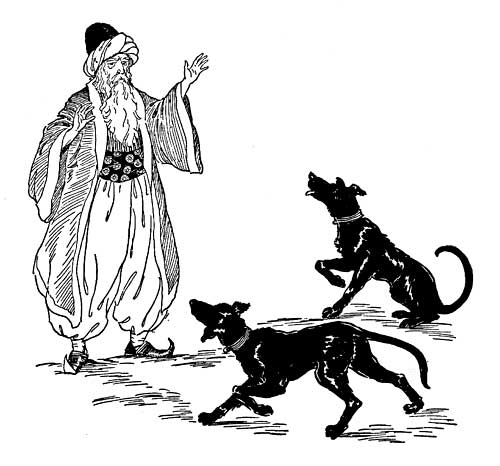
Harem pants or harem trousers are baggy, long pants caught in at the ankle. Early on, the style was also called a harem skirt. Inspired by Middle East clothing styles, especially şalvar (Turkish trousers), so-called 'harem pants/skirts' were introduced to Western fashion by designers such as Paul Poiret around 1910. The term 'harem pants' subsequently became popular in the West as a generic term for baggy trousers caught in at the ankle that suggest the Turkish style, or similar styles such as bloomers, the South Asian shalwar and patiala salwar; the Bosnian dimije; sirwal (as worn by Zouaves); and the Ukrainian sharovary.
Early 20th century
In 1911, the Paris couturier Paul Poiret introduced harem pants as part of his efforts to reinvent and 'liberate' Western female fashion. His "Style Sultane" included the jupe-culotte or harem pant, made with full legs tied in at the ankle. Alternative names for the harem skirt/pants included jupe-sultane (sultan skirt), and jupe-pantalon (trouser-skirt). Despite the fierce criticism from other designers such as Jeanne Paquin who specifically criticised how harem pants slumped rather than tapered at the ankle (unlike the hobble skirt), it was noted that Paquin's own collections showed signs of having been influenced by the new styles. and a fellow couturier, Bourniche, is also credited with designing such styles at the time.
Late 20th century
Harem pants came back into fashion in the 1980s, when they were remembered for being 'costumey.' A version of harem pants popularized in the late 1980s by M. C. Hammer became known as Hammer pants.
Contemporary harem pants
Harem pants are commonly worn with a pleated skirt—a short skirt that covers the top portion of the harem pants. Both harem pants and pleated skirts are commonly used in belly dancing. Harem pants are also used as a look alike for a dhoti in India.
References
References
- (12 September 2021). "A Brief History of M.C. Hammer's Pants".
- (2010). "The dictionary of fashion history". Berg.
- (2002). "Fashion : the collection of the Kyoto Costume Institute : a history from the 18th to the 20th century". [[Taschen]].
- (2013). "Fashion and orientalism : dress, textiles and culture from the 17th to the 21st century". Bloomsbury.
- (2005). "In the Palaces of the Sultan". Gorgias Press.
- (2007). "Classic chic : music, fashion, and modernism". University of California Press.
- (2013). "Fashion and orientalism : dress, textiles and culture from the 17th to the 21st century". Bloomsbury.
- (2014). "Edwardian fashion". Shire Books.
- (1992). "Vogue history of 20th century fashion". Bloomsbury Books.
- (1994). "Art Bulletin of Victoria, Issues 34-36". Council of the National Gallery of Victoria.
- (2012). "Tim Gunn's fashion bible : the fascinating history of everything in your closet". Gallery Books.
- [http://www.inthe80s.com/clothes/harempants0.shtml In The 80s — Clothes of the Eighties, Harem Pants]
- (22 April 2016). "Stylish Harem Pants".
- (20 May 2020). "Aditi Rao Hydari practiced her Bharat Natyam skills home in a black top and printed harem pants".
This article was imported from Wikipedia and is available under the Creative Commons Attribution-ShareAlike 4.0 License. Content has been adapted to SurfDoc format. Original contributors can be found on the article history page.
Ask Mako anything about Harem pants — get instant answers, deeper analysis, and related topics.
Research with MakoFree with your Surf account
Create a free account to save articles, ask Mako questions, and organize your research.
Sign up freeThis content may have been generated or modified by AI. CloudSurf Software LLC is not responsible for the accuracy, completeness, or reliability of AI-generated content. Always verify important information from primary sources.
Report