From Surf Wiki (app.surf) — the open knowledge base
Glamour (presentation)
Impression of fascination created by an elegant or luxurious appearance
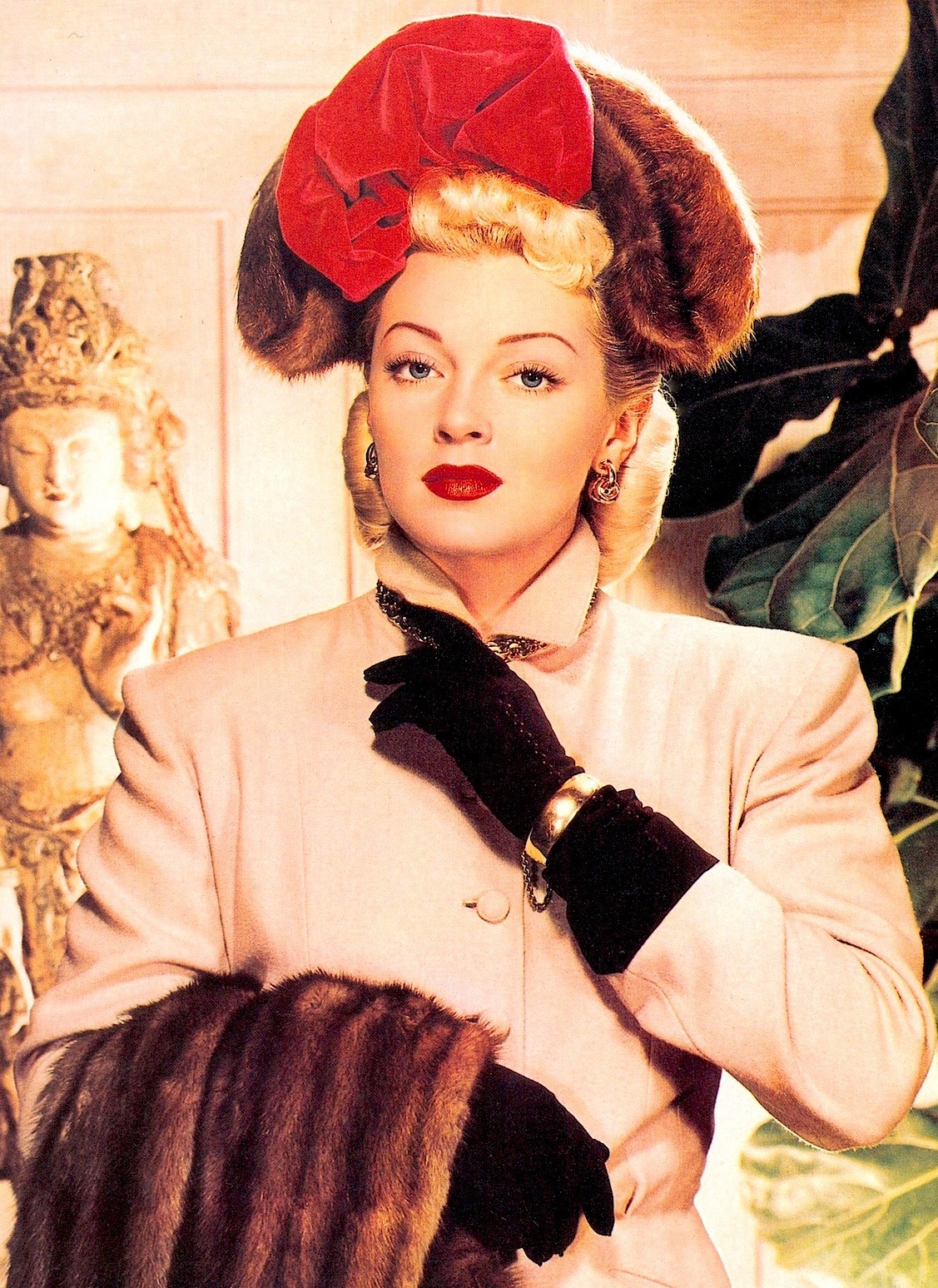
Impression of fascination created by an elegant or luxurious appearance
In the field of cultural studies, glamour, or glamor, is the impression of attraction or fascination that a particularly luxurious or elegant appearance creates, an impression which intensifies reality. Usually, a person, event, location, technology, or product such as a piece of clothing can be glamorous or add glamour. "Glamour" originally referred to a magic spell, an illusion said to be cast by witches.
Virginia Postrel says that for glamour to be successful it nearly always requires sprezzatura—an appearance of effortlessness, and to appear distant—transcending the everyday, to be slightly mysterious and somewhat idealised, but not to the extent it is no longer possible to identify with the person. Glamorous things are neither opaque, hiding all, nor transparent showing everything, but translucent, favourably showing things.
The early Hollywood star system in particular specialised in Hollywood glamour where they systematically glamorised their actors and actresses.
Glamour can be confused with a style, which is adherence to a particular school of fashion, or intrinsic beauty; whereas glamour can be external and deliberate.
History
"Glamour" originally referred to a magic spell, an illusion said to be cast by witches. In the late 19th century terminology, a non-magical item used to help create a more attractive appearance gradually became known as 'a glamour'.
Late in the 19th century, the common meaning shifted to being applied to ordinary objects and jewellery without connotations of supernatural, merely upon the effect that it has on appearance. This is a sense used in this article and to some extent is the way that it was used by the early Hollywood system.
In modern usage glamour is often confused with style or female beauty; but they may be considered to be distinct, although glamour may give the appearance of beauty or present as a personal style.
Design
Many forms of architecture employ glamorous motifs to enhance the appearance of what may be otherwise mundane buildings. The Art Deco style is generally considered to be a glamorous one.
Cinema
The "Golden Age" of the glamour in Hollywood was the 1930s and 1940s, following the Great Depression and its aftermath.
Hollywood studios presented their female stars in designer gowns and exquisite jewelry, both on screen and in carefully orchestrated occasions for publicity. Joan Crawford is quoted to have said, "I never go outside unless I look like Joan Crawford, the movie star."
Photography was shot in rooms that had been specially painted to flatter the skin tone of the actors and actresses, and attention was paid to hair and clothes. Notably this was successfully done with:
- Grace Kelly
- Marilyn Monroe
- Doris Day
Photography
Glamour photography is the photographing of a fashion model with the emphasis on the model and the model's sexuality and allure; with any clothing, fashion, products or environment contained in the image being of minor consideration. Photographers use a combination of cosmetics, lighting and airbrushing techniques to produce the most physically appealing image of the mode possible. For example in the April 1933 edition of Vanity Fair, George Hoyningen-Huene presented seven images of the same model, in several different manners under the title of "The Man Behind the Camera". Through the use of chiaroscuro lighting and props Hoyningen-Huene successfully created a collection of juxtaposing images that both accentuate and minimise the beauty and glamour of the model.
References
References
- (13 November 2018). "50 Of The Most Glamorous Old Hollywood Actresses".
- "TED conference Virginia Postrel".
- (2004-10-10). "The Gilded Age". The New York Times.
- Fulford, Robert. (13 September 2003). "Art Deco's glamour: Art Deco borrowed from the style of machines. The Deco artists loved surfaces that glittered, surfaces of glass, silver, steel, lacquer, then chromium and Bakelite". robertfulford.com.
- "Zapata, Janet. "The democratization of glamour", ''Antiques''".
- [http://lazarosarmiento.blogspot.mx/2012/01/dolores-del-rio.html]''Buena suerte viviendo:Dolores del Río''
- [http://www.mfa.org/exhibitions/hollywood-glamour "Hollywood Glamour: Fashion and Jewelry from the Silver Screen", Museum of Fine Arts, Boston]
- "Khvan, Olga. "MFA Shows Off Allure, Manipulation of 'Hollywood Glamour'", ''Boston Magazine'', September 9, 2014".
- Keating, Patrick. (2017). "Artifice and Atmosphere: The Visual Culture of Hollywood Glamour Photography, 1930–1935". Film History.
This article was imported from Wikipedia and is available under the Creative Commons Attribution-ShareAlike 4.0 License. Content has been adapted to SurfDoc format. Original contributors can be found on the article history page.
Ask Mako anything about Glamour (presentation) — get instant answers, deeper analysis, and related topics.
Research with MakoFree with your Surf account
Create a free account to save articles, ask Mako questions, and organize your research.
Sign up freeThis content may have been generated or modified by AI. CloudSurf Software LLC is not responsible for the accuracy, completeness, or reliability of AI-generated content. Always verify important information from primary sources.
Report